
GWK Bali (Garuda Wisnu Kencana): Timings, Tickets & Show Schedule

Rohan Malhotra
January 8, 2026
Plan your GWK Bali visit with timings, ticket prices, statue details, cultural shows, how to reach, best photography spots, and practical travel tips.
Introduction to Garuda Wisnu Kencana Cultural Park Bali
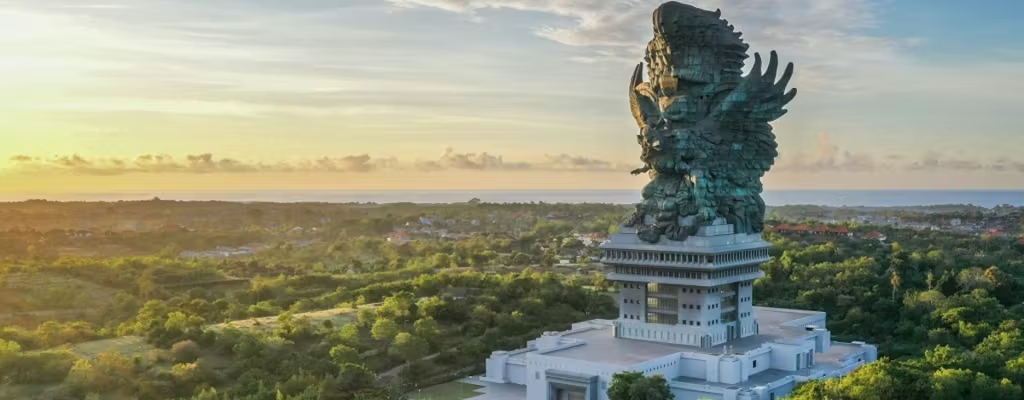
Garuda Wisnu Kencana Cultural Park Bali, widely called GWK Bali, is one of the island's most iconic cultural landmarks. Located in Ungasan, South Kuta, this large complex combines monumental architecture, open cultural spaces, performance arenas, landscaped plazas, and panoramic viewpoints over southern Bali. The centerpiece is the colossal Garuda Wisnu Kencana statue, depicting Lord Vishnu riding Garuda, a powerful symbol rooted in Hindu mythology and Indonesian national identity.
For most travelers, GWK is not just a quick photo stop. It is a half-day destination where you can explore sculpture zones, watch Balinese cultural performances, enjoy elevated viewpoints, and understand the mythological narrative behind the monument. If you are planning your Bali itinerary efficiently, you can combine this visit with Uluwatu Temple and nearby beaches for a full South Bali day. This guide covers GWK Bali timings, ticket price, best time to visit, how to reach, what to see inside, and practical tips that help you avoid common planning mistakes.
The GWK Statue: Garuda and Vishnu
The GWK statue is the visual and cultural core of the park. It represents Vishnu mounted on Garuda, reflecting a mythological story about duty, devotion, and protection. The monument was designed by renowned Indonesian sculptor Nyoman Nuarta and completed after a long multi-year development period. Today it stands as one of Indonesia's most recognized monumental works.
A key reason travelers search for GWK statue details is scale. The full monument rises to around 121 meters including the pedestal, making it taller than many globally familiar monuments and visible from multiple points in South Bali. The structure uses engineered steel and concrete with copper-brass surface elements, combining traditional symbolism with modern construction methods.
Inside the broader GWK complex, the statue is not isolated. It is integrated with plazas, cultural stages, and visitor circulation areas, so your experience becomes more than one viewpoint photo. You can walk the grounds, understand the story panels, and observe how the monument has been positioned as a cultural anchor rather than a stand-alone sculpture.
GWK Bali Timings
GWK Bali timings can vary slightly by event calendar and special programming, but travelers typically plan around full-day access and evening activity windows. Based on current ticketing information, regular entrance is generally valid for whole-day park access, while specific programs like night shows or top-of-statue tours can follow separate slots.
| Experience Type | Common Time Window | Planning Note |
|---|---|---|
| Park entry and general visit | Day to evening | Ticket usually valid for same-day re-entry with stamp policy |
| Cultural amphitheater performances | Late morning to afternoon slots | Performance lineup can change by season |
| Night programs (selected dates) | Evening | Check date-specific availability before visiting |
Because show schedules and operational details can change, always verify same-day information at the official ticketing desk or website. If cultural performances are your priority, arrive earlier so you can complete statue and plaza exploration before showtime.
GWK Bali Ticket Price and Entry Information
GWK Bali ticket price is another high-intent search query, especially for travelers comparing attraction budgets in South Bali. Current public ticketing pages typically show a regular entrance ticket around IDR 150,000, with add-ons such as buggy service and premium bundles for guided top-of-statue access. Promotional pricing, local-vs-foreign policy changes, and package structures may be updated, so treat online rates as reference until booking day.
- Regular entrance: Commonly listed around IDR 150,000.
- Child policy: Children under a defined height threshold are often free.
- Add-ons: Buggy shuttle and premium bundle options are available.
- Bundled experiences: Can include guided tower access, refreshment, and cultural show inclusions.
For budget control, decide first whether you need only standard park entry or premium access experiences. Many travelers are satisfied with regular entry plus self-paced exploration. If you want deeper monument access and minimal walking fatigue, bundled or shuttle options can be worth the extra cost.
Best Time to Visit GWK Bali
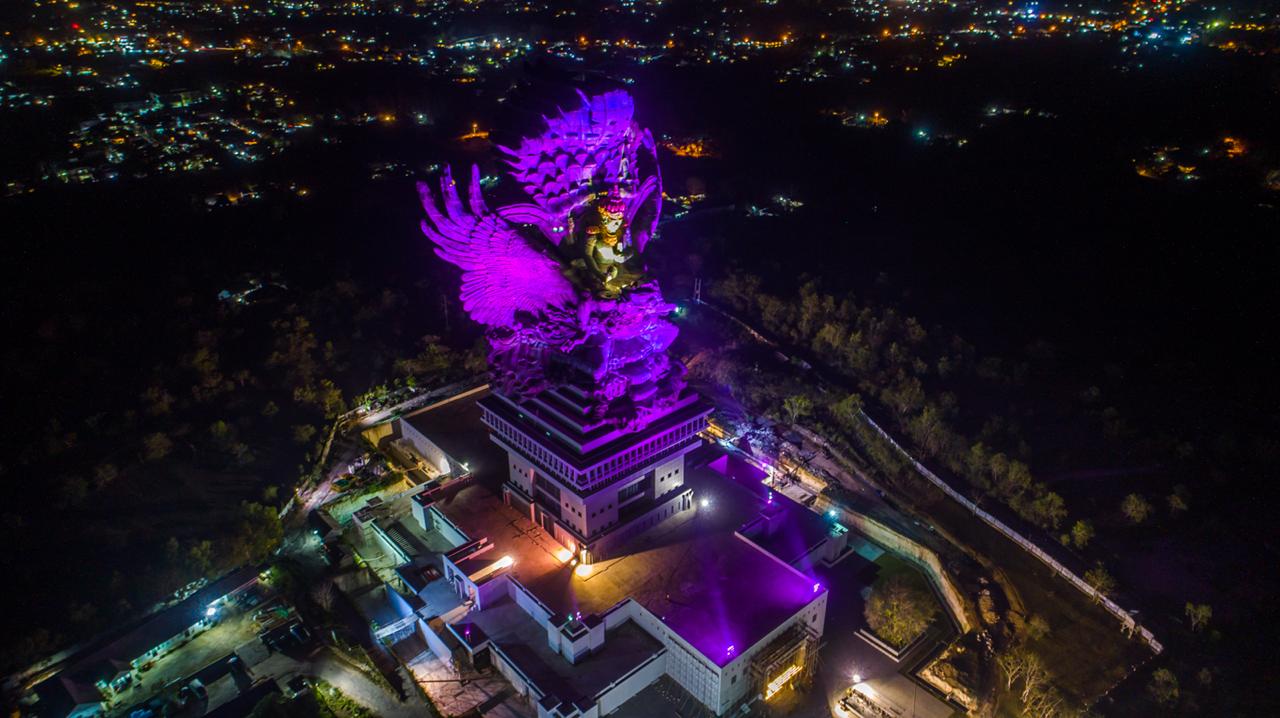
The best time to visit GWK Bali depends on your priorities: photography, weather comfort, cultural shows, or pairing with sunset plans in Uluwatu. In general, mornings offer better heat management and cleaner photo conditions, while evenings deliver dramatic sky color and a more atmospheric experience around the illuminated monument.
| Time of Day | Best For | Trade-off |
|---|---|---|
| Morning (opening to late morning) | Cooler conditions, lower crowd pressure, clear photos | May miss later performance slots |
| Afternoon | Cultural activity windows and flexible itinerary pairing | Warmer temperatures |
| Evening | Lighting effects, dramatic mood, date-night vibe | Can be busier on weekends |
Seasonally, Bali's dry months are more comfortable for long outdoor walks, while wet months can still work if you carry light rain protection and flexible plans. If you are combining with best time to visit Bali planning, align GWK with a clear-weather day to maximize viewpoint quality.
How to Reach GWK Bali
GWK Cultural Park is located in Ungasan, South Kuta, and is reachable from major tourist zones by taxi, app cab, private driver, or self-drive scooter/car. Most first-time visitors choose app cabs or private cars because they reduce navigation stress and work well for multi-stop day plans.
From Kuta/Seminyak/Legian
Travel time is usually around 45 to 70 minutes depending on traffic. Road congestion can rise sharply in late afternoon, so keep a buffer if you want to reach before a specific show or sunset window.
From Ubud
Travel can take 75 to 120 minutes. If starting from Ubud, it is better to make GWK a primary destination for the day rather than a short add-on stop.
From Nusa Dua/Jimbaran
Travel times are shorter and often more predictable, making GWK easy to combine with nearby beaches or dinner plans.
If you are arriving in Bali recently and still optimizing transport, begin with a broader route plan from Bali travel guide resources, then cluster South Bali attractions on one day to reduce back-and-forth transfers.
Statue Details and Cultural Significance
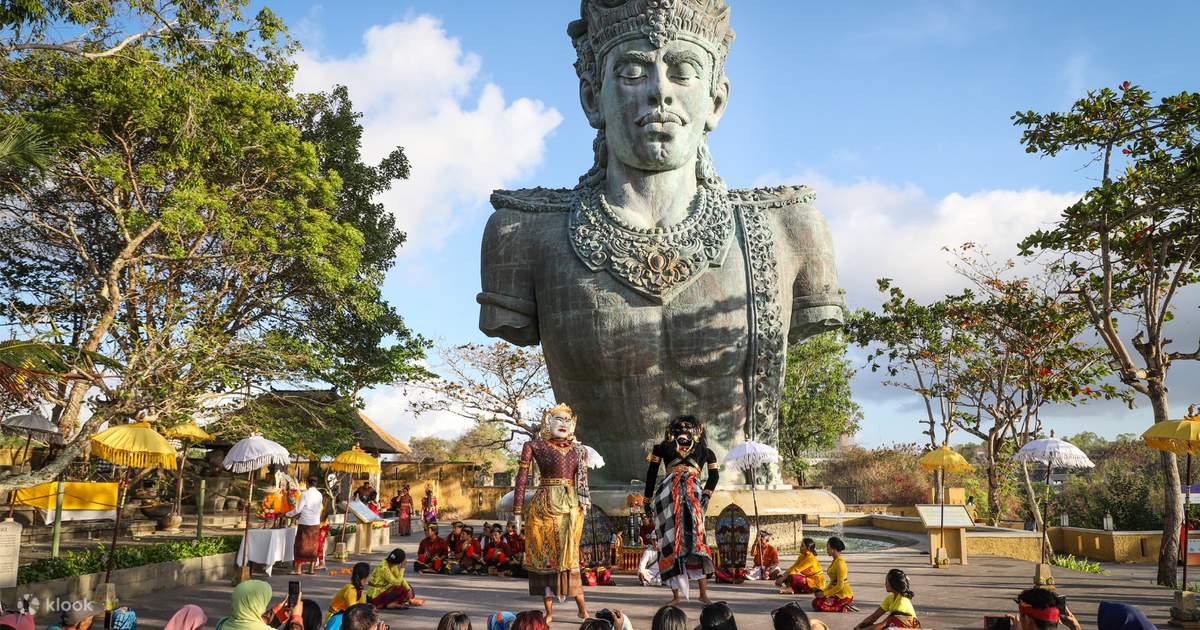
GWK is not only a tourism monument; it also carries layered cultural meaning. Garuda is an important figure in Hindu mythology and is strongly tied to Indonesian symbolism. Vishnu on Garuda represents power guided by dharma, and this theme is reflected in the park's storytelling design.
The statue's engineering and long construction timeline are frequently discussed because the project faced financial, technical, and logistical complexity before final completion. That history adds context to why GWK is often presented as a cultural achievement as much as an architectural one.
For visitors interested in Southeast Asian cultural links, GWK also highlights how Hindu narratives travel and adapt across regions. Travelers from India often find this especially compelling because familiar mythological figures appear through distinctly Balinese visual interpretation, costumes, and performance styles.
Cultural Performances and Shows at GWK
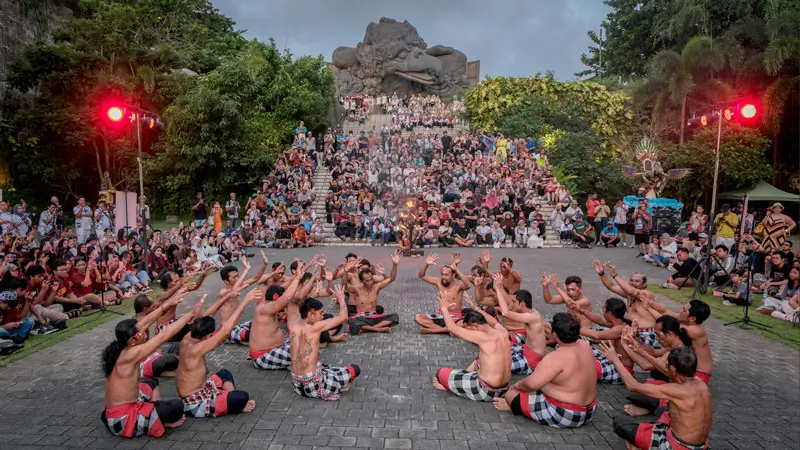
One of the strongest reasons to visit GWK is the live cultural programming. Depending on season and event calendar, visitors can watch Balinese dance and stage performances in designated amphitheater zones. Some ticket types include cultural performance access, and selected nighttime programs are also offered on specific dates.
What makes this useful for travelers is convenience. Instead of booking separate small-venue performances across the island, GWK allows first-time visitors to experience curated cultural snippets in one place while also covering a major landmark. This is particularly practical for short Bali itineraries.
- Daytime stage performances: Often scheduled in recurring time blocks.
- Mythology-linked storytelling: Helps contextualize the statue narrative.
- Night shows on selected dates: Require prior date checks.
- Family-friendly flow: Large spaces and structured audience movement.
If your Bali plan includes temple experiences like Lempuyang Temple or Uluwatu Temple Bali, GWK provides a complementary modern-cultural format that balances traditional religious sites with performative heritage spaces.
GWK Areas and Attractions to Explore
The cultural park is large enough that route planning improves your experience. Many visitors who rush directly to the statue miss plazas, curated installations, and viewpoint areas that create the full GWK narrative.
Plaza and Monument Zone
This is the central visual anchor where most first-time photos are taken. Arrive early for clearer foreground composition before crowd density rises.
Amphitheater and Performance Areas
Check the schedule and stay nearby before your chosen performance slot. This reduces walking pressure and helps secure better seating positions.
Viewing and Rest Zones
Use shaded points and elevated sections for panoramic South Bali views. In warm weather, short breaks significantly improve comfort.
Food and Souvenir Sections
Food options and retail areas inside the complex make it easier to stay longer without exiting mid-visit. Prices can be higher than outside local spots, so plan accordingly.
For travelers who want nightlife after a cultural day, moving later to Kuta nightlife Bali is a practical transition.
Photography Spots and Content Tips
GWK Bali is a strong location for both casual and professional photography because of scale, geometry, and controlled visitor pathways. The main challenge is balancing monument scale with human subjects without distortion.
- Wide-angle monument frame: Best from open plaza sections with low foreground clutter.
- Golden-hour portrait: Works well near textured stone and directional light.
- Performance photography: Keep shutter planning in mind for motion-heavy dance scenes.
- Night mood shots: Use stable support or higher ISO for illuminated monument scenes.
If you are shooting for social media, capture one full-scale frame, one detail frame (costume/sculpture texture), one lifestyle walking frame, and one evening mood frame. This set gives narrative variety without repeating the same visual angle.
Nearby Attractions You Can Combine with GWK
GWK is strategically placed for South Bali combination itineraries. This is useful if you want to maximize one day without long transfers.
- Uluwatu Temple: Strong sunset and cliffside combination with GWK daytime exploration.
- Padang Padang Beach: Good short beach stop after monument visit.
- Jimbaran dinner area: Convenient evening meal option after cultural shows.
Suggested pairings depend on your pace. Slow travelers can keep GWK as a stand-alone half-day focus. Fast-paced itineraries can combine two or three nearby stops, but only if departure and traffic buffers are realistic.
Travel Tips Before You Visit
- Book tickets in advance during holiday periods to avoid queue delays.
- Carry water and sun protection; open areas can feel hot at midday.
- Wear comfortable walking footwear because the complex is large.
- Check show schedules and premium access slots on the same day.
- Use a private driver or app cab if combining multiple South Bali stops.
- Keep modest attire and respectful behavior during cultural programs.
- Budget separately for add-ons such as shuttle service and premium tour zones.
With the right timing and realistic expectations, GWK Bali becomes one of the most rewarding culture-plus-architecture visits on the island. It offers scale, symbolism, and structured visitor experience in a way few attractions in Bali can match.
Location
Frequently Asked Questions
Q1.What is Garuda Wisnu Kencana Cultural Park Bali?
Q2.What are GWK Bali timings?
Q3.What is the GWK Bali ticket price?
Q4.How tall is the Garuda Wisnu Kencana statue?
Q5.How can I reach GWK from popular Bali areas?
Q6.What is the best time to visit GWK Bali?
Q7.Are there cultural performances at GWK?
Q8.How much time should I keep for GWK Cultural Park?
Recommended For You
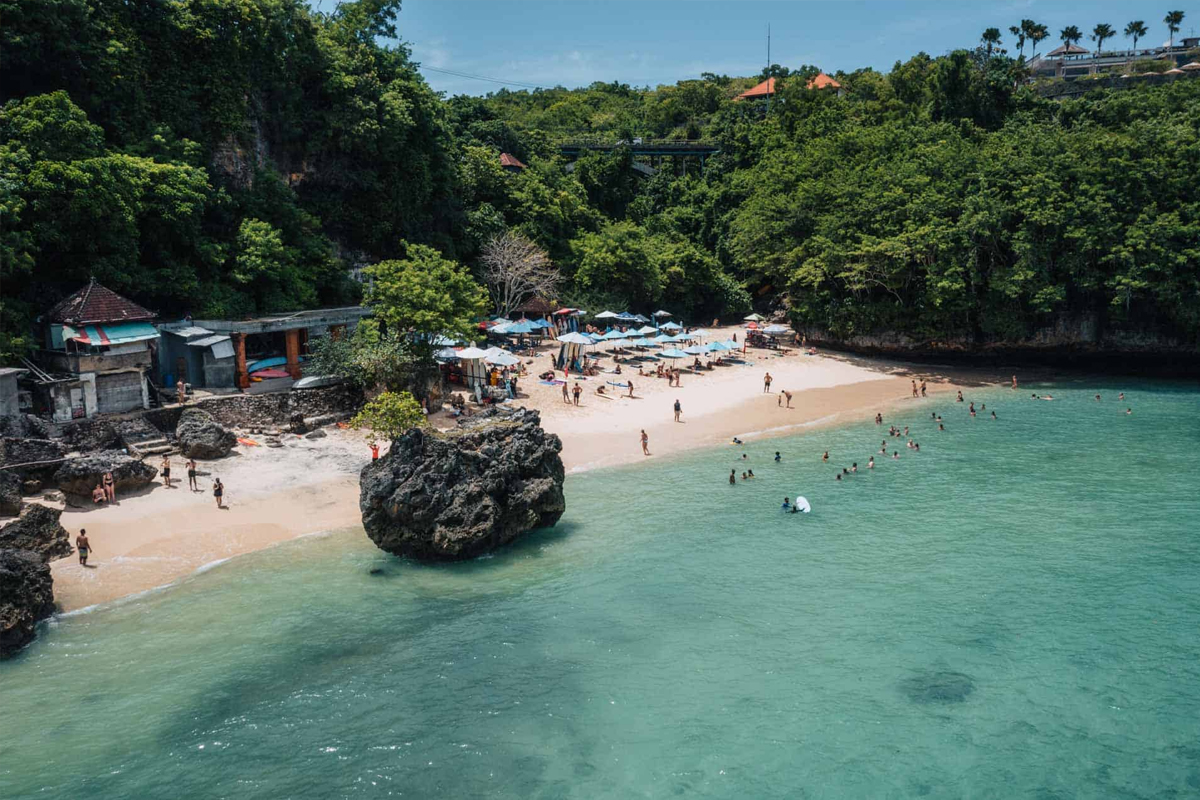
Padang Padang Beach Bali: Surf Conditions, Entry & Visitor Tips
Complete Padang Padang Beach Bali guide with world-class surfing, Eat Pray Love fame, entrance fee, how to reach, best time & practical tips.
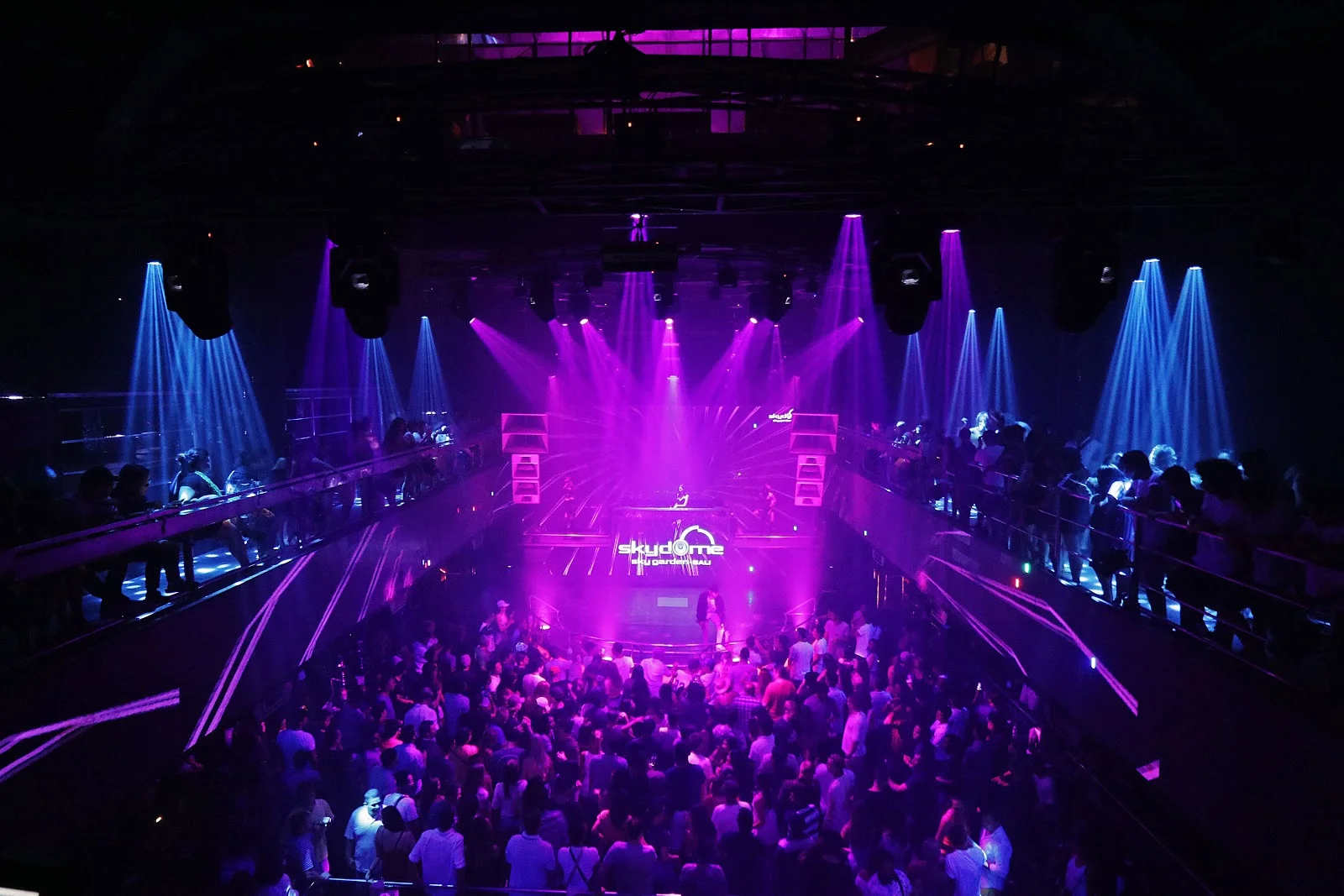
Kuta Nightlife Bali: Best Clubs, Bars & Party Streets
Complete Kuta nightlife guide with clubs, bars, beach-party flow, dress code, budget tips, safety advice, and practical planning for a better night out.
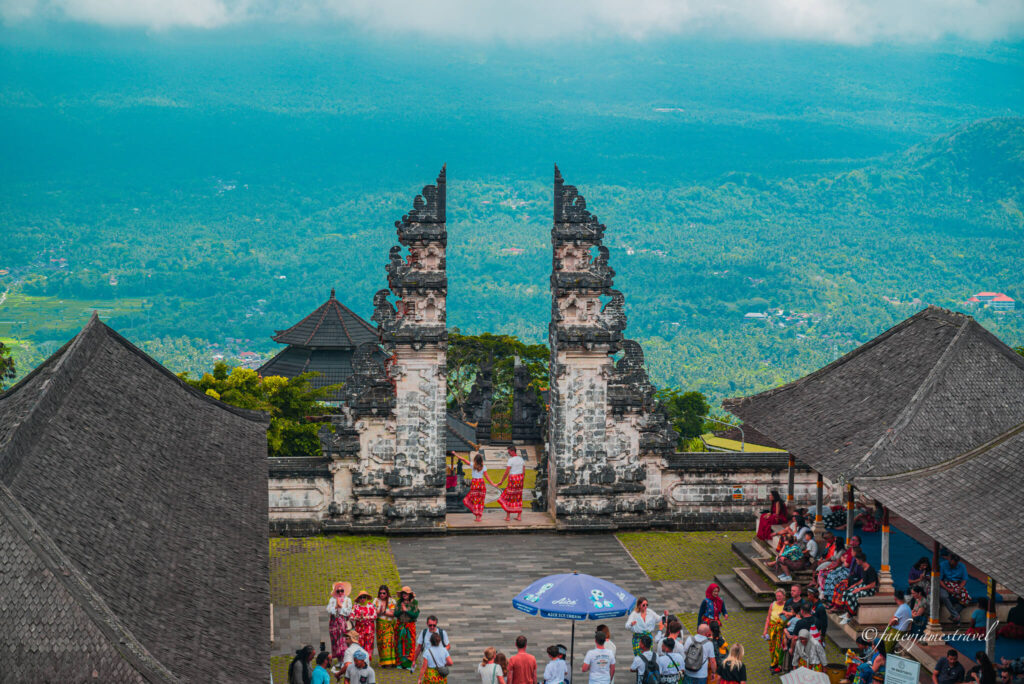
Lempuyang Temple (Gates of Heaven) Bali: Guide, Cost & Tips
Complete Lempuyang Temple Bali guide with queue reality, mirror-photo trick, entry and shuttle planning, dress code, and best-time tips.
Never Miss an Adventure
Get the latest trekking guides, travel tips, and exclusive offers delivered straight to your inbox.
