
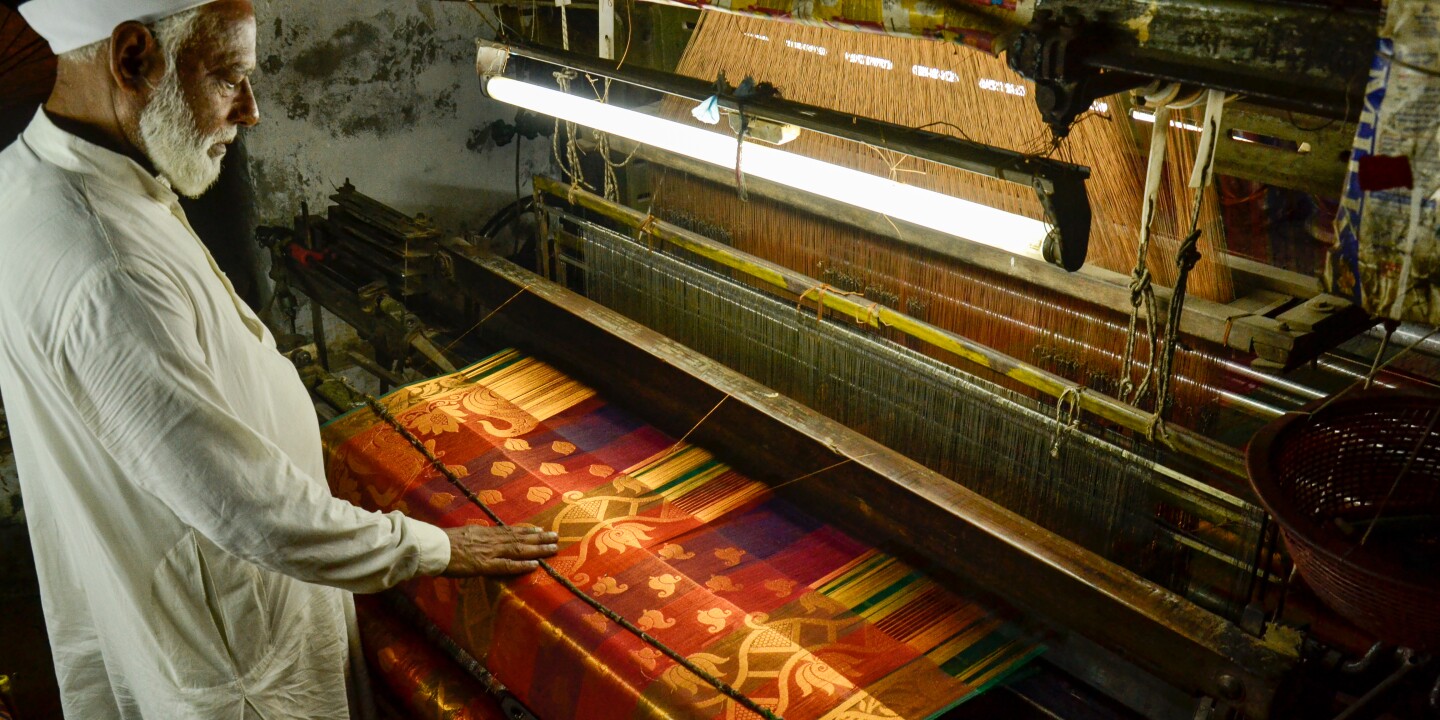
Weavers of Varanasi: Banarasi Saree Craft, Workshops & Buying Hubs

Rohan Malhotra
February 20, 2026
Explore the weavers of Varanasi with practical craft insights, authenticity checks, buying tips, and a culture-focused local itinerary.
Weavers of Varanasi: Practical Guide to Banarasi Craft and Culture
Varanasi is known for temples, ghats, and spiritual rituals, but its weaving neighborhoods tell an equally important story. The weavers of Varanasi sustain a textile tradition that has shaped Indian ceremonial clothing for centuries. Banarasi sarees are not only garments; they are cultural artifacts made through time, design memory, and intergenerational skill.
For travelers, this heritage can be confusing because market language often mixes handloom, power loom, pure silk, and zari claims. This guide helps you understand how Banarasi weaving works, where to go, how to buy responsibly, and how to connect a weaving visit with other city experiences like Godaulia Market and Ganga Aarti in Varanasi.
Why Banarasi Weaving Is Globally Respected
Banarasi textiles are valued for intricate brocade, detailed motifs, and silk-zari combinations that produce both elegance and durability. The craft evolved through exchanges between regional Indian traditions and historical Persian-Mughal design influences, which is why many patterns look both classical and ornate.
The true distinction is labor depth. A serious handloom Banarasi piece may take weeks or months depending on complexity. This time investment is the difference between visually similar machine output and authentic artisan work. Understanding this gap helps travelers avoid poor buying decisions and support the right producers.
How a Banarasi Saree Is Made
1. Design and Pattern Mapping
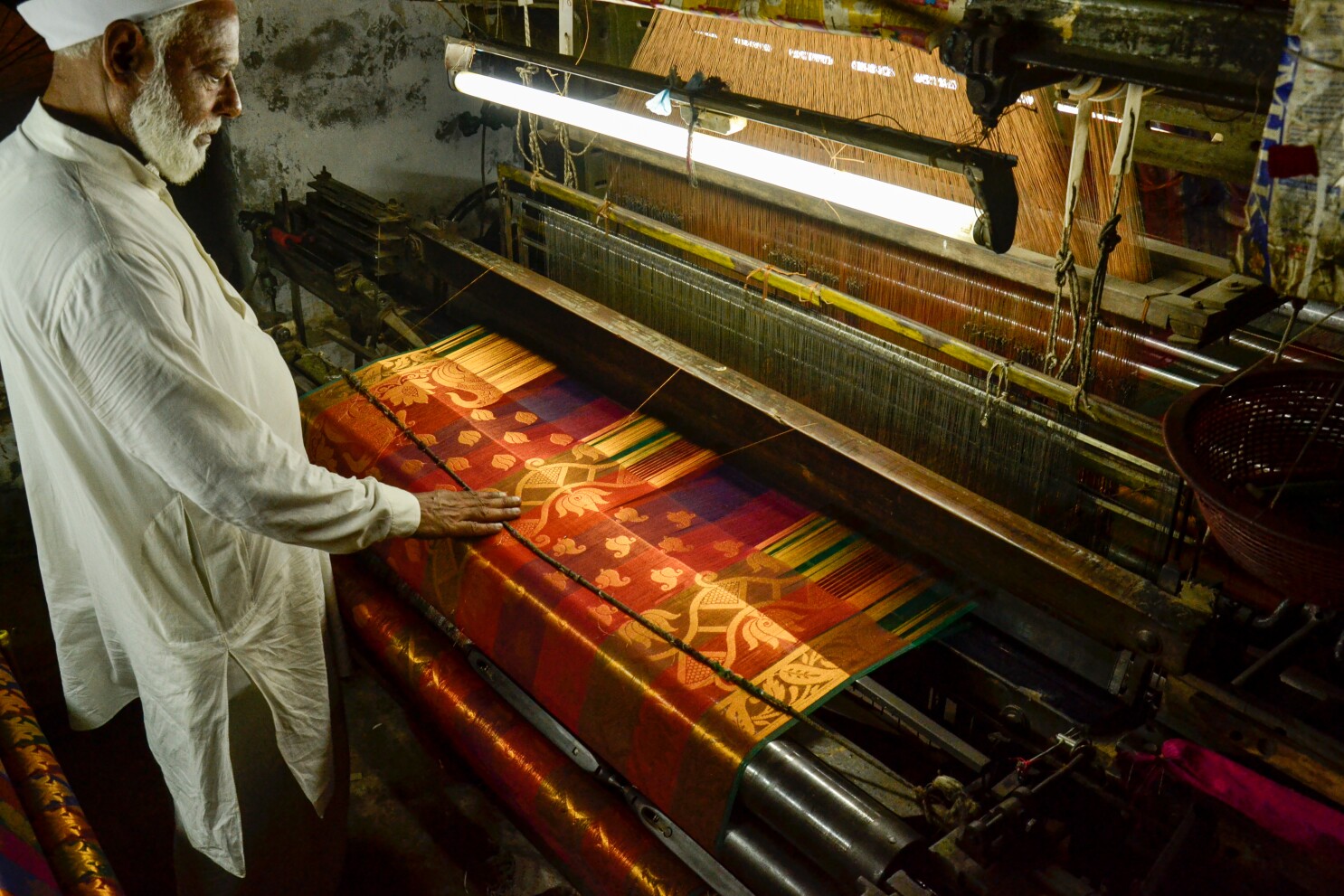
The process begins with motif planning. Traditional floral, jaal, buti, and border patterns are converted into loom instructions. In older systems, this involved detailed graph logic and card-based structure; in newer workshops, hybrid methods may be used while preserving manual weaving.
2. Silk and Zari Preparation
Silk yarn is selected and prepared based on drape, strength, and finish requirements. Zari choice also matters: metallic quality, thread consistency, and blending method affect both shine and lifespan.
3. Loom Setup
Loom preparation can take significant time before actual weaving starts. Warp alignment, tension control, and motif synchronization must be precise. Travelers often underestimate how much technical work happens before the first visible pattern appears.
4. Handloom Weaving
During weaving, rhythm and concentration are critical. The craft is repetitive but not mechanical. Small errors can distort motif continuity, so artisans constantly monitor alignment and thread flow.
Where to Experience Weaving in Varanasi
Neighborhoods such as Madanpura, Lallapura, and Alaipura are commonly associated with weaving families and workshop culture. These are living residential zones, not curated tourist complexes. Visit respectfully, preferably with someone who understands local context.
A guided textile walk usually gives better outcomes than random exploration. You can observe loom work, discuss material differences, and understand pricing logic without relying on purely sales-driven narratives. If you prefer structured retail comparison, combine cluster visits with showroom checks near central market areas.
How to Identify Authentic Banarasi Handloom
| Check Point | What to Look For | Why It Matters |
|---|---|---|
| Weave texture | Minor irregularities, softer hand feel | Indicates manual process, not uniform machine finish |
| Reverse side | Pattern transitions may show thread complexity | Handloom structure is rarely perfectly uniform at micro level |
| Price realism | Pure silk handloom usually starts higher than mass-market range | True labor and material costs set a practical floor price |
| Certification | Ask for Handloom Mark and Silk Mark where applicable | Adds trust and reduces mislabeling risk |
No single test is enough. Use texture, structure, price, and documentation together before finalizing any high-value purchase.
Budget Planning for Buyers
Budget should depend on purpose, not only aesthetics. If you want occasional wear and visual appeal, entry-level silk blends or lighter work may suit you. If you are buying for weddings or heirloom use, prioritize handloom quality, weaving density, and zari reliability even if the price is higher.
- Value segment: Style-focused purchases where budget is primary.
- Mid segment: Better weave depth and improved durability.
- Premium segment: Rich motifs, stronger craft detail, and long-term keeping value.
Ask for clear invoice details and care instructions. Proper storage and cleaning significantly affect textile longevity.
Etiquette in Weaving Communities
- Ask permission before photography, especially inside homes or workshops.
- Do not touch loom components unless invited.
- Keep voice level low and avoid crowding active workstations.
- Negotiate respectfully; avoid unrealistic offers that disregard labor value.
Respectful behavior improves trust and creates better learning opportunities. Many artisans are willing to explain their work when approached with genuine interest.
How to Combine Weaving with a Full Varanasi Day
Morning: Weaving Cluster Visit
Start with a guided workshop visit when artisans are actively working and natural light helps you observe details.
Midday: Market Comparison and Food
Move to central retail areas for side-by-side fabric comparison, then break for local cuisine using this best local food in Varanasi guide.
Evening: Cultural Closure on the Ghats
Close the day with the riverfront atmosphere and evening rituals. This sequence connects material culture, daily life, and spiritual culture in one coherent itinerary.
Best Time to Plan Textile-Focused Exploration
Weather comfort matters because weaving neighborhoods involve walking through dense lanes. Cooler months generally provide better movement conditions and less fatigue. If your travel dates are flexible, use this best time to visit Varanasi guide before booking.
Peak wedding shopping periods can increase demand and rush in retail zones. That is good for variety but can reduce time available for deep craft conversations. If learning is your priority, choose slightly off-peak windows.
Common Mistakes Visitors Make
- Buying at the first store without comparing weave and documentation.
- Treating all "Banarasi" labels as equivalent quality.
- Ignoring care instructions for silk and zari fabrics.
- Planning weaving visits too late in the day when workshops slow down.
- Focusing only on price and missing long-term value indicators.
Final Take
The weavers of Varanasi represent one of India’s most significant living craft traditions. A textile-focused visit can become one of the most memorable parts of your trip when done with preparation and respect. Learn the basics, verify authenticity carefully, and engage directly with artisan context wherever possible. You will not only buy better, you will understand Varanasi better.
Questions to Ask Before You Buy
A short question set can prevent expensive mistakes. Ask who wove the piece, how long it took, what silk and zari type was used, and whether a handloom mark or silk certification is available. Then ask about storage and maintenance. Sellers who answer clearly usually have stronger product confidence and lower mislabeling risk.
Also ask whether the design is repeat-market production or a smaller-run pattern. Smaller runs may carry better uniqueness value, especially for occasion wear. If you are buying for gifting, confirm exact fabric weight and drape type so the receiver can wear it comfortably in their climate and event context.
Care and Storage for Banarasi Textiles
Long life depends on care discipline. Keep sarees in breathable fabric covers, avoid direct sunlight, and refold periodically to prevent permanent crease stress on zari borders. Avoid spraying perfume directly on silk surfaces. For cleaning, follow seller instructions and prefer trusted dry-cleaning where appropriate.
If you buy multiple pieces, label each package with weave type and occasion use. This small practice helps during future selection and prevents unnecessary handling damage. Good care preserves both value and appearance, especially in heirloom pieces.
Extending Your Culture Route in Varanasi
After a weaving day, many travelers add one temple visit and one food walk to complete the cultural picture. If you are planning that extension, include Kashi Vishwanath Temple for spiritual context and keep the rest of the day flexible around traffic, crowd levels, and evening ghat timing.
Location
Frequently Asked Questions
Q1.Where can visitors explore authentic weaving culture in Varanasi?
Q2.How can travelers identify authentic Banarasi handloom products?
Q3.Is visiting weaving communities suitable for family travelers?
Q4.What budget is practical for buying Banarasi textiles?
Q5.Which etiquette rules should visitors follow in artisan areas?
Q6.Can weaving visits be combined with market and ghat plans?
Q7.What is the best time for textile and artisan exploration in Varanasi?
Q8.What common buying mistakes should visitors avoid?
Recommended For You

Best Time to Visit Varanasi: Weather, Ganga Aarti Season & Crowd Levels
Discover the best time to visit Varanasi with month-wise weather, Ganga Aarti comfort windows, festival crowd insights, and practical planning tips.

Kashi Vishwanath Temple Varanasi: Darshan Timings, Aarti & Corridor Info
Plan your Kashi Vishwanath Temple Varanasi visit with practical darshan timing, route strategy, budget guidance, and one-day temple-plus-ghat itinerary tips.

Photography Spots in Varanasi: Ghats, Alleys & Golden Hour Locations
Discover the best photography spots in Varanasi with sunrise, aarti, lane, and river-shooting tips for stronger visual storytelling.
Never Miss an Adventure
Get the latest trekking guides, travel tips, and exclusive offers delivered straight to your inbox.
