
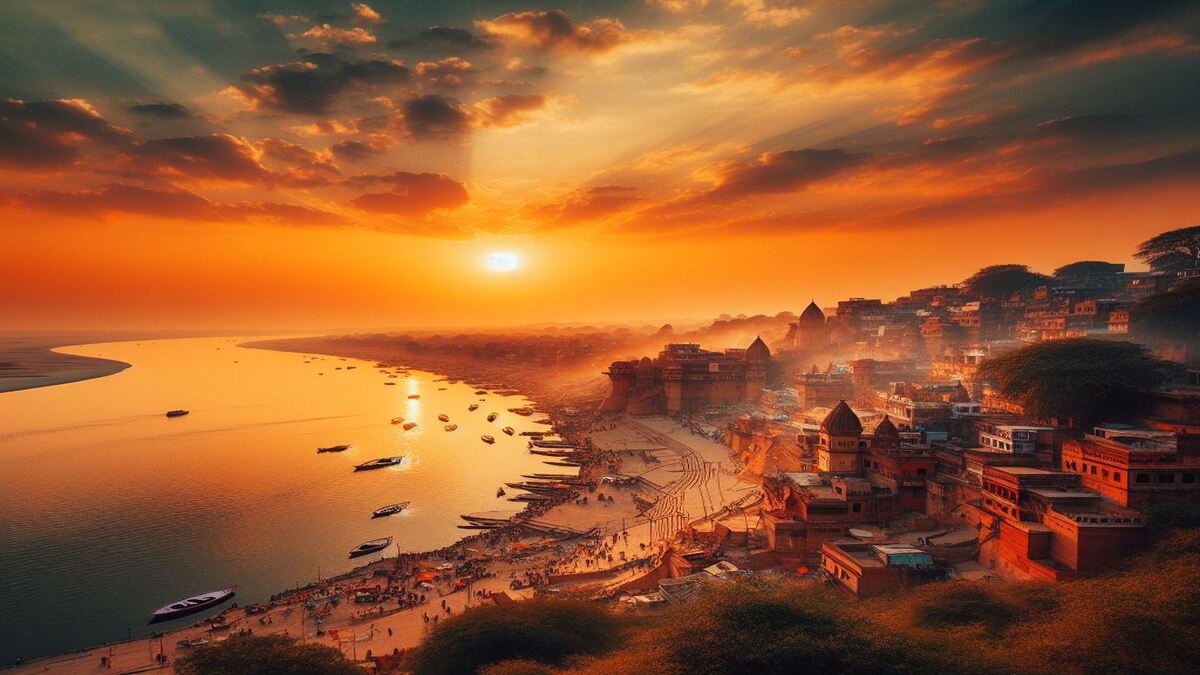
Photography Spots in Varanasi: Ghats, Alleys & Golden Hour Locations
Priya Mehta
February 18, 2026
Discover the best photography spots in Varanasi with sunrise, aarti, lane, and river-shooting tips for stronger visual storytelling.
Photography Spots in Varanasi: A Practical Visual Guide for First and Repeat Visits
Varanasi rewards photographers who are patient, respectful, and time-aware. The city is visually dense, but it is not a place where you can rush from one famous point to another and still create meaningful work. Sunrise over the river, morning rituals at the ghats, smoke and light patterns in narrow lanes, and evening aarti sequences each need different settings, angles, and behavior. The strongest Varanasi photo sets usually combine wide atmosphere frames with smaller human details and texture studies. This gives your final collection emotional depth instead of only postcard views.
If you are planning your first route, combine this guide with best time to visit Varanasi, culture context from Holi festival in Varanasi, and stay planning through Airbnbs in Varanasi. Good route logic matters more than carrying heavy gear. Varanasi movement is slower than maps suggest, and lane navigation can consume time quickly. Keep your daily target tight: one sunrise block, one lane block, one evening block. You will return with more usable images and less fatigue.
Sunrise Block: The Most Important Session
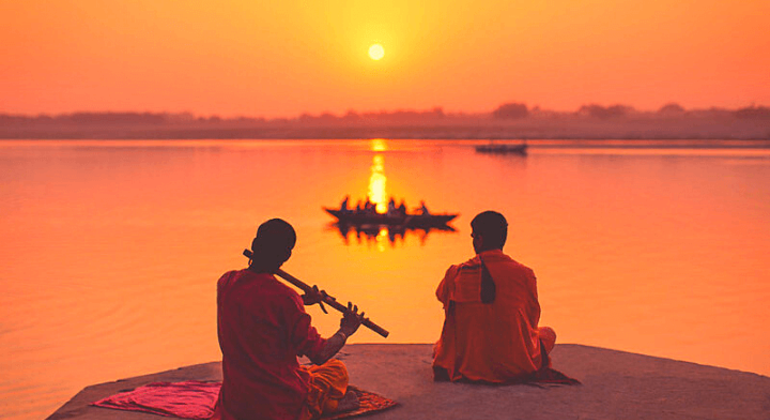
Sunrise is the highest-value photography window in Varanasi. Light is soft, river activity begins early, and the ghats feel layered rather than crowded. Reach your first position before dawn, not at sunrise itself. This gives you transition frames from blue hour to warm light. Start with wide compositions that show steps, water, and sky in one frame. Then move to medium focal lengths for rituals, silhouettes, and interactions on the ghat edges. If possible, take one short boat ride during this window. A mid-river angle helps you frame the ghat line as a complete stage rather than isolated steps.
| Location Type | Best Time | What to Capture |
|---|---|---|
| Major ghats | Pre-sunrise to early morning | Ritual sequences and layered activity |
| Boat viewpoints | Sunrise and just after | Panoramic skyline and reflections |
| Lane exits to river | Morning slant light | Light beams, textures, and movement |
| Quiet side ghats | Early morning | Calm portraits and architecture detail |
Old-City Lanes: Texture, Story, and Human Rhythm
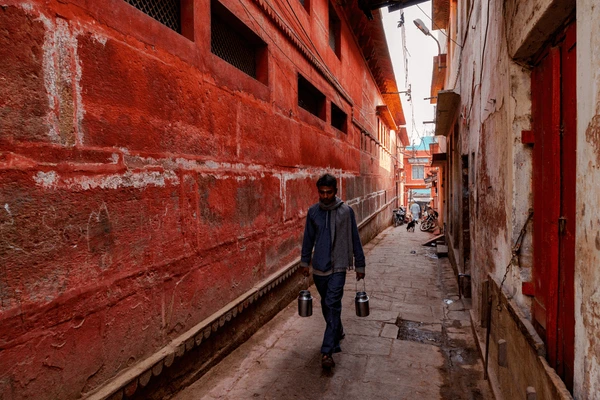
After sunrise, Varanasi lanes become your second major zone. These narrow streets offer food stalls, shrines, craft shops, bicycle flow, and rich wall textures. The key here is visual patience. Do not shoot every corner. Watch one intersection for a few minutes and wait for layers to align: person, light, foreground, and background. Frames become stronger when you let activity come to you. Keep your camera setup simple and mobile. A fast prime or short zoom works better than large lens changes in crowded lanes.
Street photography in Varanasi is best done with respect and awareness. Ask permission for close portraits, especially with elders and children. Smile, maintain distance, and avoid blocking pathways. Ethical behavior is not only right, it also produces more honest expressions in your images.
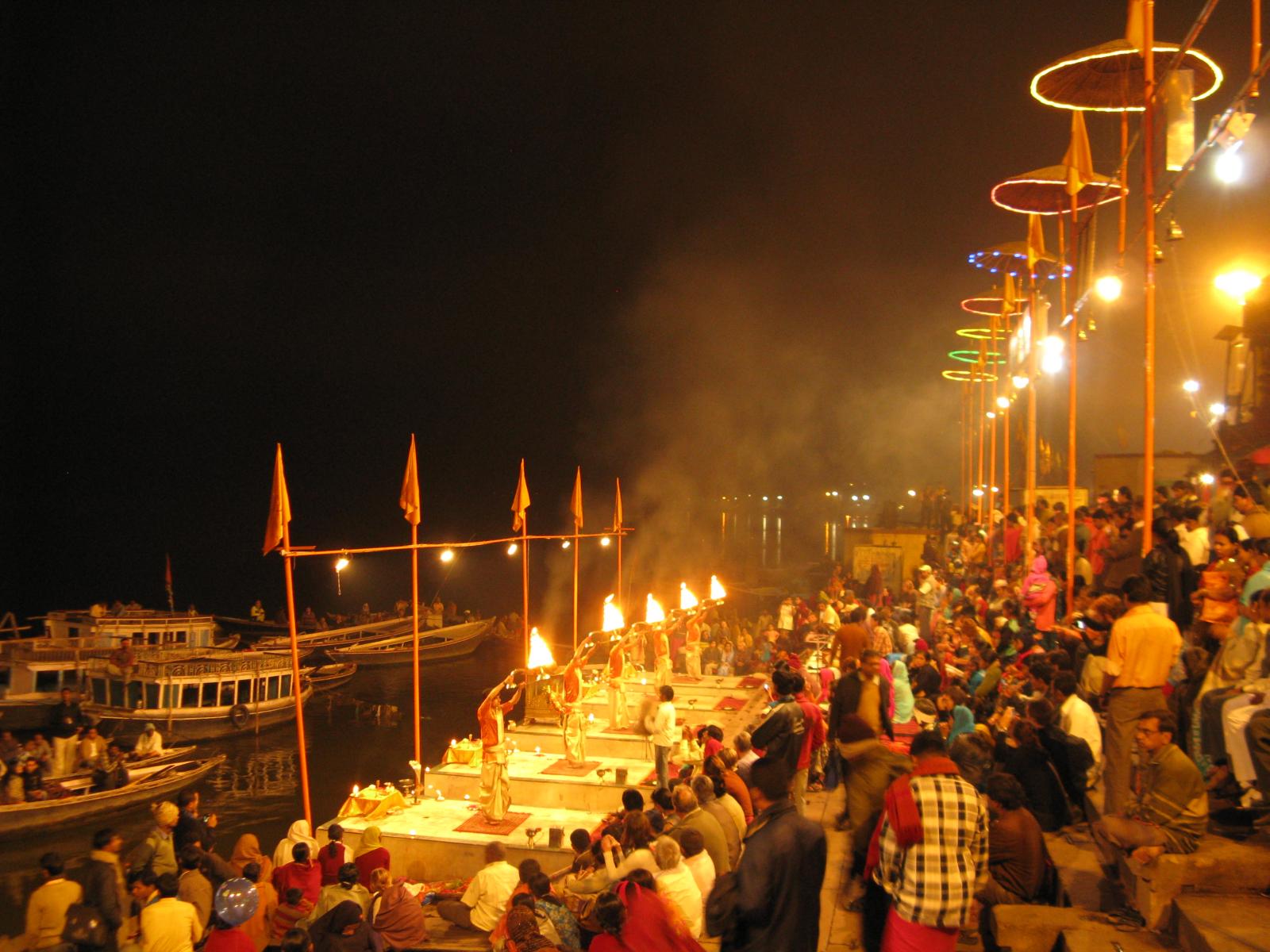
Aarti Photography: Low Light and High Sensitivity
Evening aarti is one of the most photographed events in the city, but it is also one of the easiest to shoot poorly. Crowds are dense, movement is limited, and lighting changes rapidly. Reach early and commit to one viewpoint instead of fighting for space throughout the ceremony. If you choose a boat angle, stabilize yourself before the event starts and avoid unnecessary motion. If you stay on the ghat, pick a position where foreground heads do not fully block the ritual line.
Technically, aarti requires fast shutter balance with usable noise control. Use the widest practical aperture and avoid aggressive flash that disrupts the ceremony. Shoot short bursts only at key gesture moments rather than continuous overshooting. This protects both your workflow and the atmosphere around you.
Ghat-Specific Visual Ideas
Different ghats support different stories. Busy ghats are strong for ritual density and event scale. Quieter ghats are better for geometry, reflections, and solitary portraits. Use steps and rail lines as leading elements. Include boats when you need foreground anchors. For abstract sets, focus on wet stone textures, flower offerings, and smoke layers against low-angle light. If you are documenting broader travel storytelling, mix one wide establishing frame with two detail frames per location. This three-frame method creates cohesive narrative sets for blogs, social posts, and print sequences.
Keep sensitivity high near restricted and emotionally intense zones. In areas linked to cremation activity, follow local norms strictly and avoid intrusive framing. Varanasi is a living sacred city, not a staged photo ground.
Season and Timing Strategy
Season affects haze, crowd behavior, and light quality. Clearer-weather months usually offer better sunrise contrast and more comfortable long walks. Festival periods increase visual intensity but also make access harder and movement slower. If your goal is portfolio quality over event density, choose regular weekdays and stay for at least two sunrise sessions. One sunrise is rarely enough because weather and river conditions change daily.
For practical planning around your shoot days, use nearby references such as old-city cafe breaks and heritage stops to build rest pauses between sessions. This prevents burnout and keeps you consistent across morning and evening blocks. It also helps you preserve camera battery, manage hydration, and return for a second evening session with stable focus. Keep one final buffer morning in your itinerary for missed shots, changing weather, or delayed river activity so your photo set stays balanced.
Gear and Workflow That Works on the Ground
Carry less than you think you need. A compact setup helps in lanes, steps, and boats. Keep two fully charged batteries accessible, one cleaning cloth for humidity or smoke haze, and card backups by session. Tag images each night by block name: sunrise, lane, aarti. This keeps editing efficient after the trip. If you are shooting both photo and short video, dedicate specific windows for each instead of mixing constantly.
Varanasi photography is about observing rhythm more than chasing perfect symmetry. Give each location time, respect people and rituals, and build your day around light transitions. With that approach, you will return with a stronger and more complete visual story than a rushed city sprint can ever produce.
Location
Frequently Asked Questions
Q1.What are the best photography spots in Varanasi?
Q2.When is best for sunrise photography in Varanasi?
Q3.Can I photograph Ganga Aarti?
Q4.Is street photography safe in Varanasi?
Q5.Do I need permission for portraits in Varanasi?
Q6.What gear should I carry for Varanasi photography?
Q7.Can I shoot from a boat in Varanasi?
Q8.Which season is best for photography in Varanasi?
Recommended For You
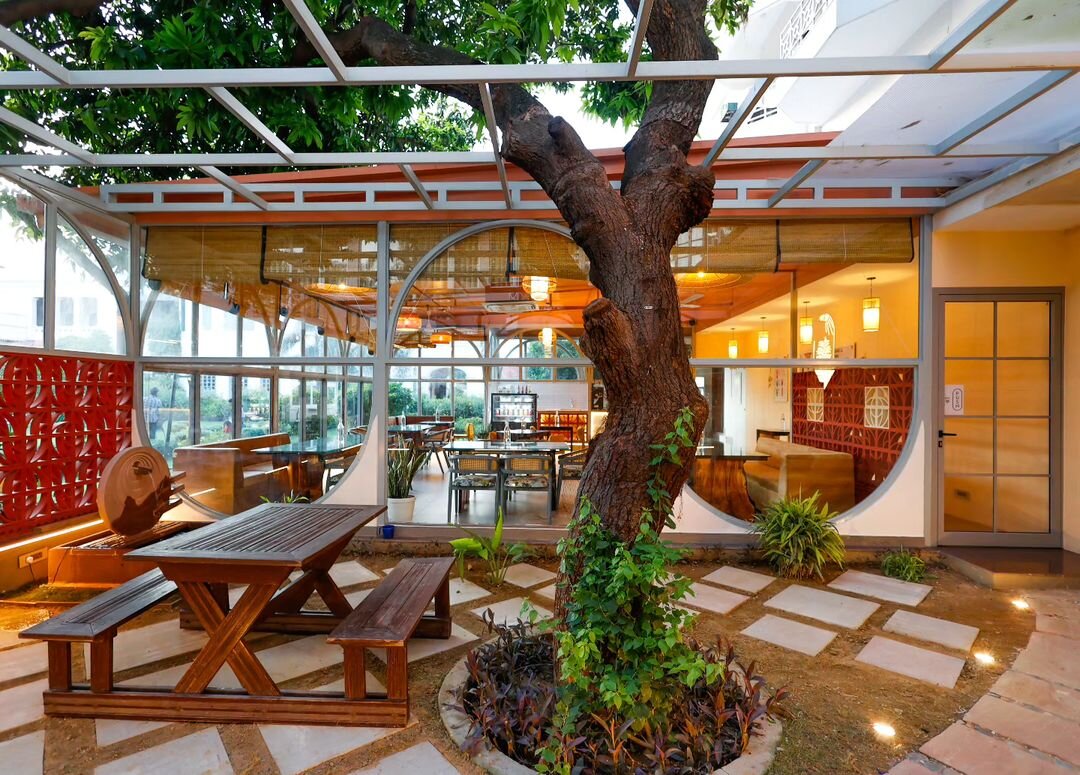
Best Cafes in Varanasi: City Guide, Timing and Tips
Best cafes in Varanasi guide with ghat-aware timing, route clustering, budget strategy, and practical one-day cafe planning.
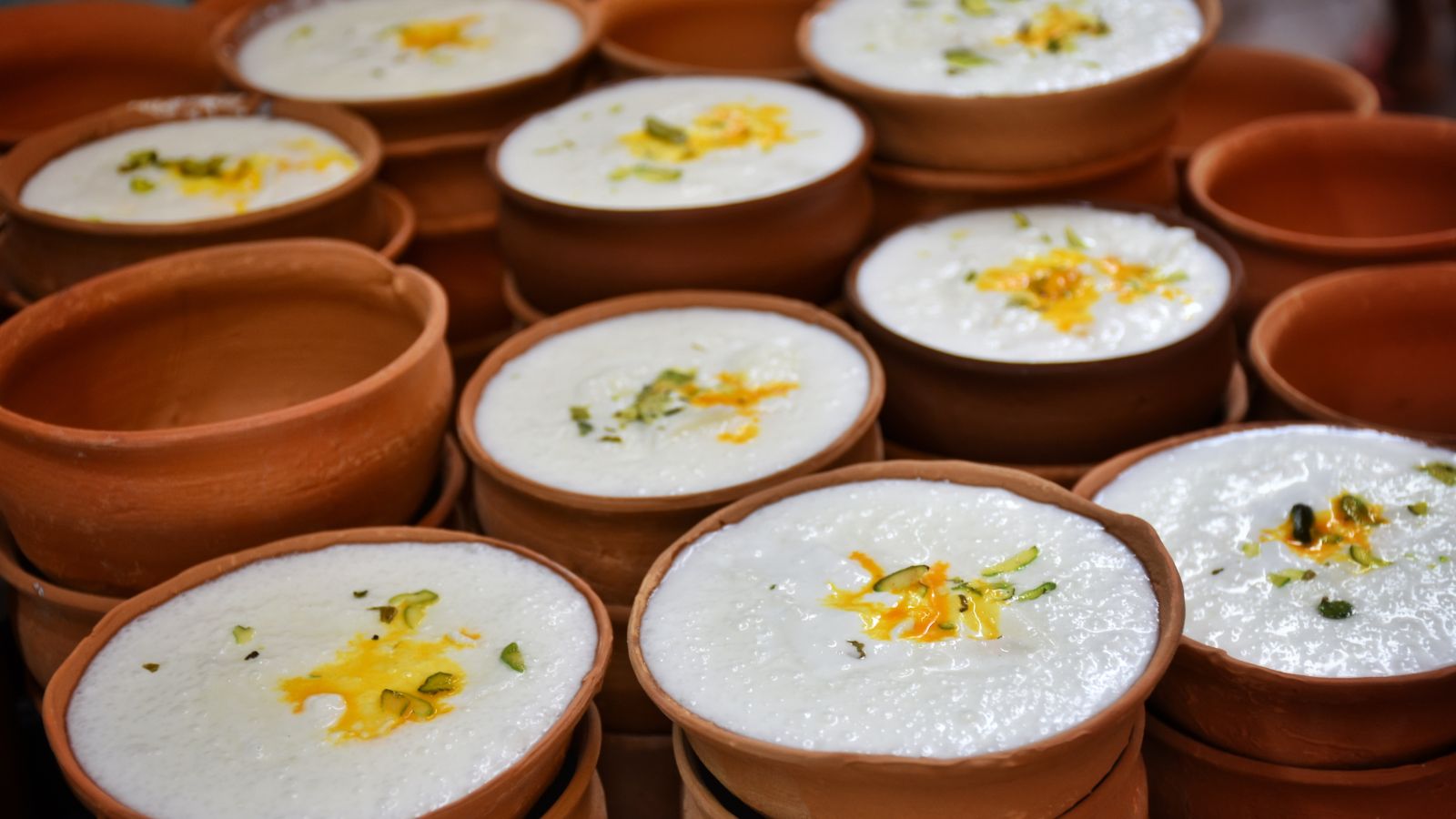
Best Local Food in Varanasi: Must-Try Guide and Tips
Best local food in Varanasi guide with breakfast-first sequencing, street food strategy, sweet-stop planning, and practical one-day routes.
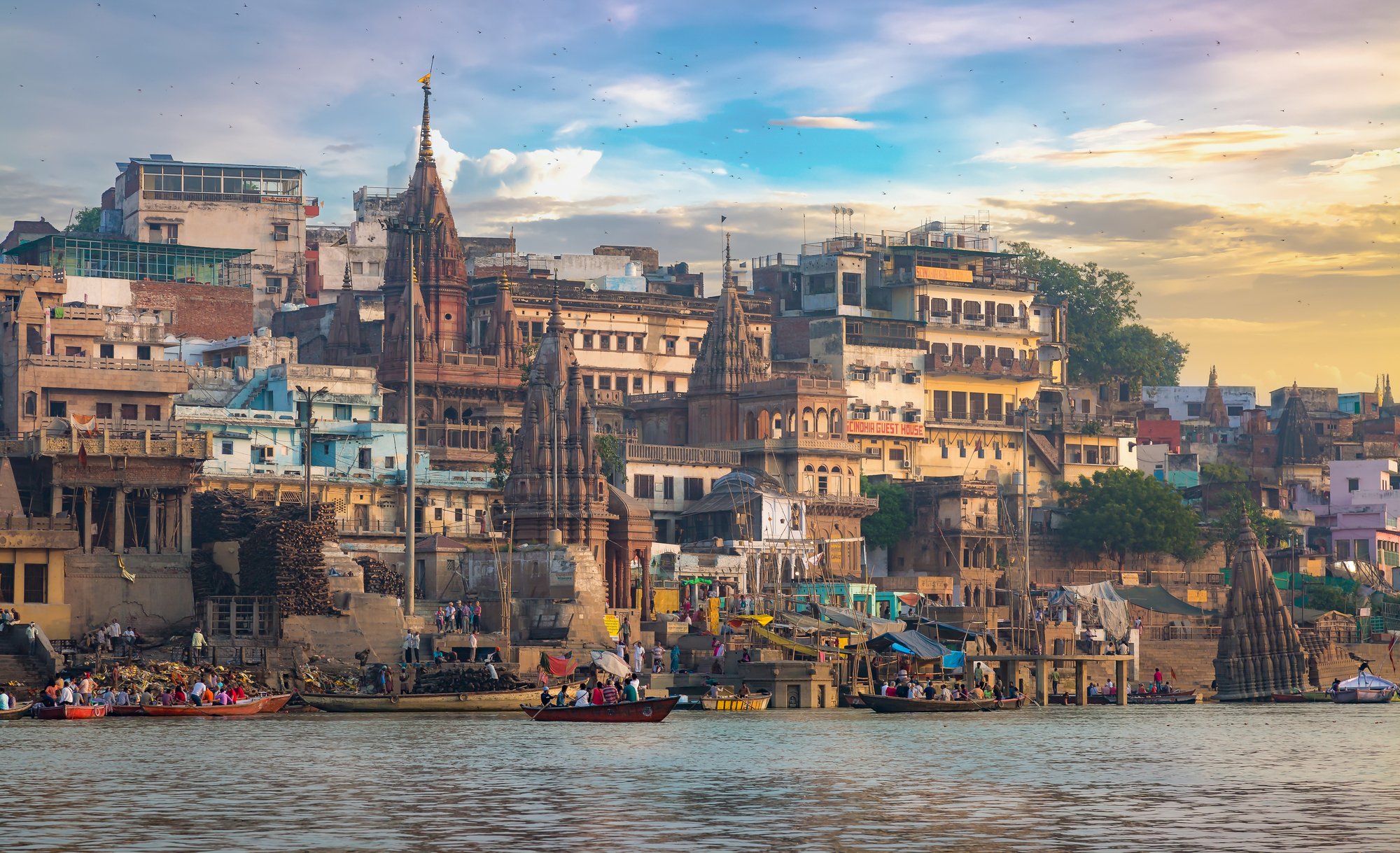
Chandra Koop Well Varanasi: History, Mythology & Visitor Information
Explore Chandra Koop Well in Varanasi with history, mythology, route tips, and practical guidance to add this lesser-known sacred heritage site to your Banaras plan.
Never Miss an Adventure
Get the latest trekking guides, travel tips, and exclusive offers delivered straight to your inbox.
