
Haldighati Udaipur: Battle History, Museum Tickets & Route

Rahul Garg
February 6, 2026
Explore Haldighati in Udaipur with battle history, Maharana Pratap museum, Chetak Smarak, yellow soil story, route details, and practical travel tips.
Introduction to Haldighati in Udaipur
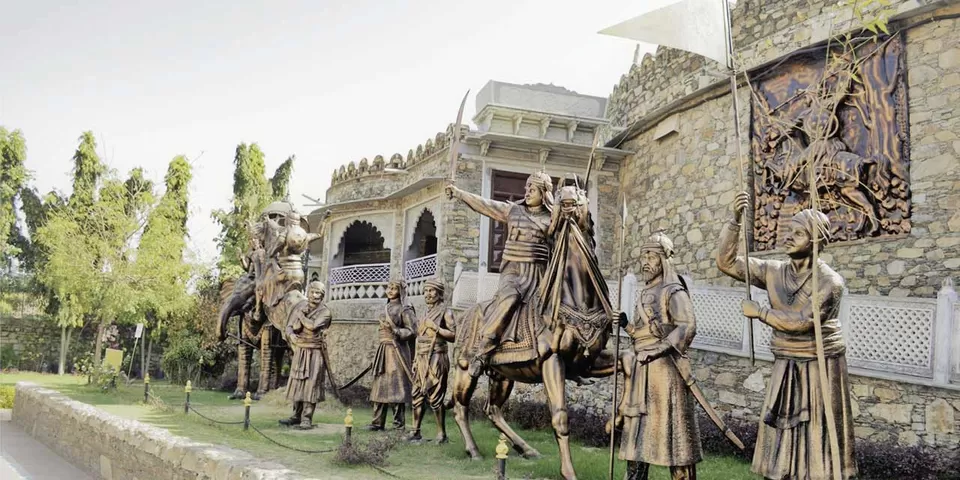
Haldighati in Udaipur is one of Rajasthan's most meaningful historical destinations, known for the 1576 battle associated with Maharana Pratap and the Mughal imperial campaign led by Man Singh of Amber. Located in a narrow mountain pass zone of the Aravalli range, Haldighati is not only a battlefield memory site but also a cultural stop where history, regional identity, and local products come together in one route.
Many travelers include Haldighati as a half-day extension from Udaipur, often combined with Kumbhalgarh or Nathdwara circuits. The site draws students, history-focused visitors, and families interested in Mewar heritage. What makes the experience different is that this is not a single monument visit. You move across multiple points: battle memory narratives, Maharana Pratap museum installations, Chetak Smarak references, and local rose-product markets.
This guide covers battle context, the famous yellow-soil question, key attractions, route planning from Udaipur, practical timings, shopping, and safety tips so you can plan the visit with clarity.

The Battle of Haldighati (1576): What Happened
The battle of Haldighati is one of the most discussed military events in the history of Rajasthan. It took place in June 1576 between forces led by Maharana Pratap of Mewar and Mughal forces commanded by Raja Man Singh under Emperor Akbar's expansion strategy. While interpretations differ across popular narratives, scholarly references generally describe the battle as intense but not a total strategic end to Mewar resistance. Maharana Pratap survived and continued long-term resistance through different methods in difficult terrain.
This context is important for visitors because Haldighati is often reduced to a simplified 'win-loss' slogan. A better reading is that the site represents persistence, tactical adaptation, and political symbolism in Rajput-Mughal conflict history.
| Battle Element | Historical Context | Why It Matters Today |
|---|---|---|
| Date | 1576 CE | Key milestone in Mewar resistance memory |
| Mewar side | Maharana Pratap and allied forces | Regional identity and valor narratives |
| Mughal side | Imperial campaign under Man Singh | Wider Mughal-Rajput political history |
| Outcome understanding | Tactically complex, not a simple final closure | Explains why legacy remained strong after battle |
When you visit with this perspective, Haldighati becomes a historical landscape, not just a photo stop.
Why Is the Soil of Haldighati Yellow?
One of the most searched questions is: why soil of Haldighati is yellow? The name itself comes from the similarity of local soil color to haldi (turmeric). The yellowish tone is tied to natural geological composition in the pass area. Over time, poetic and patriotic retellings also linked this color to sacrifice and blood-memory symbolism, creating a layered public narrative.
Both viewpoints exist in travel discussions: the geological explanation and the emotional-historical association. You can acknowledge both without confusion. The first explains naming origin; the second explains why the place carries emotional depth in public memory.
- Literal meaning: Haldi-like soil color in the pass.
- Cultural meaning: A landscape associated with courage and sacrifice.
- Visitor tip: Observe soil tones at different times of day for clearer contrast.
Maharana Pratap Museum Haldighati
The Maharana Pratap museum Haldighati circuit is usually the most accessible way to understand local narrative if you are not traveling with a specialist guide. Museum installations typically include battle dioramas, historical storytelling panels, replicas, and audio-visual sections that explain key personalities and phases of Mewar history.
What visitors usually find useful
- Chronological presentation of conflict background.
- Visual models for younger travelers and school groups.
- Context around Maharana Pratap's movement after the battle.
- Interpretive framing of Chetak's role in legacy memory.
Because display formats can change over time, check current opening hours and ticket rules on arrival. If your group includes children or non-history readers, this stop improves the entire Haldighati experience by making the site narrative easier to follow.

Chetak Smarak: Story of Loyalty
Chetak Smarak is linked to the widely known story of Chetak, Maharana Pratap's horse, remembered in popular tradition for protecting his rider during critical battle escape moments. While different retellings vary in detail, the symbolic value of Chetak in Rajasthan's memory is enormous. The memorial functions as a cultural point of reverence rather than only a historical marker.
Visitors should approach this site with respect, especially during school or local group visits where patriotic and emotional narratives are actively shared. It is common to see families explaining the story to children as part of heritage learning.
- Best for: heritage travelers and family history circuits.
- Time needed: short stop, usually 20-40 minutes.
- Combine with: museum visit for complete context.
Rose Products of Haldighati
Beyond battlefield history, Haldighati is also known for rose cultivation and local rose-based products. You will find shops selling gulkand, rose sharbat, rose water, and related items often marketed as regional specialties. This adds a livelihood and agro-cultural layer to the visit.
For travelers, the rose market is a practical break point after museum and memorial stops. Keep expectations realistic: product quality varies by shop, so compare ingredients, packaging date, and storage condition before purchase.
| Common Product | Typical Use | Buying Tip |
|---|---|---|
| Gulkand | Digestive and dessert use | Check ingredient list and sugar content |
| Rose water | Culinary and cosmetic use | Prefer sealed and labeled bottles |
| Rose sharbat | Summer beverage base | Compare concentration and shelf date |
| Rose petals preserve | Traditional sweet preparations | Buy from high-turnover counters |
How to Reach Haldighati from Udaipur
Distance from Udaipur to Haldighati is commonly treated as a short road excursion and fits comfortably into a half-day or full-day itinerary depending on add-on stops. The most common route is by private taxi or self-drive vehicle via Nathdwara side roads. Road condition is generally manageable, but holiday weekends can bring traffic concentration near major junctions.
Travel options
- Private cab: Best for families and first-time visitors.
- Self-drive: Works well for flexible day planning.
- Shared transport: Possible in segments, less convenient for complete circuit coverage.
Suggested route logic: Udaipur -> Haldighati core sites -> optional extension to Kumbhalgarh side if you start early. For broader trip planning, pair with Udaipur City Guide and Kumbhalgarh Fort Udaipur.
Best Time to Visit Haldighati
Haldighati can be visited throughout the year, but comfort and route quality vary by season.
- October to March: Most comfortable weather for outdoor movement and museum plus memorial stops.
- July to September: Greener surroundings, but occasional rain can affect travel pace.
- April to June: Hot afternoons; morning departure is strongly recommended.
If your itinerary includes multiple Udaipur outskirts attractions, winter and early spring give the best combined experience quality. You can also align this stop with best time to visit Udaipur planning.
Suggested Haldighati Day Plan
| Time | Activity | Notes |
|---|---|---|
| 8:00 AM | Start from Udaipur | Beat daytime traffic and heat |
| 9:30 AM | Arrive at Haldighati area | Begin with overview and pass stop |
| 10:00-11:00 AM | Maharana Pratap Museum | Best context before memorial visits |
| 11:15-11:45 AM | Chetak Smarak stop | Short but meaningful visit |
| 12:00 PM onward | Rose products market and return/extension | Add Kumbhalgarh only if early and well-paced |
Travel Tips and On-Ground Advice
- Start early from Udaipur for smoother movement.
- Carry drinking water and sun protection, especially in warmer months.
- Check museum timing and ticket updates on arrival day.
- Use a local guide if you want deeper battle interpretation.
- Do not treat the site only as a shopping stop; allocate time for history sections.
- Respect memorial spaces and avoid loud behavior.
If you are building a larger Udaipur heritage circuit, also include City Palace Udaipur and Eklingji Temple Udaipur on separate blocks rather than rushing all in one day.

Why Haldighati Still Matters
Haldighati matters because it reflects how historical memory survives beyond monuments. The pass, museum narratives, and Chetak remembrance together form a shared story of regional identity in Rajasthan. Whether you come as a student, a history enthusiast, or a general traveler, the site offers a useful reminder that history is not only in textbooks. It is also present in landscapes, local conversations, and community memory.
That is why Haldighati in Udaipur continues to attract visitors across generations.
Final Take
Haldighati is one of the most meaningful day-trip destinations near Udaipur for travelers who want history with context, not only sightseeing. Plan with realistic timings, combine museum and memorial stops, and include local rose-product markets only after the heritage core. This sequence gives the most complete experience.
Travel respectfully, verify current on-site timings, and keep your route flexible. Done well, a Haldighati visit becomes a memorable chapter in any Rajasthan itinerary.

Location
Frequently Asked Questions
Q1.How far is Haldighati from Udaipur?
Q2.Why is the soil of Haldighati yellow?
Q3.What is famous in Maharana Pratap Museum Haldighati?
Q4.Is Chetak buried in Haldighati?
Q5.What can we buy in Haldighati?
Q6.What is the best time to visit Haldighati?
Q7.Can Haldighati be covered in one day from Udaipur?
Q8.Is Haldighati suitable for families and school groups?
Recommended For You
Hathi Pol Bazaar Udaipur: What to Buy, Timings & Bargain Tips
Shop at Hathi Pol Bazaar in Udaipur! Discover paintings, handicrafts, shopping guide, best time to visit & complete travel guide to this famous market.
Eklingji Temple Udaipur: Timings, History & Architecture Highlights
Discover Eklingji Temple Udaipur - the sacred 8th-century Shiva temple with a unique four-faced lingam. Explore timings, history, architecture, rituals, festivals, and travel tips for this divine shrine in Rajasthan.
Best Time to Visit Udaipur: Weather, Festivals & Best Travel Months
Find the best time to visit Udaipur with a season-by-season weather guide, monthly breakdown, festival context, and practical planning tips.
Never Miss an Adventure
Get the latest trekking guides, travel tips, and exclusive offers delivered straight to your inbox.
