
Kumbhalgarh Fort: Timings, Light Show & Trekking Route

Priya Mehta
December 23, 2025
Kumbhalgarh Fort Udaipur guide with history, wall architecture, route planning, timings context, and practical tips for a smooth heritage visit.
Introduction: Kumbhalgarh, the Great Wall of India
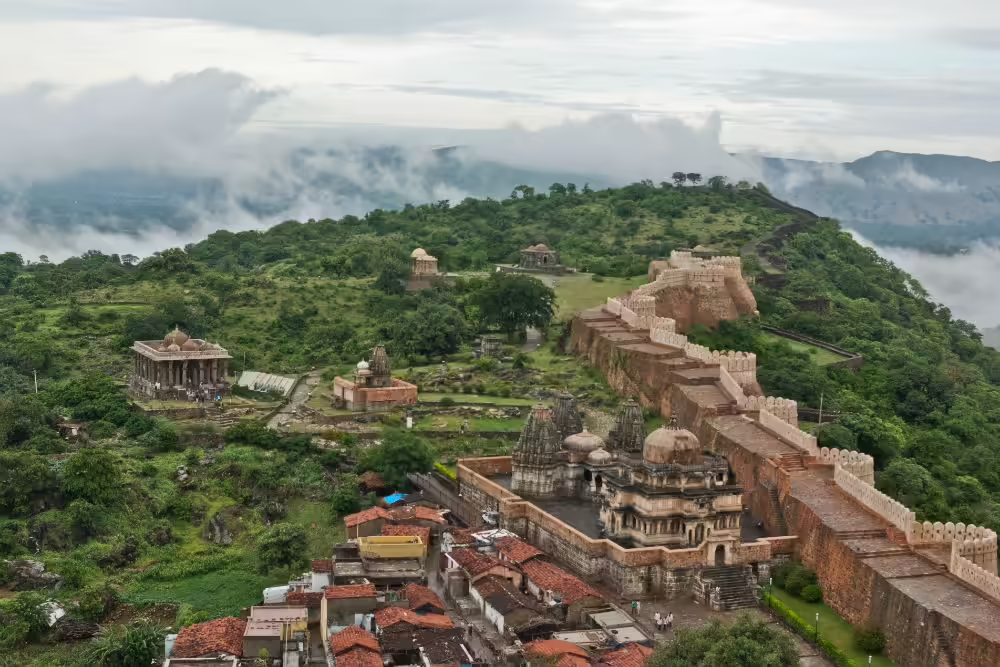
Kumbhalgarh Fort is one of Rajasthan's most powerful historical sites and a key fortress in the legacy of Mewar. Located in the Aravalli belt and often planned as a day trip from Udaipur, the fort is famous for its massive defensive wall, hilltop setting, and military history. Travelers usually arrive for views and architecture, but the deeper value of Kumbhalgarh is strategic engineering: terrain-led fortification, layered gateways, water systems, and long-term defense design.
The destination is also known as the place where Maharana Pratap was born, which makes it important not only as architecture but as a memory site in Rajput history. For history lovers, photographers, and road-trip travelers, this is one of the strongest heritage stops in Rajasthan outside city palaces.
This guide covers Kumbhalgarh Fort history, timings pattern, entry planning, architecture highlights, trekking context, light and sound show details, and nearby attractions so you can plan a smooth and meaningful visit.
Quick Facts Before You Visit
| Factor | Details |
|---|---|
| Location | Rajsamand district, Rajasthan (commonly accessed from Udaipur) |
| Known As | The Great Wall of India |
| Historical Era | 15th-century Mewar fortification phase |
| Best For | History, architecture, viewpoints, heritage photography |
| Ideal Visit Duration | 2 to 4 hours on site |
If you are building a larger Udaipur circuit, connect this with places to visit in Udaipur, City Palace Udaipur, and regional context via things to do in Rajasthan.
History of Kumbhalgarh Fort
Kumbhalgarh Fort is closely associated with Maharana Kumbha, one of the most prominent rulers of Mewar, who led major military and architectural development in the region. The fort is generally dated to the 15th century and functioned as a high-security defensive stronghold in turbulent political periods. Its hill position, layered entry routes, and extensive perimeter wall made it one of the most resilient forts in Rajputana defense networks.
Beyond military use, Kumbhalgarh also became a refuge and fallback point during conflict phases. That strategic role is why the site appears repeatedly in narratives about resistance, survival planning, and territorial continuity in Mewar history. The fort's scale reflects long-horizon planning rather than symbolic palace architecture.
Key historical associations travelers should know:
- Maharana Kumbha's fort-building vision in the Mewar belt
- Use as a defensive and refuge zone in conflict periods
- Birthplace connection to Maharana Pratap
- Significance in broader Rajput resistance memory
Architecture and the 36 km Wall
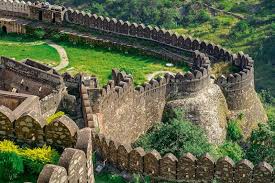
The architecture of Kumbhalgarh is a lesson in defensive geography. Instead of building only for ornament, the design uses elevation, wall depth, turns, gateways, and visibility control to slow invasion and protect inner zones. The most famous element is the long fortification wall often referenced as the second longest continuous wall after the Great Wall of China.
What makes the wall significant
- Massive length built across difficult hill terrain
- Segmented defense logic rather than a single exposed line
- Strong visual command of surrounding valleys
- Integration with gates and internal movement control
Core architectural features
| Feature | What to Notice | Visitor Value |
|---|---|---|
| Fort Wall | Scale, curvature, defensive continuity | Best for wide-angle photography |
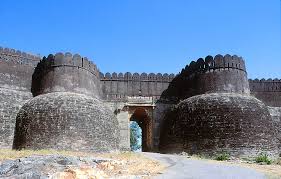
| Gateways | Layered access and tactical sequencing | Understands fort defense logic |
| Palace Sections | Elevation-based positioning and airflow | Strong hill-architecture context |
| Temple Clusters | Religious structures within military zone | Shows social and ritual integration |
The site includes multiple temples and palace components, including Badal Mahal sections that offer elevated views and light-rich architecture framing. Even short walks reveal how function and form were merged in pre-modern fort design.
Best Time to Visit Kumbhalgarh Fort
Season matters because this is a hill fort with open walking stretches. Heat, wind, and sunlight directly affect comfort and exploration pace.
October to March
This is generally the best period for most visitors: manageable temperatures, clearer movement windows, and better conditions for long exploration.
Monsoon Window
Monsoon adds green contrast around fort landscapes and can be visually striking. Roads are usually manageable, but weather checks remain important.
Summer
Summer visits are possible but require early or late time slots to avoid midday heat stress, especially for older travelers and families.
| Time Slot | Experience | Recommended For |
|---|---|---|
| Early Morning | Cooler weather, lower initial crowd | History-focused walkers |
| Late Afternoon | Better light and dramatic textures | Photographers |
| Evening | Potential show and mood lighting | Relaxed visitors with flexible return |
How to Reach Kumbhalgarh from Udaipur
Kumbhalgarh is commonly accessed by road from Udaipur and can be done as a full or half-day heritage excursion depending on your itinerary design. Road transfer is usually the most practical approach.
Private taxi or cab
Best for comfort and route control. Ideal when combining Kumbhalgarh with nearby stops in one circuit.
Self-drive option
Popular among road-trip travelers who want flexible pauses for viewpoints and local stops. Start early for better pacing.
Public transport + local transfer
Possible in budget mode but requires better timing coordination and last-mile planning.
| Mode | Pros | Watch-Out |
|---|---|---|
| Taxi/Cab | Convenient and time-efficient | Higher cost |
| Self-drive | Flexible route control | Hill-road comfort required |
| Bus + local | Budget-friendly | Less schedule flexibility |
Planning tip: keep return buffer if you are attending evening programs or sunset windows so your trip does not become rushed after dark.
Things to Do at Kumbhalgarh Fort
1) Wall and Rampart Walks
Walking selected stretches gives the best understanding of scale and defense engineering. Wear supportive footwear because gradients and surfaces vary.
2) Explore Badal Mahal Zone
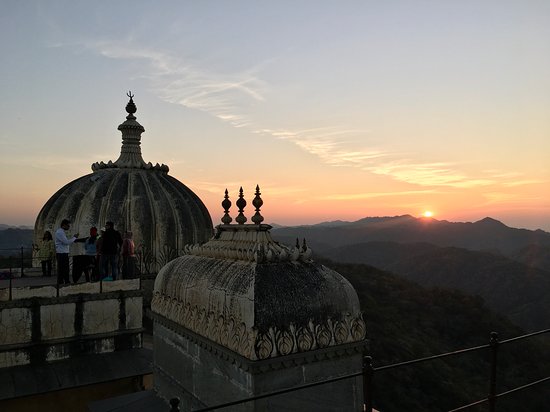
Higher sections offer architectural details and panoramic valley views, making this one of the most rewarding visual points in the complex.
3) Temple and Courtyard Observation
The fort includes multiple temple structures and open sections that reveal how spiritual and military spaces coexisted in Rajput planning.
4) Light and Sound Show (when operational)
Many travelers plan evening sessions to experience historical narration with atmospheric lighting. Timings and operational status can vary by season or maintenance schedules, so verify on the day.
5) Heritage Photography
Best frames usually come from side-light windows, gateway corridors, and high-wall silhouettes against open sky.
Trekking Context at Kumbhalgarh
Kumbhalgarh Fort trek discussions often refer to guided wall-side walks and fort-environment movement routes rather than only one formal trekking line. For most visitors, this is moderate walking with elevation shifts rather than technical trekking.
Useful preparation:
- Carry water and light energy snacks
- Use breathable layered clothing
- Avoid aggressive pace in heat windows
- Protect camera gear from dust and sunlight
Families can still enjoy the fort by selecting short route loops and avoiding overextended walking sections.
Nearby Attractions to Combine
Kumbhalgarh works best as part of a Rajasthan heritage loop, especially for travelers already based in Udaipur.
- Haldighati in Udaipur for battlefield history context
- Udaipur travel guide for city-pairing routes
- Historical places in Rajasthan for broader trip planning
You can also combine this visit with selective Udaipur lake and palace experiences to balance city and fort landscapes in one itinerary.
Suggested One-Day Kumbhalgarh Plan
| Time Block | Plan | Outcome |
|---|---|---|
| Morning | Depart Udaipur and reach fort zone | Beat peak heat and crowd pressure |
| Midday | Core architecture and wall exploration | Full heritage immersion |
| Late Afternoon | Photography and viewpoint session | Best light capture |
| Evening | Optional show + return movement | Complete day experience |
This structure is ideal for travelers with limited days but strong interest in Rajasthan fort heritage.
Practical Visitor Tips
- Check latest timings and entry rules before departure.
- Carry sun protection, especially outside winter months.
- Use comfortable footwear for stone and slope surfaces.
- Keep one route buffer for return traffic variation.
- Respect protected heritage sections and do not climb unstable edges.
Planning with realistic pace usually makes this fort visit more enjoyable than trying to compress multiple long stops in one day.
Conclusion
Kumbhalgarh Fort Udaipur is one of Rajasthan's most important hill-fort experiences, combining military architecture, Rajput legacy, and grand landscape perspective in one destination. The scale of its wall, the depth of its historical relevance, and the terrain-led design all make it more than a standard sightseeing stop.
If you plan with season awareness, route buffers, and a clear on-site walking strategy, Kumbhalgarh can become the strongest heritage highlight of your Udaipur-region journey. For travelers who value both history and dramatic fort geography, this is a must-visit site in the Mewar circuit.
Location
Frequently Asked Questions
Q1.Where is Kumbhalgarh Fort located?
Q2.How far is Kumbhalgarh from Udaipur?
Q3.What is the best time to visit Kumbhalgarh Fort?
Q4.What are Kumbhalgarh Fort timings?
Q5.What is the entry fee for Kumbhalgarh Fort?
Q6.Can we trek on Kumbhalgarh Fort walls?
Q7.What is the light and sound show timing at Kumbhalgarh?
Q8.How much time is needed to explore Kumbhalgarh Fort?
Recommended For You
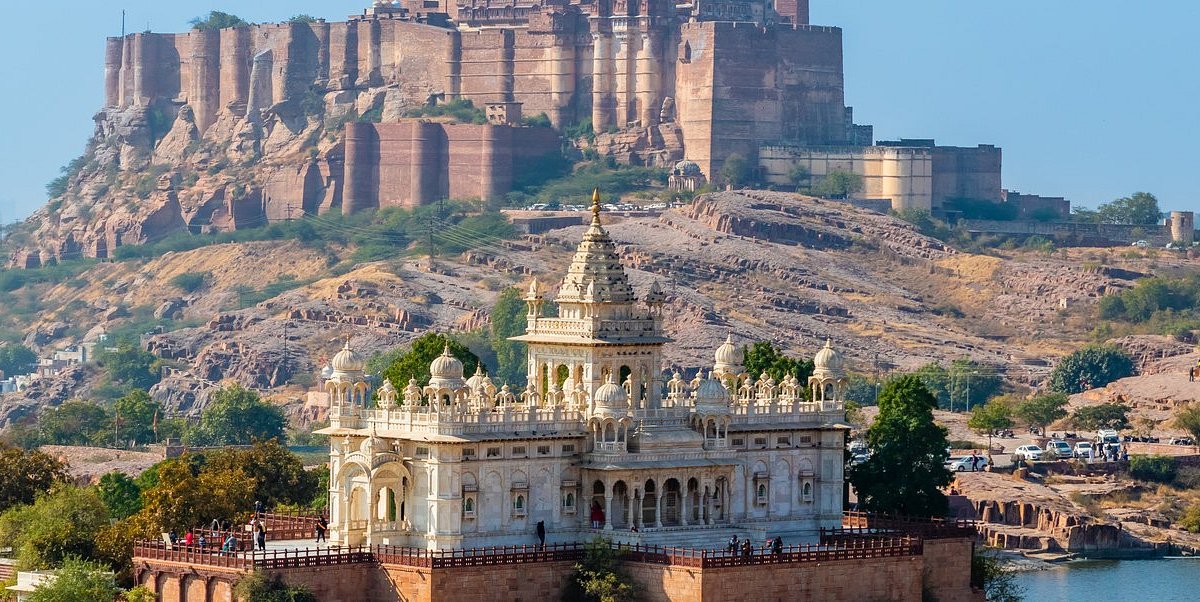
Things to Do in Rajasthan: Desert, Heritage & Cultural Experiences
Discover 50 amazing things to do in Rajasthan - explore forts, palaces, deserts, culture & cuisine. Complete guide with timings, fees & tips for 2026.
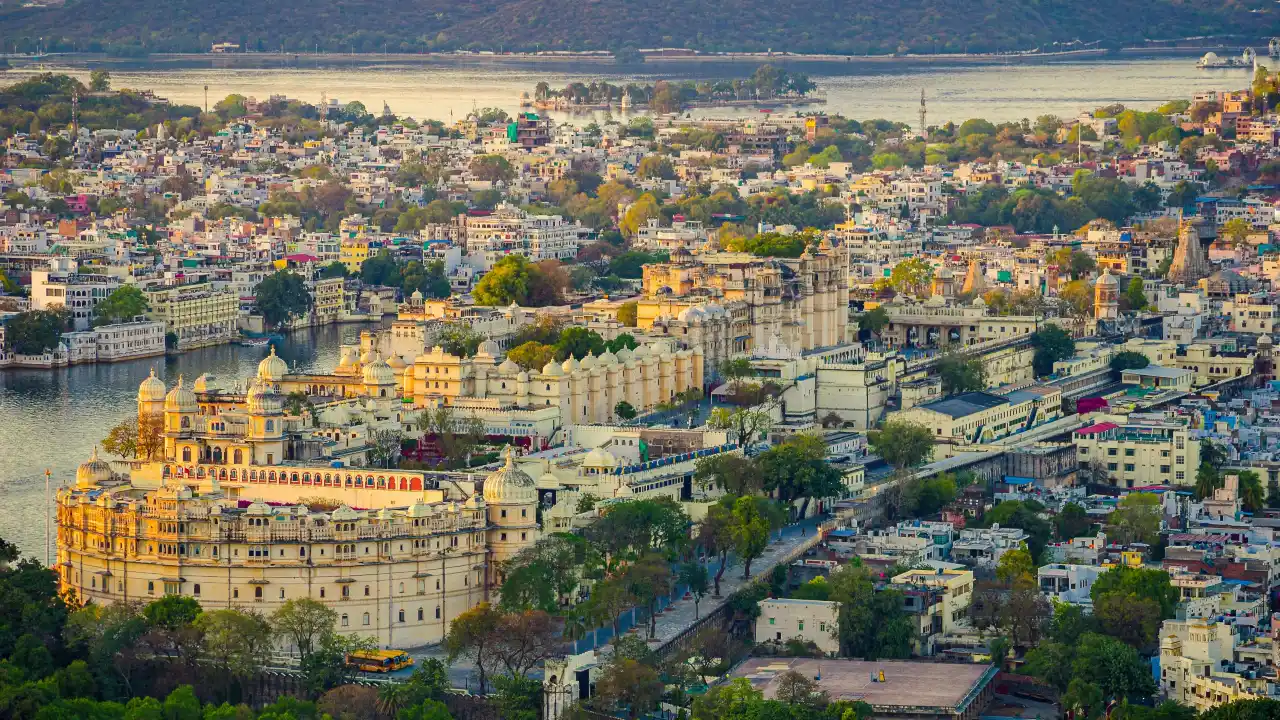
Places to Visit in Udaipur: Lakes, Palaces & Sunset Points
Explore best places to visit in Udaipur. City Palace, Lake Pichola, Jag Mandir & more. Complete guide to timings, entry fee & boat rides.
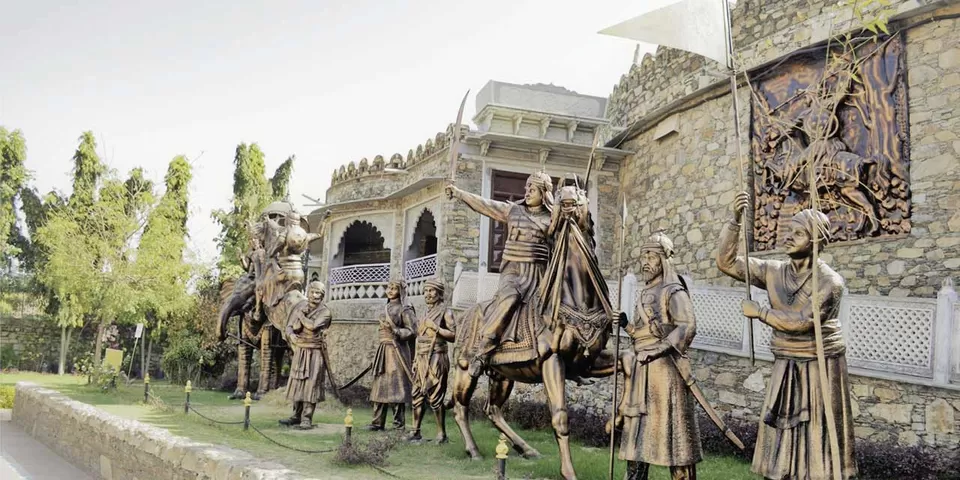
Haldighati Udaipur: Battle History, Museum Tickets & Route
Explore Haldighati in Udaipur with battle history, Maharana Pratap museum, Chetak Smarak, yellow soil story, route details, and practical travel tips.
Never Miss an Adventure
Get the latest trekking guides, travel tips, and exclusive offers delivered straight to your inbox.
