

Havelock Island Beach Guide: Best Beach Windows, Water Activities, and Smart Andaman Planning

Priya Mehta
February 26, 2026
Plan Havelock Island Beach with better ferry timing, beach-window strategy, and practical activity pacing for smoother Andaman travel.
Introduction
Havelock Island Beach experiences are among the strongest reasons travelers choose Andaman, but many trips underperform due to weak transfer planning and unstructured beach-day design. Visitors often lose prime hours in transit, arrive during harsh light windows, and attempt too many activities in one day. This guide helps you plan Havelock with practical precision. It covers ferry timing logic, beach selection strategy, activity pacing, meal and hydration planning, and how to integrate Havelock inside a wider Andaman itinerary. The goal is simple: better water time, less logistics stress, and a more complete island experience that balances recreation with comfort and safety.

Why Havelock Needs Route-Level Planning
Havelock is visually relaxing, but operationally it rewards structure. Ferry schedules, check-in windows, local transfers, and activity bookings all interact with your beach quality windows. If one segment slips, the full day can fragment. A route-level plan should define arrival block, primary beach block, optional activity block, and fallback weather block. This framework keeps your trip resilient and helps you adapt quickly when timing changes. Unplanned days in island destinations often look easy on paper but feel chaotic in execution.
Choosing the Right Beach Window
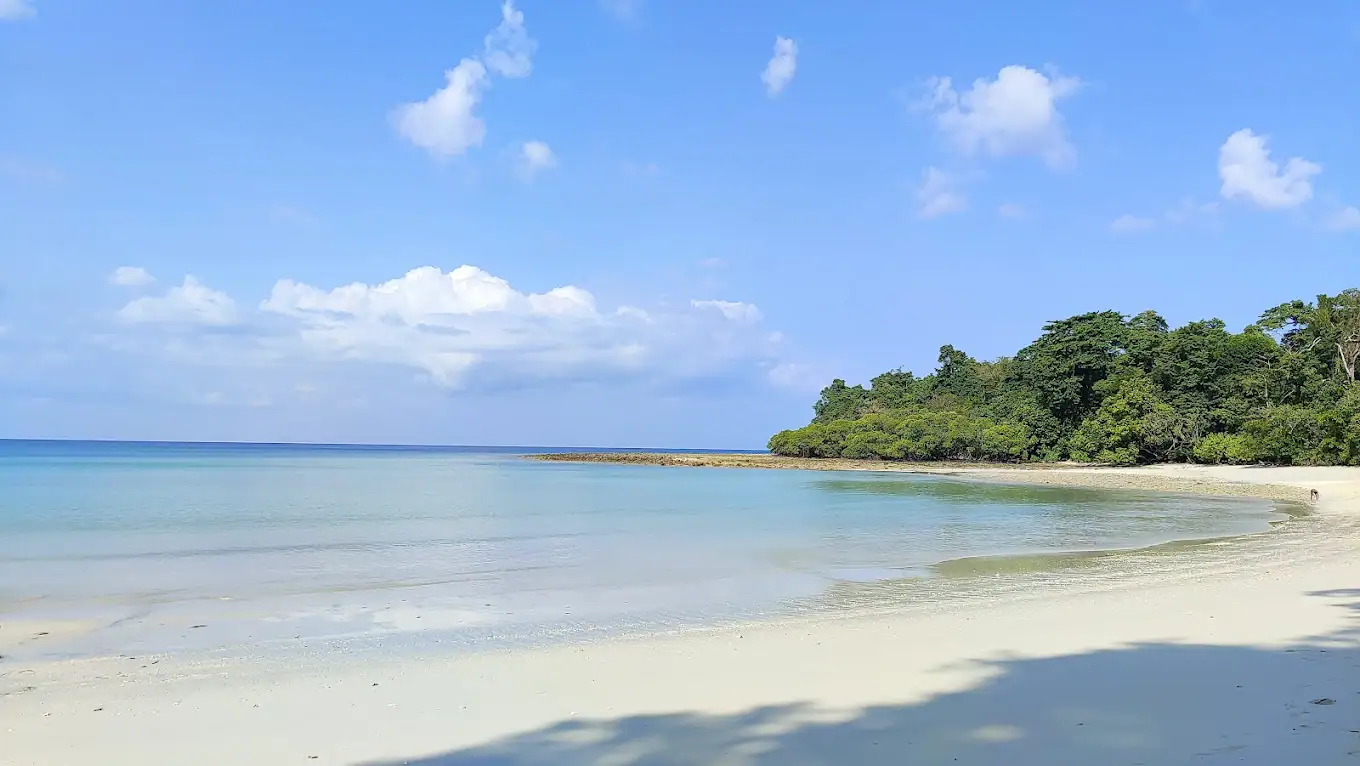
Morning and late afternoon are typically the most comfortable windows for beach movement, walking, and photography. Midday can still work for short water sessions but is usually less forgiving for long, exposed activity. Use your strongest energy and weather confidence for your primary session. Keep your second beach window lighter and more flexible. This split pattern improves both comfort and memory quality across the day.
How to Plan Ferry + Beach Day Without Rush
Treat ferry day as a half-structured day, not a full-activity day. Once you arrive, prioritize check-in, meal stabilization, and one short beach session. Save high-intensity activities for the next morning. For macro planning, combine this with Andaman complete travel guide and Havelock Island Andaman to keep island transfers realistic. Overloading arrival day is one of the most common reasons travelers feel behind schedule for the rest of the trip.
Water Activity Prioritization
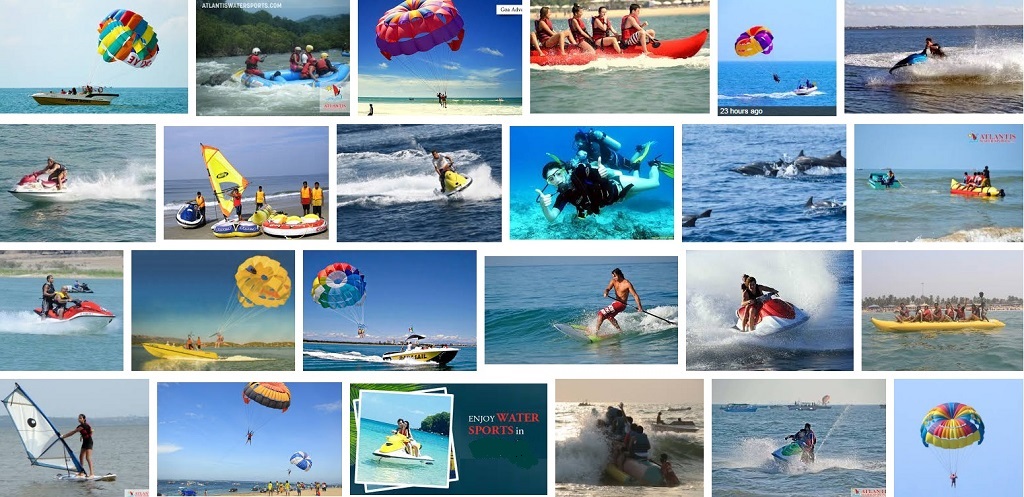
Scuba, snorkeling, and surface-level water sessions all compete for time and energy. Choose one primary water activity per day and build your beach time around that anchor. If scuba is your priority, keep the rest of the day low intensity. If casual beach relaxation is primary, avoid stacking multiple paid activities that reduce recovery and visual enjoyment. A focused activity strategy improves satisfaction and reduces decision fatigue.
Beach Comfort and Safety Basics
Carry reef-safe essentials, hydration support, and a dry bag for electronics. Keep footwear suitable for mixed sand and rocky sections where needed. Follow local guidance on water conditions and avoid swimming in uncertain zones. Family travelers should define clear regroup points and basic safety rules before entering activity areas. Comfort and safety are not separate topics on islands; they directly determine how much of the day you can enjoy.
Food and Energy Management on Beach Days
Beach activity with heat exposure can quickly drain energy. Start with a light but stable breakfast, keep water intake consistent, and avoid overly heavy meals before water sessions. Place your largest meal after core activity blocks. Keep one snack buffer if transfers run late. Energy crashes are preventable and often come from poor timing rather than poor food availability.
How to Integrate Havelock with Wider Andaman Route
Havelock should be a central island block, not a rushed side stop. Keep at least two nights if possible, and avoid immediate back-to-back long transfers. Pair this beach-focused stay with broader route context from beaches in Andaman and activity planning from scuba diving in Andaman. If your trip includes Port Blair or Neil Island segments, keep one low-load buffer between major transfer days.
Photography and Scenic Timing Strategy
For better beach visuals, plan one sunrise or early-morning session and one sunset session. Midday images can still work, but soft-light windows usually provide stronger color and texture. Keep a quick-shot approach during crowded periods and reserve longer compositions for calmer windows. Respect other visitors and avoid obstructing high-footfall paths for extended shoots.
Common Mistakes to Avoid
Frequent mistakes include overscheduling on arrival day, ignoring heat and hydration dynamics, and attempting every popular activity without recovery. Another issue is underestimating transfer variability between ferry points and stays. Correct these with clear priorities, one backup plan per day, and realistic cut-off times.

Practical Two-Day Havelock Template
Day 1: arrival, check-in, light beach orientation, and early dinner. Day 2: primary water activity in the morning, relaxed lunch, and evening scenic session. If staying longer, day three can be a low-mobility exploration day. This template balances activity and recovery and works for most traveler types.
Rain and Tide Contingency Planning
Island weather and sea conditions can alter activity windows quickly. Keep one weather-safe half-day plan ready: relaxed beach walk, indoor cafe break, and local planning session for the next transfer day. This avoids frustration when water visibility or conditions are not ideal for your original activity. Travelers with contingency plans maintain momentum and still extract value from the day.
Family and Couple Itinerary Differences
Families and couples often need different pacing in Havelock. Families benefit from shorter activity windows, earlier meals, and predictable rest periods for children. Couples may prefer longer sunset sessions and slower food exploration. Defining your travel style early helps you choose the right tempo and prevents conflict between expectations and real conditions. Tailored pacing always outperforms generic itineraries copied from social media.
How to Use Extra Half-Day Effectively
If you have an unplanned extra half-day, do not fill it with rushed long-distance movement. Use it for one high-quality beach window, one simple food stop, and light local exploration. This gives your trip a calm expansion without increasing logistical complexity. Extra time in islands is most valuable when used for depth, not distance.
Sustainable Beach Behavior
Carry reusable bottles, avoid litter-generating convenience choices, and respect marine-sensitive zones. Small traveler habits protect long-term beach quality and improve local destination health. Responsible behavior is part of good travel execution, especially on ecologically sensitive islands.
Transfer-Day Discipline Between Islands
On inter-island days, keep activity expectations minimal and focus on predictable transitions: checkout timing, ferry reporting, baggage handling, and arrival-side local transfer. Most trip stress in Andaman comes from rushed transfer days, not beach time itself. A calmer transfer strategy protects your prime beach windows on following days and reduces avoidable fatigue.
Choosing Stays by Movement Logic
Select accommodation based on practical access to your priority beach and activity zone, not only aesthetic photos. A beautiful but inconvenient stay can consume daily time in repetitive transfers. Movement-aware stay selection is one of the highest-impact decisions for Havelock trip quality.
Quick Daily Reset Habit
End each beach day with a ten-minute reset: hydrate, review next-day transfer, and set one clear morning objective. This simple routine reduces planning noise and improves consistency across island days.
Last Practical Tip
Keep one offline copy of ferry timings to avoid avoidable confusion during island shifts.
Conclusion
Havelock Island Beach delivers its best experience through structured transfer planning, smart activity prioritization, and comfort-aware pacing. Protect your prime beach windows, avoid schedule overload, and keep your island movement realistic. With this approach, Havelock becomes a highlight-level Andaman experience with less stress and stronger trip quality.
Location
Frequently Asked Questions
Q1.How many days should I keep for Havelock Island Beach?
Q2.Should I do water activities on arrival day?
Q3.What is the biggest planning mistake in Havelock?
Q4.How do I reach Havelock Island from Port Blair?
Q5.Which beach on Havelock Island is best for swimming and snorkeling?
Recommended For You
Scuba Diving in Andaman: Best Spots & Prices
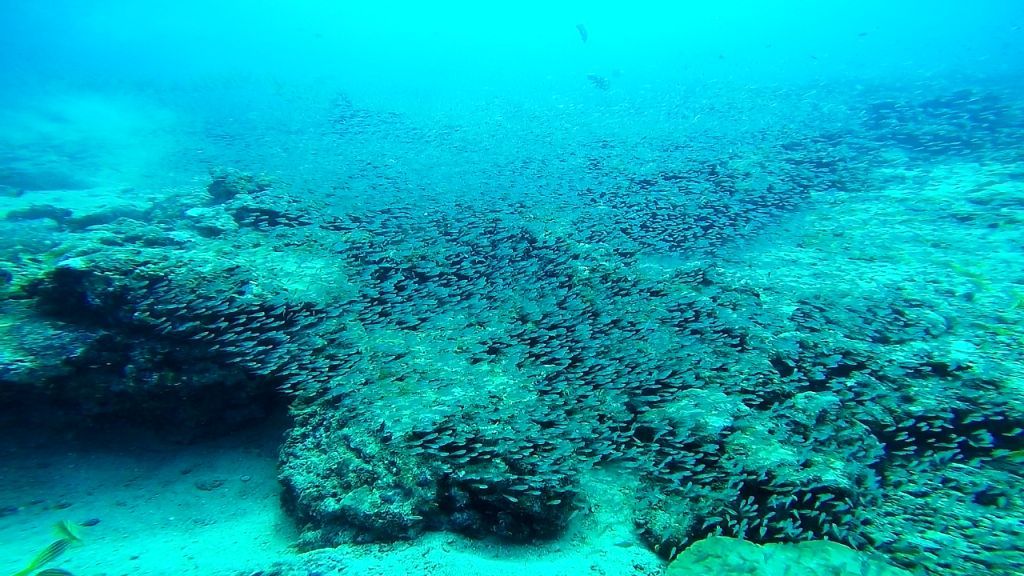
Scuba diving in Andaman guide with best dive spots, price ranges, beginner safety rules, no-fly timing, and practical planning tips for Havelock and Neil.

Things to Do in Andaman: Top Activities, Water Sports & Island Tours
Plan top things to do in Andaman with diving, snorkeling, beaches, island hopping, historical sites, and practical itinerary plus budget guidance.
Places to Visit in Andaman: Islands, Beaches & Planning Tips
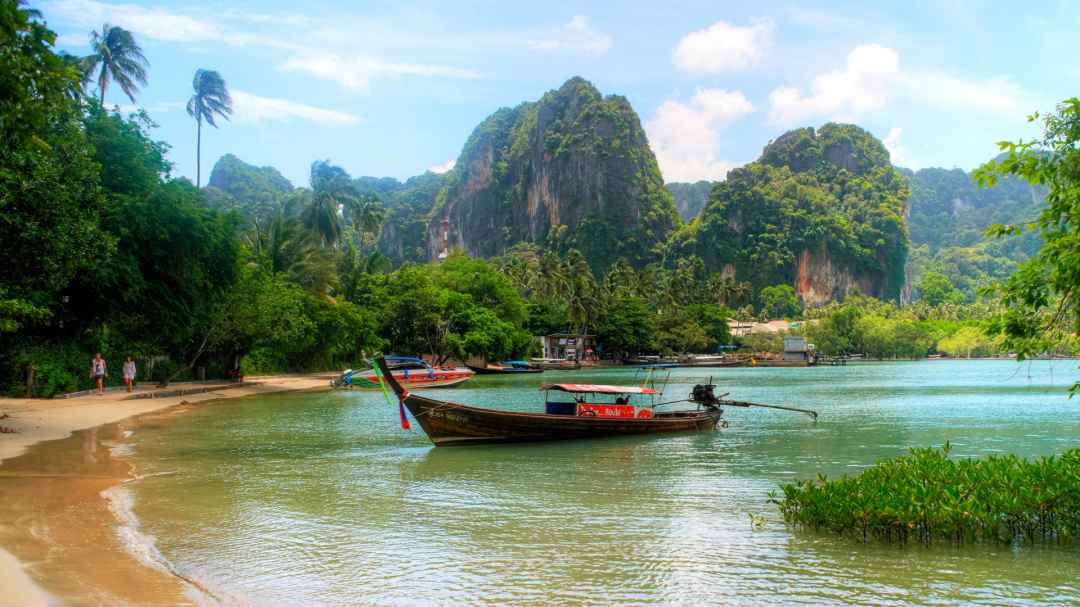
Explore the best places to visit in Andaman with island-wise highlights, beach picks, activity ideas, and practical route planning tips.
Never Miss an Adventure
Get the latest trekking guides, travel tips, and exclusive offers delivered straight to your inbox.
