
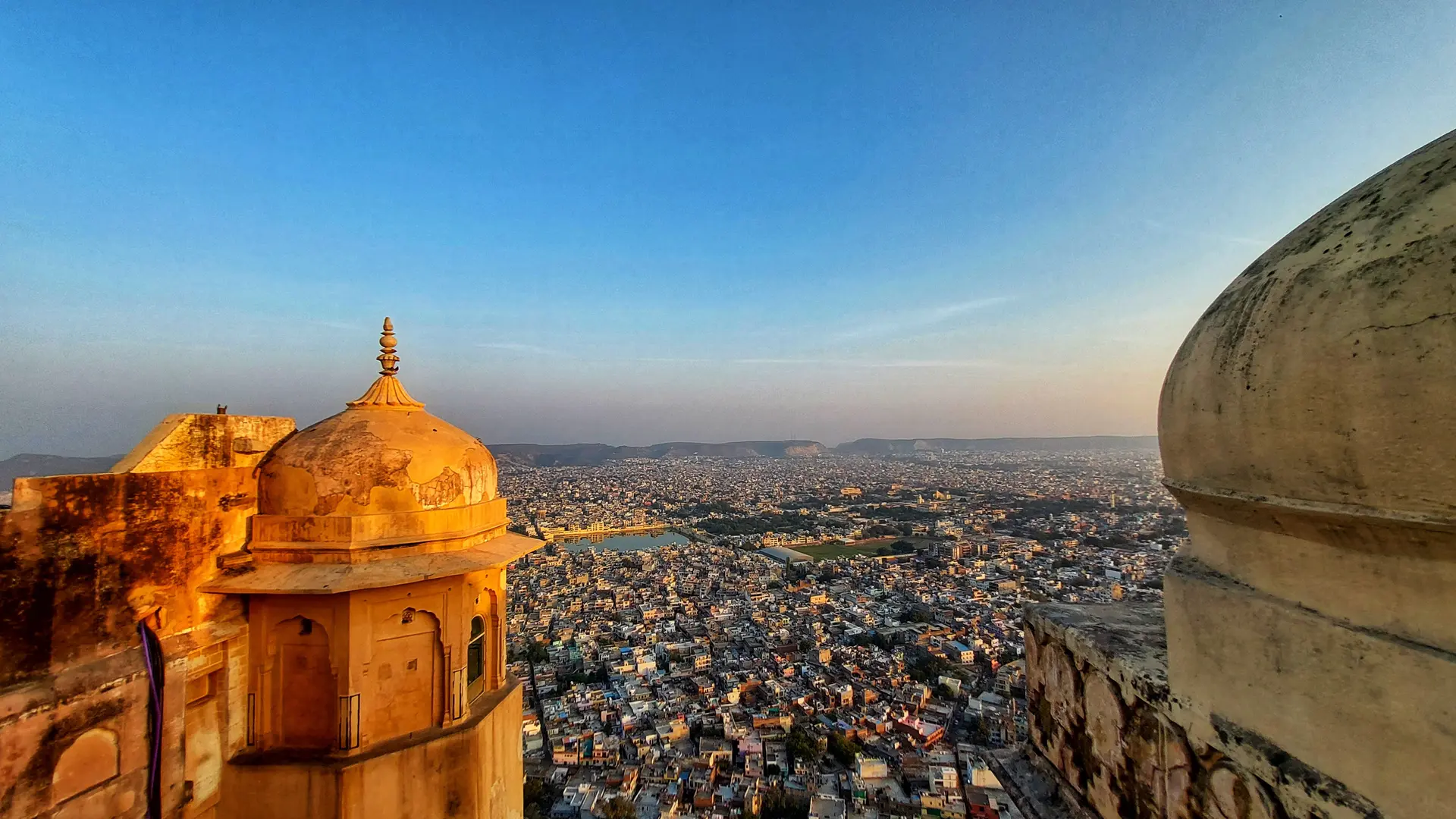
Nahargarh Fort Jaipur: Ticket Price, Timings & Sunset Views

Rahul Garg
February 11, 2026
Visit Nahargarh Fort in Jaipur. Entry fee, timing, history, sunset point & complete guide to the Tiger Fort of Pink City.
Introduction: Tiger Fort of Jaipur
Perched on the edge of the Aravalli Hills, overlooking the Pink City of Jaipur, Nahargarh Fort stands as a magnificent testament to Rajputana grandeur and architectural brilliance. This 18th-century fort, one of Jaipur's most iconic landmarks, offers visitors an unforgettable blend of history, stunning views, and cultural immersion. What makes Nahargarh Fort truly special isn't just its impressive stone walls and strategic hilltop position—it's the way it transforms throughout the day. During daylight hours, it's a fascinating historical monument where you can explore ancient architecture and imagine the lives of the royalty who once walked these halls. But as the sun begins to set, painting the sky in shades of orange and gold, the fort takes on a magical new avatar, becoming the city's most romantic sunset destination. Built by Sawai Jai Singh II in 1734, this fort was originally named Sudarshangarh (Abode of Tigers), symbolizing strength and protection. Today, it's affectionately called the Tiger Fort, and visiting this imposing structure is essential for understanding Jaipur's royal heritage and experiencing the Pink City's most spectacular panoramic vistas. This comprehensive guide covers everything you need to know about Nahargarh Fort: its fascinating history and architecture, best time to visit, entry fee and timings, sunset viewing experience, how to reach, and nearby attractions.History of Nahargarh Fort
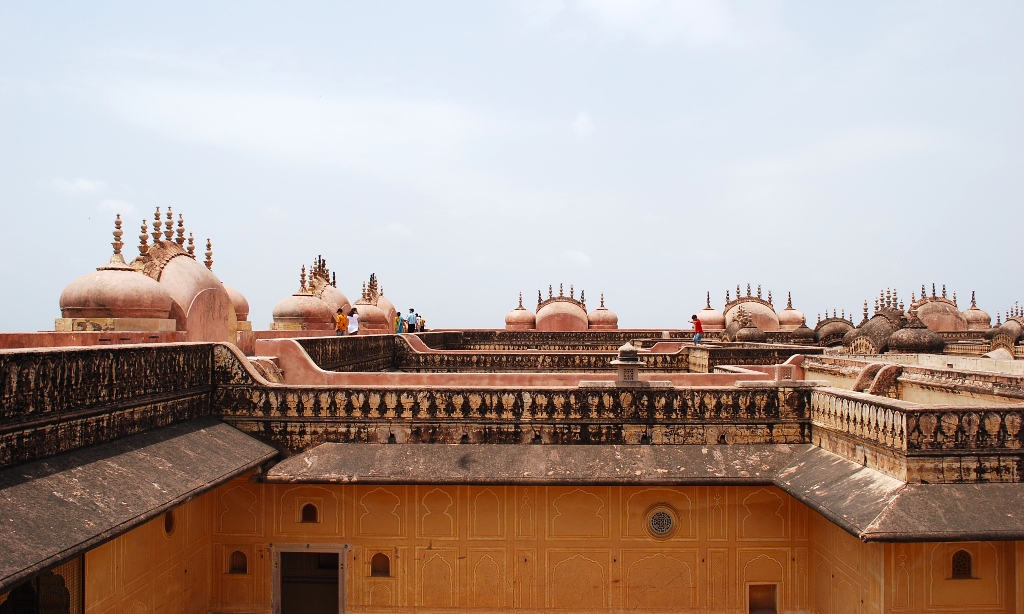 The story of Nahargarh Fort is deeply connected to Jaipur's rise as the capital of the Kachwaha Kingdom and the vision of its ruler, Sawai Jai Singh II.
Foundation in 1734
Builder: Sawai Jai Singh II (1699-1743) Completion: 1734 Original Name: Sudarshangarh (Abode of Tigers) Reason: To protect Jaipur from growing threats and establish military dominance Strategic Vision: Sawai Jai Singh II recognized the strategic importance of this location:- Hill Position: Elevated position overlooking the city and surrounding plains
- Defensive Advantage: Could monitor and control movement in the valley below
- Water Access: Near water sources for the fort's needs
- Symbol of Power: Visible presence of Rajput strength across the region
Royal Residence
For over a century, Nahargarh Fort served as the primary residence of Jaipur's rulers:- Kachwaha Court: Fort housed the royal court and administrative center
- Living Quarters: Royal family apartments and chambers
- Military Operations: Planning and execution of military campaigns
- State Ceremonies: Important celebrations and diplomatic functions
Historical Significance
The fort played a crucial role in:- Defense: Protecting the kingdom from invasion and attacks
- Symbolism: Representing Rajput power and pride
- Administration: Serving as the capital's administrative heart
- Culture: Center of royal patronage and artistic development
Architecture & Layout
 Nahargarh Fort is a masterpiece of Rajputana military architecture, designed for both defense and royal living.
Design Features
Defensive Architecture:- Walls: Massive stone walls, 3 kilometers in perimeter
- Bastions: Strong defensive towers at strategic corners
- Gates: Seven gates, originally designed for controlled access
- Crenelations: Parapet-like features along walls for defense
- Palaces Within: Royal residences for rulers and court
- Courtyards: Open spaces for gatherings and ceremonies
- Temple: Dedicated temple space within the fort
- Water Tanks: Large reservoirs storing water for fort residents
Fort Layout
The fort covers a vast area with multiple distinct sections: Key Areas:- Main Complex: Central palace and administrative buildings
- Defensive Walls: Extensive perimeter with various structures
- Water Reservoir: Large step-well tank
- Watch Towers: Strategic observation points
- Bazars: Markets and residential areas for residents
- Temple Zone: Religious area within the fort complex
Architectural Style
The fort represents a fusion of traditional Rajputana architecture:- Indo-Islamic Elements: Some features show Mughal influence
- Rajputana Design: Traditional decorative elements and motifs
- Local Materials: Sandstone and stone from quarries
- Craftsmanship: Skilled stonework and carvings throughout
- Functional Design: Every element serves specific purpose
Madhavendra Palace & Wax Museum
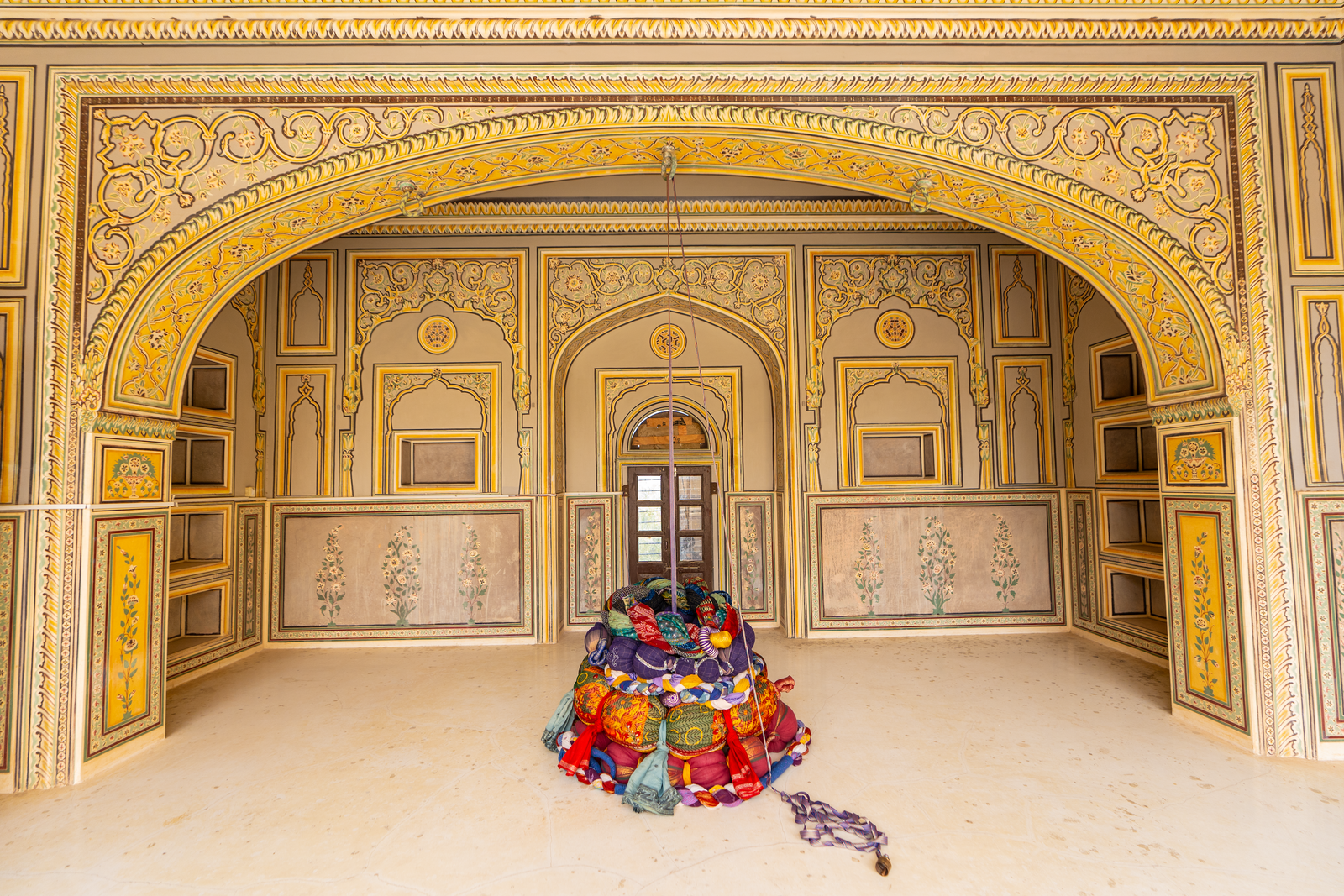 Within Nahargarh Fort lies City Palace, a converted royal palace that now houses an interesting museum collection.
City Palace Museum
Location: Within the fort complex Collection:- Royal Artifacts: Weapons, costumes, and personal items of Jaipur royalty
- Paintings: Portraits of rulers and court scenes
- Textiles: Royal clothing and fabrics
- Ceremonial Objects: Items used in royal functions and rituals
- Manuscripts: Ancient documents and records
- Mughal Influence: Beautiful arches and courtyards
- Royal Chambers: Restored rooms showing royal lifestyle
- Painted Gates: Traditional decorative gates
- Sculpture: Stone carvings and artwork
Wax Museum
A unique attraction within City Palace is the wax museum:- Life-Like Figures: Realistic wax figures depicting historical characters
- Scenes: Major events from Jaipur's and Rajasthan's history
- Traditional Dioramas: Recreations of royal life and ceremonies
- Costumes: Accurate period clothing on wax figures
Best Sunset Points
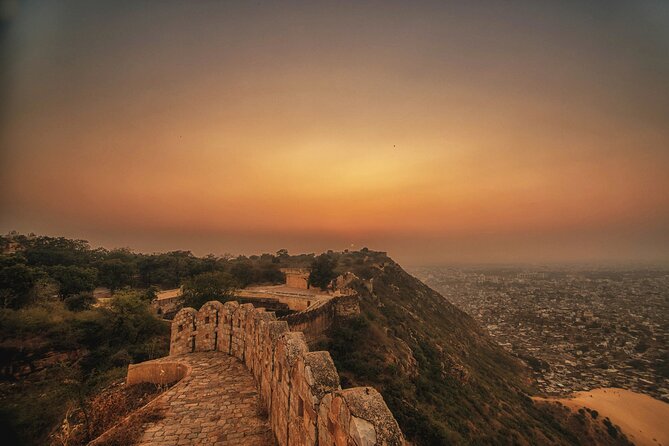 Nahargarh Fort is legendary for its sunset views, considered among the most beautiful in India. The fort's west-facing position offers unobstructed views of the sun setting over the Aravalli Hills and Jaipur's historic skyline.
Popular Sunset Viewing Spots
Primary Sunset Point:- Location: Western side of the fort
- Views: Panoramic views of Aravalli Hills and city
- Experience: Most popular and crowded during golden hour
- Photography: Classic silhouette shots of the fort
- Terrace Areas: Less crowded spots with good views
- Temple Side: Different perspective of the walls
- Bastions: Strategic elevated positions
Sunset Experience Tips
Best Timing:- Golden Hour: Arrive 30 minutes before official sunset time
- Season: Winter offers clearest views and minimal haze
- Weather: Clear days provide best sunset colors
- Weekday vs Weekend: Weekdays are less crowded but weekends have more energy
- Tripod: Essential for sharp sunset shots
- Wide Angle: Capture fort silhouette against colorful sky
- Golden Hour: 30-45 minutes after sunset for twilight blue
- Silhouette: Experiment with exposure settings for dramatic effects
Sunset Colors and Atmosphere
The experience is magical as the sun paints the sky:- Golden Hour (15-30 min before sunset): Golden light on fort walls
- Actual Sunset (5-15 min after): Deep orange and red sky
- Twilight (15-30 min after): Blue-purple sky with fort silhouette
- After Sunset: City lights begin twinkling below
Entry Fee & Timings
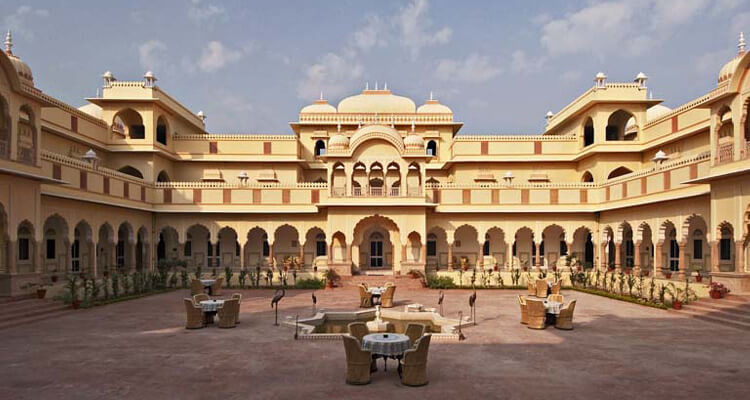 Understanding the entry fees and operating hours helps plan your visit effectively.
Entry Fee
| Category | Price (Indian Nationals) | Price (Foreign Nationals) |
|---|---|---|
| Adults | ₹50 | ₹200 |
| Children (Ages 7-12) | ₹25 | ₹100 |
| Children (Ages 3-6) | ₹10 | ₹50 |
| Students | ₹25 (with valid ID) | ₹100 (with valid ID) |
| Camera Fee | ₹200 | ₹500 |
| Video Camera Fee | ₹200 | ₹500 |
| Light and Sound Show | ₹100 | ₹200 |
- ID Proof: Carry Indian ID proof or passport for foreign nationals
- Student Discount: Valid student ID cards receive discounted entry
- Children Age: Age verification may be requested
- Payment: Both cash and digital payments accepted
Opening Hours
| Season | Days | Timings |
|---|---|---|
| April-September | All Days | 9:00 AM - 6:30 PM |
| October-March | All Days | 10:00 AM - 5:30 PM |
- Duration: Approximately 15 minutes
- Show Times: 7:30 PM (English) and 7:00 PM (Hindi)
- Experience: Illuminated fort with synchronized narration and music
- Included in Entry: Regular entry fee covers this show
- Last Entry: Usually 30 minutes before closing
- Sunset: Check exact sunset time for best experience
- Weather Dependent: Hours may vary during bad weather or special events
- Light Show: Only when weather permits (not during rain)
How to Reach
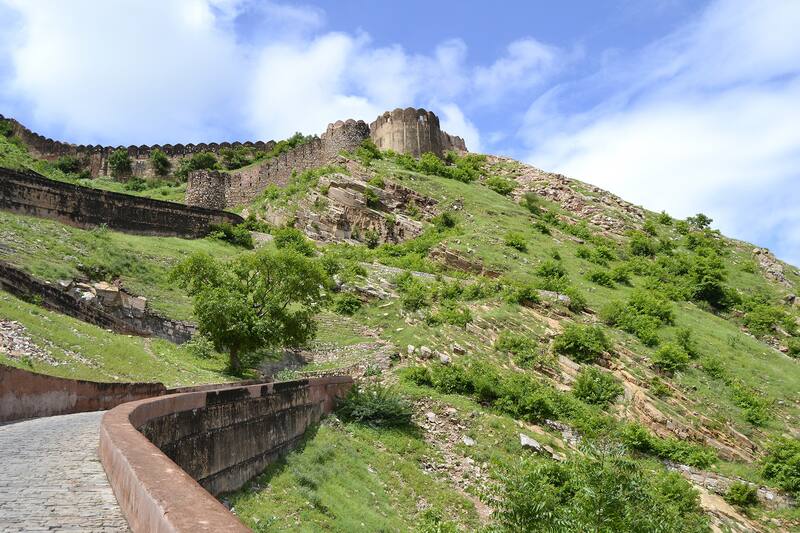 Nahargarh Fort is easily accessible from various points in Jaipur.
From Jaipur City Center
| Mode | Distance | Time | Cost | Notes |
|---|---|---|---|---|
| By Auto Rickshaw | 6-8 km | 20-30 minutes | ₹50-150 | Most economical, good for 2-3 people |
| By Taxi | 6-8 km | 20-30 minutes | ₹150-300 | Convenient, negotiable rates |
| By Car (Self-Drive) | 6-8 km | 20-30 minutes | ₹100-200 (parking) | Flexible, comfortable for groups |
| By Tourist Bus | Available | Varies | ₹20-50 | Cheap option, fixed routes |
| On Foot | 2-3 km | 45-60 minutes | Free | Scenic walk uphill, challenging in heat |
From Nearby Attractions
- From Amber Fort: 10-12 km, 30-45 minutes
- From City Palace: 4-6 km, 15-20 minutes
- From Jaigarh Fort: 15-20 km, 45-60 minutes
- From Hawa Mahal: 8-10 km, 25-35 minutes
From Jaipur Railway Station
Distance: Approximately 5 km Options:- Taxi: 15-20 minutes, ₹150-250
- Auto: 20-25 minutes, ₹80-120
- City Bus: 20-30 minutes to nearby bus stand, then uphill
From Jaipur Airport
Distance: Approximately 15 km Options:- Taxi/Cab: 30-40 minutes, ₹300-500
- Rental Car: 30-40 minutes, plus parking
- Airport Prepaid: Available outside terminal
Nearby Attractions
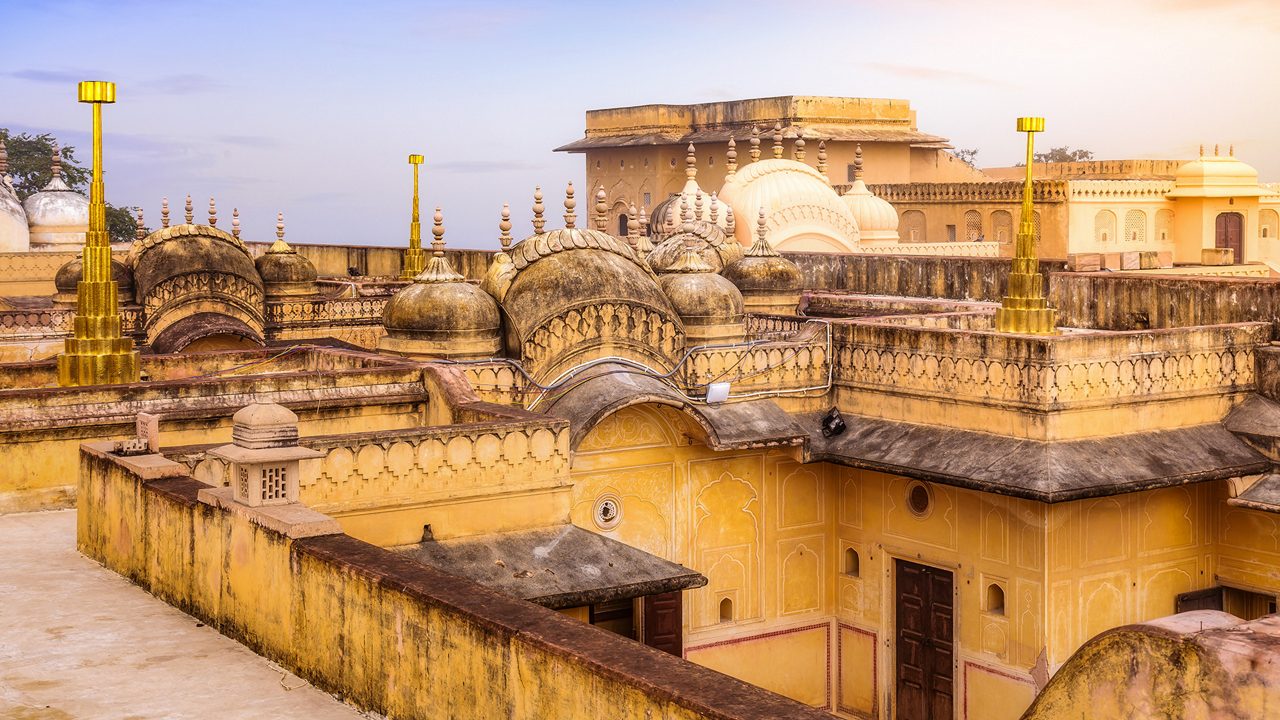 Combine your Nahargarh Fort visit with these nearby attractions for a complete Jaipur experience.
Other Jaipur Forts
Amber Fort (Amer Fort):- Distance: 10-12 km
- Features: More extensive, elephant rides, Sound and Light Show
- Architecture: Similar Rajputana style
- History: Older, founded in 1592
- Experience: Can visit both forts in one day
- Distance: 15-20 km
- Features: Similar views but different vantage point
- Architecture: More intricate carvings
- History: Built in 1726
- Significance: Victory monument celebrating a battle triumph
City Palace
- Distance: 4-6 km (within fort area)
- Features: Museum collection, Birla Mandir, royal architecture
- History: Royal residence, built by Sawai Madho Singh I
- Museums: Arms, textiles, and art collection
- Experience: Essential for understanding Jaipur's royal heritage
Hawa Mahal
- Distance: 8-10 km
- Features: Palace with 953 windows, honeycomb architecture
- History: Built in 1729, pleasure palace
- Architecture: Five-story facade, unique design
- Experience: Fascinating for architecture and photography enthusiasts
Other Nearby Attractions
Temples:- Govind Dev Ji Temple: 6-8 km, beautiful pink sandstone
- Galtaji Temple: 4-6 km, ancient Ganesha temple
- Central Park: 3-5 km, historic park in city center
- Ram Niwas Garden: 6-8 km, historic Mughal garden
Conclusion: Experience Tiger Fort's Grandeur
Nahargarh Fort offers visitors a perfect combination of historical immersion and scenic beauty. From the moment you approach its imposing gates to the final glow of sunset over the Pink City, every aspect of this 18th-century masterpiece creates lasting memories. What makes Nahargarh Fort so special is how it balances different experiences. It's a serious historical site where you can learn about Rajputana military strategy, royal life, and architectural brilliance through the palace museum and fort walls. At the same time, it's a place of breathtaking beauty where the golden hour sunset creates one of India's most photographed and iconic scenes. For visitors exploring Jaipur and Rajasthan's impressive forts, Nahargarh Fort is essential. It represents the vision and ambition of Sawai Jai Singh II, the founder who shaped Jaipur into the magnificent Pink City we see today. Plan your visit to include both daytime exploration and evening sunset viewing. The palace museum within the fort provides fascinating insights into royal life, while the evening sound and light show adds another layer of cultural experience. And most importantly, arrive at the west-facing walls during golden hour—this is when the Tiger Fort truly lives up to its majestic name, silhouetted against a sky painted in colors of legends. Remember to bring comfortable walking shoes—there's much ground to cover. Carry water and sun protection, especially during daytime visits. And if you're visiting during peak season, consider arriving early to secure a good sunset viewing spot. Nahargarh Fort isn't just a monument—it's an experience that connects you with Jaipur's royal past, Rajputana architectural heritage, and the timeless beauty of the Aravalli Hills. Visit with respect, explore with curiosity, and prepare to be awed by this magnificent tribute to a golden age of Indian forts and palaces.Location
Frequently Asked Questions
Q1.What is the timing of Nahargarh Fort?
Nahargarh Fort operates with seasonal hours:
April to September (Summer):
- 9:00 AM to 6:30 PM
October to March (Winter):
- 10:00 AM to 5:30 PM
Light and Sound Show:
- 7:30 PM (English show)
- 7:00 PM (Hindi show)
- Duration: Approximately 15 minutes
Last Entry: Usually 30 minutes before closing
Weather Note: Hours may vary during rain or special events. Check locally before visiting.
Q2.What is the entry fee for Nahargarh Fort?
Nahargarh Fort entry fees:
Indian Nationals:
- Adults: ₹50
- Children (7-12): ₹25
- Children (3-6): ₹10
- Students: ₹25 (with valid ID)
Foreign Nationals:
- Adults: ₹200
- Children (7-12): ₹100
- Children (3-6): ₹50
- Students: ₹100 (with valid ID)
Additional Fees:
- Camera: ₹200 (Indians) / ₹500 (foreign)
- Video Camera: ₹200 (Indians) / ₹500 (foreign)
- Light and Sound Show: ₹100 (Indians) / ₹200 (foreign)
Included: Camera, video, and light show tickets include fort entry.
Q3.Best time to visit Nahargarh Fort?
The best time to visit Nahargarh Fort depends on your priorities:
For Sunset Views (Most Popular):
- Arrive 30 minutes before official sunset time
- Winter offers clearest skies and best colors
- Golden hour (15-30 minutes before sunset) provides beautiful golden light
- Weekdays are less crowded than weekends
For Exploring Fort (Daytime):
- Morning (9-11 AM) for cooler temperatures
- Afternoon (2-5 PM) before the sunset crowds
- Avoid midday heat in summer
Recommended Seasons: October to March (winter) and April to June (summer) for overall best experience
Q4.How to reach Nahargarh Fort from Jaipur city?
Reaching Nahargarh Fort from Jaipur city center:
Distance: 6-8 km
Travel Time: 20-30 minutes
Transportation Options:
By Auto Rickshaw: ₹50-150, 20-30 minutes
By Taxi: ₹150-300, 20-30 minutes
By Self-Drive Car: ₹100-200 (parking), 20-30 minutes
By Tourist Bus: ₹20-50 to nearby bus stand + uphill walk
On Foot: Free but challenging 2-3 km uphill
Recommended: Taxi or auto for convenience, especially in hot weather
Q5.Is Nahargarh Fort worth visiting?
Yes, Nahargarh Fort is absolutely worth visiting and is one of Jaipur's must-see attractions.
Why It's Worth It:
- Historical Significance: 18th-century Rajputana fort, important in Jaipur's founding
- Architectural Marvel: Impressive military architecture and strategic design
- Panoramic Views: Stunning vistas of Aravalli Hills and Jaipur skyline
- Cultural Experience: Madhavendra Palace and Wax Museum within fort
- Sunset Destination: Considered India's most beautiful sunset viewpoint
- Light and Sound Show: Unique evening entertainment
Heritage Value: Well-preserved example of Rajputana grandeur
The fort offers excellent value for the modest entry fee, combining history, architecture, views, and culture in one location.
Q6.How much time needed at Nahargarh Fort?
Recommended time to explore Nahargarh Fort:
Fort Exploration: 2-3 hours
- Walking the walls and courtyards
- Exploring Madhavendra Palace and museum
- Photography time throughout
City Palace Museum: 1-1.5 hours
- Viewing collections and reading about history
Light and Sound Show: 15 minutes (if included in visit)
Total Visit: 3-5 hours with breaks
Note: Time depends on your interest level. History enthusiasts may spend longer exploring architecture, while casual visitors might spend less time.
Q7.Is Nahargarh Fort good for sunset?
Yes, Nahargarh Fort is considered one of India's best sunset destinations and offers an unforgettable evening experience.
Why It's Great for Sunset:
- West-Facing Position: Direct view of the sun setting over Aravalli Hills
- Panoramic Vistas: Unobstructed views of Jaipur city and valley
- Fort Silhouette: Classic outline shots against colorful evening sky
- City Lights: Beautiful view of Pink City lights twinkling below
- Atmosphere: Magical as fort transforms during golden hour
Tips:
- Arrive 30 minutes before sunset for prime positioning
- Golden hour (30 min before sunset) offers best light
- Winter offers clearest sky for sharpest colors
- Weekends have more energy but weekdays offer better photography opportunities
Q8.What to see at Nahargarh Fort?
Nahargarh Fort offers diverse attractions:
Fort Architecture:
- Massive stone walls (3 km perimeter)
- Defensive bastions and watch towers
- Seven original gates
- Water reservoirs
- Royal courtyards and residential areas
Madhavendra Palace:
- Royal residence within the fort
- City Palace Museum collection
- Rajputana architecture and artifacts
- Weapons, costumes, and paintings
- Wax museum with life-like figures
- Mughal-influenced design elements
Light and Sound Show:
- Evening sound and light show (15 minutes)
- Illuminated fort experience
- Synchronized narration and music
- Only when weather permits
- Available in both English and Hindi
Views:
- Panoramic views of Aravalli Hills
- Jaipur city skyline
- Excellent for photography
- Best experienced during sunset (west-facing side)
Q9.Is there a restaurant at Nahargarh Fort?
There is no restaurant inside Nahargarh Fort, but food and beverage options are available nearby.
Within Fort:
- Refreshment stands selling snacks, water, and cold drinks
- Small food kiosks during peak tourist season
Just Outside Fort:
- Multiple restaurants in Jaipur city center (6-8 km)
- Local cuisine and street food available
- Cafes with views of the fort (from nearby buildings)
Recommendation: Carry water and snacks, especially for sunset visits when facilities inside may be limited.
Recommended For You
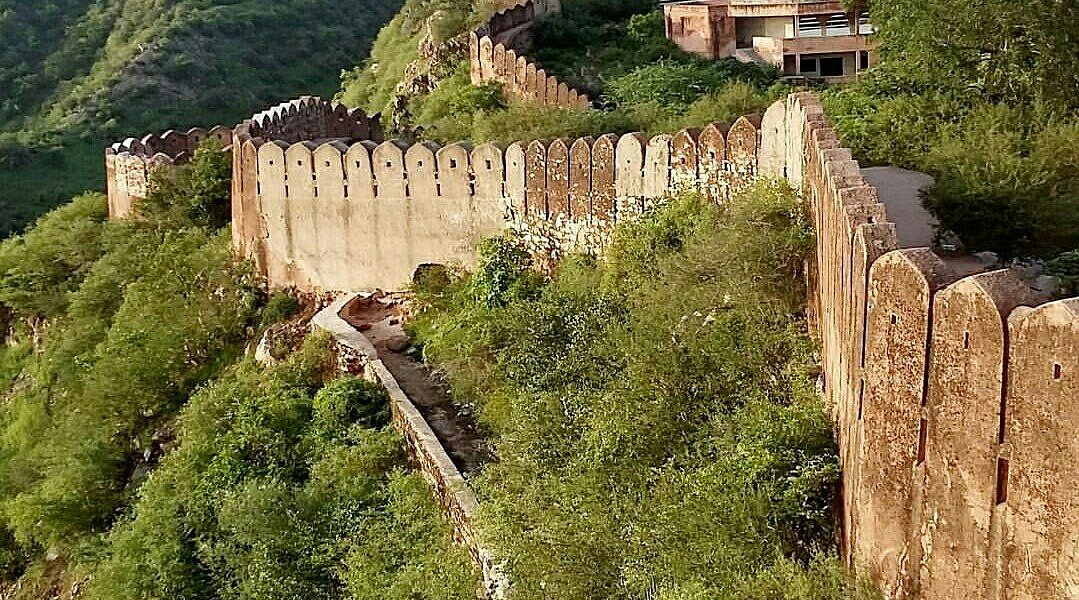
Best Places to Visit in Jaipur: Forts, Bazaars & Royal Landmarks
Discover the best places to visit in Jaipur with forts, palaces, markets, timings strategy, transport tips, and practical 2-3 day itinerary planning.
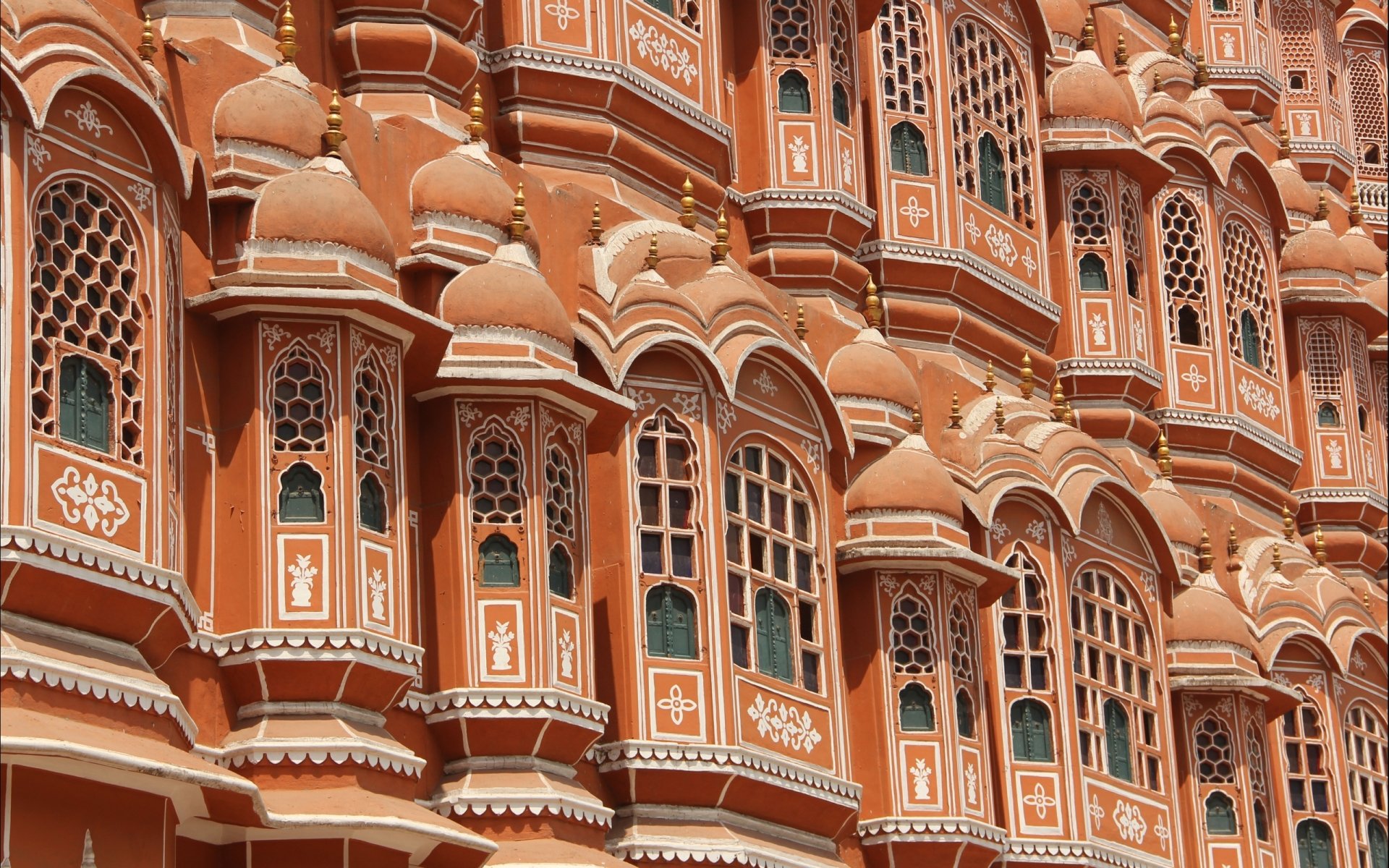
Hawa Mahal Jaipur: Complete Guide to Palace of Winds
Discover Hawa Mahal, Jaipur's iconic Palace of Winds with 953 windows. Explore its history, unique architecture inspired by Lord Krishna's crown, and practical visitor information.
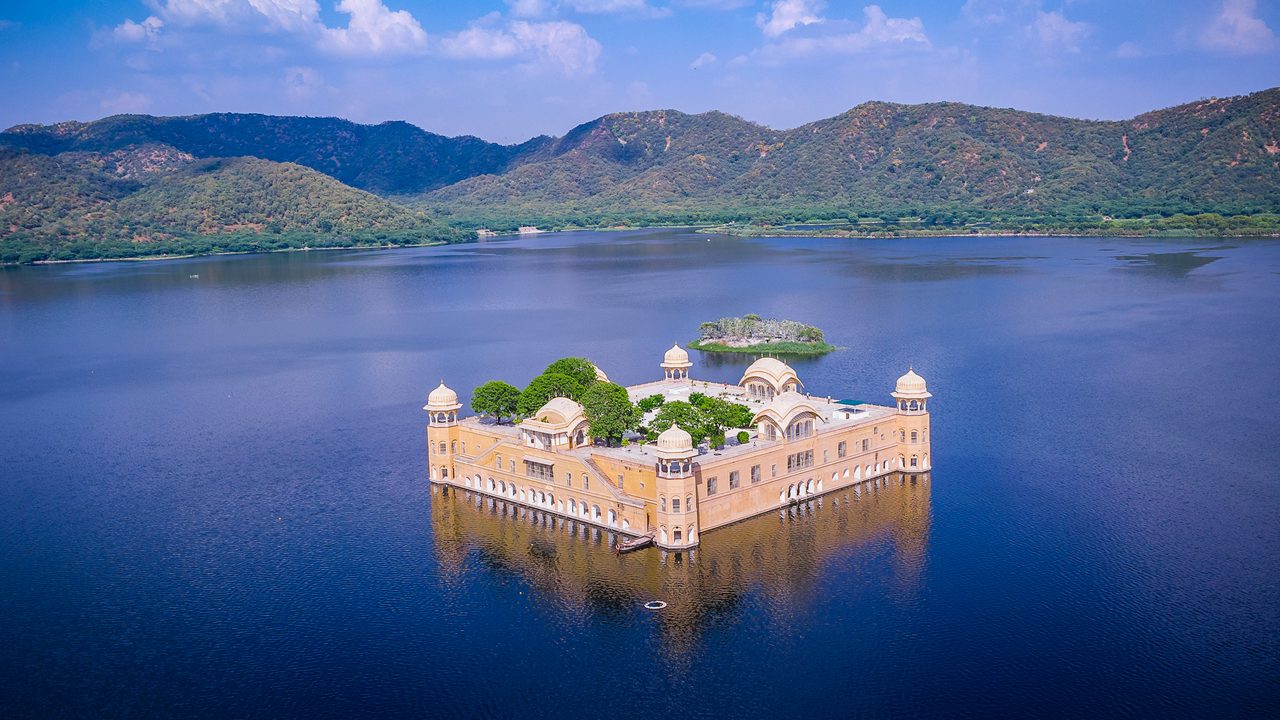
Best Time to Visit Jaipur: Weather Calendar & Peak Tourist Season
Plan the best time to visit Jaipur with season-wise weather, festival windows, sightseeing comfort, and practical monthly travel strategy.
Never Miss an Adventure
Get the latest trekking guides, travel tips, and exclusive offers delivered straight to your inbox.
