
Heritage
City Palace Jaipur: Ticket Options, Timings & Must-See Areas

Neha Kapoor
January 14, 2026
15 min read3,331 views
Plan your City Palace Jaipur visit with practical tips on timings, tickets, routes, and combining with nearby attractions for a smooth heritage experience.
A Royal Journey Through Jaipur's Magnificent Heart
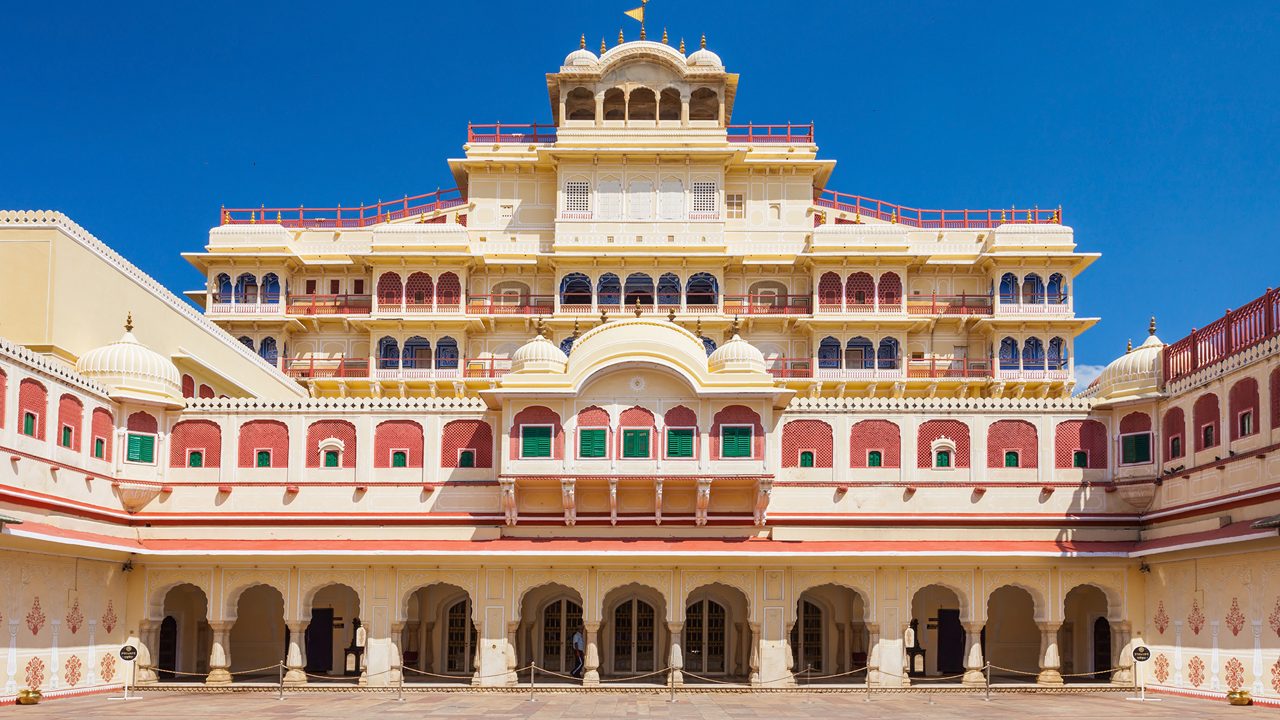
Standing proudly in the center of Jaipur's Old City, the City Palace complex represents the finest blend of Rajput and Mughal architecture. This sprawling palace compound, still home to Jaipur's royal family, offers visitors an immersive journey through centuries of royal heritage, artistic excellence, and cultural grandeur. Built by Maharaja Sawai Jai Singh II—the founder of Jaipur—the City Palace complex spans nearly one-seventh of the old city's area. Unlike many heritage sites in India that are purely museums, this palace maintains a unique distinction: part of it remains the private residence of the current royal family, while other sections welcome visitors to explore the remarkable legacy of the Kachhwaha dynasty.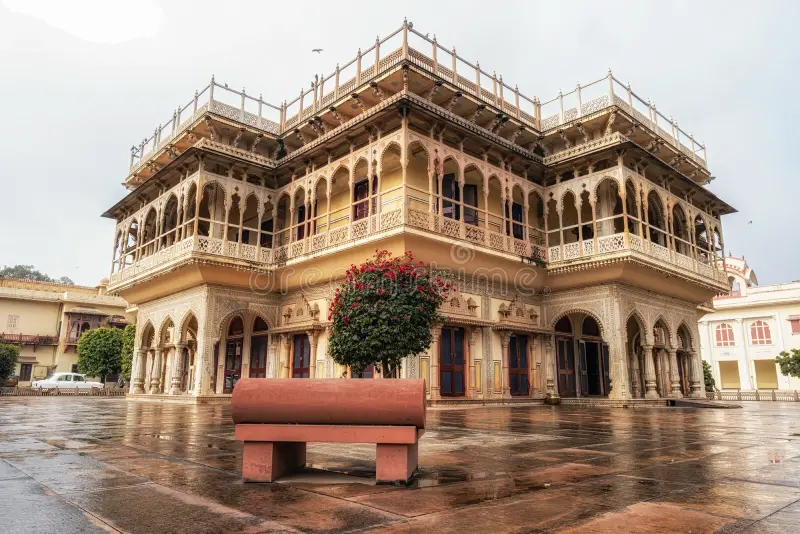 What makes City Palace truly special is its architectural diversity. The complex showcases an evolution of styles across different centuries, from the 18th-century foundations laid by Maharaja Sawai Jai Singh II to later additions by successive rulers. Each courtyard, gate, and building tells a story of artistic patronage, diplomatic relationships, and the refined tastes of Jaipur's royalty.
As you walk through the ornate gateways and decorated courtyards, you're not just seeing a monument—you're experiencing a living heritage where history continues to breathe through carefully preserved artifacts, manuscripts, weapons, and artworks. For travelers seeking to understand Rajasthan's royal past, City Palace Jaipur offers an unparalleled window into the opulent lifestyle, administrative prowess, and cultural sophistication of the Rajput courts.
What makes City Palace truly special is its architectural diversity. The complex showcases an evolution of styles across different centuries, from the 18th-century foundations laid by Maharaja Sawai Jai Singh II to later additions by successive rulers. Each courtyard, gate, and building tells a story of artistic patronage, diplomatic relationships, and the refined tastes of Jaipur's royalty.
As you walk through the ornate gateways and decorated courtyards, you're not just seeing a monument—you're experiencing a living heritage where history continues to breathe through carefully preserved artifacts, manuscripts, weapons, and artworks. For travelers seeking to understand Rajasthan's royal past, City Palace Jaipur offers an unparalleled window into the opulent lifestyle, administrative prowess, and cultural sophistication of the Rajput courts.
City Palace Overview and Key Sections
The City Palace complex is a treasure trove of architectural marvels and historical artifacts. Understanding its layout and key sections helps you plan your visit efficiently and appreciate the significance of each area.| Section | Built By | Key Highlights |
|---|---|---|
| Mubarak Mahal | Maharaja Madho Singh II | Textile museum, welcome palace |
| Chandra Mahal | Maharaja Sawai Jai Singh II | Private residence, seven stories |
| Pritam Niwas | Maharaja Sawai Pratap Singh | Four gateways, peacock motifs |
| Diwan-i-Aam | Maharaja Sawai Jai Singh II | Hall of Public Audience |
| Diwan-i-Khas | Maharaja Sawai Jai Singh II | Private audience hall, marble gallery |
Mubarak Mahal: The Welcome Palace
Mubarak Mahal, built in the late 19th century by Maharaja Madho Singh II, serves as the museum's main entrance and reception area. This stunning building blends Islamic, Rajput, and European architectural styles, showcasing the eclectic influences that shaped Jaipur's royal aesthetics. Today, it houses a remarkable textile museum displaying the royal wardrobe—including fabrics that are said to have required several meters just to create one sleeve of Maharaja Madho Singh II's garments!Chandra Mahal: The Seven-Story Private Residence
Chandra Mahal remains the private residence of Jaipur's royal family, making it one of the few continuing royal residences in India. While only the ground floor is open to visitors, it offers a glimpse into the lavish lifestyle of the Maharajas. Each of the seven floors is named differently: Pitam Niwas, Rang Mandir, Pitam Niwas Chavi, Shri Niwas, Mukut Mahal, and Chandra Niwas. The building's refined proportions, delicate mirror work, andPaintings from the Rajput and Mughal schools exemplify the artistic heights achieved during the period.The Diwan Halls: Public and Private Audiences
The Diwan-i-Aam (Hall of Public Audience) and Diwan-i-Khas (Hall of Private Audience) served as the administrative heart of the kingdom. The Diwan-i-Aam, with its marble throne and intricate decorations, was where the Maharaja would address common citizens and hear their grievances. In contrast, the Diwan-i-Khas, with its stunning marble gallery and Peacock Gate (popularly known as Sarvato Bhadra), was reserved for private meetings with nobles and important guests.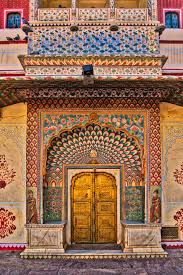 The Peacock Gate, decorated with stunning mosaic work featuring peacock motifs, represents the gateway to the Diwan-i-Khas and stands as one of the most photographed architectural details in the complex. Each of the four gates around this courtyard represents a different season and is decorated with motifs relevant to that season—a remarkable example of how art, nature, and symbolism were woven into the palace's very fabric.
Baggi Khana: The Royal Carriage Collection
Don't miss the Baggi Khana, or royal carriage museum, which houses an impressive collection of palanquins, European carriages, and the most interesting exhibit—a giant circular chariot drawn by four horses. This collection illustrates how travel evolved from traditional Indian methods to European influences as the royal family adapted to changing times.Timings, Tickets, and Entry Strategy
Planning your visit to City Palace requires understanding the ticketing options and timing your entry strategically. The palace complex sees significant foot traffic, especially during peak tourist season, so smart planning can enhance your experience considerably.| Category | Indian Visitor | Foreign Visitor |
|---|---|---|
| General Palace Entry | ₹200 | ₹700 |
| Chandra Mahal (Ground Floor) | Additional ₹500 | Additional ₹1,500 |
| Grand Palace Ticket | ₹1,000 | ₹2,500 |
| Photography | ₹50 (camera) | ₹200 (video) |
Opening Hours
City Palace Jaipur is open daily from 9:30 AM to 5:00 PM, with the last entry allowed at 4:30 PM. The palace remains open throughout the week, including weekends and holidays. However, certain sections may be closed occasionally for royal family events or maintenance, so it's wise to check before planning a special visit.Ticket Options Explained
The General Palace Entry ticket covers the main museum areas, including Mubarak Mahal, the textile museum, Diwan-i-Aam, Diwan-i-Khas, Baggi Khana, and the art gallery. This ticket is sufficient for most visitors and provides comprehensive exposure to the palace's artistic and historical collections. The Chandra Mahal ticket add-on allows access to the ground floor of the private residence, where you can see more personal artifacts, photographs of the royal family, and rooms that are still in occasional use. This option appeals to visitors with deeper interest in royal lifestyle and the continuity of living heritage. The Grand Palace Ticket offers the most comprehensive experience, combining both general palace entry and Chandra Mahal access. For visitors who want to thoroughly explore every accessible section without worrying about purchasing additional tickets on-site, this option provides the best value and the most complete experience.Smart Entry Strategy
Arrive at the palace gates by 9:15 AM to be among the first visitors when the complex opens at 9:30 AM. Early morning visits offer multiple advantages: fewer crowds, softer lighting for photography, and more personalized attention from guides. The ticket counters can get busy by 10:30 AM, especially on weekends and holidays. If you're visiting during peak season (October to March), consider purchasing your Chandra Mahal add-on at the main ticket counter itself rather than deciding mid-visit. This saves you from returning to the counter later and potentially facing crowds or limited availability.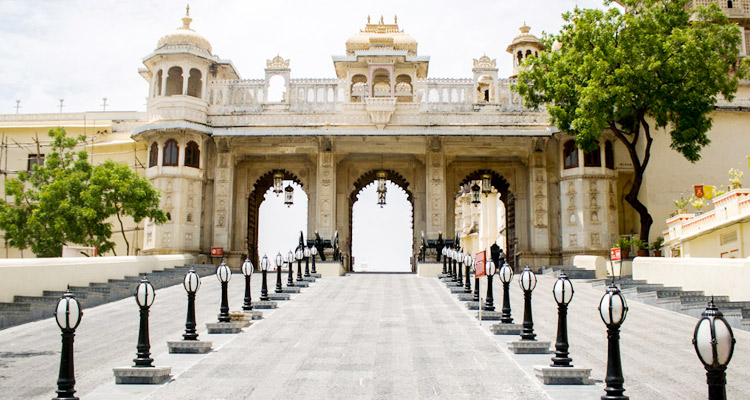
Best Visit Flow and Photography Guidance
Navigating the City Palace complex efficiently requires understanding the recommended visitor flow. Most visitors spend between 2-3 hours exploring the various sections, though history and architecture enthusiasts might easily spend half a day.Recommended Route
Start your tour at Mubarak Mahal, which serves as a natural introduction to the palace's artistic heritage through its textile museum. The museum's collection of royal costumes, embroidered textiles, and pashmina shawls provides context for understanding the refined tastes of Jaipur's royalty. Next, proceed to Diwan-i-Khas (the Private Audience Hall) to see the marble gallery and the famous Peacock Gate. The courtyard here is one of the most photogenic spots in the entire complex, so take your time capturing the intricate mosaic work and the symbolic representations of the four seasons. Continue to Diwan-i-Aam (the Public Audience Hall), where you can see the marble throne and understand how the Maharaja conducted his public duties. The hall houses an excellent collection of manuscripts and manuscripts in Sanskrit, Persian, and Urdu—showcasing the scholarly pursuits of the royal court.Photography Tips
The best photography spots within City Palace include the Peacock Gate courtyard (especially around mid-morning when light filters through the surrounding buildings), the intricately carved arches of Mubarak Mahal, and the views from the upper floors of the museum buildings looking out over the palace courtyards. While photography is permitted in most areas, avoid using flash near delicate textiles and paintings. Tripods may require special permission, especially in areas with higher foot traffic. The golden hour (late afternoon) creates beautiful warm tones on the pink sandstone, particularly around the outer gates and courtyards.Crowd Management
If you prefer a quieter experience, avoid visiting between 11:00 AM and 2:00 PM, when tour groups and large parties typically arrive. The palace is least crowded during the first hour after opening and during the last hour before closing. Mid-week visits (Tuesday to Thursday) generally see fewer visitors than weekends.How to Reach and Local Movement Options
City Palace enjoys a central location in Jaipur's Old City, making it easily accessible from various parts of the city. Understanding your transport options helps you plan your arrival and departure efficiently.| From | Distance | Best Transport Option | Time | Approx. Cost |
|---|---|---|---|---|
| Jaipur Airport | 13 km | Taxi/App Cab | 30-40 mins | ₹300-500 |
| Railway Station | 5 km | Auto-rickshaw | 15-20 mins | ₹60-80 |
| Bus Stand (Sindhi Camp) | 3 km | Auto-rickshaw | 10-15 mins | ₹40-60 |
| Hawa Mahal | 500 m | Walking | 5-7 mins | Free |
| Jantar Mantar | 200 m | Walking | 2-3 mins |
Reaching City Palace
By Air: Jaipur International Airport connects well to major Indian cities and some international destinations. From the airport, prepaid taxis and app-based cab services (Uber, Ola) are available. The drive to City Palace takes you through some of Jaipur's newer areas before entering the Old City's historic streets. By Rail: Jaipur Railway Station is well-connected to Delhi, Agra, Mumbai, and other major cities. Auto-rickshaws are the most convenient option from the station to City Palace. For a more budget-friendly option, you can take a cycle-rickshaw for part of the distance and walk the rest. By Road: If you're driving to Jaipur as part of a Golden Triangle tour (Delhi-Agra-Jaipur), private taxis and tour buses typically drop visitors near the palace entrance. Parking can be challenging in the Old City's narrow streets, so your driver may drop you at the nearest accessible point and arrange to pick you up later.Local Movement Within Old City
Once you're in the Old City area, walking becomes the most practical way to explore. City Palace, Jantar Mantar, and Hawa Mahal are all within a 10-minute walking radius of each other, making this cluster perfect for a heritage walking tour. Auto-rickshaws are readily available for short hops, but be prepared to negotiate prices or insist on the meter. For covered comfort, especially during summer, consider hiring a taxi for the day if you plan to visit multiple attractions across Jaipur.Nearby Places to Combine in One Day
The beauty of visiting City Palace lies in its strategic location near Jaipur's other major attractions. Planning a smart itinerary allows you to experience multiple sites without excessive travel time.Jantar Mantar Observatory
Located just 200 meters from City Palace, Jantar Mantar is a UNESCO World Heritage Site that houses the world's largest stone sundial and numerous astronomical instruments built by Maharaja Sawai Jai Singh II. The observatory can be explored in 45-60 minutes, making it the perfect companion visit to City Palace. Both complexes share the same founder, offering complementary perspectives on the Maharaja's interests—administrative and cultural at City Palace, scientific and astronomical at Jantar Mantar.Hawa Mahal
The iconic Palace of Winds, with its 953 windows, is a mere 5-minute walk from City Palace. Since Hawa Mahal was originally built as an extension of the women's quarters of City Palace, visiting both provides a complete understanding of how they functioned together in royal life. Hawa Mahal requires 1-1.5 hours to explore properly.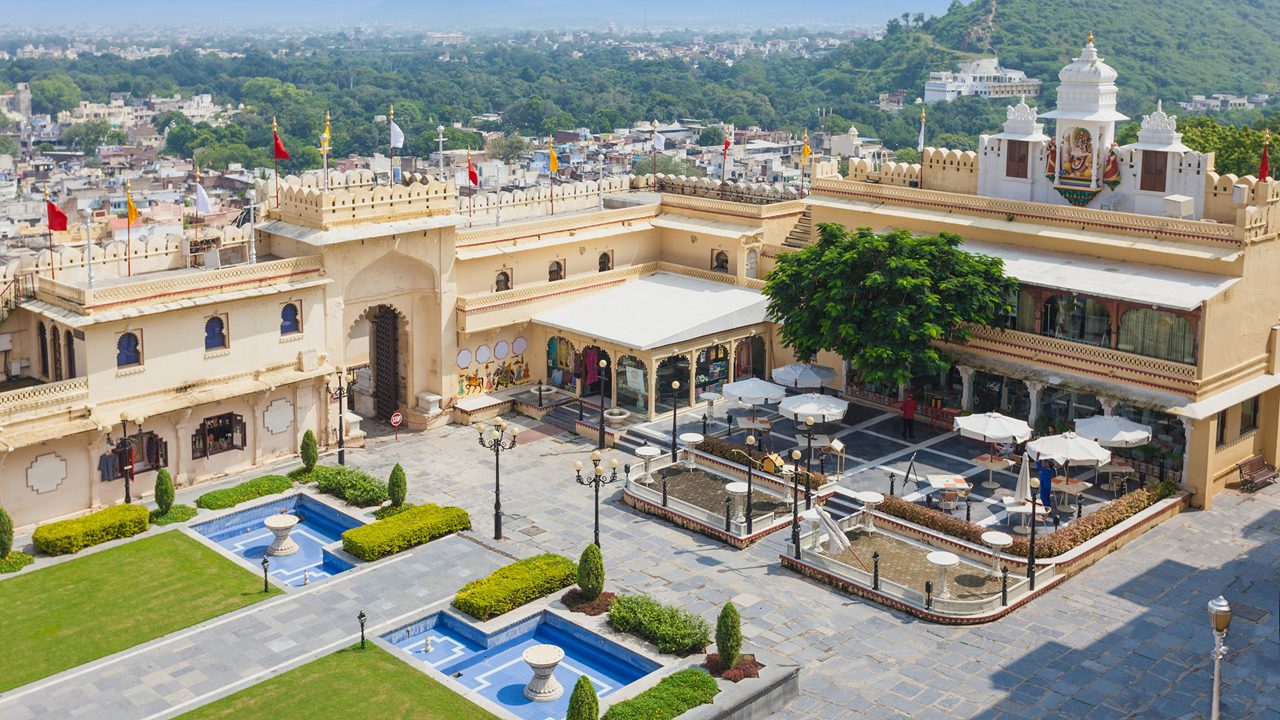
Govind Dev Ji Temple
Located within the City Palace complex itself, the Govind Dev Ji Temple is an important Krishna temple that remains an active place of worship. The temple's architecture features European-inspired elements combined with traditional Rajput design. Many visitors combine their palace tour with a temple visit, especially during aarti times when the temple comes alive with devotional music.Suggested One-Day Itinerary
Morning (9:30 AM - 12:30 PM): Start at City Palace when it opens, spending 2.5 hours exploring the various sections, museums, and courtyards. The morning light is beautiful for photography, and crowds are thinner. Mid-Morning (12:30 PM - 1:30 PM): Walk to Jantar Mantar (2 minutes away) and explore the astronomical observatory. The open-air complex is particularly pleasant in the morning before the sun gets too intense. Lunch Break (1:30 PM - 2:30 PM): Enjoy lunch at one of the rooftop restaurants overlooking Hawa Mahal or within the Old City area. Several restaurants offer views of the monuments along with traditional Rajasthani cuisine. Afternoon (2:30 PM - 4:00 PM): Visit Hawa Mahal and explore the surrounding markets of Johari Bazaar and Bapu Bazaar. These markets are famous for jewelry, textiles, handicrafts, and traditional mojari footwear. This itinerary covers Jaipur's three most iconic monuments while leaving your evening free for other activities like visiting Amer Fort (11 km away) or enjoying cultural programs at Chokhi Dhani.Budget and Family Travel Notes
Traveling to City Palace with family or on a budget requires some practical planning to ensure a comfortable and enjoyable experience for everyone.Family-Friendly Features
City Palace is generally family-friendly, with wide courtyards where children can move around safely. The visual elements—colorful gateways, weapons collection, royal carriages, and the textile museum's displays—can engage children's interest despite the historical nature of the site. However, the complex involves considerable walking, so plan accordingly if traveling with young children or elderly family members. The palace's museum sections have some interactive displays and fascinating artifacts that can capture children's attention—the enormous chariot at Baggi Khana and the elaborately decorated gates are particular favorites. Keep visits to 2 hours maximum to avoid fatigue.Accessibility Considerations
While the ground floor areas of City Palace are wheelchair accessible, some sections involve stairs and may not be fully accessible to visitors with mobility challenges. The courtyards have uneven surfaces in places, so sturdy footwear is recommended for everyone. The palace management has been working on improving accessibility, but it's best to check current facilities if you have specific accessibility needs.Budget Planning
For budget travelers, the general palace entry ticket (₹200 for Indians) provides excellent value given the 2-3 hours of exploration possible within the complex. Add-ons like the Chandra Mahal visit or professional photography fees can increase costs, so decide based on your interests and budget. Consider hiring an official guide (₹200-400 for a 2-hour tour) if you want deeper historical context—guides can significantly enhance your understanding of the various sections and their significance. Audio guides are also available at the ticket counter for those who prefer self-paced exploration.Common Mistakes First-Time Visitors Make
Avoiding these common pitfalls can help you make the most of your City Palace visit:- Rushing through the complex: City Palace deserves 2-3 hours minimum. Don't try to combine it with too many other attractions in the same morning.
- Skipping the museums: The textile museum and art gallery contain some of the palace's most fascinating treasures. Don't just walk through the courtyards without exploring these collections.
- Visiting during peak heat: Rajasthan afternoons can be intense, especially in summer. Plan your visit for morning hours or late afternoon.
- Not carrying water: The complex involves substantial walking. Carry a water bottle, especially during summer months.
- Missing the smaller details: While the grand gates and courtyards are impressive, don't overlook the smaller elements—the intricate carving, the inlay work, the ceiling paintings.
- Ignoring the context: Understanding that part of the palace is still a private residence adds a fascinating dimension to your visit. Respect the privacy signs and designated areas.
- Not researching ticket options: Decide in advance whether you want the Chandra Mahal add-on. Purchasing everything at once saves time and potential disappointment.
- Wearing inappropriate footwear: You'll be walking on uneven surfaces and climbing stairs. Comfortable, sturdy shoes are essential.
Why City Palace Should Be Central to Your Jaipur Experience
City Palace Jaipur represents more than just a monument—it's a living testament to the vision of Maharaja Sawai Jai Singh II and the artistic heights achieved by the Kachhwaha dynasty. Unlike many heritage sites that are purely museum collections, City Palace maintains a unique continuity, with sections still serving their original purpose as a royal residence. What makes this complex particularly rewarding for visitors is its comprehensive representation of royal life: administrative decisions in the Diwan halls, personal comfort in the private quarters, artistic expression in the textile and art collections, and spiritual devotion in the temple within the complex. Each section adds a layer to your understanding of how Jaipur's royalty lived, governed, and patronized the arts. The palace's architecture itself tells the story of cultural synthesis—Rajput foundations enhanced by Mughal influences and later European adaptations. This architectural evolution reflects the diplomatic relationships and changing times that the royal family navigated while preserving their distinct identity. For modern visitors, City Palace offers multiple entry points into Rajasthan's heritage: through its artifacts, its architecture, its documented history, and its continuing traditions as a living royal residence. Whether you're a history enthusiast, architecture student, photography lover, or simply a curious traveler, the palace provides ample material for engagement and discovery. The experience of walking through the same courtyards where royalty once held court, seeing the artifacts they used daily, and understanding their administrative and cultural legacy creates a connection to the past that few monuments can match. As you stand beneath the beautifully carved gates or admire the textile collection's intricate workmanship, you're not just viewing—you're participating in a centuries-old continuum of artistic appreciation and historical preservation. City Palace Jaipur isn't just a stop on a tourist itinerary—it's an essential chapter in understanding Rajasthan's royal heritage, the vision of its founder Maharaja Sawai Jai Singh II, and the enduring legacy of a dynasty that shaped one of India's most culturally rich regions.Location
Frequently Asked Questions
Q1.What are City Palace Jaipur opening hours?
City Palace Jaipur is open daily from 9:30 AM to 5:00 PM, with the last entry allowed at 4:30 PM. The palace remains open throughout the week, including weekends and holidays. However, certain sections may occasionally close for royal family events or maintenance, so it's advisable to check before visiting during special occasions.
Q2.How much time should I keep for a complete visit?
Plan to spend approximately 2-3 hours exploring City Palace Jaipur thoroughly. This allows time to visit the main museum areas, courtyards, Diwan-i-Aam, Diwan-i-Khas, textile museum, and art gallery. If you plan to add the Chandra Mahal private residence tour, budget an additional 45-60 minutes. History and architecture enthusiasts might spend up to 4 hours exploring in detail.
Q3.Which ticket option is best for most travelers?
The General Palace Entry ticket (₹200 for Indians, ₹700 for foreigners) is sufficient for most visitors, covering all main museum areas including Mubarak Mahal, textile museum, Diwan-i-Aam, Diwan-i-Khas, Baggi Khana, and art gallery. The Grand Palace Ticket (₹1,000 for Indians, ₹2,500 for foreigners) offers the best value if you want to include Chandra Mahal access, combining both experiences in one purchase.
Q4.What is the best time to avoid heavy crowds?
Visit City Palace during the first hour after opening (9:30-10:30 AM) or the last hour before closing (4:00-5:00 PM) to avoid peak crowds. Mid-week visits (Tuesday to Thursday) generally see fewer tourists than weekends. Avoid the 11:00 AM to 2:00 PM period when tour groups typically arrive. Winter months (October to March) are peak season, so expect more visitors during this time.
Q5.Can City Palace be combined with Jantar Mantar and Hawa Mahal in one day?
Yes, absolutely! All three monuments are within a 10-minute walking radius of each other. An ideal one-day itinerary would start at City Palace (9:30 AM - 12:30 PM), then walk to Jantar Mantar (12:30 PM - 1:30 PM), take a lunch break, visit Hawa Mahal (2:30 PM - 4:00 PM), and explore the nearby markets. This allows you to experience Jaipur's three most iconic heritage sites efficiently without excessive travel time.
Q6.Is City Palace Jaipur suitable for kids and seniors?
City Palace is family-friendly with wide courtyards where children can move around safely. Visual elements like the weapons collection, royal carriages, and colorful gateways can engage children's interest. However, the complex involves considerable walking and some stairs, so plan accordingly. Seniors should take rest breaks and carry water. The ground floor areas are accessible, though some sections have stairs that may be challenging for those with mobility issues.
Q7.What should visitors carry for a comfortable tour?
Carry a water bottle to stay hydrated, especially during summer months. Wear comfortable, sturdy footwear with good grip for walking on uneven surfaces. Sun protection (hat, sunglasses, sunscreen) is essential year-round. A small backpack works well for carrying belongings. If visiting during hot weather, bring a portable fan or cooling towel. Camera enthusiasts should carry their equipment, but avoid flash near delicate textiles and paintings.
Q8.What common planning mistakes should be avoided?
Common mistakes include rushing through the complex in under 90 minutes (it deserves 2-3 hours minimum), skipping the museum sections which contain fascinating treasures, visiting during peak afternoon heat (especially in summer), not carrying water, and not researching ticket options in advance. Don't try to combine too many attractions in the same morning—focus on City Palace and perhaps Jantar Mantar. Hire a guide if you want deeper historical context instead of wandering without understanding the significance of each section.
Recommended For You
City Guides
Best Time to Visit Rajasthan: Weather by City & Ideal Travel Months
Plan the best time to visit Rajasthan with season-wise weather, month-by-month insights, activity timing, festival impact, and smart itinerary guidance.
Feb 18Read More
City Guides
Best Places to Visit in Jaipur: Forts, Bazaars & Royal Landmarks
Discover the best places to visit in Jaipur with forts, palaces, markets, timings strategy, transport tips, and practical 2-3 day itinerary planning.
Jan 10Read More
Heritage
Jaipur: Complete Travel Plan Places And Weather
Complete Jaipur travel guide covering top attractions, best time to visit, shopping, accommodation, costs, and practical tips for exploring the Pink City of Rajasthan.
Feb 13Read More
Never Miss an Adventure
Get the latest trekking guides, travel tips, and exclusive offers delivered straight to your inbox.
