
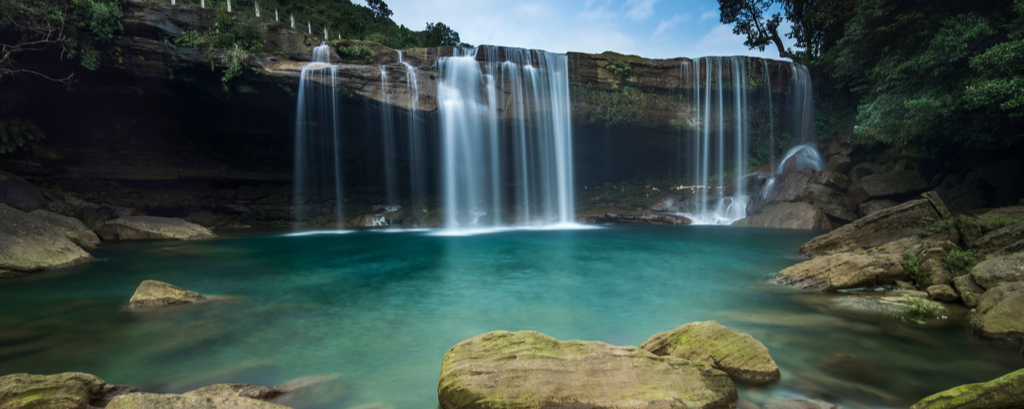
Mawryngkhang Trek Mawphlang Guide: Bamboo Trail Safety, Timing, Fitness, and Meghalaya Planning
Rahul Garg
February 27, 2026
Plan Mawryngkhang Trek with bamboo-trail safety, weather awareness, and practical Meghalaya route integration.
Introduction
Mawryngkhang Trek near Mawphlang is one of Meghalaya's most exciting trail experiences, known for bamboo pathways, dramatic drops, and high-focus movement. The route is visually stunning but demands discipline and composure. Many trekkers underestimate this and arrive unprepared for pace control and weather shifts. This guide gives practical execution advice for a safe and rewarding Mawryngkhang trek: when to go, how to prepare, what to carry, and how to integrate the trek with wider Meghalaya travel.
What Makes Mawryngkhang Unique
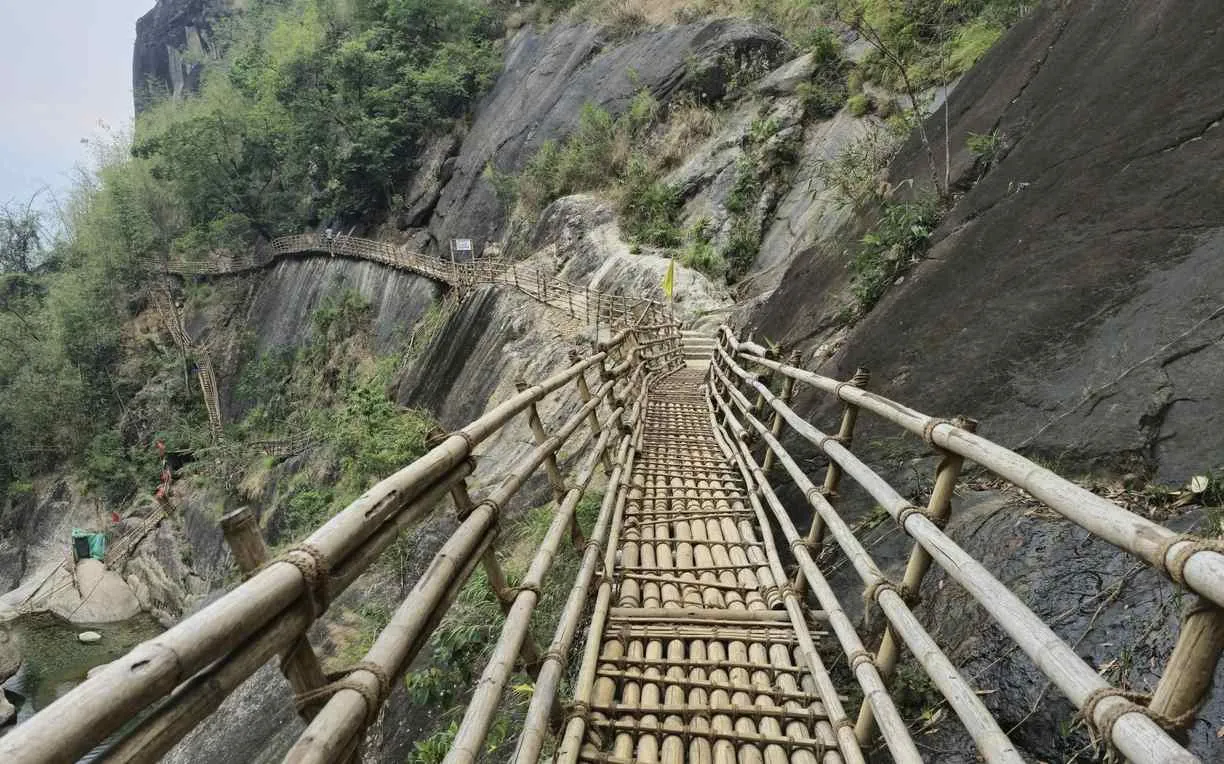
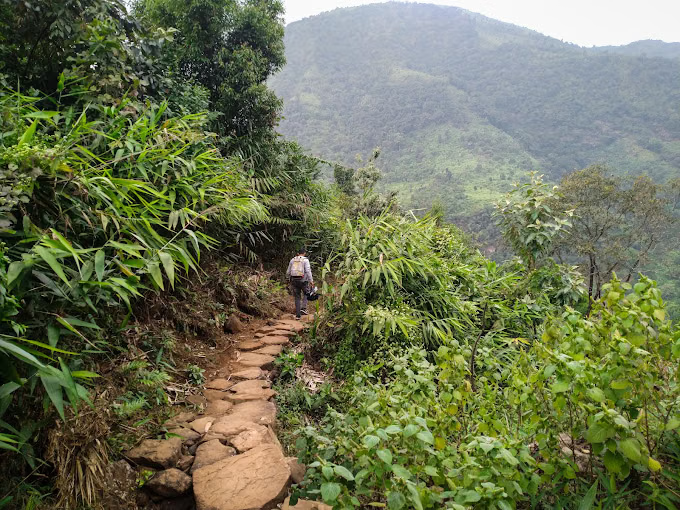
The trek is distinct because of narrow bamboo trail systems and exposed visual sections that require confidence and concentration. It is not a conventional walk where you can move casually while distracted. Trail etiquette, spacing, and calm foot placement matter at every stage. Trekkers who treat this as a technical attention route have safer and better outcomes.
Best Time and Weather Considerations
Weather influences surface grip and visibility significantly. Dry windows usually offer better control, while wet conditions require extra caution and slower movement. Avoid last-minute season assumptions. Confirm local weather and trail status before departure and keep one backup plan in case conditions are unsuitable on arrival.
Fitness and Readiness
Basic conditioning helps: balance drills, stair climbing, and short endurance sessions. The trek is not only about strength but stability and control under exposure. If you are new to elevated or narrow trails, do one preparatory hike before Mawryngkhang. Mental readiness is as important as physical readiness on this route.
Trail Execution and Group Behavior
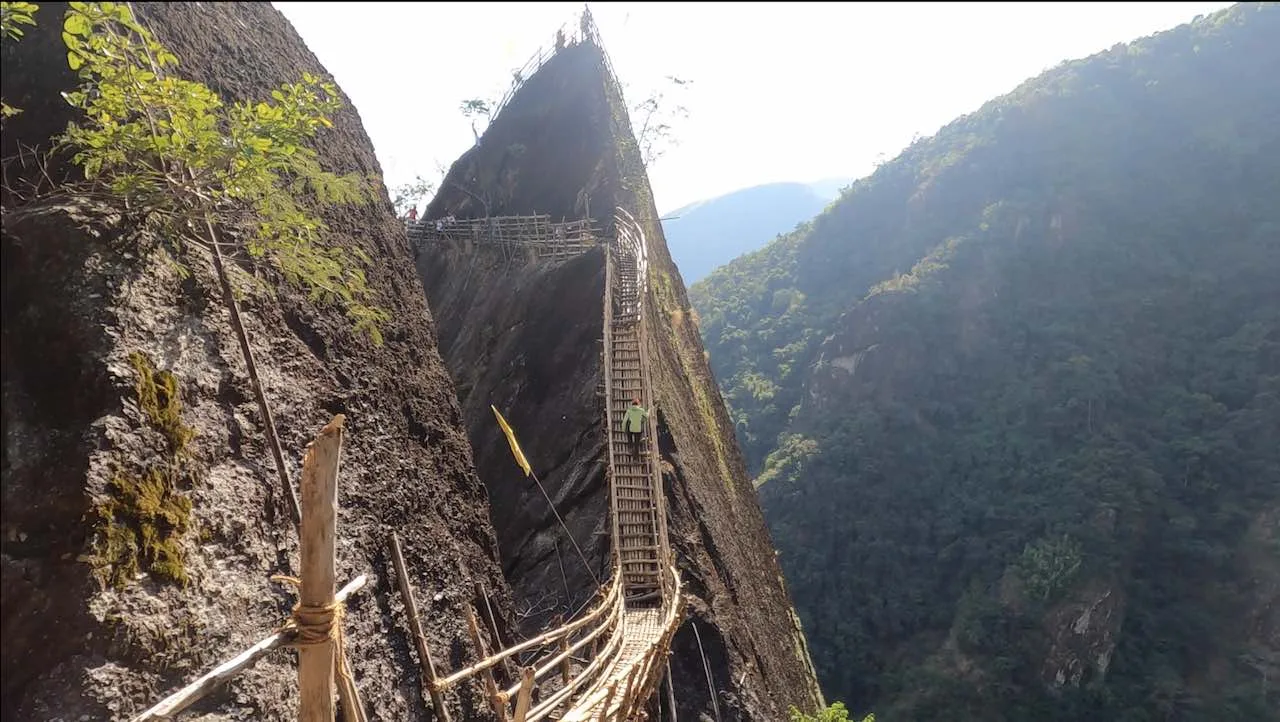
Move with deliberate pace, keep safe spacing, and avoid abrupt overtakes. Communication should stay short and clear in exposed sections. If someone in your group feels uncomfortable, slow down and support rather than forcing speed. Group discipline is the strongest safety tool on this trek.
Gear and Clothing Essentials
Use trail-grip footwear, weather-appropriate layers, hydration support, and minimal but functional carry. Avoid overpacked bags that destabilize movement on narrow sections. Keep hands reasonably free in critical zones for balance. Smart packing improves confidence and reduces fatigue.
Safety Rules That Matter Most
Watch your step, do not lean excessively for photos, and follow local route guidance. If rain starts and surfaces become uncertain, shift to conservative movement mode immediately. A controlled retreat is better than a risky continuation. Safety decisions should be pre-agreed before entering exposed sections.
Combining Mawryngkhang with Meghalaya Itinerary
Mawryngkhang should be treated as a primary activity day, not an add-on between long transfers. Pair it with low-intensity blocks before and after. For route context, compare with Mawryngkhang Bamboo Trek and regional pacing references like trekking in Shillong guide and popular hill stations Meghalaya guide.
Common Mistakes to Avoid
Frequent mistakes include poor footwear, low hydration, rushing exposed segments, and attempting the route in unsuitable weather without fallback planning. Another issue is splitting groups without clear regroup points. These mistakes are avoidable with simple pre-trek structure and clear communication.
Post-Trek Recovery and Next-Day Planning
After completion, prioritize hydration, food, and rest. Avoid stacking another high-focus trek immediately unless your group is experienced. Recovery improves your ability to enjoy Meghalaya beyond one adrenaline-heavy day. Practical planning should protect the full trip, not only the trek highlight.
Advanced Safety Mindset for Narrow-Trail Treks
Mawryngkhang requires a technical mindset even when the trek distance appears moderate. Treat every exposed section as an attention checkpoint. Keep your body centered, avoid abrupt directional changes, and communicate clearly before overtakes. If weather shifts or trail confidence drops, slow down instantly. The best trekkers on this route are the ones who remain composed under changing conditions, not the fastest movers.
Before entering the most exposed stretches, brief the group one more time on spacing, pause points, and emergency fallback behavior. Re-briefing takes less than two minutes but prevents errors caused by assumption. On routes like this, shared clarity is a major safety advantage.
Time Management and Route Closure Discipline
Route closure discipline is essential in Meghalaya trekking because late exits can increase risk in reduced visibility and slippery conditions. Keep a strict turnaround time and follow it. Do not delay descent simply for additional photos if timing or weather confidence is weakening. Controlled closure protects your full-day plan and reduces avoidable pressure on return movement.
A practical approach is to set one soft cut-off and one hard cut-off before starting. Soft cut-off triggers pace review; hard cut-off triggers immediate return logic. This system improves decision quality and keeps group dynamics stable.
Making the Trek Part of a Better Meghalaya Circuit
Mawryngkhang should sit within a balanced regional itinerary. Avoid pairing it with another physically or technically demanding activity on the same day. Keep a lighter recovery block after completion, such as scenic local exploration or food-focused downtime. This protects the quality of the overall trip and reduces cumulative fatigue.
For travelers planning broader Meghalaya immersion, layering route logic with Mawryngkhang Bamboo Trek context and regional pacing from trekking in Shillong guide creates better day-to-day consistency. Structured circuits always outperform random activity stacking.
Detailed Execution Plan for First-Time Trekkers
First-time trekkers on Mawryngkhang should run a pre-trail protocol before starting: check shoe grip, secure loose items, set communication signals, and define exact regroup positions. Begin with conservative speed and increase only if the entire group remains comfortable. Exposure routes are less forgiving to inconsistent movement. A slow confident start is significantly safer than a fast uncertain one.
During the trek, use micro-checks every 20-30 minutes: hydration status, group spacing, weather condition, and mental focus. These checks prevent fatigue-based mistakes and keep the team aligned. If fear or hesitation appears in any member, shift to support mode immediately. Encouragement with controlled pace is better than pressure-driven momentum. Good teams finish safely because they adapt early, not because they push harder.
How to Build a Better Meghalaya Trek Circuit
If Mawryngkhang is part of a larger Meghalaya plan, place it after one lighter acclimatization-style day and before one recovery day. This pattern improves performance and reduces risk accumulation. Avoid pairing this trek with another exposure-heavy activity the same day. Balanced circuits improve both safety and long-term enjoyment.
Technical Movement Tips for Exposed Bamboo Segments
On narrow bamboo stretches, keep your center of gravity stable and avoid sudden side shifts. Shorter, controlled steps work better than large confident strides. If wind or moisture increases, reduce pace immediately. Always let one person complete a narrow segment before the next enters if spacing becomes unclear. This reduces bottlenecks and improves trail confidence across the group.
When taking photos, prioritize safety position first and content second. A strong field habit is to stop only where footing is secure and group flow is not blocked. Technical trail awareness preserves both safety and experience quality, especially for mixed-skill groups.
Recovery Rhythm After High-Focus Trekking
After a high-focus trek like Mawryngkhang, mental fatigue can be as significant as physical fatigue. Keep post-trek plans simple: hydration, meal, short rest, and low-noise closure. Avoid adding stressful transfers immediately. A calm recovery rhythm protects the rest of your Meghalaya itinerary and helps your group retain the trek as a positive memory rather than an exhausting event.
Conclusion
Mawryngkhang Trek Mawphlang is highly rewarding when approached with respect, preparation, and safety-first execution. Train for balance, choose timing wisely, and keep group coordination disciplined. With this mindset, the trek becomes memorable for the right reasons: confidence, control, and extraordinary Meghalaya scenery.
Location
Frequently Asked Questions
Q1.Is Mawryngkhang Trek suitable for beginners?
Q2.What is the biggest safety factor on Mawryngkhang?
Q3.Can Mawryngkhang be combined with other Meghalaya plans same day?
Q4.What makes the Mawryngkhang Trek unique?
Q5.How long does the Mawryngkhang trek take to complete?
Recommended For You
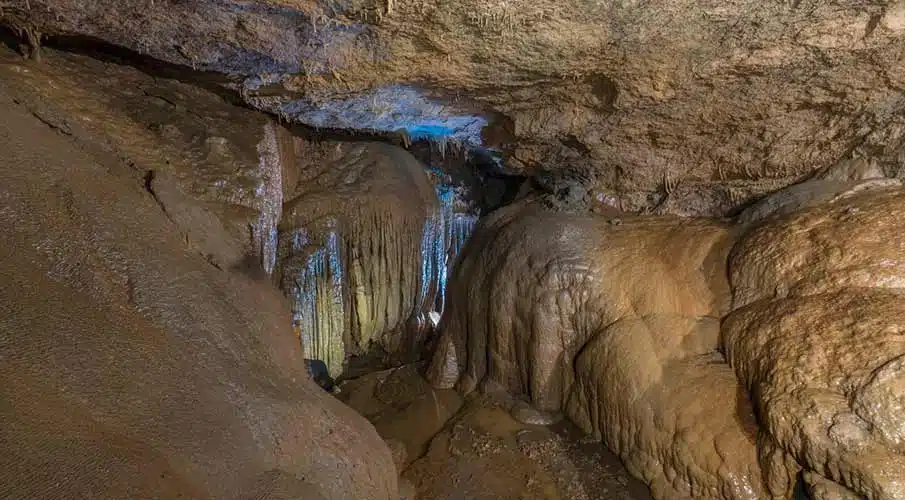
Siju Caves Meghalaya: Exploring the Third Longest
Explore Siju Caves in Meghalaya, India's third longest cave system. Complete guide with trekking tips, timings, how to reach, bat viewing, and adventure information.
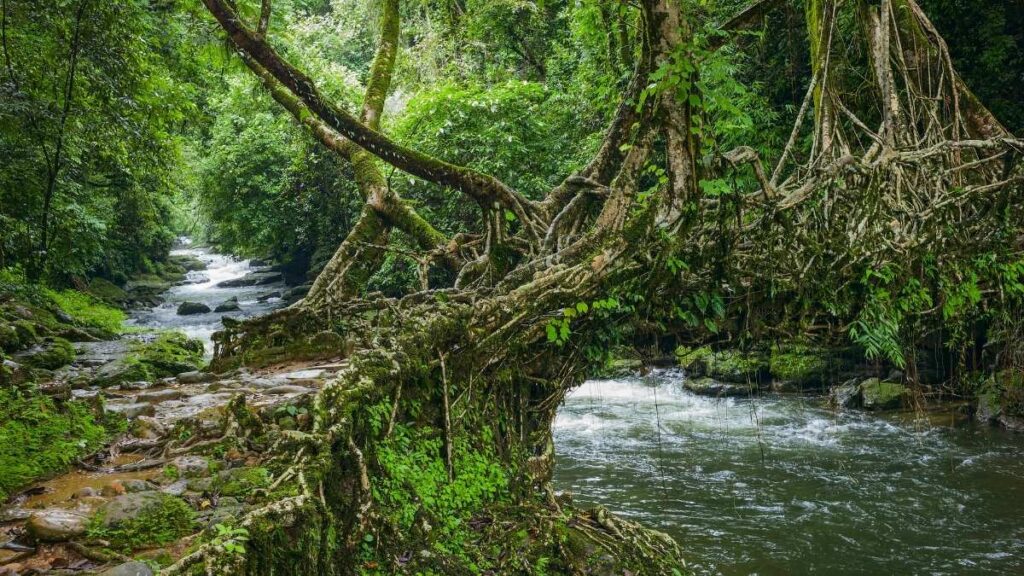
Living Root Bridges Meghalaya: Trek Routes, Villages & Local Tips
Discover Meghalaya's incredible living root bridges - nature's bioengineering marvel grown by the Khasi tribes. Complete trekking guide to the Double Decker Root Bridge in Nongriat, best time to visit, how to reach, difficulty level, and photography tips.
Waterfalls in Meghalaya: Route Planning, Seasonal Safety, and Photography-Friendly Itineraries
Practical guide to waterfalls in meghalaya with timing strategy, route planning, and responsible travel tips.
Never Miss an Adventure
Get the latest trekking guides, travel tips, and exclusive offers delivered straight to your inbox.
