
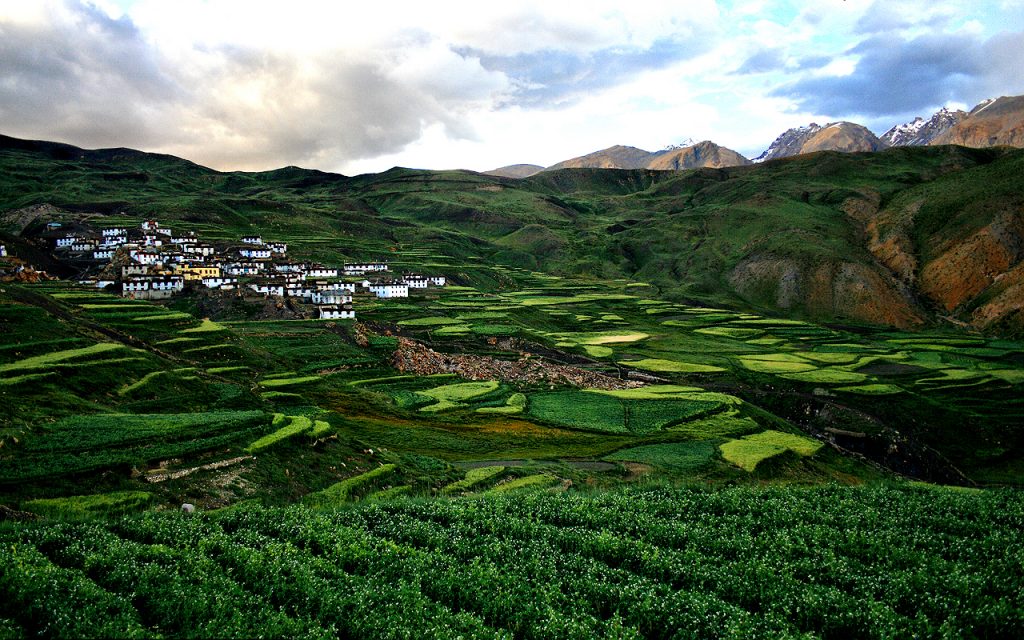
Demul Village Spiti: Homestays, Culture & Valley Views
Rohit Verma
February 15, 2026
Visit Demul Village in Spiti Valley. Know homestays, altitude, how to reach, trekking & traditional village life in Himalayas.
Introduction: Hidden Gem of Spiti
Tucked away in the remote corners of Spiti Valley lies Demul Village - an offbeat destination that offers travelers an authentic glimpse into traditional Himalayan life. At approximately 4,300 meters above sea level, Demul is not just a village but a living testament to how communities adapt and thrive in one of the world's most challenging environments. Far from the tourist trail, this small settlement has embraced sustainable tourism, offering visitors a chance to experience Spitian culture in its most authentic form.
What makes Demul special is its community-based approach to tourism. The village runs a successful homestay program where visitors stay with local families, eat home-cooked meals, and participate in daily village activities. This isn't a tourist destination where locals perform for visitors - it's a place where tourists become temporary residents, living alongside families who have called these mountains home for generations. The stunning Himalayan views, traditional way of life, and genuine hospitality make Demul a highlight for those seeking an authentic Spiti experience.
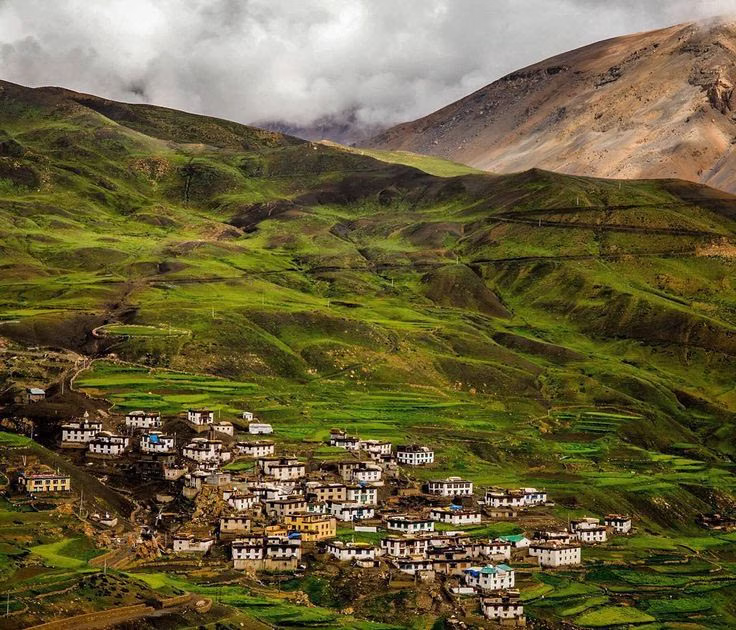
About Demul Village
Demul Village is located in the Spiti Valley of Himachal Pradesh, part of the Lahaul-Spiti district. At around 4,300 meters altitude, it's one of the highest inhabited villages in the region. The small population consists of families who have maintained traditional Spitian lifestyle for generations, living in houses built of mud bricks and stone, designed to withstand harsh winters.
The village is a community-run tourism success story. Facing economic challenges and migration to cities, the community came together to develop sustainable homestay tourism that preserves their culture while providing livelihood. Traditional agriculture remains important - villagers grow barley and peas, and rear sheep and yaks. The Buddhist faith is central to village life, with prayer flags, chortens, and a small monastery serving as spiritual anchors. The remote location means Demul remains largely untouched by modern development, preserving a way of life that has existed for centuries.
Homestays & Accommodation
The Demul homestay program is the village's pride - an authentic cultural immersion experience that directly benefits the community.
Village-Run Program: The homestays are organized on a rotation basis - each family hosts visitors in turn, ensuring tourism benefits are distributed equitably. This sustainable approach prevents over-commercialization and maintains the authenticity of the experience.
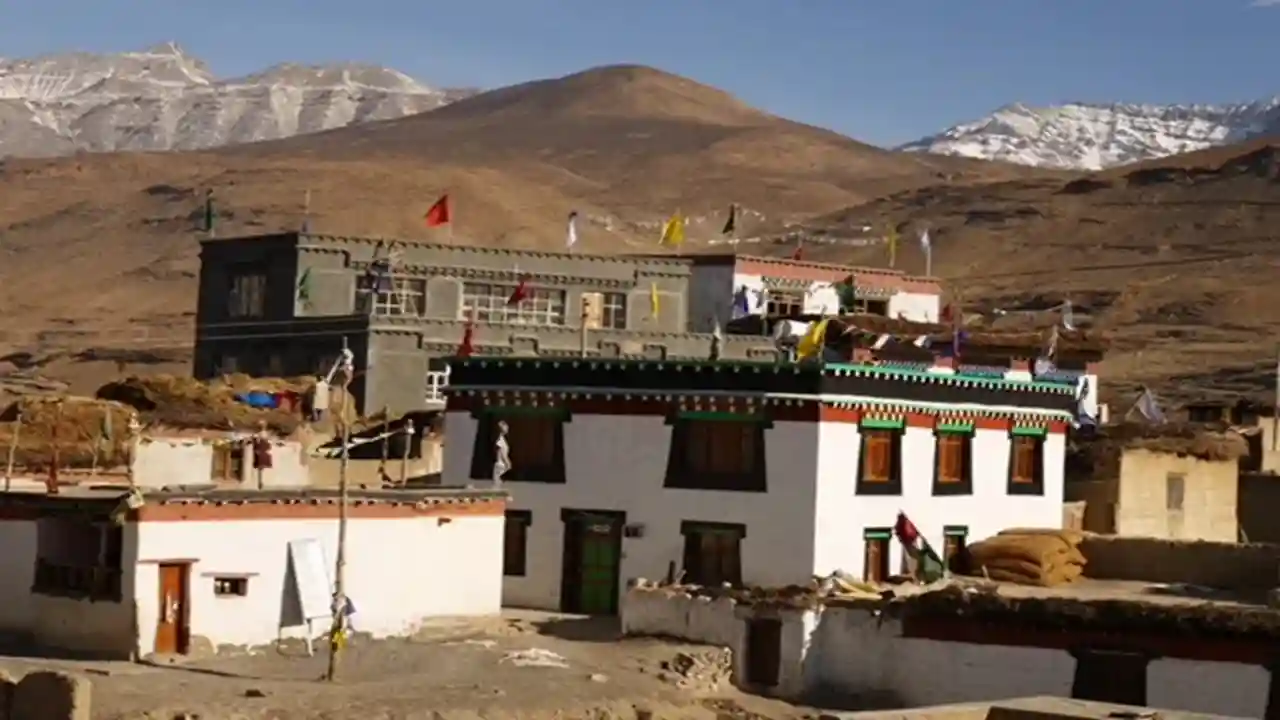
Traditional Homes: Stay in traditional Spitian houses built with mud bricks and wood, featuring simple but comfortable rooms. The architecture is designed for the harsh climate - thick walls keep interiors warm in winter and cool in summer. The houses typically have two levels - living quarters upstairs and animal shelter below (providing heat).
Facilities: Accommodation is basic but clean and comfortable. Rooms have simple beds with warm bedding (essential even in summer). Toilets are typically traditional dry/compost toilets - an eco-friendly approach suited to the region. Running water may be limited - expect bucket baths or wet wipes. Solar electricity provides basic lighting - charging facilities may be available.
Food: Home-cooked Spitian meals are included - momos, thukpa (noodle soup), local bread, and tea. The food is simple but delicious, prepared with local ingredients and lots of love. Special dietary requirements can usually be accommodated with advance notice.
Prices: Typically Rs. 600-1000 per night including all meals. The cost is very reasonable considering meals and hospitality are included.
Booking: While advance booking isn't always necessary, it's recommended during peak season (July-August). You can book through the Kaza tourist office or ask around in Kaza - someone will usually know who's hosting in Demul.
Village Life & Culture
Life in Demul follows rhythms that have existed for generations, intimately connected to the seasons and the land.
Agriculture: The short growing season (June-September) is intense. Villagers cultivate barley and peas in small terraced fields that cling to the mountainsides. Farming is entirely organic - no chemicals are used, and irrigation comes from glacial streams. The work is labor-intensive - everything is done by hand or with simple tools. Visitors are often welcome to help, experiencing firsthand the challenges of farming at high altitude.
Animal Husbandry: Sheep and yak rearing supplement agriculture. These animals provide wool, meat, milk, and transportation. You'll see shepherds taking flocks to graze in high pastures during summer. Yak is particularly valuable - used for milk, meat, wool, and as pack animals. The annual migration to lower elevations in winter is a significant event in village life.
Buddhist Traditions: Buddhism permeates daily life. Prayer flags flutter from rooftops, chortens dot the landscape, and most homes have a small shrine room. Villagers follow Buddhist principles of compassion and non-violence, which extends to their welcoming attitude toward visitors. The small monastery in the village is the center of religious life - monks perform rituals during important festivals and occasions.
Festivals: If you visit during summer, you might witness local festivals. These typically involve prayers, masked dances (cham), and community feasts. Losar (Tibetan New Year) is the biggest celebration, though it usually falls in winter when the village is cut off by snow.
Trekking Around Demul
Demul serves as a base for some excellent trekking opportunities in the surrounding mountains:
Demul to Kibber Trek: A scenic route connecting two traditional Spiti villages. The trail passes through high-altitude desert terrain with stunning mountain views. For wildlife enthusiasts, similar high-altitude ecosystems in the region offer incredible biodiversity. This moderate trek takes most of a day and offers excellent wildlife spotting opportunities - keep an eye out for blue sheep, Himalayan wolves, and if you're very lucky, the elusive snow leopard (especially in winter).
Demul to Gete Village: Another village-to-village trail through spectacular landscape. The route showcases the traditional Spitian way of life - small villages, terraced fields, and ancient trade routes. The trek is moderate and can be completed in a few hours.
Scenic Trails: Even without a specific destination, simply walking from Demul offers rewards. Every direction reveals new perspectives on the Himalayan landscape. The trails are well-trodden by locals but rarely see tourists - you're likely to have the mountains to yourself.
Local Guide: A local guide is highly recommended for treks. They know the terrain, wildlife, and can share stories about the region. Guides can be arranged through your homestay host for a reasonable fee.
Best Time to Visit
May to June: The village becomes accessible as snow melts. Fields are being prepared for planting. The weather is pleasant but nights are cold. This is shoulder season with fewer tourists.
July to September: Peak season with the best weather. Days are warm (15-20°C) and everything is lush and green from the brief growing season. This is when village life is most active, and you can participate in agricultural activities.
October: The harvest season. Days are shorter and cooler, but the air is crisp and views are crystal clear. This is a beautiful time to visit with fewer tourists and stunning autumn colors on the mountains.
Winter (November-April): The village is completely cut off by snow. Roads close, and most families migrate to lower elevations. Not accessible to tourists.
How to Reach Demul
From Kaza: Demul is approximately 25 km from Kaza. The drive takes about 2 hours due to rough road conditions. The road is a dirt track that can be challenging, especially after rain. A 4WD vehicle is recommended.
Taxi Options: Taxis can be hired in Kaza. Share with other travelers if possible to split costs. The road to Demul is an adventure in itself - spectacular views but rough driving.
From Manali: First reach Kaza (long journey over Kunzum La Pass), then continue to Demul. The Manali-Kaza journey takes 10-12 hours - break it into two days with an overnight stop at Losar or Chandratal.
From Shimla: The longer but more gradual route via Kinnaur takes 2-3 days to reach Kaza, then continue to Demul. This route is better for acclimatization.
Road Status: Check current conditions in Kaza before departing. The road to Demul can become impassable after rain and is definitely closed in winter.
Travel Tips & Preparation
- Altitude Sickness: At 4,300m, AMS precautions are essential. Acclimatize in Kaza for at least 2-3 days before ascending to Demul. Drink plenty of water, avoid alcohol, and descend if symptoms worsen.
- Warm Clothing: Essential year-round. Even summer nights drop to freezing. Bring thermal layers, warm jacket, hat, gloves, and sturdy shoes.
- Cash Only: No ATMs in Demul (or Kaza). Carry sufficient cash for your entire stay plus emergencies.
- Limited Connectivity: No reliable mobile network. BSNL postpaid might work sometimes but don't depend on it. Inform family before you go.
- Respect Local Customs: Dress modestly (shoulders and knees covered), ask permission before photographing people, remove shoes before entering homes/temples.
- Support Community Tourism: Your spending directly benefits the village. Buy local products, tip your hosts, and be respectful of their home.
- Carry Medicines: Basic first aid and any personal medications. The nearest medical facility is in Kaza.
- Power Backup: Solar electricity is limited. Bring power banks and keep devices charged.
- Water Purification: Drinking water is typically boiled, but carrying purification tablets is advisable.
- Environmental Responsibility: Practice zero-waste tourism. Don't litter - carry all trash back to Kaza for proper disposal.
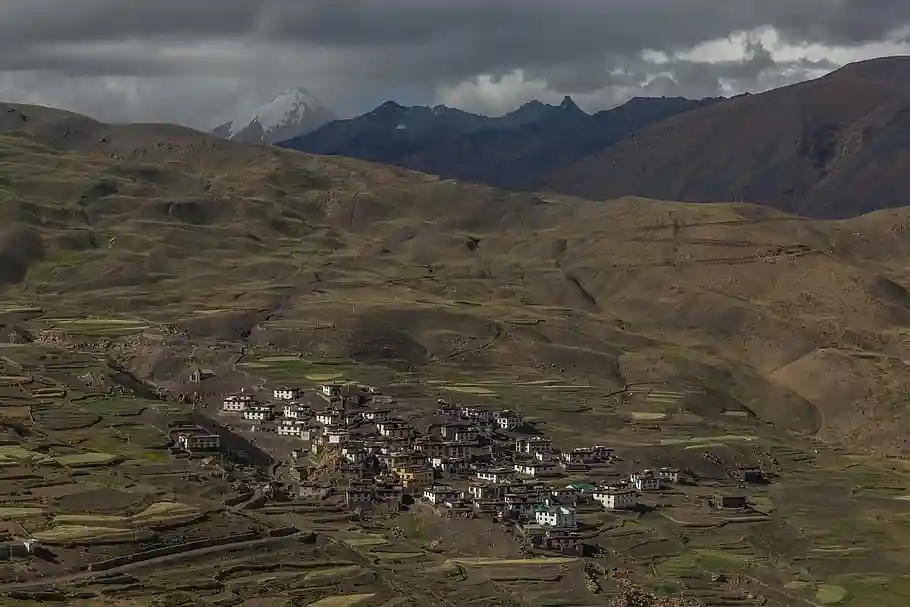
Demul Village offers one of the most authentic travel experiences in the Indian Himalayas. It's not just a destination but a way of experiencing a lifestyle that has adapted harmoniously to one of Earth's most challenging environments. The genuine warmth of the host families, the stunning landscape, and the opportunity to disconnect from modern life make Demul a transformative destination for those willing to venture off the beaten path.
Location
Frequently Asked Questions
Q1.Where is Demul Village located?
Q2.What is the altitude of Demul Village?
Q3.How do I reach Demul?
Q4.What are the homestay options?
Q5.What is village life like?
Q6.Are there trekking routes?
Q7.What is the best time to visit?
Q8.Is it safe for families?
Recommended For You
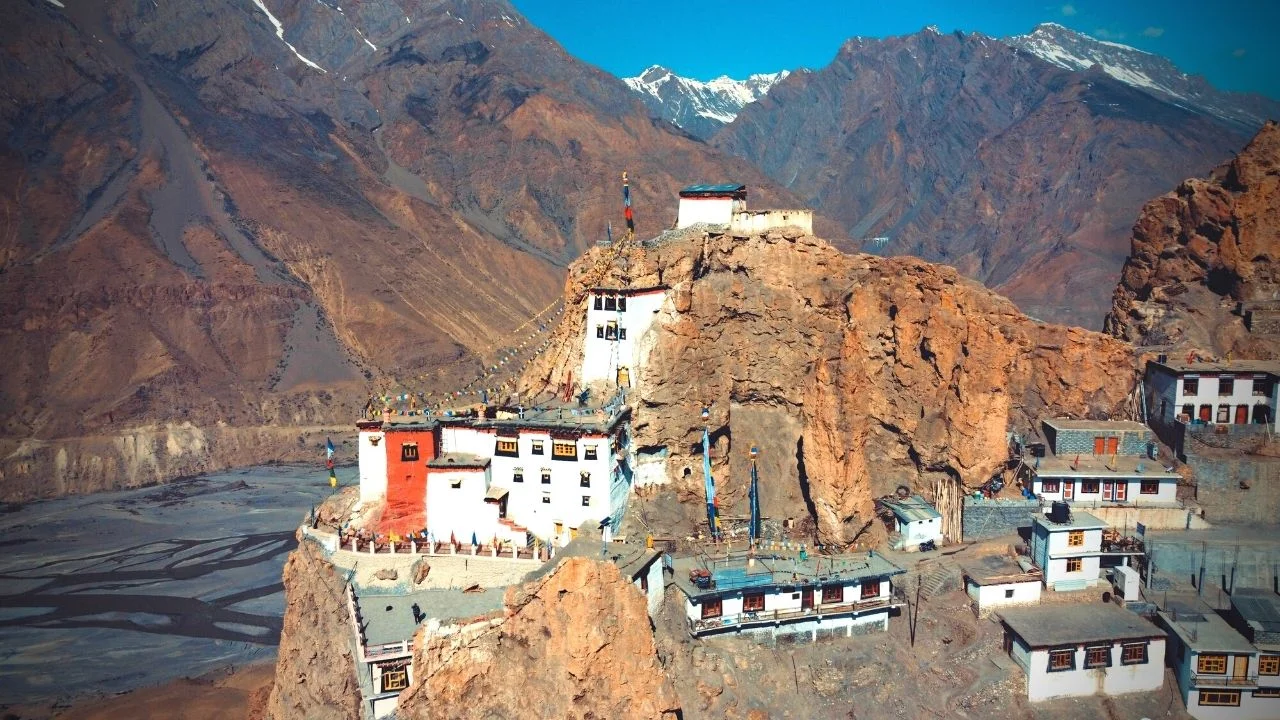
Dhankar Village Spiti: Monastery, Lake & Stay Options
Explore Dhankar Village in Spiti Valley. Visit ancient monastery, Dhankar Lake, homestays, trekking & travel guide.
Dhankar Monastery Spiti: Monastery Visit, Trek Route & Stay Options
Discover Dhankar Monastery in Spiti Valley, a 900-year-old cliff-top wonder at 3,894 meters. Complete guide with Dhankar Lake trek, history, how to reach, timings & travel tips.
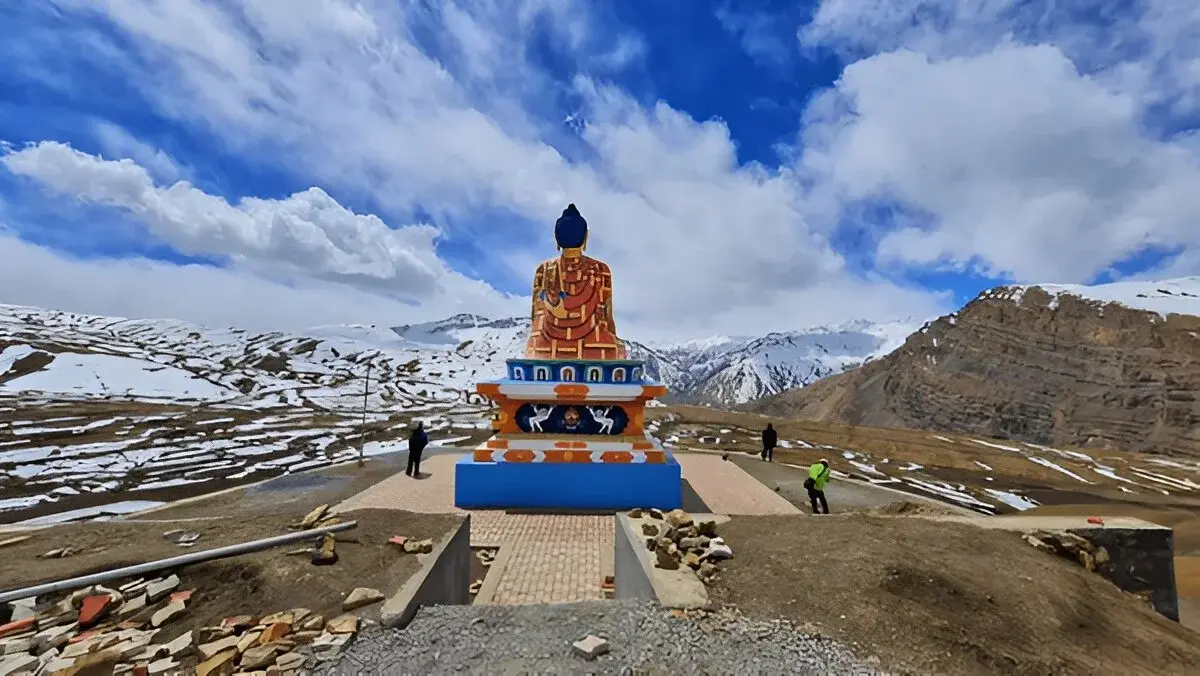
Langza Buddha Statue Spiti: Route, Altitude & Best Photo Time
Discover the Langza Buddha statue in Spiti Valley at 4,400m. Complete travel guide with fossils, how to reach from Kaza, photography tips & best time to visit this spiritual landmark.
Never Miss an Adventure
Get the latest trekking guides, travel tips, and exclusive offers delivered straight to your inbox.
