
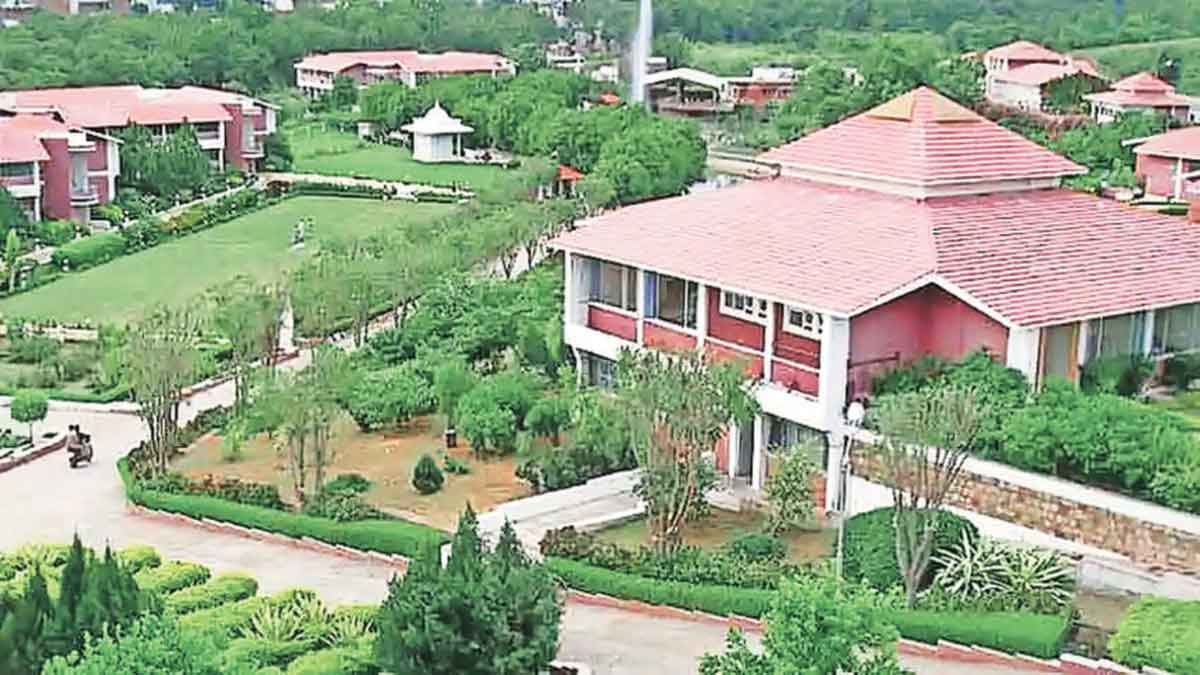
Hiware Bazar Maharashtra: Model Village Story & Visit Details

Rohan Malhotra
November 18, 2025
Visit Hiware Bazar Maharashtra to understand India's model village story with practical insights on water conservation, rural governance, route planning, and responsible travel.
Introduction to Hiware Bazar, Maharashtra
Hiware Bazar is one of India's most discussed rural development case studies, not because of luxury tourism but because of measurable community-led transformation. Located in Maharashtra, this village is frequently cited for water conservation, crop planning discipline, and participatory governance. If you are searching for Hiware Bazar Maharashtra travel information, you are likely looking for two things: the real story behind the model village and practical guidance on how to visit responsibly.
This guide combines both. It explains the transformation journey, the leadership and systems that made it work, and what a visitor can realistically see in a village context. It also covers how to reach Hiware Bazar from Pune and nearby city hubs, best season to visit, and ground rules for respectful travel. For broader route planning, combine this with places to visit in Maharashtra before finalizing your itinerary.
Why Hiware Bazar Became a Model Village
Hiware Bazar is often called an adarsh gram (model village) because it linked social reform, water budgeting, and agriculture planning into one governance approach. Instead of treating drought as only a rainfall problem, the village shifted to demand-side control, recharge-oriented structures, and cropping choices aligned with available water. This systems approach is the core reason the village is referenced in development discussions.
| Theme | What Changed | Why It Mattered |
|---|---|---|
| Water management | Recharge structures, water budgeting, crop controls | Reduced drought vulnerability |
| Agriculture | Shift away from water-intensive patterns | Improved sustainability and farm stability |
| Governance | Village-level rules and collective participation | Consistent implementation over time |
| Social discipline | Community-led regulation and participation | Development gains stayed durable |
In simple terms, Hiware Bazar did not change through one project; it changed through coordinated village decisions repeated over years.
Transformation Story: From Stress to Stability
In the early reform phase, the village faced severe water scarcity, weak farm outcomes, and migration pressure. The turnaround began when village leadership and gram sabha decision-making started focusing on natural resource restoration and usage rules. Watershed work, contour treatment, check structures, and recharge emphasis were paired with social mobilization, making the model both technical and behavioral.
A major shift came from treating water as a shared annual budget rather than an unlimited private resource. This allowed the community to align crop decisions with available groundwater and rainfall realities. Over time, this reduced risk and improved confidence in agriculture-based livelihoods.
- Core strategy: water availability first, crop planning second.
- Implementation style: collective rules instead of isolated household action.
- Long-term effect: improved village-level resilience in dry years.
Water Conservation Practices in Hiware Bazar
Hiware Bazar's recognition is strongly tied to practical water-conservation infrastructure and governance. The model combines physical interventions with community-level planning cycles.
Structural Measures
- Check dams and small barriers in drainage lines.
- Contour trenches and slope treatments for runoff slowing.
- Percolation-focused interventions to increase recharge.
- Farm-level water management and efficient irrigation adoption.
Governance Measures
- Village-level water budgeting before crop season.
- Prioritization of drinking and essential use.
- Discouragement of highly water-intensive crop choices.
- Collective review of rainfall and water availability cycles.
For visitors, this means the village is best understood through process, not through one tourist monument.

Popatrao Pawar and Local Leadership Role
Any honest account of Hiware Bazar's transformation includes the leadership role associated with Popatrao Pawar and the gram-level governance framework. The case became influential because leadership focused on collective participation and long-term consistency rather than short campaign-style activity. Over years, this created trust in institutions such as gram sabha planning and community compliance with agreed rules.
For development learners, the key takeaway is that leadership worked because it was tied to systems. Personality mattered, but process continuity mattered more. This is why the village is often studied as a replicable model in parts, rather than a one-time miracle story.
How to Reach Hiware Bazar
Hiware Bazar is typically approached by road. Travelers generally route via Ahmednagar region roads depending on their origin city. Always confirm current route conditions before departure.
| Starting Point | Approx Distance | Typical Travel Time | Practical Option |
|---|---|---|---|
| Pune | About 120-140 km (route dependent) | 3-4.5 hours | Private cab or self-drive |
| Mumbai | About 250-300 km (route dependent) | 6-8 hours | Road trip with early start |
| Ahmednagar side | Shorter regional access | 1-2.5 hours | Local taxi or hired vehicle |
Pair this trip with Pune travel guide and places to visit near Pune if you are planning a multi-stop Maharashtra circuit.
Best Time to Visit Hiware Bazar
- November to February: most comfortable weather for field visits and village walkthroughs.
- March to May: hotter period; visit only with early starts and hydration planning.
- June to September: monsoon greenery improves visual landscape, but movement may depend on rain intensity.
Winter and post-monsoon windows are usually best for visitors who want to observe landscape outcomes and interact calmly with locals.
What to See During a Village Visit
Hiware Bazar is not a monument tourism destination. A meaningful visit is about understanding systems and outcomes.
- Watershed and recharge intervention points.
- Farming pattern and land-use observations.
- Community infrastructure and governance-led facilities.
- Local narratives on migration reversal and livelihood stability.
If you arrive with a checklist mindset, the visit can feel short. If you arrive with a learning mindset, the same route becomes highly informative.
Sustainable Practices Visitors Should Notice
- Water budgeting culture: planned seasonal use rather than ad hoc extraction.
- Crop alignment: choosing patterns that match ecological constraints.
- Collective accountability: shared rules around resources and implementation.
- Long-term restoration: emphasis on recharge and landscape resilience.
These practices are the reason Hiware Bazar appears in policy and development conversations across India.

Agriculture and Development Outcomes
Hiware Bazar's agriculture story is essentially a risk-management story. By linking crop patterns to water availability and recharge trends, the village reduced vulnerability to seasonal stress. Over time, this improved farm stability, supported income growth for many families, and strengthened confidence in local livelihoods.
The village is also referenced for social indicators linked to development planning, though exact numbers can vary by source and year. For reliability, treat headline claims cautiously and focus on the broadly documented model components: watershed work, water governance, and community participation.
Awards and Recognition
Hiware Bazar has received broad recognition over the years in media, policy circles, and development forums for its rural transformation and water management approach. The village is often cited alongside other Maharashtra rural reform examples as a reference model for drought-prone regions.
Recognition is useful, but the larger value is practical replicability: each village can adapt parts of the model based on local ecology, social structure, and governance capacity.
Village Tour Highlights for First-Time Visitors
If this is your first visit, keep expectations clear: Hiware Bazar offers learning value rather than entertainment attractions. A strong visit usually includes a short orientation, observation of watershed interventions, and conversations with locals or facilitators when available. Keep your group size manageable so you do not disrupt regular village routines.
- Best format: half-day learning visit with one focused route.
- Group behavior: quiet movement, minimal obstruction, no intrusive filming.
- Learning goal: understand systems, not only collect photos.
What Visitors and Planners Can Learn
- Water scarcity can be managed with governance discipline, not only infrastructure spending.
- Village-level planning works best when data, participation, and enforcement align.
- Development is more durable when social norms support ecological goals.
- Replication requires adaptation; copy-paste rarely works across different geographies.
For comparative regional travel, you can also include places to visit in Pune in your route planning.
Responsible Travel Tips for Hiware Bazar
- Visit with respect: this is a living village, not a theme attraction.
- Take permission before filming people, farms, or meetings.
- Avoid littering and single-use plastics during field movement.
- Do not interrupt local work cycles during peak farm hours.
- Prefer weekday visits if you want better learning interaction.
These basics improve both visitor experience and community comfort.
Common Misconceptions About Hiware Bazar
A frequent misconception is that Hiware Bazar transformed through a single grant or one-time government project. In reality, the village story is about repeated collective decisions over years, especially around water budgeting and crop discipline. Another misconception is that every solution can be copied exactly elsewhere. The model is highly instructive, but replication depends on local rainfall patterns, governance culture, and social participation.
Some visitors also expect a conventional tourism setup with formal attractions and packaged activities. Hiware Bazar is better approached as a field-learning destination. The value comes from observing how policy ideas become daily practice at village level. If you visit with this expectation, the experience is far richer and more respectful for both guests and residents.
Conclusion
Hiware Bazar Maharashtra represents one of India's most practical village transformation stories. Its strength is not a single success metric but the long-term integration of water management, agricultural planning, and community governance. That combination made the village more resilient and created a model that continues to inspire planners, students, and responsible travelers.
If you visit with the intent to learn how systems change happens at local scale, Hiware Bazar offers far more value than a standard day trip. It is most rewarding for students, planners, and travelers interested in practical sustainability grounded in community action.

Location
Frequently Asked Questions
Q1.What is Hiware Bazar famous for?
Q2.Why is Hiware Bazar called a model village?
Q3.How did Hiware Bazar transform over time?
Q4.Where is Hiware Bazar located in Maharashtra?
Q5.How can I reach Hiware Bazar from Pune?
Q6.Is Hiware Bazar open for tourists?
Q7.What can I see in Hiware Bazar during a visit?
Q8.What is the best time to visit Hiware Bazar?
Recommended For You
Places to Eat in Bagalkot: Local Food, Family Dining & Cafes
Explore places to eat in Bagalkot with North Karnataka thalis, local eateries, sweets, and practical dining tips for families and road-trippers.
Places to Visit in Pune: Forts, Museums, Cafes & Weekend Spots
Explore top places to visit in Pune including Shaniwar Wada, Aga Khan Palace, temples, museums, gardens, and nearby hill getaways.
Pune: Complete Travel Plan Places And Weather
Complete Pune travel guide featuring Shaniwar Wada, Aga Khan Palace, cultural attractions, day trips & practical tips.
Never Miss an Adventure
Get the latest trekking guides, travel tips, and exclusive offers delivered straight to your inbox.
