
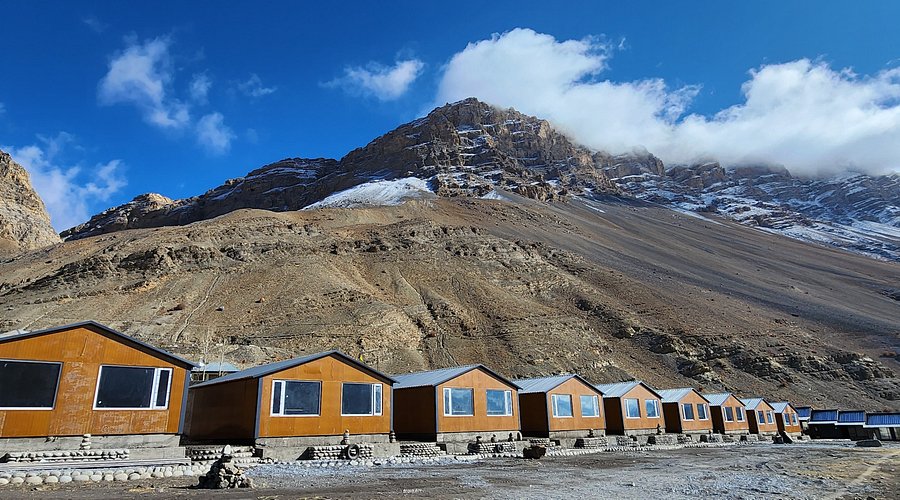
Best Hotels in Spiti Valley: Areas, Budget and Tips

Neha Kapoor
February 18, 2026
Choose the best hotels in Spiti Valley with area-first planning, season timing, and practical booking tips for reliable stays.
Best Hotels in Spiti Valley: Stay Areas, Budget, and Booking Guide
Booking hotels in Spiti Valley requires a different mindset than city travel. Availability is limited, weather can shift quickly, and comfort standards vary by village and altitude. The best stay is not always the most expensive one. The right stay is the one that fits your route, acclimatization status, and expected amenities in remote mountain conditions.
This guide explains where to stay in Spiti, how to compare hotel and homestay options, and what to verify before payment. For broader planning, combine it with hotels in Kaza Spiti, homestays in Spiti Valley, and seasonal guidance from best time to visit Spiti Valley.
Why Stay Planning in Spiti Is Critical
In Spiti, distance on the map does not always equal short travel time. Road conditions, weather, and altitude can turn simple transfers into long days. If your stay locations are poorly sequenced, fatigue rises quickly and trip quality drops. A strong hotel plan protects both health and itinerary flow.
Most travelers do best with a base-first strategy: stay longer in one hub and do selective excursions, instead of switching hotels every day.
Main Stay Hubs and Their Use Cases
| Area | Best For | Practical Note |
|---|---|---|
| Kaza and nearby zones | Central access and service availability | Good base for multi-day loops |
| Village stays | Cultural depth and quiet settings | Basic amenities, slower pace |
| Route-stop properties | Transit breaks on long drives | Use for one-night recovery only |
If your trip is short, prioritize fewer hotels and better rest windows. High-altitude travel rewards consistency over constant movement.

Hotel vs Homestay: What to Choose
Hotels are better for predictable amenities and comfort consistency. Homestays are better for cultural immersion and local interaction. Neither is universally better; choice depends on your priorities and adaptation level.
- Choose hotel-heavy plans for family comfort and fixed routines.
- Choose mixed hotel + homestay plans for cultural depth.
- Avoid too many basic stays back-to-back if acclimatization is difficult.
- Always ask about heating, hot water windows, and power backup.
In colder periods, heating clarity matters more than décor or room size.
Budget Bands and Real Cost Comparison
Spiti rates fluctuate by season, road openness, and demand windows. Compare total value, not room price alone. Include meals, heating, backup power, parking, and cancellation flexibility in your decision. A slightly higher room price with stronger reliability often gives better overall value in remote conditions.
Keep a small reserve budget for weather-led changes and emergency reroutes. This avoids panic booking if road or schedule shifts occur.
Booking Checklist Before Payment
- Exact location pin and road approach status.
- Hot water schedule and room heating availability.
- Power backup duration and charging options.
- Meal availability for late arrival nights.
- Cancellation policy in case of weather delays.
- Host response reliability for on-ground coordination.
In Spiti, communication quality from host or manager is as important as property photos.

Suggested 5-Day Stay Structure
Day 1: arrival and acclimatization-focused stay. Day 2-3: base stay with short loops. Day 4: one transition stay if route demands. Day 5: return-oriented stay with early departure planning.
This keeps fatigue lower and improves safety in high-altitude travel.
Common Mistakes to Avoid
Frequent mistakes include overbooking remote stays without amenity checks, ignoring altitude recovery, and relying on old listing details. Always verify current conditions directly with host. Another error is packing too many village shifts in limited days, which increases time-in-transit and reduces actual experience.
For route-level context, you can extend planning with places to visit Spiti Valley June, 8 days Spiti Valley trip guide, and weather-awareness notes from Spiti weather guide.

Conclusion
Best hotels in spiti valley are the ones that match altitude reality, route efficiency, and practical comfort needs. Plan fewer shifts, verify essentials early, and prioritize recovery-friendly pacing. With this approach, accommodation becomes a support system for a safer and more rewarding Spiti journey.
Spiti Stay Planning for Safety and Comfort
In Spiti, accommodation planning is directly connected to safety. Long travel days at altitude can reduce energy and decision quality, so keep hotel shifts limited and predictable. If you are new to high-altitude travel, schedule easier first-night and second-night stays with lower movement pressure.
A practical rule is to avoid back-to-back late check-ins in remote villages. Reach your stay before dark whenever possible, especially in shoulder season. Early arrival allows time to settle, hydrate, and adapt. It also reduces last-mile navigation errors in low-light conditions.
When comparing properties, prioritize heating reliability, meal availability, and host communication over luxury labels. In mountain destinations, dependable basics matter far more than visual styling. A simple but reliable property usually creates a better overall trip than a premium listing with inconsistent operations.
Heating, Water, and Power: What Really Matters
In Spiti, comfort is governed by utility reliability. Always ask about room heating type, hot water timing, and power backup hours. A scenic property without dependable utility support can quickly reduce sleep quality and daily energy. If you are traveling in colder windows, these details are non-negotiable.
Also confirm meal timing flexibility. Late arrivals are common in mountain travel, and limited kitchen windows can create avoidable stress. Choose stays that can support delayed check-ins with basic meal options. Reliable utility and meal support often matter more than premium décor. Travelers who prioritize these fundamentals consistently report safer and more enjoyable Spiti journeys.
Weather Contingency and Route Flexibility
Spiti travel plans should always include weather contingencies. Keep one flexible day where possible, and avoid non-refundable stacked bookings across remote villages. If roads slow down or close temporarily, fixed plans can collapse quickly.
A resilient itinerary has buffer time, simple backup stays, and clear communication with hosts. This reduces stress and keeps your mountain experience safe, practical, and enjoyable.
If uncertain, choose reliability over novelty. In Spiti, predictable comfort and communication nearly always outperform unverified premium claims.
In remote valleys, dependable basics are true luxury.
Keep expectations realistic and prioritize rest over rushed mileage.
Choose comfort-first pacing.
Reliable basics and realistic pacing make Spiti stays safer, warmer, and consistently better for every traveler profile.
Location
Frequently Asked Questions
Q1.When should I book hotels in Spiti?
Q2.How to choose stay area?
Q3.Are all hotels open year-round?
Q4.What matters more than room photos?
Q5.Should I change hotels frequently?
Q6.Can families stay comfortably in Spiti?
Q7.Is base-stay strategy useful?
Q8.What improves stay experience most?
Recommended For You
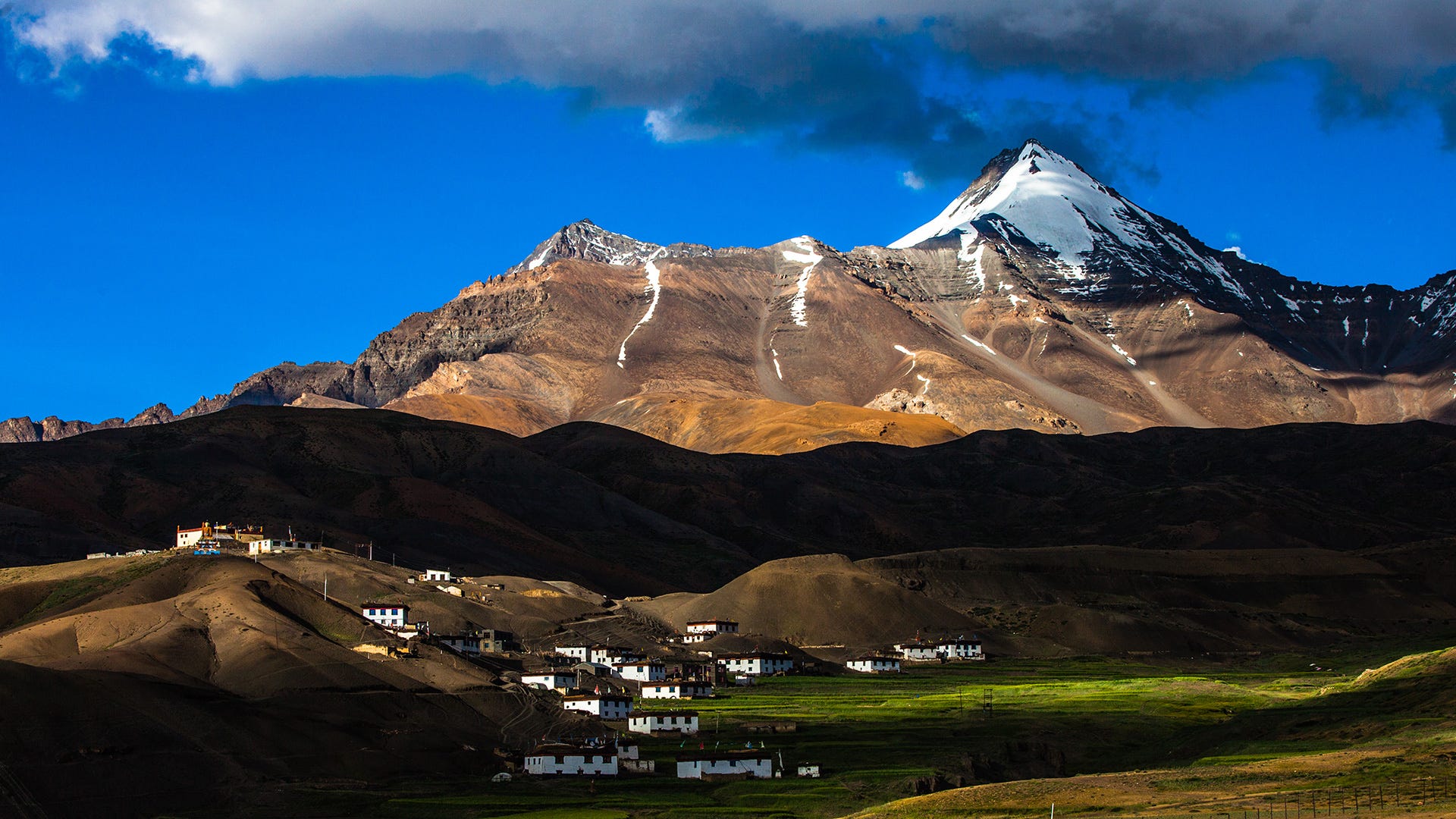
Spiti Valley 8 Days: Complete Itinerary And Route Plan
Plan perfect 8 days Spiti Valley trip from Delhi/Manali. Discover complete itinerary, best time to visit, budget & essential travel tips.
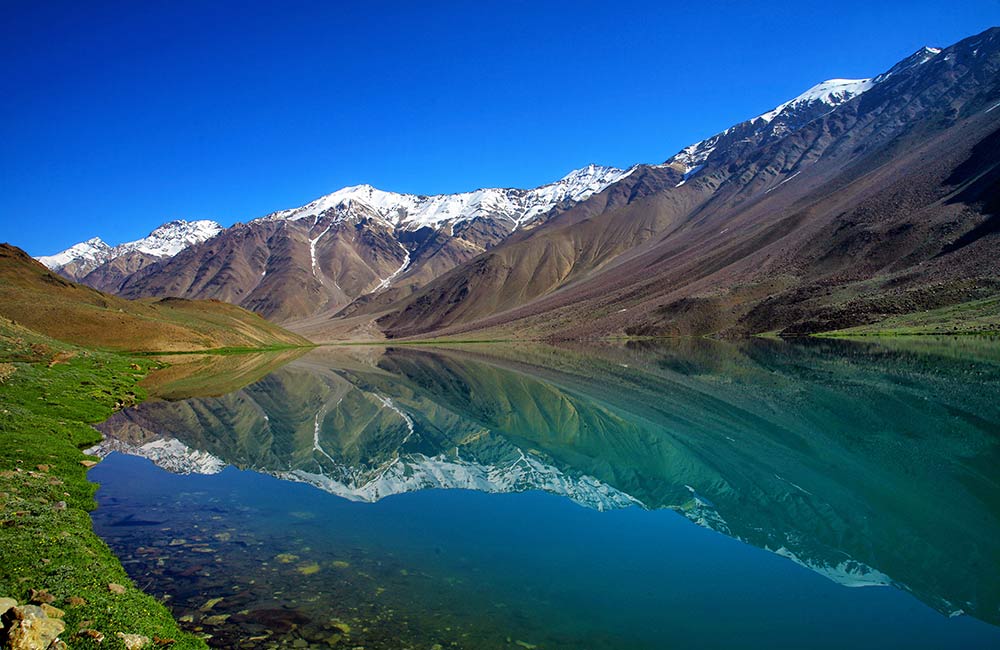
Places to Visit Spiti Valley in June
Discover best places to visit Spiti Valley in June. Complete guide to weather, road conditions, itinerary & travel tips for summer Spiti trip.

Spiti Valley Weather: Best Time To Visit And Conditions
Complete Spiti Valley weather guide with month-wise temperature, rainfall, and snowfall details. Best time to visit plus essential weather travel tips.
Never Miss an Adventure
Get the latest trekking guides, travel tips, and exclusive offers delivered straight to your inbox.
