
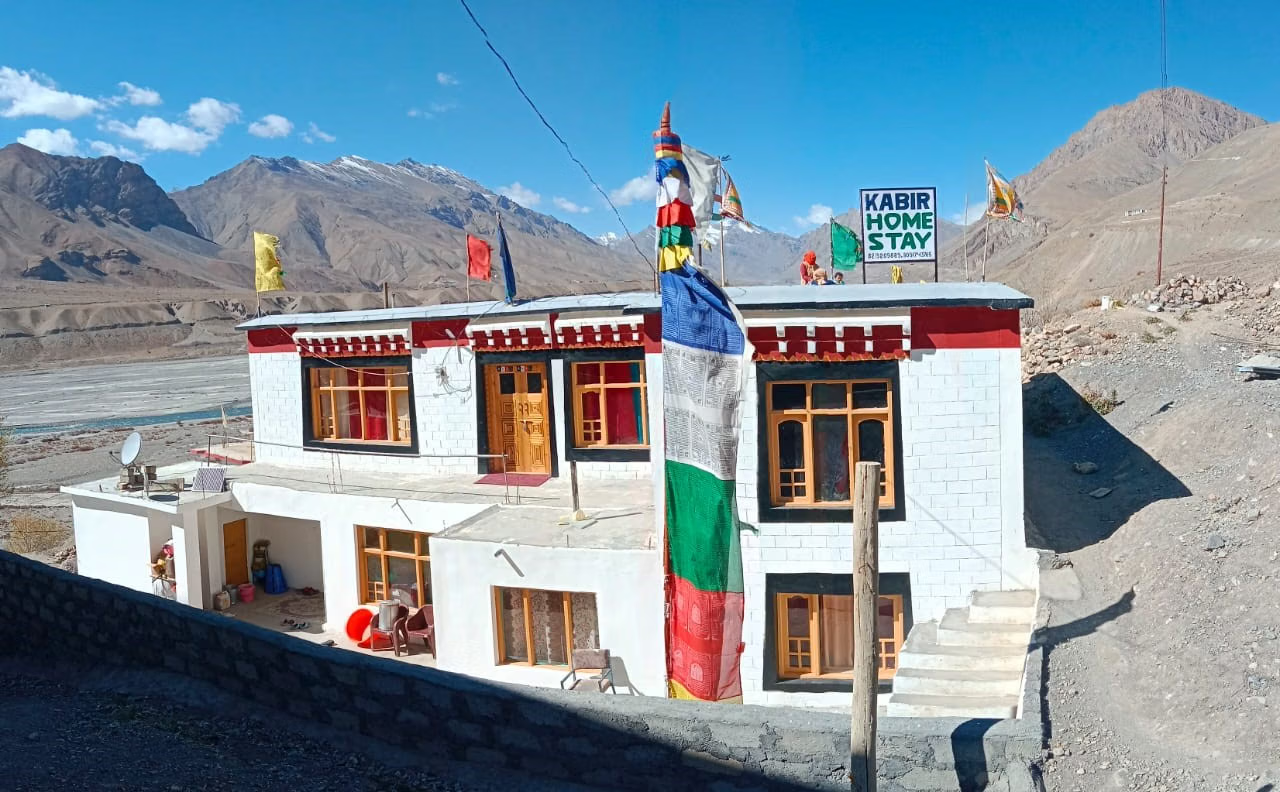
Best Homestays in Kaza: Location, Pricing & Host Highlights

Rahul Garg
February 20, 2026
Complete guide to homestays in Kaza with prices, facilities, booking tips, best areas to stay, and practical advice for a comfortable Spiti trip.
Introduction: Why Kaza Homestays Feel Different
Kaza is the largest settlement in Spiti Valley, but it still feels intimate compared with mainstream hill stations. Travelers arrive for high-altitude landscapes, ancient monasteries, and road-trip adventure, then quickly realize that where they stay shapes the entire experience. In Kaza, homestays are not just budget alternatives to hotels. They are often the most practical and culturally rich way to handle altitude, food, weather changes, and local logistics.
A good host family in Kaza gives you warm meals, route advice, weather warnings, and realistic day planning that apps cannot match. You may learn when to leave for Key Monastery to avoid crowds, which roads become risky after late-afternoon runoff, and which village detours are worth the extra fuel. For first-time Spiti travelers, this local intelligence can save both time and discomfort.
This guide covers how to choose homestays in Kaza, expected price ranges, village options nearby, facilities you should verify before booking, and practical tips for a comfortable stay at high altitude. If you are planning your approach route first, start with this detailed Spiti Valley road trip guide and then lock your stay dates.
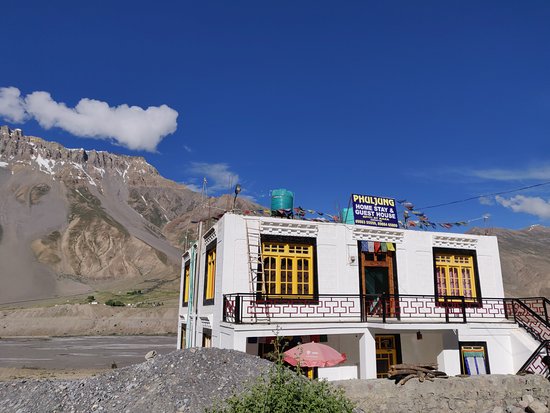
Why Choose Homestays in Kaza Instead of Standard Hotels
Kaza now has hotels, guesthouses, and boutique options, but homestays continue to be the most sought-after format for travelers who want an authentic Spiti experience. Unlike generic accommodation, homestays connect you with local rhythm: early dinners, practical mountain etiquette, and host-driven route planning.
Key advantages
- Local guidance: Hosts give real-time advice on roads, fuel, weather, and acclimatization.
- Home-cooked meals: Reliable food options when restaurant timings vary.
- Cost efficiency: Better value than many mid-range hotels during peak season.
- Cultural depth: Daily conversations around farming, winters, and Spitian life.
- Flexible planning: Easier early starts and custom meal timing for day trips.
In high-altitude destinations, comfort is not only about room decor. It is about heat, hydration, food regularity, and calm sleep. Homestays often manage these basics better because hosts live the same climate and know what travelers usually underestimate.
Many travelers also prefer homestays because they support local households directly. Spiti's short tourism season means each booking has tangible community impact. Choosing local stays keeps value in the valley and helps preserve traditional homes adapted to this extreme terrain.
Best Areas to Stay in and Around Kaza
The right location depends on your trip style. Some travelers want central convenience; others prefer quieter village edges with cleaner views and less traffic. Kaza and nearby villages both offer strong options.
Kaza town center
- Best for first-time visitors.
- Easier access to cafés, ATMs, mechanics, and shared taxis.
- Ideal if you have short trip duration and multiple day excursions.
Upper Kaza and outskirts
- Calmer nights and wider mountain views.
- Good for photographers and slower itineraries.
- Often limited network strength, but better quiet time.
Village alternatives near Kaza
- Kibber: High-altitude village life and dramatic plateau landscapes.
- Langza: Fossil village with broad valley views and stargazing appeal.
- Komic/Hikkim belt: Remote feel and stronger cultural immersion.
If you want to split your stay, do two nights in Kaza for acclimatization and logistics, then move to one village homestay for deeper local immersion. This hybrid format works well for 5-7 day Spiti plans.
Price Range: What Homestays in Kaza Usually Cost
Pricing varies by season, room type, heating availability, and meal inclusion. Summer and festive windows push prices up. Shoulder weeks are usually better value.
| Stay Type | Typical Price/Night | What You Usually Get |
|---|---|---|
| Basic Homestay Room | INR 800-1,200 | Simple room, shared or attached washroom, basic bedding |
| Standard Family Room | INR 1,200-2,000 | Better insulation, attached bathroom, cleaner mountain view |
| Premium Homestay Setup | INR 2,000-3,500 | Larger room, stronger heating setup, curated meals |
Meals are often charged separately unless explicitly included. Ask whether dinner and breakfast are part of the quote. In remote valleys, an all-in package is often more efficient than ordering ad hoc from outside eateries, especially during weather disruptions.
Hidden-cost checks before confirming
- Hot water timing and method (solar, bucket, geyser).
- Heater policy and possible extra charges.
- Power backup availability for night hours.
- Meal inclusions and tea/snacks policy.
Facilities You Should Confirm Before Booking
Kaza homestays are comfortable when expectations are aligned with mountain realities. Do not compare them to low-altitude city hotels. Instead, verify practical essentials that affect sleep, health, and next-day travel.
Must-verify checklist
- Room insulation: Thick walls and sealed windows matter more than fancy decor.
- Night heating: Ask whether bukhari or room heater is available and safe to use.
- Water setup: Clarify timings for hot water and backup in cloudy weather.
- Washroom type: Attached, shared, western, or mixed.
- Parking: Essential if traveling by bike or SUV.
- Network/Wi-Fi: Usually unreliable; do not plan work-critical calls.
- Early breakfast: Important for monastery sunrise runs or long-drive departures.
If you have altitude sensitivity, request ground-floor rooms and easy bathroom access. Nights can be cold even in peak summer, so warm bedding quality is not optional. A simple but well-managed homestay often beats a visually attractive but poorly insulated property.
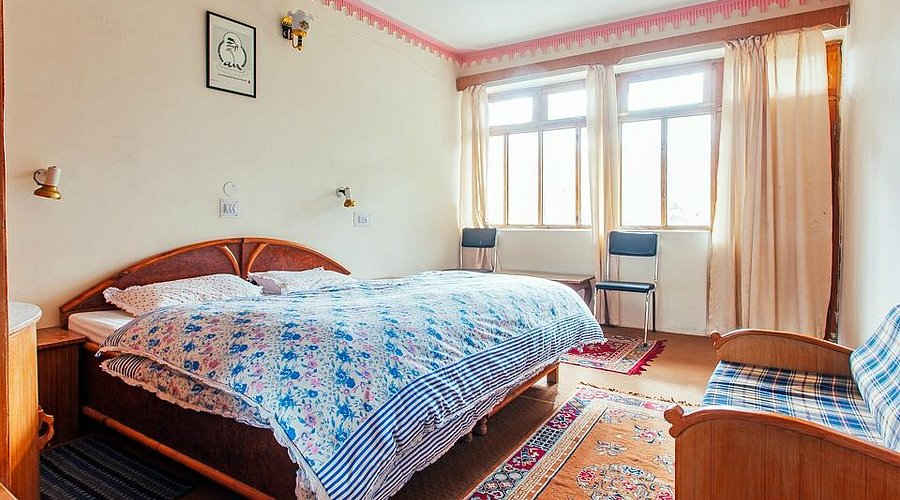
Booking Strategy for Peak and Shoulder Seasons
May-June and September are high-demand windows in Spiti. During these periods, booking a few weeks early is safer, especially for families and groups needing attached washrooms or parking. Solo travelers have more flexibility but still benefit from early holds in premium locations.
How to book smart
- Shortlist 3-5 options across price bands.
- Confirm location pin and road approach before paying advance.
- Get meal and heater terms in writing on chat.
- Reconfirm 48 hours before arrival due to weather/road variables.
- Carry cash for final settlement where digital modes fail.
If your plan includes multiple villages, do not lock all nights too tightly. Keep one buffer night flexible to adapt to weather, landslides, or acclimatization needs. This approach reduces stress and avoids no-show conflicts on mountain routes.
What to Expect During Your Stay in Kaza
Homestay life in Kaza runs on practical mountain rhythms. Meals are served earlier than city norms. Nights are quiet. Power fluctuations happen. Network may disappear for hours. For many travelers, this reset is the best part of Spiti.
Daily pattern in most homestays
- Morning: Tea, simple breakfast, weather and route discussion.
- Daytime: Excursions to Key, Kibber, Langza, Hikkim, or local café breaks.
- Evening: Early dinner, limited outdoor movement due to cold and wind.
- Night: Minimal noise, strong stargazing conditions on clear days.
Travelers seeking nightlife or late-night food delivery may find Kaza limiting. But those looking for clean air, mountain silence, and deeper regional interaction usually rate homestays highly. If this is your first high-altitude stay, prioritize rest over aggressive sightseeing for the first day.
Useful Travel Tips for a Smooth Kaza Homestay Experience
- Acclimatize before heavy day trips; avoid overexertion on arrival day.
- Carry reusable water bottles and stay hydrated through the day.
- Keep warm layers accessible inside the room at night.
- Respect local customs and monastery etiquette during conversations and outings.
- Use water responsibly; Spiti remains a fragile high-altitude ecosystem.
- Do not depend on card-only travel; cash remains important.
For season choice and road condition planning, this guide on best time to visit Spiti Valley is useful before final booking. If you are comparing wider valley options, review homestays in Spiti Valley to decide whether to base fully in Kaza or split nights across villages.
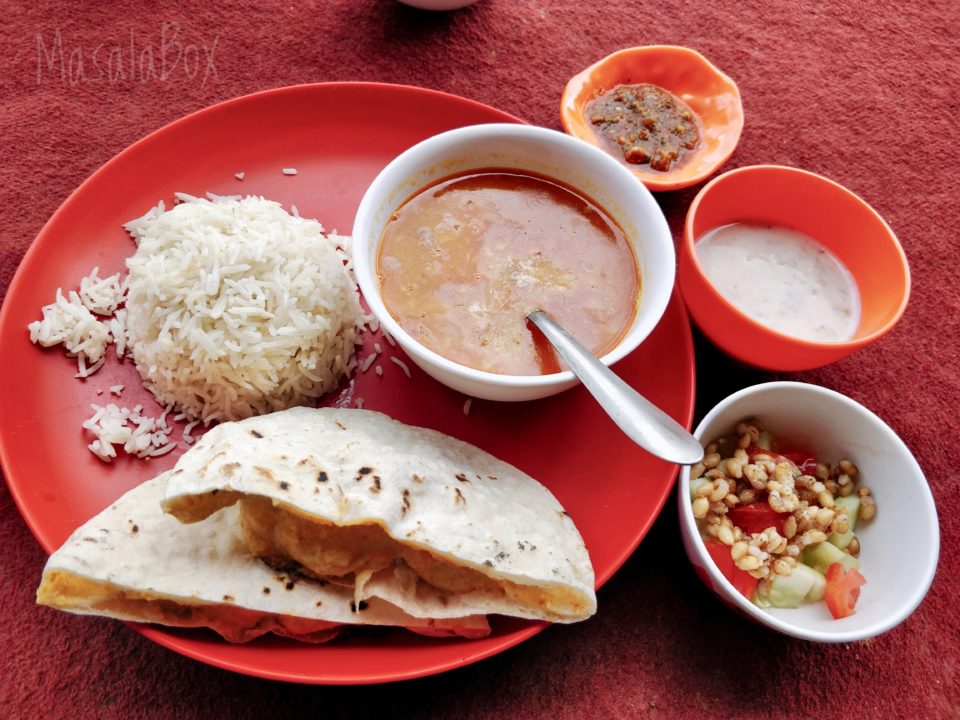
Sample 4-Day Kaza Stay Plan (Homestay Focused)
| Day | Plan | Stay Note |
|---|---|---|
| Day 1 | Arrive Kaza, light market walk | Rest and acclimatize |
| Day 2 | Key Monastery + Kibber side | Early breakfast needed |
| Day 3 | Langza-Hikkim-Komic circuit | Pack layers and water |
| Day 4 | Departure or move to Tabo side | Settle bills in cash |
This format balances rest and exploration without rushing. If your duration is longer, add a village overnight for better sky views and slower cultural immersion.
Mistakes Travelers Make While Booking Kaza Homestays
Most booking mistakes come from comparing Kaza with standard hill-town expectations. The first mistake is selecting a stay only by photos without checking insulation, heating method, and actual altitude comfort. In Spiti, these details matter more than interior styling. The second mistake is overpacking day plans and underestimating acclimatization. Even well-rated properties cannot compensate for an over-aggressive itinerary on the first day.
Another common issue is weak communication before arrival. Confirm your check-in time, parking access, meal timing, and final approach road condition. If you are reaching late, message the host in advance because mountain routes can delay arrivals. Also avoid assuming stable internet for navigation; save offline maps and host contact details in advance. Practical preparedness is the difference between a stressful arrival and a smooth start.
Finally, many travelers skip weather buffers. In Spiti, route changes and sudden wind or rain windows can affect movement between villages. Keep one flexible half-day in your plan and avoid non-refundable overcommitment for every night. Homestay travel works best when it balances structure with mountain realism.
Final Takeaway
Homestays in Kaza are ideal for travelers who value mountain practicality over polished hotel luxury. The real benefits are warm hosting, useful local guidance, and a reliable base for exploring the Spiti circuit. Choose your stay by insulation, meals, and host responsiveness, not just photos online.
Plan early in peak season, keep your schedule slightly flexible, and treat Kaza as both a logistics hub and cultural learning stop. When you stay with local families, you do not just pass through Spiti. You begin to understand how life works here, and that perspective usually becomes the most memorable part of the journey.
Location
Frequently Asked Questions
Q1.What are the best homestays in Kaza for first-time visitors?
Q2.How much do homestays in Kaza usually cost?
Q3.Is advance booking necessary for Kaza homestays?
Q4.Do Kaza homestays provide food?
Q5.Are homestays in Kaza safe for families and solo travelers?
Q6.What facilities should I confirm before booking?
Q7.Can I work remotely from a Kaza homestay?
Q8.Which nearby villages are good alternatives to staying in Kaza?
Recommended For You
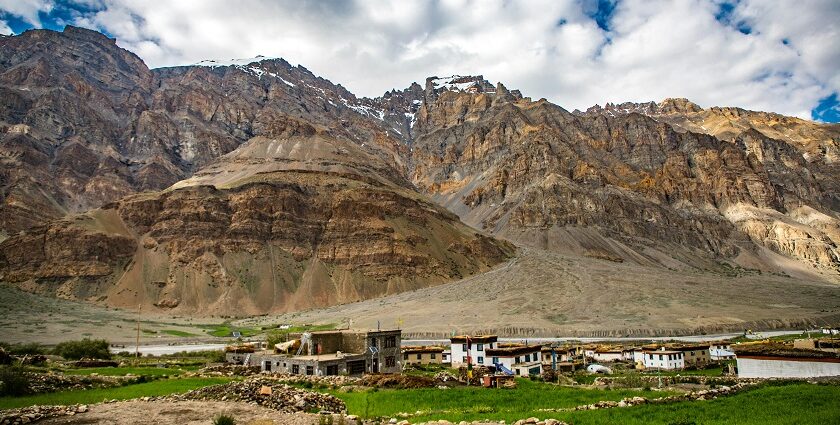
Kaza Spiti Valley: Itinerary, Stays, Route & Permit Information
Complete travel guide to Kaza in Spiti Valley! Find best time to visit, how to reach from Manali/Shimla, weather, hotels, places to visit, and essential travel tips.
Stays in Tabo Village Spiti: Guesthouses, Homestays & Booking Tips
Discover best stays in Tabo Village Spiti Valley. From homestays to hotels, accommodation guide for authentic Himalayan experience.
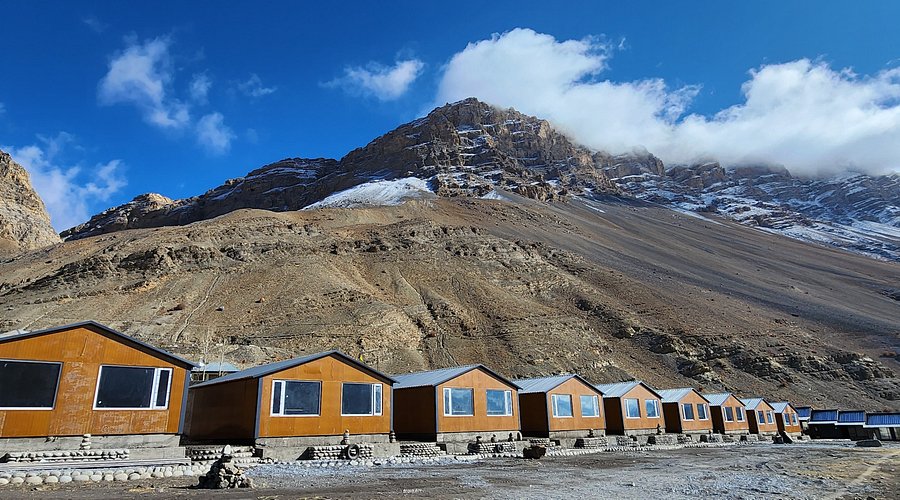
Best Hotels in Spiti Valley: Areas, Budget and Tips
Choose the best hotels in Spiti Valley with area-first planning, season timing, and practical booking tips for reliable stays.
Never Miss an Adventure
Get the latest trekking guides, travel tips, and exclusive offers delivered straight to your inbox.
