
Hornbill Festival Nagaland: Dates, Tickets, Venue & Travel Plan

Rahul Garg
December 14, 2025
Plan your Hornbill Festival Nagaland trip with dates, venue details, tickets, reach routes, stay tips, and cultural highlights from Kisama Heritage Village.
Introduction to Hornbill Festival Nagaland
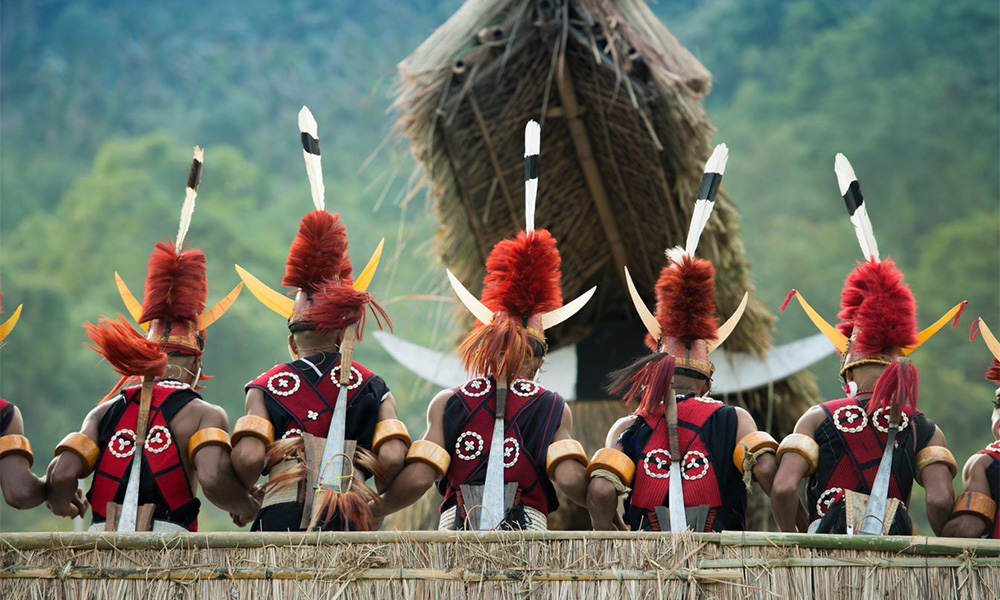
Hornbill Festival is Nagaland's most recognized cultural event and one of India's most important indigenous heritage festivals. Often called the Festival of Festivals, it brings together Naga tribes on a shared platform where traditional performances, crafts, cuisine, music, and contemporary cultural programming are presented over multiple days. For travelers, this is the most practical way to experience Naga cultural diversity in one venue.
The latest completed edition took place from December 1, 2025 to December 10, 2025 at Kisama Heritage Village near Kohima, according to Nagaland government channels. The festival is traditionally held in the same early-December window each year, so planning in advance is important. This guide covers dates, venue layout, ticket expectations, access routes, stay strategy, and on-ground tips. If you are building a longer Northeast route, combine this with Kohima travel guide.
Hornbill Festival Dates and Schedule
Hornbill Festival is conventionally organized in a 10-day format from December 1 to December 10. While program specifics vary by edition, the broader event rhythm remains consistent:
- Morning and afternoon: tribal cultural showcases, crafts, exhibitions.
- Daytime zones: food courts, handloom and handicraft stalls, activity arenas.
- Evening and night: music, carnivals, and selected headline cultural segments.
For historical clarity: the 26th edition ran from December 1 to December 10, 2025. The next edition is typically expected in the same date band, subject to official notification.
Venue: Kisama Heritage Village
The main venue is Kisama (Naga Heritage Village), located around 12 km from Kohima city. This makes Kohima the most practical base for most visitors. Kisama is built for large festival movement and includes tribe-specific morung spaces, performance areas, exhibition corridors, and food/craft sections.
| Venue Factor | Practical Detail |
|---|---|
| Location | Kisama Heritage Village, near Kohima |
| Distance from Kohima | Approx 12 km |
| Typical road time | About 30-45 minutes (traffic dependent) |
| Festival format | Multi-zone cultural and event village |
Traffic can become dense during peak days, especially opening and closing windows. Start early each day.
Festival Highlights and What to Expect
Cultural Performances
One of the biggest strengths of Hornbill is the scale of tribal cultural representation. Visitors can watch songs, dances, ritual-themed performances, and traditional costume showcases from multiple Naga communities in one festival ground.
Morung Experience and Living Traditions
The morung spaces are key to understanding local social and architectural traditions. Visitors can observe material culture, traditional motifs, and curated displays that help explain Naga identity across communities.
Food, Crafts, and Local Products
Food and craft sections are among the most immersive parts of the event. Local cuisine, smoked preparations, indigenous ingredients, handloom textiles, bamboo/cane products, woodwork, and beadwork are commonly showcased.
Music and Contemporary Events
Beyond traditional programming, Hornbill also hosts modern event segments including live music-oriented attractions. This blend of heritage and contemporary culture is one reason the festival draws both domestic and international audiences.

Tickets and Entry: What Travelers Should Plan For
Ticketing structure can vary by year and event segment, so always verify current details through official tourism channels or on-ground counters before making final assumptions. In general:
- Entry is usually pass/ticket based for the main venue.
- Certain event segments may have separate access controls.
- Camera or media-specific rules can vary.
Carry valid ID documents and keep digital payment options plus backup cash for convenience.
How to Reach Hornbill Festival (Kisama)
By Air
The nearest major air gateway is Dimapur Airport. From Dimapur, road transfer to Kohima and onward to Kisama is the standard approach.
By Rail
Dimapur is the main railhead used by many travelers visiting the festival. After arrival, continue by road toward Kohima.
By Road from Kohima
Kisama is an easy day commute from Kohima. Shared cabs, local taxis, and festival-period transport options are commonly used. Start early to reduce congestion.
| Route Segment | Typical Planning Window |
|---|---|
| Dimapur to Kohima | Allow buffer for hill-road traffic |
| Kohima to Kisama | Approx 30-45 mins in normal flow |
| Return in evening | Expect delays on high-footfall days |
If you are new to the region, base in Kohima rather than attempting daily long-distance return from Dimapur.
Where to Stay During Hornbill Festival
Accommodation demand rises sharply in the festival window. Kohima is the default base for most travelers, with options across budget and mid-range categories. Some visitors also choose stay options on connecting routes depending on availability.
- Book early for December 1-10 period.
- Prioritize location and transport practicality over room size alone.
- Confirm cancellation and check-in policies before payment.
- Expect price variation during opening/closing days.
For dining support around the city, see restaurants in Kohima.

Cultural Significance: Why Hornbill Matters
Hornbill Festival is not just a tourism event; it is a major platform for cultural continuity, inter-tribal visibility, and youth-facing heritage presentation. It allows communities to present identity, performative traditions, craft practices, and social memory in a structured public setting.
From a cultural-policy perspective, the festival also helps local entrepreneurship in handloom, handicraft, food businesses, and performance economies. For visitors, this means every purchase and participation decision has local economic significance.
Suggested 3-Day Festival Plan
Day 1: Orientation and Core Cultural Arenas
- Early arrival at Kisama.
- Main cultural performance viewing.
- Initial morung circuit and food exploration.
Day 2: Craft, Cuisine, and Deeper Interaction
- Focus on handloom/handicraft pavilions.
- Try curated food sections and local products.
- Attend late-afternoon/evening event segment.
Day 3: Highlights and Flexible Slots
- Revisit priority zones.
- Shopping and documentation time.
- Buffer for weather, traffic, or special events.
This structure keeps the trip manageable and avoids day-one fatigue.
Essential Travel Tips for Hornbill Festival
- Carry warm layers: December evenings in Nagaland can be cold.
- Wear comfortable walking shoes for long on-foot movement.
- Start early to avoid peak inbound queues.
- Respect photography etiquette in sensitive cultural zones.
- Keep reusable water bottles and basic medicine kit.
- Track local advisories and route updates daily.
If extending in the region, consider Nagaland places guide for additional planning references.
Common Mistakes to Avoid
- Arriving without confirmed stay booking in peak dates.
- Assuming fixed ticket prices from old blog posts.
- Scheduling too many long transfers during festival days.
- Ignoring cold-weather clothing for evening programs.
- Treating the festival as only a photo stop, not a cultural experience.
Most issues are solved by early booking, buffer time, and realistic daily pacing.
First-Time Visitor Strategy: How to Experience Hornbill Better
First-time travelers often try to cover every stage and miss depth. A better strategy is to break the festival into three layers. Layer one is cultural immersion: watch full-length performances from multiple tribes instead of short clips from many stages. Layer two is heritage interaction: spend time inside morung zones, read contextual displays, and speak to artisans where interaction is appropriate. Layer three is event energy: choose one evening music or carnival segment rather than trying to attend everything.
Use a morning-heavy schedule for cultural and documentary-focused exploration, then keep afternoons for food and craft spaces, and evenings for headline activity. This pacing reduces fatigue and helps you experience both traditional and contemporary parts of the festival. If your stay is short, prioritize opening days for broad representation and one mid-festival day for calmer exploration.
Expected Daily Budget During Festival Window
| Expense Head | Budget Range (Per Person, Per Day) | Notes |
|---|---|---|
| Local transport | INR 300 to 1500 | Depends on shared vs private travel from Kohima |
| Food and beverages | INR 500 to 1500 | Varies by stall choices and meal timing |
| Tickets and entry-related costs | Edition-dependent | Verify official rates for current year |
| Shopping and crafts | Flexible | Set a cap in advance to avoid overspending |
Budget variability is high during peak dates, so keep a daily contingency margin. If you are traveling as a group, shared cabs and pre-decided meal windows usually reduce costs without reducing experience quality.
Cultural Etiquette and Responsible Participation
- Ask before close-up photography of people in traditional attire.
- Avoid stepping into restricted performance zones for better photos.
- Treat artifacts, costumes, and handcrafted displays with care.
- Support local sellers through mindful purchasing, not aggressive bargaining.
- Keep the venue clean and avoid disposable waste where possible.
Hornbill Festival is a living cultural platform, not only a stage event. Respectful participation improves the experience for visitors and communities alike.
How Many Days Should You Spend at Hornbill Festival?
Two days is the minimum for a meaningful overview, but three to four days is better if you want both cultural and experiential depth. One-day visits tend to become rushed and heavily logistics-driven, especially when traffic is dense. Longer stays also allow better weather and transport flexibility. If you are traveling from outside the Northeast, consider adding one extra day in Kohima for buffer and rest.
Conclusion
Hornbill Festival Nagaland is one of India's most meaningful cultural travel experiences when approached with respect and proper planning. The early-December format, Kisama venue structure, and large-scale tribal participation make it uniquely valuable for travelers, researchers, and culture-focused visitors.
Plan dates early, stay in Kohima, keep transport buffers, and engage with the festival beyond headline events. Done well, a Hornbill trip becomes a deep cultural journey, not just a checklist visit, but a rich cultural learning journey for visitors across all age groups.

Location
Frequently Asked Questions
Q1.When is Hornbill Festival held in Nagaland?
Q2.Where is Hornbill Festival venue located?
Q3.How can travelers reach Hornbill Festival from Dimapur?
Q4.How much are Hornbill Festival tickets?
Q5.What are the main events at Hornbill Festival?
Q6.How many days are ideal for Hornbill Festival visit?
Q7.Is photography allowed at Hornbill Festival?
Q8.Is Hornbill Festival safe for tourists?
Recommended For You
Famous Festivals in India: Complete Guide to 20 Most Popular Celebrations
Discover the famous festivals in India - Diwali, Holi, Durga Puja & more! Learn dates, traditions, best places to experience & cultural significance of 20+ major Indian festivals.
Restaurants in Kohima: Best Naga Food, Cafes & Local Eateries
A practical Kohima food guide covering Naga cuisine, smoked pork dishes, local eateries, hotel restaurants, costs, and what to order first.
Places to Visit Nagaland in Monsoon: Routes and Tips
Explore places to visit in Nagaland during monsoon with district-wise highlights, Dzukou trek cautions, road planning tips, and permit guidance.
Never Miss an Adventure
Get the latest trekking guides, travel tips, and exclusive offers delivered straight to your inbox.
