

Restaurants in Kohima: Best Naga Food, Cafes & Local Eateries

Rahul Garg
February 18, 2026
A practical Kohima food guide covering Naga cuisine, smoked pork dishes, local eateries, hotel restaurants, costs, and what to order first.
Kohima's Food Scene: What Makes It Different
Kohima's dining scene is small compared with metro cities, but it is one of the most distinctive in Northeast India. The food culture is built around local ingredients, smoked meats, fermented elements, boiled greens, fresh herbs, and sharp chili heat. If you are searching for restaurants in Kohima, the real value is not just finding places to eat, but understanding how Naga cuisine works so you order well on day one.
Most visitors arrive expecting standard North Indian restaurant menus, but Kohima rewards curiosity. Ask for regional specials and daily preparations, especially if you want authentic Naga food instead of generic pan-Indian plates. If your trip includes local culture and festivals, combine this dining plan with Hornbill Festival and community insights from Konyak Headhunters of Nagaland.
Best Restaurants in Kohima for Naga Cuisine
The strongest restaurants in Kohima are usually known for one of three things: consistent smoked-meat dishes, honest home-style Naga preparation, or reliable mixed menus that help first-time visitors transition into local flavors. Hotel-linked restaurants are generally easier for families, while local independent dining spots are often better for authenticity.
| Restaurant Type | What It Usually Does Well | Best For |
|---|---|---|
| Traditional Naga-focused kitchens | Smoked pork, axone-based gravies, bamboo shoot dishes | Food-focused travelers |
| Hotel restaurants | Balanced menu with local + Indian options | Families and mixed groups |
| Market-side local eateries | Affordable rice-thali style meals and quick service | Budget travelers and local food trials |
Many visitors make a practical mistake: they over-order strong fermented dishes in one meal. A better approach is to start with one local centerpiece dish, one milder side, and steamed rice. This gives you the full flavor profile without palate fatigue.
Local Delicacies You Should Know Before Ordering
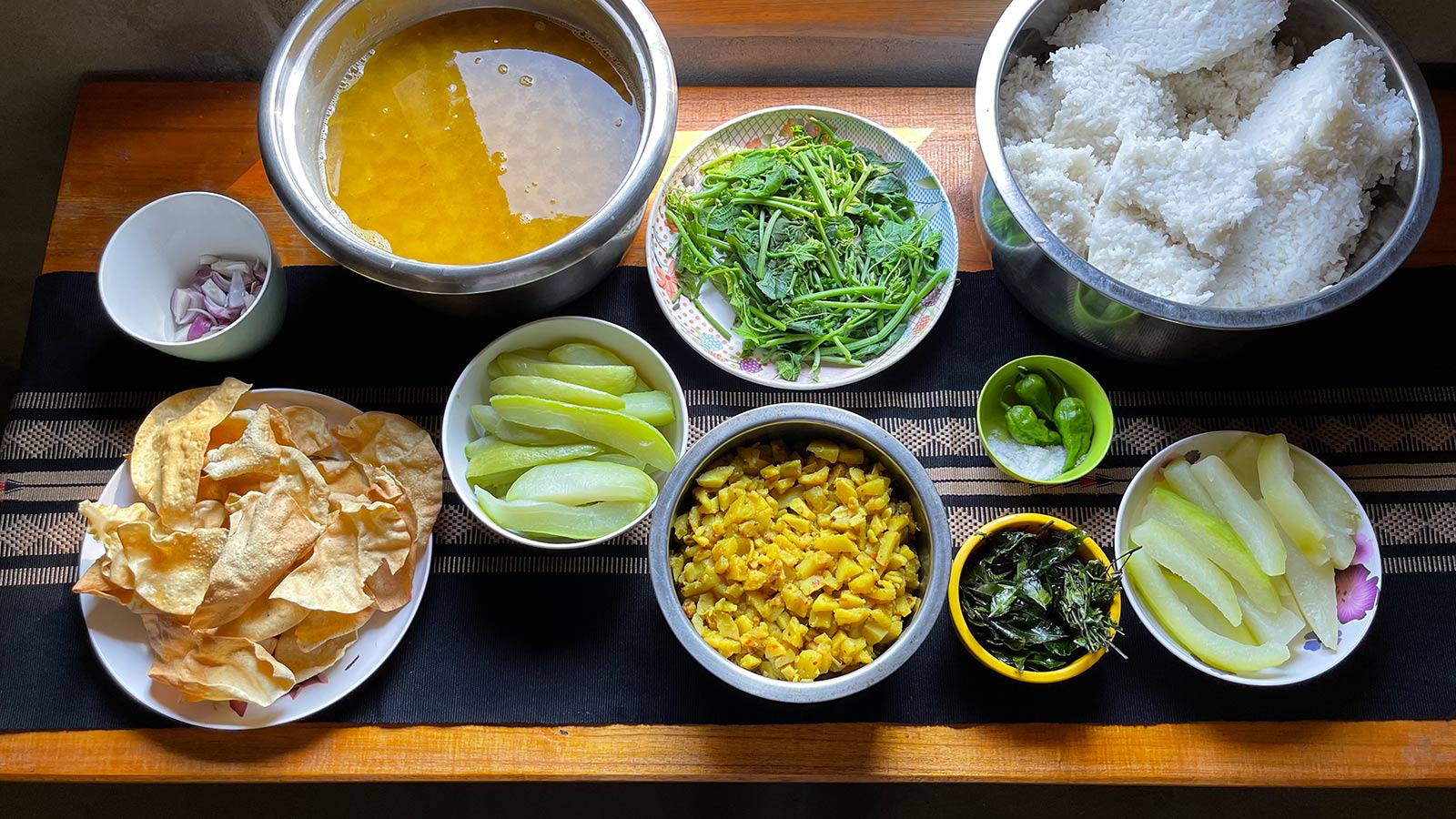
Keyword searches like "Kohima famous food" and "Naga cuisine Kohima" are usually answered with a short dish list, but context matters. Several iconic preparations are fermented or smoked, and the aroma can be intense if you are new to the cuisine. That intensity is the point; it reflects preservation traditions and mountain food systems rather than mainstream restaurant styling.
- Smoked Pork with Axone: One of the signature Naga combinations; earthy, fermented, and deep.
- Pork with Bamboo Shoot: Balanced acidity and texture; a good first Naga main course.
- Anishi: Fermented yam-leaf profile; best tried in small quantity first.
- Dry Fish Preparations: Strong umami flavor, often paired with local greens.
- Local chili blends: Heat levels vary; always ask before ordering.
Vegetarian travelers can still eat well in Kohima. You may not get large dedicated veg menus everywhere, but many kitchens can prepare rice, dal, mixed vegetables, chutneys, and regional greens on request. Mention dietary preference early so the kitchen can recommend suitable combinations.
Hotel Restaurants vs Local Eateries
Both formats are useful, but they serve different goals. Hotel restaurants usually provide cleaner menu structure, bilingual support, and predictable spice handling. Local eateries provide stronger regional depth, lower prices, and a closer view of everyday Kohima food culture.
When to choose hotel dining
- You are with family members who need mild food options.
- You want one table with both Naga and non-Naga meal choices.
- You need cleaner late-evening logistics near your stay.
When to choose local eateries
- You want authentic flavors and less commercialized recipes.
- You are managing budget tightly.
- You are comfortable asking for dish explanations and spice guidance.
The ideal approach for a two-day food plan is mixed-format: one hotel dinner for comfort and one local lunch for authenticity. This gives better coverage of Kohima food without overwhelming first-time visitors.
Price Range and Practical Budgeting
Kohima remains relatively affordable compared with tourist-heavy metros. Your spend depends mainly on restaurant type and protein choice. Smoked pork and specialty meat preparations usually sit above basic local meal pricing.
| Meal Type | Indicative Cost | Budget Note |
|---|---|---|
| Local simple meal | INR 120-250 | Best for everyday lunch plans |
| Naga specialty dish | INR 250-500 | Order one specialty + shared sides |
| Hotel restaurant meal | INR 300-700 | Useful for mixed dietary groups |
Cash readiness is useful in smaller places. Digital payments are improving, but local pockets may still prefer cash-first transactions.
Essential Dining Tips for First-Time Visitors
- Ask for spice level before placing your final order.
- Do not judge dish quality by aroma alone if fermented ingredients are involved.
- Share plates to sample more dishes without over-ordering.
- Keep one flexible meal slot for market-area local discovery.
- Pair your dining route with city exploration, including nearby cultural spots and neighborhoods.
For broader regional planning, you can also combine Kohima with nearby Northeast circuits and culture-focused itineraries such as places to visit in Nagaland during monsoon.
Final Take
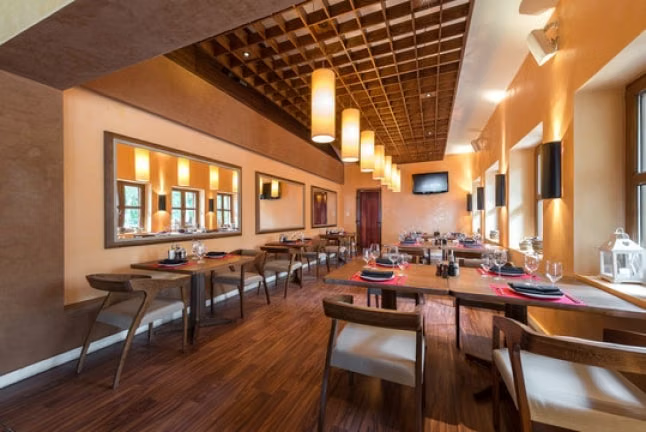
The best restaurants in Kohima are not always the biggest or most polished. The city is ideal for travelers who want flavor authenticity, regional ingredients, and simple but high-character meals. Start with one trusted restaurant, add one local eatery, and pace your introduction to fermented dishes. That strategy gives you the best balance of comfort and culinary depth.
One-Day Kohima Food Trail for First-Time Visitors
If you have just one day in Kohima, structure your meals by intensity. Start breakfast with lighter tea-and-snack combinations, keep lunch for one authentic Naga specialty, and use dinner for balanced multi-item ordering in a hotel or mixed-format restaurant. This reduces palate fatigue and gives a cleaner understanding of local flavors.
A practical route is: morning local tea stop, midday smoked-pork or bamboo-shoot dish near market activity, and evening sit-down meal where you can compare one traditional dish with one milder option. Travelers who follow this pacing usually enjoy Naga cuisine more than those who attempt too many fermented dishes in one meal.
Simple ordering checklist
- Ask which dish is closest to home-style local preparation.
- Confirm spice and fermentation level before finalizing.
- Share one premium dish and add rice-based sides.
- Keep one backup mild option for the table.
This model works for both food-focused travelers and families, and it keeps budget predictable while improving taste coverage.
Local Dining Etiquette and Responsible Eating
Respectful behavior matters in smaller food destinations. Avoid wasting specialty dishes, ask before photographing kitchen-facing areas, and support independent eateries where possible. Ordering thoughtfully and finishing meals is a simple way to respect local food systems in Kohima.
If you're extending this trip, Hornbill Festival Nagaland is worth adding to your plan. Many travelers also pair this with Kohima for a fuller itinerary.
Location
Frequently Asked Questions
Q1.Which are the best restaurants in Kohima?
Q2.What is Kohima famous for in food?
Q3.Where can I find authentic Naga cuisine in Kohima?
Q4.What are famous Naga dishes to try first?
Q5.Are vegetarian options available in Kohima restaurants?
Q6.Is Naga food very spicy?
Q7.What is the average price range in Kohima restaurants?
Q8.Can I find smoked pork in most Kohima restaurants?
Recommended For You

Festivals in Jammu and Kashmir: Seasonal Celebrations & Traditions
Discover festivals in Jammu and Kashmir including Tulip Festival, Eid, Hemis, Losar, and Jammu celebrations with timing, locations, and travel tips.
Best Cafes in Guwahati: Tea, Coffee & City Vibe Hangouts
Discover the best cafes in Guwahati with Assam tea spots, rooftop views, work-friendly seating, and practical area-wise planning for smoother city outings.
Food of Sikkim: Top Dishes, Local Eateries & Regional Flavors
Discover the food of Sikkim with must-try dishes, local market strategy, where to eat, budget planning, and practical tips for first-time food travelers.
Never Miss an Adventure
Get the latest trekking guides, travel tips, and exclusive offers delivered straight to your inbox.
