
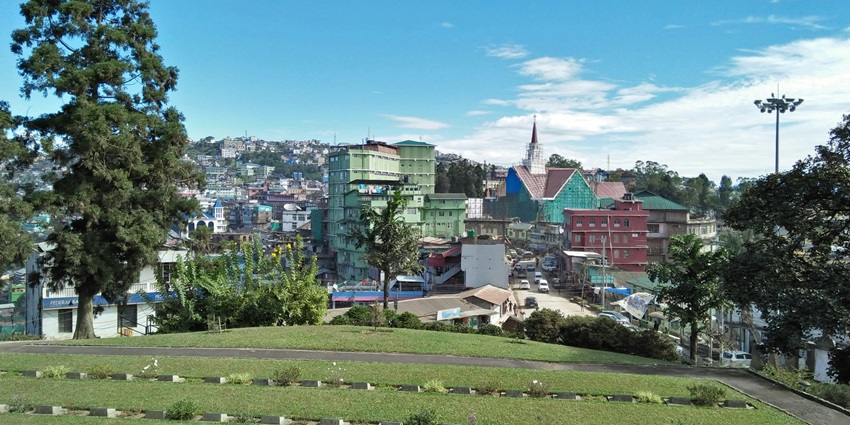
Kohima: Complete Travel Plan Places And Weather

Rahul Garg
January 20, 2026
Complete Kohima travel guide with best time to visit, top attractions including War Cemetery and Hornbill Festival, how to reach, accommodation & practical travel tips.
Introduction: Kohima - The Land of Angamis
Perched at 1,444 meters above sea level in the northeastern state of Nagaland, Kohima stands as a captivating blend of history, culture, and natural beauty. As the capital city of Nagaland, Kohima serves as the gateway to understanding the rich tribal heritage of the Naga people - a collection of 16 major tribes each with their distinct traditions, languages, and customs. What makes Kohima truly special is its unique position at the crossroads of history and modernity. The city gained international recognition during World War II as the site of one of the war's most decisive battles, yet it remains deeply rooted in ancient tribal traditions. Walking through Kohima today, you'll encounter concrete reminders of its wartime past alongside vibrant displays of living Naga culture. Beyond its historical significance, Kohima offers travelers pristine natural beauty, from mist-covered hills to verdant valleys. The city experiences pleasant weather year-round, making it an attractive destination regardless of the season. This comprehensive guide covers everything you need to know about visiting Kohima - from top attractions and cultural experiences to practical information on how to reach this fascinating corner of India's Northeast.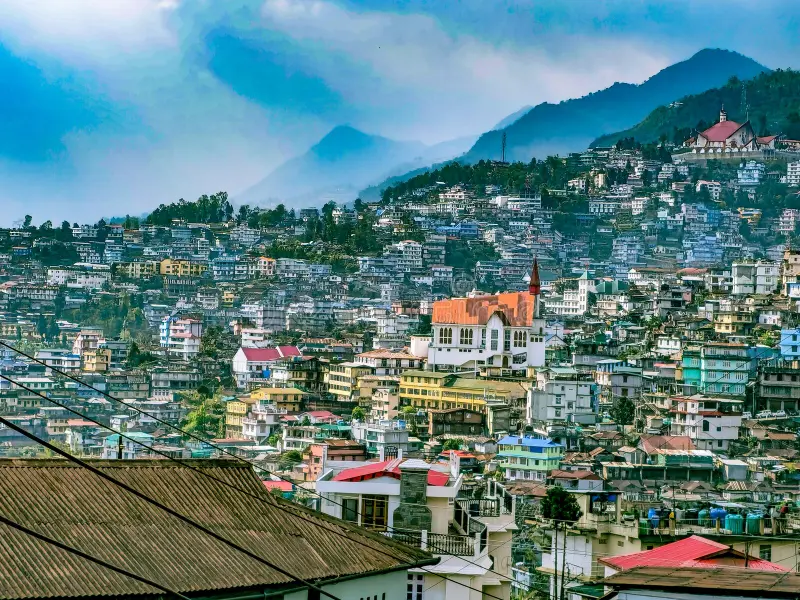
About Kohima
Kohima, the capital of Nagaland, is a hill station that has grown from a small village into a bustling urban center while retaining its distinct character. The city is predominantly inhabited by the Angami tribe, one of the 16 major Naga tribes, and their influence is visible in everything from the local architecture to the vibrant festivals celebrated throughout the year. The city's name is derived from "Kewhira," the Angami name for the wild flowering plant called "Kewhi" that grows abundantly on these hills. Kohima gained strategic importance during British colonial times and later became the site of a pivotal World War II battle that halted the Japanese advance into India. Today's Kohima is a fascinating blend of old and new. Modern buildings coexist with traditional houses, while young Nagas in contemporary attire mingle with elders wearing traditional tribal dress. The city serves as the commercial and administrative hub of Nagaland, yet it maintains a relaxed, small-town atmosphere that welcomes visitors with genuine warmth.Key Facts About Kohima
- Altitude: 1,444 meters (4,738 feet) above sea level
- Population: Approximately 100,000
- Primary Tribe: Angami
- Languages: Angami, English, Hindi, and other Naga languages
- Climate: Pleasant year-round, with summer temperatures rarely exceeding 30°C
- Best Known For: WWII history, Hornbill Festival, Naga culture
Top Tourist Attractions in Kohima
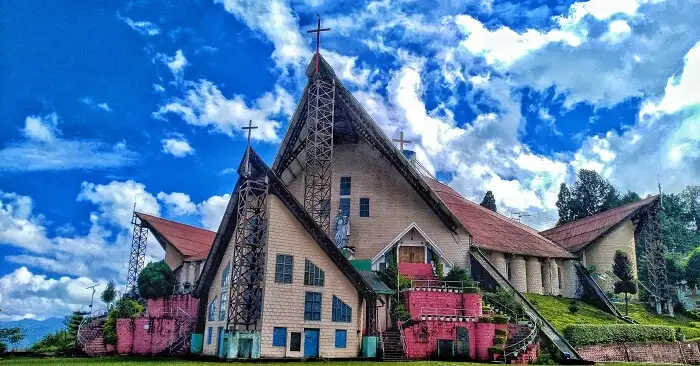 Kohima may be a small city, but it packs in an impressive array of attractions that cater to history buffs, culture enthusiasts, and nature lovers alike. The city's compact size makes it easy to explore multiple sites in a single day, though each deserves time for proper appreciation.
Kohima War Cemetery
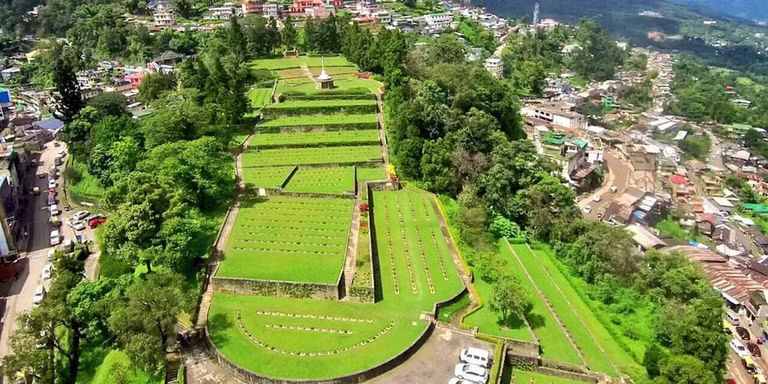
The Kohima War Cemetery stands as a poignant reminder of one of World War II's fiercest battles - the Battle of Kohima in 1944. This beautifully maintained memorial contains the graves of 1,420 Allied soldiers who lost their lives during the battle, with memorial panels honoring another 917 Hindu and Muslim soldiers whose cremated remains are elsewhere. The cemetery is laid out as a series of terraced lawns with stone markers, each representing a soldier's final resting place. The well-manicured grounds stand in stark contrast to the brutal battle that once raged here. A memorial at the top of the cemetery bears the famous Kohima Epitaph: "When you go home, tell them of us and say, for your tomorrow, we gave our today." The cemetery is maintained by the Commonwealth War Graves Commission and remains a place of pilgrimage for veterans, history enthusiasts, and curious travelers. Early mornings offer the most peaceful atmosphere, especially when the mist rolls off the surrounding hills.Kisama Heritage Village
Located approximately 12 kilometers from Kohima, Kisama Heritage Village serves as the permanent venue for the famous Hornbill Festival. This cultural complex was created to showcase Naga traditions and serves as a living museum where visitors can experience authentic tribal life. The village features traditional morungs (youth bachelor dormitories) from each of Nagaland's 16 major tribes. Each morung is constructed in the distinctive architectural style of that particular tribe and serves as a cultural center where tribal elders share their traditions through demonstrations, performances, and storytelling. Even outside the festival period, Kisama offers insights into Naga culture. The complex includes a World War II museum, traditional huts, and a marketplace selling authentic Naga handicrafts. The surrounding hills provide excellent hiking opportunities with panoramic views of the valley below.Nagaland State Museum
For those interested in deepening their understanding of Naga culture, the Nagaland State Museum in Kohima is a must-visit. The museum houses an impressive collection of artifacts that tell the story of Nagaland's tribal heritage, colonial history, and natural history. The anthropology section displays traditional tribal costumes, jewelry, weapons, and utensils from all 16 major Naga tribes. The collection includes intricately woven shawls, colorful beads, distinctive daos (machetes), and ceremonial artifacts. Each tribe's artifacts are displayed separately, allowing visitors to appreciate the diversity within Naga culture. The history section focuses on Nagaland's colonial past and World War II connections. Photographs, documents, and artifacts from the Battle of Kohima provide context for the war cemetery visit. The natural history section features the region's flora and fauna, including various bird species found in Nagaland's forests.Dzukou Valley
While not technically within Kohima city limits, Dzukou Valley is often included in Kohima itineraries due to its proximity and stunning beauty. Located approximately 25 kilometers from Kohima, this valley is often called the "Valley of Flowers of the Northeast" due to its spectacular seasonal blooms. The valley sits at an altitude of 2,438 meters and is accessible via a moderate trek that takes 3-4 hours each way. The trail winds through lush forests before opening into the vast, undulating valley dotted with wildflowers during the blooming season (June-September). Dzukou's beauty is ethereal - rolling hills covered in flowers, caves perfect for exploration, and streams meandering through the landscape. The valley offers excellent camping opportunities, though trekkers should be prepared for rapidly changing weather conditions. Many visitors describe the experience as almost spiritual, with the valley's silence broken only by bird calls and the wind rustling through the grass.Japfu Peak
At 3,084 meters, Japfu Peak is the second-highest peak in Nagaland and offers spectacular panoramic views of Kohima and the surrounding countryside. The peak is approximately 15 kilometers from Kohima and requires a moderate trek to reach. The main attraction at Japfu is the giant rhododendron tree - believed to be the tallest of its species in the world. This ancient tree measures over 30 meters in height and has a girth of nearly 3 meters. The rhododendrons bloom spectacularly in March-April, painting the landscape in shades of red and pink. The trek to Japfu Peak takes approximately 4-5 hours round trip and can be challenging in sections. The trail passes through dense forest before reaching more open areas with stunning views. On clear days, you can see all the way to the Himalayan ranges in the distance. The peak is also an excellent spot for birdwatching, with several species endemic to the region.Khonoma Village
Located approximately 20 kilometers from Kohima, Khonoma is often called "Asia's first green village" due to its innovative community-based conservation efforts. This Angami Naga village has gained recognition for its successful protection of forests and wildlife, including the rare Blyth's tragopan bird. Khonoma offers visitors a glimpse into traditional Naga village life while showcasing how communities can balance conservation with sustainable development. The village is surrounded by terraced fields and protected forests. Unlike many villages that have embraced modernization indiscriminately, Khonoma has maintained its traditional character while improving living standards. Walk through the village to see traditional stone houses, meet friendly locals, and learn about the community's hunting ban and forest protection initiatives. The village also offers homestay experiences, allowing visitors to truly immerse themselves in Naga village life.Hornbill Festival Experience
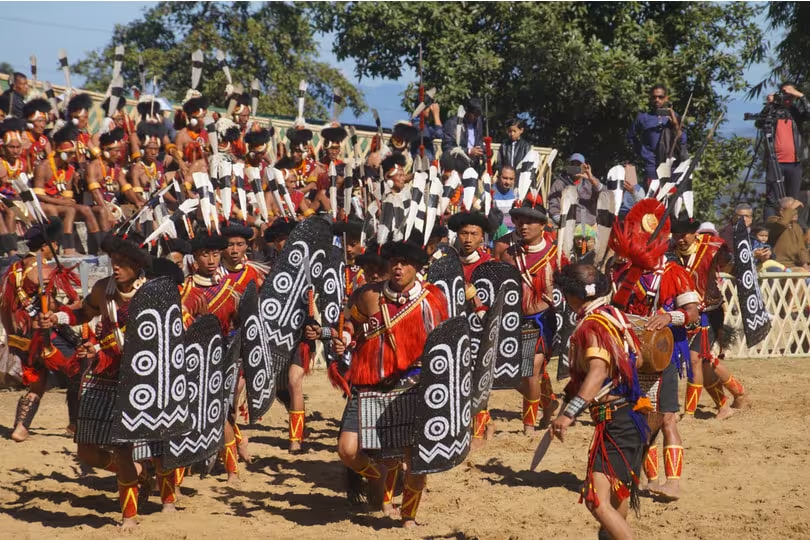 The Hornbill Festival is Nagaland's flagship cultural event and one of India's most fascinating festivals. Held annually from December 1-7 at Kisama Heritage Village, the festival showcases the rich cultural heritage of all 16 Naga tribes in a spectacular display of color, music, and tradition.
What to Expect
During the festival, Kisama transforms into a vibrant cultural carnival where each tribe maintains its own morung. These traditional structures serve as cultural centers where tribal members demonstrate their unique customs, including traditional crafts, dances, music, and food preparation. The days are filled with cultural performances, with each tribe taking turns to present their traditional dances and songs. The energy is infectious, with performers in elaborate tribal costumes moving to the rhythm of traditional instruments. Visitors are often invited to join the dancing, creating memorable interactive experiences. The festival grounds feature numerous food stalls serving authentic Naga cuisine from different tribes. This is an excellent opportunity to try delicacies like smoked pork with bamboo shoot, axone (fermented soybean), and various preparations of river fish.Festival Highlights
- Traditional Performances: Over 60 different dance and music performances
- Naga Morungs: Cultural displays from each of the 16 tribes
- Food Festival: Traditional Naga cuisine from all regions
- Handloom & Handicrafts: Traditional weaving and crafts demonstrations
- Rock Concerts: Modern fusion of traditional and contemporary music
- Hornbill International Rock Contest: Popular music competition
- Naga Wrestling: Traditional sport demonstrations
- Archery: Traditional archery competitions
Planning for the Hornbill Festival
The Hornbill Festival draws thousands of visitors from across India and abroad, so advance planning is essential:- Book Early: Accommodation in Kohima fills up months in advance
- Transport: Private vehicles or hired taxis are recommended
- Weather: December is cool, bring warm clothing
- Duration: Plan at least 2-3 full days at the festival
- Photography: Excellent opportunities, ask permission before photographing people
Local Culture & Traditions
Kohima offers visitors a unique opportunity to experience Naga culture firsthand. The Angami tribe, which predominates in Kohima, has a rich cultural heritage that has been carefully preserved even as the community embraces modernization.Traditional Attire
Naga traditional dress is distinctively colorful and varies by tribe. For the Angami, men traditionally wear a shawl called "Tsüngkotepsu" featuring characteristic black-and-white stripes with red and yellow bands. The patterns and colors often indicate the wearer's social status and achievements. Women wear beautifully woven skirts and tops adorned with intricate beadwork. The jewelry is particularly striking - necklaces made of beads, shells, and sometimes coins, each piece telling a story about the wearer's background. During festivals and special occasions, many Nagas wear traditional dress, and visitors to Kohima during the Hornbill Festival will see a spectacular display of tribal attire from all 16 Naga tribes.Handicrafts & Weaving
Naga handicrafts are renowned for their quality and craftsmanship. Traditional weaving is practiced primarily by women, using backstrap looms to create intricate patterns that have been passed down through generations. In Kohima's local markets, you'll find beautifully woven shawls, bags, and other textiles. Each tribe has distinct patterns and color schemes, making these items both beautiful and culturally significant. Beadwork is another traditional craft, with artisans creating elaborate necklaces and other jewelry. Wood carving and bamboo craft are also important traditional arts. The Morungs at Kisama display excellent examples of traditional wood carving, with elaborate designs depicting animals, human figures, and abstract patterns.Naga Cuisine
Naga cuisine is characterized by its bold flavors and use of local ingredients. Rice is the staple, accompanied by meat (especially pork and beef), fish, and various greens prepared with distinctive local spices. The most famous Naga dish is smoked pork with bamboo shoot - a flavorful combination that showcases traditional preservation techniques. Axone (fermented soybean) is another staple that adds a distinctive umami flavor to many dishes. For the adventurous eater, Naga cuisine offers some unique experiences. Ghost chili (bhut jolokia) - one of the world's hottest peppers - is used liberally in many dishes. Fermented bamboo shoot and various fermented fish preparations add complex flavors that take some getting used to but are deeply satisfying once acquired.Best Time to Visit Kohima
 Kohima enjoys a pleasant climate year-round, but the best time to visit depends on your priorities and interests.
Winter (October - March)
Winter is generally considered the best time to visit Kohima, with clear skies, cool temperatures, and minimal rainfall. Daytime temperatures range from 15-25°C, while nights can get quite cold, dropping to around 5°C. December is particularly special due to the Hornbill Festival. This is peak tourist season, so expect larger crowds and higher prices, but the cultural experience is unparalleled. The weather in December is cool but not uncomfortable, especially during the daytime. October-November and February-March offer good weather with fewer tourists. These months are ideal for trekking to Dzukou Valley or Japfu Peak, as the trails are dry and visibility is excellent.Summer (April - June)
Summer in Kohima is pleasant, with temperatures rarely exceeding 30°C. This is the flowering season, and the hills are covered in blooming rhododendrons and other wildflowers. The green landscapes are at their lushest, having benefited from the pre-monsoon rains. While temperatures are comfortable, humidity can be high, and haze from agricultural burning sometimes affects visibility. However, this is still a good time to visit for those who prefer cooler temperatures without the winter chill.Monsoon (July - September)
The monsoon season brings heavy rainfall to Kohima and surrounding areas. While the landscapes turn incredibly green, travel can be challenging due to landslides and poor road conditions. Many trekking trails become dangerous or impassable. However, monsoon has its own beauty - waterfalls are at their most spectacular, and the region is refreshingly uncrowded. If you do visit during monsoon, build in extra time for travel delays, be flexible with plans, and pack appropriate rain gear.How to Reach Kohima
By Air
The nearest airport to Kohima is Dimapur Airport, approximately 74 kilometers away. Dimapur is well-connected to major Indian cities including Kolkata, Guwahati, and Delhi, with regular flights operated by Alliance Air and other regional carriers. From Dimapur airport, you can hire a taxi to Kohima. The journey takes approximately 2-3 hours depending on road conditions and traffic. Shared taxis are also available and are a more budget-friendly option, though they take longer as they make multiple stops.By Train
Dimapur railway station is the main railhead serving Nagaland. Several important trains connect Dimapur to major cities:- From Guwahati: Approximately 6-7 hours by train
- From Kolkata: Approximately 12-14 hours by overnight trains
- From New Delhi: Approximately 24-30 hours via various routes
By Road
Kohima is connected by road to various Northeastern cities:- From Dimapur: 74 km, approximately 2-3 hours
- From Guwahati: Approximately 7-8 hours via National Highway 29
- From Imphal: Approximately 4-5 hours
Inner Line Permit
Indian citizens require an Inner Line Permit (ILP) to visit Nagaland. The permit can be obtained online or from designated offices in major cities. Foreign nationals need to register with the Foreigner's Registration Office (FRO) within 24 hours of arrival.Accommodation & Food
Accommodation Options
Kohima offers accommodation options ranging from budget guesthouses to mid-range hotels:- Government Circuit Houses: Basic but clean, often require advance booking
- Mid-Range Hotels: Comfortable properties with attached bathrooms, hot water, and restaurants
- Budget Guesthouses: Simple but clean rooms, perfect for budget travelers
- Homestays: Some villages around Kohima offer authentic homestay experiences
Food in Kohima
Kohima's food scene offers a mix of traditional Naga cuisine and standard Indian fare. Local restaurants serve authentic Naga dishes alongside more familiar options for those not ready for adventurous eating. For authentic Naga food, try restaurants in the town center or food stalls at the local market. The Assam-style cuisine is also widely available and tends to be milder for those who find Naga food too spicy. Vegetarian options are limited in local restaurants but improving in newer establishments. Most mid-range hotels offer both vegetarian and non-vegetarian options on their menus.Travel Itinerary Suggestions
1 Day Kohima Quick Tour
Morning: Visit Kohima War Cemetery, explore the town center Afternoon: Nagaland State Museum, local market shopping Evening: Sunset viewpoint, dinner at local restaurant2 Days Kohima Itinerary
Day 1: War Cemetery, State Museum, local market, Khonoma village Day 2: Kisama Heritage Village, Japfu Peak trek or Dzukou Valley (if time permits)During Hornbill Festival (3-4 Days)
Focus primarily on Kisama Heritage Village for the festival, with one day for Kohima town sightseeing including the War Cemetery and State Museum.
Location
Frequently Asked Questions
Q1.Where is Kohima located?
Kohima is the capital city of Nagaland state in Northeast India. It's located at an altitude of 1,444 meters above sea level in the hills of the Eastern Himalayas.
The city is approximately 74 kilometers from Dimapur, the nearest major city with both airport and railway connections.
Q2.How many days are needed to explore Kohima?
For a basic Kohima experience covering the main attractions like the War Cemetery, State Museum, and Kisama Heritage Village, 2-3 days is sufficient.
If you plan to visit during the Hornbill Festival (December 1-7), plan 4-5 days to fully experience the cultural celebrations. Additional time would be needed if you want to include treks to Dzukou Valley or Japfu Peak.
Q3.What is the best time to visit Kohima?
The best time to visit Kohima is during the winter months from October to March, when the weather is pleasant with clear skies and cool temperatures.
December is particularly popular due to the famous Hornbill Festival. October-November and February-March offer good weather with fewer crowds and are ideal for trekking activities.
Q4.What are the top tourist places in Kohima?
Kohima's must-visit attractions include the Kohima War Cemetery (WWII memorial), Kisama Heritage Village (venue of the Hornbill Festival), Nagaland State Museum (tribal artifacts and history), and the local markets (traditional handicrafts).
Nearby attractions include Dzukou Valley (spectacular valley of flowers), Japfu Peak (second-highest peak in Nagaland), and Khonoma Village (known for community conservation efforts).
Q5.When is the Hornbill Festival in Kohima?
The Hornbill Festival is held annually from December 1-7 at Kisama Heritage Village, approximately 12 kilometers from Kohima town.
This week-long festival showcases the cultural heritage of all 16 Naga tribes through traditional dances, music, food, handicrafts, and various competitions. It's one of India's most vibrant cultural festivals.
Q6.What is special about Kohima War Cemetery?
The Kohima War Cemetery is a memorial to the 1,420 Allied soldiers who died during the Battle of Kohima in 1944 - one of World War II's fiercest and most decisive battles.
The beautifully maintained cemetery features terraced lawns with individual graves and memorial panels. It bears the famous Kohima Epitaph: "When you go home, tell them of us and say, for your tomorrow, we gave our today."
Q7.How do I reach Kohima from Dimapur?
Dimapur is the gateway to Kohima, located approximately 74 kilometers away. The journey takes 2-3 hours by road depending on traffic and road conditions.
Taxis and shared cabs are readily available from Dimapur airport and railway station. Nagaland State Transport also operates regular bus services between the two cities. The scenic road journey winds through hills and forests.
Q8.Is Kohima safe for tourists?
Yes, Kohima is generally safe for tourists. The city has a welcoming atmosphere and crime against visitors is rare. The local Naga people are known for their hospitality.
As with any destination, standard precautions apply - secure valuables, be respectful when photographing people, and follow local customs. The region has experienced periods of political unrest in the past, but the situation is now peaceful.
Recommended For You
Cherrapunji Tourist Places: Top Attractions, Itinerary & Travel Tips
Plan your Cherrapunji trip with top tourist places, route-based itinerary ideas, weather strategy, and practical travel tips. Discover waterfalls, living root bridges, caves, and more in this comprehensive guide.

Best Shopping Places in Monaco: Luxury Brands & Designer Boutiques
Complete guide to shopping in Monaco - Monte Carlo luxury boutiques, designer fashion houses, jewelry stores, tax-free shopping & practical tips for luxury retail in the principality.
North East India Tourism: Itinerary Plans, Routes & Travel Seasons
Plan North East India tourism with route-based itinerary ideas, state-wise season tips, and practical budget guidance.
Never Miss an Adventure
Get the latest trekking guides, travel tips, and exclusive offers delivered straight to your inbox.
