
Places to Visit Nagaland in Monsoon: Routes and Tips

Rahul Garg
February 20, 2026
Explore places to visit in Nagaland during monsoon with district-wise highlights, Dzukou trek cautions, road planning tips, and permit guidance.
1. Introduction: Nagaland in Monsoon Is Beautiful but Demanding
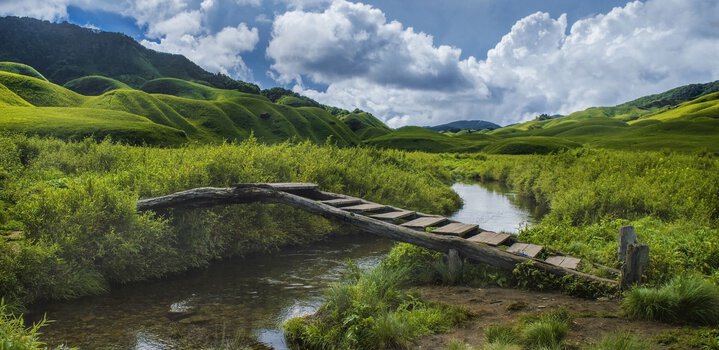
Nagaland in monsoon is one of the most dramatic seasonal experiences in Northeast India. Cloud-wrapped hills, wet pine slopes, green valleys, and village landscapes look stunning from June onward. At the same time, this season requires realistic planning because heavy rain can affect roads, trekking routes, and travel speed. If you come prepared, monsoon travel in Nagaland can feel raw, cultural, and deeply rewarding.
This guide is designed for practical travelers who want scenic beauty without unsafe decisions. It covers major places to visit in Nagaland during monsoon, what to avoid in heavy-rain windows, route strategy, ILP basics, and day-by-day pace recommendations. The goal is simple: help you enjoy Nagaland’s cultural and natural depth while managing monsoon risk with clarity.
+
+
+2. Kohima: Cultural Base for Monsoon Travelers
+Kohima is usually the best first base in monsoon because it combines culture, food access, and relatively better travel support compared with more remote districts. You can explore local history, Naga cultural context, and town viewpoints while monitoring weather for onward travel to trekking zones.
+In rainy months, Kohima also helps with flexibility. If a long-route transfer gets delayed by landslide clearance or low-visibility driving, you can still use your day productively through local museums, cemetery zones, and market walks. For food planning in wet weather, this restaurants in Kohima guide is useful.
+Why Kohima Works in Monsoon
+-
+
- Better accommodation and route support. +
- Strong cultural context for first-time visitors. +
- Practical fallback options during weather delays. +
3. Dzukou Valley in Monsoon: High Reward, High Caution
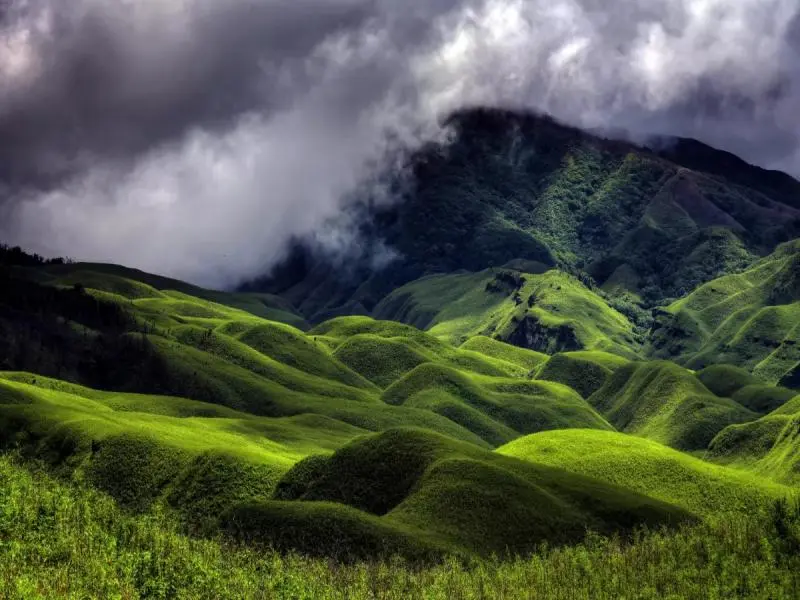
+Dzukou Valley is one of the most iconic landscapes linked with Nagaland monsoon travel, especially when vegetation is lush and mist moves across the valley floor. But this is not a casual rainy-season hike. Trail sections can be slippery, visibility can drop, and leech activity may increase in wetter stretches.
+Monsoon trekking here should be attempted only with good shoes, weather awareness, and enough daylight margin. Do not force summit or ridge movement in active rain bands. If cloud cover is too dense or trails are unsafe, postponing the trek is the correct decision.
+| Dzukou Factor | Monsoon Reality | Planning Rule |
|---|---|---|
| Trail grip | Can become slippery quickly | Use proper trekking footwear |
| Visibility | Fog and cloud can reduce orientation | Start early and avoid late descent |
| Leech exposure | Possible in wet vegetation sections | Carry socks/salt/repellent |
| Photo expectation | Views can be spectacular or fully clouded | Keep weather-flexible plans |
4. Dimapur: Entry Gateway and Logistics Hub
+Dimapur is typically the main arrival gateway for Nagaland by rail/air access routes. In monsoon planning, its biggest value is logistics, not sightseeing depth. Treat Dimapur as your transit anchor where you check weather, confirm road status, and organize onward movement with buffer time.
+If road conditions toward hill districts are uncertain, staying one night in Dimapur can prevent rushed decisions. Keep your critical connections realistic, especially if you are coordinating shared cabs or long inter-district drives.
+ +5. Mokokchung: Cultural Depth in Ao Region
+Mokokchung is often chosen for deeper cultural travel through Ao Naga heritage and nearby village landscapes. In monsoon, this region can be beautiful, with layered green hills and strong local atmosphere. But route timing matters: roads may slow significantly during heavy rain spells.
+For travelers who prioritize culture over fast checklist tourism, Mokokchung can be a strong monsoon inclusion. Keep at least one extra day buffer so you can enjoy villages and local interaction without pressure from uncertain road windows.
+ +6. Tuensang: Remote Eastern Experience
+Tuensang is more remote and generally suited for travelers with higher tolerance for slow movement and basic infrastructure conditions. Monsoon can make access more challenging, so this destination is better for those with flexible itineraries and experience in weather-affected routes.
+If your trip is short, prioritize Kohima + one additional district instead of forcing a long eastern loop in unstable weather. Tuensang becomes meaningful when you can allocate enough days and accept variable road speed.
+ +7. Mon District and Konyak Cultural Routes
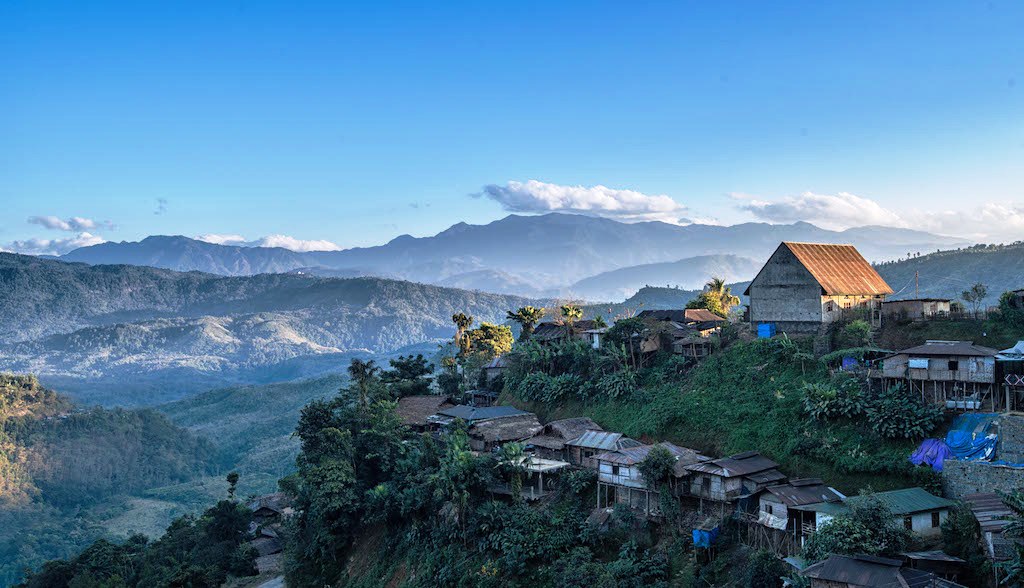
+Mon district is widely known for Konyak cultural history, village experiences, and cross-border geography near Myanmar-facing areas. It is one of the most fascinating regions in Nagaland, but monsoon access can be difficult in parts. Long routes require patience, early starts, and vehicle discipline.
+If culture is your primary reason to visit, plan Mon as a dedicated block rather than an add-on squeezed between bigger transfers. You can align pre-reading with Konyak Headhunters of Nagaland and plan local-market context via shopping places in Mon.
+ +
+
+
+8. Japfu Peak and Monsoon Trek Logic
+Japfu region is another strong trekking draw for mountain-view travelers. In monsoon, the trek can be rewarding but visibility and trail stability change fast. If you are choosing between multiple treks in one short trip, pick one primary hike and keep backup low-risk plans for rain-heavy days.
+Never underestimate return timing in cloud-heavy weather. Early turnaround decisions are safer than pushing late descents in wet forest sections.
+ +9. Best Time in Monsoon and Shoulder Windows
+Nagaland monsoon generally runs from June to September. Within this period, rain intensity can vary by week and district. Travelers who want greenery but slightly improved mobility often prefer shoulder transitions where rain may be less intense than peak wet weeks.
+-
+
- Peak monsoon: lush views, higher road uncertainty. +
- Shoulder monsoon: better chance of balanced travel days. +
- Post-monsoon: often easier logistics with green landscapes still visible. +
If your main priority is smooth movement instead of monsoon atmosphere, later-season or winter cultural windows may be better, including festival-linked periods.
+ +10. ILP, Safety, and Route Management
+Nagaland travel for many visitors requires Inner Line Permit (ILP). Requirements and process formats can change, so verify through official channels before travel dates. Keep digital + printed copies of key documents and permit confirmation if required for your travel profile.
+Monsoon Safety Checklist
+-
+
- Check daily weather and road advisories. +
- Use experienced local drivers for hill routes. +
- Keep one buffer day in every long route plan. +
- Carry quick-dry layers and rain protection. +
- Pack basic medicines and power backup. +
- Avoid night drives on unfamiliar wet roads. +
| Travel Need | Monsoon Recommendation |
|---|---|
| Vehicle type | High-clearance car with experienced driver |
| Schedule style | Flexible with fallback plans |
| Trek planning | Weather-dependent decision on same day |
| Connectivity | Offline maps and power bank support |
11. Suggested 6-Day Monsoon Itinerary (Flexible)
+-
+
- Day 1: Arrival via Dimapur, transfer to Kohima if weather permits. +
- Day 2: Kohima local culture and history day. +
- Day 3: Dzukou/Japfu attempt only in favorable conditions. +
- Day 4: Regional transfer toward Mokokchung zone. +
- Day 5: Village and cultural exploration. +
- Day 6: Return movement with buffer for weather delays. +
This format keeps risk manageable and prevents over-stacked long drives in heavy rain.
+ +12. What to Pack for Nagaland Monsoon
+-
+
- Waterproof jacket and pack cover. +
- Quick-dry layers and spare socks. +
- Trail-grip shoes and basic first-aid. +
- Leech-prevention essentials for trekking days. +
- Offline route maps and charging backup. +
- Light thermal layer for cool, wet evenings. +
 +
+
+
+13. Final Takeaway
+Places to visit in Nagaland during monsoon can be unforgettable when planned with caution. The landscape is stunning and cultural depth is strong, but this is a season where flexibility is not optional. Build your trip around Kohima as a base, choose one or two high-value districts, and keep realistic travel buffers.
+If weather turns unstable, shift to local culture, food, and village interaction instead of forcing risky movement. That mindset gives you a safer, richer Nagaland monsoon experience.
14. Monsoon Contingency Planning for Nagaland
The most important monsoon skill in Nagaland is contingency planning. Road conditions can change quickly due to heavy rain, fog, and occasional landslide clearances. Build every inter-district transfer with time margin and avoid same-day critical commitments after long drives. If weather warnings escalate, pause and re-sequence your itinerary instead of forcing movement.
Keep one backup activity list in each base town: local markets, food trails, cultural walks, and short viewpoint runs. This way, even if trekking or remote routes are suspended, your day still remains meaningful. Communicate daily with your driver and stay host before departure, especially for early morning plans. Local updates are often more reliable than static online estimates during active rain windows.
| Scenario | Best Response | Why |
|---|---|---|
| Road delay alert | Shift to local exploration day | Reduces stress and avoids unsafe rushing |
| Trek route closed | Switch to culture and village visit | Keeps trip productive in bad weather |
| Heavy fog in evening | Avoid night drive and stay put | Improves safety on hill roads |
Monsoon rewards travelers who stay flexible. A safer, slower itinerary usually gives better memories than an overpacked route plan.
Location
Frequently Asked Questions
Q1.Is monsoon a good time to visit Nagaland?
Q2.What is the weather like in Nagaland during monsoon?
Q3.Is Nagaland safe for tourists in monsoon?
Q4.Can we visit Dzukou Valley in monsoon?
Q5.What are the best places to visit in Nagaland during monsoon?
Q6.How can I reach Nagaland for a monsoon trip?
Q7.Do we need permit for Nagaland?
Q8.What should I pack for Nagaland monsoon travel?
Recommended For You
Monsoon Festivals in India: Seasonal Celebrations & Travel Calendar
Plan monsoon festivals in India with event selection strategy, weather-aware logistics, and practical travel readiness tips.
Restaurants in Kohima: Best Naga Food, Cafes & Local Eateries
A practical Kohima food guide covering Naga cuisine, smoked pork dishes, local eateries, hotel restaurants, costs, and what to order first.

Best Shopping Places in Monaco: Luxury Brands & Designer Boutiques
Complete guide to shopping in Monaco - Monte Carlo luxury boutiques, designer fashion houses, jewelry stores, tax-free shopping & practical tips for luxury retail in the principality.
Never Miss an Adventure
Get the latest trekking guides, travel tips, and exclusive offers delivered straight to your inbox.
