
Indira Gandhi Wildlife Sanctuary: Safari Details, Best Season & Access

Ananya Sharma
February 20, 2026
Plan your Indira Gandhi Wildlife Sanctuary trip with safari timing, permit guidance, route planning, and practical nature-travel tips.
Introduction: Tamil Nadu's Wildlife Gem
Indira Gandhi Wildlife Sanctuary, also known as Anamalai Tiger Reserve, is one of South India's most diverse and ecologically significant protected areas. Located in the Western Ghats of Tamil Nadu and bordering Kerala, this sanctuary spans approximately 958 square kilometers of pristine wilderness. Named after India's former Prime Minister, the sanctuary was established in 1976 and later designated as a Tiger Reserve in 2007, recognizing its crucial role in tiger conservation.
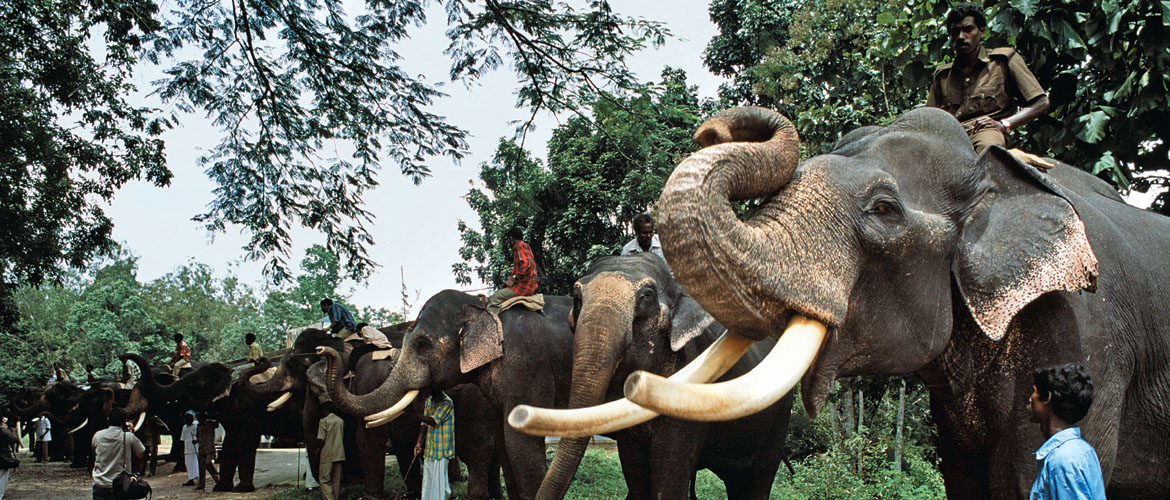
What makes Indira Gandhi Wildlife Sanctuary special is its remarkable biodiversity. The reserve protects several endangered species including the Bengal tiger, Asian elephant, Nilgiri tahr, lion-tailed macaque, and the elusive Nilgiri marten. The sanctuary's elevation ranges from 220 meters to 2,400 meters above sea level, creating diverse ecosystems from tropical moist deciduous forests to shola grasslands at higher altitudes.
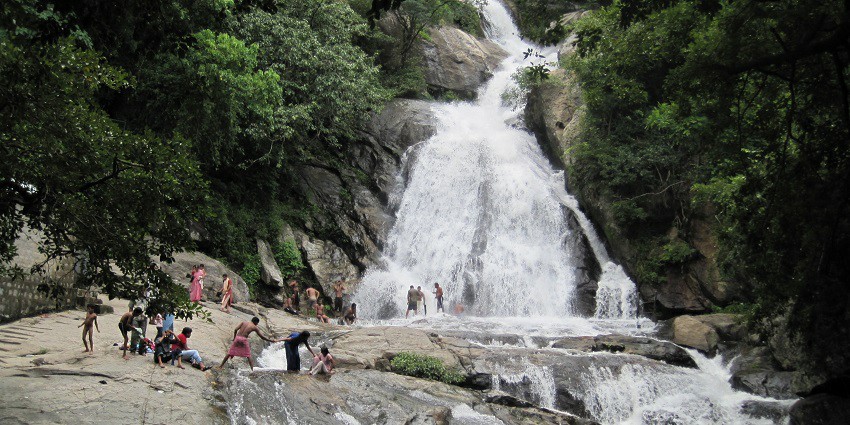
For wildlife enthusiasts and nature lovers, Indira Gandhi Wildlife Sanctuary offers a unique opportunity to experience the Western Ghats' incredible biodiversity. Unlike some of India's more crowded tiger reserves, this sanctuary provides a more intimate wilderness experience, with dense forests, cascading waterfalls, and the chance to spot wildlife in their natural habitat. The sanctuary is also a birdwatcher's paradise, with over 300 species recorded including the great hornbill, Nilgiri wood pigeon, and several endemic species.
This guide covers everything you need to plan your visit: safari information, permit requirements, the best season for wildlife sightings, how to reach the sanctuary, accommodation options, safety guidelines, and practical tips for making the most of your wildlife experience.
Sanctuary Overview
Indira Gandhi Wildlife Sanctuary is part of the Anamalai sub-cluster of the Western Ghats, one of the world's eight biodiversity hotspots. The sanctuary's landscape is characterized by steep slopes, deep valleys, and diverse forest types that create unique ecological niches for various species.
Key Facts
- Location: Coimbatore and Tiruppur districts, Tamil Nadu
- Area: 958 sq km
- Establishment: 1976 as wildlife sanctuary, 2007 as tiger reserve
- Elevation Range: 220m to 2,400m above sea level
- Forest Type: Tropical moist deciduous, shola, grasslands
Major Wildlife Species
Mammals:
- Bengal Tiger: The flagship species, though sightings are rare due to dense habitat
- Asian Elephant: Commonly sighted, particularly around water sources
- Nilgiri Tahr: Endangered mountain ungulate found at higher altitudes
- Lion-tailed Macaque: Endangered primate endemic to Western Ghats
- Nilgiri Langur: Another primate species unique to the region
- Gaur (Indian Bison): The largest wild bovine, frequently sighted
- Sambar and Spotted Deer: Common prey species
- Sloth Bear: Elusive but present in the sanctuary
Birds (300+ species):
- Great Hornbill (Malabar Pied Hornbill also sighted)
- Nilgiri Wood Pigeon
- Grey Junglefowl
- Endemic species: White-bellied Shortwing, Black-and-orange Flycatcher
Reptiles and Others:
- King Cobra, Python, various snake species
- Draco (flying lizards) commonly seen
- Numerous butterfly species including endemic ones
Permit and Safari Planning
Proper planning for permits and safaris is essential for a smooth sanctuary visit. Here's your practical guide:
Permit Requirements
Who Needs Permits:
- All visitors require entry permits to the sanctuary
- Indian citizens: Can obtain permits at the sanctuary entrance or forest department office
- Foreign nationals: Must obtain permits in advance from the Chief Wildlife Warden, Chennai
Permit Application Process for Indians:
- Visit the Forest Department Office in Pollachi or Topslip
- Submit ID proof (Aadhaar card, voter ID, or passport)
- Provide details of all visitors in your group
- Specify safari preference (vehicle safari or trekking)
- Pay permit fees at the counter
Permit Fees (Approximate):
| Category | Entry Fee | Safari Vehicle Fee | Camera Fee |
|---|---|---|---|
| Indian Adult | ₹50-100 | ₹3,000-4,000 per vehicle (6-seat) | ₹200-300 |
| Indian Child | ₹25-50 | Same vehicle | ₹100-150 |
| Foreign Adult | ₹300-500 | ₹3,500-5,000 per vehicle | ₹500-700 |
Important: Fees can change—check current rates before visiting. Foreign tourists should verify permit procedures as they may be subject to additional documentation.
Safari Options
Vehicle Safari (Jeep Safari):
- Duration: 2-3 hours
- Timing: Morning (6:00-9:00 AM) and Evening (3:00-6:00 PM)
- Vehicle Type: Forest department jeeps (6-seat capacity)
- Route: Designated trails through the sanctuary
- Booking: Book in person at Topslip or Pollachi forest office
- Best For: First-time visitors, families, those seeking comfort
Trekking Safari:
- Duration: Half-day to full-day treks
- Difficulty: Moderate to challenging
- Requirements: Forest guard mandatory, permit required
- Routes: Various trails from easy to challenging
- Best For: Adventure seekers, experienced trekkers
Booking Process
For Vehicle Safari:
- Arrive at Topslip entry point early (morning slots fill quickly)
- Obtain entry permit from forest department counter
- Book jeep safari (subject to availability)
- Pay all fees (entry + safari + camera)
- Wait for your allotted time slot
For Trekking Safari:
- Apply in advance at Pollachi Forest Division office
- Obtain written permission specifying trek route
- Hire mandatory forest guard (fee applies)
- Pay entry and trekking fees
- Safari bookings are first-come, first-served—no online booking system
- Weekend and holiday slots fill extremely quickly—arrive by 5:30 AM for best chance
- Only 6-8 safari vehicles operate daily—limited availability
- Temperature: 20-35°C (cooler in higher altitudes)
- Pros: Best wildlife sightings, animals congregate near water sources, vegetation is less dense
- Cons: Can be hot during day, forest dries out
- Best For: Tiger and elephant sightings, bird watching
- Temperature: 20-28°C
- Pros: Lush green forests, fewer tourists, active wildlife
- Cons: Heavy rainfall can make safaris challenging, trails slippery
- Best For: Nature photography, trekking enthusiasts
- Temperature: 18-28°C
- Pros: Fresh vegetation, moderate weather, good animal activity
- Cons: Can be crowded during weekends
- Best For: Balanced experience, scenic beauty
- Temperature: 15-25°C
- Pros: Pleasant weather, clear skies, good visibility
- Cons: Peak tourist season, more crowds, limited safari availability
- Best For: Family visits, comfortable safari conditions
- Always rare due to dense habitat and shy nature
- Summer months offer slightly better probability
- Multiple safari increases your chances
- Don't come expecting guaranteed sightings
- Relatively common, especially near water sources
- Morning and evening safaris best for elephant encounters
- Summer herds are larger as animals gather at water
- Excellent year-round, but winter months (Nov-Feb) best
- Morning safaris ideal for bird activity
- Bring binoculars and bird field guide
- Distance to sanctuary: 75 km (approx. 2.5 hours)
- Connected to: Chennai, Bangalore, Mumbai, Delhi, and international destinations
- Hire taxi or cab from airport
- Drive to Pollachi (40 km, 1 hour)
- Continue to Topslip entry point (35 km, 1.5 hours)
- Connected to Coimbatore and Dindigul
- Distance to sanctuary: 35 km (1 hour)
- Well-connected to major Indian cities
- Distance to sanctuary: 75 km (2.5 hours)
- Distance: 75 km
- Duration: 2.5-3 hours
- Route: Coimbatore → Pollachi → Topslip
- Distance: 35 km
- Duration: 1-1.5 hours
- Route: Pollachi → Topslip via Sethumadai
- Distance: 80 km
- Duration: 3-4 hours (scenic route through Chinnar Wildlife Sanctuary)
- Main entry point and safari starting point
- Forest department office, permit counter, interpretive center
- Basic accommodation available
- Entry point for Parambikulam Tiger Reserve (Kerala side)
- Requires separate permit for Kerala forest department
- Type: Basic forest rest house, dormitory
- Cost: ₹500-1,000 per night
- Amenities: Basic rooms, shared bathrooms, simple meals available
- Booking: Forest department office in Pollachi
- Best For: Budget travelers, those wanting to stay within sanctuary
- Range: 5-20 km from sanctuary entry
- Cost: ₹2,500-6,000 per night
- Amenities: Comfortable rooms, attached bathrooms, restaurant facilities
- Options: Various resorts in Sethumadai and Pollachi areas
- Booking: Online or direct with properties
- Range: Budget to mid-range options
- Cost: ₹1,000-3,000 per night
- Best For: Those wanting more dining and accommodation options
- Accommodation: ₹500-1,000 (forest rest house or dormitory)
- Meals: ₹600-800 (local restaurants, basic food)
- Safari: ₹600-700 (share of jeep cost)
- Permits & Fees: ₹250-400
- Transport: ₹400-800 (public bus from Coimbatore + local transport)
- Total: ₹2,350-3,700
- Accommodation: ₹2,000-3,000 (resort or hotel)
- Meals: ₹1,200-1,500 (resort restaurant + local eateries)
- Safari: ₹600-700 (share of jeep cost)
- Permits & Fees: ₹250-400
- Transport: ₹3,000-4,000 (hired car from Coimbatare for 2 days)
- Total: ₹7,050-9,600
- Accommodation: ₹4,000-6,000 (upscale resort)
- Meals: ₹2,000-3,000 (resort restaurant)
- Safari: ₹1,200-1,400 (exclusive jeep or multiple safaris)
- Permits & Fees: ₹250-400
- Transport: ₹5,000-7,000 (private cab with AC)
- Total: ₹12,450-17,800
- Remain inside vehicle at all times—no exceptions
- Don't tease or provoke animals
- Keep voices low—don't shout or play loud music
- Wear neutral-colored clothing (green, brown, khaki)
- Avoid bright colors or white that can startle wildlife
- Listen to your guide and driver's instructions at all times
- Always carry adequate water (minimum 2 liters per person)
- Wear proper trekking shoes with grip
- Use mosquito repellent, especially in monsoon
- Stay with your group and forest guard
- Don't venture off marked trails
- Carry basic first aid kit
- Inform guide about any medical conditions
- Don't feed animals—it's illegal and harmful
- Maintain safe distance from all wildlife
- Don't litter—carry all trash back with you
- Be prepared for weather changes—carry rain gear in monsoon
- Respect forest department rules and regulations
- Observe animals from a distance—don't approach for closer photos
- Don't use flash photography—disturbs wildlife
- Don't make animal calls or sounds to attract attention
- Respect the animals' space and natural behavior
- Take nothing but photographs, leave nothing but footprints
- Don't pluck plants or flowers
- Don't disturb rocks or natural features
- Use designated toilet facilities only
- Respect local customs and traditions
- Support local communities—buy local products when appropriate
- Employ local guides whenever possible
Important Notes:
Best Season and Sighting Windows
Choosing the right season significantly impacts your wildlife sightings and overall sanctuary experience.
Season Breakdown
Summer (March to May):
Monsoon (June to September):
Post-Monsoon (October to November):
Winter (December to February):
Wildlife Sighting Expectations
Tiger Sightings:
Elephant Sightings:
Bird Watching:
How to Reach and Route Planning
Indira Gandhi Wildlife Sanctuary is accessible by road from major cities in Tamil Nadu and Kerala.
By Air
Nearest Airport: Coimbatore International Airport (CJB)
From Coimbatore Airport:
By Rail
Nearest Railway Station: Pollachi Railway Station
Major Junction: Coimbatore Junction
By Road
From Coimbatore:
From Pollachi:
From Munnar (Kerala):
Entry Points
Topslip:
Parambikulam:
Stay and Budget Strategy
Accommodation options near Indira Gandhi Wildlife Sanctuary range from basic forest rest houses to private resorts.
Accommodation Options
Forest Department Accommodation (Topslip):
Private Resorts Nearby:
Hotels in Pollachi:
Budget Planning
Budget Traveler (Per Person - 2 Days/1 Night):
Mid-Range Traveler (Per Person - 2 Days/1 Night):
Comfort Traveler (Per Person - 2 Days/1 Night):
Safety and Responsible Travel Tips
Visiting a wildlife sanctuary requires following safety guidelines and practicing responsible tourism.
Safety Guidelines
During Safari:
For Trekking:
General Safety:
Responsible Travel Practices
Wildlife Viewing Ethics:
Environmental Responsibility:
Cultural Respect:
Common Mistakes to Avoid
Not Arriving Early Enough for Safari Booking
Safari bookings at Topslip operate on first-come, first-served basis with only 6-8 vehicles daily. Arriving at 9 AM means you'll likely get no slot. Arrive by 5:30 AM, especially on weekends and holidays, to secure your safari. Morning safari slots are particularly competitive—be prepared to wait or return for afternoon slot if morning is full.
Expecting Guaranteed Tiger Sightings
Unlike some African safaris, tiger sightings in Indian forests are never guaranteed. Dense vegetation makes tigers difficult to spot. Come for the overall wilderness experience, not just for tigers. Elephants, birds, and the forest itself are rewarding. If you see a tiger, consider it a bonus, not an expectation.
Visiting During Peak Monsoon Without Planning
Monsoon (June-September) transforms the sanctuary but also makes safari challenging. Heavy rains can cancel safaris, trails become slippery, and leeches are common. If visiting during monsoon, carry rain gear, waterproof footwear, leech socks, and be mentally prepared for potential safari cancellations.
Underestimating Altitude Variation
The sanctuary ranges from 220m to 2,400m elevation. If you're trekking to higher areas, be prepared for temperature drops and thinner air. Carry layers even if it feels warm at base—higher altitudes are significantly cooler, especially early morning and evening.
Ignoring Permits for Photography
Still photography requires a separate camera fee at the sanctuary. Video cameras may have different (higher) fees. Don't try to avoid paying camera fees—forest department checks equipment. Carry exact change for fees, and don't forget to declare your camera at the entry counter.
Not Carrying Essential Items
Basic items are not available within the sanctuary. Carry water, snacks, binoculars, camera batteries, mosquito repellent, sun protection, and any personal medications. Once your safari starts, you cannot stop to buy anything. Come prepared.
Disrespecting Wildlife or Habitat
Don't litter, don't feed animals, don't make noise, and don't try to get closer for better photos. These behaviors are not just unethical—they're illegal and can get you fined or ejected from the sanctuary. Remember, you're a guest in the animals' home.
Conclusion: Experiencing Western Ghats Wilderness
Indira Gandhi Wildlife Sanctuary offers one of South India's most authentic wildlife experiences. As part of the Anamalai Tiger Reserve and located in the ecologically crucial Western Ghats, the sanctuary protects remarkable biodiversity including endangered species found nowhere else on Earth. While tiger sightings may be rare, the opportunity to experience these ancient forests, spot elephants in the wild, watch endemic primates, and immerse yourself in nature makes every visit worthwhile.
The sanctuary's accessibility from Coimbatore and Pollachi makes it a feasible weekend destination from major South Indian cities. The limited safari vehicle fleet and first-come booking system require planning and early starts, but this controlled tourism helps maintain the sanctuary's wilderness character and prevents overcrowding.
Whether you're a wildlife enthusiast, nature photographer, birdwatcher, or simply someone seeking escape into pristine wilderness, Indira Gandhi Wildlife Sanctuary delivers. The lush forests, cascading waterfalls, diverse wildlife, and the opportunity to experience the Western Ghats' unique ecosystem create memories that last long after you've returned.
Visit responsibly, follow guidelines, and come with realistic expectations. The sanctuary rewards patience and respect. When you sit quietly in the jungle, listening to the sounds of the forest, waiting for wildlife to appear, you're participating in an ancient human experience—one of connection with wild nature that's increasingly rare in our modern world. Indira Gandhi Wildlife Sanctuary protects this experience, and by visiting responsibly, you help support its continued conservation.
Location
Frequently Asked Questions
Q1.What is the best season to visit Indira Gandhi Wildlife Sanctuary?
Q2.Are permits required before visiting?
Q3.What is the ideal duration for a sanctuary trip?
Q4.Is this suitable for family travelers?
Q5.What budget should be planned for a short wildlife trip?
Q6.What should visitors carry for safari?
Q7.What safety guidelines should be followed?
Q8.What common mistakes should travelers avoid?
Recommended For You
Mudumalai Wildlife Sanctuary: Safari Guide & Practical Tips
Plan Mudumalai Wildlife Sanctuary with practical safari timing advice, route options, season strategy, and family-friendly travel tips.
Parambikulam Tiger Reserve: Safari Booking, Stay & Eco Activities
Complete guide to Parambikulam Tiger Reserve Kerala - safari booking, timings, wildlife, how to reach, and accommodation.
Silent Valley National Park Kerala: Entry Rules, Trails & Best Season
Complete Silent Valley National Park Kerala travel guide covering permits, best time to visit, lion-tailed macaque, Kunthipuzha River, trekking, and practical travel tips for this pristine rainforest sanctuary.
Never Miss an Adventure
Get the latest trekking guides, travel tips, and exclusive offers delivered straight to your inbox.
