
Parambikulam Tiger Reserve: Safari Booking, Stay & Eco Activities

Ananya Sharma
February 19, 2026
Complete guide to Parambikulam Tiger Reserve Kerala - safari booking, timings, wildlife, how to reach, and accommodation.
Introduction: Kerala's Pristine Tiger Territory
Parambikulam Tiger Reserve stands as one of South India's most carefully protected wildlife destinations, nestled in the Palakkad district of Kerala. Part of the Parambikulam Wildlife Sanctuary, this reserve gained tiger reserve status in 2010 due to its significant population of Bengal tigers and rich biodiversity. For wildlife enthusiasts seeking an authentic forest experience away from commercial tourism, Parambikulam offers exceptional opportunities to witness Western Ghats wildlife in a relatively undisturbed setting.
What sets Parambikulam apart is its unique location bordering Tamil Nadu, creating a continuous forest corridor that includes the Anamalai Tiger Reserve. This connectivity allows free movement of wildlife across state boundaries, supporting healthy populations of elephants, tigers, leopards, and numerous other species. The reserve's commitment to conservation and responsible tourism makes it a model for sustainable wildlife tourism in India.
About Parambikulam Tiger Reserve
Spread across 643.66 square kilometers, Parambikulam Tiger Reserve encompasses diverse habitats ranging from tropical wet evergreen forests to dry deciduous forests and grasslands. The reserve's elevation varies from 300 to 1,400 meters above sea level, creating multiple ecological zones that support remarkable species diversity.
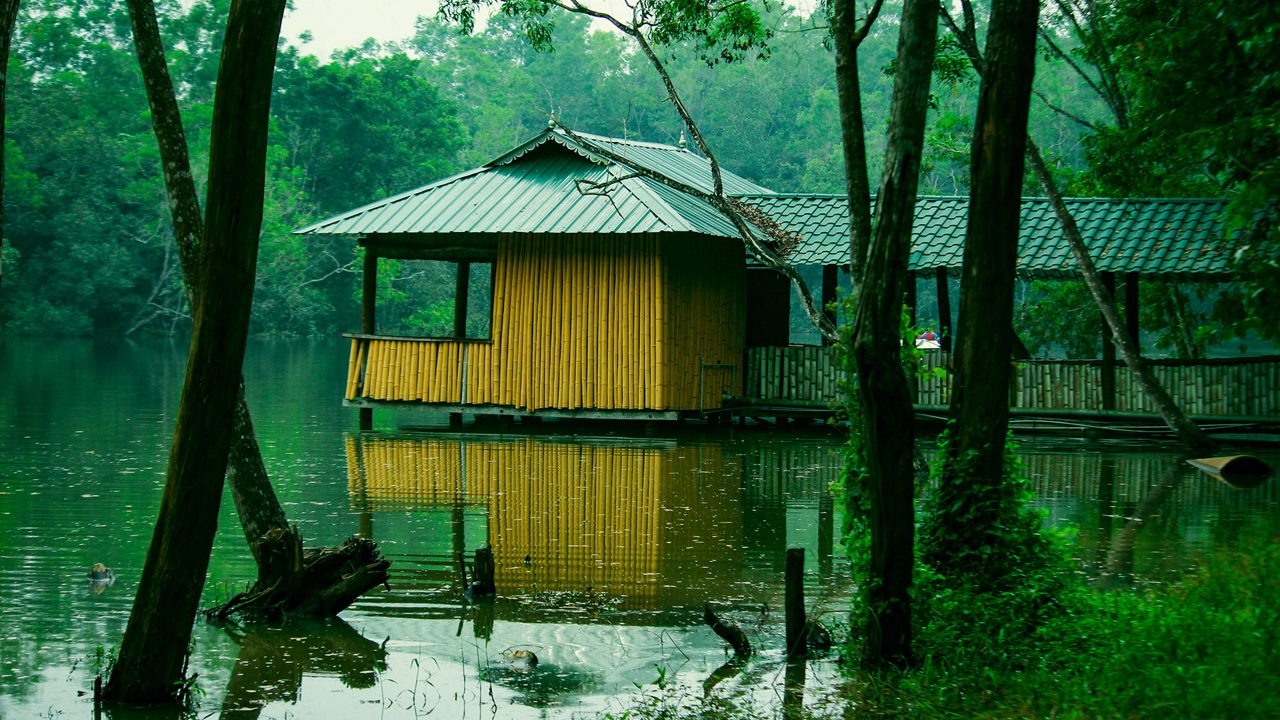
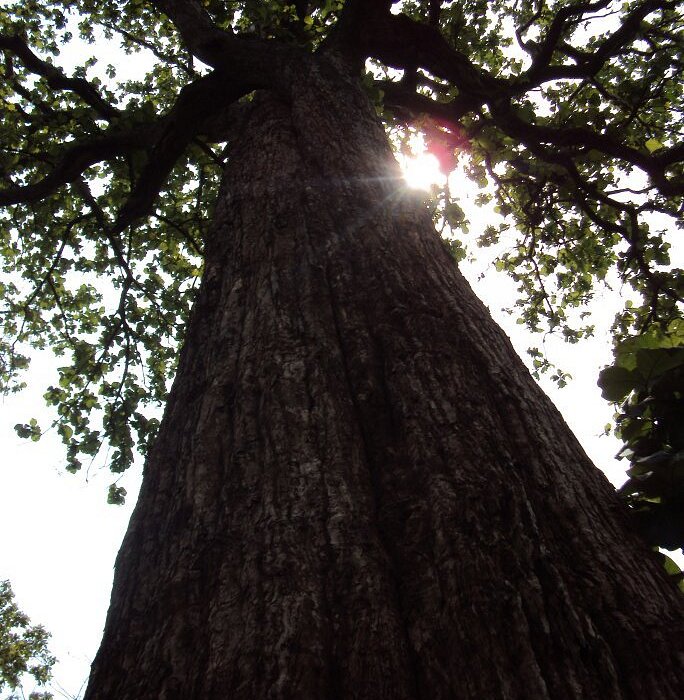
The reserve is named after the Parambikulam Dam, which forms a large reservoir within the forest boundaries. This water body attracts wildlife, especially during summer months, and adds scenic beauty to the landscape. The reserve's history includes successful conservation efforts, particularly the revival of the Kannimara teak tree—believed to be one of the oldest and largest teak trees in the world, estimated to be over 400 years old.
Wildlife at Parambikulam
The tiger population at Parambikulam is significant but these elusive cats require patience and luck to spot. More commonly sighted are Asian elephants, which move freely through the reserve in herds. The elephant population here is healthy and visitors frequently encounter these gentle giants, especially near water sources.
Other notable mammals include leopards, sloth bears, wild dogs (dhole), Nilgiri langur, lion-tailed macaque (in select areas), sambar deer, spotted deer, barking deer, and Indian gaur (bison). The reserve's reptile diversity includes king cobras, pythons, various viper species, and monitor lizards.
Birdwatchers can record over 250 species including the great hornbill, Malabar grey hornbill, Ceylon frogmouth, and various birds of prey. The reservoir attracts waterbirds and waders, adding to the birding diversity.
Best Time to Visit Parambikulam
The reserve remains open from October to May, with each season offering distinct experiences. Summer months generally provide better wildlife visibility as animals congregate around water sources, though temperatures can be high.
| Season | Conditions | Recommendation |
|---|---|---|
| October-February | Pleasant weather, green landscapes | Best for general wildlife viewing and comfortable safaris |
| March-May | Hot and dry, animals near water | Best for elephant and gaur sightings, challenging weather |
| June-September | Closed for monsoon | NA (heavy rainfall makes access impossible) |
Safari Experience and Activities
Unlike some commercial tiger reserves, Parambikulam maintains strict control over tourist activities, limiting vehicle numbers and enforcing responsible viewing protocols. Jeep safaris are the primary means of wildlife exploration, accompanied by trained naturalist guides who enhance the experience with their knowledge of forest ecology.
The reserve offers both day safaris and limited stay options within forest department properties. Boat safaris on the Parambikulam reservoir provide a different perspective, allowing visitors to approach wildlife that comes to the water's edge. Trekking is permitted on designated trails with mandatory guide accompaniment.
- Jeep Safari: 2-3 hour guided drives through core forest areas
- Boat Safari: Reservoir-based viewing for wildlife and birds
- Trekking: Guided nature walks on designated trails
- Tribal Heritage: Visit to local tribal settlements (by prior arrangement)
Permits and Entry Requirements
All visitors require entry permits, which can be obtained at the Parambikulam check post or booked in advance through the Kerala Forest Department website. The reserve follows strict entry protocols to minimize disturbance to wildlife. Foreign nationals may need additional documentation.
- Entry Fee: Nominal charge plus vehicle safari fees
- Guide Mandatory: All activities require forest department guide accompaniment
- Vehicle Restrictions: Only registered safari vehicles allowed inside
- ID Proof: Carry original ID for permit verification
How to Reach Parambikulam Tiger Reserve
Parambikulam is accessible through Palakkad district in Kerala. The journey involves road travel through plantation areas and forest fringes. The nearest major town is Pollachi in Tamil Nadu, which serves as a common access point.
- From Palakkad: ~135 km, approximately 4 hours via Pollachi
- From Coimbatore: ~100 km, approximately 3 hours
- From Kochi: ~200 km, approximately 6 hours
- Nearest Railway: Pollachi station (65 km away)
- Nearest Airport: Coimbatore International (100 km away)
Where to Stay Near Parambikulam
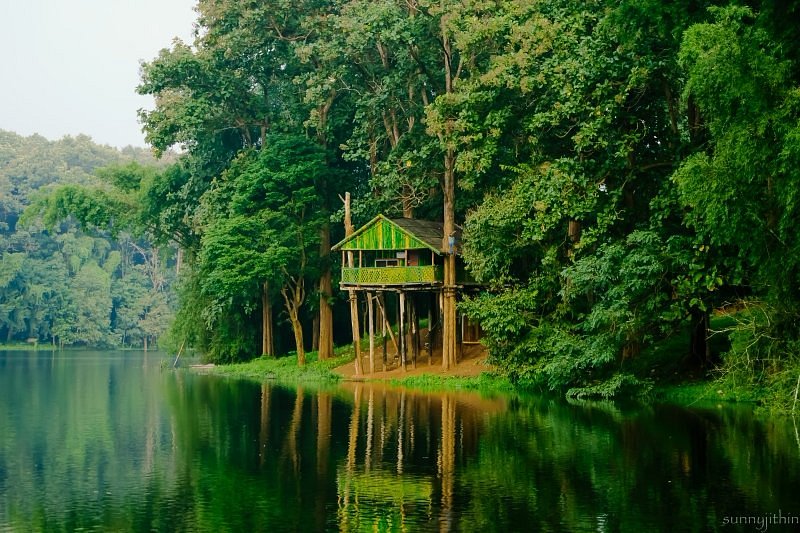
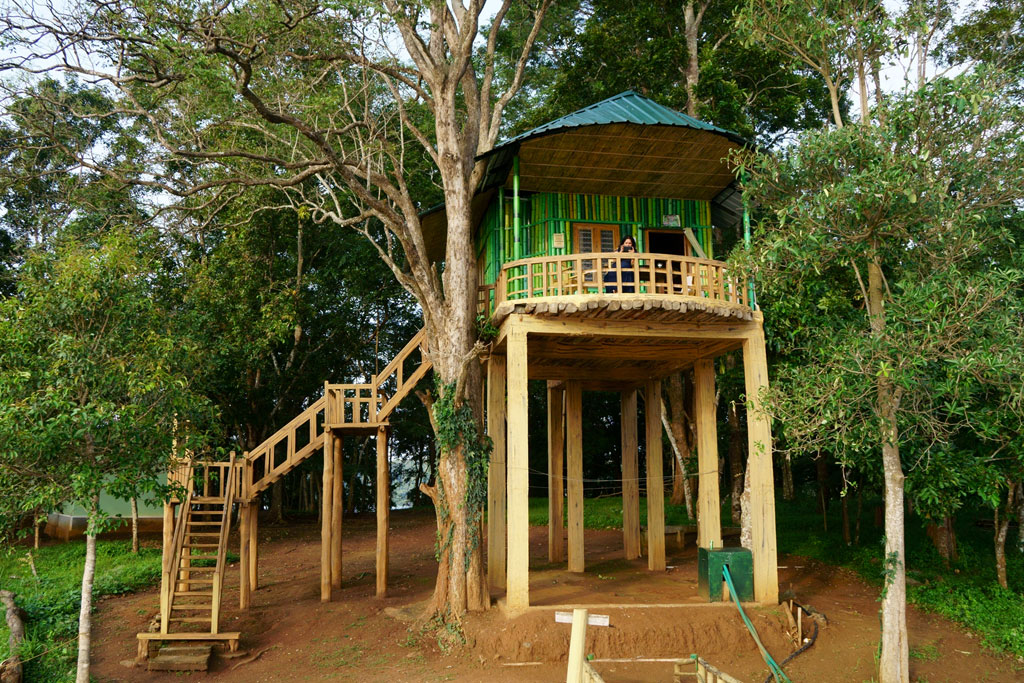
Accommodation options include forest department properties within the reserve and private accommodations in nearby towns. The reserve offers basic dormitory facilities and tented camps for those seeking an immersive forest experience. These should be booked well in advance as availability is limited.
- Forest Tent Accommodation: Basic tented camps within reserve (advance booking required)
- Tree Houses: Elevated forest stays with basic amenities
- Pollachi Town: Range of hotels and homestays
- Palakkad: Urban accommodation options for base camping
Tips for Visiting Parambikulam
Parambikulam demands preparation different from typical tourist destinations. The forest environment creates specific conditions that visitors should anticipate.
- Wear neutral-colored, comfortable clothing
- Carry binoculars for wildlife viewing
- Bring sufficient water and snacks
- Apply effective insect repellent
- Respect strict forest rules and silence protocols
- Carry a light jacket for early morning safaris
- Maintain distance from all wildlife
Photography Guidelines
Wildlife photography at Parambikulam requires patience and respect for animal welfare. Use telephoto lenses to maintain distance from animals. Avoid flash photography as it disturbs wildlife. Remember that certain zones may restrict photography or require additional permissions. Drone photography is prohibited without special permits.
The Kannimara Teak
A unique attraction within Parambikulam is the Kannimara teak tree, believed to be over 400 years old with a girth of approximately 6.5 meters. This ancient tree is considered the oldest and largest naturally growing teak tree in the world. Local tribal communities regard it as sacred, and the tree has become a symbol of the reserve's conservation heritage. Visiting this living monument requires a short trek from the main road.
Tribal Heritage and Community Involvement
Parambikulam is home to indigenous tribal communities who have traditionally inhabited these forests. The reserve involves local communities in conservation and ecotourism activities, creating a model of participatory forest management. Visitors interested in tribal culture can arrange visits to settlements and learn about traditional forest-based lifestyles. These interactions must be respectful and arranged through proper channels.
Combining Parambikulam with Other Destinations
Parambikulam can be combined with other South India wildlife destinations for a comprehensive nature experience. Consider pairing with Topslip in Anamalai Tiger Reserve, Silent Valley National Park, or Munnar for hill station experience.
Responsible Tourism at Parambikulam
Parambikulam sets high standards for responsible wildlife tourism. The reserve limits visitor numbers, enforces strict waste management, and prioritizes animal welfare over tourist satisfaction. Visitors should respect these principles by avoiding litter, maintaining silence during wildlife encounters, and following all guidelines issued by forest department staff.
Budget Planning
| Expense Category | Budget Range | Notes |
|---|---|---|
| Safari Tickets | ₹300-800 per person | Varies by safari type and duration |
| Accommodation | ₹500-3000 per night | From forest dorms to private hotels |
| Transport | Variable | |
| Food | ₹200-600 per meal | Basic options available locally |
Family and Children Considerations
Parambikulam can work for families with children above age 8 who have genuine interest in wildlife. The basic facilities and controlled environment require children who can follow instructions and appreciate the nature experience. Morning safaris are better for families as temperatures are cooler and wildlife more active.
Common Mistakes to Avoid
- Expecting guaranteed tiger sightings (they remain elusive)
- Visiting during peak summer without proper preparation for heat
- Ignoring permit requirements and trying to enter without booking
- Underestimating travel time from access points
- Disrespecting forest guidelines or wildlife viewing protocols
Safety Information
While guided safaris are generally safe, remember that you are entering a wild environment. Never exit vehicles during safari, maintain silence during animal sightings, and follow guide instructions immediately. Emergency evacuation from remote areas can take time, so carry basic first aid supplies and any personal medications.
Weather and Climate
Parambikulam receives significant rainfall averaging 2,500-3,000 mm annually. Temperatures range from 15°C in winter to 35°C in summer. Humidity remains high year-round. Even in drier months, rain can occur unexpectedly in this tropical forest ecosystem.
Conclusion
Parambikulam Tiger Reserve offers a refined wildlife experience that balances tourism with conservation priorities. For visitors who appreciate responsible wildlife viewing, are willing to accept basic facilities, and understand that nature operates on its own schedule, Parambikulam provides profound connection with South India's forest heritage and the magnificent creatures that call it home.
Location
Frequently Asked Questions
Q1.What is the best time to visit Parambikulam Tiger Reserve?
Q2.How can I book safari tickets for Parambikulam?
Q3.What wildlife can I spot at Parambikulam Tiger Reserve?
Q4.What are the safari timings at Parambikulam?
Q5.Is Parambikulam Tiger Reserve safe for families?
Q6.How do I reach Parambikulam Tiger Reserve?
Recommended For You

Places to Visit in Kovalam Kerala: Beaches, Lighthouse & Day Trips
Discover places to visit in Kovalam Kerala with beach-by-beach planning, lighthouse views, activities, wellness options, and practical travel tips.
National Parks in Kerala: Wildlife Zones, Safari Types & Travel Tips
Explore Kerala's national parks with this complete wildlife travel guide featuring Eravikulam, Periyar, Silent Valley, and more with practical planning tips.
Periyar Wildlife Sanctuary Thekkady: Boating Safari & Entry Details
Complete guide to Periyar Wildlife Sanctuary Thekkady - boat safari booking, timings, best time to visit, elephants, and accommodation.
Never Miss an Adventure
Get the latest trekking guides, travel tips, and exclusive offers delivered straight to your inbox.
