
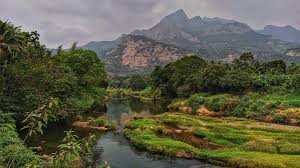
Silent Valley National Park Kerala: Entry Rules, Trails & Best Season
Rohan Malhotra
January 29, 2026
Complete Silent Valley National Park Kerala travel guide covering permits, best time to visit, lion-tailed macaque, Kunthipuzha River, trekking, and practical travel tips for this pristine rainforest sanctuary.
Introduction: Kerala's Pristine Rainforest Sanctuary
Silent Valley National Park stands as one of India's most precious ecological treasures, a protected area that represents the last stretch of pristine evergreen rainforest in South India. Located in the Nilgiri Hills of Kerala's Palakkad district, this 237 square kilometer national park derives its name from the absence of cicadas, which typically create a constant buzzing in tropical forests. This unusual silence led British explorers to name it "Silent Valley," a designation that perfectly captures the park's serene, almost mystical atmosphere.
What makes Silent Valley truly exceptional is its ecological significance. The park protects the Kunthipuzha River, which flows through its entire length, and serves as a critical watershed for the Bharathapuzha River, Kerala's second-longest river. The forest's incredible biodiversity includes over 1,000 species of flowering plants, 200 species of orchids, 100 species of ferns, and 128 species of mammals, birds, reptiles, and amphibians. Many of these species are found nowhere else on Earth.
For travelers seeking authentic rainforest experiences away from commercialized tourist circuits, Silent Valley offers something rare: an opportunity to explore one of the world's oldest ecosystems with minimal human disturbance. Unlike many wildlife destinations that prioritize tourism over conservation, Silent Valley maintains strict environmental protocols that limit visitor numbers and activities. This commitment to preservation creates an experience that feels less like a tourist attraction and more like a privileged glimpse into Earth's ancient past.
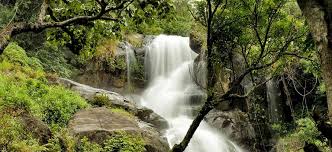
Quick Facts About Silent Valley National Park
| Travel Factor | Details |
|---|---|
| Location | Palakkad district, Kerala |
| Area | 237 square kilometers | Altitude | 900-2,300 meters above sea level |
| Best Season | December to April |
| Ideal Duration | 1 day |
| Famous For | Pristine rainforest, lion-tailed macaque, Kunthipuzha River |
| Nearest Airport | Coimbatore Airport (95 km) |
| Nearest Railway | Palakkad Railway Station (60 km) |
Why Silent Valley Matters: A Conservation Success Story
Silent Valley National Park represents one of India's most significant environmental conservation victories. In the 1970s, the Kerala State Electricity Board proposed a hydroelectric dam across the Kunthipuzha River within the Silent Valley area. This project would have submerged 8.3 square kilometers of pristine rainforest, destroying habitat for numerous endangered species including the iconic lion-tailed macaque, a primate found only in the Western Ghats.
What followed was one of India's first major environmental campaigns. Scientists, conservationists, and local communities united to oppose the dam, highlighting Silent Valley's irreplaceable ecological value. The campaign gained international attention and support, ultimately forcing the government to abandon the project in 1983. In 1984, Silent Valley was declared a national park, and in 1985, it became part of the Nilgiri Biosphere Reserve, UNESCO's first biosphere reserve in India.
This conservation history adds profound meaning to every visit. When you walk through Silent Valley's forests, you're not just experiencing nature—you're witnessing the result of passionate environmental advocacy that preserved something irreplaceable for future generations.
The Biodiversity of Silent Valley
Silent Valley's isolation and protection have created a refuge for species that have disappeared from elsewhere in the Western Ghats. The park's biodiversity is extraordinary even by rainforest standards.
Flagship Species: The Lion-Tailed Macaque
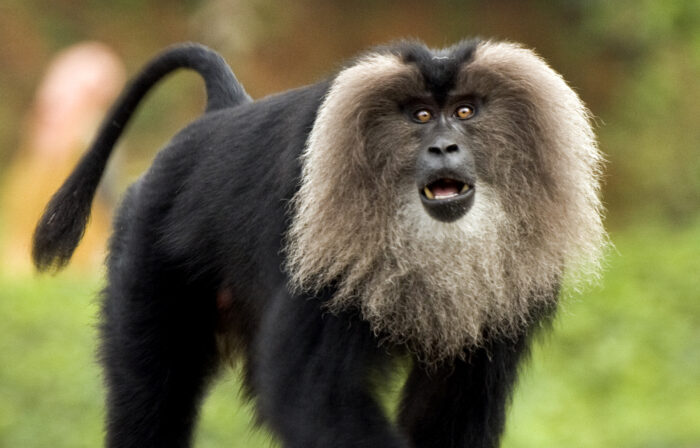
The lion-tailed macaque is Silent Valley's most famous resident. This endangered primate, named for its distinctive tail that resembles a lion's, is found only in the Western Ghats. Silent Valley protects one of the largest remaining populations, with approximately 100-120 individuals in the park. These primates are canopy dwellers, rarely descending to the ground. Seeing them swing through the forest canopy, their silver manes catching dappled sunlight, represents one of India's most memorable wildlife encounters.
Other Wildlife Highlights
Beyond the lion-tailed macaque, Silent Valley hosts remarkable biodiversity. The endangered Nilgiri langur, another primate endemic to the Western Ghats, shares these forests. The elusive Malabar giant squirrel, with its stunning purple-and-blue coat, can be spotted in the canopy. Tigers, leopards, and dholes (wild dogs) inhabit the park but are rarely seen due to dense vegetation.
Birdlife is spectacular, with over 200 species recorded including the Great Indian hornbill, Malabar grey hornbill, and numerous endemic species like the Nilgiri wood pigeon and blue-winged parakeet. Reptiles include the king cobra and numerous endemic snake species. The park's butterfly diversity is extraordinary, with over 120 species including some found only in these forests.
Best Time to Visit Silent Valley
Silent Valley's location in the Western Ghats creates distinct seasonal variations that significantly affect the visitor experience. Understanding these patterns helps you choose the ideal time for your visit based on your priorities.
Winter (December to February)
Winter offers the most reliable weather for visiting Silent Valley. Rainfall is minimal, temperatures are comfortable (15°C-25°C), and humidity levels are lower than other seasons. This is peak season for visitors, so you may encounter other groups on the main trail. However, the park's permit system and limited entry mean it never feels crowded. Wildlife viewing is good during this period as animals are active in the pleasant weather.
Summer (March to May)
Summer brings warmer temperatures (25°C-32°C) but remains manageable in the shaded forest. This off-season period offers advantages: fewer visitors, easier permit availability, and better wildlife sightings as animals congregate around water sources. However, humidity can be high, making forest walks more strenuous. Carry adequate water and take breaks as needed.
Monsoon (June to November)
Silent Valley receives torrential rainfall during the southwest and northeast monsoons. While the forest looks spectacular in the rain, visiting becomes challenging. Trails become slippery and hazardous, leeches are abundant, and the park frequently closes during heavy rain periods. Only experienced monsoon trekkers with proper gear should consider visits during this time. Most visitors avoid monsoon months.
| Season | Months | Conditions | Recommendation |
|---|---|---|---|
| Winter | Dec-Feb | Dry, pleasant temperatures | Best overall conditions, ideal for first-time visitors |
| Summer | Mar-May | Warm, humid | Good for wildlife, fewer crowds, challenging for some |
| Monsoon | Jun-Nov | Heavy rainfall, leeches | Not recommended except for experienced rainforest enthusiasts |
Entry Permits and Booking Process
Silent Valley National Park requires advance permits for all visitors. The permit system limits daily entries to protect the fragile ecosystem, so planning ahead is essential.
How to Obtain Permits
Visit the official Kerala Forest Department website or contact the Silent Valley Divisional Forest Office in Mukkali. Permits must be obtained at least 24-48 hours in advance, though booking a week or more ahead is recommended during peak season (December-February). You'll need to provide identification details, number of visitors, and preferred date of visit.
Permit Costs
- Entry Fee: ₹100-200 per person (varies by visitor category)
- Guide Fee: ₹250-500 per guide (mandatory for all visitors)
- Camera Fee: Separate charges for professional cameras
- Vehicle Fee: If taking private transport to the entrance
Important Notes
Permits are issued for specific time slots, and visitors must enter during their designated window. The number of daily permits is limited, and quotas can fill weeks in advance during peak season. Carry valid ID proof (passport for international visitors) matching the permit details. Children may need separate permits depending on age.
How to Reach Silent Valley
Silent Valley's location in Kerala's Palakkad district makes it accessible from multiple cities, though the final approach involves travel through forest areas.
By Air
Coimbatore International Airport (CJB) in Tamil Nadu, approximately 95 kilometers away, serves as the nearest airport. From Coimbatore, hire a taxi or take a bus to Silent Valley—the journey takes approximately 3 hours. Kochi's Cochin International Airport (COK) is another option at 135 kilometers, though the journey is longer (4-5 hours).
By Rail
Palakkad Junction Railway Station (around 60 kilometers from Silent Valley) serves as the nearest major railhead with connections to cities across South India. From Palakkad, taxis and buses are available to Mukkali, the park's base point. The journey takes approximately 2 hours.
By Road
Silent Valley is accessible by road via Mukkali, where the park's reception center is located. The route from Palakkad involves travel through Attappady region. The roads are generally in good condition except for the final stretch, which can be rough. Private vehicles are allowed up to Mukkali, but forest department vehicles typically transport visitors from there into the park.
| From | Distance | Travel Time | Best Mode |
|---|---|---|---|
| Coimbatore | 95 km | 3 hours | Taxi, Bus |
| Palakkad | 60 km | 2 hours | Taxi, Bus |
| Kochi (Cochin) | 135 km | 4-5 hours | Taxi, Bus |
| Coimbatore Airport | 105 km | 3.5 hours | Taxi |
The Silent Valley Experience: What to Expect
Unlike many national parks that offer jeep safaris or extensive trail networks, Silent Valley's visitor experience is deliberately limited and controlled. The park offers one main nature trail accessible to general visitors: the path from Sairandhri to the Kunthipuzha River watchtower. This approximately 2-kilometer walk through pristine rainforest represents the core Silent Valley experience for most travelers.
The Journey to Sairandhri
The adventure begins at Mukkali, where visitors complete permit formalities and meet their mandatory forest guide. From Mukkali, forest department vehicles transport visitors approximately 20 kilometers through buffer forest areas to Sairandhri, the main visitor zone. This journey itself offers opportunities to spot wildlife along the road—keep your eyes open for langurs, giant squirrels, and various bird species.
The Sairandhri Nature Trail
From Sairandhri, a well-maintained trail winds through dense evergreen forest to the Kunthipuzha River. The walk takes approximately 1-2 hours round trip, depending on your pace and how often you stop for wildlife observation and photography. Your guide, typically a local tribal person with intimate forest knowledge, will point out interesting plants, animal signs, and hopefully some wildlife.
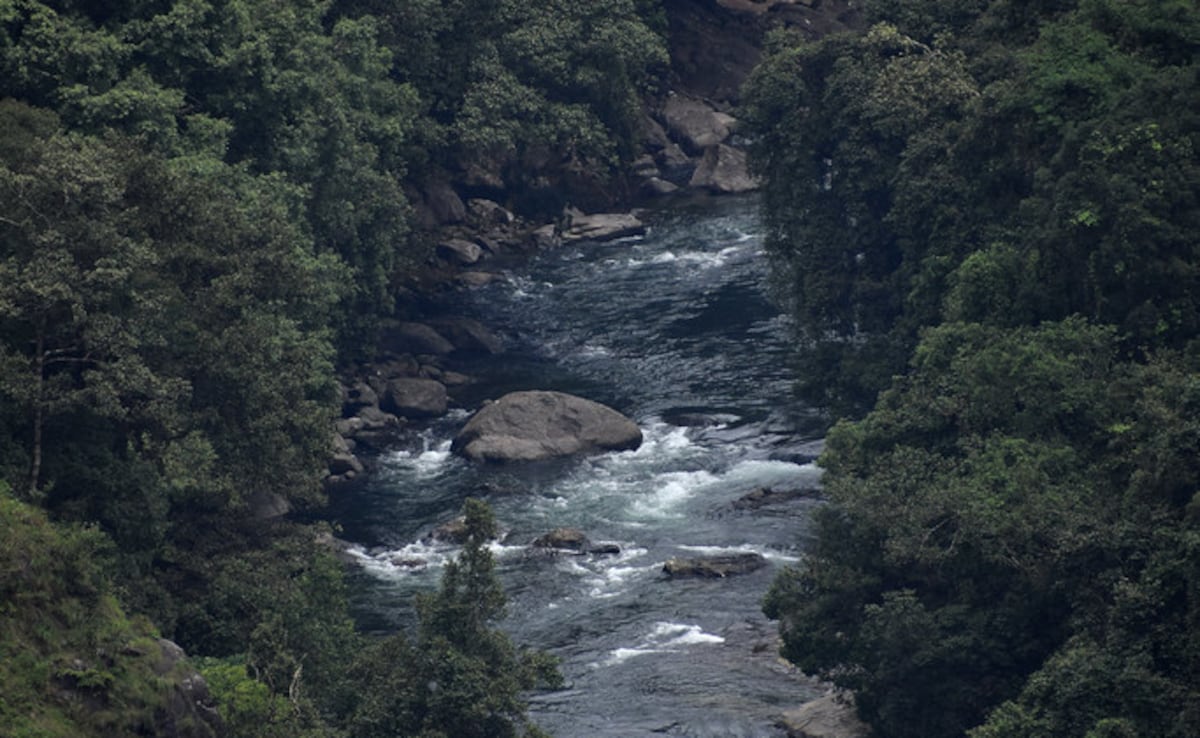
The trail passes through spectacular forest with trees reaching 40 meters or more in height, their canopies forming a green ceiling that filters sunlight into a soft glow. The understory is rich with ferns, orchids, and lianas. The soundscape is remarkable: bird calls, the rustle of leaves in the canopy, and the constant music of the Kunthipuzha River flowing nearby.
The River Watchtower
The trail ends at a watchtower overlooking the Kunthipuzha River. This vantage point offers views of the crystal-clear river flowing through dense forest—a scene that has remained essentially unchanged for millions of years. The watchtower area is a perfect spot to sit quietly, listen to the forest, and absorb the ancient atmosphere of this special place. Lion-tailed macaques are sometimes seen in the canopy around this area.
Trekking Opportunities
For experienced trekkers seeking more intensive experiences, Silent Valley offers limited multi-day trekking options that require special permits and advance planning. These treks traverse deeper into the park, reaching areas that see very few human visitors. Treks typically involve camping in designated zones with strict environmental protocols. Contact the Forest Department well in advance if interested in these specialized experiences.
Where to Stay Near Silent Valley
Accommodation options near Silent Valley are limited compared to mainstream tourist destinations, reflecting the park's protected status and focus on conservation.
Mukkali Forest Rest House
The Kerala Forest Department operates basic rest house accommodation at Mukkali. These are simple rooms with minimal amenities—appropriate for travelers seeking immersion in the forest experience rather than luxury. Advance booking through the Forest Department is essential, especially during peak season.
Private Homestays and Guesthouses
Several homestays and guesthouses operate in areas around Mukkali and Attappady. These offer basic to mid-range accommodation with home-cooked meals. Staying with local families provides cultural insights and supports communities living near the forest. The Ttribal communities of the Attappady region have rich traditions connected to the forest.
Hotels in Palakkad and Mannarkkad
For those preferring more standard hotel accommodation, Palakkad (60 km) and Mannarkkad (35 km) offer various hotel options. These towns can serve as base points, with early morning departures to Silent Valley for day visits. However, this involves significant travel time each day.
Essential Packing List for Silent Valley
Silent Valley's rainforest environment requires specific gear and preparations. Your packing list should reflect the conditions you'll encounter.
- Leech Socks: Essential during and after rainy season. These tight-fitting socks prevent leeches from crawling up your legs. Available at local shops near the park entrance if you don't own them.
- Rain Gear: Quality rain jacket or poncho is essential regardless of season. Even in drier months, rainforest conditions can bring sudden showers.
- Sturdy Footwear: Hiking boots or sturdy shoes with good grip. The trail can be slippery, even when dry. Avoid sandals or smooth-soled shoes.
- Light Layers: The forest stays humid year-round. Wear lightweight, breathable clothing. Long sleeves and long pants protect from insects and vegetation.
- Insect Repellent: Forest areas have mosquitoes and other insects. Natural repellents work well and are environmentally preferable.
- Water and Snacks: Carry adequate water (at least 2 liters per person) and energy-rich snacks. No food or water is available once you leave Sairandhri.
- Camera Equipment: The dim forest light requires cameras that perform well in low light. Telephoto lenses help capture shy wildlife. Waterproof protection for gear is essential.
- Backpack: A comfortable daypack to carry everything. Waterproof covers are advisable given rainforest conditions.
Travel Tips for Silent Valley
- Book Permits Early: During peak season, permits can sell out weeks in advance. Plan ahead and book as early as possible.
- Respect Your Guide: Guides are mandatory and for good reason—they keep you safe and enhance the experience immensely. Listen to their instructions about wildlife, trail conditions, and safety.
- Stay on Trails: Venturing off designated trails is prohibited and dangerous. The forest is dense, and it's easy to become disoriented.
- Maintain Silence: You're in a place named for its silence. Keep voices low, avoid sudden noises, and immerse yourself in the forest soundscape. Quiet behavior also increases wildlife viewing opportunities.
- No Feeding Wildlife: Never feed animals or leave food scraps. This disrupts natural behavior and creates dependency on humans.
- Carry Out All Waste: Silent Valley has strict no-trace policies. Everything you bring in must come out. This includes organic waste like fruit peels.
- Check Weather Conditions: Forest conditions can change rapidly. If weather becomes dangerous, your guide may need to turn back. Respect these decisions for your safety.
- Start Early: Morning is the best time for wildlife viewing and forest walks. Animals are most active, and the light is beautiful for photography.
- Carry Cash: Digital payments may not work in forest areas. Carry sufficient cash for fees, guide tips, and emergencies.
- Be Patient: Wildlife viewing in dense rainforest requires patience. You might not see flagship species like lion-tailed macaques, but the forest itself is the reward.
Silent Valley for Different Types of Travelers
Wildlife Enthusiasts
Silent Valley offers genuine rainforest wildlife experiences, though expectations must be realistic. Dense vegetation makes viewing challenging compared to open savannah parks. However, the species you encounter—lion-tailed macaques, Nilgiri langurs, Malabar giant squirrels, endemic birds—are remarkable and mostly found nowhere else. Patience and luck play major roles in wildlife sightings here.
Nature Photographers
The rainforest environment presents both opportunities and challenges. The dim, filtered light creates magical atmospheres but requires technical skill. Telephoto lenses help capture shy canopy wildlife. Macro photography opportunities abound—insects, fungi, orchids, and ferns create a miniature world worth exploring. Carry rain protection for equipment and microfiber cloths for moisture.
Adventure Seekers
While the main trail is accessible to most fitness levels, Silent Valley's true adventure lies in its multi-day trekking options for experienced hikers. These treks venture deep into the forest, requiring excellent physical fitness, mental resilience, and comfort with basic camping conditions. Permits are limited and strictly controlled. If you're an experienced trekker seeking authentic wilderness, these expeditions deliver unforgettable experiences.
Families with Children
Silent Valley can work for families with older children (10+ years) who have reasonable fitness levels and attention spans. The 2-kilometer trail is manageable but involves walking over uneven terrain. The educational value regarding rainforest ecology and conservation is tremendous. However, young children may struggle with the walking conditions and limited wildlife sightings. Ensure children understand the importance of staying on trails and maintaining silence.
Combining Silent Valley with Other Kerala Destinations
Silent Valley works beautifully as part of a broader Kerala itinerary that explores the state's diverse natural environments. The park's location in central Kerala makes it a logical stop between other destinations.
For wildlife enthusiasts, combining Silent Valley with Wayanad's wildlife sanctuaries creates an excellent Kerala wildlife circuit, showcasing rainforest and dry forest ecosystems. Hill station lovers can pair Silent Valley with Munnar's tea plantations and Eravikulam National Park, experiencing the diverse habitats of the Western Ghats.
The journey from Coimbatore to Silent Valley can also include stops in Ooty or Coonoor, popular hill stations in Tamil Nadu's Nilgiri district. For travelers interested in Kerala's cultural heritage, Palakkad offers historic forts, traditional architecture, and classical music performances worth exploring.
Responsible Tourism at Silent Valley
Silent Valley exists because people fought to protect it. As a visitor, your responsibility is to continue that protection through your behavior and choices. The park's delicate ecosystem took millions of years to evolve but can be damaged quickly by irresponsible behavior.
Follow every instruction from your guide without question—they know this forest intimately and understand its dangers. Never remove plants, animals, or any natural material. The forest's nutrient cycle depends on everything remaining in place. Photograph responsibly—no disturbing animals for shots, no using flash, and no trespassing into restricted areas. Remember that you're a guest in a home that belongs to the forest's inhabitants.
Budget Planning for Silent Valley
| Expense Category | Budget Range (Per Person) | Notes |
|---|---|---|
| Park Entry Permit | ₹100-200 | Varies by visitor category (Indian/foreign) |
| Mandatory Guide | ₹250-500 | Shared among group members |
| Transport to Sairandhri | ₹200-400 | Forest department vehicle fee |
| Accommodation | ₹500-2000 per night | Forest rest house or local homestays |
| Meals | ₹200-500 per day | Homestay meals or local restaurants |
Conclusion: The Gift of Silent Valley
Silent Valley National Park represents something increasingly rare on our planet: a substantial tract of essentially undisturbed rainforest that has never known significant human habitation or exploitation. When you walk through these forests, you're experiencing an ecosystem that has evolved largely unchanged for millions of years. The silence that gave this place its name isn't an absence of sound—it's the presence of a soundscape unsullied by human noise, a natural symphony that has played here since long before our species existed.
For travelers seeking more than conventional wildlife tourism, Silent Valley offers an experience that is both privilege and responsibility. The privilege is witnessing Earth's ancient heritage in its authentic form. The responsibility is ensuring that our presence doesn't diminish what makes this place special. Every visitor to Silent Valley becomes part of its ongoing story—part of the lineage that values wild places enough to fight for their protection.
Whether you glimpse a lion-tailed macaque moving through the canopy, stand beside the crystal Kunthipuzha River, or simply breathe air purified by million-year-old trees, Silent Valley leaves an imprint that doesn't fade. In a world where truly wild places are disappearing, Silent Valley endures as testimony to what conservation can achieve and a reminder of what remains worth fighting for.
Location
Frequently Asked Questions
Q1.What is the best time to visit Silent Valley National Park?
Q2.How do I get a permit for Silent Valley National Park?
Q3.Can Silent Valley be visited as a one-day trip?
Q4.Is Silent Valley suitable for family travel?
Q5.What wildlife can visitors expect to see in Silent Valley?
Q6.What should I carry for a Silent Valley visit?
Q7.How do I reach Silent Valley National Park?
Q8.What are common mistakes travelers make when visiting Silent Valley?
Recommended For You
Kuruvadweep Wayanad: Entry Fee, Timings & Bamboo Rafting Info
Kuruvadweep Wayanad guide covering entry timing logic, route planning, best season, things to do, and practical eco-travel tips for a smooth visit.
Parambikulam Tiger Reserve: Safari Booking, Stay & Eco Activities
Complete guide to Parambikulam Tiger Reserve Kerala - safari booking, timings, wildlife, how to reach, and accommodation.
Periyar Wildlife Sanctuary Thekkady: Boating Safari & Entry Details
Complete guide to Periyar Wildlife Sanctuary Thekkady - boat safari booking, timings, best time to visit, elephants, and accommodation.
Never Miss an Adventure
Get the latest trekking guides, travel tips, and exclusive offers delivered straight to your inbox.
