
Spice Plantations in Kerala: Tour Options, Entry Fees & What to Buy

Ananya Sharma
December 4, 2025
Complete guide to Kerala spice plantations featuring best plantations to visit, tour costs, timings, what to expect, and how to explore spice gardens.
Spice Plantations Kerala: Tour Planning, What You’ll See, and Buying Tips
Spice plantations in Kerala are one of the most practical ways to add culture, agriculture, and sensory travel to a nature-focused itinerary. A good plantation visit is not just a shopping stop; it is a guided understanding of how cardamom, pepper, cinnamon, and other spices are grown, processed, and sold. Travelers often rush through tours and miss the educational part. If you’re planning a broader Kerala circuit, combine this with Kerala complete travel guide, hill context from Munnar travel, wildlife-side pairings like Periyar Lake, and related agro routes via Tea Plantations Kerala. This guide helps you choose the right plantation style and avoid common tourist traps.
What Makes a Good Plantation Tour
The best tours combine walking explanation, live plant identification, processing insights, and honest purchase guidance. A weak tour is only a quick walk ending in pushy sales. Before booking, ask duration, guide language, and what the walkthrough actually includes.
Spices Commonly Shown on Tours
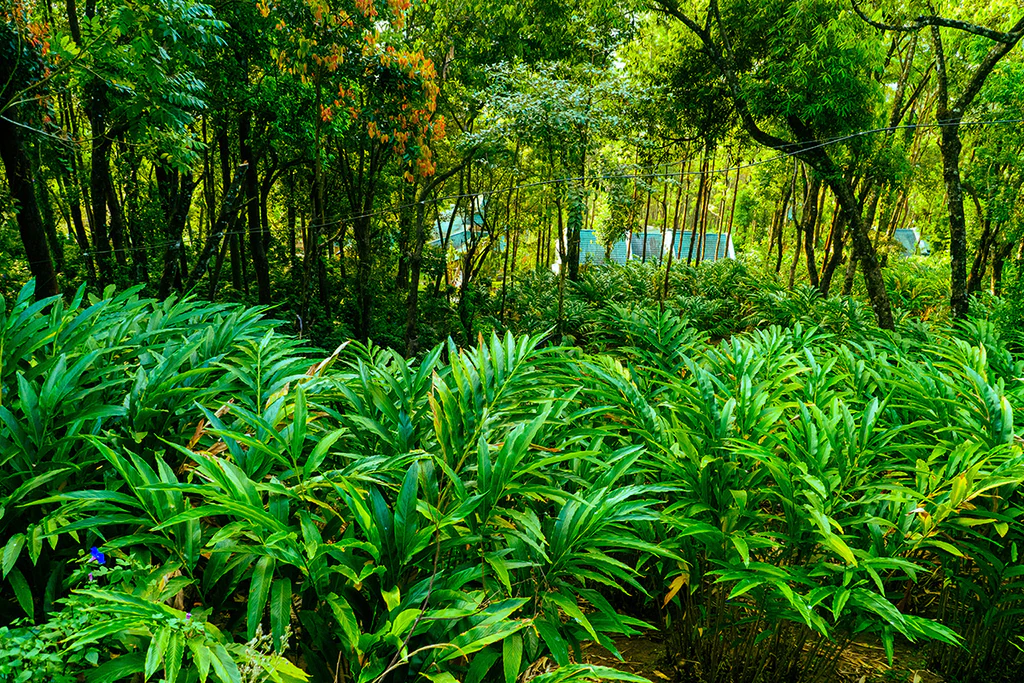
Most plantations demonstrate pepper vines, cardamom clusters, cinnamon bark, clove buds, and nutmeg varieties. Some locations also include vanilla and medicinal herbs depending on elevation and farm design. Seeing these in field context helps travelers understand why Kerala became a historic spice region.
Best Time to Visit
Clear-weather months usually offer easier walking and better farm access. Monsoon months create lush visuals but can reduce path comfort. Morning tours are often better for temperature and guide interaction quality.
| Visit Slot | Strength | Caution |
|---|---|---|
| Morning | Cooler walk and clearer interaction | Reach on time for full tour |
| Afternoon | Flexible for multi-stop day | Warmer conditions in some regions |
| Monsoon period | Lush scenery and strong aroma | Slippery farm paths |
How to Plan a Spice Tour Day
Keep one plantation tour plus one nearby attraction, not five short stops. Plantation walks are more meaningful when unhurried. If you are based in hill regions, pair with Munnar travel segments or Thekkady-side nature routes around Periyar.
- Carry water and shoes with good grip.
- Ask before touching plants or harvesting samples.
- Keep purchase decisions after full walkthrough.
- Take notes on spice origin and quality markers.
Buying Spices: Practical Quality Checks
When buying spices, prioritize aroma, dryness, packaging date, and seller transparency. Avoid buying large quantities only because of pressure sales. Compare prices with one additional store if possible. Authenticity is often better judged by sensory quality and source clarity than by marketing labels.
How to Pair with Kerala Itineraries
Plantation visits work as low-intensity educational blocks between heavier travel days. You can place them after a wildlife day or before backwater transfer days. Use Kerala route planning and combine with tea plantation circuits for a stronger agriculture-focused theme.
Common Mistakes to Avoid
- Treating plantation tours as quick retail stops.
- Skipping guide questions and missing learning value.
- Buying spices without checking freshness indicators.
- Overloading the same day with distant transfers.
- Ignoring weather readiness for farm trails.
Final Takeaway
Spice plantations in Kerala are most rewarding when approached as learning experiences, not just shopping stops. Choose one quality tour, keep your pace relaxed, and make purchase decisions based on product quality rather than pressure.
A well-planned spice day adds depth to any Kerala itinerary.
Simple preparation and curious questions make a big difference.
Take your time, and the experience becomes far richer.
How to Evaluate Plantation Tour Quality
Not all spice tours deliver the same value. Strong tours explain cultivation cycles, processing methods, and quality indicators. Weak tours rush directly to sales counters. Before starting, ask how long the guided walk lasts and what crops are covered. Choosing quality over convenience makes the visit far more educational.
Buying Guide for Travelers
When purchasing spices, prioritize freshness, aroma, and transparency of source. Buy moderate quantities first, especially if you are unfamiliar with quality benchmarks. Compare one or two sellers when possible. Reliable packaging details and clear harvesting context are better trust indicators than marketing claims.
- Smell before buying whenever possible.
- Prefer sealed, labeled packs for travel convenience.
- Store in dry conditions during onward transit.
- Avoid impulse bulk purchases under pressure.
Final Planning Principle
Spice plantation travel is most rewarding when curiosity leads and shopping follows. Keep your schedule relaxed, ask practical questions, and treat the visit as a learning experience.
Extended Planning Playbook
Strong travel outcomes usually come from preparation habits, not from adding more destinations. Use a layered plan before departure: define one primary objective, one secondary objective, and one fallback option. The primary objective is what makes the day worthwhile even if weather or delays affect everything else. The secondary objective is optional and should be dropped quickly if timing slips. The fallback option should be low-risk and close to your route so you can still have a meaningful day without forcing difficult movement. This structure reduces stress and protects experience quality.
Next, map your day in realistic blocks rather than exact minute-by-minute promises. A practical approach is to assign 90-120 minute activity blocks with 20-30 minute transition buffers. Most travelers skip buffers and then rush decisions late in the day. Buffer time is not wasted time; it is decision margin. It allows for weather delays, traffic shifts, short rest stops, or queue variation without breaking the entire plan. Trips feel smoother when flexibility is built in from the start.
On-Ground Execution Rules
Once on site, run a simple three-step check before every major movement: current weather, group energy, and daylight margin. If any of these are weak, reduce scope immediately. This is the most effective way to prevent avoidable risk. Travelers often keep original plans even when conditions change, and that creates rushed exits and lower-quality experiences. Smart travel means adapting early, not reacting late.
- Hydrate at regular intervals instead of waiting for fatigue signs.
- Keep food simple and energy-stable to avoid long unplanned breaks.
- Maintain one clear group communication rule for movement timing.
- Protect return schedules, especially in low-support or mountain routes.
- Use conservative decision-making when weather uncertainty appears.
Budget and Comfort Controls
Good itineraries also control hidden costs. Carry essential basics so you are not forced into overpriced last-minute purchases. Keep a small contingency budget for transport changes and safety-driven rerouting. Comfort planning matters too: appropriate footwear, light weather layers, and power backup improve decision quality throughout the day. Small discomforts become major problems when combined with long transit and shifting weather.
Content and Photography Balance
If you are capturing photos or video, separate documentation from exploration. Spend the first pass understanding the place, and the second pass creating content. This prevents rushed, repetitive shots and reduces unsafe positioning choices. The best travel content usually comes from patient observation rather than constant motion. When the environment is dynamic, a stable viewpoint often gives better results than frequent location switching.
Post-Visit Reset
End each day with a short reset: hydrate, review what worked, and simplify the next day’s plan based on real conditions. This keeps multi-day itineraries sustainable. Travelers who do quick daily resets make better choices and avoid cumulative fatigue. The goal is not maximum checklist completion, it is high-quality, safe, and memorable travel across the full trip.
Ask questions during the walkthrough; the best plantation tours are interactive and educational.
Choose quality over quantity when selecting purchases.
Location
Frequently Asked Questions
Q1.What is the cost of spice plantation tour in Kerala?
Q2.Which is the best spice plantation in Kerala?
Q3.What is the best time to visit spice plantations in Kerala?
Q4.How long does a spice plantation tour take?
Q5.What can we see in spice plantations?
Q6.Are children allowed on spice plantation tours?
Q7.Can we stay in spice plantations?
Q8.Is it worth visiting spice plantations?
Recommended For You
Famous Food in Kerala: 15 Must-Try Dishes
Discover the famous food of Kerala. From Appam & Stew to Karimeen Pollichathu and Sadhya. A culinary journey through God's Own Country with 15 must-try dishes.
Best Places to Visit Kerala: 20 Must-See Destinations
Explore the best places to visit in Kerala. From Munnar's tea gardens and Alleppey backwaters to Kochi's culture and Thekkady's wildlife. Complete Kerala travel guide.
Kerala in June: Weather, Places to Visit & Monsoon
Planning Kerala in June? Discover monsoon weather, best places to visit, houseboat experiences, packing tips, and practical travel advice for a smooth trip.
Never Miss an Adventure
Get the latest trekking guides, travel tips, and exclusive offers delivered straight to your inbox.
