
15 Famous Krishna Temples in India: States, Significance & Darshan Info

Ananya Sharma
January 31, 2026
Explore 15 famous Krishna temples in India across Mathura, Dwarka, Guruvayur, and more. Discover architecture, darshan timings, festivals, and pilgrimage routes.
Krishna Worship Across India
Lord Krishna, one of the most beloved deities in Hinduism, is worshipped across India in temples that range from ancient shrines to magnificent architectural marvels. While Golden Temple in Amritsar represents another great spiritual tradition, Krishna temples hold a special place in Hindu devotional practice. As the eighth avatar of Lord Vishnu, Krishna's life teachings from the Bhagavad Gita and his playful exploits as a child have inspired devotion for millennia. From the birthplace in Mathura to the famous Dwarka where he established his kingdom, Krishna temples dot the Indian landscape, each with unique traditions, architecture, and spiritual significance.
What makes Krishna temple pilgrimage particularly meaningful is the way it connects devotees to the divine leelas (pastimes) of Krishna. Each temple is associated with specific events from Krishna's life—his birth, his childhood mischief in Vrindavan, his divine love with Radha, or his reign as a king in Dwarka. Pilgrims who visit these temples don't just see beautiful architecture; they walk in the footsteps of Krishna and experience the geography of his earthly presence.
The diversity of Krishna temples across India reflects the country's cultural variety. In the north, ancient temples in Mathura and Vrindavan preserve traditions centuries old. In the west, the magnificent Dwarkadhish Temple stands as a testament to Krishna's kingdom. In the south, temples like Guruvayur maintain distinct worship styles while honoring the same deity. This geographic spread means that Krishna devotees can plan pilgrimages to multiple regions, experiencing how different cultures express devotion to the same beloved lord.
Modern Krishna worship has also evolved with the establishment of ISKCON temples worldwide and across India. These contemporary temples, while maintaining traditional devotion, often present Krishna's teachings in ways accessible to modern seekers. The combination of ancient and modern Krishna temples creates a pilgrimage tradition that honors both historical continuity and contemporary relevance.
Northern India Krishna Temples
Northern India, particularly the Mathura-Vrindavan region, represents the heartland of Krishna worship. This area, known as Braj, is where Krishna spent his childhood and youth, and the temples here commemorate the various leelas he performed. The density of Krishna temples in this region is extraordinary—you could spend weeks exploring and still not visit every shrine.
Krishna Janmabhoomi Temple, Mathura: This is the most significant Krishna temple as it marks the actual birthplace of Lord Krishna. The temple complex stands on the site where Krishna was born in a dungeon to Vasudeva and Devaki. Today, a magnificent temple marks this sacred spot, though the original site has seen destruction and reconstruction over centuries due to various invasions.
>The temple features a beautiful sanctum with an image of baby Krishna. Pilgrims queue for hours to have darshan (sacred viewing) of this spot. The complex includes the actual prison cell where Krishna was born, marked by a raised platform. The atmosphere is charged with devotion, and during Janmashtami (Krishna's birthday), millions visit.The temple has had a tumultuous history, destroyed multiple times by invaders. The current structure dates to the 20th century, though construction continues. Adjacent to the temple is a mosque, built during Mughal rule, creating a unique shared sacred space. Security is tight due to the site's religious sensitivity.
Banke Bihari Temple, Vrindavan: Perhaps the most famous temple in Vrindavan, Banke Bihari is known for its unique image of Krishna in the bent form (banke meaning bent, bihari meaning enjoyer). Unlike most temples where the deity is revealed fully, here the curtain is drawn closed and opened repeatedly, giving only glimpses of Krishna's image. This unique practice creates an intense longing among devotees.
>The temple was established in 1864 by Swami Haridas, a Krishna devotee of extraordinary devotion. According to legend, Krishna appeared to Swami Haridas in this bent form. The temple's worship style is distinctive—no bells or conchs are used, as Krishna is said to be sleeping here. The atmosphere during aarti (worship with light) is emotionally charged, with devotees often reaching states of ecstasy.Holi celebrations at Banke Bihari are legendary, with the entire temple and devotees covered in colors. The temple's location in the heart of Vrindavan makes it part of the broader pilgrimage circuit that includes other sacred sites related to Krishna's childhood leelas.
Prem Mandir, Vrindavan: A relatively new addition to Vrindavan's sacred landscape, Prem Mandir was completed in 2012 and has quickly become one of India's most beautiful temples. Built by Jagadguru Kripalu Maharaj, the temple is dedicated to the divine love of Radha-Krishna. The white marble structure is illuminated at night with thousands of lights, creating a magical spectacle.
>What distinguishes Prem Mandir is its extensive depiction of Krishna's leelas through life-sized dioramas and tableaux. The temple grounds feature beautiful gardens and fountains. The main temple has two levels—the lower sanctum houses Krishna and Radha images, while the upper level offers panoramic views of Vrindavan. >The temple is particularly beautiful at sunset when the marble glows golden and the lighting begins. Evening aarti is a major attraction, with elaborate rituals and devotional music. Unlike some older temples that restrict photography, Prem Mandir is more camera-friendly, allowing devotees to capture memories of their visit.ISKCON Temple, Delhi: The ISKCON temple on the Hare Krishna Hill in East Delhi is a major center for Krishna devotion in the capital. Officially known as Sri Sri Radha Parthasarathi Mandir, the temple was established in 1998 and has since become a spiritual landmark. The red stone architecture with traditional shikharas (spires) creates a striking profile.
>The temple complex is extensive, featuring multiple shrines, a museum, a restaurant serving prasad (sacred food), and a guest house. For those interested in exploring more ISKCON temples, the ISKCON Temple Ahmedabad is another significant spiritual center in India. The main shrine houses Radha Parthasarathi (Krishna as Arjuna's charioteer), along with images of Radha-Krishna, Sita-Ram, and Gaura-Nitai. The temple's museum presents the philosophy of ISKCON founder Srila Prabhupada and the history of the Hare Krishna movement.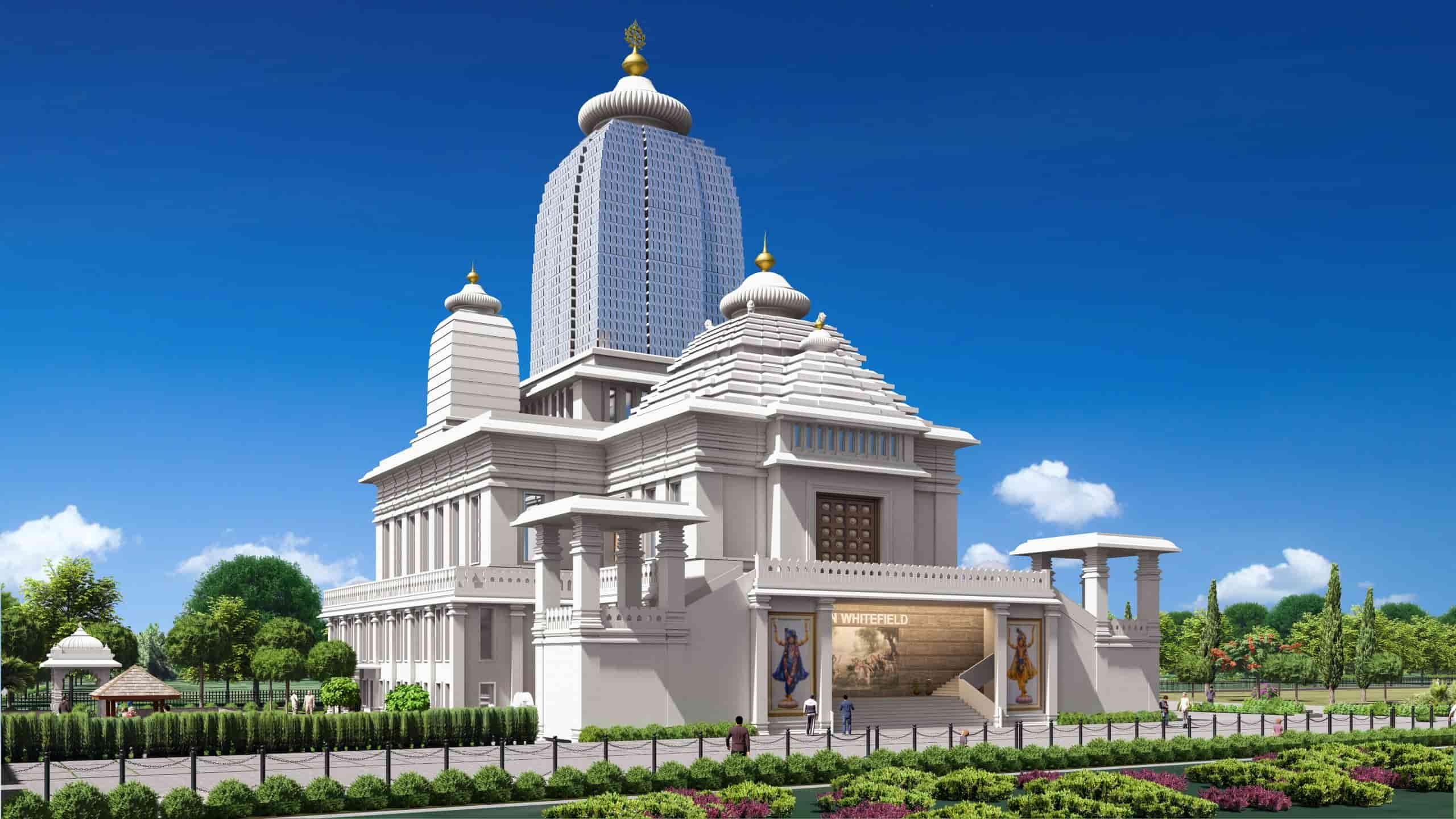
Evening aarti at ISKCON Delhi is a major draw, with devotees gathering in large numbers to participate in kirtan (devotional singing) and arati. The temple also runs various educational programs, festivals, and cultural events. Its location makes it accessible to Delhi's residents and visitors, providing a spiritual oasis in the bustling capital.
Dwarkadhish Temple, Delhi: Located in the Sadar Bazaar area of Old Delhi, this temple is dedicated to Dwarkadhish (Krishna as king of Dwarka). Built in the 19th century, it represents a different style of Krishna worship than the ISKCON temple. The temple's architecture features traditional elements with beautiful paintings of Krishna's life on the walls.
>The temple has an intimate atmosphere compared to larger, newer temples. Devotees appreciate the traditional worship style and the sense of continuity with older Delhi's spiritual life. The temple is particularly active during Janmashtami when elaborate celebrations take place.Western India Krishna Temples
Western India's Krishna temples are particularly significant because this region includes Dwarka, the kingdom that Krishna established and ruled as king. The temples here connect devotees to Krishna's aspect as a statesman, king, and philosopher. The architectural styles often reflect regional influences, creating distinctive expressions of devotion.
Dwarkadhish Temple, Dwarka: Also known as Jagat Mandir, this is arguably the most important Krishna temple after Mathura and Vrindavan. Located in the holy city of Dwarka, which is part of the Char Dham Yatra, this temple holds immense spiritual significance. Dwarka, located on Gujarat's western coast, is one of the four dhams (holiest pilgrimage sites) for Hindus. The temple stands at the site where Krishna is said to have established his capital, making it profoundly sacred.
>The temple dates back over 2,500 years, though the current five-story structure was rebuilt over various periods. It rises to a height of 170 feet, supported by 72 pillars. The main shrine houses an image of Dwarkadhish, a four-armed form of Krishna holding conch, discus, mace, and lotus. The black stone image is exquisitely carved and radiates spiritual presence. >The temple's location by the sea adds to its mystical atmosphere. While visiting Gujarat, you might also want to explore the Somnath Temple, another jyotirlinga shrine located nearby. The sound of ocean waves merges with temple bells, creating a unique sensory experience. According to tradition, the original city of Dwarka was swallowed by the sea after Krishna's departure, and the temple stands as a connection to that submerged kingdom. >Non-Hindus are restricted from entering the main sanctum but can view from outside. The temple has elaborate rituals, with multiple aartis throughout the day. The evening aarti (shringar aarti) when Krishna is adorned with jewelry and clothes is particularly beautiful. Dwarka is best visited during Janmashtami when celebrations are at their peak.Nathdwara Temple, Rajasthan: Located approximately 50 kilometers from Udaipur, Nathdwara houses the famous Shrinathji image of Krishna. This black marble image depicts Krishna as a child lifting Govardhan Hill to protect villagers from Indra's wrath. The image is said to be self-manifested (swayambhu) and was brought from Vrindavan to Rajasthan in the 17th century to protect it from destruction.
>The temple's worship style, known as Pushti Marg, was established by Vallabhacharya and emphasizes Krishna's child form and the devotion of the gopis (milkmaids). The temple is famous for its elaborate artis and the way the image is dressed—in different outfits and jewels for different times of day, corresponding to Krishna's daily routine as a child. >What makes Nathdwara unique is the intense devotion it inspires. The atmosphere during darshan is emotionally charged, with devotees often overcome with bhakti (devotion). The temple is also known for its pichwai paintings—elaborate cloth hangings that serve as backdrops for the deity. Nathdwara has become a center for this art form. >Photography is strictly prohibited inside the temple, preserving the sacred atmosphere. The temple town has grown around the shrine, with numerous shops selling religious items and souvenirs. Nathdwara is particularly busy during Janmashtami and the festivals of Annakut and Holi.ISKCON Temple, Mumbai: Located at Juhu, one of Mumbai's most prominent areas, the ISKCON temple (Sri Sri Radha Rasabihari Ji) has become a major spiritual landmark since its establishment in 1978. The temple complex overlooks the Arabian Sea, creating a serene setting for Krishna worship in India's bustling financial capital.
>The temple architecture features traditional elements adapted to modern contexts. The main shrine houses beautiful marble images of Radha-Krishna along with Gaura-Nitai. The complex includes a large auditorium for cultural programs, a restaurant serving vegetarian prasad, and a guest house for pilgrims. The temple's marble work is particularly fine, with intricate carvings. >Evening aarti at ISKCON Mumbai is a major event, with hundreds of devotees participating. The Sunday feast program has become legendary—free meals served to all attendees regardless of background. The temple also runs extensive educational programs, cultural festivals, and welfare activities. Its location in Mumbai makes it accessible to millions.Southern India Krishna Temples
Southern India's Krishna temples represent fascinating syntheses of Dravidian architectural traditions with Krishna devotion. While Krishna worship is often associated with northern India, the south has some of the most important Krishna temples, with distinctive worship styles and architectural forms. These temples demonstrate how Krishna's appeal transcends regional boundaries.
Guruvayur Temple, Kerala: Often called the Dwarka of the South, Guruvayur is one of India's most important Krishna temples. The image here is of Vishnu (Krishna is an avatar of Vishnu) in standing posture with four arms, holding conch, discus, mace, and lotus. What makes Guruvayur particularly special is that the image is believed to have been worshipped by Krishna himself in Dwarka before being brought to Kerala.
>The temple's history is traced to the sage Brihaspati (Guru) and Vayu (Wind god), who installed the image here—hence the name Guruvayur. The temple follows strict Orthodox traditions—only Hindus are allowed inside, and there's a strict dress code. The architecture features Kerala-style sloping roofs and woodwork, with extensive use of gold for decorations.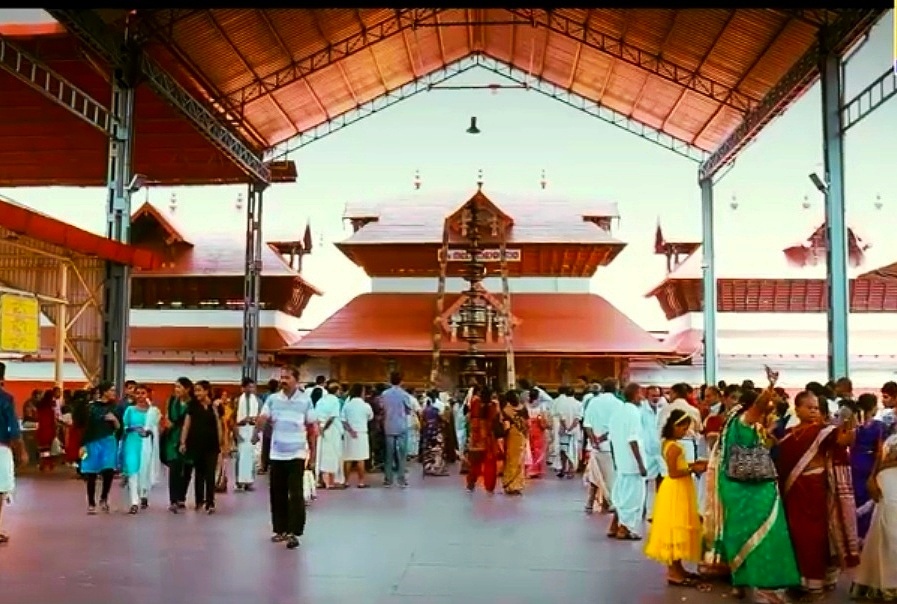
The temple is famous for its elephants—over 60 temple elephants are maintained, and the sight of these elephants being brought for ceremonial duties is unique. The temple also runs a massive annadhanam (free food) program, feeding thousands daily. Guruvayur is particularly busy during Ekadasi (the 11th day of lunar fortnight) and Janmashtami.
Udupi Sri Krishna Temple, Karnataka: The Udupi temple has a unique place in Krishna worship history and practice. Established in the 13th century by Madhvacharya, the great philosopher and founder of the Dvaita school of Vedanta, the temple houses a beautiful image of Krishna as a child (Bal Krishna) holding a churning rod and rope.
>What makes Udupi unique is its worship system and the Kanakana Kindi (a small window) through which devotees view the deity. According to legend, when a devotee Kanakadasa was not allowed inside because he was from a lower caste, Krishna turned to face the window so his devotee could see him. The window remains, and all devotees view Krishna through it to this day. >The temple is also famous for its Ashta Mathas (eight monasteries) that manage temple worship in rotation. Udupi cuisine, particularly vegetarian food, has become famous across India, originating from the temple's prasad kitchen. The temple's study of Vedanta continues to attract scholars.Rajagopalaswamy Temple, Tamil Nadu: Located in Mannargudi, this temple is dedicated to Krishna as Rajagopalaswamy (King Krishna as cowherd). The temple is one of the largest in Tamil Nadu, covering 23 acres. The main shrine houses a magnificent image of Krishna standing with a cow and calf, representing his role as protector of cattle and villagers.
>The temple's architecture features the grandeur of Chola and Pallava styles, with massive gopurams (gateway towers) covered in sculptures. The temple is particularly famous for its chariot festival, when massive temple chariots are pulled by thousands of devotees. The temple tank is among the largest in Tamil Nadu. >The worship style follows Vaikhanasa Agama traditions. The temple's association with the Alvar saints (Tamil poet-saints) adds to its spiritual heritage. Mannargudi is less visited by mainstream tourists but remains extremely important for devotees.ISKCON Temple, Bangalore: The ISKCON temple in Bangalore (officially Sri Radha Krishna Chandrama Temple) has become a major cultural and spiritual landmark since its establishment in 1997. Located on Hare Krishna Road in Rajajinagar, the temple complex combines modern architecture with traditional temple elements. The main shrine features beautiful marble images of Radha-Krishna along with Narasimha and Krishna Balaram.
>The temple is particularly known for its cultural activities, including classes on Vedanta, yoga, and Indian culture. The temple's architecture features a unique blend of glass and traditional temple elements, with excellent use of natural light. The complex includes a spacious auditorium for cultural programs. >The Sunday feast program feeds thousands weekly. The temple runs one of India's largest midday meal programs for school children. During Janmashtami and other festivals, the celebrations are elaborate and attract massive crowds. The temple's location in Bangalore makes it accessible to the city's IT professionals and young population.Eastern India Krishna Temples
Eastern India's connection to Krishna worship is particularly strong through the Gaudiya Vaishnavism tradition established by Chaitanya Mahaprabhu in the 16th century. This tradition emphasized ecstatic devotion to Krishna, particularly his form with Radha. The temples in this region reflect this passionate, emotionally charged form of Krishna worship.
ISKCON Temple, Kolkata: The ISKCON temple at Mayapur (near Kolkata) is actually the headquarters of ISKCON worldwide and one of the largest Krishna temple complexes in India. Located at the birthplace of Chaitanya Mahaprabhu, the temple features a massive central shrine surrounded by smaller temples and extensive gardens. The main deity is Radha Madhava, with Krishna standing in three bends (tribhanga).
>The temple complex includes the beautiful Radha Madhava temple, the Chaitanya Chandradoya temple (featuring an elaborate display of Chaitanya's life), and the ToVP (Temple of Vedic Planetarium), one of the largest religious structures in India. The scale is awe-inspiring—thousands of devotees visit daily for darshan and aarti.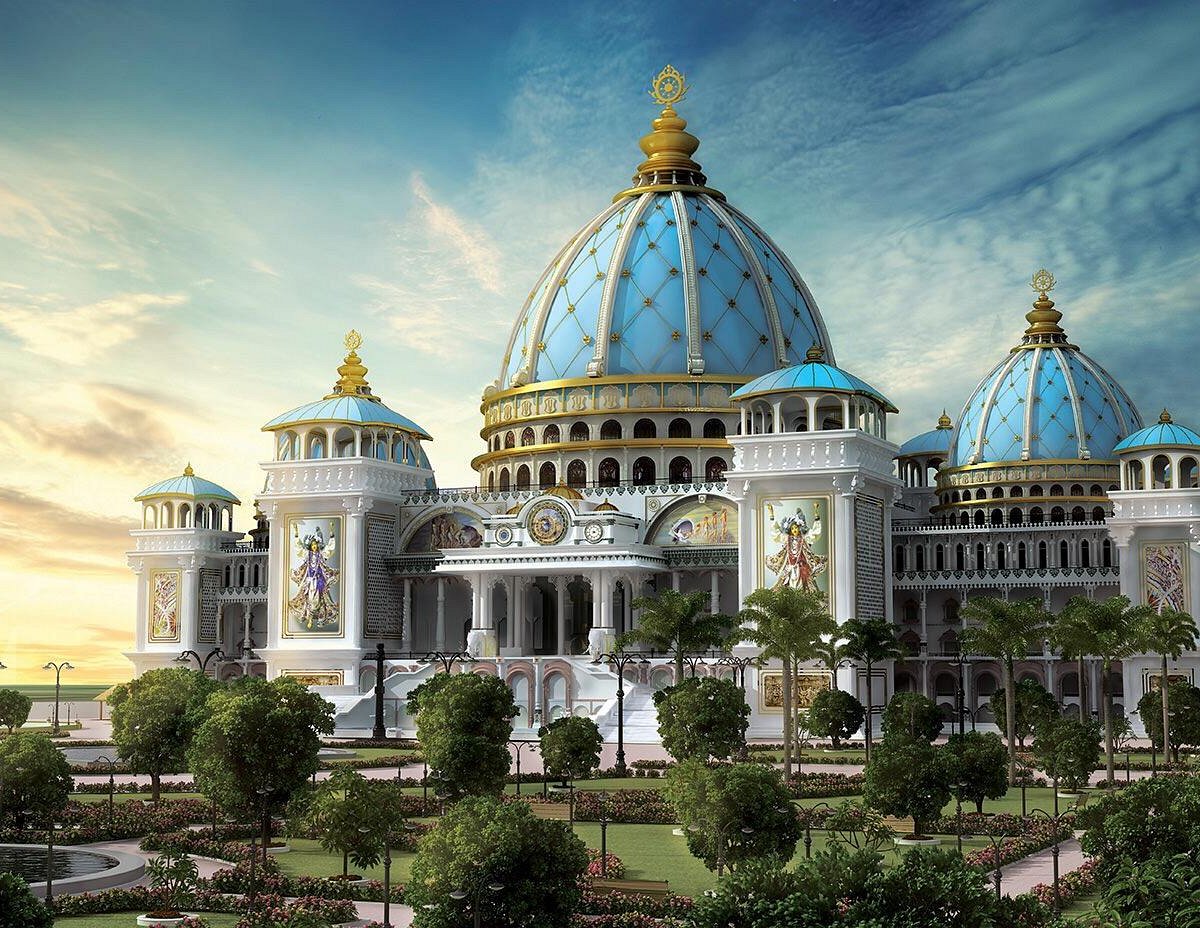
The Ganges flows nearby, and devotees often take ceremonial baths. The temple runs extensive educational programs, festivals, and cultural activities. The annual Rath Yatra (chariot festival) draws massive crowds. Mayapur is accessible from Kolkata (about 130 kilometers) and has accommodation for pilgrims.
Sri Krishna Temple, Puri: While Puri is famous for the Jagannath Temple (dedicated to Krishna as Jagannath), there are other Krishna temples in this holy city. The connection between Krishna and Jagannath is deep—Jagannath is considered a form of Krishna. The Gundicha Temple, where the deities reside during Rath Yatra, also has Krishna associations.
>The worship style in Puri's temples follows the unique traditions of Odia Vaishnavism, which differ from north Indian styles. The famous Mahaprasad (sacred food) of Puri is offered to Krishna first before being distributed. The temple's connection to the annual Rath Yatra makes it particularly significant for Krishna devotees.Radha Govinda Temple, Odisha: This temple in Bhubaneswar represents ISKCON's presence in Odisha's capital. The temple features beautiful images of Radha-Govinda (Krishna as cowherd). The architecture combines traditional Odia temple elements with modern construction. The temple runs cultural programs, festivals, and educational activities.
Pilgrimage Routes and Travel Tips
Planning a Krishna temple pilgrimage requires strategic thinking, given the geographic spread of significant temples across India. Different pilgrimage circuits make sense depending on time, budget, and interests. Understanding how to combine temples efficiently can make your pilgrimage more rewarding.
Mathura-Vrindavan Circuit: This is the foundational Krishna pilgrimage and should be part of any serious devotee's plans. Allow at least 3-4 days to cover the major temples. The circuit includes Krishna Janmabhoomi, Banke Bihari, Prem Mandir, and numerous other smaller temples. Vrindavan alone has over 5,000 temples, so selectivity is necessary.
>Best base: Vrindavan has more accommodation options than Mathura. The town has everything from budget dharamshalas to mid-range hotels. January to March and October to November are ideal times to visit, avoiding the extreme summer heat and monsoon rains. >Travel tip: Hire an auto-rickshaw or cycle rickshaw for a day to cover multiple temples efficiently. Many drivers know the circuit well and can optimize your route. Be prepared for security checks at some temples and dress modestly.Dwarka Pilgrimage: Dwarka in Gujarat is a standalone pilgrimage, often combined with Somnath temple or Gir National Park. Allow 2-3 days for the Dwarkadhish Temple and related sites. The town has decent accommodation, mostly guest houses and mid-range hotels.
>Best time to visit: October to March avoids the extreme summer heat. The temple is particularly special during Janmashtami (August/September) but expect massive crowds then. >Travel tip: Dwarka is accessible by train (the nearest major station is Rajkot) and by air (Jamnagar airport is about 2 hours away). The temple is walking distance from most hotels in town. The beach near the temple is worth visiting for sunset views.South India Krishna Temple Circuit: This circuit covers Guruvayur, Udupi, and potentially Bangalore ISKCON. It's best done over 7-10 days given distances. Fly into Kochi for Guruvayur, then travel to Udupi (approximately 7 hours by train or road), then fly to Bangalore from Mangalore.
>Best time to visit: November to February offers the most pleasant weather. Avoid monsoon (June-September) when travel becomes difficult. Guruvayur is particularly busy during Ekadasi days and Janmashtami. >Travel tip: Book temple accommodation in advance where possible, especially during festivals. South Indian temples have stricter dress codes—carry dhotis for men and saris/salwar suits for women. Non-Hindus are restricted from entry in some temples, so check beforehand. >Combined Multi-Region Pilgrimage: For those with more time (15-20 days), it's possible to combine Mathura-Vrindavan, Dwarka, and South India temples. This comprehensive pilgrimage requires careful planning but allows experiencing the full diversity of Krishna worship traditions across India. >Travel tip: Use trains for long distances between regions—they're more comfortable than buses and often faster than flying given airport logistics. Book train tickets well in advance as India's railway system gets heavily booked.General Travel Tips:
>* Dress modestly for temples—both men and women should cover shoulders and knees. Some traditional temples require dhotis for men or saris for women. >* Remove shoes before entering temple areas—most temples have shoe stands. Carry a small bag for your valuables. >* Photography restrictions vary—some temples prohibit it entirely, others allow it in certain areas. Always ask first. >* Temple timings vary—most open early morning (5-6 AM) and close midday (12-4 PM) before reopening for evening darshan. >* Festival times (especially Janmashtami) are spiritually charged but crowded—book accommodation months in advance. >* Carry cash for donations and purchases—many temples don't accept cards and digital payments may not work. >* Be respectful of local customs and don't interrupt priests performing rituals. >* Many temples serve prasad (sacred food)—accept it with right hand or both hands, never left hand alone.Temple Architecture Styles
Krishna temples across India showcase remarkable architectural diversity, reflecting regional building traditions and historical periods. Understanding these architectural styles enhances appreciation of the temples as both spiritual spaces and artistic achievements.
Nagara Style (North): Most northern Krishna temples follow the Nagara style of temple architecture, characterized by curvilinear shikharas (towers) over the sanctum. The shikhara curves upward like a mountain peak, symbolizing Mount Meru, the cosmic mountain. Examples include the modern Krishna Janmabhoomi Temple and older temples in Mathura-Vrindavan.
>Nagara temples typically have a sanctum (garbhagriha) where the deity resides, a hall for devotees (mandapa), and sometimes an ambulatory path (pradakshina path) for circumambulation. The entrance often features a porch or portico. Exterior surfaces are carved with divine figures, floral motifs, and geometric patterns.Dravidian Style (South): Southern Krishna temples typically follow Dravidian architecture, characterized by pyramid-shaped towers (vimana) over the sanctum and massive gateway towers (gopurams) at the entrance. Guruvayur and Rajagopalaswamy temples exemplify this style.
>Dravidian temples are often larger complexes with multiple shrines, extensive temple tanks, and large courtyards. The gopurams are often covered in painted sculptures of divine figures, demons, and mythical creatures. The temple tank is used for ritual purification and ceremonial bathing.Regional Variations: Within these broad styles, regional variations exist. Kerala's Krishna temples like Guruvayur feature sloping roofs adapted to heavy monsoon rains, with extensive woodwork. Rajasthani temples like Nathdwara show distinctive elements like pichwai paintings and colorful decoration. Modern ISKCON temples combine traditional elements with contemporary construction techniques.
>Understanding these architectural styles helps appreciate the temples as cultural products of their times and places. The architecture wasn't just functional—it expressed theological ideas about the relationship between the divine and the devotee, with spatial arrangements facilitating worship and ritual.Festivals and Celebrations
Krishna temples come alive during festivals, which represent the peak of devotional expression. Understanding the major Krishna festivals helps in planning temple visits and experiencing the full richness of Krishna worship traditions.
Janmashtami: Krishna's birthday is the most important Krishna festival. Temples are decorated elaborately, special midnight abhishekam (ritual bathing) of Krishna images is performed, and devotees fast until midnight. The atmosphere is electric with chanting, music, and dance. Mathura-Vrindawan, Dwarka, and major Krishna temples become pilgrimage destinations during Janmashtami.
Holi: Particularly celebrated in Mathura-Vrindavan, Holi commemorates Krishna's playful pastimes with the gopis. The celebration begins days before the actual Holi, with temples like Banke Bihari becoming centers of color play. Devotees experience transcendental joy through this festival of colors.
Govardhan Puja: Celebrated the day after Diwali, this festival commemorates Krishna lifting Govardhan Hill to protect villagers. Temples create representations of Govardhan Hill from cow dung or food, which devotees circumambulate. This festival is particularly important in Mathura-Vrindavan.
Rath Yatra: While most associated with Puri's Jagannath Temple, some Krishna temples also celebrate chariot festivals. The deities are placed on decorated chariots and pulled through streets. devotees pull the ropes, believing this sacred service earns spiritual merit.
Planning temple visits during festivals can be spiritually rewarding but requires advance planning. Accommodation should be booked months in advance for major festivals at famous temples. Be prepared for large crowds and adjusted temple timings during festival periods.
>Whether visiting a single Krishna temple or undertaking an extended pilgrimage, these sacred spaces offer direct connection to Krishna's divine presence. The architectural beauty, the fervent devotion, the ancient traditions—all create experiences that can transform understanding of Krishna's spiritual significance in Hindu tradition and personal spiritual practice.Location
Frequently Asked Questions
Q1.Which is the most famous Krishna temple in India?
Q2.What is the best time to visit Krishna temples?
Q3.Are there dress codes for Krishna temples?
Q4.How many days are needed for Krishna temple pilgrimage?
Q5.What is the Krishna temple circuit in India?
Q6.Can we cover multiple temples in one trip?
Q7.What are the special aartis at Krishna temples?
Q8.Is photography allowed inside temples?
Recommended For You
Holi in Mathura: Dates, Temple Events & Celebration Zones
Experience authentic Holi celebrations in Mathura, Lord Krishna's birthplace. Discover Krishna Janmabhoomi Temple events, unique traditions like Phoolon Ki Holi, Braj region celebrations, dates, and complete travel guide.
12 Jyotirlingas in India: Temple List, States, Route & Darshan Tips
Explore all 12 Jyotirlingas in India - sacred shrines of Lord Shiva. Complete guide with locations, significance, darshan timings, best time to visit, pilgrimage routes & travel tips.
15 Famous Temples in Delhi: Timings, Routes & Darshan Highlights
Explore 15 famous temples in Delhi. From Akshardham to Lotus Temple, discover spiritual sites, timings & entry details.
Never Miss an Adventure
Get the latest trekking guides, travel tips, and exclusive offers delivered straight to your inbox.
