
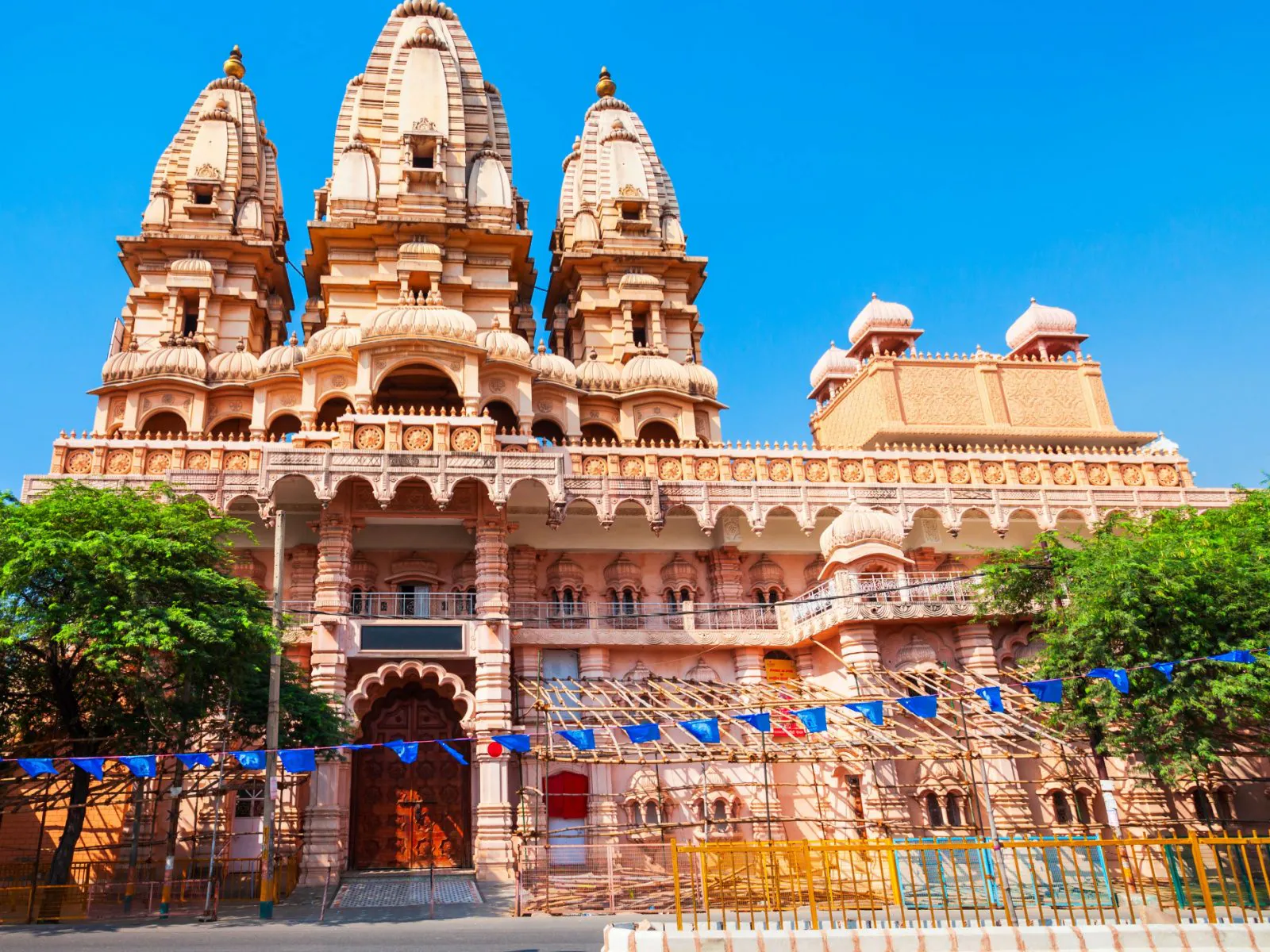
Maha Shivratri Temples Delhi NCR: Complete List

Neha Kapoor
November 11, 2025
Best Shiva temples in Delhi NCR for Maha Shivratri. Know timings, special prayers, darshan & night celebrations at famous temples.
Maha Shivratri Temples in Delhi NCR: Practical Darshan Guide
Maha Shivratri in Delhi NCR draws large devotional crowds across major Shiva temples, with night-long prayers, abhishekam rituals, and jagran programs. For devotees, the key challenge is not finding temples but planning darshan intelligently: where to go first, which routes to avoid at peak hours, and how to manage long queue windows.
This guide gives a practical temple-focused plan for Delhi NCR so you can celebrate with devotion and discipline, not confusion.

How to Plan Shivratri Temple Visits in NCR
Most devotees make one common mistake: trying to cover too many temples in one night. On Shivratri, queue time and traffic can be unpredictable. A better model is one primary temple, one secondary nearby option, and one backup if crowd load becomes excessive.
For full spiritual context before choosing temple routes, start with Maha Shivratri festival guide and then finalize your city-specific movement plan.
Top Temple Types to Include
1. Large Public Temples
These temples offer full ceremonial scale but also attract maximum crowd density. Arrive early and expect structured queue systems.
2. Neighborhood Shiva Mandirs
Smaller temples often provide calmer darshan experience and are better for families with children or elders who cannot stand in long high-density lines.
3. NCR Circuit Temples
If you are based outside central Delhi, use one local NCR temple route instead of crossing multiple districts on Shivratri night.
Suggested Darshan Models
| Model | Who It Suits | Approach |
|---|---|---|
| Single Temple Deep Visit | Devotees focused on full puja cycle | Arrive early and stay through key prahars |
| Primary + Secondary Temple | Families and mixed groups | Main darshan + nearby shorter visit |
| Local NCR Route | Travelers avoiding long commute | Choose temples in same zone cluster |
Arrival Timing Strategy
- Reach first temple before major night queue surge.
- Carry minimal items to speed up security checks.
- Keep one hydration break planned between visits.
- Avoid unnecessary route switching after midnight.
Queue patience is part of observance. Build rest intervals if traveling with elders.

What to Carry for Shivratri Darshan
- ID proof and small cash for offerings where needed.
- Comfortable modest attire and easy footwear.
- Water and light approved fasting support.
- Phone battery backup and emergency contacts.
Avoid heavy bags and valuables. Temple movement is easier with minimal carry load.
Family and Senior-Friendly Planning
For families, a shorter but meaningful observance often works better than multi-temple rush plans. Pick one temple with manageable access and complete your key puja there. Seniors should avoid standing in dense lines for extended periods; choose low-density windows or smaller mandirs with easier entry.
Children can be included through simple rituals, short chanting participation, and controlled exposure to night crowds.
Abhishekam and Ritual Participation Notes
Ritual participation rules differ by temple. Some allow direct offerings in specific windows, while others restrict access for crowd management. Follow local temple volunteers and signage strictly. Do not assume uniform procedures across all temples.
If you carry puja items, keep them simple and clean. Respect queue discipline and avoid prolonged stay in active offering lanes.

Transport and Traffic Tips for Shivratri Night
Traffic near major temples can slow significantly. Plan one primary route and one backup route. If using ride apps, pre-identify pickup points away from main gate bottlenecks. Public movement late night may also vary by zone, so confirm return options early.
Avoid crossing long NCR distances after midnight unless absolutely necessary.
Budget Snapshot for Temple Visits
| Expense Head | Trend | Control Tip |
|---|---|---|
| Local commute | Variable by peak hour | Start earlier than usual |
| Puja items | Wide range | Buy basic and essential only |
| Food/fasting support | Moderate | Carry simple home-approved options |
How Delhi NCR Shivratri Compares Nationally
Delhi NCR provides broad access and multiple temple choices but demands careful logistics. If you want destination-level observance travel, compare with best places to celebrate Maha Shivratri. For longer pilgrimage depth, study 12 Jyotirlingas in India and plan a separate route.
Common Mistakes to Avoid
- Planning too many temples in one night.
- Ignoring queue and traffic buffer windows.
- Carrying unnecessary heavy bags.
- Assuming identical ritual rules at every temple.
- Skipping hydration during long observance hours.
Quick Pre-Darshan Checklist
Temple shortlist, route backup, simple offerings, hydration support, and one regroup point with your group. This basic checklist prevents most Shivratri-night stress.
Final Take
Maha Shivratri temple visits in Delhi NCR are deeply rewarding when planned with restraint and discipline. Choose fewer temples, arrive early, respect ritual flow, and keep movement practical. Devotion with good logistics always creates a better Shivratri experience.
For wider festival context, continue with famous festivals of India and align your annual devotional calendar thoughtfully.
Temple Route Suggestions by Zone
For smoother observance, choose temple clusters by geography rather than popularity-only logic. A central Delhi route, a south Delhi route, or a Gurgaon/Noida side route usually works better than zig-zag movement across NCR. This reduces travel fatigue and increases your chance of completing key rituals calmly.
If your family is split by mobility needs, assign separate plans: one deeper temple route for active members and one shorter darshan route for seniors and children.
Women and Family Safety Notes
Major Shivratri nights are generally devotional and community-focused, but crowd load still demands planning. Women travelers and families should prefer well-lit, known temple corridors, avoid isolated post-midnight transfers, and keep emergency contacts active. If possible, pre-arrange return transport before entering long queue cycles.
Simple planning and respectful movement make the experience safer and more peaceful.
How to Manage Long Queues Without Fatigue
- Eat light but steady before entering major lines.
- Carry water where allowed and hydrate regularly.
- Use short sitting breaks between temple visits.
- Avoid unnecessary debate at gate checks; follow staff flow.
Queue discipline is easier when your itinerary is not overloaded.
Ritual Preparation at Home Before Temple Visit
Many devotees complete sankalp and basic home prayer before stepping out for temple darshan. This helps reduce pressure to perform every ritual at the temple itself and keeps the visit focused. Even a short home preparation with mantra and intention can make your temple darshan feel more centered.
Post-Darshan Recovery Plan
After late-night temple visits, keep next morning schedule light. Hydrate, break fast gradually if applicable, and avoid immediate long commutes. Spiritual observance is more sustainable when recovery is included in the plan.
Quick Shivratri Night Checklist
Temple shortlist confirmed, route backup ready, light offerings packed, ID and essentials secured, and regroup point fixed with your group. This checklist keeps the night focused on devotion instead of avoidable logistical stress.
Festival-Day Communication Plan for Groups
Large NCR temple nights can disrupt normal coordination. Set one primary contact, one regroup spot, and one fixed check-in time if your group separates. This reduces anxiety and keeps temple movement smoother for everyone.
Temple Offering Etiquette
Keep offerings simple, clean, and manageable in crowd conditions. Do not carry oversized puja baskets that slow queue lines. Follow temple-specific guidance on where and how to submit offerings. Respecting this flow helps everyone complete darshan smoothly.
Choosing Between Major and Local Temples
Major temples provide scale and atmosphere, but local Shiva mandirs often provide better prayer continuity with less physical strain. If your goal is meditative observance rather than high crowd participation, a local temple can sometimes be the better spiritual choice.
Location
Frequently Asked Questions
Q1.Which temple is best for Maha Shivratri in Delhi?
Q2.What are the darshan timings on Maha Shivratri?
Q3.Which temples have special night celebrations?
Q4.What is the significance of Maha Shivratri?
Q5.What rituals are performed on Maha Shivratri?
Q6.Can we offer Abhishekam personally?
Q7.Are there special arrangements on Maha Shivratri?
Q8.Do we need to book in advance?
Recommended For You

Places to Visit in Mount Abu: Lake, Temples & Hills
Explore the best places to visit in Mount Abu, Rajasthan's only hill station. Guide to Nakki Lake, Dilwara Temples, Guru Shikhar & Sunset Point with travel tips.
Dilwara Temples Mount Abu: Timings, Carvings & Visitor Rules
Explore Dilwara Temples in Mount Abu. Complete guide with timings, entry fee, history, architecture & visiting tips for these stunning Jain temples.
Karni Mata Temple Deshnoke: Rat Temple History, Timings & Rules
Visit Karni Mata Temple Deshnoke! Discover 25,000 sacred rats, opening timings, history, how to reach from Bikaner, and complete travel guide for this unique temple.
Never Miss an Adventure
Get the latest trekking guides, travel tips, and exclusive offers delivered straight to your inbox.
