
Junagarh Fort Bikaner: Entry Fee, Timings & Palace Highlights

Neha Kapoor
January 25, 2026
Explore Junagarh Fort Bikaner! Discover timings, entry fee, history, museum, architecture & complete travel guide to this unconquered fort.
Junagarh Fort Bikaner: Complete Heritage Guide
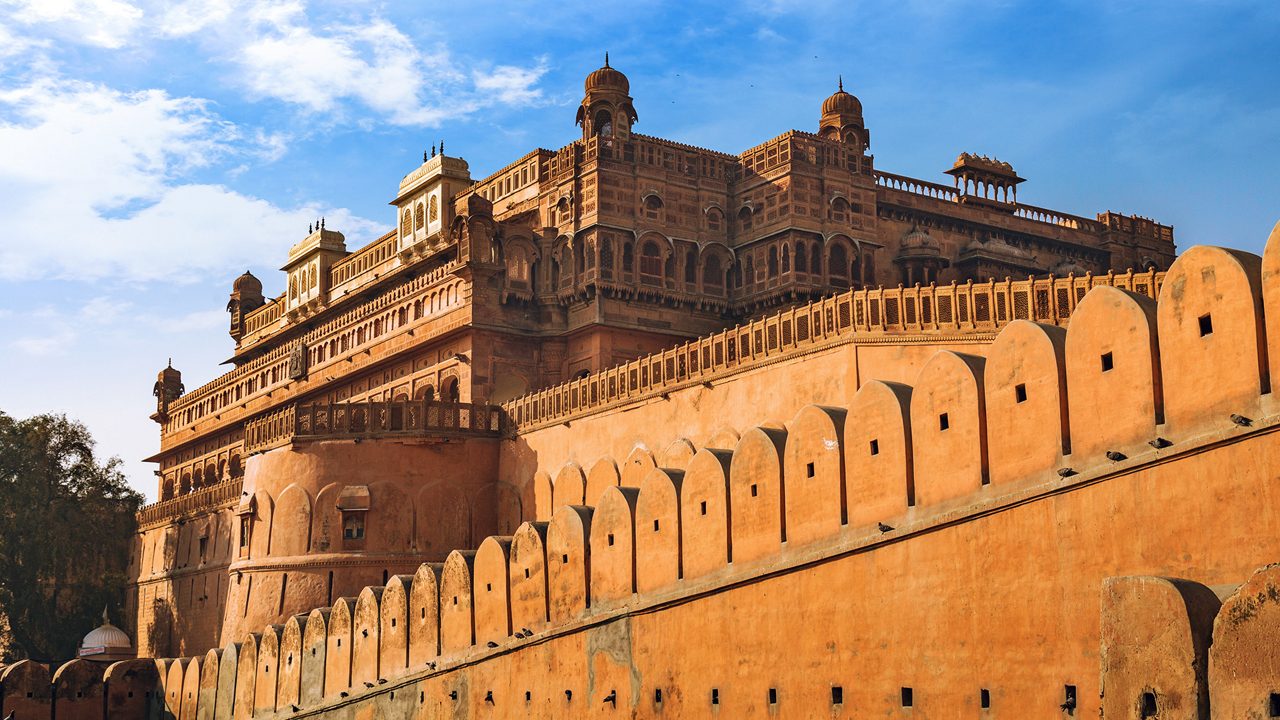
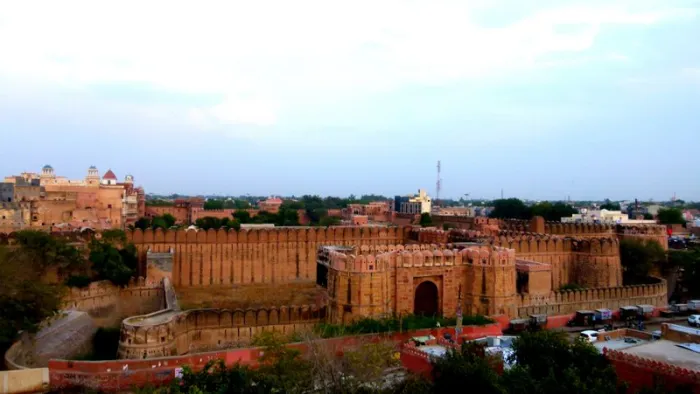
Junagarh Fort is one of Rajasthan’s most impressive forts, yet it is often underestimated because it is built on plain ground rather than a hilltop. That difference is exactly what makes it special. While many Rajput forts relied heavily on steep terrain for defense, Junagarh used layered architecture, bastion logic, and controlled entry planning to remain resilient. Built in the late 16th century under Raja Rai Singh, the fort evolved through additions by successive rulers and now presents a dense archive of courtly design.
If you are planning a Rajasthan fort circuit, Junagarh deserves dedicated time, not just a short city detour. It pairs well with jaisalmer fort rajasthan because the two sites show different strategic responses to geography: one desert hill citadel, one fortified urban stronghold on level terrain.
Historical Significance of Junagarh Fort
Construction began around 1589 and was completed in the 1590s, during a period when Bikaner’s rulers maintained strong military and diplomatic presence in regional politics. The original name of the fort complex was Chintamani, and over time it came to be known as Junagarh. Unlike several other forts that changed hands repeatedly through conquest, Junagarh has a reputation as a stronghold that resisted major successful capture attempts.
Its historical story is not only about warfare. It is also about court culture, administrative growth, and artistic patronage. Palaces added in different reigns reveal shifting tastes, technologies, and ceremonial needs. This layered build-out is why Junagarh feels like a sequence of royal environments rather than a single-style monument.
Architecture: A Multi-Layered Royal Complex
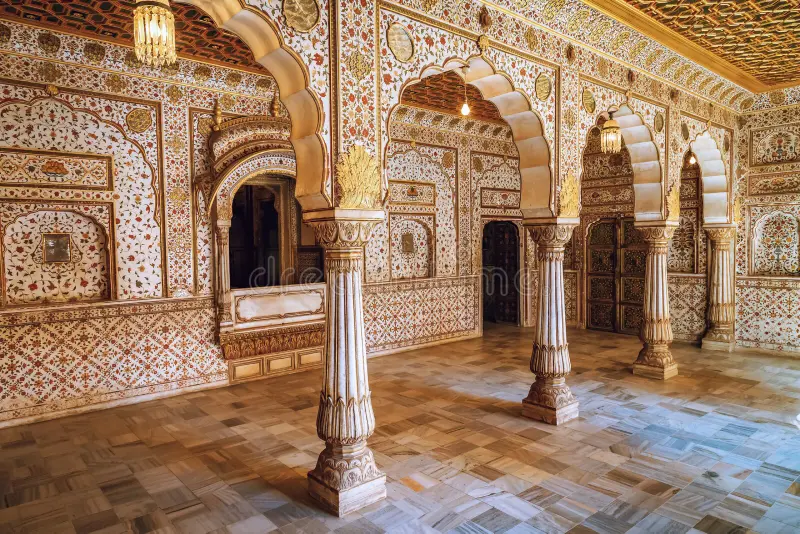
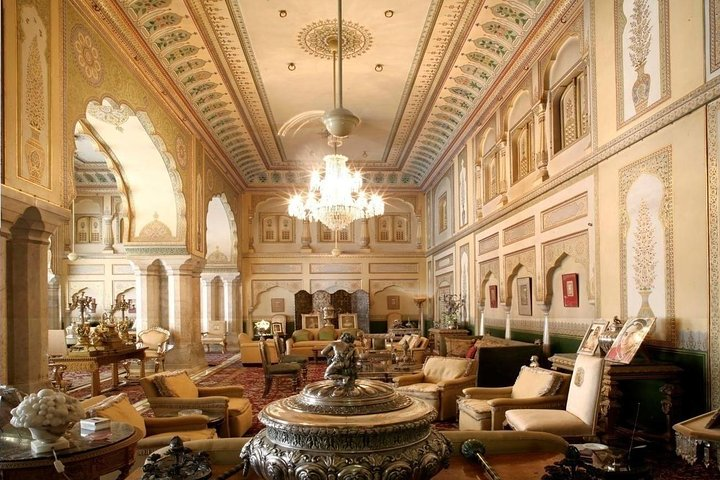
Junagarh combines Rajput, Mughal, Gujarati, and later influences through facades, courtyards, carved elements, painted surfaces, and interior ornamentation. The exterior fortification is robust and functional, but interiors shift into opulence quickly. This contrast between defense and refinement is one of the site’s strongest architectural lessons.
Visitors should pay attention to gateway sequencing, transition spaces, and material variation across palace zones. The way courtyards connect to audience halls and private chambers reflects hierarchy and movement control. Even short guided interpretation can significantly improve your reading of these spaces.
If you are exploring wider Rajasthan court heritage, facts about rajasthan can help position Bikaner’s regional role in broader historical context.
Must-See Areas Inside Junagarh Fort
Anup Mahal
Anup Mahal is among the most visually rich sections, known for intricate woodwork, decorative detailing, and elaborate interior treatment. It reflects ceremonial ambition and artistic confidence in court culture.
Chandra Mahal
This palace space is known for elegant ornamental surfaces and refined room composition. Observe the balance between decorative intensity and spatial order.
Phool Mahal and Badal Mahal
These areas show thematic aesthetics and royal taste variation. Decorative motifs, color use, and symbolic elements often carry seasonal and cultural references.
Museum Sections
Museum displays usually include weaponry, manuscripts, textiles, transport objects, and court artifacts. Allocate time here because these collections connect palace architecture to lived royal administration.
Timings, Entry Fee, and Visit Duration
| Visitor Info | Practical Guidance |
|---|---|
| Fort Access | Daytime monument timings (confirm at current counter) |
| Ticketing | Separate domestic/foreign categories may apply |
| Guide Option | Recommended for palace sequence understanding |
| Ideal Duration | 2.5-4 hours for full palace + museum pass |
| Best Slot | Morning for lower heat and better pacing |
Because ticket rates and camera policies can change, always verify details on arrival. Building your itinerary with one flexible buffer hour helps avoid rushed exits.
How to Reach Junagarh Fort
Junagarh Fort is located within Bikaner city and is accessible by auto, cab, and local transport from railway or hotel clusters. Road approach is straightforward, and the fort can be combined with city markets and nearby heritage points in one day. If you are on a Rajasthan multi-city route, schedule Bikaner between Jaisalmer and Jaipur/Jodhpur based on your transport direction to minimize backtracking.
Best Time to Visit
October to March is most comfortable for heritage walking in Bikaner. Summer heat can be extreme, so early entry becomes essential in warmer months. Winter mornings offer good conditions for architectural photography and calmer movement through palace interiors.
Travelers often under-allocate time here. Junagarh is dense with visual information, and fast walkthroughs reduce comprehension. Start early and keep at least three hours if possible.
Suggested Bikaner Heritage Itinerary
- 09:00-11:30 AM: Junagarh Fort palace circuit and museum.
- 11:30 AM-12:00 PM: Rest break and note consolidation.
- 12:00-01:00 PM: City lunch and transition.
- Afternoon: Add local market lanes or onward temple route.
For travelers extending into Jaipur, jantar mantar jaipur provides a different but complementary perspective on royal-era science and statecraft.
Photography and Visitor Conduct
- Use wide frames in courtyards, then move to detail shots inside halls.
- Respect no-flash and no-photo rules in restricted museum areas.
- Avoid touching painted surfaces or leaning on fragile decorative panels.
- Maintain movement flow in narrow interior corridors.
- Carry water, but use designated areas for breaks.
Responsible behavior is essential in richly decorated interiors where surface damage can be permanent.
Common Mistakes to Avoid
- Assuming plain-ground forts are less important than hill forts.
- Skipping guide support and missing palace chronology.
- Spending all time on exteriors and rushing through museum collections.
- Planning no heat buffer during summer travel.
- Ignoring connections to other Rajasthan military sites like tanot mata mandir in longer desert circuits.
Why Junagarh Fort Is a High-Value Heritage Visit
Junagarh offers unusual depth for travelers who care about architecture, politics, and cultural transitions. It is not just a photogenic structure; it is a long-form record of royal adaptation, design ambition, and strategic planning. Because multiple rulers expanded the complex over time, the fort gives a rare multi-era reading in one continuous site.
Visit with patience, follow the sequence of spaces, and treat interiors as historical documents. That approach turns Junagarh from an optional city stop into one of the strongest heritage experiences in Rajasthan.
Before leaving, revisit one palace hall with your first impression in mind and compare what you notice on a second pass. This simple review step usually reveals details missed initially and improves memory retention from the visit.
Understanding Palace Layers: A Simple Reading Method
Many travelers feel overwhelmed because Junagarh contains multiple palaces with different decorative languages. A simple method helps: first identify function (audience, residence, ceremony), then observe materials (paint, wood, stone, metal), then note motifs (floral, geometric, court symbolism). This three-step approach makes complex interiors easier to remember and discuss.
When you move from one hall to another, ask what changed and why. Did decoration become more intimate? Did color usage shift? Did circulation narrow? These transitions reveal social hierarchy and changing court priorities over generations. You do not need specialist training to read this if you observe consciously.
Extending the Trip Beyond the Fort
Bikaner rewards travelers who combine monument time with local street culture. After Junagarh, take a lighter evening walk through market zones for food, textiles, and day-to-day city rhythm. This contrast between royal interiors and active public streets gives a fuller understanding of place identity.
If your Rajasthan loop continues, sequence long drives intelligently and avoid late-night transfers after heavy heritage days. Energy management is a major factor in trip quality, especially in winter when daylight hours are shorter.
Reserve a final ten-minute recap before exiting to consolidate palace names, standout motifs, and historical timeline points. This improves recall and makes the visit far more useful after the trip.
Location
Frequently Asked Questions
Q1.What is the history of Junagarh Fort?
Q2.What are the timings of Junagarh Fort Bikaner?
Q3.What is the entry fee for Junagarh Fort?
Q4.Why is Junagarh Fort famous?
Q5.What are the main palaces inside Junagarh Fort?
Q6.How do I reach Junagarh Fort Bikaner?
Q7.What is the best time to visit Junagarh Fort?
Q8.How much time is needed to visit Junagarh Fort?
Recommended For You
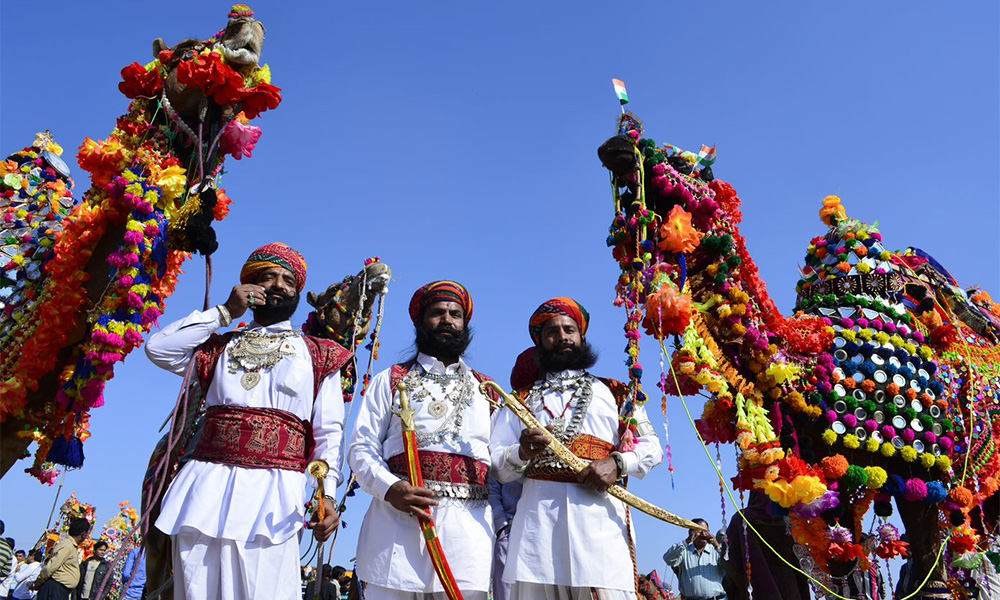
Best Festivals of Rajasthan: Month-Wise Calendar & Cultural Highlights
Discover Rajasthan festivals with month-wise planning, cultural context, and practical travel tips for better event-focused routes.
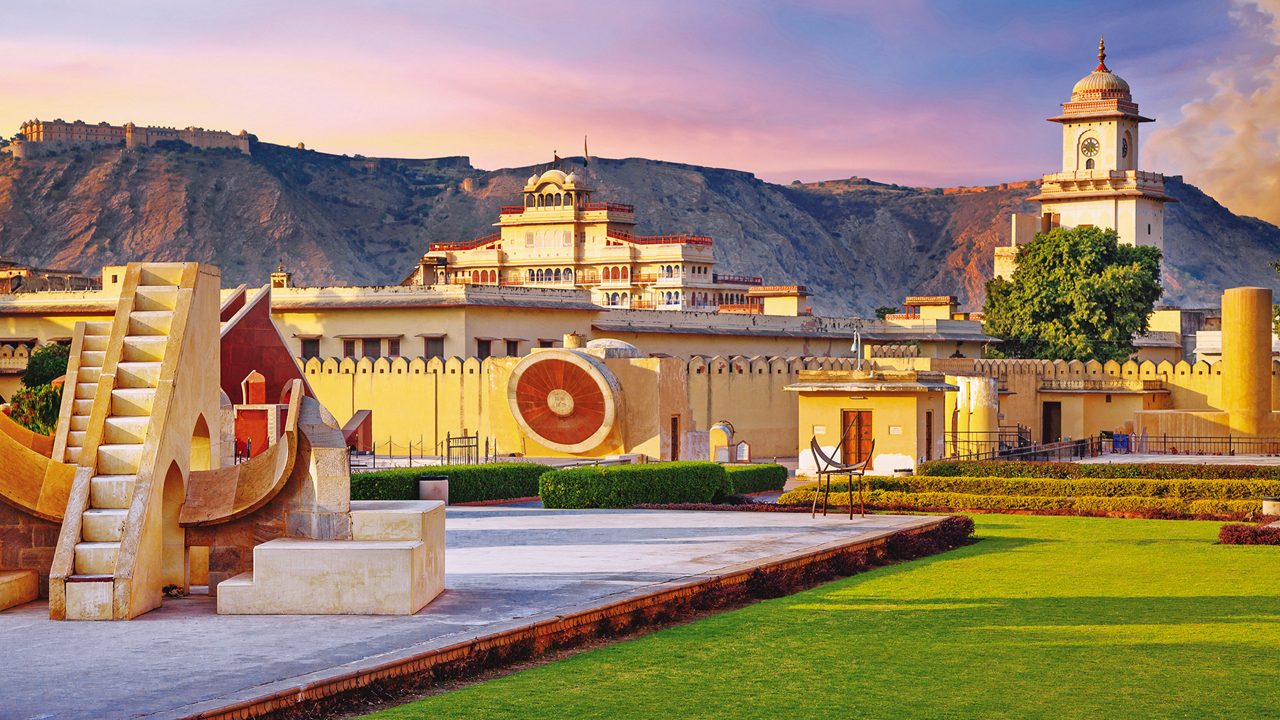
Jantar Mantar Jaipur: Timings, Tickets & Observatory Highlights
Explore Jantar Mantar Jaipur - the world's largest stone astronomical observatory. Get timings, entry fee, instruments guide & UNESCO heritage details.
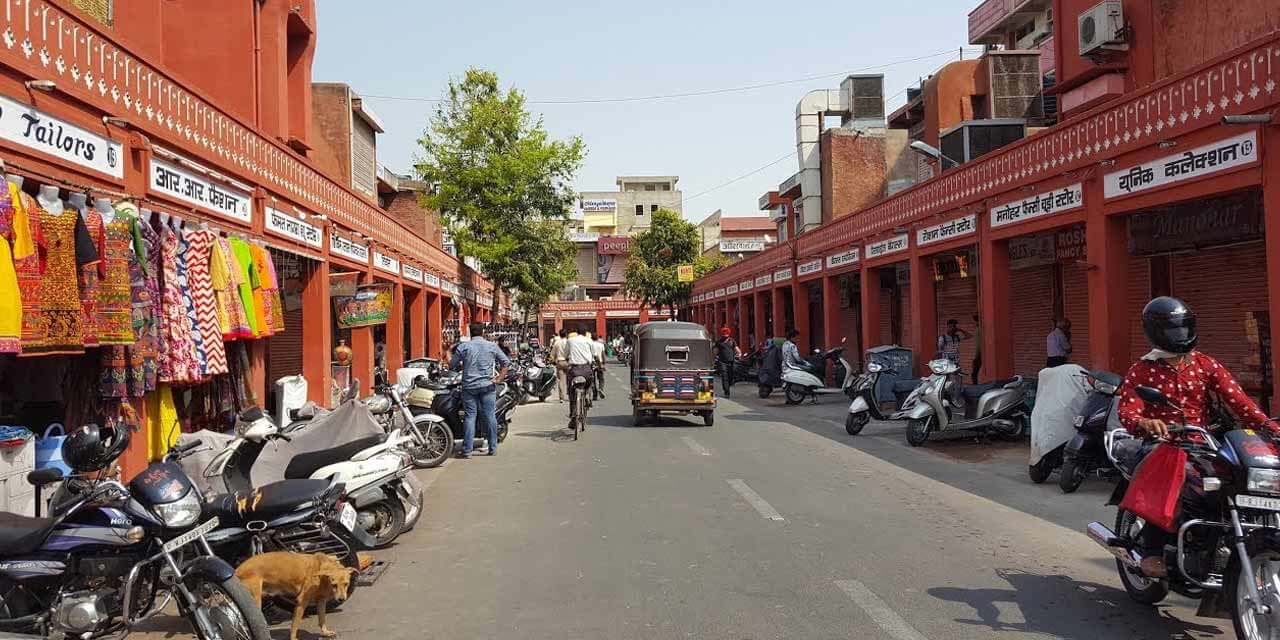
Bapu Bazar Jaipur: Shopping Guide, Timings and Tips
Plan your Bapu Bazar Jaipur visit with what-to-buy priorities, timings, bargaining strategy, and practical route tips for smarter Pink City shopping.
Never Miss an Adventure
Get the latest trekking guides, travel tips, and exclusive offers delivered straight to your inbox.
