
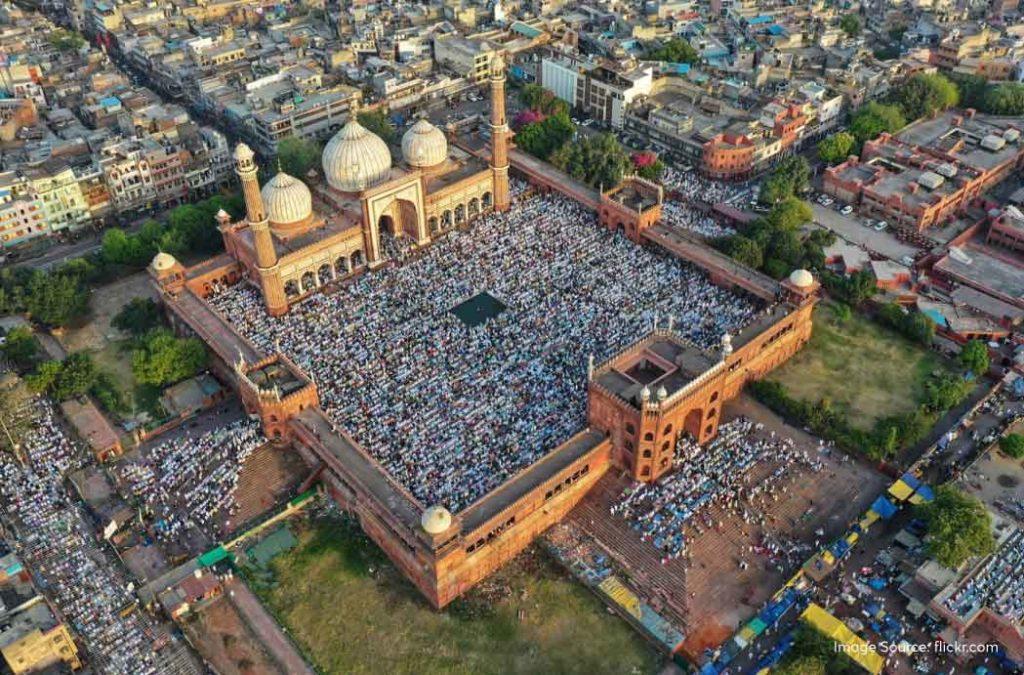
Jama Masjid Delhi Guide: Visit Timing, Etiquette, Nearby Route Planning, and Practical Tips

Rahul Garg
February 26, 2026
Plan your Jama Masjid Delhi visit with better timing, etiquette, and nearby heritage routing for a smoother Old Delhi experience.
Introduction
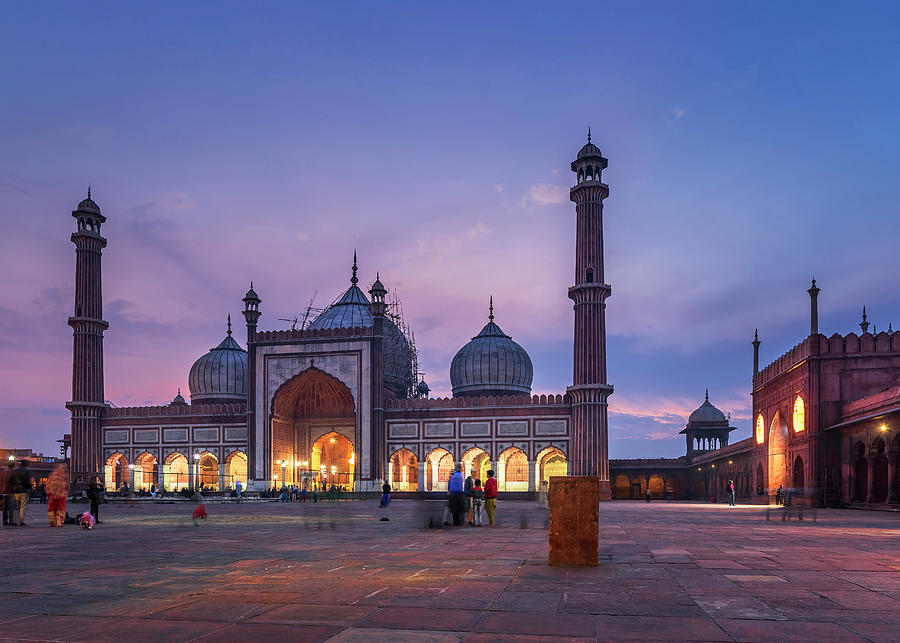
Jama Masjid Delhi is one of the city's most important historical and spiritual landmarks, drawing visitors for architecture, heritage context, and devotional significance. Despite its popularity, many visits are rushed and unstructured, often due to weak timing choices or lack of etiquette awareness. This guide helps you plan a respectful and efficient visit to Jama Masjid: best timing windows, on-site behavior, photography considerations, and how to combine the site with Old Delhi movement without exhausting your day.
Historical and Cultural Importance
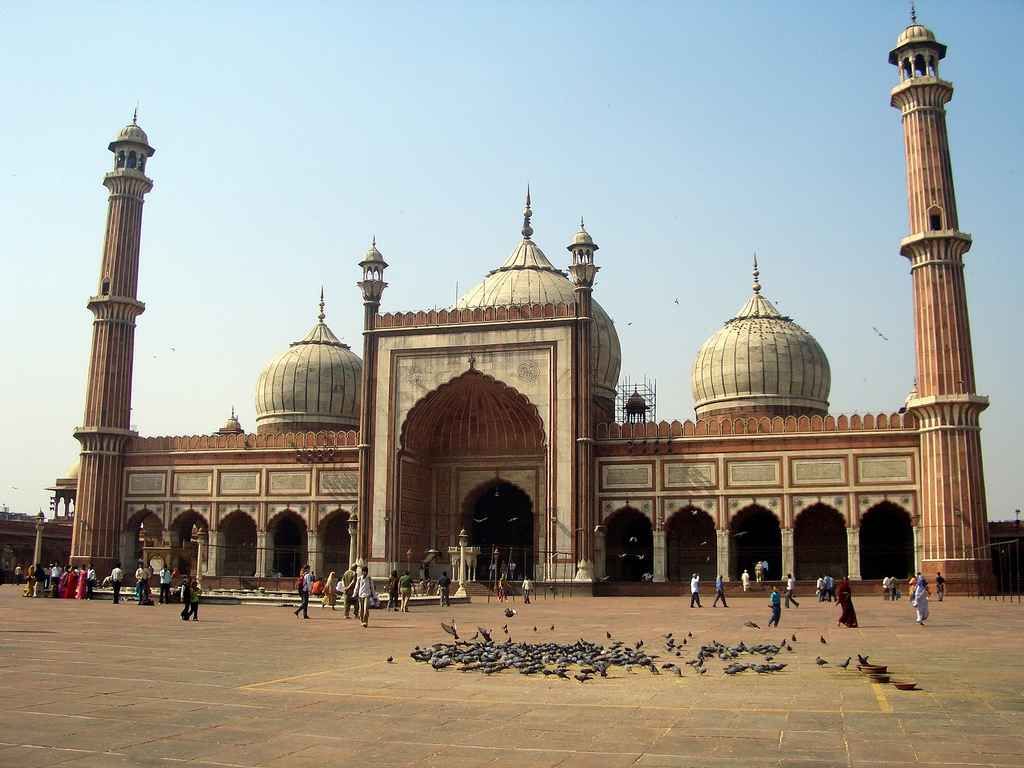
Jama Masjid is not only a major mosque but also a key anchor in Delhi's historical landscape. Its architecture, scale, and city position make it central to understanding Old Delhi's civic and spiritual evolution. Visitors who pause for context appreciate the site far more than those treating it as a quick checklist point. A short pre-read on surrounding heritage zones improves the experience significantly.
Best Time to Visit Jama Masjid
Early and late-day windows generally offer better light, relatively calmer movement, and more manageable heat conditions in most seasons. Peak midday can still work but may feel intense due to crowding and temperature. Always account for prayer timings and maintain flexibility if access or movement flow changes. Respectful timing choices are part of responsible heritage visitation.
Etiquette and Dress Guidelines
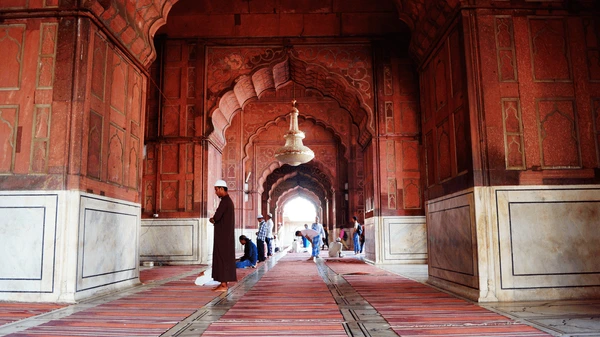
Modest dress and respectful behavior are essential. Follow on-site instructions, avoid loud conversation, and do not obstruct prayer areas for photos. Visitors should be mindful that this is an active place of worship, not a static monument. Simple etiquette awareness improves your experience and maintains dignity for worshippers and all visitors.
Photography and Visitor Conduct
Photography can be meaningful when done responsibly. Keep your framing quick in active zones, avoid intrusive close-ups of worshippers, and follow any current local guidance. Good heritage photography balances documentation with respect. If your group is large, assign one meeting point and avoid scattered movement to reduce confusion and disruption.
How to Combine Jama Masjid with Old Delhi Route
Jama Masjid works best in a compact Old Delhi cluster day with one or two additional nearby stops only. For practical sequencing, pair with Chandni Chowk Delhi and one major heritage complement like Red Fort Delhi. Avoid overloading multiple far-apart destinations in the same half day. Old Delhi rewards focused route design more than broad coverage.
Food and Break Planning Nearby
If you plan food exploration, keep it as a separate block after your mosque visit. This helps preserve spiritual focus and avoids rushing during worship-sensitive hours. Hydration, weather readiness, and short seated breaks matter in dense market zones. Controlled pacing makes Old Delhi visits substantially more comfortable.
Safety and Group Coordination
In crowded areas, basic coordination prevents avoidable stress. Keep valuables secure, define regroup points, and maintain a simple movement order for families and senior travelers. A calm plan with clear checkpoints is more useful than trying to improvise in high-footfall lanes.
Where Jama Masjid Fits in Delhi Itinerary
Jama Masjid can be a morning spiritual-heritage anchor followed by one curated city block. If you are building a broader Delhi day, combine thoughtfully with Agrasen ki Baoli Delhi and Akshardham Temple Delhi on separate time windows rather than stacking all major points in one rushed route. Distributed planning improves both depth and comfort.
Common Mistakes to Avoid
Frequent mistakes include peak-hour crowd overload, inappropriate dress, aggressive photography in prayer zones, and trying to cover too many distant destinations in the same session. Another issue is no hydration or break plan in Old Delhi conditions. Small preparation steps solve most of these problems.
Practical 2-3 Hour Visit Template
Arrive in a suitable timing window, complete respectful exploration, keep one reflection pause, then move to one nearby heritage or food block. This 2-3 hour structure is enough for meaningful coverage without fatigue. Add extra time only if you are comfortable with crowd and weather conditions.
Architecture Appreciation for Better Heritage Understanding
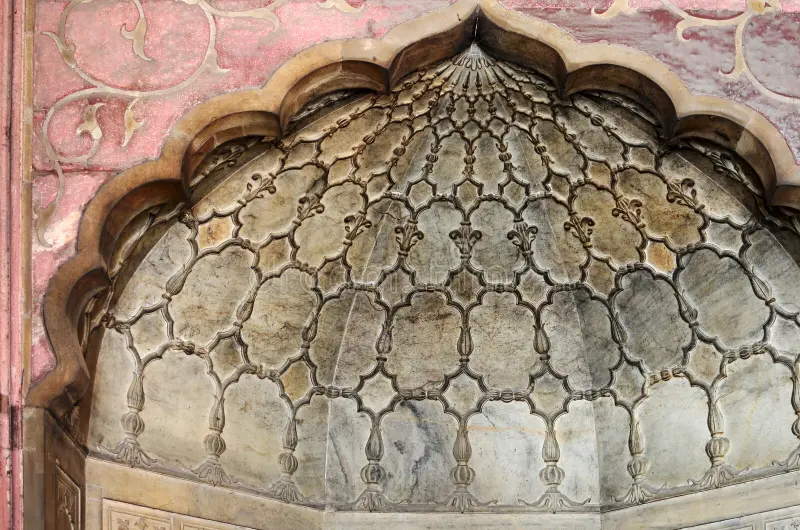
Jama Masjid is best experienced when you look beyond scale and pay attention to symmetry, stonework, and spatial design. Spend a few minutes observing how courtyard, prayer hall, and minaret lines create visual balance. Understanding these elements adds depth to the visit and helps you appreciate the site as living heritage rather than only a photo location. Even a short architecture-focused pause can significantly improve memory quality.
Managing Heat, Crowd, and Movement in Old Delhi
Old Delhi can be physically demanding due to heat, density, and constant movement. Keep water accessible, use comfortable footwear, and avoid overextending in peak midday windows. Plan short seated breaks between major stops. If your group includes seniors, keep one simplified route and avoid repeated backtracking through congested lanes. Good movement management keeps the visit enjoyable and reduces avoidable fatigue.
Respectful Photography and Public Behavior
Public heritage spaces require a balance between documentation and respect. Keep photography quick in active zones, avoid intrusive framing near worshippers, and maintain clear passage for others. If uncertain about a location, ask politely before filming. Respectful behavior preserves the sanctity of the site and creates a better experience for everyone.
Route Closure Strategy
End your Jama Masjid block with a planned transition, not random wandering. Decide in advance whether your next stop is heritage, food, or transport return. This avoids decision fatigue and keeps Old Delhi movement controlled. Structured closure turns a crowded-area visit into a smooth and meaningful half-day experience.
Planning for International and First-Time India Visitors
For first-time visitors to India, Jama Masjid can feel intense because of combined spiritual, historical, and street-level energy. The best approach is guided structure: set timing in advance, keep clothing ready, and use one clear old-city movement plan. Arrive with realistic expectations about crowd density and sensory pace. You do not need to cover everything nearby to have a meaningful experience.
How to Keep the Visit Respectful and Calm
Respectful visits depend on simple choices: moving patiently, speaking softly, and observing worship zones before taking photos. If unsure about behavior in any section, pause and follow local cues. Heritage and spirituality coexist at Jama Masjid, and visitors who honor both dimensions leave with deeper understanding. Calm behavior also improves your own experience because it reduces friction and keeps attention on the site itself.
Practical Weather and Footwear Advice
Seasonal heat, dust, and surface conditions in old-city areas can affect comfort significantly. Use breathable clothing, carry water, and choose footwear that supports walking on mixed urban surfaces. Small comfort decisions can determine whether your visit feels focused or exhausting.
Final Practical Reminder
Keep your route short, your timing realistic, and your behavior respectful. These three choices are enough to make Jama Masjid visits smoother and more meaningful for both first-time and repeat visitors.
Small Planning Habit
Before entering Old Delhi, set one fixed meeting point and one fallback transport plan. This tiny habit saves time and reduces stress in crowded conditions.
Final Visitor Note
Keep your visit respectful, hydrated, and time-aware for the best Old Delhi experience.
Conclusion
Jama Masjid Delhi offers a powerful blend of spirituality, history, and architecture when visited with respect and practical planning. Choose your timing wisely, follow etiquette, and keep your route focused. With this approach, your visit becomes meaningful, smooth, and better integrated into a broader Delhi heritage experience.
Location
Frequently Asked Questions
Q1.What is the best time to visit Jama Masjid Delhi?
Q2.Can Jama Masjid be combined with Chandni Chowk?
Q3.What is the main visitor mistake at Jama Masjid?
Q4.What is the entry fee for Jama Masjid Delhi?
Q5.Is there a dress code for entering Jama Masjid?
Q6.Can Jama Masjid be visited during prayer times?
Recommended For You
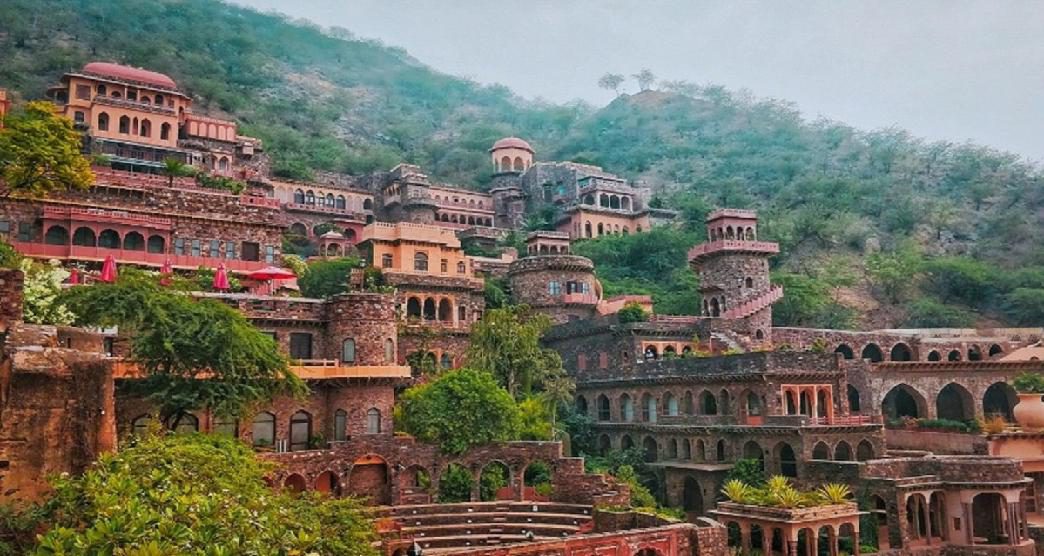
Best Places to Visit in Delhi: Monuments, Markets & Day Plans
Explore the best places to visit in Delhi including Red Fort, India Gate, Qutub Minar, Humayun's Tomb, Lotus Temple & Akshardham. Complete travel guide with timings, entry fees, and practical tips.
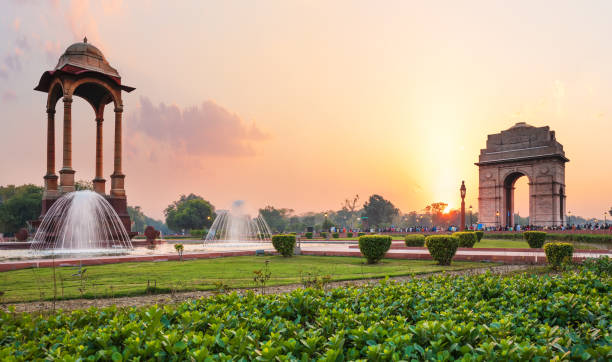
India Gate Delhi: Best Time, Nearby Spots & Night Visit Details
Visit India Gate Delhi with this complete guide covering history, architecture, timings, evening experience, nearby attractions, and practical travel tips.
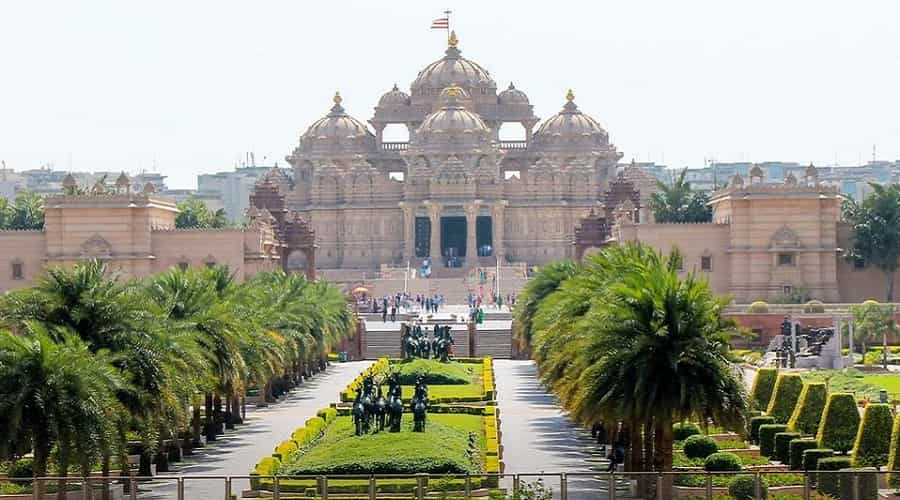
Akshardham Temple Delhi: Entry Rules, Timings & Evening Show Details
Visit Akshardham Temple Delhi - India's largest Hindu temple. Complete guide with timings, entry fees, light & sound show details, dress code, and practical tips.
Never Miss an Adventure
Get the latest trekking guides, travel tips, and exclusive offers delivered straight to your inbox.
