
Places to Visit in Old Delhi: Heritage Walk, Food Lanes & Markets

Priya Mehta
January 11, 2026
Explore the top places to visit in Old Delhi with a practical heritage walking route covering Red Fort, Jama Masjid, Chandni Chowk, markets, and food lanes.
Introduction: The Living Heart of Shahjahanabad
Old Delhi is not just a historic district on a map, it is a layered urban world where Mughal architecture, religious landmarks, wholesale markets, and street food culture still operate at full intensity every day. If you are searching for places to visit in Old Delhi, the best way to experience it is as a walkable heritage circuit rather than isolated attractions. The area rewards slow exploration: one monument block, one market block, one food block, and one religious-cultural stop.
Historically known as Shahjahanabad, Old Delhi was built as an imperial capital and still carries that memory through fort walls, mosque domes, narrow bazaars, and old haveli lanes. It can look chaotic at first, but route planning makes a big difference. This guide covers the most important Old Delhi tourist places, practical walking logic, metro access, time slots, and safety tips so you can see more without getting overwhelmed.
For broader city planning, pair this route with places to visit in Delhi and a food-focused follow-up from street food in Delhi.
1. Red Fort Complex: Monument Anchor of Old Delhi
Red Fort is the most recognizable landmark in the Old Delhi zone and one of the strongest starting points for a heritage walk. Built in red sandstone, it functioned as the imperial residence during Mughal rule and remains central to Delhi's historical identity. Within the complex, visitors usually focus on ceremonial halls, museum sections, and the market corridor inside.
What to See Inside and Around Red Fort
- Lahori Gate and main approach: high-traffic entry and key photo perspective.
- Chhatta Chowk corridor: market-style arcade reflecting imperial-commercial overlap.
- Diwan-i-Aam and Diwan-i-Khas context: governance and court architecture references.
- Outer wall views: good for understanding fort scale in relation to nearby bazaars.
Plan your Red Fort block in the morning for better movement and lower heat. Keep buffer time for ticket queues, security checks, and museum pacing.
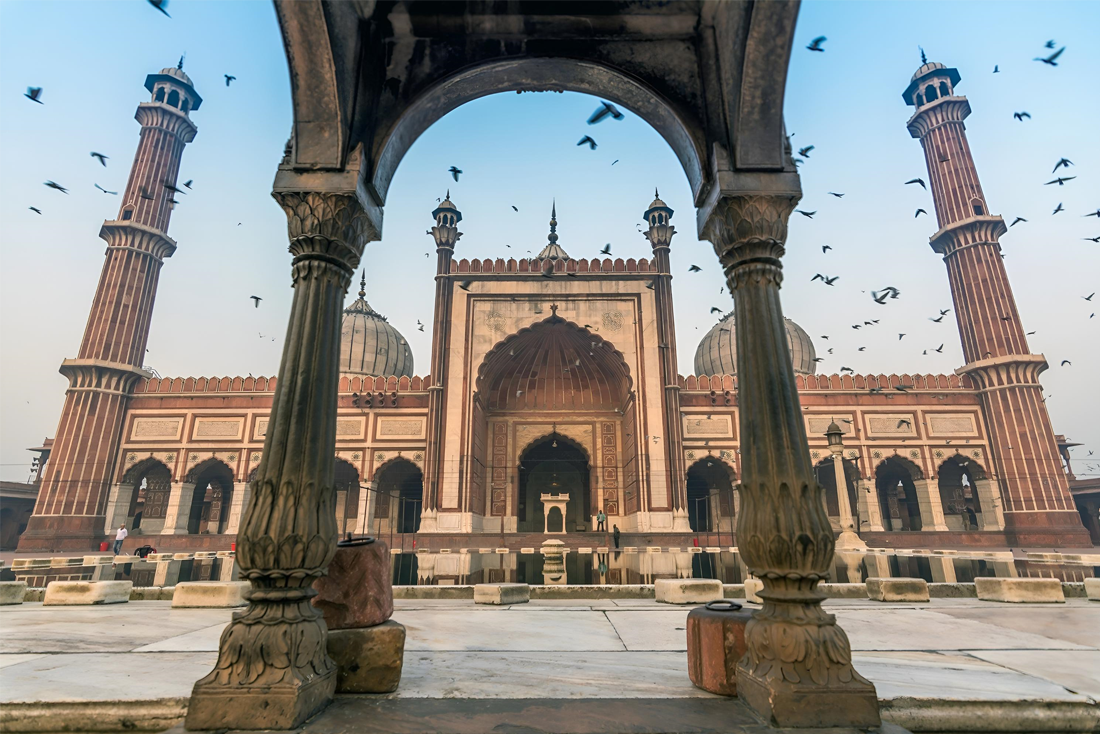
2. Jama Masjid and Its Surroundings
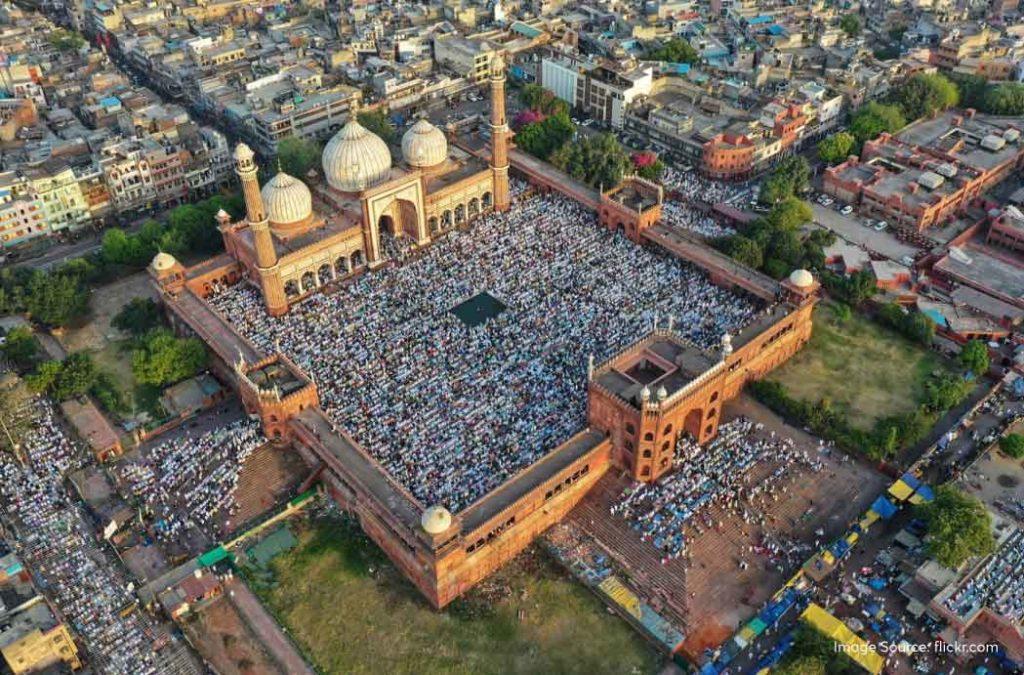
Jama Masjid is one of the most important mosques in India and a major part of Old Delhi's skyline. The mosque courtyard, prayer architecture, and surrounding lane network represent the devotional and commercial rhythm of the district. Visitors often combine this stop with food lanes and nearby market walking because all are tightly connected.
How to Visit Respectfully
- Dress modestly and follow local entry guidance.
- Be aware of prayer timings and peak congregation periods.
- Ask before photographing people in sensitive areas.
- Use the visit as a cultural stop, not just a quick photo point.
After Jama Masjid, most travelers move toward food and bazaar lanes instead of returning to wider roads. This keeps the walk more immersive and reduces route backtracking.
| Stop | Best For | Ideal Time Window |
|---|---|---|
| Red Fort | Imperial Mughal architecture and museums | Morning |
| Jama Masjid | Religious heritage and skyline views | Late morning / early afternoon |
| Chandni Chowk | Markets, shopping, food, street life | Afternoon to evening |
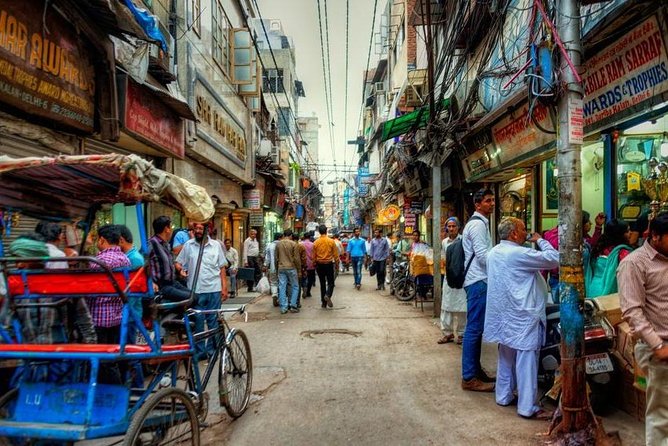
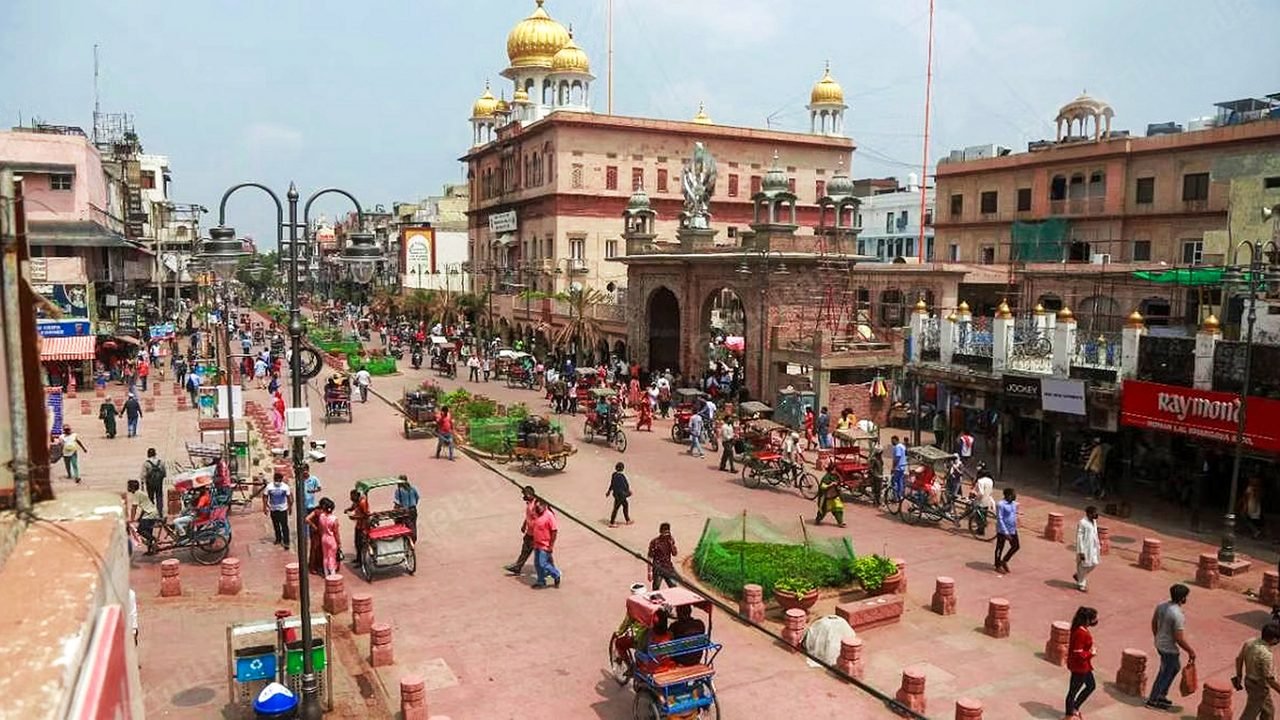
3. Chandni Chowk Market Area
Chandni Chowk is the commercial core of Old Delhi and one of India's most active historic market corridors. Instead of treating it as one street, think of it as multiple specialist lanes with distinct product categories and customer behavior. This is where Old Delhi's energy is most visible: wedding items, spices, silver, books, textiles, and street food all run side by side.
Important Market Lanes to Include
- Kinari Bazaar: wedding accessories and ceremonial materials.
- Dariba Kalan: silver jewelry and traditional metalwork shops.
- Ballimaran: old lanes linked with footwear and literary history zones.
- Nai Sarak: books, stationery, and academic supply markets.
Chandni Chowk can feel intense for first-time visitors due crowd density, narrow roads, and mixed traffic. Keep valuables secure, avoid rigid scheduling, and use short pauses at key junctions to reorient your route.
4. Spice Markets and Bazaar Culture
Old Delhi's spice trade is one of the strongest cultural experiences in the area, especially around Khari Baoli and nearby wholesale lanes. The market is sensory-heavy: stacked sacks, moving carts, spice aromas, and traders working in rapid cycles. Even if you do not buy in bulk, walking through this zone adds essential context to Old Delhi's economic history.
What Makes This Area Special
- Historic continuity of trade patterns over centuries.
- Wholesale and retail activity happening together.
- Strong photography potential if approached respectfully.
- Easy integration with Fatehpuri-side walking route.
For travelers interested in food and ingredient culture, this section is often as memorable as monument stops. Use closed footwear and avoid standing in loading lanes where handcarts move quickly.
5. Havelis and Heritage Structures of Old Delhi
Beyond major monuments, Old Delhi still preserves fragments of historic haveli culture. Some buildings are restored, some partially adapted, and some only visible as facades embedded in active neighborhoods. These spaces reveal how residential and commercial life evolved after the Mughal period into colonial and modern transitions.
Key examples usually discussed in heritage walks include Ghalib-linked areas in Ballimaran and restored hospitality properties such as Haveli Dharampura zones. You may not cover all of them formally, but keeping one haveli-focused stop adds depth beyond fort-and-market tourism.
If your trip is history-first, pair this article with historical places in Delhi for broader context across city zones.
6. Religious Shrines Across a Compact Radius
One of Old Delhi's defining strengths is religious diversity within short walking distances. In the same circuit, you can move between mosque precincts, Sikh sites like Sis Ganj area, Jain temple zones, and other heritage-faith landmarks. This coexistence is not abstract; it is visible in daily route rhythms, shared market corridors, and festival-period movement.
When planning shrine visits, keep behavior consistent across all spaces: modest dress, respectful photography, and quiet movement where worship is active. This improves both cultural understanding and local reception.
7. Street Food Route in Old Delhi
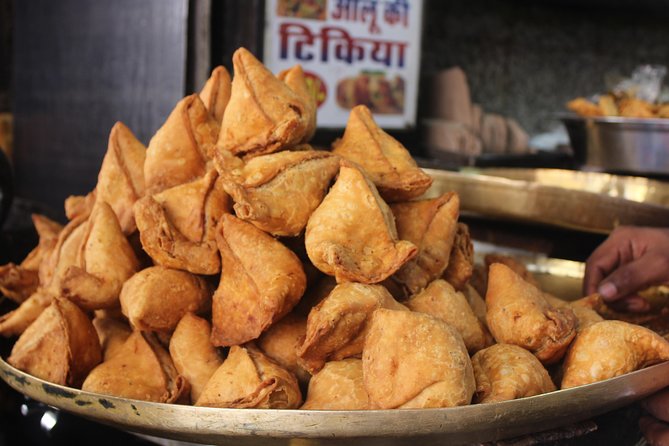
Old Delhi is one of India's most discussed street-food clusters, but the best experience comes from selective tasting, not random overeating. Build a route around 3 to 5 targeted stops and keep hydration steady. Popular names vary by preference, but common clusters include paratha lanes, chaat, jalebi, kebab, and legacy sweets.
Practical Food-Walk Structure
- Start after late morning if combining with monuments.
- Choose small portions to try multiple specialties.
- Prefer high-turnover shops during peak windows.
- Keep one backup non-spicy option in your route.
For dedicated food mapping, use street food in Delhi as your second-layer plan instead of forcing every famous stall into one evening.
8. Old Delhi Walking Route You Can Actually Follow
A realistic walking route is better than attraction overloading. This sample path balances monuments, markets, and food without excessive detours:
- Start: Red Fort side access and monument block.
- Second: Move toward Jama Masjid and nearby lanes.
- Third: Enter Chandni Chowk market segments.
- Fourth: Continue to spice market / Khari Baoli belt.
- End: Food lane stop and metro return.
This sequence keeps movement mostly linear and helps avoid repeated crossings of congested streets.
9. How to Reach Old Delhi and Move Efficiently
Metro is the easiest way to access Old Delhi for most travelers. Depending on your first stop, choose the station that minimizes walking through peak traffic at arrival. Auto-rickshaw and e-rickshaw transfers work for last-mile movement, but walking is still essential inside core lanes.
Transport Tips
- Arrive early to avoid late-morning congestion spikes.
- Use metro + short rickshaw strategy instead of full private-car drop inside dense lanes.
- If using cabs, set drop points near major edges, not deep interior lanes.
- Keep offline maps downloaded because GPS lane accuracy can vary.
Parking is limited and stressful inside market-heavy zones, so self-drive into inner lanes is rarely the best option for first-time visitors.
10. Best Time to Visit Old Delhi
- October to March: most comfortable for long heritage walks.
- April to June: hot afternoons; use early morning slots only.
- July to September: mixed weather and humidity; keep flexible pace.
Weekdays are usually better than weekends for easier movement and more controlled food-stop queues. Festival seasons are culturally rich but can be extremely crowded; visit then only if you are comfortable with high-density street environments.
11. Safety and Practical Ground Rules
- Keep phone and wallet secure in dense market blocks.
- Wear breathable clothes and covered footwear for long lane walking.
- Carry small cash for quick purchases and local transport.
- Avoid aggressive bargaining in heritage-sensitive zones.
- Stay hydrated and take short breaks in shaded areas.
- If traveling with family, set clear meeting points in crowded corridors.
Old Delhi is highly rewarding when navigated calmly and respectfully. Route discipline matters more than speed.
12. One-Day Old Delhi Time Block Plan
If you only have one day, divide Old Delhi into clear time blocks instead of counting attractions. Keep morning for Red Fort and one nearby monument lane, mid-day for Jama Masjid and a short food stop, and afternoon-evening for Chandni Chowk plus spice market exploration. This method prevents fatigue and makes navigation easier in crowded streets. Keep at least one flexible buffer slot for traffic delays, prayer-time adjustments, or food queues.
Final Take
The best places to visit in Old Delhi combine imperial monuments, religious landmarks, historic markets, and one of India's richest street-food ecosystems. Treat it as a structured heritage walk rather than a rushed checklist. With the right route order, metro-first access, and realistic pacing, Old Delhi becomes one of the most memorable cultural experiences in Delhi.
Location
Frequently Asked Questions
Q1.What are the must-visit places in Old Delhi?
Q2.How much time is enough for Old Delhi sightseeing?
Q3.Is Old Delhi safe for tourists?
Q4.What is special about Chandni Chowk?
Q5.Can tourists visit Jama Masjid in Old Delhi?
Q6.What is the best time to visit Old Delhi?
Q7.How do I reach Old Delhi by metro?
Q8.Is parking available in Old Delhi?
Recommended For You
Historical Places in Delhi: Top 30 Heritage Monuments
Discover best historical places in Delhi! Find Red Fort, Qutub Minar, Humayun's Tomb, and complete travel guide to India's capital heritage monuments.
Jama Masjid Delhi: Timings, Entry Rules & Nearby Old Delhi Walk
Complete Jama Masjid Delhi guide with timings, entry details, architecture highlights, minaret climb tips, dress code, and nearby Old Delhi route planning.
Red Fort Delhi: Ticket Price, Timings, Metro Route & Sound Show
Discover Red Fort Delhi - UNESCO World Heritage Site. Complete visitor guide with timings, tickets, sound show details, metro route, and Old Delhi itinerary tips.
Never Miss an Adventure
Get the latest trekking guides, travel tips, and exclusive offers delivered straight to your inbox.
