
Jama Masjid Delhi: Timings, Entry Rules & Nearby Old Delhi Walk

Neha Kapoor
November 24, 2025
Complete Jama Masjid Delhi guide with timings, entry details, architecture highlights, minaret climb tips, dress code, and nearby Old Delhi route planning.
Introduction: Why Jama Masjid Is Essential in Old Delhi
Jama Masjid is one of Delhi's most important historical and living religious landmarks, built in the Mughal period and still active as a major congregational mosque. For many travelers exploring Old Delhi, it is not just a monument stop but a cultural anchor that connects architecture, faith, market life, and street food routes in one compact area. If you are planning a visit, the key is to combine respect for prayer activity with practical timing and route planning.
The mosque sits near the Red Fort-Chandni Chowk heritage belt and is often included in half-day and full-day Old Delhi itineraries. Its vast courtyard, towering minarets, red sandstone and marble design, and panoramic old-city views make it a high-value stop for history enthusiasts and first-time Delhi visitors.
This guide covers Jama Masjid Delhi timings, entry details, architecture highlights, minaret climb rules, dress code, nearby attractions, and realistic planning tips so your visit stays smooth and respectful.

1. History and Shah Jahan's Vision
Jama Masjid was commissioned by Mughal emperor Shah Jahan and completed in the 17th century as one of the principal congregational mosques of his imperial capital. The structure reflects classic Mughal planning language: strong symmetry, elevated plinth, monumental scale, and the use of red sandstone with white marble contrast.
Historically, the mosque functioned not only as a place of worship but also as a civic-religious center tied to the old city's social and commercial life. Even today, that continuity is visible in the surrounding lanes where prayer movement, bazaar activity, and food traditions overlap through the day.
For travelers, this historical layer is important because Jama Masjid is best experienced as part of the wider Shahjahanabad zone, not as an isolated photo location.
2. Jama Masjid Timings and Entry Details
Timings at Jama Masjid are generally linked to daily prayer cycles, so visitor access windows can pause around namaz periods. Practical visitor planning should always account for this. Publicly listed hours can vary by source, date, and local instructions, so same-day confirmation at the site is recommended.
| Visitor Item | Typical Guidance | Planning Note |
|---|---|---|
| General visiting window | Daytime access between prayer sessions | Arrival in morning or late afternoon is easier |
| Entry | Access typically available with on-site rules | Rules can vary by current management guidance |
| Minaret climb | Usually ticketed and capacity-limited | May close during crowd or prayer-sensitive periods |
| Photography | Allowed with restrictions | Always ask when in doubt |
Avoid rigid minute-by-minute plans around Friday peak periods and major religious dates, when crowd volume rises significantly.
3. Architecture and Design Features
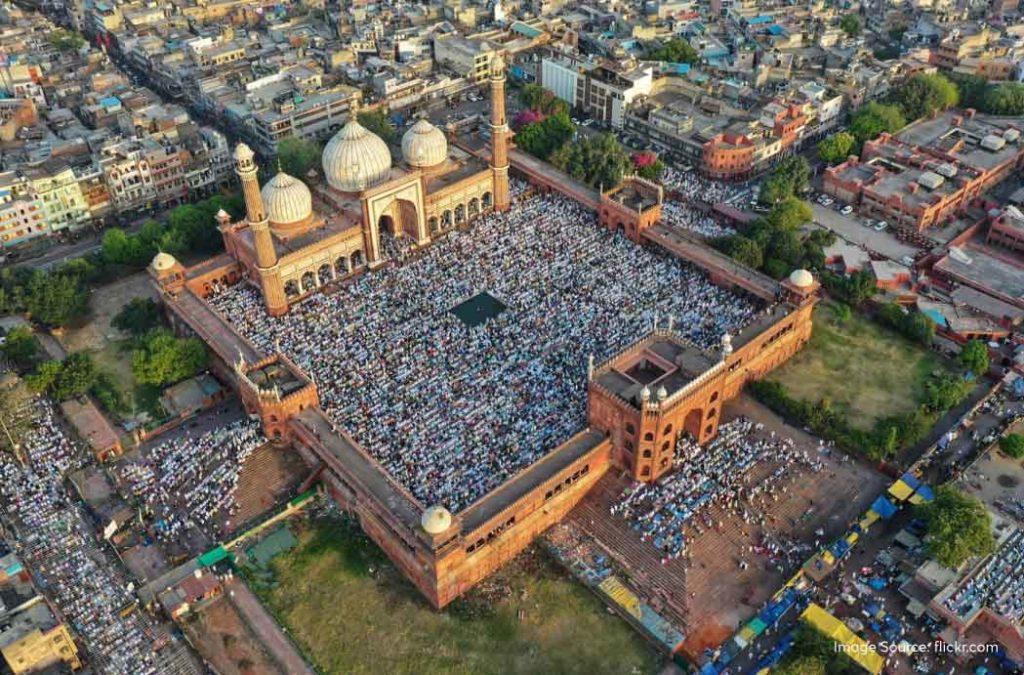
Jama Masjid's architecture balances monumental mass with detailed craftsmanship. The three gateways, broad staircase approaches, domes, arcaded prayer hall, and twin minarets create one of the most recognizable silhouettes in Old Delhi.
Key Features to Observe
- Courtyard scale: among the largest prayer courtyards in India, designed for large congregations.
- Material contrast: red sandstone surfaces framed with white marble elements.
- Calligraphic and decorative details: inscriptions and ornamental geometry in prayer-facing sections.
- Minaret composition: vertical markers that define the mosque's skyline presence.
Take time to observe architectural proportions from multiple points in the courtyard instead of standing only near one gate. This gives a better understanding of Mughal spatial design intent.

4. Minaret Climb Experience
The minaret climb is one of the most popular visitor experiences at Jama Masjid, mainly for panoramic views of Old Delhi's dense urban fabric. Access is usually controlled and can be limited during busy periods.
What to Expect
- Narrow stairway movement with controlled entry.
- Short but physically tighter climb than casual visitors expect.
- Strong rooftop and skyline views in clear weather.
- Better photo conditions in softer morning or late-afternoon light.
If you are uncomfortable with narrow vertical staircases, skip the climb and enjoy courtyard-level architecture and surrounding heritage lanes instead. Safety and comfort should come first.
5. Courtyard and Prayer Etiquette
As an active mosque, Jama Masjid requires visitor behavior that respects worship activity. This is essential for both cultural sensitivity and practical access continuity.
Visitor Conduct Guidelines
- Dress modestly and follow on-site clothing instructions.
- Remove footwear where required.
- Keep voice levels low in prayer-adjacent spaces.
- Avoid blocking movement routes used by worshippers.
- Do not photograph people in prayer without permission.
When in doubt, follow local staff guidance immediately. Respectful behavior usually leads to a much better visitor experience.
6. Best Time to Visit Jama Masjid Delhi
- October to March: best weather for combined Old Delhi walking routes.
- April to June: hot conditions; prefer early-morning visits.
- Monsoon months: manageable but humid; keep flexible pace.
Within a day, early morning and late afternoon are generally the most comfortable for architecture viewing and nearby lane exploration. Midday can be hotter and more crowded depending season.
7. How to Reach Jama Masjid
Metro is usually the easiest way to access Jama Masjid for most travelers. Last-mile movement is often done on foot or short rickshaw transfers depending where you start your Old Delhi route.
Practical Access Options
- By metro: use the nearest operational station for the Jama Masjid-Old Delhi zone.
- By auto/rickshaw: useful for short transfers from nearby heritage stops.
- By cab: drop at outer points and walk inward in dense lane periods.
Parking inside old-city lanes can be stressful and time-consuming, so public transport plus walking is usually the most efficient approach.
8. Nearby Attractions You Should Combine
Jama Masjid sits inside one of Delhi's richest heritage clusters. Pairing nearby stops gives better value than a standalone short visit.
- Red Fort Delhi for imperial Mughal context.
- Chandni Chowk for market and street-heritage walking.
- Places to visit in Old Delhi for structured route planning.
- Street food in Delhi for post-visit food trail mapping.
A practical sequence is Red Fort first, Jama Masjid second, then Chandni Chowk and food lanes in late afternoon or evening.

9. Dress Code and Visitor Tips
Dress code matters at Jama Masjid. Visitors should wear modest clothing that aligns with mosque expectations. On-site coverings may be provided or required in certain cases.
Useful Tips Before You Go
- Carry light socks if walking barefoot sections are uncomfortable.
- Keep small cash for local services where digital options fail.
- Avoid carrying large luggage into dense heritage lanes.
- Use hydration breaks in summer; heat management is important.
- Check prayer-sensitive windows before scheduling photography.
For full city continuation after Old Delhi, use places to visit in Delhi and historical places in Delhi to build the next segment.
10. Common Mistakes to Avoid
- Arriving exactly during peak prayer time with fixed itinerary pressure.
- Treating the mosque as only a quick photo stop.
- Ignoring dress and conduct requirements.
- Overpacking same-day route without crowd buffer.
- Relying on outdated timing screenshots.
Simple planning and respectful behavior are enough to make this one of Delhi's most rewarding heritage visits.
11. Deeper Historical Context for First-Time Visitors
Understanding Jama Masjid becomes easier when you place it in the wider urban plan of Shahjahanabad. The mosque was not built as an isolated structure; it was integrated into a capital-city vision where power, faith, commerce, and daily movement intersected. Nearby gates, market routes, and fort alignments all reflect this idea. That is why a mosque visit followed by Red Fort and Chandni Chowk exploration feels coherent rather than random.
Over time, the neighborhood around Jama Masjid changed through colonial and post-colonial periods, but the mosque remained an active devotional center. Today, visitors experience both continuity and change: historic architecture and prayer rhythm on one side, dense modern market life and street mobility on the other. This layered character is what makes the site culturally significant beyond architectural beauty alone.
12. Suggested 3-Hour and 5-Hour Visit Plans
3-Hour Compact Plan
- Arrival and courtyard exploration.
- Architecture-focused walkthrough.
- Optional minaret climb (time permitting).
- Short exit through nearby lane with tea/snack break.
5-Hour Heritage Plan
- Jama Masjid detailed visit with prayer-aware timing.
- Walk or short transfer to Red Fort edge route.
- Chandni Chowk lane block with targeted food stop.
- End with Old Delhi market-cultural walk.
The 5-hour plan works better for travelers who want both monument depth and city-context understanding in one sequence.
13. Photography and Crowd Management Tips
Photography at Jama Masjid is rewarding but should be respectful and situationally aware. Use wide frames for courtyard geometry, but avoid blocking active movement paths. During prayer-sensitive windows, focus on architecture rather than close human shots unless explicit permission is given. If crowd density rises, pause near side spaces and resume once movement clears.
For best results, visit in softer light windows and avoid harsh midday contrast. A slower, respectful approach gives better images and a better overall experience for everyone present.
If you are visiting with family or seniors, keep extra rest buffers between monument and market segments. Slow pacing improves comfort and helps you absorb the site's historical and spiritual character.
Final Take
Jama Masjid Delhi is a landmark where architecture, faith, and Old Delhi culture meet in one powerful setting. Visit with prayer-aware timing, follow dress and conduct guidance, and combine nearby heritage stops for a complete experience. With the right route and respectful approach, Jama Masjid becomes a standout highlight of Delhi travel.

Location
Frequently Asked Questions
Q1.What are Jama Masjid Delhi timings for visitors?
Q2.Is there an entry fee for Jama Masjid Delhi?
Q3.Who built Jama Masjid in Delhi?
Q4.Can tourists climb the minaret at Jama Masjid?
Q5.What is the dress code for Jama Masjid visitors?
Q6.How do I reach Jama Masjid by metro?
Q7.What are the best nearby places to visit after Jama Masjid?
Q8.What is the best time of day to visit Jama Masjid?
Recommended For You
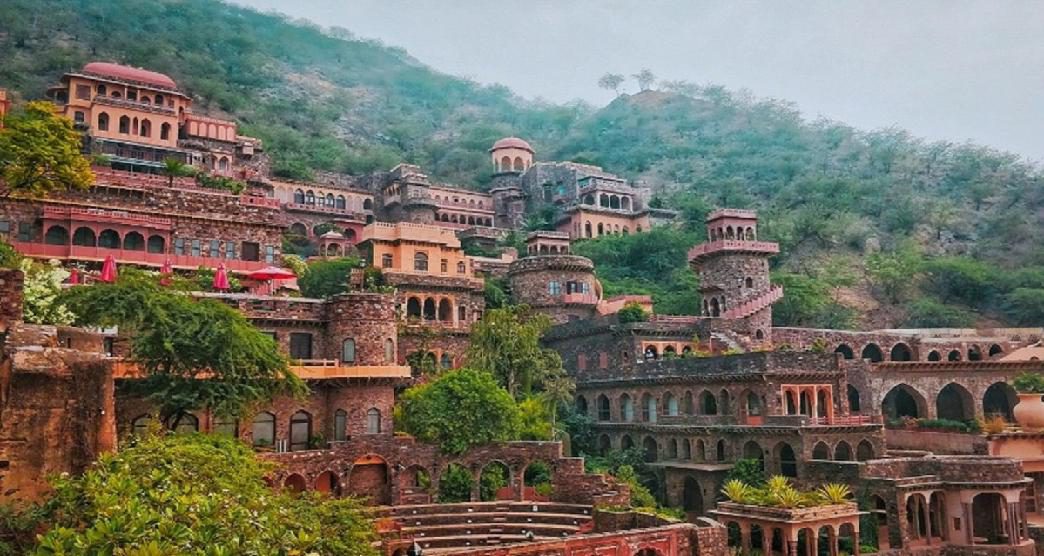
Best Places to Visit in Delhi: Monuments, Markets & Day Plans
Explore the best places to visit in Delhi including Red Fort, India Gate, Qutub Minar, Humayun's Tomb, Lotus Temple & Akshardham. Complete travel guide with timings, entry fees, and practical tips.
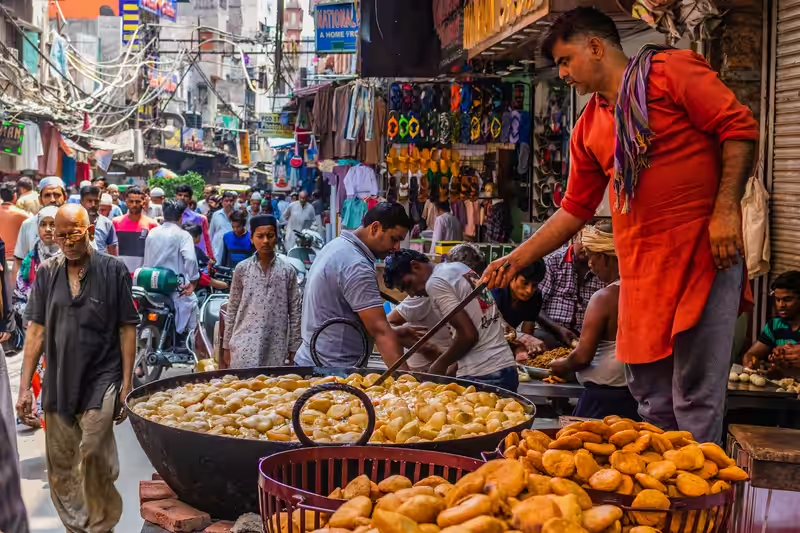
Street Food Delhi: Complete Guide to Chaat & Local Eats
Complete guide to Delhi's street food including chaat, gol gappe, chole bhature, parathas, famous locations, and food safety tips.
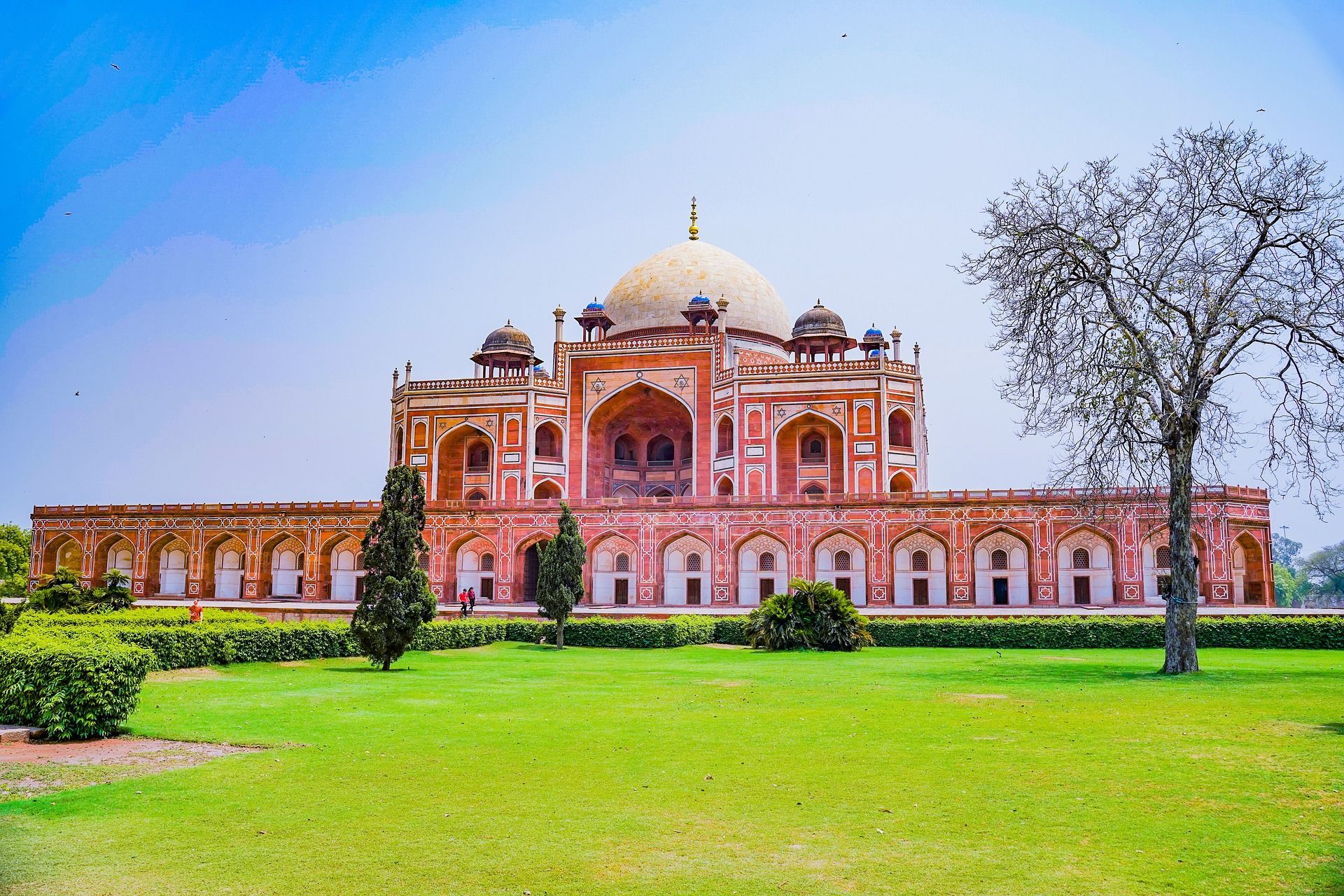
Historical Places in Delhi: Top 30 Heritage Monuments
Discover best historical places in Delhi! Find Red Fort, Qutub Minar, Humayun's Tomb, and complete travel guide to India's capital heritage monuments.
Never Miss an Adventure
Get the latest trekking guides, travel tips, and exclusive offers delivered straight to your inbox.
