
Western Ghats Biodiversity: Species Richness, Conservation & Responsible Travel

Rahul Garg
February 26, 2026
Practical guide to western ghats biodiversity with timing strategy, route planning, and responsible travel tips.
Western Ghats Biodiversity: Why This Region Is Globally Important
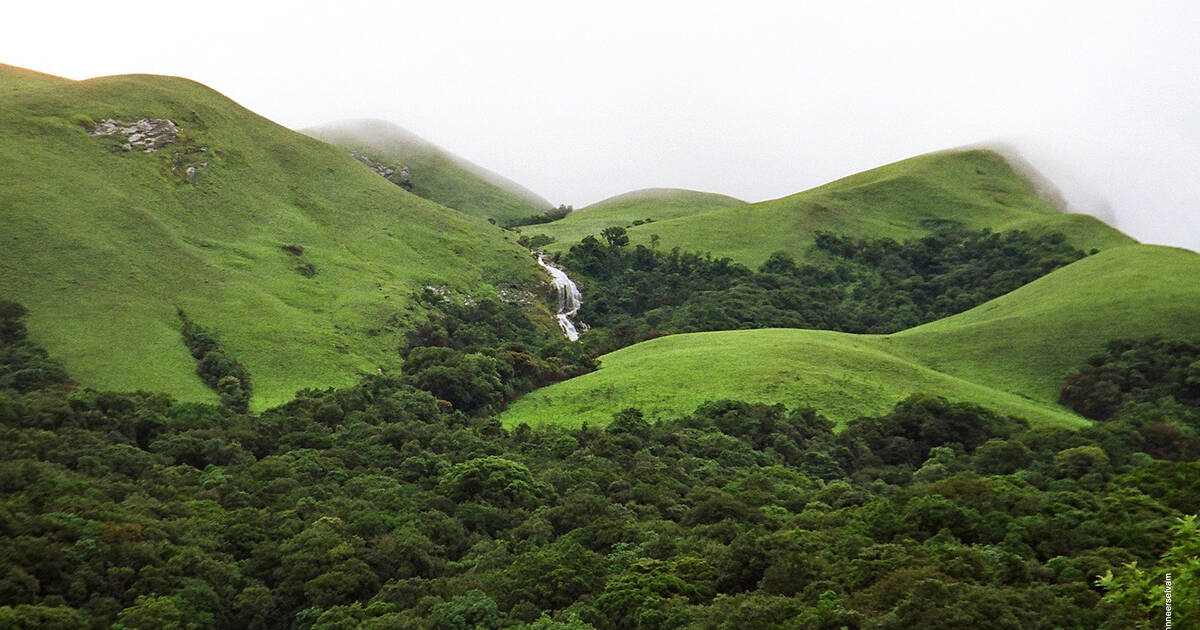
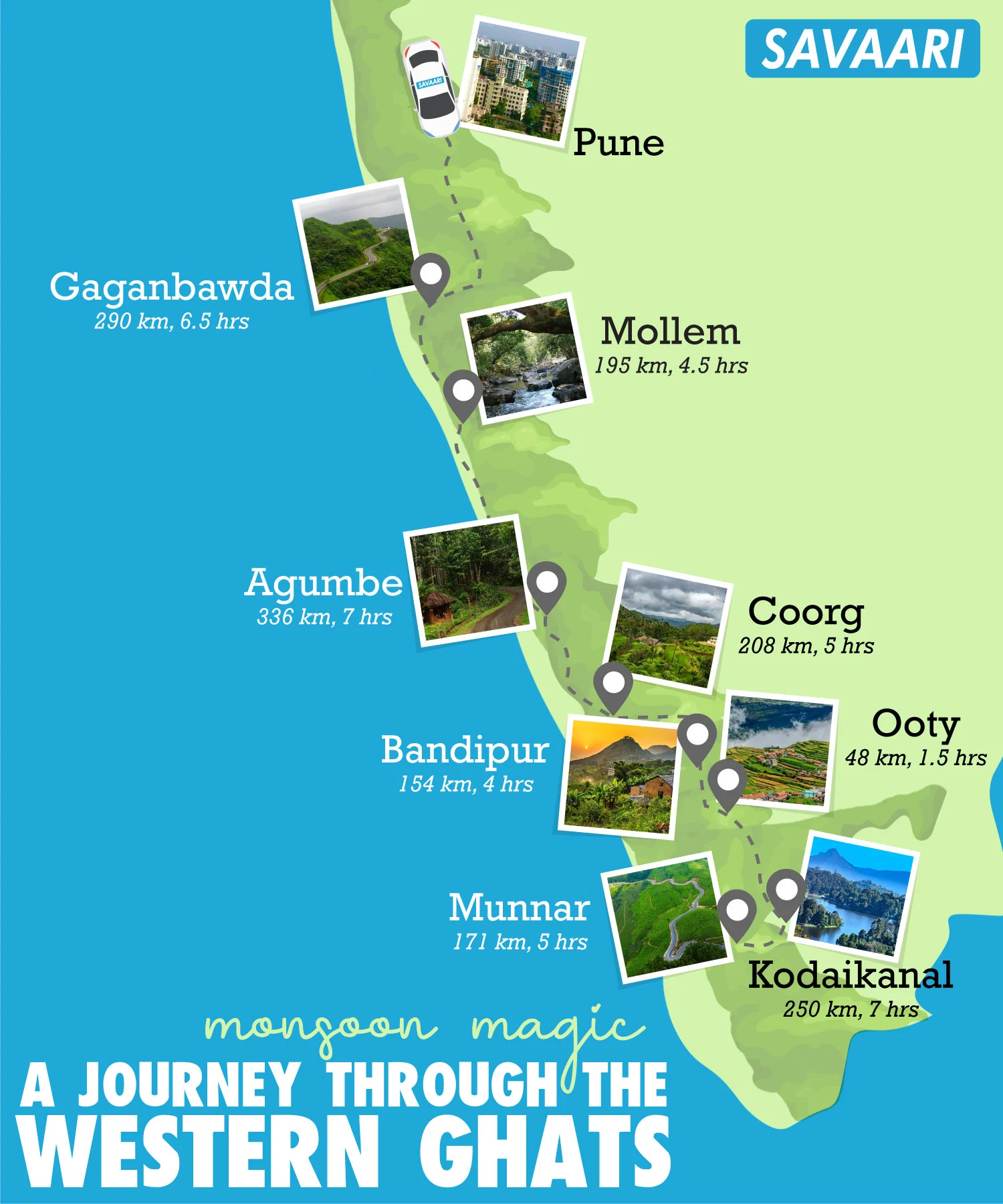
The Western Ghats are not just a scenic mountain belt. They are one of the world’s most important biodiversity landscapes, with exceptional endemism, high rainfall-driven ecosystem diversity, and deep ecological influence on peninsular India. The range affects monsoon behavior, supports major river systems, and sustains habitat networks that hold a large concentration of threatened species. If you visit the Ghats as only a hill station trip, you experience scenery; if you visit with biodiversity context, you understand why this landscape is globally significant.
A strong Western Ghats trip starts with one core mindset: this is a living ecological system, not a single attraction. Your route, season choice, and on-ground behavior all influence both your experience quality and your ecological impact.
How to Choose the Right Season for Biodiversity Travel
Season choice in the Western Ghats should match your objective. If your goal is lush landscapes, waterfalls, and cloud-heavy visual atmosphere, monsoon and immediate post-monsoon windows offer dramatic outcomes in many subregions. If your goal is long trail mobility, broader road reliability, and easier multi-stop logistics, drier periods are often more practical.
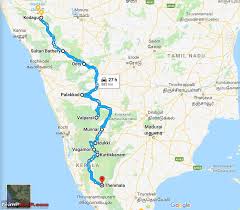
Because conditions vary across states and elevations, avoid one-size-fits-all assumptions. Map your route first, then align season accordingly. For destination planning context, compare movement patterns with best places to visit kerala before fixing dates.
What Makes Western Ghats Biodiversity Unique
The ecological value of the Ghats comes from habitat complexity: evergreen forests, shola-grassland mosaics, montane zones, riverine systems, and seasonal microhabitats. This supports high numbers of endemic plants, amphibians, reptiles, birds, and mammals. Endemism here is not a minor feature; it is a defining characteristic. That means biodiversity observation can change significantly even across short geographic distances.
Travelers who move slowly and observe habitat transitions usually gain much more insight than those who rush across long distances in one day. The Ghats reward depth, not speed.
Building a Practical Route: One Habitat Theme per Day
A reliable planning model is to assign one habitat theme per day: forest interpretation, wetland or river corridor observation, high-elevation landscape block, or sanctuary-focused day. This prevents route fragmentation and improves learning quality. Randomly mixing too many ecological objectives often leads to long transit hours and shallow engagement.
If your itinerary includes mountain towns, balance scenic movement using hill stations kerala so elevation-heavy travel does not consume your biodiversity observation windows.
Sanctuaries, Protected Areas, and Responsible Access
Protected areas in the Ghats operate with different local protocols for entry windows, guides, and trail limits. Always verify current access rules before departure. Do not assume historical route advice is valid in the current season. Local management may change entry conditions for conservation, safety, or weather reasons.
If wildlife-focused access is a major objective, use wildlife sanctuaries kerala as a route reference and then prioritize fewer but better-managed sanctuary visits over high-count rushed hopping.
Field Behavior: Small Habits, Big Ecological Difference
Biodiversity travel quality depends on behavior more than gear. Keep noise low, avoid feeding wildlife, stay on designated routes, and do not pressure guides for unsafe or disruptive close encounters. In fragile zones, trampling and off-path movement can cause long-term damage, especially in monsoon-softened terrain. Carry out all waste and avoid single-use plastics where possible.
Photography should follow distance ethics. A stable, non-disruptive observation is always better than a forced close frame that disturbs habitat behavior.
How to Plan for Rain, Leeches, and Terrain Fatigue
Western Ghats field travel often includes wet footwear, slippery surfaces, and uneven trail conditions. Waterproofing, traction-first footwear, and layered clothing are practical necessities, not optional add-ons. Keep energy pacing conservative in rain-heavy days; slipping risk rises sharply when travelers rush to maintain unrealistic timing.
For multi-day plans, include one lower-intensity day after heavy trail sessions. Recovery days improve safety and help sustain observation quality in later segments.
Silent Valley and Conservation-Led Itinerary Design
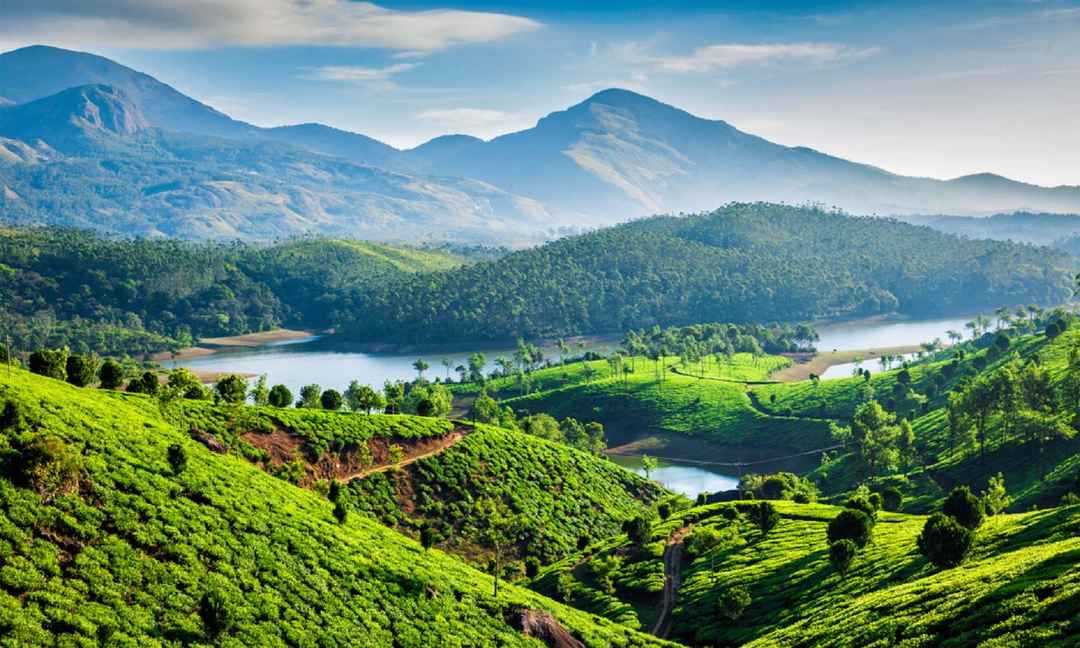
To understand conservation-first travel in the Ghats, study route patterns around silent valley national park kerala. This style of planning emphasizes ecosystem interpretation, controlled access, and low-impact movement. Even if you are not visiting Silent Valley directly, its operating logic is useful for designing better biodiversity trips across the region.
The key lesson is simple: reduce movement speed, increase observation quality, and align itinerary with ecological sensitivity.
Practical Visitor Framework for Biodiversity-Focused Trips
A strong day in the Western Ghats can be divided into three blocks: observation block, transit block, and low-impact reflection block. In the observation block, keep movement minimal and focus on habitat reading, guide input, and field notes. In the transit block, avoid adding unplanned detours unless they are clearly low-risk and time-feasible. In the reflection block, summarize key sightings, weather response, and route quality. This model keeps trips educational and prevents random movement decisions.
Carry only functional items: rain layer, hydration, first-aid basics, and traction-ready footwear. Avoid carrying heavy gear unless you are sure it supports your specific objective. In wet terrain, overpacking increases fatigue and lowers stability. Also keep one small contingency window every day for sudden weather shifts or slow traffic in mountain corridors.
If you are visiting with mixed-experience travelers, assign simple roles: one person for timing, one for navigation, and one for safety checks. Role clarity reduces confusion and helps groups adapt quickly when ground conditions change. Biodiversity travel quality depends on consistency and calm execution more than ambitious stop counts.
Common Mistakes and Fast Corrections
The most common mistakes are overpacked itineraries, ignoring local weather advisories, and treating biodiversity zones like regular road-trip stops. Another frequent issue is travel exhaustion from long transfers followed by immediate trail plans. Correct these early: cut optional stops, keep one anchor objective per day, and preserve return safety windows.
If conditions deteriorate, switch to fallback plans immediately rather than waiting for a full breakdown of schedule. In biodiversity travel, timely reduction is smart planning.
A Simple Repeatable Framework for Better Trips
Each day, define one ecological focus, one operational focus, and one safety threshold. At day end, review what worked and what failed: route timing, observation quality, local compliance, and energy trends. This iterative method improves decision quality across the trip and prevents repeated mistakes in similar terrain.
The Western Ghats are complex enough that no single “perfect itinerary” exists. But a disciplined framework creates consistently better outcomes for both travelers and the landscape.
A practical enhancement is to keep a habitat log for each day with three fields: ecosystem type, key indicator species observed, and pressure signs (litter, crowding, trail damage). This simple log changes how you travel because it converts passive sightseeing into active ecological awareness. Over multiple days, your decisions become sharper: which zones deserve longer time, which routes should be avoided in bad weather, and where low-impact movement matters most.
Before closing each day, note one conservation lesson and one operational lesson. Conservation lessons improve your field behavior; operational lessons improve your route planning. This two-note system is simple but highly effective for multi-day biodiversity travel.
Conclusion
Western Ghats biodiversity travel is most rewarding when handled with ecological respect, realistic pacing, and season-aligned route planning. Focus on depth over distance, follow conservation rules, and make flexible safety-led decisions in changing conditions. With this approach, your trip becomes more meaningful, more educational, and far more sustainable.
Location
Frequently Asked Questions
Q1.What is the best time to visit?
Q2.How many days are enough?
Q3.What should I prioritize first?
Q4.How do I avoid common mistakes?
Q5.Is this suitable for first-time travelers?
Recommended For You
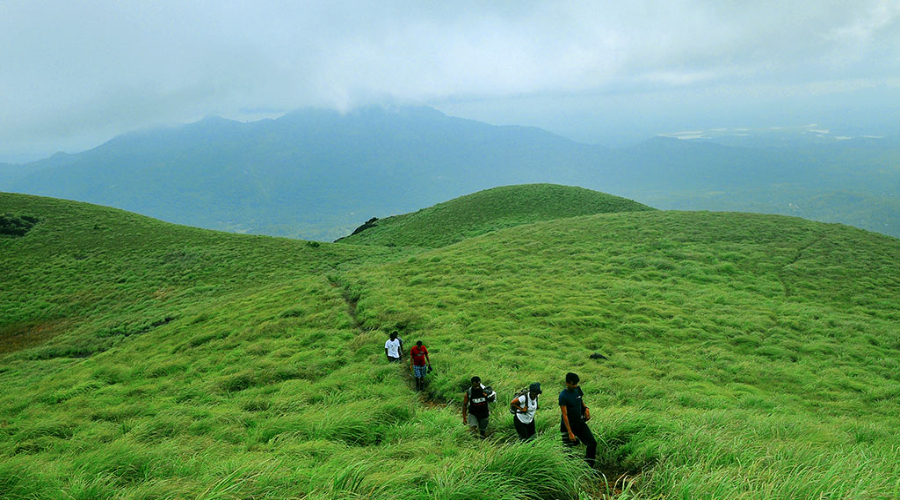
Trekking in Kerala: Best Trails by Difficulty & Region
Comprehensive guide to trekking in kerala: best trails & guide with planning tips, context, and practical logistics.
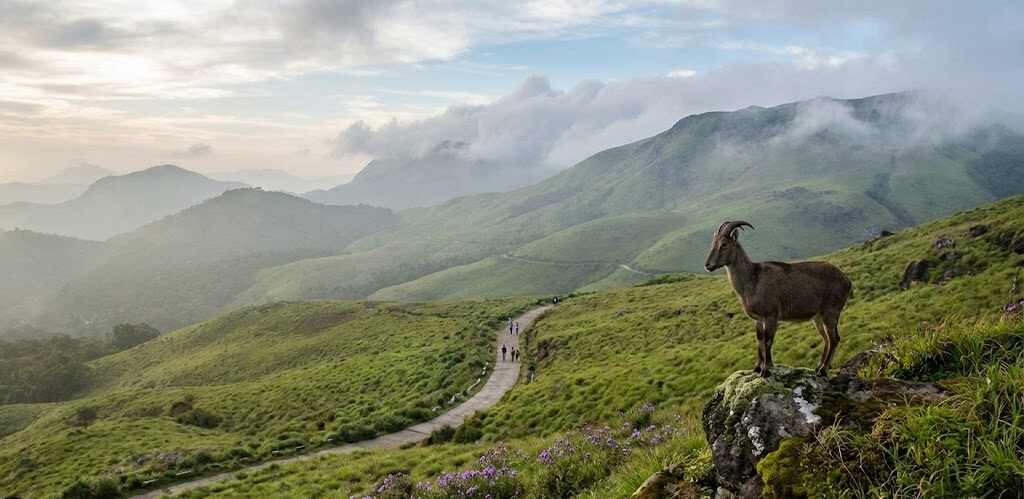
National Parks in Kerala: Wildlife Zones, Safari Types & Travel Tips
Explore Kerala's national parks with this complete wildlife travel guide featuring Eravikulam, Periyar, Silent Valley, and more with practical planning tips.
Silent Valley National Park Kerala: Entry Rules, Trails & Best Season
Complete Silent Valley National Park Kerala travel guide covering permits, best time to visit, lion-tailed macaque, Kunthipuzha River, trekking, and practical travel tips for this pristine rainforest sanctuary.
Never Miss an Adventure
Get the latest trekking guides, travel tips, and exclusive offers delivered straight to your inbox.
