
Johari Bazaar Jaipur: Jewelry, Textiles & Market Timings

Ananya Sharma
February 16, 2026
Explore Johari Bazaar Jaipur for jewelry, gemstones, timings, bargaining tips, and nearby heritage stops in this complete old-city shopping guide.
Introduction to Johari Bazaar Jaipur
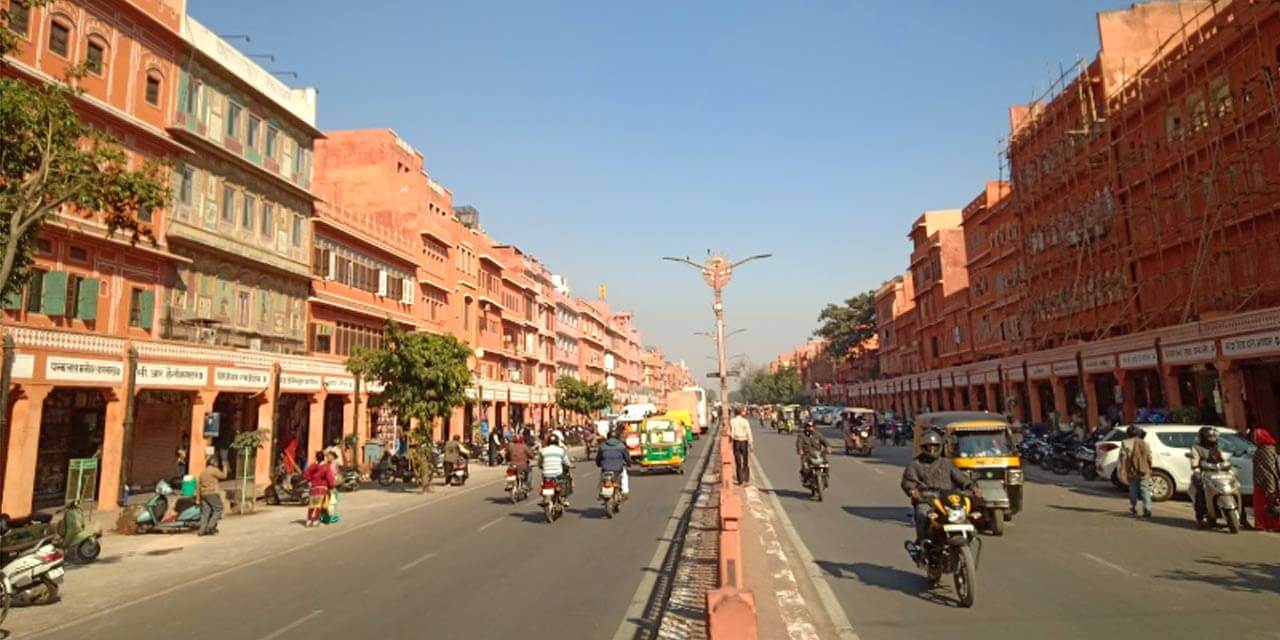
Johari Bazaar Jaipur is one of the most iconic traditional markets in the Pink City and a must-visit for anyone interested in jewelry, gemstones, and old-city culture. The word ‘Johari’ comes from ‘johar,’ meaning jeweler, and that identity still defines the market today. You will find long rows of shops selling Kundan sets, Meenakari designs, Polki bridal pieces, silver ornaments, and precious and semi-precious stones that Jaipur is globally known for.
But Johari Bazaar is not just about buying jewelry. It is a living heritage lane where old haveli facades, temple bells, busy shoppers, and handcrafted products create a full cultural experience. If this is your first Jaipur trip, combine your market stop with places to visit in Jaipur so your sightseeing and shopping route stays practical and less tiring.
Johari Bazaar Timings and Entry Information
Most Johari Bazaar shops generally operate from around 10:00 AM to 9:00 PM, though exact opening and closing times can vary by store, season, and festival schedules. There is no entry fee for the market itself. Premium jewelry showrooms may open slightly later than small retailers, while some wholesalers follow their own timing patterns and may not be fully active on every day.
If you want better attention from shop owners, visit in the late morning or early afternoon before peak crowd builds. Evening hours feel more vibrant and photogenic, but they can be busier, especially near festival and wedding seasons when bridal jewelry demand increases.
| Market Detail | Typical Range | Traveler Note |
|---|---|---|
| Opening time | ~10:00 AM | Some shops open a little later |
| Closing time | ~9:00 PM | Varies by store category |
| Entry fee | No entry fee | Pay only for purchases |
| Best shopping window | 11 AM-6 PM | Balance of inventory and manageable crowds |
Best Time to Visit Johari Bazaar
The most comfortable time to visit Jaipur markets is usually from October to March, when weather is cooler and walking through old-city lanes is easier. For shopping quality, weekdays are often better than weekends because you can compare products and discuss details without constant crowd pressure. During wedding months and festive periods, inventory can be spectacular, but prices and crowd density may be higher.
Within a day, two timing options work well. Morning to early afternoon is best if your goal is serious purchase decisions. Late afternoon to evening is best for atmosphere, food breaks, and market photography. If you are also visiting monuments, plan your heritage stop first and shopping second to avoid carrying bags in heavy heat.
How to Reach Johari Bazaar Jaipur
Johari Bazaar is located in Jaipur’s old city near major landmarks such as Hawa Mahal and City Palace. It is easy to reach by cab, auto-rickshaw, e-rickshaw, and local transit routes. Many travelers use Badi Chaupar side access and then walk through the market lanes. If you are staying in central Jaipur, short cab rides are usually the simplest option.
Parking in old-city zones can be challenging during peak hours, so avoid bringing private cars into narrow lanes unless necessary. For first-timers, combining one drop-off point and one pickup point saves time and reduces navigation stress.
Quick access pointers
- Nearest old-city landmarks: Hawa Mahal and City Palace zone
- Best transport for short hops: auto/e-rickshaw
- Best transport for family groups: app cab to drop-point
- Ideal plan: combine with nearby sightseeing in same route
Jewelry Shopping Experience: Kundan, Meena, Polki
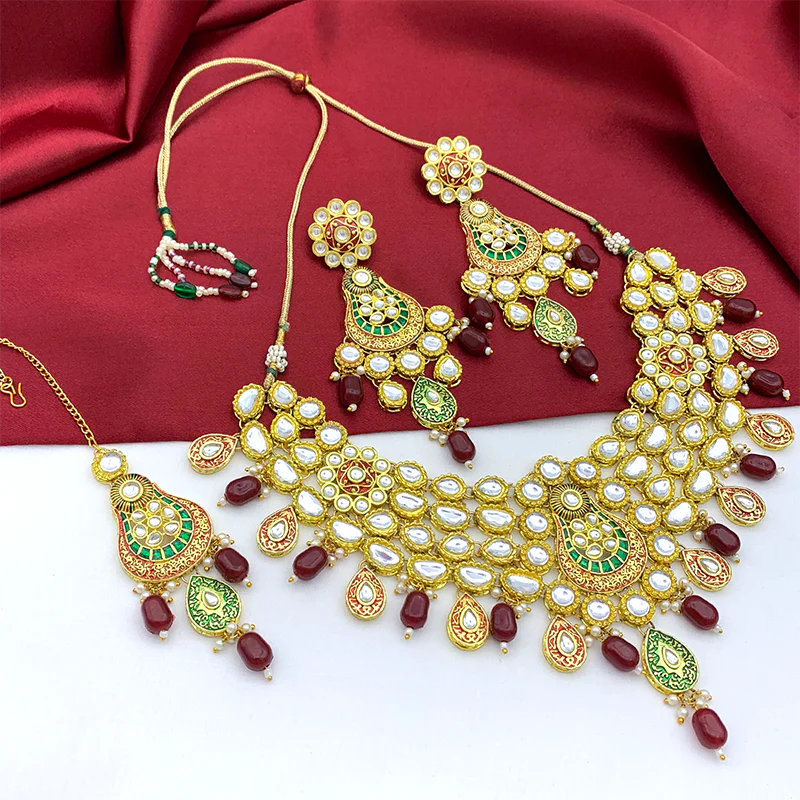
The strongest reason to visit Johari Bazaar is jewelry craftsmanship. Kundan jewelry is famous for stone-setting style with regal visual depth. Meenakari stands out for colorful enamel artistry, often visible on reverse sides of necklaces and bangles. Polki uses uncut diamonds and is popular in bridal and occasion wear. You will also find gemstone-heavy rings, earrings, and pendant sets suitable for custom design work.
If you are buying high-value pieces, insist on purity and authenticity documents. Reputed showrooms typically provide invoices with detailed breakdowns and certificates where relevant. For semi-precious and design-jewelry purchases, finishing quality, clasp durability, and stone setting stability are more useful checks than visual sparkle alone. Serious buyers should compare at least three sellers before finalizing.
| Jewelry Type | Known For | What to Verify |
|---|---|---|
| Kundan | Royal-style traditional craftsmanship | Setting quality, finish consistency |
| Meenakari | Colorful enamel artistry | Enamel smoothness, edge quality |
| Polki | Uncut diamond look | Stone integrity, metal support |
| Gemstone jewelry | Jaipur gemstone market strength | Certification and treatment disclosure |
Famous Shop Types and What to Choose
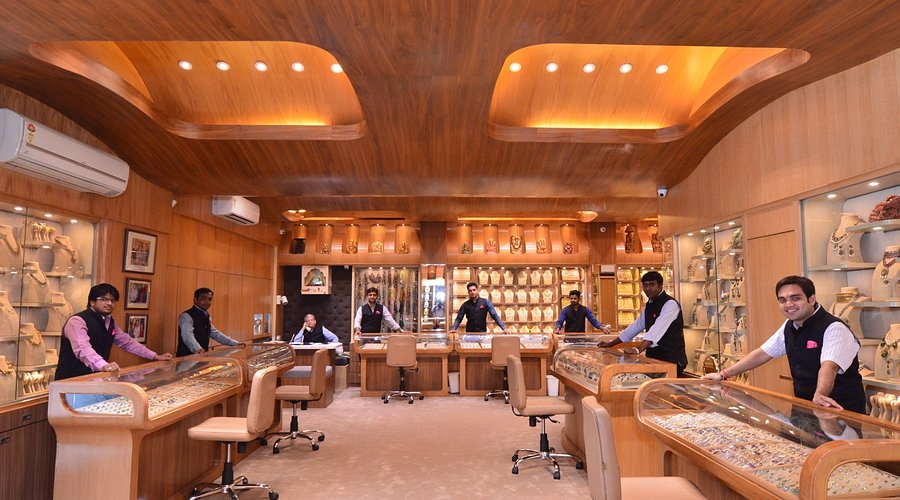
Johari Bazaar has both established jewelry showrooms and smaller local retailers. Large stores are usually better for certified precious jewelry and detailed billing. Smaller stores can be good for handcrafted silver pieces, lac work, and budget gifting sets. Each format serves a different shopping purpose, so decide your priority before entering negotiation mode.
A smart strategy is to shortlist one reliable premium store and one to two mid-budget stores. Buy high-value items from the trusted showroom and decorative pieces from value-oriented shops after quality checks. This split approach keeps your budget balanced and reduces impulsive overbuying.
Traditional Rajasthani Items Beyond Jewelry
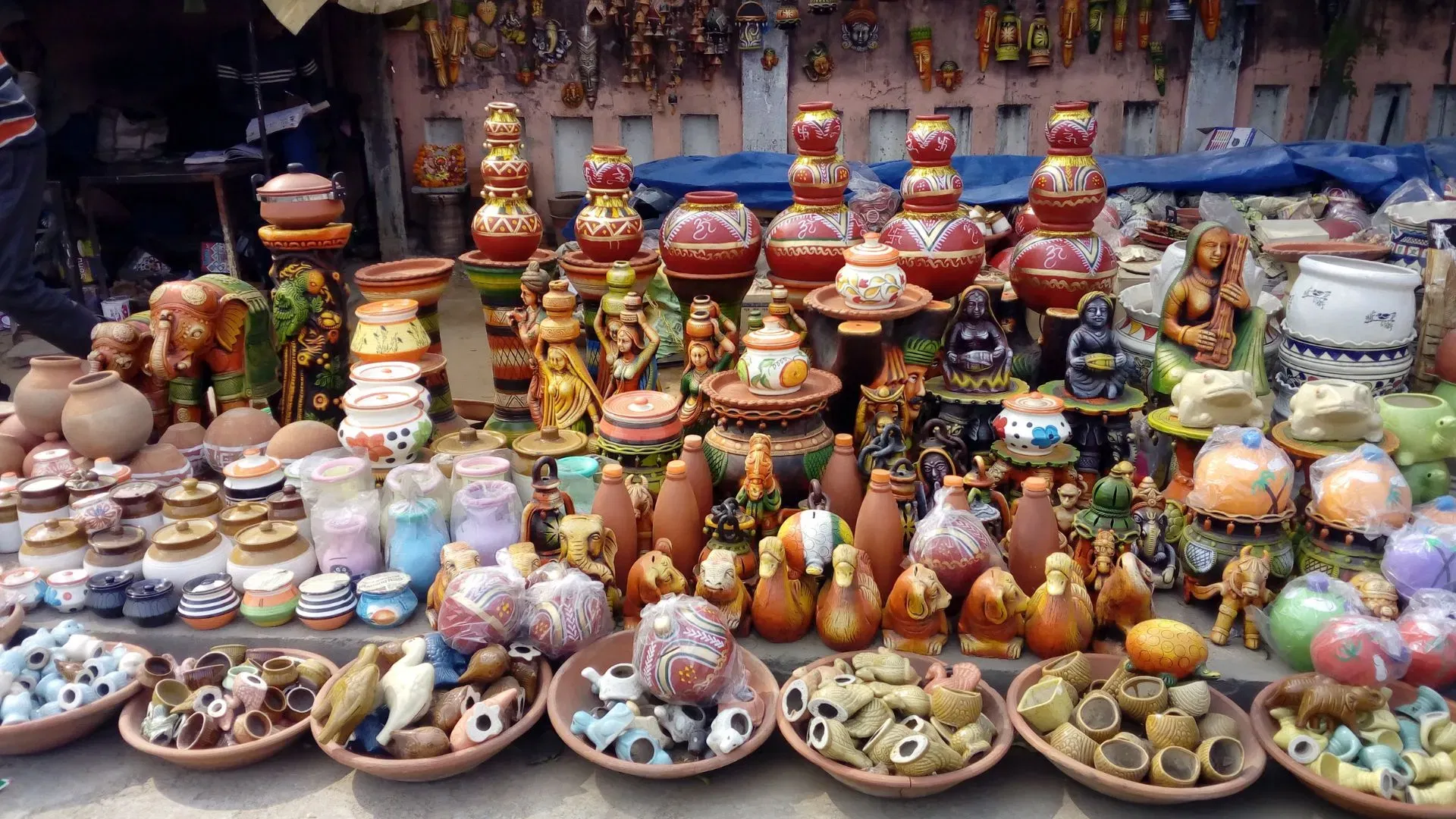
Although jewelry is the headline category, Johari Bazaar and nearby lanes also offer textiles, lehengas, sarees, and festive accessories. Bandhani and leheriya patterns are common in Jaipur markets, and you can find occasion wear ranging from budget-friendly pieces to designer-heavy embroidery sets. Handcrafted souvenirs, decorative boxes, and giftable accessories are also available.
If your plan is broader Jaipur shopping, include Bapu Bazar Jaipur for footwear and textile variety, then return to Johari for jewelry-specific purchases. This sequencing prevents category overlap and helps you compare price bands more efficiently.
Street Food Around Johari Bazaar
No Johari Bazaar visit feels complete without sampling nearby food. The area is known for classic Jaipur snacks and sweets, including kachori varieties, kulfi options, and traditional mithai stops. Laxmi Misthan Bhandar (LMB) is often part of traveler plans for sweets and thali-style meals, especially for those who want a heritage dining touch in old Jaipur.
For the best experience, take a short food break after your first shopping round instead of waiting until you are exhausted. A 30-minute pause improves buying decisions and reduces rushed purchases. Keep water handy, especially in warmer months, and avoid carrying too many fragile bags into crowded snack points.
Bargaining Tips and Smart Shopping Rules
Bargaining in Jaipur markets is normal, but approach matters. In premium certified jewelry stores, prices are often less flexible compared with street-style shops. For non-certified accessories, textiles, and decorative items, negotiation can be more active. Start with polite conversation, compare one or two alternatives, then make your offer with realistic expectations rather than extreme low quotes.
- Check quality first, negotiate second.
- Ask total price inclusive of making charges/taxes where relevant.
- For street categories, initial quote can be high—compare before finalizing.
- Bundle small items to improve total-deal pricing.
- Avoid aggressive tone; polite firmness works better.
For expensive purchases, never skip documentation. Invoice clarity and hallmark/certificate details matter more than a small price reduction.
Nearby Attractions to Combine With Johari Bazaar
Johari Bazaar is ideally placed for a compact old-city itinerary. You can pair it with Hawa Mahal Jaipur and City Palace Jaipur in one half-day to full-day route. This gives you architecture, history, shopping, and food without long transfers across the city.
If you start with sightseeing early, keep shopping for the second half when markets are fully active. If your trip is shopping-first, visit one landmark post-purchase for easier movement and fewer bag-carrying hassles inside monument areas.
Final Practical Checklist Before You Buy
- Set a category-wise budget before entering the market.
- Carry both digital payment options and cash backup.
- Request protective packing for delicate items.
- Take seller contact details for potential follow-up support.
- Recheck stones, clasps, and measurement before billing.
These small checks can save significant stress later, especially if you are purchasing gifts or traveling onward the same day.
Sample Half-Day Johari Bazaar Itinerary
If you are confused about sequencing, use a simple half-day plan that balances sightseeing and shopping. Start around 9:00 AM with a quick exterior stop at Hawa Mahal for photos while the light is softer and crowds are manageable. Move toward City Palace for a short heritage visit, then enter Johari Bazaar around late morning when most shops are active and product displays are complete. Spend your first 60 to 90 minutes only on market survey without buying anything. Note prices, workmanship quality, and store behavior.
After this comparison round, take a short lunch or snack break, then return to the two or three shops you shortlisted. Finalize high-value purchases first while your attention is fresh, and keep decorative or giftable items for the final round. Before leaving, recheck billing details, packing quality, and warranty or certificate language where applicable. This itinerary reduces impulse buying and helps you leave with fewer regrets.
- 9:00-10:30 AM: Hawa Mahal and nearby heritage walk
- 11:00 AM-12:30 PM: Johari Bazaar comparison round
- 12:30-1:00 PM: Food break and shortlist review
- 1:00-2:30 PM: Final purchases and documentation checks
Conclusion
Johari Bazaar Jaipur is more than a shopping lane—it is a cultural and craft ecosystem where heritage, design, and commerce meet in one of India’s most celebrated market districts. Whether you are buying a bridal Polki set, a simple silver keepsake, or traditional Rajasthani attire, the market rewards patient comparison and informed choices.
Plan your timing well, verify authenticity for high-value buys, and pair the visit with nearby old-city attractions. Done right, Johari Bazaar delivers one of Jaipur’s most memorable travel experiences.
Location
Frequently Asked Questions
Q1.What is Johari Bazaar famous for?
Q2.Is Johari Bazaar open on Sundays?
Q3.What are Johari Bazaar timings?
Q4.Can we bargain in Johari Bazaar?
Q5.How far is Johari Bazaar from Hawa Mahal?
Q6.What should I check before buying jewelry here?
Q7.What is the best time to shop in Johari Bazaar?
Q8.Can I combine Johari Bazaar with sightseeing?
Recommended For You

Things to Do in Rajasthan: Desert, Heritage & Cultural Experiences
Discover 50 amazing things to do in Rajasthan - explore forts, palaces, deserts, culture & cuisine. Complete guide with timings, fees & tips for 2026.

City Palace Jaipur: Ticket Options, Timings & Must-See Areas
Plan your City Palace Jaipur visit with practical tips on timings, tickets, routes, and combining with nearby attractions for a smooth heritage experience.

Best Time to Visit Jaipur: Weather Calendar & Peak Tourist Season
Plan the best time to visit Jaipur with season-wise weather, festival windows, sightseeing comfort, and practical monthly travel strategy.
Never Miss an Adventure
Get the latest trekking guides, travel tips, and exclusive offers delivered straight to your inbox.
