
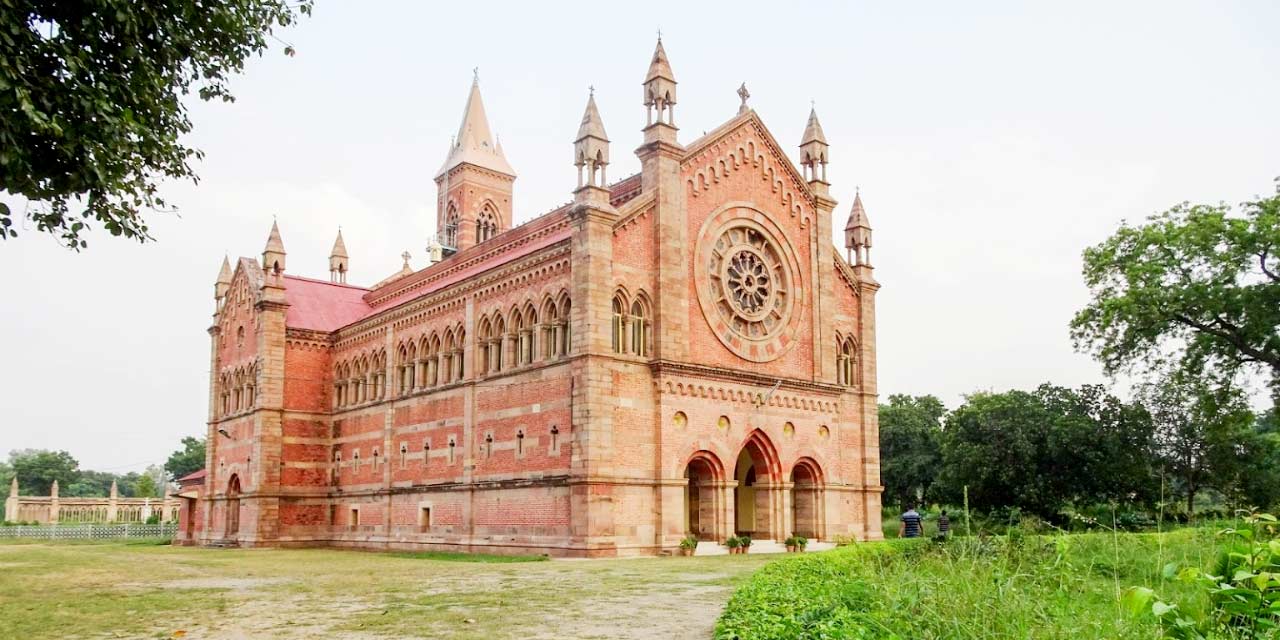
Kanpur Memorial Church: Colonial Architecture, Timings & Visitor Info

Ananya Sharma
February 18, 2026
Comprehensive Kanpur Memorial Church guide covering history, architecture, 1857 context, timings, access routes, and respectful heritage-visit tips.
Kanpur Memorial Church: A Gothic Landmark in Civil Lines Context
+Kanpur Memorial Church, also known historically as All Souls’ Church/All Souls’ Cathedral in common references, is one of Kanpur’s most discussed colonial-era heritage structures. For travelers, it is not only a church visit but a layered historical stop connected to architecture, memory, and the 1857 Cawnpore conflict narrative.
+People searching this site usually want practical clarity: history, architectural style, current visiting hours, entry rules, and how to combine it with nearby Kanpur attractions. This guide covers those needs while keeping the historical framing balanced and respectful.
+If you are planning a city heritage circuit, pair this with Bhool Bhulaiya Lucknow, ISKCON Kanpur Temple, and Taj Mahal Agra for broader North India architecture contrasts.
+History of Kanpur Memorial Church (Built in 1875)
+Historical references identify the church as completed in 1875, associated with British memorialization after the 1857 conflict in Cawnpore (Kanpur). It was intended as a commemorative religious structure rather than an ordinary parish expansion project.
+The site is often linked to names such as Walter Granville for architecture and later memorial elements associated with artists/designers connected to British imperial commemorative work. Over time, the church became part of Kanpur’s heritage memory landscape and remains relevant for those studying colonial-era urban history in North India.
+-
+
- Era: late 19th century British colonial period. +
- Purpose context: memorialization after the 1857 uprising period. +
- Current identity: active church + heritage interest point. +
- Urban context: cantonment/civil lines influence zone. +
Visitors should approach the site as both a spiritual and historical space, not only a photo stop.
+ +Architecture and Design: Lombardic Gothic Character
+Kanpur Memorial Church is widely described in heritage references as a Lombardic Gothic-influenced design in red brick with polychrome detailing. The style differs from many white-plaster church forms seen in India and creates a strong visual identity.
+| Architectural Element | What You’ll Notice | Interpretation Value |
|---|---|---|
| Red brick massing | Distinct warm-toned exterior | Colonial-era material expression |
| Gothic detailing | Arches, vertical emphasis, decorative treatment | Memorial solemnity and style intent |
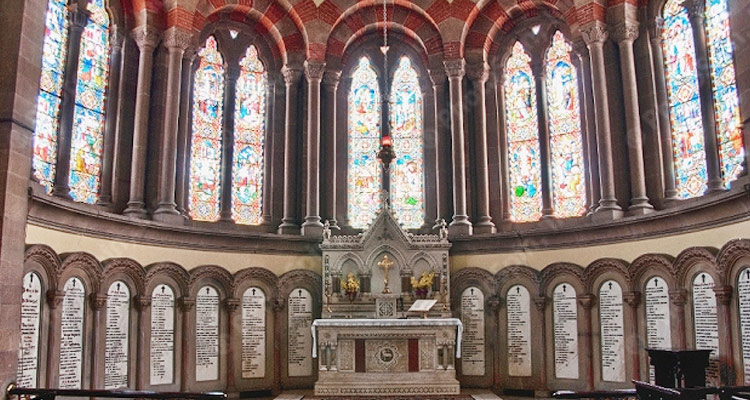
| Memorial tablets | Commemorative inscriptions in interior zones | Site’s remembrance function |
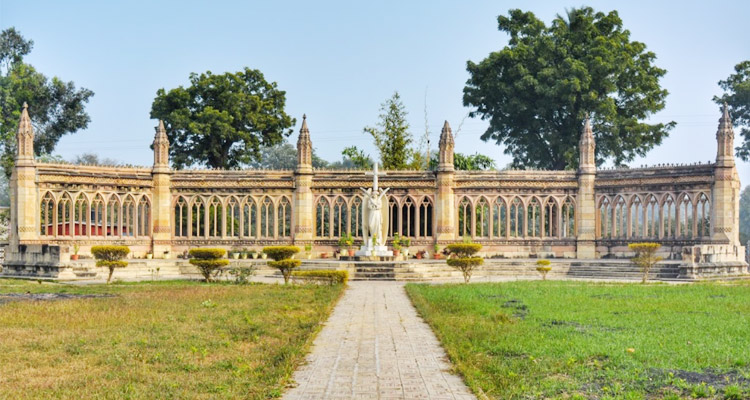
| Garden-linked memorial elements | Separate commemorative spatial layout | Architecture + memory integration |
For architecture enthusiasts, this church is valuable because it represents how European ecclesiastical vocabulary was adapted in Indian climate and political context.
+ +Memorial Garden and Symbolic Features
+Historical descriptions frequently mention a memorial enclosure/garden and commemorative sculptural elements associated with post-1857 memory culture. These components are central to understanding why this church differs from a routine Sunday-visit church experience.
+Travelers should spend time reading plaques or visible inscriptions where permitted, because they reveal how the site was framed historically. Even if you do not study colonial history in depth, this layer helps contextualize the church beyond architecture.
+-
+
- Commemorative inscriptions and names +
- Memorial symbolism tied to loss and remembrance +
- Garden-space planning for reflective movement +
- Historical relocation narratives in some heritage references +
Photography is often best done from exterior and courtyard vantage points, while interior behavior should remain quiet and respectful.
+
1857 Connection: Interpreting the Historical Layer Carefully
+The church is associated with memorial narratives linked to the 1857 events in Cawnpore. This history is sensitive, multi-perspective, and politically charged in colonial and postcolonial interpretation. Travelers should approach the subject with care, avoiding simplistic one-sided storytelling.
+If history is your primary interest, combine the site visit with reading from credible academic or museum sources on 1857 in Kanpur. Doing this provides a fuller view of how memory, empire, conflict, and urban heritage intersect in this location.
+ +Visiting Information: Timings, Entry, and On-Ground Etiquette
+As of February 18, 2026, publicly listed timing references can differ across city portals and travel sites. Typical reported windows are daytime visiting hours, often around morning-to-evening ranges, with possible adjustment during services, church events, or local administrative conditions.
+| Visitor Item | Commonly Reported Pattern | Best Practice |
|---|---|---|
| Entry fee | Often listed as free | Confirm at gate on visit day |
| Timings | Daytime visiting in most listings | Verify same-day before travel |
| Service hours | Can affect visitor movement | Avoid interrupting prayer activities |
| Photography | Exterior easier than interior | Take permission where needed |
Dress modestly and maintain low voice levels, especially inside prayer areas.
+ +Best Time to Visit Kanpur Memorial Church
+For comfort, early morning and late afternoon windows are usually better than peak midday heat in Kanpur. Winter months are generally more pleasant for heritage walks, while summer visits require hydration and shorter outdoor exposure.
+-
+
- October to March: best climate comfort for slow heritage visits. +
- Summer: visit in shorter low-heat windows. +
- Monsoon: check local access conditions and road movement. +
If you are combining multiple city stops, schedule the church in the first half of your heritage day for lower fatigue.
+ +How to Reach: Location and Transport Options
+The church is in Kanpur’s cantonment-adjacent/civil-lines context (often listed near Albert Lane/Cawnpore Club references in travel descriptions). It is reachable by city cab, auto-rickshaw, and private vehicle from major Kanpur transit points.
+| Starting Point | Approx Access Pattern | Tip |
|---|---|---|
| Kanpur Central rail area | Short intra-city road transfer | Use app cab for easier navigation |
| City hotel zones | Direct road approach | Cluster with nearby heritage stops |
| Airport side approach | Longer city transfer depending traffic | Keep buffer for peak-hour delays |
Traffic can affect city timing significantly, so do not overpack same-day routes.
+ +Nearby Kanpur Attractions to Combine in One Itinerary
+Kanpur Memorial Church is best experienced as part of a half-day heritage or city-culture loop, not a standalone full-day destination.
+-
+
- Cultural/spiritual add-on: ISKCON Kanpur Temple. +
- City food layer: local Kanpur cafe and food trails. +
- Regional extension: Lucknow or Agra heritage in longer itineraries. +
If you have limited time in Kanpur, pair the church with one nearby city stop and one meal stop for a balanced experience.
+ +Practical Tips for First-Time Visitors
+-
+
- Verify timings on the same day, especially around Sundays and church functions. +
- Carry valid ID and keep entry behavior respectful. +
- Avoid loud group behavior in reflective/memorial sections. +
- Use shade and hydration in summer months. +
- Read available plaques for context instead of only quick photography. +
Heritage quality comes from observation and context, not just checklist completion.
+
Final Take
+Kanpur Memorial Church is one of the city’s most important colonial-era heritage spaces, combining Gothic architecture with a sensitive historical memory layer. Visit with context, verify current access details before arrival, and treat the site with the dignity of both a church and memorial. Done thoughtfully, it becomes a meaningful stop in any Kanpur heritage itinerary.
Location
Frequently Asked Questions
Q1.When was Kanpur Memorial Church built?
Q2.Why was Kanpur Memorial Church built?
Q3.What is the architectural style of the church?
Q4.Is there an entry fee for Kanpur Memorial Church?
Q5.What are the visiting timings of Kanpur Memorial Church?
Q6.How long does a typical visit take?
Q7.Is photography allowed inside the church?
Q8.How can I reach Kanpur Memorial Church?
Recommended For You
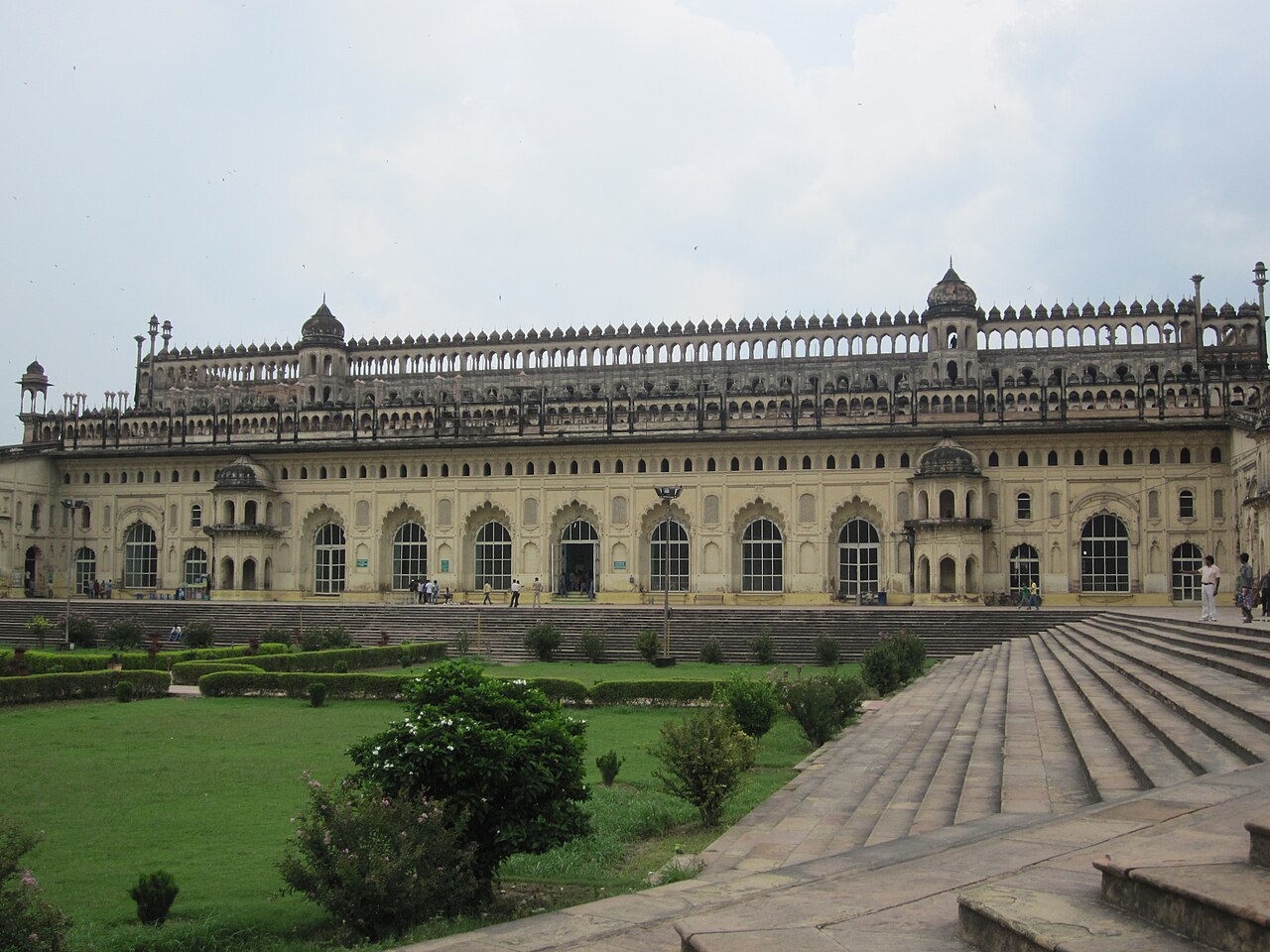
Bhool Bhulaiya Lucknow: History, Timing and Guide Tips
Explore Bhool Bhulaiya Lucknow with Nawabi history context, maze strategy, and practical timing and safety tips for a smoother visit.
Places to Visit in Agra Besides Taj Mahal
Explore Agra beyond the Taj Mahal. From Agra Fort and Fatehpur Sikri to the Baby Taj and Mehtab Bagh - discover 10 incredible places in Agra with timings, tickets & travel tips.
Taj Mahal Agra: Ticket Price, Timings, Entry Gates & Tips
Visit Taj Mahal in Agra - the world's most beautiful monument and one of the Seven Wonders. Complete guide with timings, tickets, history, and travel tips.
Never Miss an Adventure
Get the latest trekking guides, travel tips, and exclusive offers delivered straight to your inbox.
