
Trekking in Sapa Valley: Vietnam's Terraced Rice Field Paradise

Rohan Malhotra
January 27, 2026
Trek Sapa Valley Vietnam - discover stunning terraced rice fields, ethnic villages, routes, best time, homestays & cultural experiences in Vietnam's mountain paradise.
Introduction: The Emerald Stairways of Vietnam
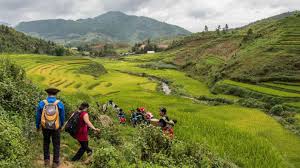
Nestled in the mist-shrouded mountains of northwest Vietnam, Sapa Valley is one of Southeast Asia's most captivating trekking destinations. Famous for its stunning terraced rice fields that cascade down mountains like emerald stairways, traditional hill tribe villages, and the towering Fansipan peak (Indochina's roof), Sapa offers a trekking experience that's as culturally enriching as it is visually spectacular.
What makes Sapa truly special is the harmonious blend of natural beauty and living culture. The valley has been inhabited for centuries by ethnic minority groups - primarily the Black Hmong, Red Dao, Giay, and Tay people - who continue to practice traditional agriculture, weaving, and craftsmanship. Trekking here isn't just about breathtaking landscapes; it's about walking through communities where time seems to have stood still, where traditional costumes are daily wear, and where hospitality is extended to strangers with genuine warmth.
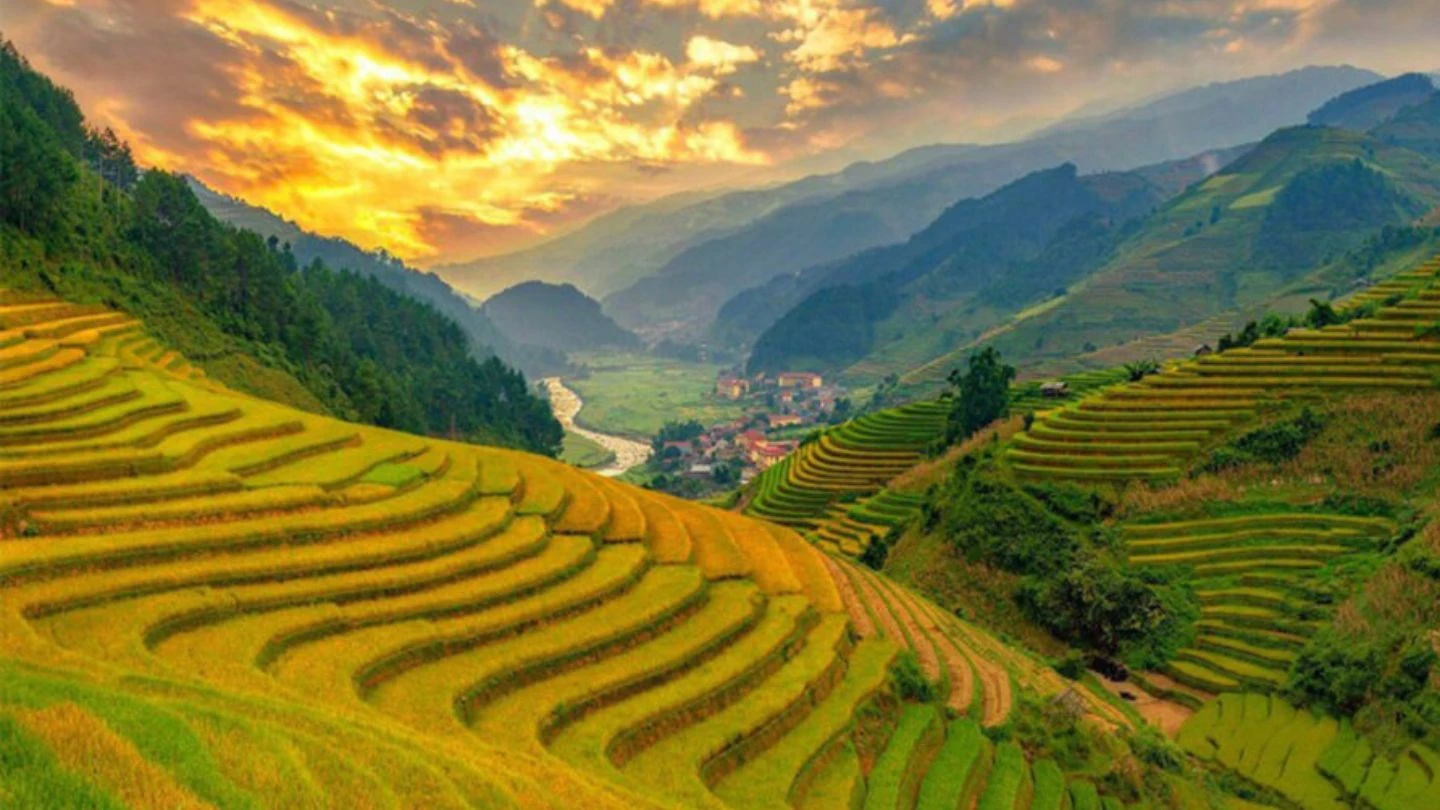
The region's terraced rice fields, recognized as a National Heritage Site by Vietnam, are engineering marvels that have been cultivated for over 200 years. Covering approximately 3,000 hectares, these terraces transform dramatically with the seasons - vibrant green in summer, golden yellow during harvest, and mirror-like when filled with water. For those exploring other destinations in Vietnam, Sapa offers a unique contrast to the country's coastal areas and bustling cities. Whether you're a seasoned trekker or someone seeking an authentic cultural experience, Sapa Valley delivers adventures that will stay with you long after you've returned home.
About Sapa Valley
Geography and Location
Sapa is a frontier town in Lao Cai Province in northwest Vietnam, approximately 380 km from Hanoi. It sits at an elevation of 1,600 meters (5,200 feet) above sea level in the Hoang Lien Son mountain range. The town overlooks the stunning Muong Hoa Valley, carved by the Muong Hoa River and dotted with traditional villages surrounded by terraced fields.
The climate is temperate year-round, with cool temperatures (15-25°C in summer, 0-10°C in winter) that provide a refreshing escape from Vietnam's tropical heat. Sapa's unique microclimate means it's often misty or cloudy, with fog rolling through the valleys creating the atmospheric, almost mystical scenery that the region is famous for.
The Hill Tribes of Sapa
The cultural richness of Sapa is defined by its ethnic minority communities:
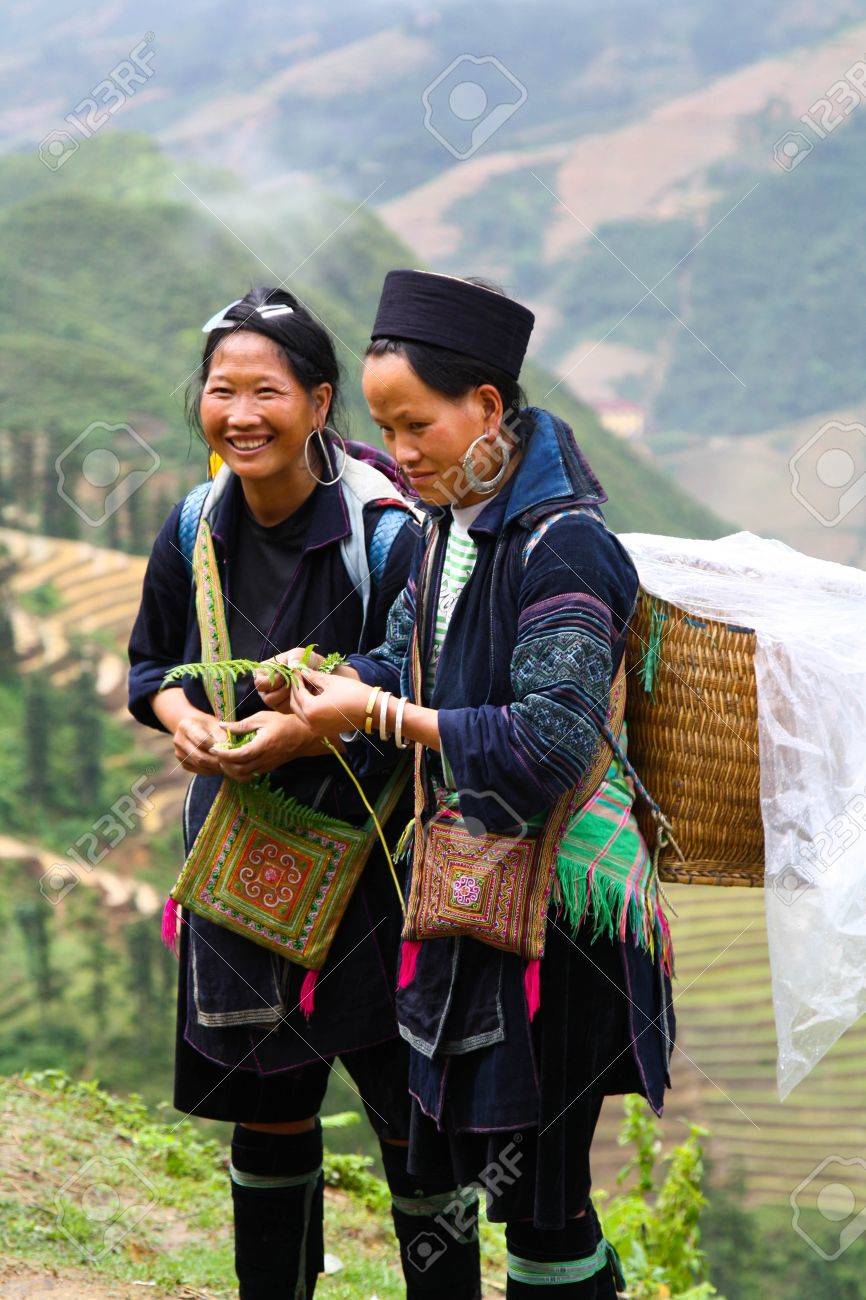
- Black Hmong: The largest group, known for intricate hemp clothing dyed with indigo and distinctive silver jewelry. Originally from China, they migrated to Vietnam centuries ago and are skilled farmers and textile artists.
- Red Dao: Recognizable by their red scarves and elaborate clothing with silver coins. Famous for their herbal medicine knowledge and traditional healing practices.
- Giay: Traditionally farmers who settled in valleys, known for cotton weaving and distinctive houses built on stilts.
- Tay: The largest ethnic minority group in Vietnam, living in lower valleys. Known for stilt house architecture and bamboo weaving.
These communities have maintained their traditional lifestyles, languages, and customs despite modernization. When you trek through Sapa, you're often walking through their backyards, witnessing daily life that has changed little in centuries.
History and Development
Sapa was established as a hill station by the French in 1922, who were drawn to its cool climate and stunning scenery. The colonial influence is still visible in some of the old buildings around town. After the Vietnam War, Sapa remained relatively isolated until the 1990s when tourism began to develop. Understanding the rich culture of Vietnam helps visitors appreciate the unique heritage of this region.
Today, Sapa balances tourism development with cultural preservation. While the town has modern hotels, restaurants, and tour agencies, the surrounding villages maintain their traditional character. The challenge now is sustainable tourism that benefits local communities while preserving cultural authenticity - something travelers should be conscious of when visiting.
Best Time to Visit Sapa
Seasonal Highlights
Sapa offers different experiences throughout the year:
- March-May (Spring): Pleasant weather (15-20°C), clear skies, terraces being prepared for planting. Good for photography with misty mornings.
- June-August (Summer): Lush green terraces (peak beauty), warmer weather (20-25°C), occasional rain. Best for seeing the rice fields at their greenest.
- September-October (Autumn): Harvest season! Terraces turn golden yellow. Clearer skies, cooler (15-20°C). Many travelers' favorite season.
- November-February (Winter): Cold (0-10°C), occasional frost or snow on Fansipan. Can be misty/foggy with low visibility. Less crowded, cheaper rates.
Weather Considerations
Mist and Fog: Common year-round, especially mornings. Can create atmospheric shots but obscures panoramic views. Usually clears by late morning.
Rain: Rainy season is May-September. Afternoon showers are common but usually short-lived. Pack rain gear.
Terrace Stages: If seeing specific terrace conditions matters:
- Water-filled terraces: April (mirror-like reflections)
- Brightest green: July-August
- Golden harvest: September-October
- Bare earth: November-December (post-harvest)
Popular Trekking Routes
1. Cat Cat Village Trek (Easy)
Duration: 2-3 hours | Difficulty: Easy
Distance: 3 km | Best For: Families, beginners, limited time
The easiest trek from Sapa town, Cat Cat Village is home to the Black Hmong people. The trail descends gently (300m elevation loss) through terraced fields to the village where you can see traditional weaving, hydroelectric power built by the French, and a beautiful waterfall. Note: It's all uphill on the return!
Highlights: Traditional Black Hmong houses, Cat Cat Waterfall, rice terraces, handicraft demonstrations
2. Lao Chai - Ta Van Village Trek (Moderate)
Duration: 4-5 hours | Difficulty: Moderate
Distance: 8-10 km | Best For: Most trekkers, cultural immersion
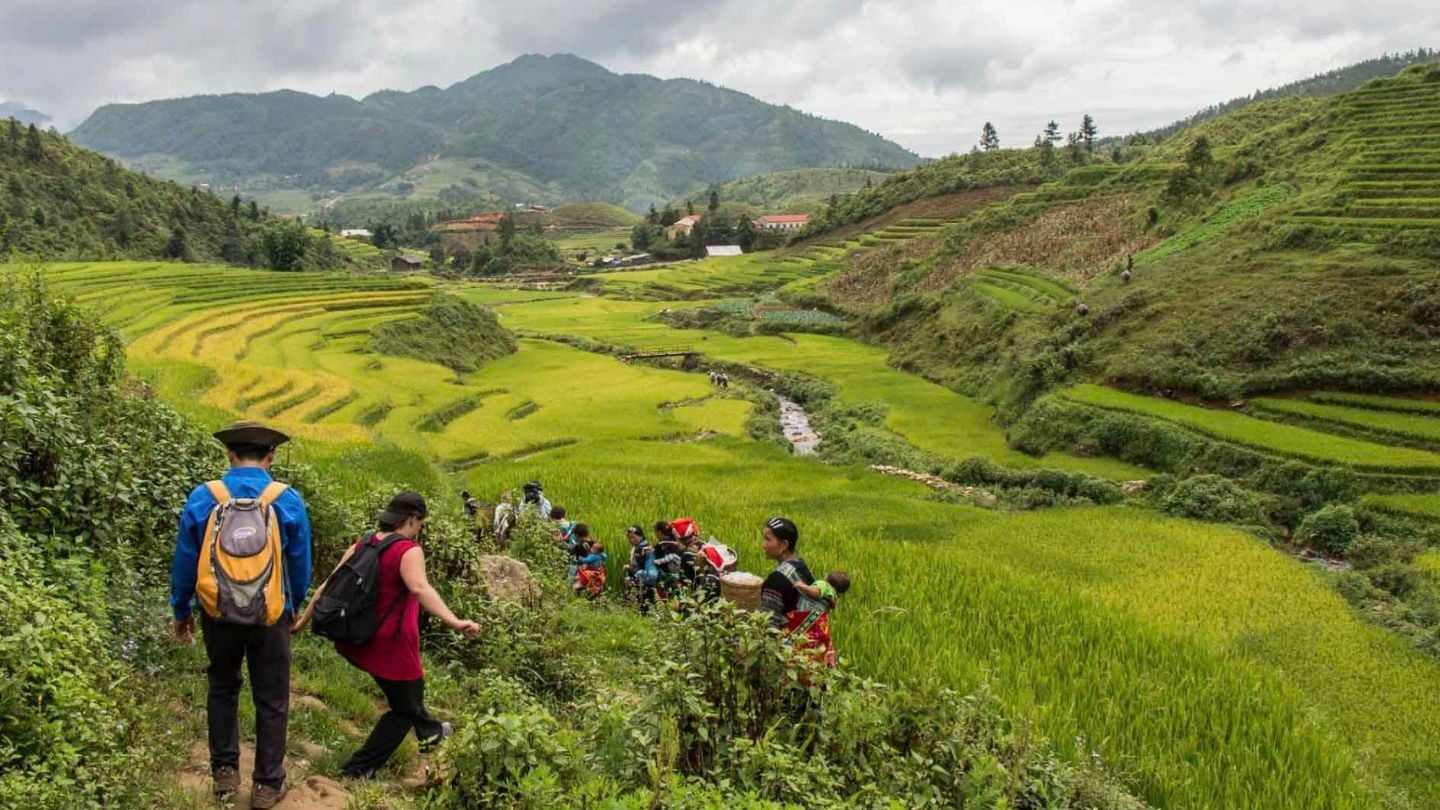
The most popular day trek, taking you through two different ethnic minority villages. The trail descends from Sapa to the Muong Hoa Valley, passing through Lao Chai (Black Hmong) and Ta Van (Giay people). You'll follow the Muong Hoa River, cross suspension bridges, and see some of the most spectacular terraced fields.
Highlights: Two different ethnic communities, suspension bridges, Muong Hoa River, incredible terraced scenery
3. Y Linh Ho - Lao Chai - Ta Van Trek (Moderate)
Duration: 5-6 hours | Difficulty: Moderate
Distance: 12 km | Best For: Extended scenery, fewer tourists
A longer version of the classic trek that adds Y Linh Ho village, offering more remote scenery and less tourist traffic. The trail follows the mountainside with panoramic valley views before descending to Lao Chai and Ta Van.
Highlights: Remote valley views, less crowded trails, three villages, varied scenery
4. Giang Ta Chai - Su Pan Trek (Moderate to Challenging)
Duration: 6-7 hours | Difficulty: Moderate-Challenging
Distance: 14 km | Best For: Active trekkers, Red Dao culture
This trek continues beyond Ta Van to Giang Ta Chai village (Red Dao people) and Su Pan, featuring a beautiful waterfall and more challenging terrain with steeper ascents and descents. The trail crosses the Muong Hoa River via a dramatic suspension bridge.
Highlights: Red Dao village, Giang Ta Chai waterfall, challenging terrain, river crossing
5. Ban Ho Village Trek (Challenging)
Duration: Full day (7-8 hours) | Difficulty: Challenging
Distance: 18 km | Best For: Fit trekkers, authentic Tay culture
The most challenging day trek, descending deeper into the valley to Ban Ho, a Tay village known for its stilt houses and hot springs. The trail passes through bamboo forests and several river crossings. Many travelers opt to stay overnight here.
Highlights: Tay ethnic culture, bamboo forests, natural hot springs, remote villages, homestay experience
6. Fansipan Summit Trek (Strenuous)
Duration: 1-2 days | Difficulty: Strenuous
Distance: 19 km round-trip | Elevation: 3,143 meters (10,312 feet)
For serious trekkers, summiting Fansipan - the highest peak in Indochina - is the ultimate challenge. The traditional trek takes 2 days with an overnight camp at 2,800 meters. Alternatively, take the cable car most of the way and trek the final section (still challenging but much shorter).
Highlights: Highest peak in Indochina, incredible panoramic views, diverse ecosystems (cloud forest to summit), sense of achievement
Multi-Day Trekking and Homestays
Classic 2-Day Trek
Day 1: Sapa → Y Linh Ho → Lao Chai → Ta Van → Giang Ta Chai (homestay)
Day 2: Giang Ta Chai → Su Pan → return to Sapa
A perfect introduction to Sapa trekking with an overnight homestay in a traditional village. Experience village life after day trippers leave, enjoy a home-cooked dinner, and wake up to mist rolling through the valley.
Extended 3-Day Trek
Day 1: Sapa → Cat Cat → Y Linh Ho (homestay)
Day 2: Y Linh Ho → Lao Chai → Ta Van → Ban Ho (homestay)
Day 3: Ban Ho → Nam Toong → return to Sapa via vehicle
This circuit covers more remote villages with different ethnic groups and terrain, from terraced valleys to bamboo forests. The final homestay in Ban Ho (Tay village) offers the most authentic cultural experience.
Homestay Experience
Staying overnight in a village homestay transforms the trekking experience:
- Accommodation: Traditional stilt houses, basic but clean mattresses, mosquito nets provided
- Facilities: Shared bathrooms (often squat toilets), no hot water (sometimes buckets provided)
- Food: Traditional Vietnamese meals - spring rolls, grilled meats, rice, vegetables, local wine
- Atmosphere: Evenings are magical - families gather, host may play traditional instruments, incredible star-gazing
- Morning: Wake up to roosters, mist in the valley, villagers starting their day
Trekking Practicalities
Guided vs. Independent Trekking
Guided Trekking (Recommended):
- Local guides from ethnic communities provide cultural context and insights
- Trails are not well-marked - easy to get lost independently
- Guides know the best photo spots and less crowded routes
- Language barrier with villagers - guides facilitate interaction
- Cost: $15-30 per day depending on group size and route
Independent Trekking:
- Possible but challenging without good maps/GPS
- Offline maps (Maps.me) help but aren't always accurate
- Villagers can point the way, but language barrier exists
- More flexibility but less cultural context
What to Pack
Clothing:
- Lightweight, quick-dry clothes
- Warm layer (fleece or light down jacket) - evenings are cold year-round
- Waterproof jacket (rainy season: May-September)
- Comfortable trekking shoes with good grip (trails can be muddy/slippery)
- Extra socks (feet will get wet/muddy)
Essentials:
- Sunscreen and hat (sun is strong at altitude)
- Insect repellent (especially in lower villages)
- Water bottle or hydration bladder (2 liters)
- Water purification tablets or filter (refill at village streams)
- Tissues/wet wipes (limited toilet facilities)
- Hand sanitizer
- Basic first aid kit (blisters are common)
- Snacks (energy bars, nuts - buy in Sapa)
Photography:
- Camera with wide-angle and zoom lenses
- Extra batteries (cold drains them)
- Memory cards (you'll take hundreds of photos)
- Tripod (optional, for low-light village scenes)
Physical Preparation
Sapa treks range from easy to challenging:
- Easy treks: Basic fitness sufficient
- Moderate treks: Regular walking/hiking recommended. 5-6 hours of walking with elevation changes.
- Challenging treks: Good cardiovascular fitness required. Steep ascents/descents on uneven terrain.
- Fansipan: Excellent fitness required. Train with stairs/hill climbs before attempting.
Trekking poles are highly recommended - they reduce knee strain on descents and provide stability on muddy trails.
Responsible Trekking
Trekking ethically in Sapa means respecting local communities:
- Ask Permission: Before photographing people, especially close-ups
- Dress Modestly: Shoulders and knees covered, especially in villages
- Support Locals: Buy handicrafts directly from makers, hire local guides
- Don't Give Handouts: Creates dependency. Support community projects instead
- Stay on Trails: Don't cut through terraced fields - damages crops
- Reduce Plastic: Carry water bottle, refuse plastic bags, pack out trash
- Respect Customs: Remove shoes before entering homes, don't touch sacred items
How to Reach Sapa
From Hanoi
Overnight Train (Most Popular):
- Hanoi to Lao Cai: 8-9 hours, depart 8-10 PM, arrive 5-6 AM
- Classes: Soft sleeper (4 berth, $25-35), hard sleeper (6 berth, $15-25)
- Lao Cai to Sapa: 40 km, 1 hour by bus/taxi ($3-5)
- Total Cost: $30-50 one way
Sleeper Bus:
- Hanoi to Sapa direct: 6-7 hours
- Departures: 9 PM, arrive 3-4 AM
- Cost: $15-25 one way
- More convenient but less comfortable than train
Day Bus:
- Hanoi to Sapa via highway: 5-6 hours
- Departures: 7 AM, arrive 1-2 PM
- Cost: $12-20 one way
- Daytime travel offers scenic views
From Other Destinations
- Bac Ha Market: 3 hours by bus on Sundays
- Lai Chau: 4 hours by motorbike (scenic route)
- Dien Bien Phu: 6 hours (possible for regional exploring)
Accommodation in Sapa
Sapa Town Hotels
- Luxury: Topas Ecolodge ($150-300), Victoria Sapa Resort ($120-250)
- Mid-Range: Sapa Clay House ($40-80), Sapa Corner Hotel ($30-60)
- Budget: numerous guesthouses $10-25 per night
Homestays
Basic but authentic accommodation in villages:
- Cost: $8-15 per night including dinner and breakfast
- Facilities: Very basic - mattress on floor, shared bathroom, squat toilet
- Experience: Invaluable cultural immersion
Cultural Experiences
Bac Ha Sunday Market
While not in Sapa itself (3 hours away), this famous weekly market is worth combining with your trip. Ethnic minorities from surrounding areas gather in traditional dress to trade, socialize, and find marriage partners. One of Southeast Asia's most authentic market experiences.
Traditional Textiles
Sapa's ethnic minorities are renowned textile artists:
- Black Hmong: Indigo-dyed hemp clothing with batik patterns
- Red Dao: Elaborate embroidery, red scarves, silver coin decorations
Buy directly from makers in villages for fair prices and authentic pieces.
Traditional Healing
The Red Dao are famous for herbal medicine. Some villages offer traditional herbal baths, a unique wellness experience using locally gathered medicinal plants.
Photography Tips
- Golden Hour: Sunrise (6-6:30 AM) and sunset (5:30-6 PM) offer magical light on the terraces
- Misty Mornings: Valleys fill with fog at dawn - perfect for atmospheric shots
- Portraits: Always ask permission first. Offer to show them the photo
- Wide Angles: Capture the scale of terraced landscapes
- Details: Traditional clothing, textures, farming tools
- Respect: Don't interrupt sacred ceremonies or funeral rites
Why Sapa Valley is Unforgettable
Trekking in Sapa Valley engages all your senses. The visual spectacle of emerald terraces cascading down mountains, the sound of water flowing through rice paddies, the smell of wood smoke and damp earth, the taste of home-cooked Vietnamese meals in a village house, and the feeling of cool mountain air on your skin combine to create an experience that's immersive and transformative.
But what makes Sapa truly special is the human element - the warmth of the Hmong women who guide you, the curiosity of village children, the hospitality of families who welcome strangers into their homes, the dignity of people who have maintained their traditions in a rapidly changing world. When you trek in Sapa, you're not just a tourist passing through - you're a guest in communities that have survived for centuries in these mountains.
The terraced rice fields, while undeniably spectacular, are more than just scenery. They're living monuments to human ingenuity and harmony with nature. Carved into mountains over generations, they represent a profound understanding of the land and sustainable agriculture. Walking through these fields, you connect not just with nature but with the countless generations who have shaped this landscape.
Sapa challenges you as a traveler. It asks you to slow down, to appreciate simplicity, to respect different ways of life, to consider what's truly important. For those seeking more underground experiences, exploring the caves in Vietnam offers another dimension of adventure. In an age of mass tourism and Instagram moments, Sapa offers something increasingly rare - authenticity. The villages here aren't museums; they're living, breathing communities where real people live real lives, and you're privileged to witness that, if only for a few days.
Whether you're watching mist roll through the valley at dawn, learning about indigo dyeing from a Hmong artisan, sharing a meal with a Dao family, or simply walking through rice fields that seem to stretch to infinity, Sapa Valley gets under your skin. It leaves you with not just photos, but perspectives, not just memories, but wisdom. And that's the greatest gift any destination can offer.
Location
Frequently Asked Questions
Q1.When is the best time to visit Sapa for trekking?
Q2.Do I need a guide for trekking in Sapa?
Q3.How difficult is trekking in Sapa?
Q4.What should I wear for trekking in Sapa?
Q5.How many days should I spend in Sapa?
Q6.Are homestays in Sapa villages worth it?
Q7.How do I get to Sapa from Hanoi?
Q8.Is it ethical to visit ethnic minority villages in Sapa?
Recommended For You
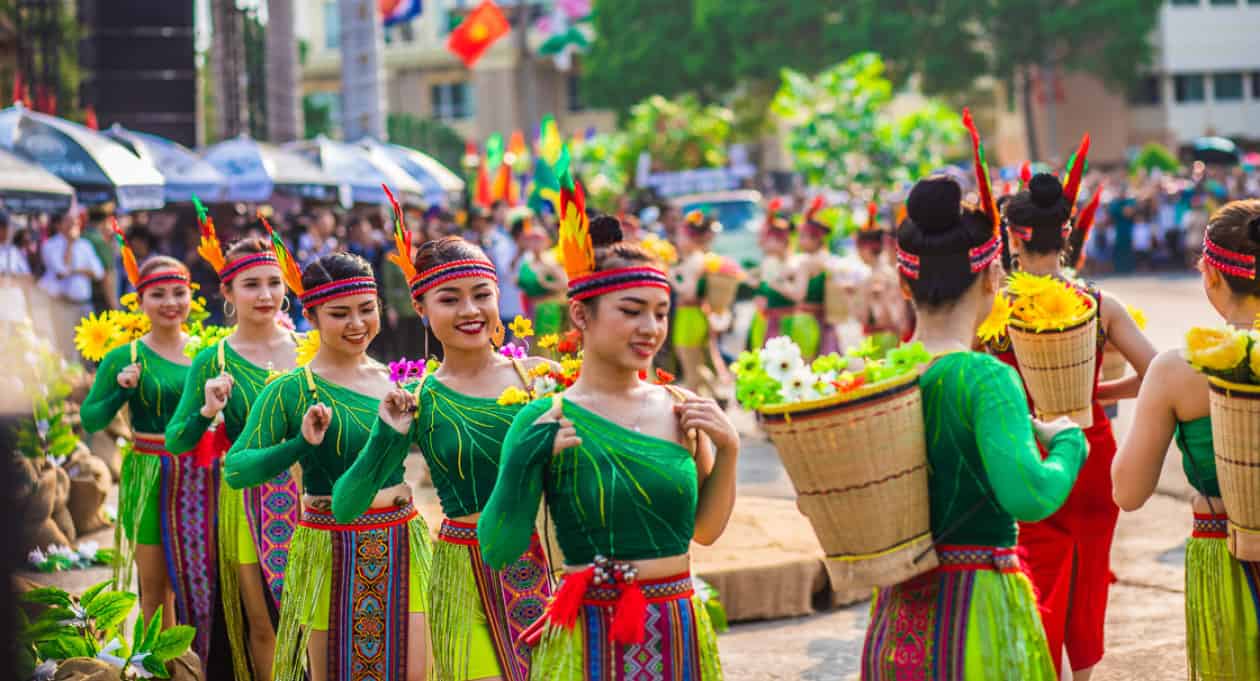
Culture of Vietnam: Traditions, Customs, and Daily Life
Discover the culture of Vietnam through traditions, values, festivals, cuisine, family customs, and practical etiquette for respectful travel.
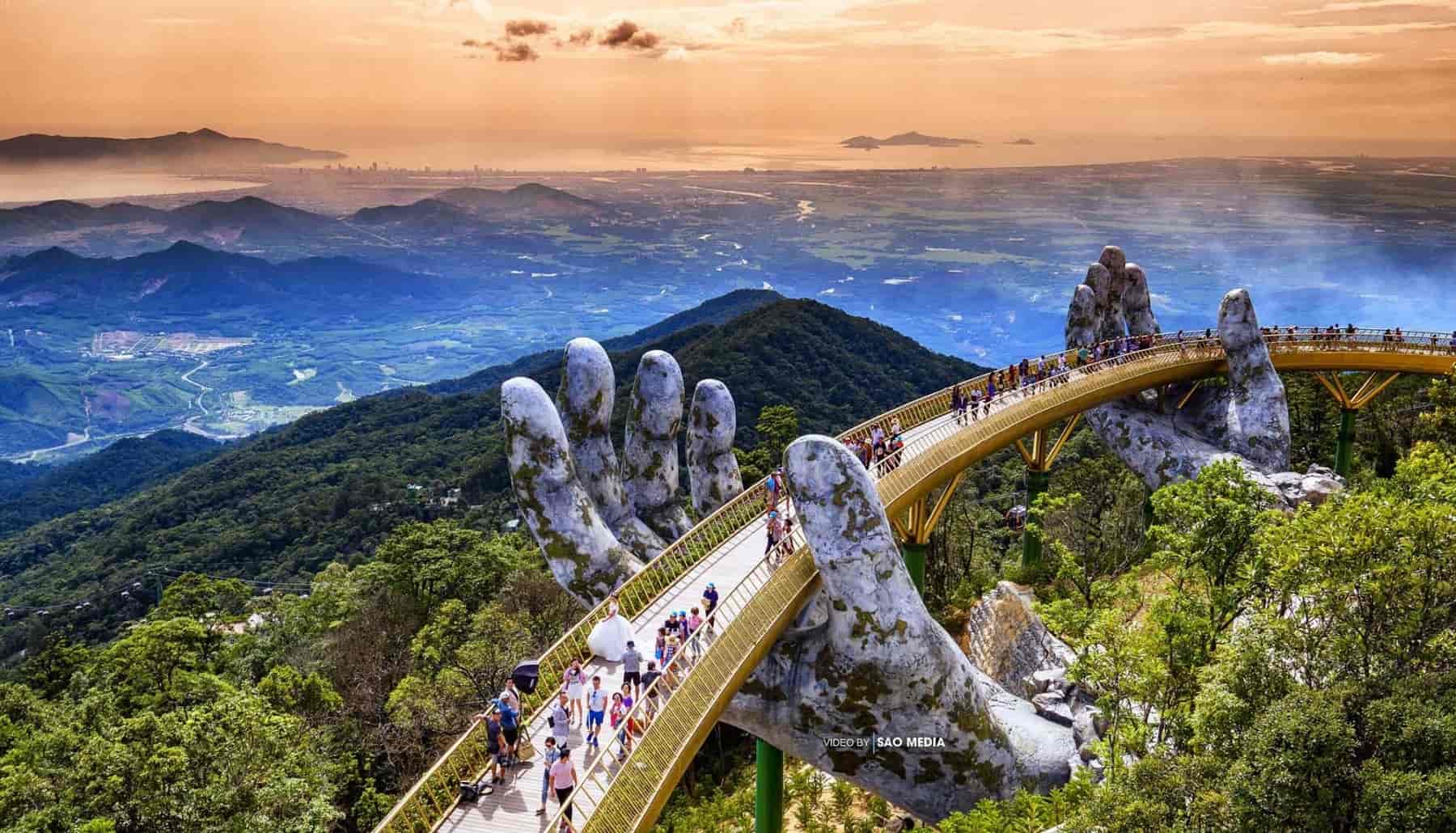
Best Places to Visit Vietnam: Top 15 Spots
Discover Vietnam's top 15 must-visit destinations including Ha Long Bay, Hoi An, Hanoi, and Da Nang. This comprehensive travel guide covers the best time to visit, costs, itineraries, and essential tips for exploring Southeast Asia's most captivating country.
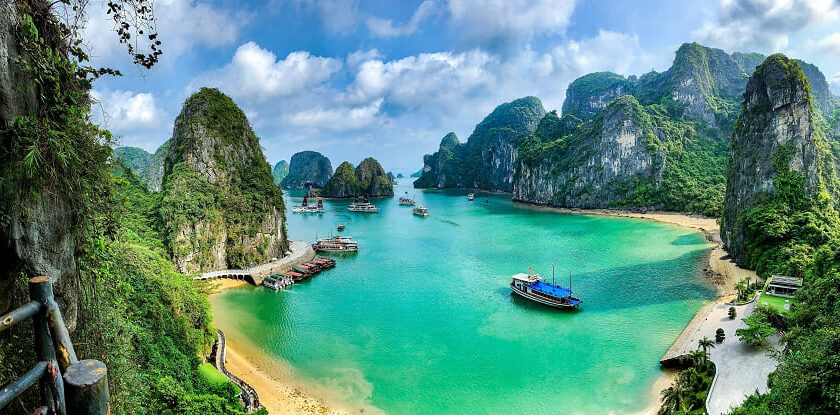
Best Things to Do in Vietnam: Top Activities
Discover the best things to do in Vietnam with practical city, nature, food, and adventure ideas for a balanced trip.
Never Miss an Adventure
Get the latest trekking guides, travel tips, and exclusive offers delivered straight to your inbox.
