
North East India Tourism: Itinerary Plans, Routes & Travel Seasons

Neha Kapoor
February 20, 2026
Plan North East India tourism with route-based itinerary ideas, state-wise season tips, and practical budget guidance.
Introduction: India's Unexplored Paradise
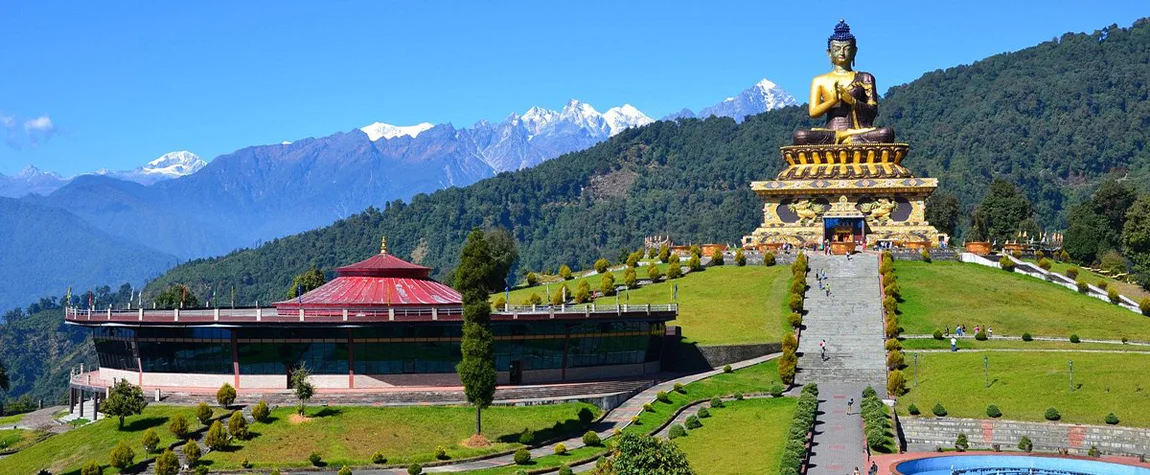
North East India, often called the "Seven Sisters" plus one (Sikkim), is one of India's most spectacular yet least explored regions. Comprising eight states—Arunachal Pradesh, Assam, Manipur, Meghalaya, Mizoram, Nagaland, Sikkim, and Tripura—this region offers a stunning diversity of experiences that feel completely different from mainland India. From Himalayan peaks and living root bridges to tea plantations and tribal cultures, North East India is a treasure trove for travelers seeking authentic, offbeat experiences.
What makes North East India special is its remarkable variety within a relatively compact area. In one trip, you can experience the Himalayan mountain landscapes of Sikkim and Arunachal Pradesh, the tropical rainforests of Meghalaya (one of the wettest places on Earth), the vast tea gardens of Assam, and the unique tribal cultures of Nagaland and Mizoram. The region is home to over 200 tribes, each with distinct languages, customs, and traditions.
The North East is also one of India's most biodiverse regions, hosting several national parks and wildlife sanctuaries that are home to endangered species like the one-horned rhinoceros, Bengal tiger, red panda, and clouded leopard. Kaziranga National Park in Assam is world-famous for its rhino conservation success story.
Despite its incredible offerings, North East India receives relatively few tourists compared to other Indian regions. This means travelers here can enjoy destinations without crowds, experience genuine hospitality, and discover places that feel undiscovered. However, the region does require careful planning—permits are needed for some states, infrastructure varies, and the geography can be challenging.
This comprehensive guide helps you plan North East India tourism with practical itinerary templates, seasonal guidance, route planning, and essential tips for exploring this remarkable region safely and enjoyably.
Best Places by Trip Style
North East India offers diverse experiences catering to different travel styles. Understanding what each state and region specializes in helps you choose destinations that match your interests.
Nature & Wildlife Lovers
Assam - Kaziranga & Manas National Parks:
Assam is the gateway to North East India and home to two UNESCO World Heritage Sites. Kaziranga National Park hosts two-thirds of the world's one-horned rhinoceros population, along with tigers, elephants, and water buffalo. The park's open grasslands make wildlife sightings relatively easy during jeep safaris. Manas National Park, another UNESCO site, offers a more rugged wildlife experience with stunning forest landscapes.
Meghalaya - Living Root Bridges & Waterfalls:
Meghalaya ("Abode of Clouds") is famous for its living root bridges—suspension bridges made from aerial roots of rubber fig trees, grown and strengthened over centuries by the Khasi people. The double-decker root bridge in Nongriat village is particularly spectacular. The state also features stunning waterfalls including Nohkalikai (India's tallest plunge waterfall) and Seven Sisters Falls.
Sikkim - Himalayan Biodiversity:
Sikkim's Khangchendzonga National Park (a UNESCO World Heritage Site) protects the world's third-highest peak and diverse Himalayan ecosystems. The state is home to red pandas, snow leopards, and over 500 orchid species. Yumthang Valley in North Sikkim offers stunning Himalayan meadows covered in wildflowers during spring.
Culture & Tribal Heritage
Nagaland - Hornbill Festival:
Nagaland's Hornbill Festival (December 1-10) showcases the culture of all 16 Naga tribes in one spectacular event. Traditional dances, crafts, food, and music create an immersive cultural experience. Beyond the festival, Nagaland's villages offer opportunities to understand Naga tribal life, traditional headhunting history, and indigenous crafts.
Mizoram - Mizo Culture:
Mizoram offers a window into Mizo tribal culture with unique traditional practices, bamboo architecture, and one of India's highest literacy rates. The state's rolling hills and friendly people create a welcoming atmosphere for cultural exploration.
Manipur - Classical Arts & Traditions:
Manipur is known for its classical dance form Manipuri, ancient polo traditions (the game originated here), and the floating Loktak Lake with unique floating islands (phumdis). The state's rich cultural heritage includes traditional handloom weaving and martial arts.
Adventure & Mountains
Sikkim - Himalayan Adventures:
Sikkim offers excellent trekking including the famous Goecha La trek (viewing Kanchenjunga), Dzongri trek, and Yumthang Valley excursions. The state also features river rafting on the Teesta River, mountain biking, and paragliding. Gangtok, the capital, serves as the adventure hub with good infrastructure.
Arunachal Pradesh - Remote Himalayan Wilderness:
Arunachal Pradesh offers India's most remote Himalayan experiences. Tawang Monastery (second-largest in the world and birthplace of the sixth Dalai Lama) is a major attraction. The state features pristine landscapes including Sela Pass (India's highest motorable pass at 13,700 feet), orchid sanctuaries, and unexplored tribal territories.
Meghalaya - Caving & Trekking:
Meghalaya has some of India's longest cave systems, attracting spelunkers from around the world. The state's challenging terrain also offers excellent trekking opportunities, particularly in the Khasi Hills and to remote living root bridge locations.
Spiritual & Wellness
Sikkim - Monasteries & Buddhism:
Sikkim's Buddhist heritage is evident in its magnificent monasteries including Pemayangtse, Rumtek, and Tashiding. These monasteries offer spiritual experiences, stunning Himalayan settings, and insights into Tibetan Buddhism. Buddhism in Sikkim deeply influences the state's culture and landscapes.
Assam - Temples & River Culture:
Assam's Kamakhya Temple in Guwahati is one of India's most important Shakti Peethas, attracting pilgrims year-round. The state's riverine culture, centered around the Brahmaputra, offers unique spiritual experiences including river cruises and Majuli Island (the world's largest river island) with its satras (Vaishnavite monasteries).
7-Day and 10-Day Route Templates
Planning efficient routes is crucial for North East India travel due to the region's geography and sometimes challenging infrastructure. These itinerary templates help you maximize your time while minimizing travel stress.
7-Day Classic Route: Sikkim & Darjeeling
Best For: First-time visitors, mountain lovers, those wanting good infrastructure
Route:
Day 1-3: Gangtok, Sikkim
- Arrive in Bagdogra Airport, drive to Gangtok (4 hours)
- Explore Gangtok monasteries, Rumtek Monastery, MG Marg
- Day trip to Tsomgo Lake and Nathula Pass
Day 4-5: North Sikkim
- Drive to Lachen (6 hours), overnight stay
- Visit Gurudongmar Lake, drive to Lachung
Day 6-7: Darjeeling
- Drive to Darjeeling via Gangtok (4 hours)
- Sunrise at Tiger Hill, visit tea gardens, return to Bagdogra
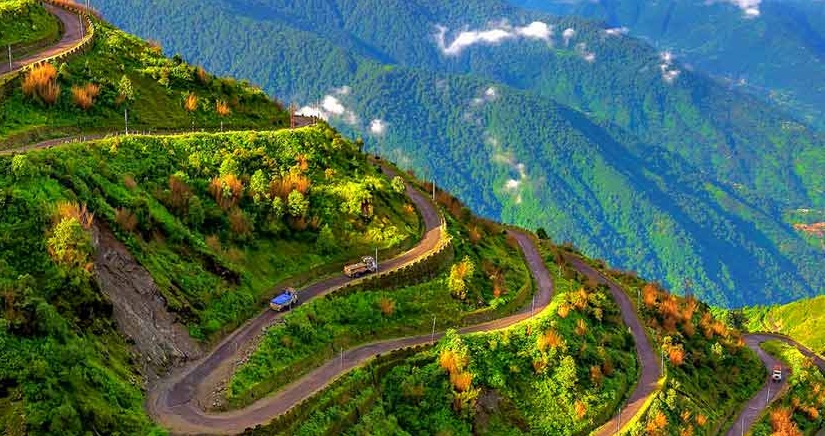
Transport: Private hired car recommended (roads can be challenging)
Budget: ₹15,000-25,000 per person (mid-range)
10-Day Assam & Meghalaya Circuit
Best For: Nature lovers, culture enthusiasts, those wanting diverse experiences
Route:
Day 1-3: Guwahati & Kaziranga
- Arrive Guwahati, visit Kamakhya Temple
- Drive to Kaziranga National Park (5 hours)
- Jeep safari and elephant safari in Kaziranga
Day 4-6: Shillong & Cherrapunji
- Drive to Shillong (6 hours), explore city
- Day trip to Cherrapunji, living root bridges, waterfalls
- Mawlynnong village (Asia's cleanest village)
Day 7-8: Majuli Island
- Drive to Jorhat, ferry to Majuli
- Explore satras, Mising tribal villages, riverine culture
Day 9-10: Return to Guwahati
- Ferry back, drive to Guwahati
- Explore city, depart
Transport: Combination of private car and public transport possible
Budget: ₹20,000-35,000 per person (mid-range)
10-Day Arunachal Pradesh Adventure
Best For: Adventure seekers, experienced travelers, those comfortable with basic infrastructure
Route:
Day 1-2: Guwahati to Bomdila
- Arrive Guwahati, drive to Bomdila (8-10 hours)
- Explore Bomdila Monastery, apple orchards
Day 3-5: Tawang
- Drive to Tawang via Sela Pass (6-7 hours)
- Visit Tawang Monastery, local villages
- Day trip to Madhuri Lake, Bumla Pass
Day 6-7: Dirang
- Drive to Dirang via Sela Pass
- Visit hot springs, apple orchards, yak research center
Day 8-10: Return to Guwahati
- Drive back to Guwahati (2 days with overnight stop)
- Depart
Important: Arunachal Pradesh requires Inner Line Permit for Indians and Protected Area Permit for foreigners
Transport: Private hired car essential (limited public transport)
Budget: ₹25,000-40,000 per person (higher due to remote location)
14-Day Comprehensive North East Tour
Best For: Those wanting to experience multiple states, serious travelers with ample time
Route:
Combine Sikkim (7 days) + Assam & Meghalaya (7 days) or customize based on interests. This allows experiencing Himalayan landscapes, wildlife, tribal cultures, and diverse cuisines.
Season Strategy by State
North East India's varied geography means different states have different optimal visiting seasons. Understanding these variations helps you plan the perfect time for your specific destinations.
Sikkim & Arunachal Pradesh (Himalayan States)
Best Season: March to June, September to November
Spring (March-May):
- Temperature: 10-20°C in Gangtok, cooler at higher altitudes
- Pros: Clear mountain views, rhododendrons blooming, good trekking weather
- Cons: Popular season, more tourists
Summer (June-August):
- Temperature: 15-25°C
- Pros: Lush greenery, fewer tourists
- Cons: Monsoon rains, landslides possible, road blocks, poor visibility
Avoid: July-August (heavy monsoon causes significant travel disruptions)
Assam & Meghalaya
Best Season: October to May
Winter (November-February):
- Temperature: 15-25°C in Assam, 5-15°C in Meghalaya
- Pros: Pleasant weather, ideal for wildlife safaris and exploration
- Cons: Mornings can be very cold in Meghalaya
Summer (March-May):
- Temperature: 25-35°C
- Pros: Good for Kaziranga (animals congregate near water)
- Cons: Hot and humid
Meghalaya Monsoon (June-September):
- Cherrapunji and Mawsynram receive among the world's highest rainfall
- Waterfalls are spectacular but trekking is challenging
- Landslides can disrupt travel
Nagaland, Manipur, Mizoram
Best Season: October to May
Hornbill Festival (December):
- Peak tourist season for Nagaland
- Book accommodation well in advance
- Weather: Pleasant (10-20°C)
Avoid: Monsoon season (June-September) when rains can be heavy and disruptive
| State/Region | Best Months | Avoid | Weather Highlights |
|---|---|---|---|
| Sikkim | Mar-Jun, Sep-Nov | Jul-Aug (monsoon) | Clear Himalayan views in spring, autumn |
| Arunachal Pradesh | Apr-Jun, Sep-Oct | Jul-Aug (monsoon) | High passes accessible April-June |
| Assam | Nov-May | Apr-May (heat) | Pleasant winters, hot summers |
| Meghalaya | Oct-Apr | Jun-Sep (heavy rain) | Driest place on earth gets massive monsoon |
| Nagaland | Oct-May | Monsoon | Hornbill Festival in December |
Budget and Transport Planning
Understanding costs and transport options helps you plan realistically for North East India travel.
Budget Estimates by Trip Type
Budget Backpacker:
- Accommodation: ₹500-1,000 per night (homestays, guesthouses)
- Food: ₹500-800 per day (local eateries)
- Transport: Shared vehicles, public buses where available
- Total: ₹1,500-2,500 per day excluding flights to entry point
Mid-Range Traveler:
- Accommodation: ₹1,500-3,000 per night (3-star hotels, heritage properties)
- Food: ₹1,000-1,500 per day (mix of restaurants and local spots)
- Transport: Private car for some journeys, shared for others
- Total: ₹3,000-5,500 per day excluding flights
Comfort Traveler:
- Accommodation: ₹4,000-8,000+ per night (upscale hotels, resorts)
- Food: ₹2,000-3,000 per day (fine dining, premium restaurants)
- Transport: Private hired car throughout
- Total: ₹7,000-12,000+ per day excluding flights
Transportation Options
By Air:
| City | Airport | Connections |
|---|---|---|
| Guwahati | Lokpriya Gopinath Bordoloi | Major Indian cities, Southeast Asia |
| Bagdogra | Bagdogra Airport | |
| Dibrugarh | Dibrugarh Airport | |
| Imphal | Imphal Airport | Kolkata, Guwahati, Delhi |
| Agartala | Maharaja Bir Bikram Airport | Kolkata, Guwahati |
Note: Flight connectivity to North East has improved significantly in recent years, but flights can be more expensive than to other Indian regions.
By Rail:
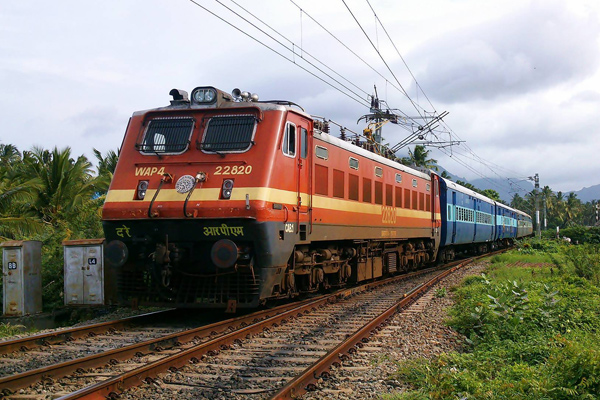
- Guwahati is the major railhead connected to all major Indian cities
- The Rajdhani Express from Delhi to Guwahati takes approximately 26 hours
- Other important railheads: Dibrugarh, Silchar, New Jalpaiguri (for Siliguri/Bagdogra)
By Road:
- National Highway 17 connects Guwahati to the rest of India via Siliguri
- Road journeys are scenic but can be long and winding
- Self-driving is possible but road conditions vary—hire experienced local drivers
Getting Around Within Region
Private Hired Car:
- Most convenient and recommended option
- Cost: ₹2,500-4,000 per day including fuel, depending on vehicle type
- Driver accommodation and food extra (typically ₹500-800 per day)
Shared Taxis:
- Available on popular routes (Gangtok to Darjeeling, Guwahati to Shillong)
- Significantly cheaper but less flexible (fixed departure times)
Public Buses:
- Available between major towns and cities
- Very budget-friendly but can be crowded and uncomfortable
Family and Group Travel Tips
Traveling with family or a group to North East India requires additional planning but can be incredibly rewarding.
For Families with Children
Best Regions:
- Sikkim: Good infrastructure, comfortable weather, family-friendly attractions
- Assam: Kaziranga wildlife safaris excite children, good roads
- Meghalaya: Root bridges fascinate kids, but treks can be challenging—choose accessible bridges
Tips:
- Start with Sikkim or Assam—better infrastructure and medical facilities
- Avoid remote Arunachal Pradesh or Nagaland villages with young children
- Pack motion sickness medication for winding mountain roads
- Carry entertainment for long road journeys
- Choose comfortable accommodations with reliable hot water and heating
- Allow extra time for travel with children—don't rush
For Senior Travelers
Best Regions:
- Sikkim (Gangtok only): Comfortable climate, good facilities
- Assam: Kaziranga (safaris can be arranged with minimal walking)
Considerations:
- Avoid high-altitude destinations (North Sikkim, Tawang) if health is a concern
- Choose accommodations with fewer stairs and easy access
- Plan rest days between travel days
- Avoid strenuous trekking to remote root bridges
- Carry all medications and prescriptions
For Large Groups
Booking:
- Book accommodations well in advance—options are limited in popular areas
- Consider chartering entire vehicles instead of shared transport
- Group discounts may be available at hotels and tour operators
Logistics:
- Designate a group leader for coordination
- Have a communication plan (group messaging app) for coordination
- Consider travel insurance for all group members
- Be flexible with itineraries—weather and road conditions can change plans
Common Mistakes to Avoid
Trying to Cover Too Many States in One Trip
North East India is vast and travel between states takes time. First-time visitors often try to see all eight states in two weeks—this is impossible and results in rushed, exhausting travel. Focus on 2-3 states maximum per trip, or just one region (like only Sikkim and Darjeeling, or only Assam and Meghalaya). Quality over quantity—experience places properly rather than checking them off a list.
Not Obtaining Permits in Advance
Several North Eastern states require permits for entry. Arunachal Pradesh and Nagaland require Inner Line Permits for Indians. Sikkim previously required permits but this was recently lifted for Indians (foreigners still need Restricted Area Permits). Mizoram and Manipur also have permit requirements. Apply well in advance through official channels. Don't assume you can obtain permits on arrival—this can result in being turned away at state borders.
Underestimating Travel Time Between Destinations
Road travel in North East India takes longer than Google Maps suggests due to mountain roads, weather conditions, and occasional checkpoints. A journey that looks like 4 hours on maps can easily take 6-7 hours. Plan conservatively, add buffer time, and don't schedule tight connections. Always account for potential delays from landslides, road work, or weather.
Packing Inappropriately for Diverse Climates
North East India has multiple climates in one region. If you're visiting both Sikkim (mountains, cold) and Assam (plains, hot), pack layers. Lightweight clothing for low altitudes, warm layers for mountains, rain gear for monsoon (no matter when you visit, rain is always possible), and comfortable walking shoes with grip. Don't forget sunscreen—UV is strong at high altitudes despite cool temperatures.

Being Disrespectful of Tribal Cultures
North East India is home to diverse indigenous tribes with distinct customs. Some areas are conservative regarding dress and behavior. Research local customs before visiting tribal villages. Always ask permission before photographing people (especially elders). Some tribal areas have specific rules—follow them. Don't treat tribal cultures as tourist curiosities—approach with respect and genuine interest.
Ignoring Health Precautions
The region has different health considerations than mainland India. Malaria prophylaxis is recommended for Assam and other low-lying areas. Altitude sickness is possible in Sikkim and Arunachal—acclimatize properly. Carry a comprehensive first aid kit with basic medications. Medical facilities are limited in remote areas—carry necessary prescriptions. Drink only bottled or purified water. Food hygiene is important—stick to busy restaurants and freshly cooked food.
Traveling During Monsoon Without Flexibility
Monsoon (June-September) dramatically affects North East India travel. Roads get blocked by landslides (especially in Sikkim, Meghalaya, Arunachal), flights get cancelled, and some areas become inaccessible. If you must travel during monsoon, build in extra days for delays, be flexible with itinerary, and don't venture into remote areas. Winter and spring are significantly better times for first-time visitors.
Expecting Mainland India Infrastructure
North East India's infrastructure is improving but still lags behind mainland India. Internet connectivity can be unreliable in remote areas. ATMs may be limited or frequently out of cash. Roads can be rough. Accommodation options are limited in popular areas and very basic in remote regions. Come with realistic expectations—this is offbeat India, not developed tourist India. Part of the charm is the lack of commercialization, but it requires flexibility and patience.
Conclusion: Discovering India's Last Frontier
North East India is one of those rare destinations that feels like discovering an entirely new world within India. The region's diversity is staggering—from Himalayan peaks to tropical rainforests, from Tibetan Buddhism to tribal animism, from one-horned rhinos to red pandas. What makes North East India truly special is that despite these incredible offerings, it remains relatively unexplored, offering travelers authentic experiences without crowds.
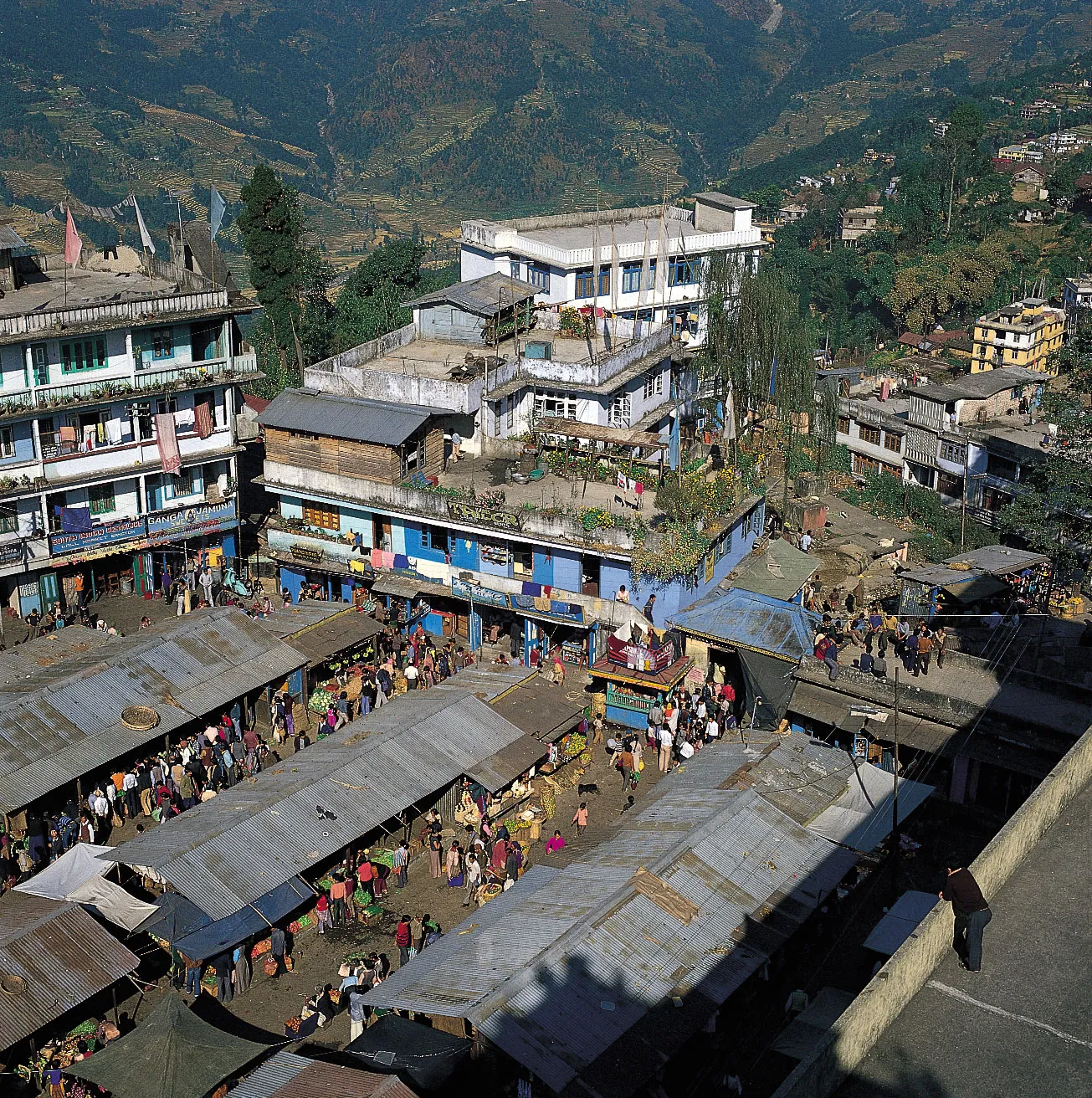
The key to enjoying North East India tourism is planning and patience. The distances are vast, the infrastructure challenging, and the permits confusing—but the rewards are immense. You'll witness landscapes that take your breath away, experience cultures that have remained unchanged for centuries, and encounter hospitality that will restore your faith in human kindness.
Start with accessible regions like Sikkim or Assam if you're a first-time visitor. These states offer excellent introductions to the region's diversity without requiring extreme travel logistics. Once you've fallen in love with the North East (and you will), you can plan more ambitious journeys to remote Arunachal Pradesh, Nagaland's tribal villages, or Meghalaya's hidden corners.
Most importantly, travel to North East India with respect and curiosity. These are sensitive border regions with complex histories and diverse indigenous cultures. The people here are welcoming to those who approach with genuine interest and respect. Take time to understand the cultures, support local businesses, and leave no trace—this incredible region deserves our protection and preservation.
Whether you're watching rhinos at sunrise in Kaziranga, standing before a 500-year-old living root bridge in Meghalaya, visiting Tawang Monastery at 10,000 feet, or experiencing the energy of the Hornbill Festival, North East India will change you. These aren't just travel destinations—they're experiences that connect you to India's incredible diversity in ways you never imagined possible.
The North East awaits. Pack your sense of adventure, your patience, and your curiosity. This is India's last frontier, and it's ready to show you unforgettable magic.
Location
Frequently Asked Questions
Q1.Which states should first-time travelers include?
Q2.What is the best season for North East India trips?
Q3.How many days are ideal for a first visit?
Q4.Is North East India suitable for family travel?
Q5.What budget should be planned for a week-long trip?
Q6.How should inter-state transport be planned?
Q7.What should travelers pack for varying weather?
Q8.What common mistakes should visitors avoid?
Recommended For You
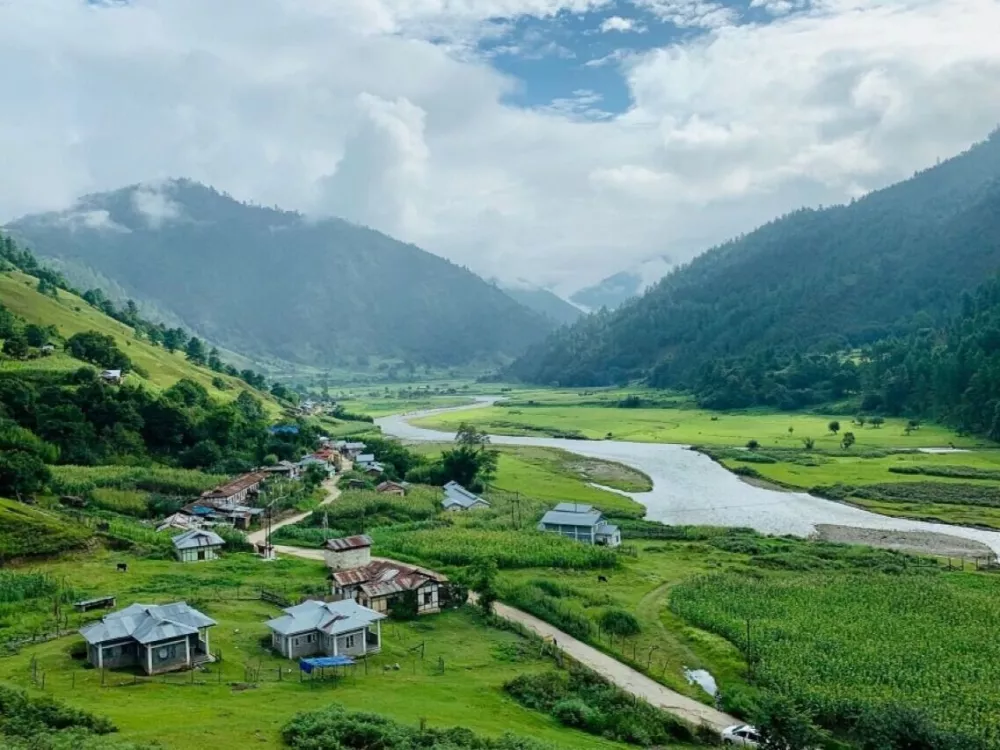
Best Time to Visit Tawang: Season, Snowfall & Route Conditions
Find the best time to visit Tawang with season-by-season weather insights, road-planning tips, monastery timing advice, and packing guidance.
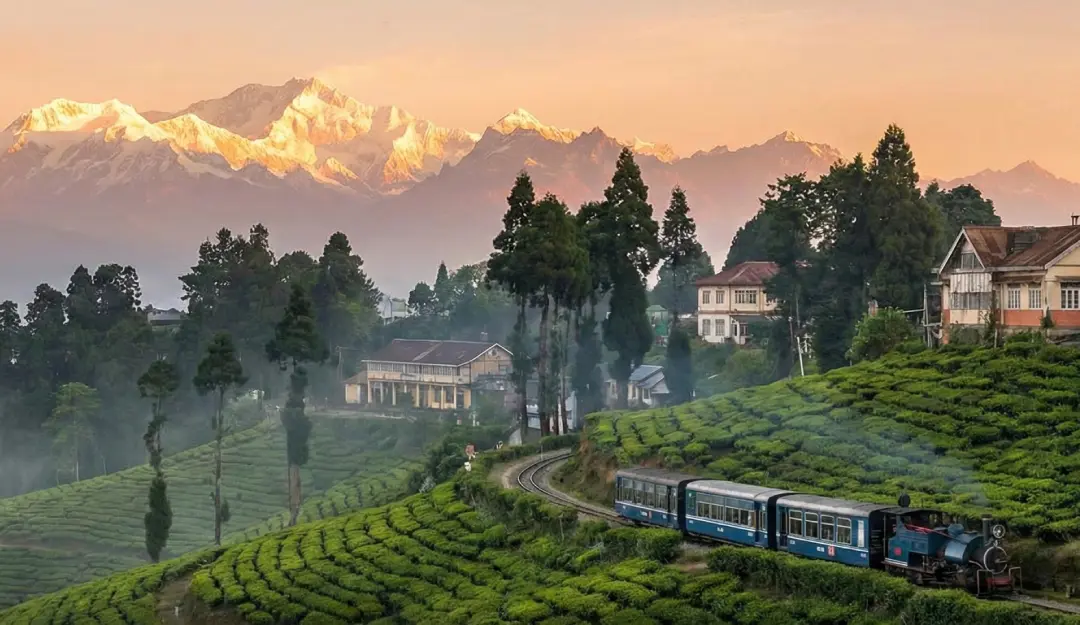
Darjeeling: Complete Travel Plan Places And Weather
Plan your Darjeeling trip with practical one-day, two-day, and three-day itinerary templates, best season guidance, budget tips, and local transport planning.
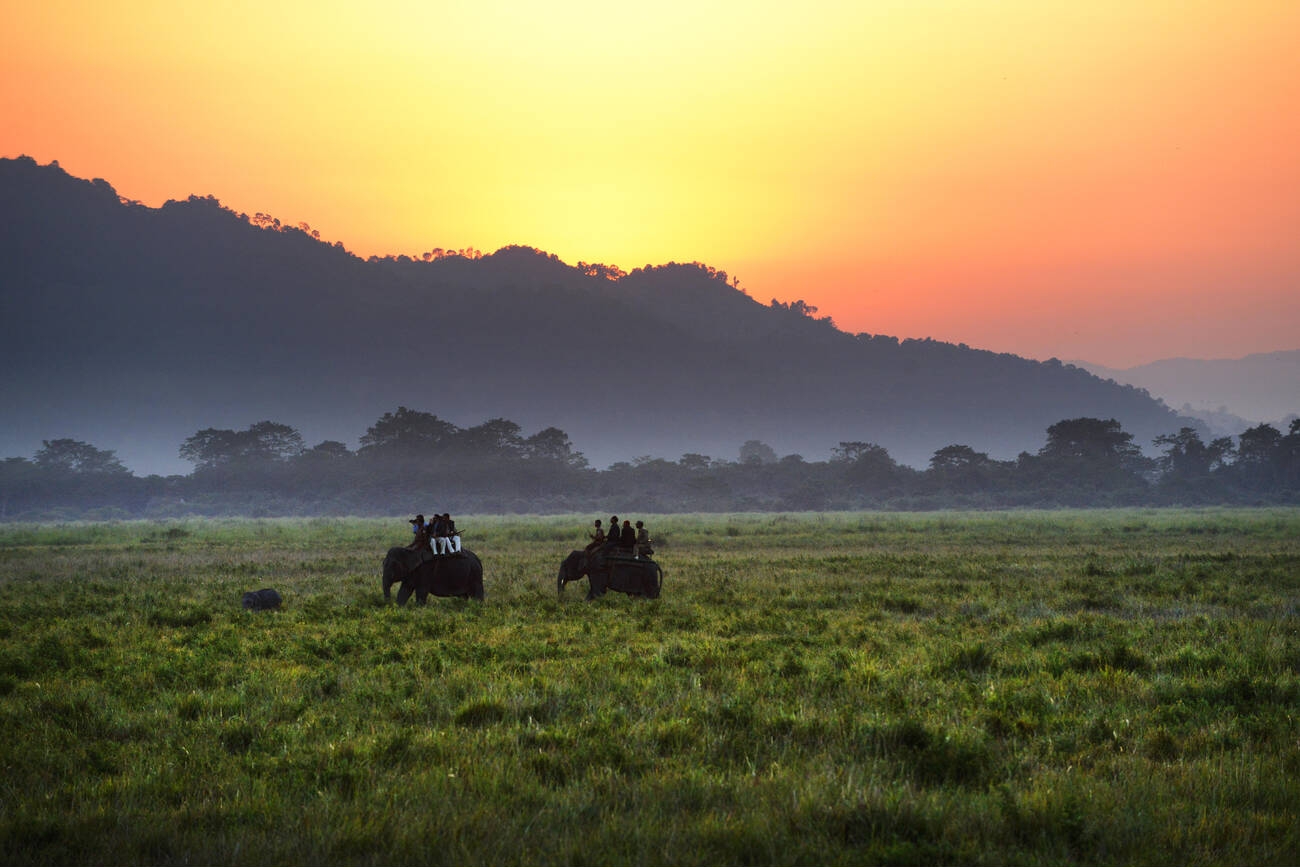
Kaziranga National Park: Complete Wildlife Safari Guide 2026
Explore Kaziranga National Park, home to two-thirds of world's rhinos. Complete safari guide with best time to visit, zones booking, wildlife spotting tips, and accommodation.
Never Miss an Adventure
Get the latest trekking guides, travel tips, and exclusive offers delivered straight to your inbox.
