
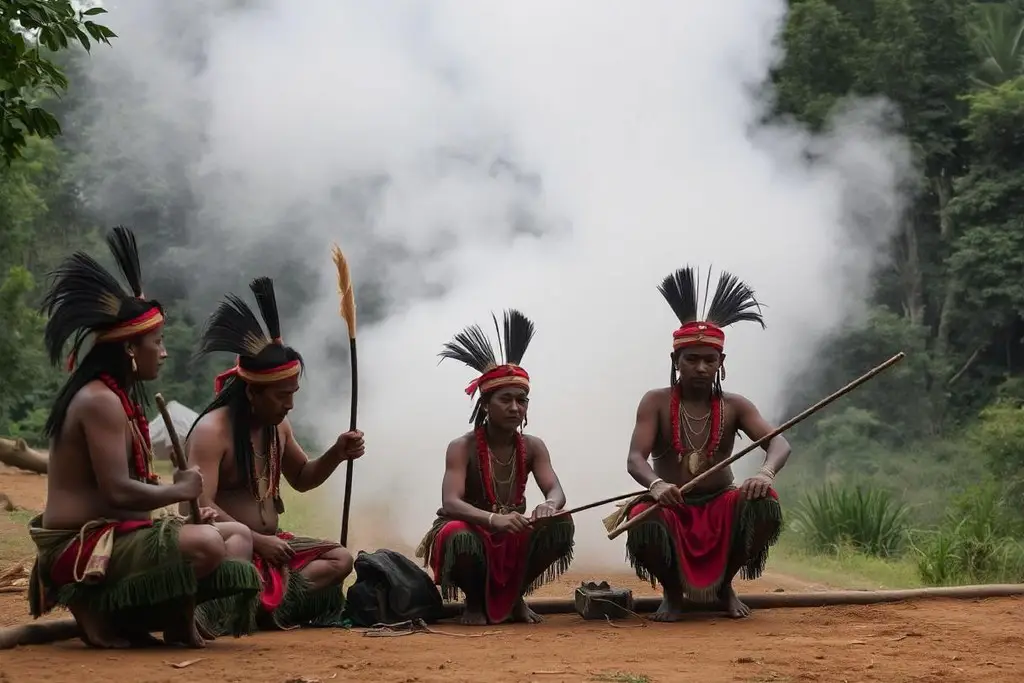
Konyak Headhunters Nagaland: Mon Tribe Culture, Villages & Festival Insights

Priya Mehta
January 26, 2026
Discover the fascinating Konyak headhunters of Nagaland. Explore their history, tattoo traditions, and guide to visiting Mon district and Longwa village.
The Last Headhunters of Nagaland
Deep in the remote hills of Nagaland's Mon district lives one of the most fascinating tribal communities in the world—the Konyaks. Once feared as fierce headhunters who collected human skulls as trophies of war, the Konyak people today represent a remarkable transition from ancient warrior traditions to modern peaceful existence. Their story is not just about headhunting practices but about cultural preservation, identity, and the complex interplay between tradition and change.
The Konyaks are the largest of the 16 officially recognized Naga tribes, inhabiting the remote Patkoi range of hills that straddle the India-Myanmar border. Their territory extends from Nagaland's Mon district into adjacent areas of Myanmar and Arunachal Pradesh. What makes the Konyaks particularly intriguing is that they were among the last Naga tribes to abandon the practice of headhunting, with some accounts suggesting the tradition continued into the 1960s.
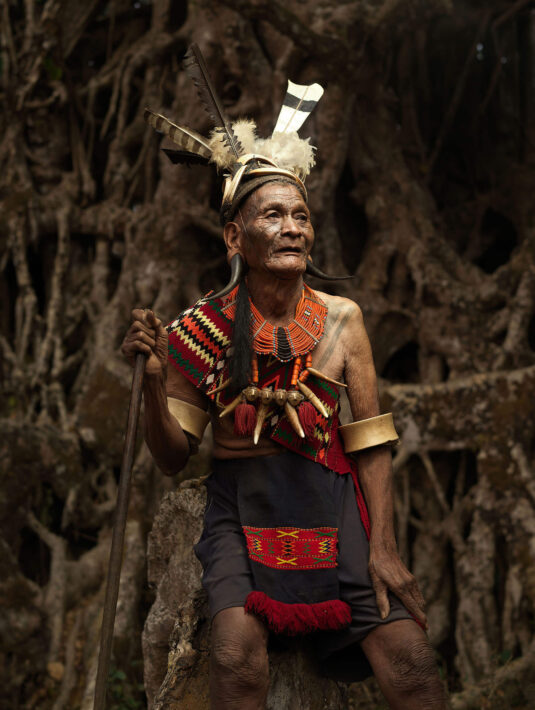
This means that living elders in Konyak villages today are former headhunters who participated in or witnessed the final years of this practice. Walking through a Konyak village, you can still meet elderly men with distinctive facial tattoos—marks of their headhunting prowess—and hear their stories firsthand. This living connection to a once-feared warrior tradition makes visiting Konyak territory an unparalleled cultural experience.
For travelers interested in anthropology, tribal cultures, and human history, the Konyaks offer an extraordinary window into a world that has largely vanished. Their remote location, distinctive customs, and welcoming nature create an authentic cultural immersion that few other destinations can match. For those planning broader explorations of the region, consider extending your trip to experience the famous Hornbill Festival or exploring the cultural capital with a Kohima travel guide. This guide explores who the Konyaks are, their history of headhunting, the meanings behind their famous tattoos, and how you can visit their villages responsibly.
Who Are the Konyak People?
The Konyaks form the largest tribe among the 16 major Naga tribes, with a population spread across Nagaland, Myanmar, and Arunachal Pradesh. In Nagaland, they primarily inhabit the Mon district, one of the state's most remote and underdeveloped regions. The name 'Konyak' is believed to derive from 'Whan-o,' meaning 'men's head,' reflecting their historical association with headhunting.
Physically, the Konyaks are often distinguished from other Naga tribes by their Mongoloid features, lighter skin tone, and traditionally, their distinctive dress and adornments. Historically, Konyak men wore elaborate headgear made of cane and decorated with hornbill feathers, wild boar tusks, and sometimes human hair. Their dress included colorful shawls with distinctive patterns that indicated their status and achievements.
Konyak society is organized around clans, with each clan having its own traditions, stories, and territorial claims. The village chief, known as the 'Angh,' holds considerable power and authority. In some traditional Konyak villages, particularly Longwa, the Angh's authority extends across the international border, with villages on both the Indian and Myanmar sides recognizing his leadership.
The Konyak language belongs to the Tibeto-Burman family and has several dialects. While the younger generation speaks Nagamese (a creole language used across Nagaland) and English, many elders are fluent only in their mother tongue. This linguistic diversity adds to the cultural richness of the region but can present communication challenges for visitors, though guides and younger community members typically bridge this gap.
Religiously, most Konyaks today identify as Christians, following widespread missionary activity in the 20th century. However, many traditional animist beliefs and practices coexist with Christian faith. The Konyaks traditionally believed in a spirit world, with both benevolent and malevolent spirits affecting daily life. Shamans played important roles as intermediaries between the human and spirit worlds, and some traditional practices related to healing, protection, and agriculture continue despite Christian conversion.
What truly sets the Konyaks apart is their recent transition from headhunting warriors to peaceful farmers and Christians. This transformation occurred within living memory, creating a unique generational divide. Today's Konyak youth are educated, connected to the global world through smartphones and social media, and often pursue careers outside the village. Yet they maintain pride in their heritage and work to preserve traditional customs, dances, and crafts.
History of the Headhunting Tradition
The practice of headhunting among the Konyaks cannot be understood through modern notions of violence or criminality. It was a complex cultural institution embedded in their social, religious, and political fabric for centuries. Heads were not taken randomly or for sadistic pleasure but were integral to specific social and religious contexts.
Headhunting served multiple functions in Konyak society. First, it was a rite of passage for young men. Taking a head was often a prerequisite for marriage and achieving full adult status in the community. Young men who hadn't taken heads were considered incomplete and lacked the social standing to start families. A warrior's status and prestige were directly related to the number of heads he had collected.
Second, heads had religious significance. The Konyaks believed that the human head contained spiritual power that could benefit the community. Taking heads from enemy villages was thought to transfer this power, bringing prosperity, fertility, and protection to the victor's village. Heads were also believed to protect crops and ensure good harvests, making headhunting essential for agricultural cycles.
Third, headhunting was embedded in inter-village politics and conflicts. Disputes over territory, resources, or honor could lead to raids and counter-raids. These conflicts were governed by customary laws, with specific rules about who could be targeted and how raids should be conducted. Revenge cycles were common, with villages seeking to avenge previous attacks.
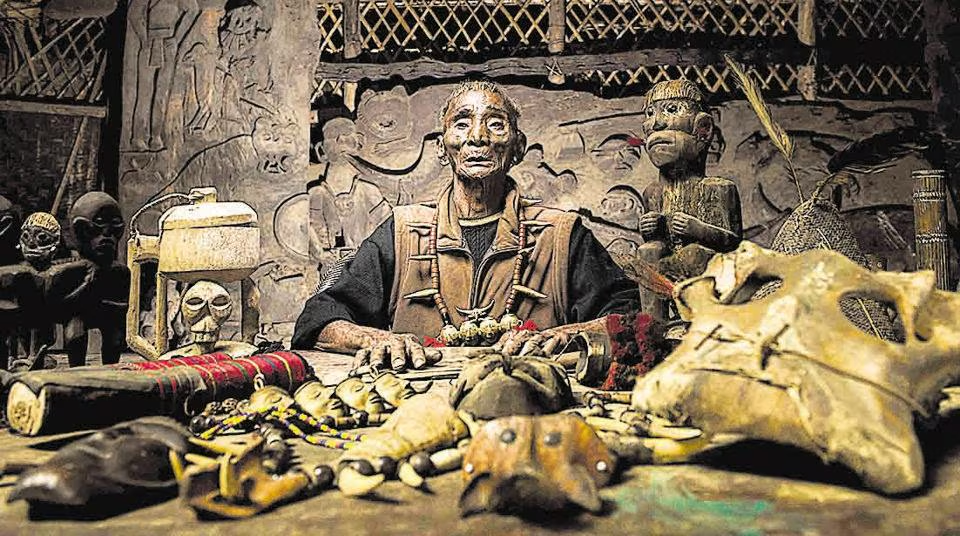
The practice was not constant warfare. Periods of peace lasted for years, interrupted by specific campaigns or retaliatory raids. Headhunting was seasonal, generally avoiding agricultural periods. Warriors gave warnings through specific signals, and there were rules about not attacking during certain times or places. The violence, while brutal, was regulated by cultural protocols.
>The process of becoming a headhunter was systematic. Young men would train under experienced warriors, learning combat skills, tracking, and the spiritual preparations required for raids. Success in taking a head was celebrated with elaborate ceremonies, tattoos, and the right to wear specific ornaments and clothing. The taken head would be brought back to the village amid celebrations and ceremonies that could last for days. >The arrival of British colonial administration and Christian missionaries in the late 19th and early 20th centuries began the process of ending headhunting. The British established administrative control and sought to suppress inter-tribal warfare. Missionaries condemned the practice and converted many Konyaks to Christianity. However, the tradition proved remarkably persistent, continuing in remote areas well into the post-independence period. >The final end of headhunting among the Konyaks came in the 1960s, when improved government administration, Christian influence, and changing social attitudes made the practice unsustainable. The last generation of headhunters are now elderly men in their 80s and 90s, living witnesses to a bygone era. Their transition from feared warriors to respected community elders represents one of the most dramatic cultural transformations in recent history.Konyak Tattoos and Their Meanings
The tattoo tradition among the Konyaks is intimately connected to headhunting and represents one of their most distinctive cultural markers. Konyak tattoos are not merely decorative; they are visual records of personal achievements, social status, and spiritual protection. Each tattoo has specific meanings that convey information about the wearer's identity and accomplishments.
Facial tattoos were the most prestigious and significant, reserved exclusively for headhunters. These tattoos, typically vertical or diagonal lines on the chin, cheeks, and forehead, announced to everyone that the wearer had successfully taken heads. The patterns and placement indicated the number of heads taken and sometimes the circumstances under which they were obtained. A Konyak man without facial tattoos was immediately recognizable as someone who had never achieved headhunting status.
For women, tattoos had different meanings and were not related to headhunting. Konyak women received tattoos on their legs, arms, and sometimes chest, typically during puberty. These tattoos were considered marks of beauty, fertility, and marriageability. The patterns were different from men's tattoos, featuring geometric designs and symbols specific to women's roles in society. Women's tattooing was less extensive than men's but equally significant in marking identity.
Body tattoos on men's chests, backs, and arms also carried specific meanings. Some tattoos commemorated particular raids or achievements, while others offered spiritual protection. Chest tattoos might feature symbols representing the sun, moon, or important animals in Konyak cosmology. These tattoos were believed to protect the warrior in battle and ensure success in future endeavors.
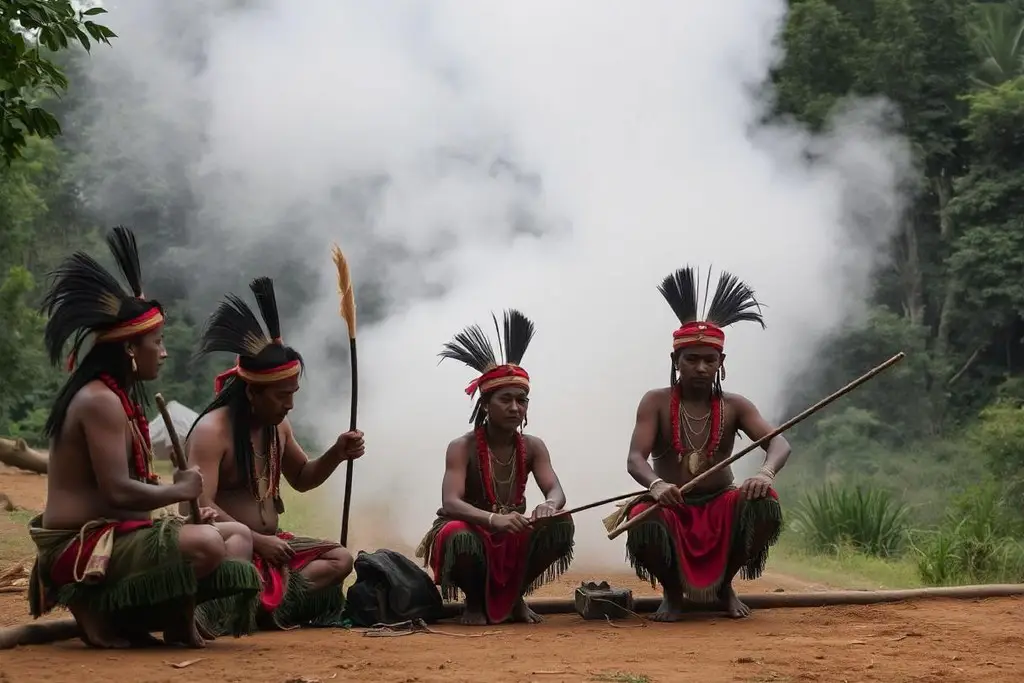
The tattooing process itself was a significant ritual. Traditional tattooing involved using thorns or sharpened bamboo to insert natural pigments into the skin. The process was painful and could take multiple sessions. Tattooing was accompanied by ceremonies and sometimes periods of ritual seclusion. The person performing the tattoos was typically a specialized artisan who held knowledge of both the technical and spiritual aspects of the practice.
>Today, the tattoo tradition has largely disappeared. Younger Konyaks do not receive traditional tattoos, partly due to Christian opposition and partly because the social conditions that gave tattoos meaning—particularly headhunting—no longer exist. The living elders with facial tattoos are thus the last generation to carry this visual record of Konyak warrior culture. Their tattoos are invaluable not just as personal history but as anthropological records of a vanished way of life. >For visitors to Konyak villages, these tattoos are among the most striking sights. Seeing elderly men with their distinctive facial markings brings home the reality that these quiet, hospitable villagers were once among the most feared warriors in the region. The tattoos also provide excellent photographic subjects, though visitors should always ask permission before photographing elders and be respectful of the cultural significance these markings carry.Efforts are underway to document Konyak tattoo patterns and their meanings before the last tattooed elders pass away. Anthropologists, photographers, and younger Konyaks interested in their heritage are working to record this knowledge. Some Konyak youth have even begun getting traditional-inspired tattoos as a way of reconnecting with their cultural identity, though these modern tattoos do not carry the same social meanings as the traditional ones.
Visiting Longwa Village
Longwa village stands as the crown jewel of Konyak cultural tourism and the most accessible entry point into Konyak territory. Located approximately 40 kilometers from Mon town, Longwa is famous for several reasons that make it a must-visit destination for those interested in Konyak culture and unique geopolitical curiosities.
What makes Longwa truly remarkable is its geography. The village straddles the international boundary between India and Myanmar, with the Angh's (chief's) house literally sitting on the border. One half of the house lies in India, the other in Myanmar. The Angh's authority extends to villages on both sides of the border, and his people can move freely between the two countries—a rare arrangement in a world of strictly controlled international boundaries.
The village offers excellent opportunities to meet former headhunters. Unlike some more commercialized tourist destinations, Longwa's elders are generally welcoming and willing to share stories of their younger days, particularly through guides who can translate. The sight of elderly men with facial tattoos going about their daily routines—farming, weaving, or simply socializing—provides a powerful connection to the region's warrior past.
Key Attractions in Longwa:
The Angh's Palace: The traditional house of the village chief is an architectural marvel and the centerpiece of Longwa. Built entirely of wood and bamboo without nails, the house features elaborate carvings and traditional design elements. The Angh's family still lives here, and with permission (and typically a small fee), visitors can enter and see the distinctive architecture. The house contains traditional artifacts, weapons, and ceremonial objects that offer insights into Konyak material culture.
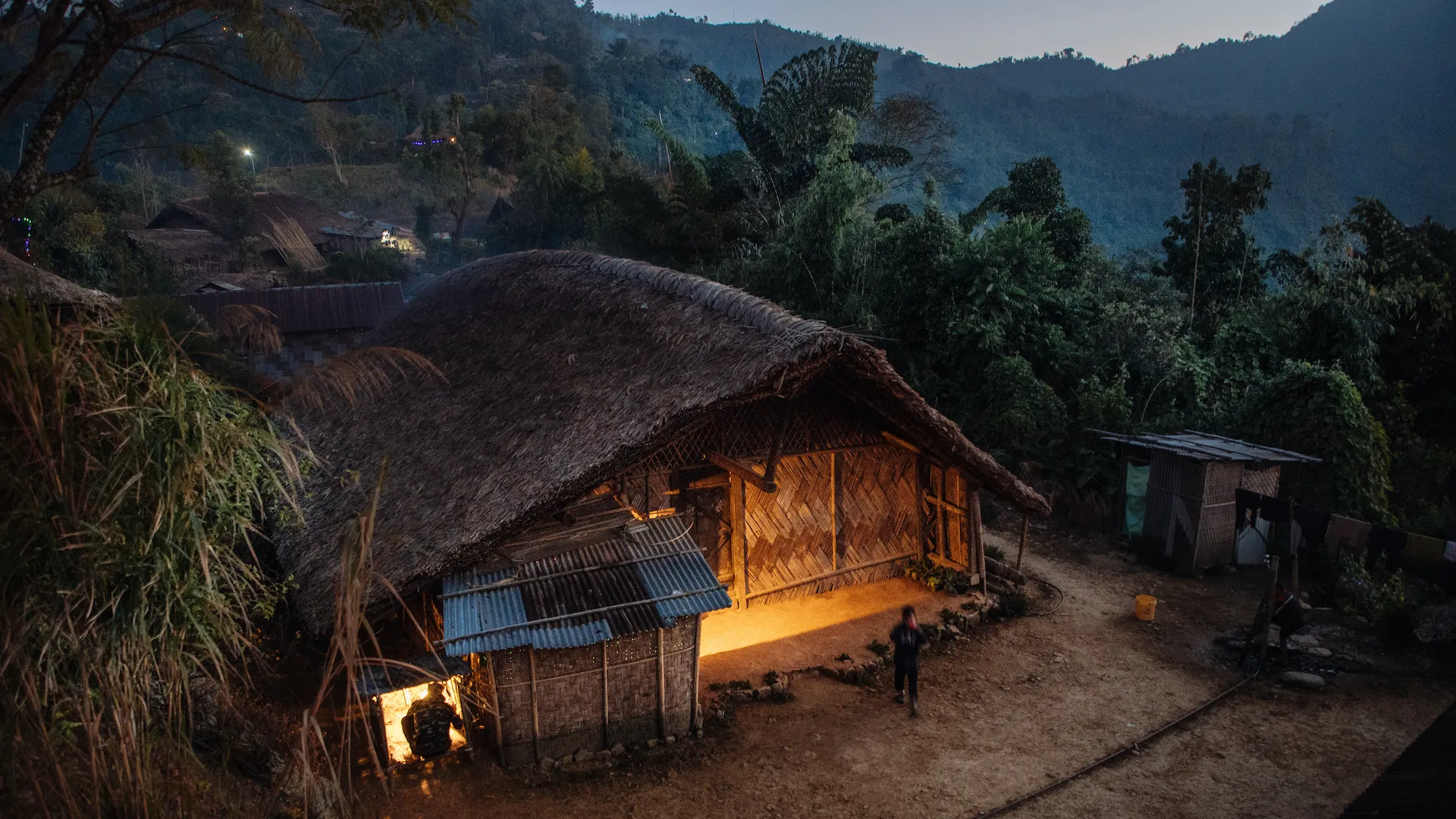
Border Pillar: Near the village, the international border is marked by pillar 145, one of the few places where tourists can easily access the India-Myanmar border. The pillar sits on a ridge with views into both countries. Photos with the pillar are popular, though visitors should be careful not to cross into Myanmar without proper documentation.
Morung (Bachelor's Dormitory): Traditional Konyak villages had morungs—communal houses where young unmarried men lived together, trained for warfare, and learned traditional skills under the guidance of elders. Longwa's morung, though no longer used for its original purpose, has been preserved and offers insights into traditional Konyak social organization. The building displays traditional weapons, hunting gear, and ceremonial objects.
Traditional Crafts: Longwa is known for its skilled artisans who produce traditional Konyak crafts. Visitors can see craftsmen making dao (traditional machetes), working with cane and bamboo, or weaving traditional shawls. These crafts are not just for show but continue to be used in daily life. Purchasing handicrafts directly from artisans provides economic support to the community and authentic souvenirs for visitors.
Visiting Longwa typically takes a full day if starting from Mon town. The road is rough but motorable, and the journey itself offers beautiful views of the Naga hills. Most visitors arrange transportation through guides or tour operators in Mon, as public transport to Longwa is limited. The village has basic homestay facilities for those who want to stay overnight, though options are simple and facilities basic.
Mon District Travel Guide
Planning a visit to Konyak territory requires careful preparation and realistic expectations. Mon district is one of Nagaland's most remote and underdeveloped regions, with limited infrastructure and challenging travel conditions. However, for travelers who make the effort, the rewards are immense—authentic cultural experiences, stunning landscapes, and the chance to witness a way of life that has remained largely unchanged for centuries.
Best Time to Visit:
The ideal time to visit Mon district is from October to May, when weather conditions are most favorable. The post-monsoon months (October-November) offer lush green landscapes and comfortable temperatures. The winter months (December-February) can be chilly, especially in the higher elevations, but skies are generally clear and roads are in better condition. The spring months (March-May) bring warmer weather and the possibility of witnessing traditional festivals, particularly the Aoling Monyu festival in April.
Monsoon (June-September) should be avoided. Heavy rainfall causes landslides that frequently block roads, making travel unreliable and sometimes dangerous. Many areas become inaccessible, and outdoor activities are severely limited. Moreover, the humidity and leeches make trekking and village visits uncomfortable during this period.
Getting There:
Most travelers reach Mon via Dimapur, Nagaland's commercial hub and entry point. Dimapur has the nearest airport and railway station, with connections to major Indian cities. For broader Northeast India tourism experiences, Dimapur serves as a convenient transit point. From Dimapur to Mon town is approximately 250 kilometers, a journey of 8-10 hours by road depending on road conditions. The route passes through beautiful terrain, with winding roads offering stunning views of hills, valleys, and traditional villages.
The road from Dimapur to Mon has improved in recent years but remains challenging in sections. Public transport is available in the form of shared taxis and buses, but these can be crowded and uncomfortable. Hiring a private vehicle or joining an organized tour is highly recommended for comfort and flexibility. The journey itself is part of the experience, passing through changing landscapes and offering glimpses of Naga life.
Permits:
Foreign nationals require an Inner Line Permit (ILP) to visit Nagaland, including Mon district. Indian citizens from other states also need an ILP for Nagaland. These permits can be obtained online or from designated offices in Delhi, Kolkata, Guwahati, and other major cities. If you're flying in, you may want to check the best time to visit Guwahati for optimal travel planning. The permit typically specifies the duration of stay and areas that can be visited. Make sure your permit includes Mon district. For visits to border areas like Longwa, additional permissions may sometimes be required.
Accommodation:
Mon town offers limited but adequate accommodation options. The Circuit House and Inspection Bungalow provide basic rooms with facilities, though these may require advance booking and sometimes official connections. A few small hotels and guesthouses cater to tourists, with varying levels of comfort and service. Don't expect luxury—facilities are basic, power cuts can occur, and hot water may not always be available.
For a more authentic experience, consider staying in village homestays. Longwa and some other villages offer basic homestay facilities where you can stay with local families. These accommodations are very simple—often just a mattress on the floor in a traditional house—but provide unparalleled cultural immersion. Meals are typically home-cooked Naga food, and you'll participate in family life during your stay. Book homestays through guides or local operators, as direct arrangements can be challenging.
Transport within Mon District:
Once in Mon town, you'll need to arrange transportation to visit villages. Public transport within the district is very limited. Most visitors hire a vehicle (typically a Tata Sumo or similar SUV) for the duration of their stay. These vehicles can be arranged through hotels, guides, or directly in Mon town. Negotiate rates clearly upfront, including fuel, driver's accommodation, and any waiting charges.
For village visits, hiring a local guide is highly recommended and often essential. Guides can translate, explain cultural practices, facilitate meetings with elders, handle logistics, and ensure you follow appropriate customs. Many guides are from the Konyak community themselves and can provide insights that casual visitors would miss. Guide fees vary but are reasonable for the value they provide.
Other Villages to Visit:
Beyond Longwa, several other Konyak villages are worth visiting if time permits. Shangnyu village, known for its traditional wooden carvings and historical significance, is approximately 15 kilometers from Mon. Chui village offers beautiful traditional architecture and friendly residents. Tobu village, though more remote, provides a more off-the-beaten-path experience. Each village has its own character and specialties, so discuss options with your guide based on your interests.
Traditional Konyak Culture Today
Contemporary Konyak life represents a fascinating blend of ancient traditions and modern influences. While the headhunting era has ended, many aspects of traditional culture continue to thrive, adapted to new circumstances and coexisting with Christianity and modern technology. Understanding this cultural continuity adds depth to any visit to Konyak territory.
The Aoling Monyu Festival, celebrated in early April (typically April 1-3), represents the most important annual celebration in the Konyak calendar. This spring festival marks the beginning of the agricultural year and involves six days of ceremonies, dances, feasting, and community bonding. Though originally connected to headhunting and agricultural cycles, today's Aoling Monyu is a celebration of Konyak identity and cultural revival.
During Aoling Monyu, Konyaks wear traditional dress, perform ancestral dances, sing traditional songs, and prepare special foods. The festival provides excellent opportunities for cultural photography and witnessing traditional ceremonies that would be difficult to see at other times. Many villages welcome visitors during the festival, though accommodation can be strained due to the influx of tourists and returning Konyak expatriates.
Traditional Crafts remain an important part of Konyak life and economy. Gunsmithing, once essential for producing weapons for warfare and hunting, continues as a specialized craft. Konyak-made guns (muzzle-loading flintlocks) are prized as artifacts and collector's items. Though no longer used for headhunting, these firearms represent remarkable metallurgical and crafting skills passed down through generations.
Beadwork and traditional jewelry-making continue, with distinctive Konyak designs featuring specific colors and patterns. These crafts produce necklaces, bracelets, and other ornaments that are both beautiful and culturally meaningful. Weaving traditional shawls with patterns that indicate clan and status is another continuing tradition, though machine-made cloth has largely replaced hand-woven textiles for everyday wear.
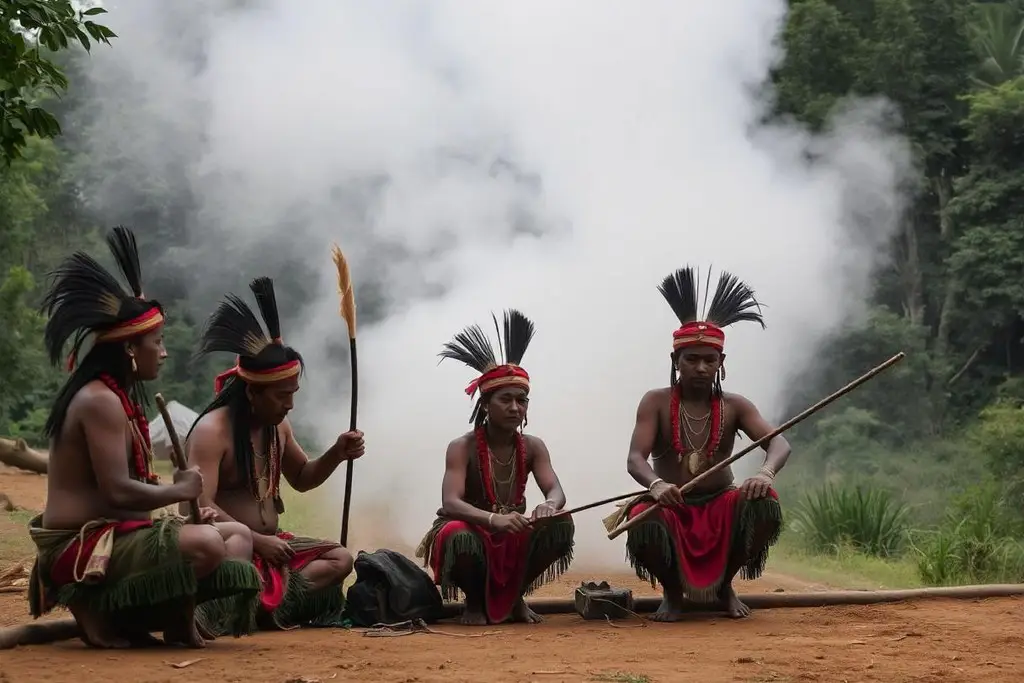
Music and Dance remain integral to Konyak culture. Traditional songs often tell stories of ancestors, heroic deeds, or historical events. The log drum, a large hollowed-out tree trunk, provides rhythmic accompaniment to dances and ceremonies. Traditional dances, including war dances that once celebrated successful headhunting raids, are performed during festivals and special occasions. Younger Konyaks learn these dances as part of cultural preservation efforts.
Agriculture remains the primary occupation for most Konyaks, with rice cultivation being the main activity. Traditional shifting cultivation (jhum) continues in some areas, though settled agriculture is becoming more common. The agricultural calendar still influences many community activities and festivals, maintaining the connection between cultural practices and subsistence cycles.
What's remarkable about contemporary Konyak culture is its resilience and adaptability. Despite dramatic changes in religion, economy, and external influences, core aspects of Konyak identity—clan loyalties, respect for elders, traditional crafts, and celebration cycles—remain strong. The Konyaks have not simply abandoned tradition for modernity but have created a synthesis that honors their heritage while engaging with the contemporary world.
For visitors, this cultural continuity is evident in everyday village life—the way elders are treated with respect, the use of traditional objects alongside modern ones, the persistence of traditional agricultural practices, and the pride younger Konyaks take in their unique heritage. This living, breathing culture is far more compelling than museum exhibits or staged performances.
Photography and Responsible Tourism
Visiting Konyak territory offers incredible photographic opportunities, but it also demands particular sensitivity and respect. The Konyaks are a hospitable people, but they are not a tourist attraction—they are a living community with dignity, privacy, and the right to control how their image and culture are represented. Responsible photography ensures that your visit benefits rather than exploits the community.
Ask Permission: This is the golden rule of photography in Konyak villages. Always ask before photographing people, especially elders. Some people may be uncomfortable with cameras, and their wishes should be respected without question. When asking permission, explain what you want to photograph and why. Many Konyaks, particularly elders, are proud of their traditions and happy to be photographed when treated with respect.
Treat People as Individuals: The former headhunters you may meet are not museum exhibits or curiosities—they are individuals with dignity, feelings, and personal histories. Treat them with the respect you would offer any elder. Listen to their stories, show genuine interest in their lives, and don't reduce them to photographic subjects. Building rapport before pulling out a camera leads to better photos and more meaningful interactions.
Be Careful with Tattoos: Facial tattoos are visually striking and photographically compelling, but remember that these tattoos represent personal achievement, spiritual beliefs, and social status. They're not decorative face paint. When photographing tattooed elders, be respectful and don't treat their tattoos as exotic oddities. Ask about the meanings behind different patterns if they're willing to share—this shows respect and leads to better understanding.
Support Local Economy: Photography should be reciprocal. If someone allows you to photograph them, consider offering something in return. This might be a small payment, purchasing their handicrafts, or simply spending time listening to them and sharing your own story. Some guides suggest standard rates for photographing elders—follow your guide's advice on local customs. Remember that many former headhunters live in poverty, and payment for photography can provide meaningful income.
Respect Religious Spaces: Most Konyaks today are Christian, and churches are central to village life. Always ask permission before photographing inside churches or during religious services. Some ceremonies may be considered inappropriate for photography, and these boundaries must be respected. Traditional spiritual sites, if encountered, should also be treated with reverence.
Consider How Images Will Be Used: Think about how you'll share or use the photographs you take. Will they be posted on social media? Used in publications? Shared with family? The Konyaks have limited control over how their images circulate once you leave their villages. Be mindful of this responsibility and avoid images that could be misinterpreted or used disrespectfully. Consider sharing your best photos with community members or guides—many Konyaks are curious to see how outsiders view their culture.
Don't Disrupt Daily Life: Village life continues whether or not tourists are present. Don't let photography interfere with people's work, meals, or private moments. If your presence is causing disruption, put the camera away and simply observe. Some of the best travel experiences come from putting down the camera and being fully present in the moment.
Dress and Behavior: While Konyaks are generally forgiving of tourist dress, modest clothing shows respect. Avoid revealing clothing, especially for women. When visiting homes or traditional spaces, remove shoes when entering. Follow local customs about eating, sitting, and interacting. Your guide will advise on specific protocols—follow their advice and observe how locals behave.
By following these guidelines, you ensure that your visit is positive for both you and your hosts. Responsible tourism in Konyak territory is not just about following rules—it's about approaching another culture with humility, respect, and genuine curiosity. The Konyaks have welcomed outsiders despite their history of conflict and isolation; responding with respect and ethical behavior honors this hospitality.
Photography, done ethically, can be a powerful form of cultural exchange. Your images can educate others about Konyak culture, challenge stereotypes, and create lasting connections between you and your subjects. When in doubt, prioritize relationships over photographs, and remember that no photograph is worth compromising someone's dignity or comfort. The best travel photos come from mutual respect and authentic connection, not opportunistic snapshot-taking.
Location
Frequently Asked Questions
Q1.Where do the Konyak headhunters live?
Q2.How do I reach Mon district in Nagaland?
Q3.What is the best time to visit Konyak villages?
Q4.Do Konyaks still practice headhunting?
Q5.What do Konyak tattoos symbolize?
Q6.Why is Longwa village famous?
Q7.Is photography allowed in Konyak villages?
Q8.Are there homestays in Mon district?
Recommended For You

Best Shopping Places in Monaco: Luxury Brands & Designer Boutiques
Complete guide to shopping in Monaco - Monte Carlo luxury boutiques, designer fashion houses, jewelry stores, tax-free shopping & practical tips for luxury retail in the principality.
Best Time to Visit Guwahati: Month-Wise Weather & Festival Season
Plan the best time to visit Guwahati with season-wise weather, temple timing, festival windows, and practical monthly travel tips for a smooth Assam trip.
North East India Tourism: Itinerary Plans, Routes & Travel Seasons
Plan North East India tourism with route-based itinerary ideas, state-wise season tips, and practical budget guidance.
Never Miss an Adventure
Get the latest trekking guides, travel tips, and exclusive offers delivered straight to your inbox.
