
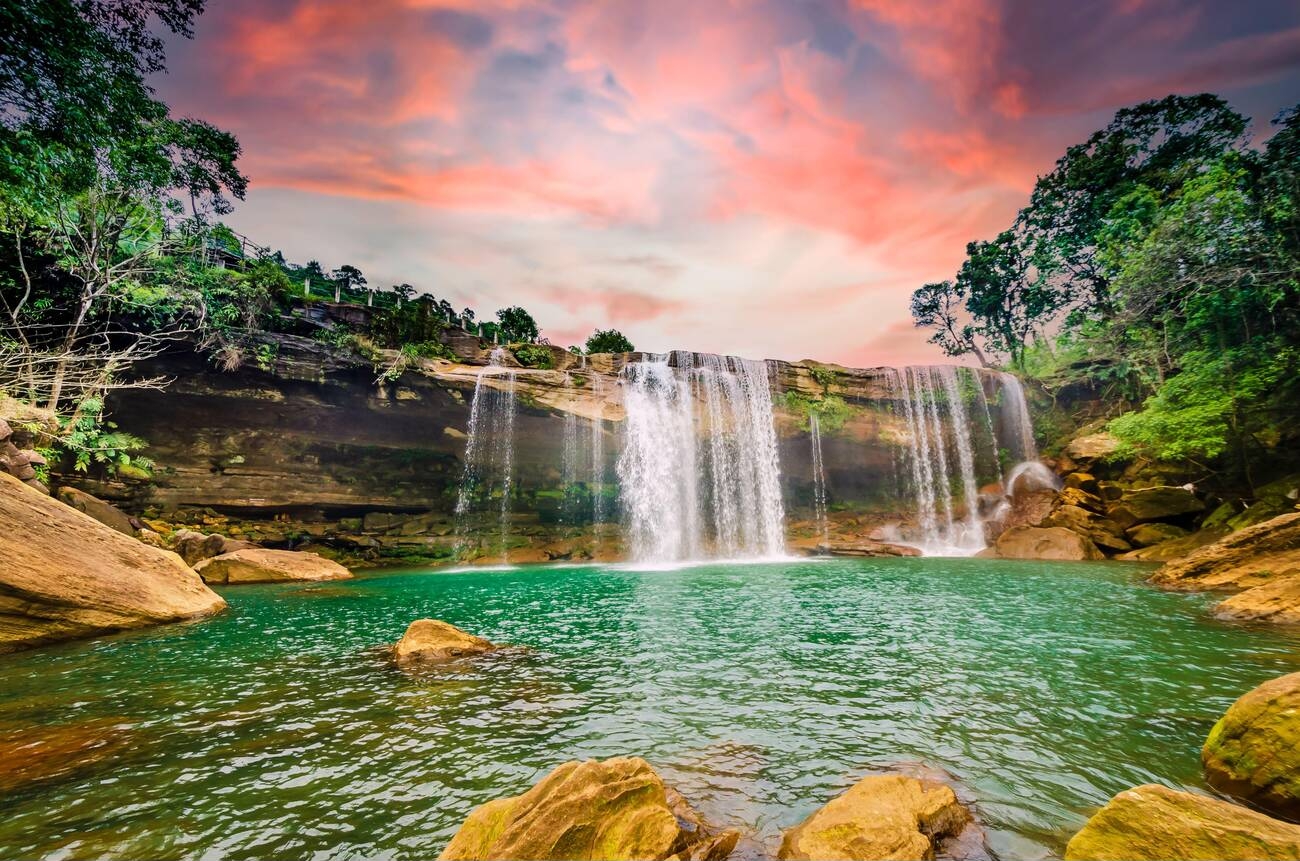
Krang Suri Falls Meghalaya: Entry, Swimming Zones & Route
Rahul Garg
December 14, 2025
Explore Krang Suri Falls in Meghalaya with this complete travel guide. Discover trek details, swimming opportunities, photography tips, and nearby attractions.
Meghalaya's Hidden Paradise
In the verdant Jaintia Hills of Meghalaya, where clouds caress mountain peaks and waterfalls cascade through emerald forests, lies Krang Suri—one of the most spectacular waterfalls in India's northeast. For travelers exploring Meghalaya's diverse attractions, this waterfall is an absolute must-visit. This stunning cascade has gained popularity in recent years for its crystal-clear turquoise waters that seem almost too vibrant to be natural. Krang Suri represents everything that makes Meghalaya special: untouched natural beauty, dramatic landscapes, and the kind of tranquility that modern life rarely offers.
Located approximately 90 kilometers from Shillong and 30 kilometers from the town of Jowai, Krang Suri Falls flows through dense tropical forests that have remained largely pristine. The waterfall creates a natural pool at its base, inviting travelers to swim in its refreshing waters while surrounded by some of the most scenic scenery in Meghalaya. Unlike some tourist attractions that disappoint after a long journey, Krang Suri exceeds expectations, delivering on its promise of natural splendor.
What makes Krang Suri particularly special is the remarkable blue-green color of its waters, a result of the mineral-rich mountain streams that feed the falls and the unique geological characteristics of the riverbed. The waterfall flows year-round, though its character changes dramatically between seasons—from a gentle cascade in winter to a thundering torrent during monsoon. This seasonal variation means that Krang Suri offers different experiences throughout the year, each beautiful in its own way.
For travelers planning a Meghalaya itinerary, Krang Suri Falls has become an essential stop. Its relative accessibility combined with extraordinary beauty makes it popular with families, adventure seekers, and photography enthusiasts alike. The falls offer something for everyone: a scenic spot for relaxation, natural pools for swimming, dramatic landscapes for photography, and a genuine connection with Meghalaya's incredible natural heritage.
About Krang Suri Falls
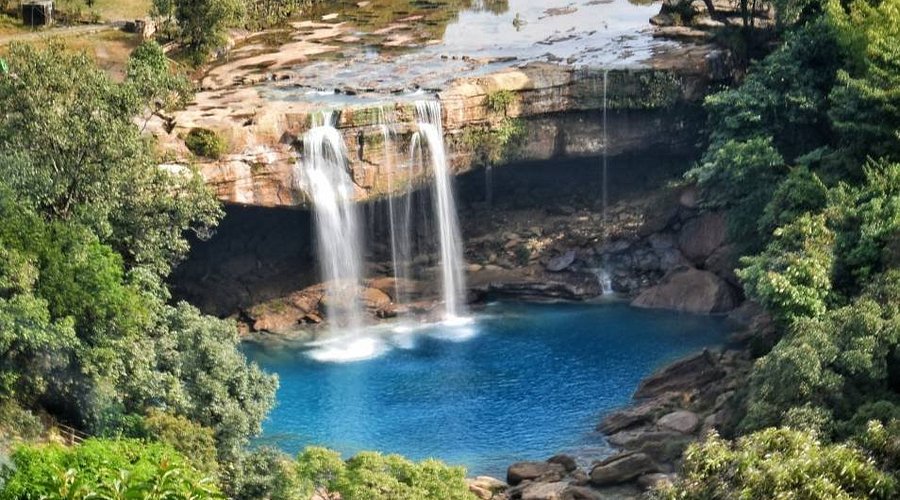
Krang Suri Falls is a multi-tiered waterfall that drops approximately 10-12 meters into a picturesque pool below. The waterfall is fed by streams originating in the Jaintia Hills, which are renowned for their pristine quality and mineral content. These streams flow through limestone terrain, picking up dissolved minerals that contribute to the water's distinctive turquoise hue.
The geological formation of Krang Suri is particularly interesting. The waterfall has carved its path through layers of sedimentary rock over thousands of years, creating smooth surfaces and interesting formations in the rock face. The pool at the base has been naturally deepened by the falling water's force, creating a swimming area that varies in depth but is generally safe for competent swimmers.
What distinguishes Krang Suri from many other waterfalls is the setting. Rather than plunging into a narrow gorge, the falls cascade into a relatively open area surrounded by forest. This layout provides multiple viewing angles and allows sunlight to penetrate, creating beautiful lighting conditions for photography. The surrounding forest is dense with subtropical vegetation, including ferns, orchids, and broadleaf trees that remain green throughout the year.
The waterfall's flow varies significantly by season. During winter and dry months (November to April), the falls maintain a steady but gentle flow, perfect for swimming and relaxed exploration. The water level in the pool is lower, exposing more rock formations and creating easier access. The monsoon season (June to September) transforms Krang Suri into a powerful cascade, with dramatically increased volume creating thundering sounds and misty sprays. While monsoon visits offer spectacular views, swimming becomes dangerous and is not recommended.
The area around Krang Suri has been developed with basic tourist infrastructure while maintaining its natural character. Stone steps lead from the parking area down to the falls, and bamboo bridges and walkways provide access to different viewing points. Small bamboo shelters offer shade and resting spots. Importantly, the development has been sensitive to the environment, avoiding concrete structures and maintaining the wilderness atmosphere that makes Krang Suri special.
Local communities play an important role in maintaining and managing Krang Suri. The falls are located on community land, and local residents serve as caretakers, guides, and safety monitors. This community involvement ensures that tourism benefits local people while maintaining the site's ecological integrity. The modest entry fee collected goes toward maintenance and community development, creating a sustainable tourism model.
Best Time to Visit
Choosing when to visit Krang Suri Falls depends on what kind of experience you're seeking and your tolerance for challenging weather conditions. Meghalaya's climate creates distinct seasonal variations, each offering different advantages for visitors.
Winter (November to February) represents the ideal time for most visitors. The weather during these months is pleasant, with daytime temperatures ranging from 15°C to 25°C. Skies are generally clear, making the journey enjoyable and photography conditions optimal. The waterfall's flow is gentle but steady, creating beautiful cascades without overwhelming force. The pool's water level is lower, making it safer and more accessible for swimming. This season also offers the best conditions for exploring the surrounding Jaintia Hills region.
Winter mornings can be misty, especially in December and January, which adds an ethereal quality to the landscape. The mist often clears by mid-morning, revealing the falls in beautiful light. If you're a photography enthusiast, winter offers the best combination of lighting, accessible viewpoints, and comfortable working conditions. The cooler temperatures also make the trek down to the falls more enjoyable.
Summer (March to June) brings warmer temperatures but still manageable conditions. Daytime temperatures can reach 30°C, making the cool waters of Krang Suri particularly refreshing. This is an excellent season for swimming, as the water temperature is pleasant and the flow remains moderate. The surrounding forest is lush and vibrant after winter, creating beautiful backdrops for photographs.
March and April are particularly pleasant months, offering a sweet spot between winter chill and summer heat. The water level begins to rise with pre-monsoon showers, creating more impressive cascades while remaining safe for swimming. This is also a good time to combine your Krang Suri visit with other Meghalaya attractions, as roads are generally in good condition.
Monsoon (July to September) transforms Krang Suri into its most spectacular form—but also its most dangerous. Heavy rainfall causes the waterfall to swell dramatically, creating a thundering cascade that is awe-inspiring to witness. The volume of water creates powerful currents, and swimming becomes absolutely dangerous and prohibited. The mist from the falls can extend far from the cascade, creating rainbows when sunlight breaks through clouds.
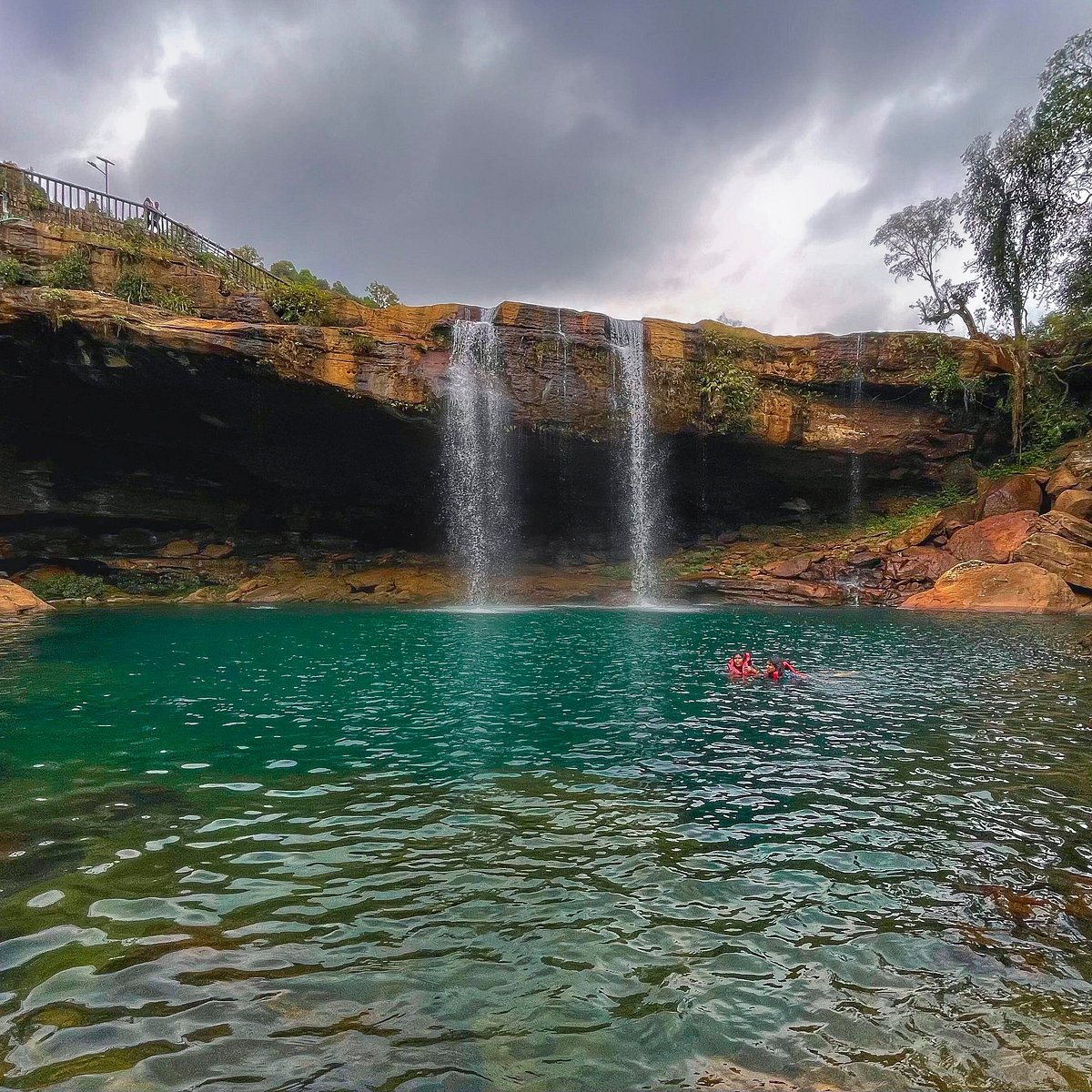
However, monsoon visits come with significant challenges. Roads to Krang Suri can become treacherous or impassable due to landslides. The stone steps leading to the falls become extremely slippery and dangerous. Photography equipment is at risk from water spray. Unless you're specifically seeking dramatic monsoon photography and have experience with wet conditions, this season is best avoided.
Post-Monsoon (October) offers a compromise option. The waterfall still carries impressive flow from the rains, but weather conditions begin to improve. The landscape is at its greenest following months of rain. Roads may still have some damage from monsoon, but conditions are generally improving. This is an excellent time for dramatic photography without the extreme conditions of peak monsoon.
How to Reach from Shillong
Reaching Krang Suri Falls requires some planning but is entirely manageable for most travelers. The journey itself is part of the experience, taking you through some of Meghalaya's most beautiful countryside. If you're visiting during the best time to visit Meghalaya, you'll be rewarded with spectacular views. The route passes rolling hills, terraced fields, and traditional Khasi and Jaintia villages, offering insights into rural Meghalaya.
Distance and Route: Krang Suri is approximately 90 kilometers from Shillong, and the journey typically takes 2.5 to 3.5 hours depending on road conditions and stops. The primary route is Shillong → Jowai → Amlarem → Krang Suri. This route passes through the Jaintia Hills, which have their own distinct character compared to the Khasi Hills around Shillong.
The road from Shillong to Jowai (approximately 60 kilometers) is generally in good condition, though it involves winding mountain roads typical of Meghalaya. The drive takes about 2 hours and offers beautiful views of hills and valleys. Jowai makes a good stopping point for fuel, food, or ATM withdrawals (though connectivity can be unreliable). From Jowai to Amlarem (about 20 kilometers), the road becomes narrower and more winding, passing through scenic countryside.
The final stretch from Amlarem to Krang Suri (approximately 10 kilometers) is the most challenging, with a narrow road that can be difficult when two vehicles meet. This section can become particularly tricky during or after heavy rain. However, the distance is short, and the reward at the end makes it worthwhile.
By Private Vehicle or Taxi: This is the most convenient and recommended option. Hiring a taxi from Shillong for the day typically costs between ₹3,500-5,000, depending on the vehicle type and negotiation. The advantage of hiring a taxi is flexibility—you can stop for photography, meals, or other attractions along the way. Most drivers know the route well and can handle the challenging final stretch confidently.
If you're driving your own vehicle, ensure you're comfortable with mountain driving. The roads are narrow and winding in sections, and you'll encounter local traffic, including trucks and shared taxis. Start early to avoid traffic and maximize your time at the falls. Fill up on fuel before leaving Shillong, as fuel stations are limited along the route.
By Public Transport: While possible, using public transport to reach Krang Suri is challenging and time-consuming. Shared taxis run from Shillong to Jowai throughout the day. From Jowai, you'll need to find local transportation to Amlarem, and then another local vehicle to Krang Suri. The connections may not align well, and you risk getting stranded. This option is best for budget travelers with flexible schedules and plenty of time.
From Guwahati: If you're starting from Guwahati (approximately 160 kilometers away), the journey takes 5-6 hours. The route is Guwahati → Shillong → Jowai → Krang Suri. Most travelers prefer to break this journey, staying overnight in Shillong before continuing to Krang Suri the next day. This allows you to start fresh for the mountain driving and enjoy the falls without fatigue.
Parking: Krang Suri has a designated parking area near the entry point. The parking space is limited and can fill up on weekends or holidays. Arrive early if you're visiting during peak times. Parking is typically included in the entry fee or available for a small additional charge. From the parking area, it's a short walk down stone steps to reach the falls.
The Trek Experience
Reaching Krang Suri Falls requires a short but scenic trek that adds to the sense of discovery and adventure. While the trek is not particularly challenging, it does involve stairs and uneven surfaces, so wearing appropriate footwear is essential. The journey down to the falls takes you through the forest, building anticipation for the spectacular sight that awaits.
Trek Difficulty: The trek to Krang Suri is considered easy to moderate. The main challenge is the return journey, which is entirely uphill. The stone-paved steps number approximately 200-300, with some sections steeper than others. Most reasonably fit people complete the trek without difficulty. However, if you have mobility issues or serious fitness concerns, the trek may be challenging.
The path from the parking area to the falls takes about 15-20 minutes at a leisurely pace. The first section involves walking down a paved road with forest on both sides. This section is relatively gentle and allows you to enjoy the surroundings. The path then transitions to stone steps that descend more steeply toward the waterfall.
What to Expect on the Trek: As you descend, the sound of the waterfall grows gradually louder, building anticipation. The path is shaded by trees, providing welcome relief from the sun. The forest is home to various bird species, so keep an ear out for bird calls. During and after rain, the steps can be slippery, so watch your footing and use the handrails where available.
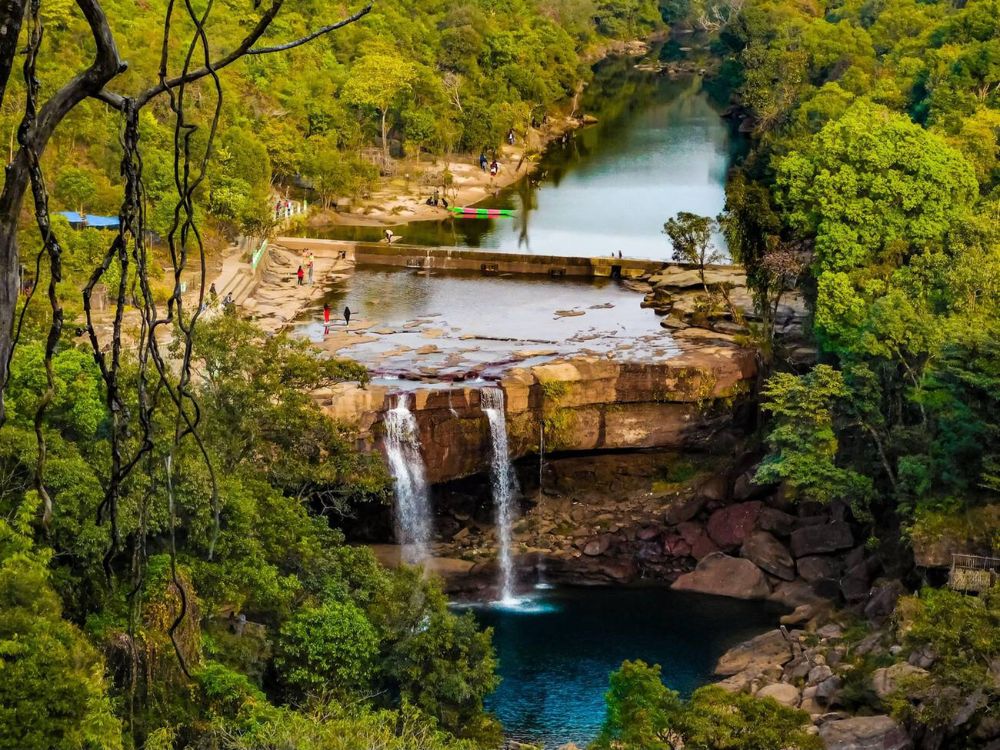
About halfway down, you'll get your first partial view of the waterfall through the trees. This glimpse is just a preview of the full spectacle that awaits. Continue down to the bottom, where the path opens up and the full beauty of Krang Suri is revealed. The first view of the turquoise waters cascading into the pool is genuinely breathtaking.
At the Falls: The base area features several bamboo platforms and shelters where you can rest, store your belongings, and enjoy the view. The main swimming area is directly in front of the waterfall, though there are shallower sections along the sides for those less confident in water. The pool's bottom is rocky in places, so water shoes are recommended if you have them.
Life jackets are sometimes available for rent, though not always. If you're not a strong swimmer, stay in the shallower areas where you can stand comfortably. The current near the waterfall itself can be strong, so avoid swimming directly under the cascade. Local safety monitors may be present; follow their instructions.
Exploring the Area: Beyond the main viewpoint and swimming area, you can explore further upstream and downstream. Small paths lead along the riverbank, offering different perspectives of the falls and the surrounding forest. Be careful on these paths, as they can be slippery and are not as developed as the main approach.
Safety Considerations: While swimming at Krang Suri is generally safe for competent swimmers, common-sense precautions are essential. Never swim alone or under the influence of alcohol. Be aware of your limits and don't venture into deep water if you're not a confident swimmer. Children should always be supervised by adults. Rocks can be slippery, so move carefully in and out of the water. If you're visiting during or after heavy rain, assess conditions before swimming—strong currents can develop quickly.
Facilities: Basic facilities at Krang Suri include changing rooms (very basic, bamboo structures), small snack stalls selling light refreshments, and resting areas. Don't expect luxury—these are basic facilities suited to the wilderness setting. Carry your own water, snacks, and any essentials you might need. Restroom facilities are minimal and basic.
Photography Tips
Krang Suri Falls is a photographer's dream, offering countless opportunities for stunning images. The unique turquoise color of the water, the dramatic cascade, and the surrounding forest create beautiful compositions. Whether you're shooting with a professional camera or a smartphone, these tips will help you capture the beauty of Krang Suri.
Best Lighting: Early morning (9:00-11:00 AM) and late afternoon (3:00-5:00 PM) offer the most favorable lighting conditions. During these times, the sunlight is softer and creates fewer harsh shadows. Midday sun can create challenging contrast, with bright highlights and dark shadows. If you visit during midday, focus on details rather than wide landscapes, or use HDR techniques to balance exposure.
Morning light has a special quality at Krang Suri. The falls often face east, meaning the waterfall itself may be beautifully lit while the surrounding forest remains in shadow. This backlit effect can create ethereal images, especially when mist rises from the pool. Morning visits also typically mean fewer crowds, allowing you to set up tripod shots without people walking through your frame.
Late afternoon brings a warmer quality of light that can enhance the turquoise colors of the water. As the sun begins to drop, longer shadows add depth to images. The golden hour (the hour before sunset) can produce magical images, though ensure you have enough time to climb back up the steps before darkness falls.
Camera Settings: For silky smooth water effects, use a slow shutter speed. This requires a tripod or stable surface to avoid camera shake. Start with shutter speeds between 1/4 second to 2 seconds, depending on the water's flow. Use a small aperture (f/8-f/16) to ensure everything is in focus. Lower your ISO to the minimum to maintain image quality. A polarizing filter can help reduce glare on the water and enhance the turquoise color.
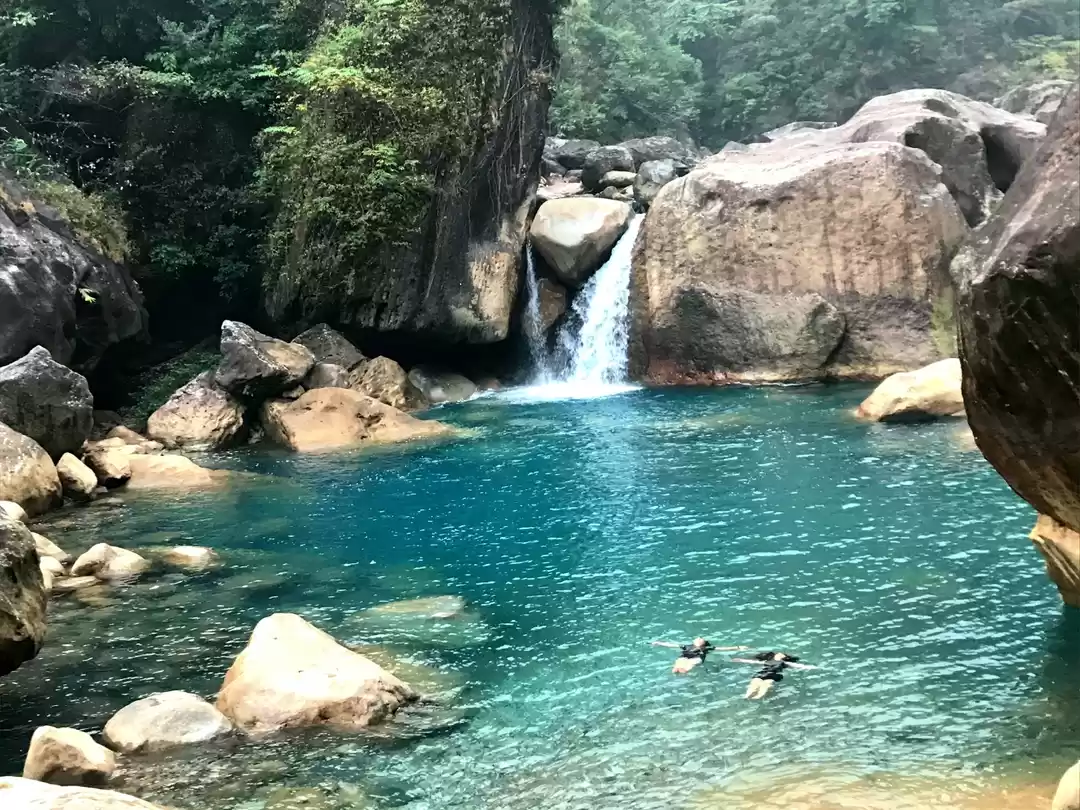
If you don't have a tripod, you can still achieve pleasing effects by shooting at higher shutter speeds that freeze the water's motion. Shutter speeds of 1/125 second or faster will capture the water's power and drama, particularly impressive during higher flow periods. This technique works well for action shots of people swimming or jumping into the pool.
Compositions: Don't just shoot the standard postcard view of the entire falls. Look for interesting details: patterns in the water, individual droplets, vegetation framing the cascade, or rocks in the foreground. Include people in your shots to provide scale and human interest. The turquoise water itself is a worthy subject—try close-ups that emphasize the color and texture.
Shoot from different angles and heights. Get low to the ground for dramatic perspectives that emphasize the waterfall's height. Climb slightly if safe to find elevated viewpoints. Wide shots establish the scene, while telephoto shots isolate specific details. Variety makes for a more engaging photo set.
Swimming Photography: If you plan to photograph people swimming, ensure your camera or phone is water-resistant or protected in a waterproof housing. The mist from the falls can get equipment wet even without direct contact with water. Consider using a GoPro or similar action camera for in-water shots. These cameras are designed for wet conditions and can capture unique perspectives from within the pool.
Drone Photography: Drones can capture spectacular aerial views of Krang Suri and the surrounding valley. However, check local regulations before flying. Drone use may be restricted in forest areas or near waterfalls. If permitted, fly responsibly and considerately—don't disturb other visitors or wildlife with your drone. Early morning flights are less likely to interfere with others' experiences.
Protecting Your Gear: The waterfall environment is humid and potentially wet. Use a waterproof camera bag and keep silica gel packets to absorb moisture. Avoid changing lenses in the misty zone to prevent water from entering your camera body. Carry a microfiber cloth to wipe water droplets from your lens or filter. If you're not comfortable risking expensive equipment near water, a waterproof point-and-shoot or phone in a waterproof case can still capture great images.
Nearby Attractions
While Krang Suri Falls is worthy of a dedicated visit, combining it with other attractions in the Jaintia Hills region makes for a richer and more efficient trip. Nature enthusiasts should also consider visiting the famous double-decker living root bridge, another marvel of Meghalaya's unique landscape. The area around Krang Suri offers several interesting sites that can be visited as part of a day's itinerary or during a longer stay in the region.
Jowai Town: The headquarters of the West Jaintia Hills district, Jowai is approximately 30 kilometers from Krang Suri and serves as a good base for exploring the region. The town has a different character from Shillong, reflecting Jaintia culture. Jowai's market offers an opportunity to see local life and purchase supplies. The town has accommodation options, restaurants, and fuel stations, making it a practical stop.
One of Jowai's most interesting sites is the Syntu Ksiar area, where the Myntdu River flows through impressive gorges. The riverbanks here are scenic and have historical significance. The nearby Kupli River offers beautiful views, especially from the Syntu Ksiar viewpoint. If you have time, exploring Jowai's surroundings provides insights into Jaintia Hills beyond the main tourist attractions.
Lalong Park: Located near Jowai, Lalong Park is a scenic forested area with beautiful viewpoints over the surrounding countryside. The park features well-maintained paths, seating areas, and spots for picnics. It's a peaceful place to spend time, especially if you want to relax after the more active experience of Krang Suri. The viewpoints offer excellent photography opportunities, particularly during golden hour when the light transforms the landscape.
Lalong Park is particularly beautiful in the early morning when mist settles in the valleys. The combination of rolling hills, forests, and distant mountains creates idyllic scenery. The park is also a good place for birdwatching, as the forest habitat attracts various species. Plan to spend 1-2 hours here, more if you're a photography enthusiast or nature lover.
Nartiang Monoliths: For history and archaeology enthusiasts, the Nartiang Monoliths are a must-visit. Located about 25 kilometers from Jowai, this site contains a collection of ancient stone monoliths erected by the Jaintia kings. The monoliths are among the tallest in India, with some reaching up to 8 meters in height. They represent memorial stones and were erected to commemorate important events and ancestors.
The site includes both menhirs (upright stones) and dolmens (table-like stones), arranged in a particular pattern. A visit here provides insights into Jaintia history and culture. The monoliths are set in beautiful countryside, with views over the surrounding landscape. Combine Nartiang with Krang Suri if you're interested in both natural and cultural attractions. A local guide can explain the significance of the monoliths and the history of the Jaintia kingdom.
Thadlaskein Lake: This man-made lake near Jowai is a popular picnic spot and offers boating facilities. According to local legend, the lake was dug by the Jaintia kings using only tools made of bone. Whether or not the legend is true, the lake is a serene spot surrounded by hills. Boating on the lake provides a different perspective of the surrounding countryside.
The lake has basic facilities including paddle boats and small gazebos for resting. It's a good spot for a relaxed afternoon, particularly if you're traveling with family. The lakeside is scenic, especially in the late afternoon light. Combine Thadlaskein Lake with Lalong Park for a relaxed day focused on Jaintia Hills' scenery.
Other Waterfalls: The Jaintia Hills region is home to several other waterfalls that can be combined with Krang Suri. These include Tyrshi Falls, near Jowai, which is particularly impressive during monsoon. Each waterfall has its own character and is worth visiting if time permits. However, prioritize based on season—some waterfalls are best during monsoon, while others are more appealing in dry season.
When planning your itinerary, consider travel times between attractions and the opening/closing times if applicable. Some sites may have entry fees, while others are free. Hiring a local guide can enhance your experience by providing cultural context and helping you navigate efficiently between attractions. The Jaintia Hills offer a quieter, less touristy alternative to the more heavily visited Khasi Hills, and spending time exploring beyond Krang Suri will reward you with a deeper appreciation of Meghalaya's diversity.
Location
Frequently Asked Questions
Q1.Where is Krang Suri Falls located?
Q2.How far is Krang Suri from Shillong?
Q3.What is the best time to visit Krang Suri?
Q4.Is the trek to Krang Suri difficult?
Q5.How much time does it take to explore Krang Suri?
Q6.Can we swim in Krang Suri Falls?
Q7.Are there accommodations near Krang Suri?
Q8.What should I carry for the trek?
Recommended For You
Meghalaya in Monsoon: Travel Guide & Tips
Explore Meghalaya in monsoon - wettest place on Earth. Waterfalls, root bridges, safety tips & travel guide.
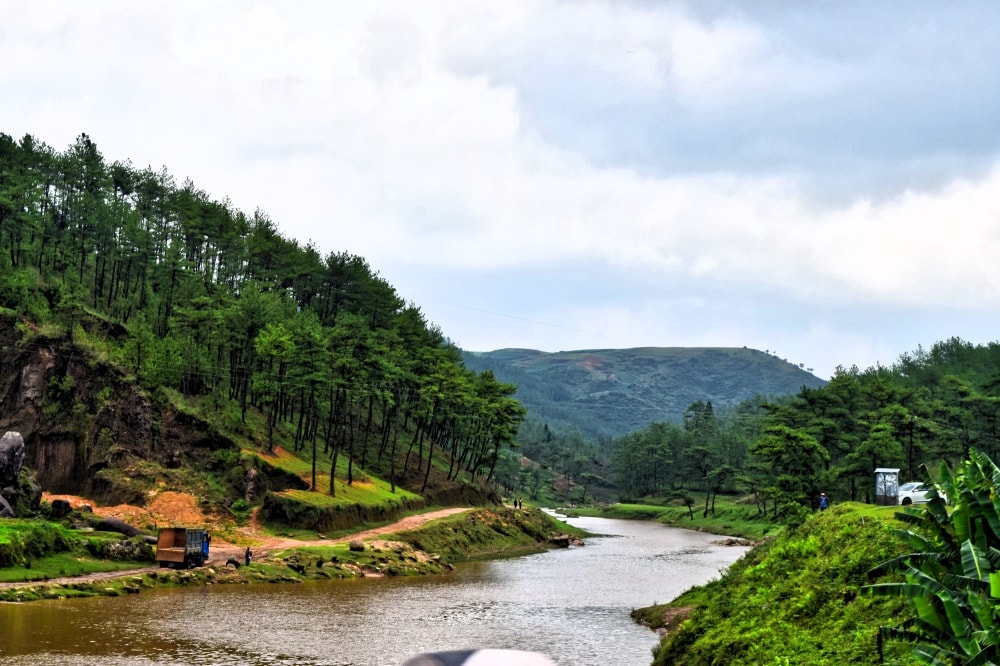
Best Time to Visit Meghalaya: Rainfall, Season & Waterfall Views
Understand Meghalaya weather by season with practical month-wise planning tips for waterfalls, root bridges, caving, and safer route timing.
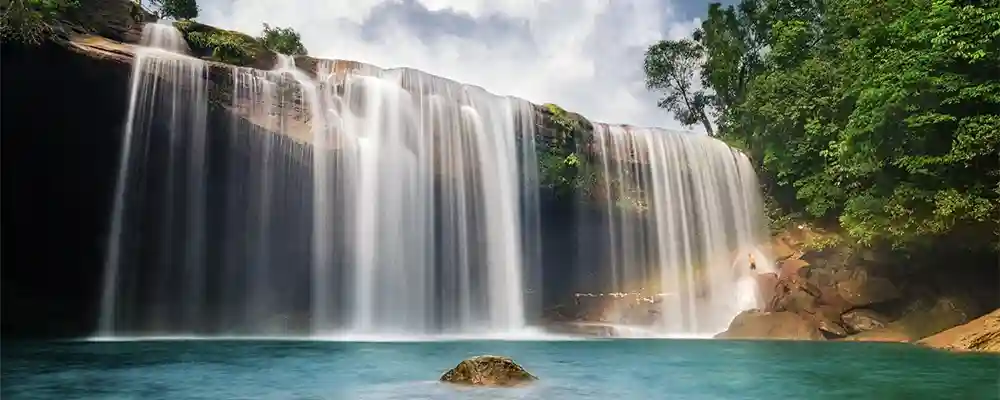
Jaintia Hills Meghalaya: 10 Best Places to Visit & Explore
Explore top places to visit in Jaintia Hills including Krang Suri Falls, Nartiang Monoliths, Thlum and Tyrshi Falls, Lalong Park, and Jowai travel tips.
Never Miss an Adventure
Get the latest trekking guides, travel tips, and exclusive offers delivered straight to your inbox.
