
Kumbakonam Temples: Complete Travel Guide to Temple Town

Rohan Malhotra
November 21, 2025
Complete Kumbakonam temples guide with Adi Kumbeswarar, Sarangapani, Nageswaran temples, Mahamaham festival, and travel tips. Explore Tamil Nadu's temple town.
The Temple Town of Tamil Nadu
Kumbakonam, nestled in the heart of Tamil Nadu's Cauvery delta region, is one of South India's most important temple towns. This ancient city, located between Thanjavur and Chennai, has been a center of Tamil culture, learning, and spirituality for over 1,400 years. With over 188 temples in and around the town, Kumbakonam truly deserves its reputation as a sacred destination.
What makes Kumbakonam special is its extraordinary concentration of temples from different historical periods. The town is home to some of the earliest examples of Dravidian temple architecture, magnificent Chola monuments, and later additions from the Vijayanagara and Nayak periods. Unlike many temple towns that focus on one deity, Kumbakonam has significant temples dedicated to both Shiva and Vishnu, reflecting the inclusive nature of South Indian Hinduism.
The town's name comes from the Kumbha (pot) of the divine nectar of immortality (Amrita) that, according to Hindu mythology, was placed here during the great cosmic churning of the ocean. Legend says that a Shiva lingam emerged from this pot, giving rise to the town's sacred status.
For temple enthusiasts, history buffs, cultural researchers, or spiritual seekers, Kumbakonam offers an unparalleled journey through South Indian religious architecture. Here, in the narrow streets lined with ancient temple towers, you can witness the evolution of Dravidian temple architecture over a millennium.
Major Temples of Kumbakonam
Adi Kumbeswarar Temple: The Original Shrine
The Adi Kumbeswarar Temple, dedicated to Lord Shiva, is the town's most ancient temple and gives Kumbakonam its name. According to legend, this is where the divine pot (Kumbha) containing Amrita (nectar of immortality) was placed, and where Shiva appeared as a lingam.
The temple's sanctum houses a Shiva lingam believed to be svayambhu (self-manifested). The temple complex features beautiful architecture with multiple gopurams, intricate sculptures, and a sacred tank. The Mahamaham tank nearby is associated with this temple and becomes the center of festivities once every 12 years during the Mahamaham festival.
The temple is particularly noted for its nandi (Shiva's bull vehicle) carved from a single stone and its beautiful pillars depicting various deities and mythological scenes. The annual Brahmotsavam festival here is a major event drawing thousands of devotees.
Sarangapani Temple: Vishnu's Reclining Form
The Sarangapani Temple, one of the 108 Divya Desams (sacred Vishnu temples), is dedicated to Lord Vishnu as Sarangapani. This temple is the largest Vaishnavite shrine in Kumbakonam and one of its most architecturally impressive.
The presiding deity is Lord Vishnu in a reclining posture on the serpent Adishesha, similar to the famous position at Srirangam. The temple features a massive rajagopuram (12 stories tall) covered with exquisite sculptures and a 100-pillar hall with beautifully carved columns.
The temple's architecture represents the pinnacle of Chola and later Chola-Pandya styles. The sanctum is built in such a way that it resembles a chariot, with elephants and horses carved as if pulling it. The intricate carvings on the pillars depict scenes from the Ramayana and Mahabharata.
Nageswaran Temple: Solar Wonder
The Nageswaran Temple, dedicated to Lord Shiva, is an architectural marvel known for its solar alignment. Built during the Chola period (around 886 CE), this temple demonstrates the advanced astronomical knowledge of ancient Indian architects.
The temple is designed so that sunlight falls directly on the Shiva lingam in the sanctum only during the Tamil month of Chithirai (April-May). This precise alignment, achieved over 1,100 years ago, continues to work perfectly today.
The temple features a beautiful sanctum, intricately carved pillars, and sculptures of various deities. The architecture represents early Chola style with its pyramidal vimana (tower over sanctum) and later additions in the Vijayanagara style.
Chakrapani Temple: Vishnu with Discus
The Chakrapani Temple is another important Divya Desam dedicated to Lord Vishnu as Chakrapani (one with the discus). The presiding deity is depicted with eight arms, holding various weapons including the Sudarshana Chakra (discus).
According to legend, Lord Vishnu sent his discus to stop the Ganges River from flowing too forcefully, and the discus took the form of a deity at this spot. The temple features beautiful Dravidian architecture with a towering gopuram, pillared halls, and intricate sculptures.
The temple tank is considered sacred, and bathing here during festival times is believed to confer purification. The annual Brahmotsavam is celebrated with great grandeur.
Ramaswamy Temple: Rama's Abode
The Ramaswamy Temple, dedicated to Lord Rama, is one of Kumbakonam's most beautiful temples. Built during the 16th century by the Nayak rulers, this temple features exquisite sculptures and carvings depicting scenes from the Ramayana.
What makes this temple special is its unique arrangement of deities - Lord Rama is enshrined in the center with his brothers Bharata and Lakshmana on either side, and Hanuman in a worshipful posture. This rare configuration is found in very few temples.
The temple's pillars feature beautifully carved figures of deities, and the walls depict scenes from the Ramayana in sequence. The architecture blends Chola and Nayak styles, creating a harmonious whole.
Kasi Viswanathar Temple
The Kasi Viswanathar Temple is another important Shiva temple in Kumbakonam, dedicated to Lord Shiva as Viswanathar (Lord of the Universe). The temple features beautiful architecture with intricate carvings and a peaceful atmosphere.
The temple is particularly noted for its nine sacred tanks (Navakundam), each with its own significance. The temple complex includes shrines to various deities and features beautiful examples of Chola period architecture.
Other Notable Temples
- Oppiliappan Temple: Divya Desam dedicated to Lord Vishnu.
- Someswarar Temple: Ancient Shiva temple with beautiful sculptures.
- Banathirunageswarar Temple: Shiva temple associated with serpent worship.
- Gopalakrishna Temple: Krishna temple with beautiful pillars.
The Mahamaham Festival
Once every 12 years, Kumbakonam celebrates the Mahamaham festival, one of South India's most important religious gatherings. During this festival, millions of devotees bathe in the sacred Mahamaham tank, believed to cleanse all sins.
The festival occurs when the planet Jupiter enters Leo (Simha). The Mahamaham tank, covering 6.2 acres, becomes the center of festivities, with devotees taking a ritual dip at the auspicious moment. The festival lasts for 10 days, featuring processions, cultural programs, and religious ceremonies.
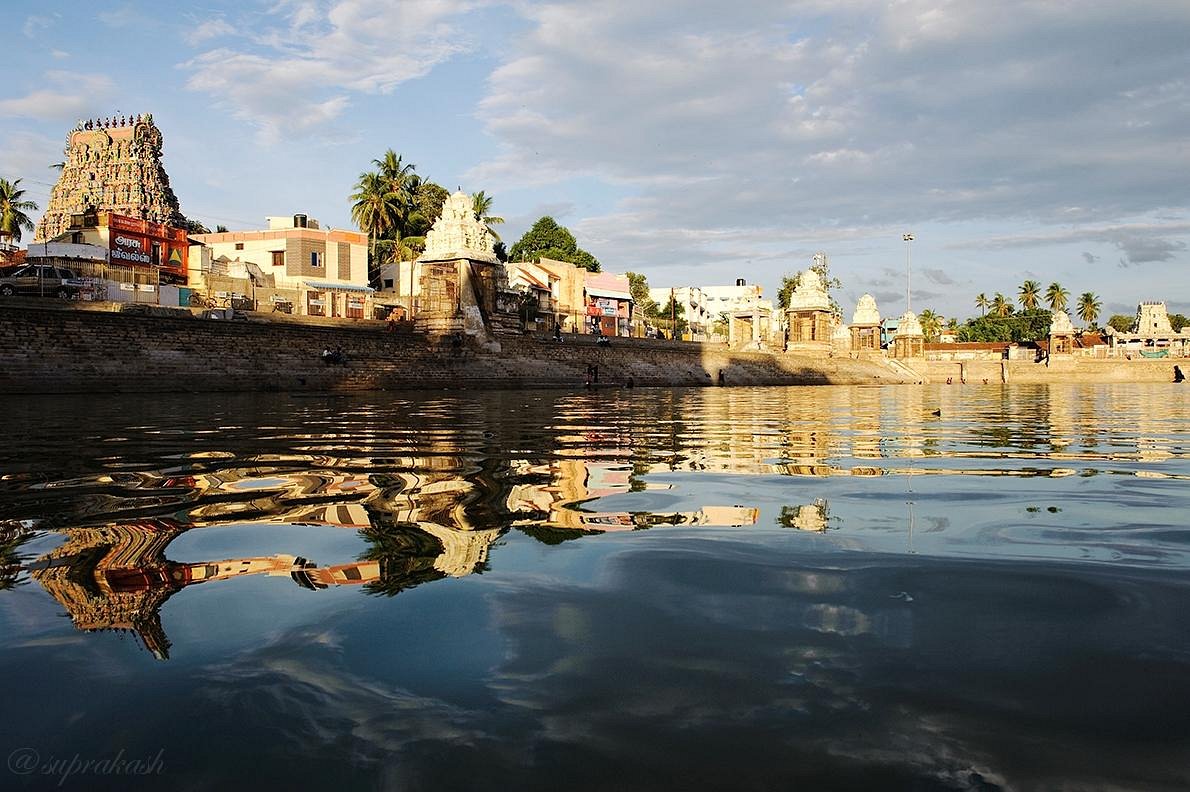
The next Mahamaham festival is scheduled for 2028. Even during non-festival years, the tank remains sacred, and bathing here is considered meritorious.
Nearby Temple Towns
Kumbakonam is surrounded by numerous temple towns, making it an ideal base for temple tours. If your itinerary allows a longer loop, the Kanchipuram temples and the great bronze-adorned Chidambaram Nataraja Temple are both within a comfortable day's drive and pair naturally with a Kumbakonam-based temple tour.
- Swamimalai: 8 km - One of the six abodes of Lord Muruga.
- Tiruvidaimarudur: 10 km - Important Shiva temple.
- Dharasuram: 10 km - Airavateswarar Temple (UNESCO World Heritage Site).
- Papanasam: 25 km - Famous Shiva temple.
- Thanjavur: 40 km - Brihadeeswara Temple.
Best Time to Visit Kumbakonam
Winter (November to February)
November to February offers pleasant weather (20°C-30°C), ideal for temple visits. The crowds are manageable, and festivals during this period add cultural color.
Festival Seasons
Major temple festivals occur throughout the year. The Mahamaham festival (once every 12 years, next in 2028) is the most significant. Brahmotsavams at various temples draw large crowds.
How to Reach Kumbakonam
By Air
Tiruchirappalli (Trichy) Airport (95 km) is the nearest airport. Chennai International Airport is about 275 km away.
By Train
Kumbakonam is well-connected by rail to Chennai, Thanjavur, Trichy, and other major cities. Direct trains from Chennai take about 5-6 hours.
By Road
- From Chennai: 275 km via NH45, approximately 6 hours.
- From Thanjavur: 40 km, 1 hour.
- From Trichy: 95 km, 2-3 hours.
TNSTC buses operate frequent services from Chennai, Thanjavur, and Trichy.
Practical Tips for Visiting
Temple Etiquette
- Dress modestly: Cover shoulders and knees.
- Remove footwear: Before entering.
- Respect rituals: Maintain silence during worship.
- Photography: Check permissions before photographing.
Accommodation
- Mid-range: Hotel Arcadia, Aditya Chola.
- Budget: Numerous lodges near temples.
Food
Traditional South Indian vegetarian food is excellent here. Try local specialties like Kumbakonam Degree Coffee and filter coffee.
Suggested Itinerary
Two Days in Kumbakonam
Day 1: Adi Kumbeswarar, Nageswaran, Sarangapani temples.
Day 2: Chakrapani, Ramaswamy, Kasi Viswanathar temples, plus nearby Dharasuram (Airavateswarar).
Conclusion: Sacred Temple Town
Kumbakonam stands as one of South India's most important temple destinations, offering an unmatched concentration of sacred sites spanning over a millennium of architectural evolution. Whether you're a serious student of temple architecture, a spiritual seeker, or a cultural explorer, Kumbakonam provides a profound experience.
Combine your visit with the temples of Thanjavur or extend further into a broader Tamil Nadu temple circuit for a comprehensive South Indian spiritual journey.
Location
Frequently Asked Questions
Q1.Why is Kumbakonam famous for temples?
Q2.Which are the main temples to visit in Kumbakonam?
Q3.What is the Mahamaham festival in Kumbakonam?
Q4.How many days are needed for Kumbakonam?
Q5.How to reach Kumbakonam from Chennai?
Q6.What is Kumbakonam famous for besides temples?
Recommended For You
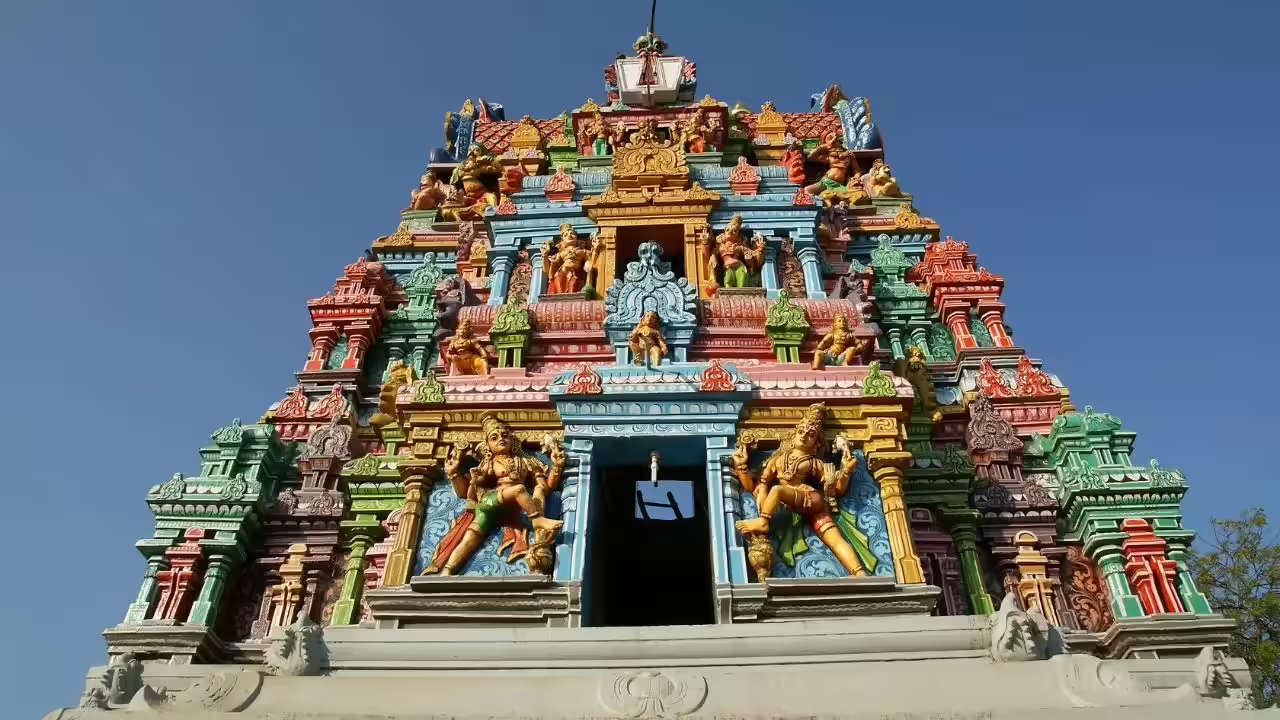
Temples in Kerala: God's Own Country's Sacred Heritage
Explore sacred temples in Kerala. Discover Sabarimala, Guruvayur, Padmanabhaswamy & more with complete travel guide.
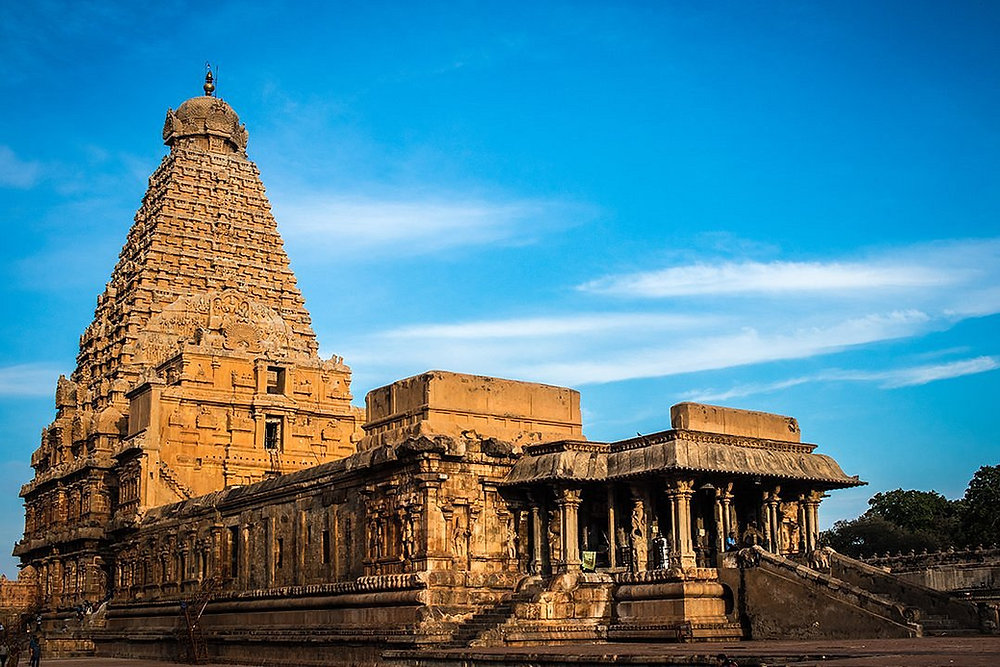
Temples in Thanjavur: The Great Living Chola Heritage
Explore Thanjavur's magnificent Brihadeeswara Temple & UNESCO-listed Chola temples. Discover architecture, history, rituals and travel guide.
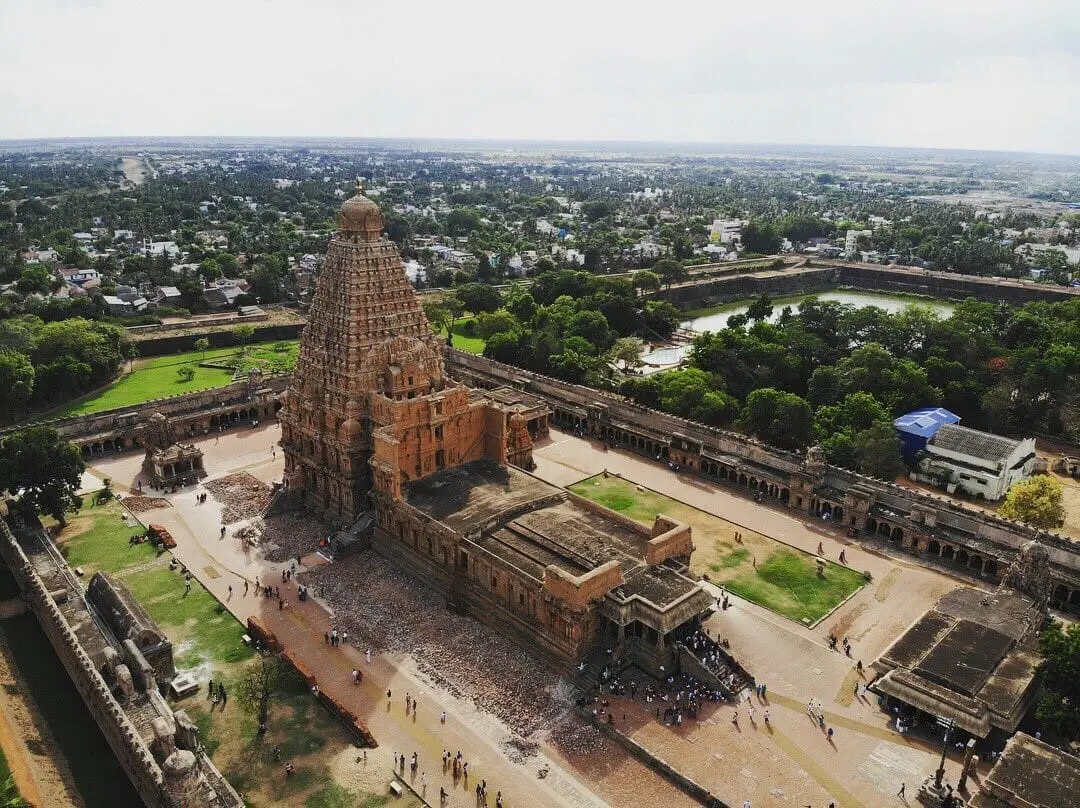
Brihadeeswarar Temple Thanjavur: History, Timings & Architecture
Explore Brihadeeswarar Temple Thanjavur with history, timings, entry details, architecture highlights, route options, and practical tips for a complete visit.
Never Miss an Adventure
Get the latest trekking guides, travel tips, and exclusive offers delivered straight to your inbox.
