
Brihadeeswarar Temple Thanjavur: History, Timings & Architecture

Rohit Verma
February 19, 2026
Explore Brihadeeswarar Temple Thanjavur with history, timings, entry details, architecture highlights, route options, and practical tips for a complete visit.
Introduction
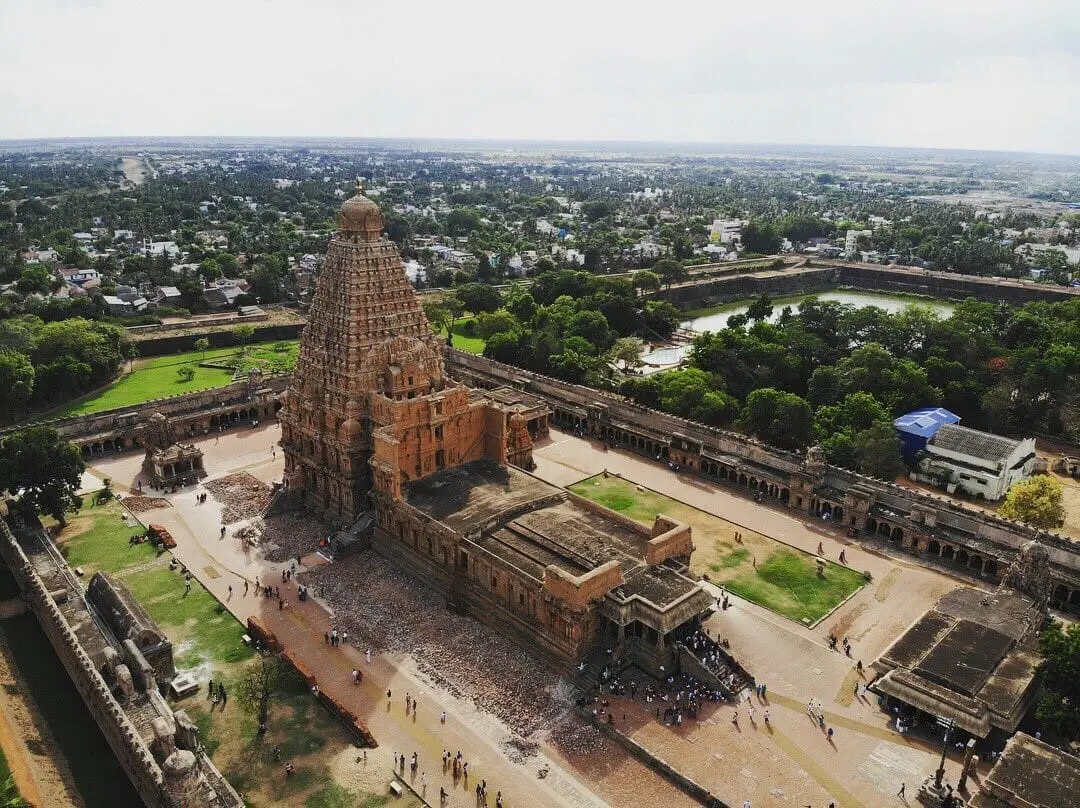
Brihadeeswarar Temple in Thanjavur, also called Peruvudaiyar Kovil and popularly known as the Big Temple, is one of the most important heritage monuments in India. Built in the early 11th century by Emperor Raja Raja Chola I, this Shiva temple is celebrated for scale, architectural precision, inscriptions, and cultural continuity. It is not only a historical monument but also an active place of worship where rituals continue every day.
The temple is part of the UNESCO-listed Great Living Chola Temples, a recognition that confirms its global heritage value. For travelers, the site offers a rare combination of sacred atmosphere, extraordinary engineering, and historical documentation carved on stone walls. For architecture enthusiasts, it demonstrates the maturity of Chola temple design in granite at monumental scale.
This guide covers the temple's history, architecture, timings, entry details, how to reach, best visiting season, and practical travel tips. If you are building a Tamil Nadu temple circuit, you can also pair this trip with temples in Thanjavur, places to visit in Thanjavur, and Meenakshi Temple Madurai.
Why Brihadeeswarar Temple Is Historically Significant
Brihadeeswarar Temple was commissioned by Raja Raja Chola I during a period when the Chola Empire was at its political and military peak. The temple functioned as a religious center, a royal statement, and a cultural institution. Inscriptions inside the complex record grants, donations, dancers, musicians, land management details, and temple administration, making it a major primary source for medieval South Indian history.
Unlike many monuments that survive only as ruins, this temple has remained in ritual use for over a thousand years. That continuity is one key reason it is grouped under the Great Living Chola Temples. It represents the intersection of political power, artistic patronage, devotional culture, and advanced building knowledge in the Chola period.
| Historical Snapshot | Detail |
|---|---|
| Primary Patron | Raja Raja Chola I |
| Construction Period | c. 1003-1010 CE |
| Consecration | c. 1010 CE |
| Tradition | Shaivite (Lord Shiva) |
| UNESCO Context | Part of Great Living Chola Temples |
Brihadeeswarar Temple History and Chola Legacy
Imperial vision of Raja Raja Chola I
The monument reflects imperial ambition translated into religious architecture. During Raja Raja Chola I's reign, temple-building became an expression of state power, wealth, and sacred legitimacy. Brihadeeswarar stands as one of the strongest examples of this policy, executed with scale and technical confidence unusual for its time.
Administrative and cultural record
Stone inscriptions in the temple are central to its historical value. They document endowments, taxes, ceremonial expenses, and social participation connected with temple life. Historians rely on these records to reconstruct economic and cultural systems of the Chola era.
UNESCO world heritage status
The Brihadisvara Temple at Thanjavur was inscribed on the UNESCO World Heritage List in 1987 and later became part of the expanded Great Living Chola Temples grouping. This recognition underscores the temple's outstanding value in architecture, art, and cultural continuity. It also places the monument within an international conservation framework.
Architecture and Engineering Marvel
Brihadeeswarar Temple is among the greatest achievements of Dravidian architecture. The layout, vertical composition, sculptural programs, and structural balance all point to highly organized planning and craft specialization. Granite, a hard and heavy material, was used at monumental scale even though Thanjavur plain itself has limited local granite sources, indicating major logistical capability.
The vimana (main tower)
The towering vimana above the sanctum is one of the most iconic features of the temple. It rises in a pyramidal rhythm through stacked tiers and culminates in a monolithic capstone and finial zone. The geometry communicates both stability and upward movement, giving the temple its unmistakable skyline identity.
Sanctum and giant lingam
The garbhagriha houses a massive Shiva lingam, emphasizing the temple's devotional core. Around this sacred center, circumambulatory paths and axial alignments guide ritual movement in a structured way.
Nandi mandapa
The monumental Nandi, positioned to face the main shrine, is another major attraction. Its scale, polish, and sculptural treatment reflect later artistic interventions while maintaining theological orientation to Shiva worship.

Murals, carvings, and inscriptions
Temple walls preserve layers of artistic history, including Chola and later-period mural traditions. Carvings depict divine forms, dance postures, and symbolic motifs. Together, sculpture, painting, and inscriptions turn the complex into a living archive of religion and aesthetics.
| Architectural Element | What to Notice |
|---|---|
| Vimana | Monumental vertical profile and geometric tiering |
| Sanctum | Massive lingam and ritual core of temple design |
| Nandi Mandapa | Large monolithic Nandi aligned to sanctum axis |
| Inscriptions | Detailed records of grants and temple administration |
| Mural Layers | Historic painting traditions across dynastic phases |
Temple Complex Layout and Visitor Experience
The temple complex is broad and visually open, with fortified walls, gateway structures, shrine zones, and circumambulatory pathways. Unlike congested urban temple sites, Brihadeeswarar gives visitors clear sightlines that help them appreciate scale from multiple viewpoints.
A typical visit begins at the entrance axis, moves toward the Nandi mandapa, and then progresses to the main shrine zone. Allocate time to read selected inscription panels and observe sculptural details at different heights. If you rush this monument as a short stop, you miss its layered storytelling.
- Observe the tower from near and far to understand proportional design.
- Spend time on inscription walls if you enjoy historical interpretation.
- Walk slowly around open courtyards for better architectural perspective.
- Visit with respectful attire and conduct, as it is an active sacred site.
Brihadeeswarar Temple Timings and Entry Fee
The temple is generally open every day with morning and evening darshan windows. As with many active temples and ASI-protected sites, exact timings can vary slightly during festivals, special rituals, and local management updates. Always verify near your travel date.
| Visitor Information | Typical Details |
|---|---|
| General Timings | Around 6:00 AM to 8:30 PM (check locally) |
| Entry Fee | No standard entry fee for general visit |
| Best Darshan Window | Early morning or post-sunset hours |
| Photography | Allowed in open areas; follow local restrictions |
During major religious events, expect queues and additional crowd management barriers. For photography-focused visitors, weekday mornings offer better frame control and less crowd density than holiday evenings.
Best Time to Visit Brihadeeswarar Temple
Thanjavur has a hot tropical climate for much of the year. The most comfortable season for long walking visits is typically from October to February, when temperatures are comparatively moderate. Summer afternoons can be harsh, so plan early or late visits if traveling in warmer months.
Season-by-season guidance
- October to February: Pleasant for architecture walks, photography, and combined local sightseeing.
- March to June: Hot daytime conditions; visit early morning and stay hydrated.
- July to September: Intermittent rain and humidity; check weather before planning long outdoor exploration.
If your primary goal is deep observation and documentation, arrive soon after opening time. Morning light also reveals sculptural textures more clearly on stone surfaces.
How to Reach Brihadeeswarar Temple, Thanjavur
By air
The nearest major airport is Tiruchirappalli (Trichy), roughly 60 to 65 km away depending on route. Taxis and hired cabs are the most practical onward options.
By train
Thanjavur Junction is well connected with major Tamil Nadu cities and selected long-distance routes. From the station, local autos, taxis, and app-based transport can take you to the temple quickly.
By road
Thanjavur is connected by state and national highways from Chennai, Trichy, Madurai, and nearby districts. Road travel works well for travelers doing multi-stop heritage circuits.
| Starting Point | Approx Travel Mode | Typical Time |
|---|---|---|
| Trichy Airport | Taxi/Cab | 1.5 to 2 hours |
| Chennai | Train or Road | 6 to 8 hours |
| Madurai | Road/Train | 4 to 5 hours |
| Within Thanjavur City | Auto/Taxi | 15 to 30 minutes |
Nearby Attractions to Combine with Your Visit
You can build a full-day or two-day heritage plan around Brihadeeswarar Temple. Thanjavur has strong museum, palace, craft, and culinary experiences that complement the temple visit.
- Places to visit in Thanjavur for city highlights.
- Other temples in Thanjavur for deeper spiritual circuit planning.
- Thanjavur Maratha Palace complex and art gallery.
- Local handicraft and Tanjore painting workshops.
- Places to eat in Thanjavur after darshan.
Travelers with extra time can extend to other heritage destinations in Tamil Nadu, including Kanchipuram and Madurai temple circuits.
Practical Tips for a Better Visit
- Dress modestly and keep shoulders/knees covered for respectful entry.
- Carry water, especially in summer or high-humidity months.
- Remove footwear only in designated temple-required zones.
- Do not touch carvings, murals, or inscription surfaces.
- Follow local guidance on restricted photography sections.
- Avoid peak noon hours for comfort and better photo quality.
If you are traveling with elders, plan transport drop-off close to the entrance and include rest breaks. During festival days, start earlier than usual and keep extra buffer time for queue management.
Common Myths and Clarifications
Some claims around Brihadeeswarar Temple are often repeated online without context. For example, discussions about the tower's shadow are usually simplified folklore statements rather than strict technical observations for all times and seasons. Treat such claims as cultural storytelling unless verified through proper architectural analysis.
The monument's real wonder does not require myths. Its confirmed achievements in planning, material handling, inscriptional records, and artistic detail already make it extraordinary on historical and engineering grounds.
Conclusion
Brihadeeswarar Temple is one of India's greatest heritage experiences: spiritually active, historically documented, and architecturally monumental. Whether you visit as a pilgrim, traveler, photographer, or student of history, the site rewards slow observation and informed planning. Go early, give yourself enough time, and combine the temple with nearby Thanjavur experiences to make your visit complete.
Location
Frequently Asked Questions
Q1.What are Brihadeeswarar Temple timings?
Q2.Who built Brihadeeswarar Temple?
Q3.Is there an entry fee for Brihadeeswarar Temple?
Q4.Why is Brihadeeswarar Temple famous?
Q5.How can I reach Brihadeeswarar Temple from Trichy?
Q6.What is the best time to visit Brihadeeswarar Temple?
Q7.Is photography allowed inside Brihadeeswarar Temple?
Q8.How much time is needed for a proper visit?
Recommended For You
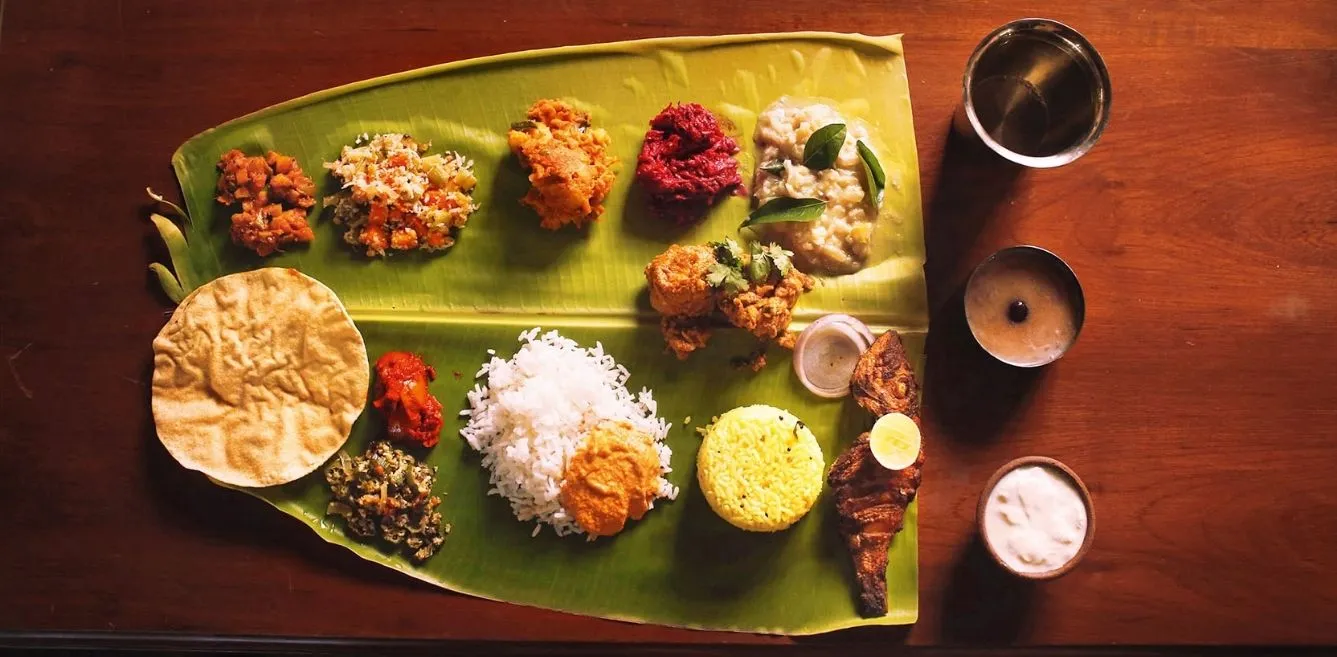
Places to Eat in Thanjavur: South Indian Meals, Cafes & Top Picks
Explore the best places to eat in Thanjavur with traditional Tamil meals, temple food culture, breakfast classics, sweet shops, and practical dining tips.
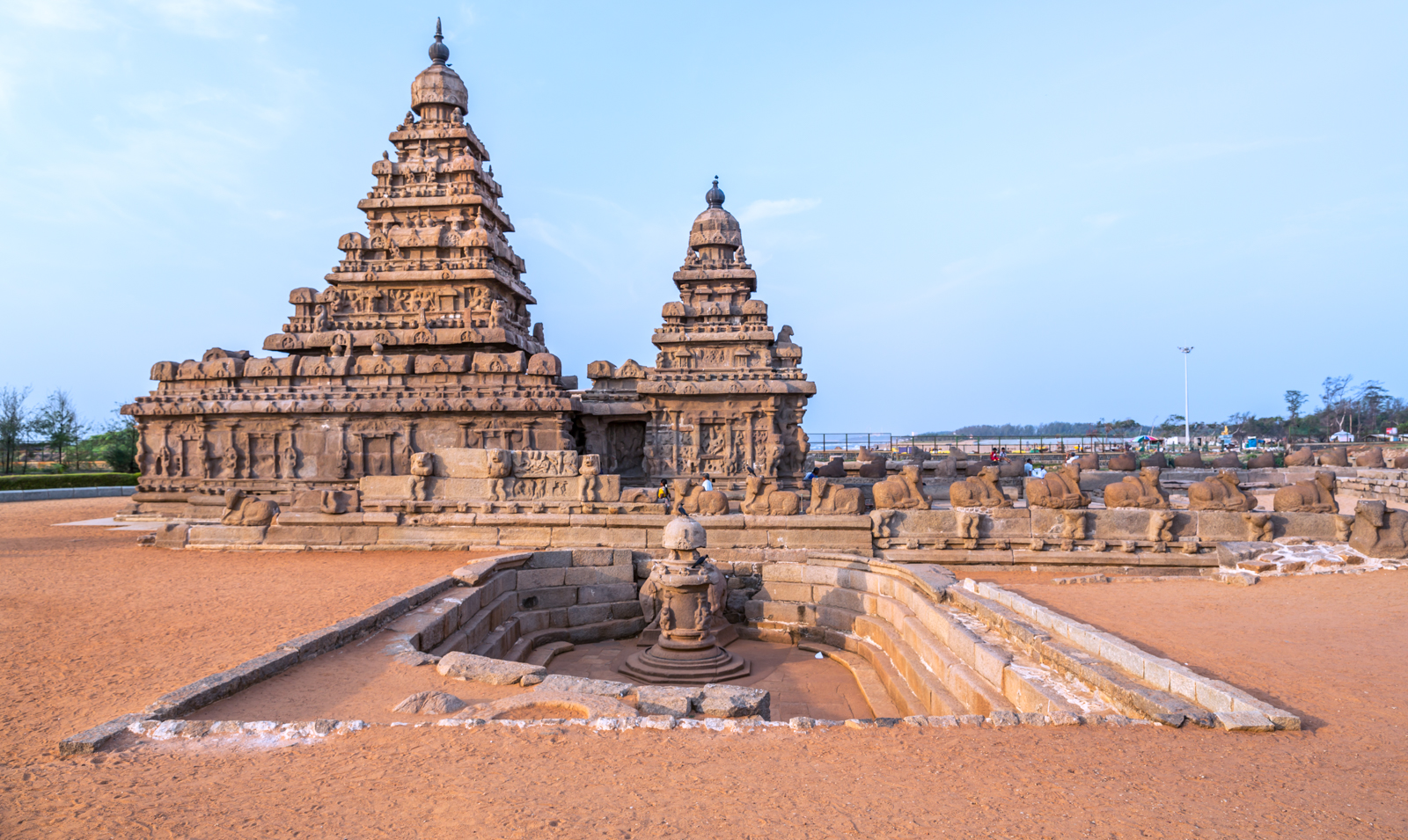
Mahabalipuram Temples: Complete Travel Guide 2026
Complete travel guide to Mahabalipuram temples (Mamallapuram) - UNESCO World Heritage site featuring Shore Temple, Arjuna's Penance, Pancha Rathas, Pallava architecture, history & travel tips.
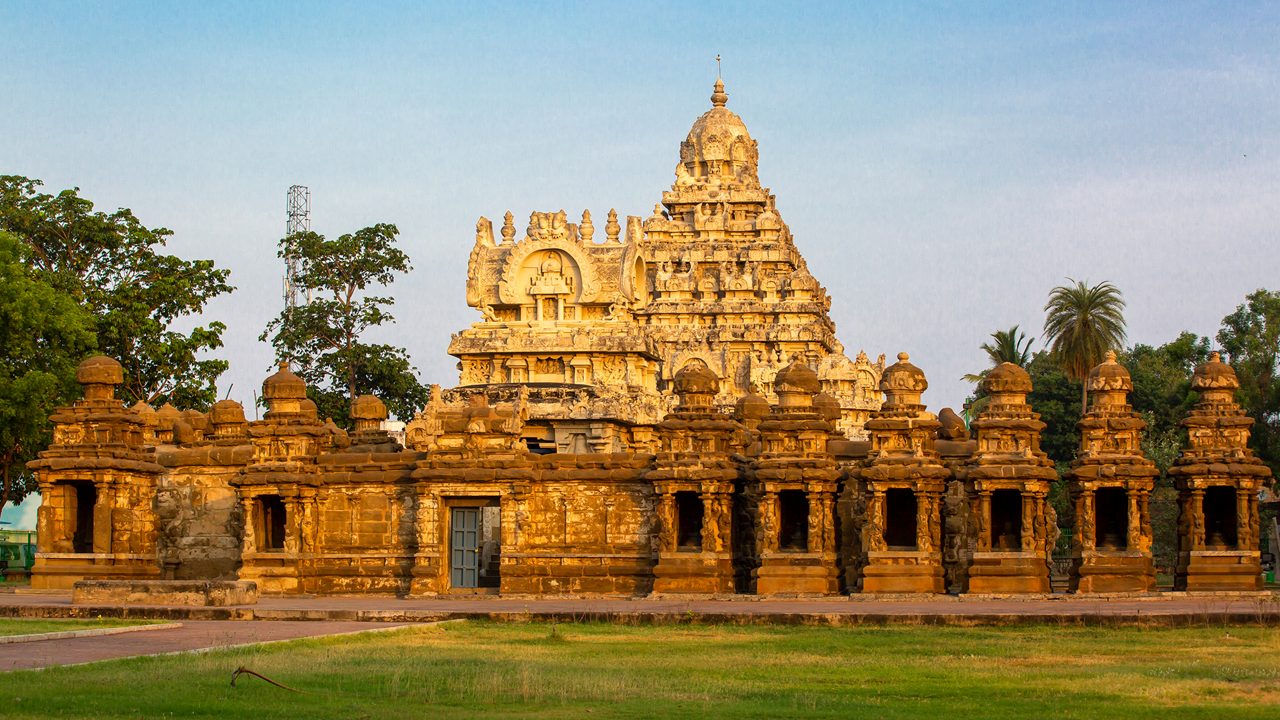
Kanchipuram Temples: Complete Travel Guide to the City of Thousand Temples
Complete Kanchipuram temples guide with history, major temples like Ekambareswarar, Kamakshi Amman, Varadaraja Perumal, silk sarees, and travel tips.
Never Miss an Adventure
Get the latest trekking guides, travel tips, and exclusive offers delivered straight to your inbox.
