
Lal Bazaar Gangtok: Shopping Guide, Timings, and Tips

Priya Mehta
February 18, 2026
Detailed Lal Bazaar Gangtok guide with what to buy, best timings, section-wise navigation, local food tips, and practical shopping advice.
Lal Bazaar Gangtok: The Local Market Behind the Tourist Facade
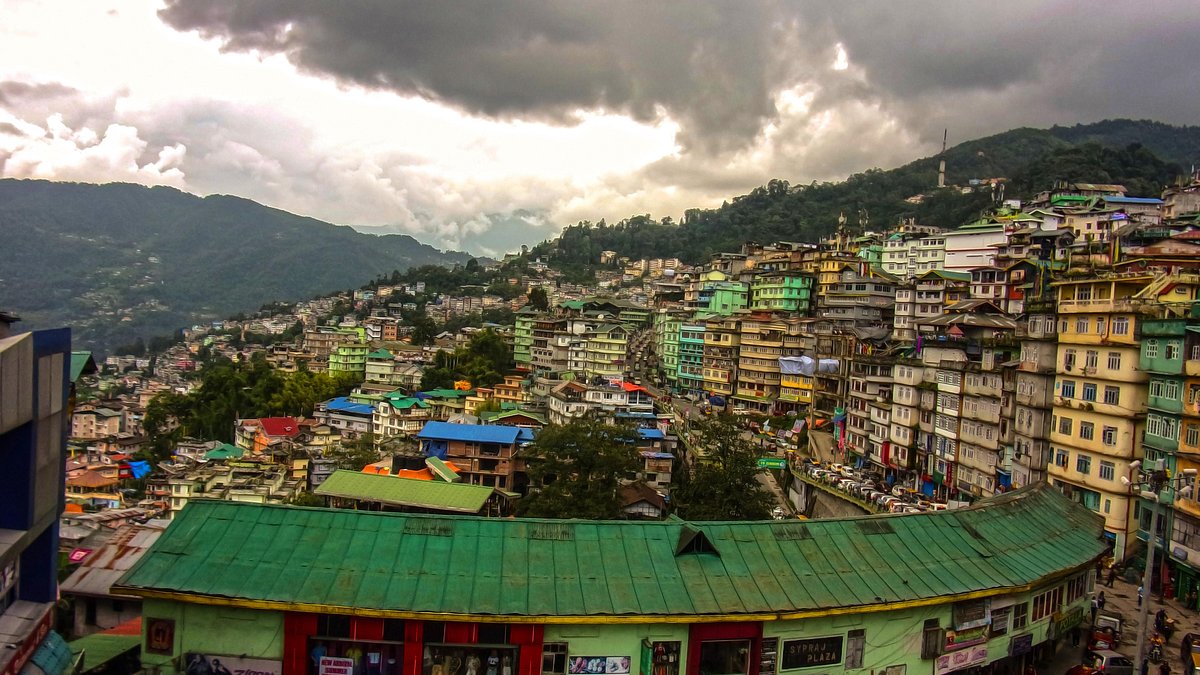
Lal Bazaar Gangtok is where the city feels most local. While MG Marg is cleaner and more visitor-oriented, Lal Bazaar reflects everyday shopping rhythms of Gangtok residents: produce, spices, household goods, local food ingredients, and practical daily trade. If you want the real market pulse of Sikkim’s capital, this is the place to experience it.
Search intent usually focuses on timing, location, what to buy, and whether it is worth visiting beyond souvenir shopping. This guide answers those questions with street-level context, cultural shopping tips, and practical planning for first-time travelers.
You can pair this with MG Marg in Gangtok, shopping in Gangtok, and New Market Gangtok for a full city shopping circuit.
About Lal Bazaar: Location, Character, and Why It Matters
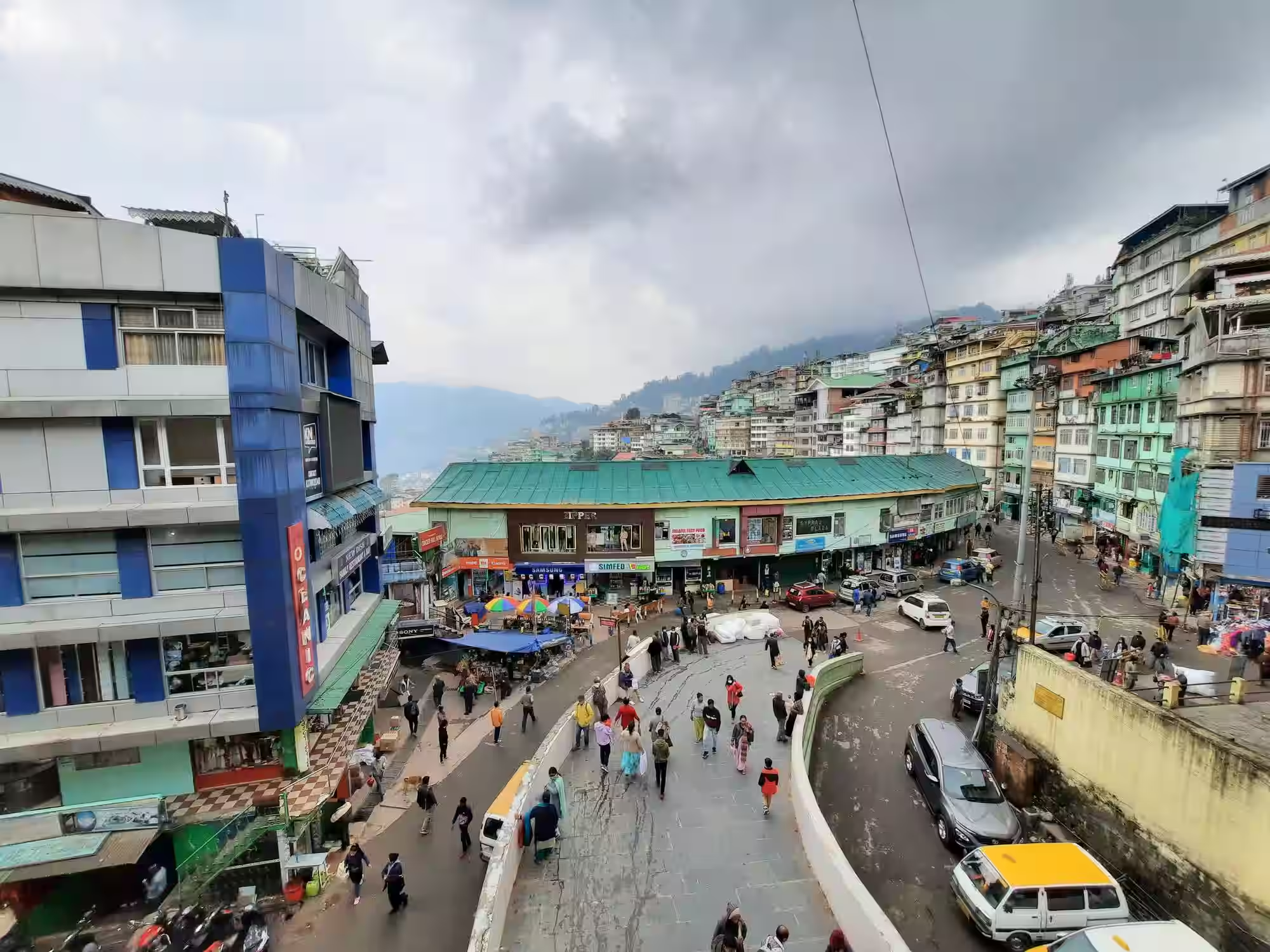
Lal Bazaar is located below the MG Marg belt and is known as one of the city’s oldest active market areas. It serves local residents, nearby communities, and small vendors who bring goods from surrounding hill belts.
- Market identity: local essentials + regional produce + daily groceries.
- Atmosphere: busy, narrow, authentic, and highly functional.
- Visitor value: culture-through-commerce experience, not staged retail.
- Language mix: Nepali, Hindi, English, and local conversational blends.
If you prefer curated shopping streets, Lal Bazaar may feel intense. But if you enjoy local markets, it is one of the strongest urban culture stops in Gangtok.
What to Buy in Lal Bazaar Gangtok
Many visitors enter without a plan and buy random souvenirs. A better approach is to split purchases into produce, pantry items, and keepsakes.
| Category | Popular Buys | Best For |
|---|---|---|
| Fresh produce | Seasonal vegetables, local greens, hill-grown items | Food-focused travelers and homestay guests |
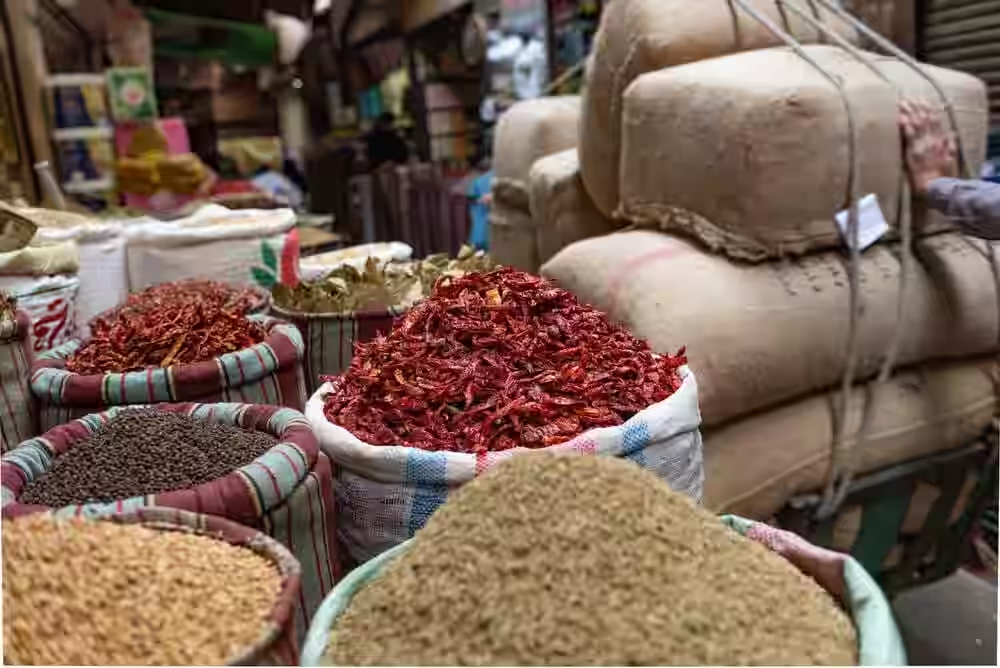
| Spices and condiments | Large cardamom, local chili, herbs, pickles | Take-home flavor souvenirs |
| Traditional food products | Chhurpi variants, dried ingredients, tea blends | Regional cuisine lovers |
| Handicrafts and utility items | Small decor, prayer-related items, local craft pieces | Cultural keepsakes |
Always inspect packaging if carrying food items across states or on flights.
Market Layout and Sections: How to Navigate Efficiently
Lal Bazaar is easier to enjoy when you understand its flow. It is less like a mall and more like a layered network of stalls and micro-sections.
- Lower produce zone: fresh items and fast local turnover.
- Dry goods lines: spices, pantry staples, household supplies.
- Mixed retail pockets: clothing, small gifts, and practical goods.
- Food corners nearby: quick snack and tea stops.
Use one slow round first, then return for purchases. This prevents impulse buying and helps you compare price-quality better.
Best Time to Visit Lal Bazaar Gangtok
Timing affects everything: crowd pressure, freshness of produce, and ease of movement in narrow lanes.
| Time Window | Typical Market Condition | Recommendation |
|---|---|---|
| Morning | Fresh supplies, active local trade | Best for produce shopping |
| Afternoon | Moderate flow, easier browsing | Good for non-produce shopping |
| Evening | Denser crowds in parts | Best for quick walk, not heavy buying |
| Weekend peak | Higher local footfall | Start early if you dislike crowds |
Since timings can shift by season and local schedules, verify current operating windows on arrival in Gangtok.
Shopping Tips: Price, Bargaining, and Quality Checks
Lal Bazaar is not a fixed-rule tourist market. Some shops have steady prices, while others allow limited negotiation, especially for non-food categories.
- Compare at least 2-3 stalls before buying premium spices or packaged goods.
- Ask politely for local specialty recommendations instead of only shopping by appearance.
- For food products, check freshness, sealed packaging, and carry suitability.
- Use small-denomination cash backup in case digital payment fails in crowded hours.
- Do not aggressively bargain for low-margin daily produce sellers.
A respectful approach often gets better product guidance than hard bargaining.
Food and Local Flavor Near Lal Bazaar
One of the best ways to understand a market is through nearby food. Around Lal Bazaar, you can find simple local meals, tea points, and street snacks linked to Sikkim’s everyday taste profile.
- Momo stalls and hot soup options in cooler weather.
- Tea stops that pair well with short shopping breaks.
- Basic local meal places useful for budget travelers.
If you want a broader culinary route, combine market shopping with dedicated restaurant stops later in the day.
Nearby Attractions to Combine in the Same Day
Lal Bazaar works well as part of a central Gangtok walk-and-shop itinerary.
| Nearby Stop | Why Combine | Trip Style |
|---|---|---|
| MG Marg | Cleaner pedestrian zone and cafes | Post-market relaxation |
| New Market area | Alternate shopping options | Price and product comparison |
| Gangtok viewpoints | Visual break from market density | Balanced city day plan |
A practical sequence is MG Marg morning walk, Lal Bazaar core shopping, then evening café break.
Is Lal Bazaar Good for Families, Solo Travelers, and Budget Buyers?
Families: yes, if visited in less crowded slots and with short walking loops. Solo travelers: excellent for cultural observation and budget shopping. Budget buyers: strong value in produce and essentials; compare before final purchase.
The market is compact and active, so keep bags secure and movement focused during rush periods.
Sample 3-Hour Lal Bazaar Plan
Hour 1: orientation walk and price scan. Hour 2: targeted purchases (spices, pantry, selected souvenirs). Hour 3: snack break and move to MG Marg or another city stop.
This rhythm prevents fatigue and helps you shop intentionally.
Price Bands and Spending Strategy
Not all items in Lal Bazaar follow the same pricing logic. Daily produce and staples often have thin margins, while decorative goods and non-essential items may have higher variation. Set a category-wise spending plan before entering the market.
| Shopping Type | Typical Spend Pattern | Smart Buyer Tip |
|---|---|---|
| Fresh produce | Low to moderate | Buy early for freshness and selection |
| Spices and dry goods | Moderate | Compare quality across 2-3 sellers |
| Souvenirs and gifts | Variable | Check material before bargaining |
Cultural Shopping Etiquette in Gangtok Markets
Lal Bazaar works on trust and repeat local relationships. Tourists get better interaction when they ask with respect and keep negotiation reasonable. Aggressive haggling for small-value goods can create unnecessary friction and often does not improve final value meaningfully.
- Greet sellers politely before price conversation.
- Ask for local recommendations instead of only cheapest options.
- Avoid touching produce repeatedly without intent to buy.
- Use reusable bags to reduce packaging waste.
Seasonal Buying Guide: What Changes Through the Year
Product mix in Lal Bazaar can change by season. Fresh produce, local ingredients, and festival-demand goods shift through the year, so repeat visitors often see different strengths by month.
If you are specifically shopping for culinary ingredients, ask vendors about seasonal peaks and storage advice for travel carry-back. This is especially useful for spices and local pantry products.
Lal Bazaar vs Tourist Shopping Streets
Lal Bazaar and tourist shopping streets serve different purposes. One gives daily local economy insight; the other offers comfort, cafés, and curated retail. A complete Gangtok shopping day should include both, rather than choosing only one format.
| Factor | Lal Bazaar | Tourist Streets |
|---|---|---|
| Experience type | Authentic local market | Curated and leisure-friendly |
| Product style | Essentials + local goods | Souvenirs + branded options |
| Pace | Busy and functional | Relaxed and walkable |
Quick Checklist Before You Shop
Carry small cash, reusable bag, and one list of must-buy items. Visit produce sections early, compare spices before purchase, and keep fragile items for last so they do not get damaged while navigating narrow lanes.
This simple routine helps you shop more efficiently and avoid unnecessary backtracking in busy market hours.
Gift Selection Guide for Travelers
If you are buying gifts, prioritize lightweight, durable items that travel well: sealed spice packs, tea blends, and small local craft products. Avoid fragile décor unless you have secure packing support in your luggage plan.
- Label food items clearly for easy airport checks.
- Choose compact packages to reduce bag weight.
- Keep purchase bills for premium packaged products.
Crowd Safety and Personal Belongings
Lal Bazaar is generally welcoming, but like any dense market, basic awareness helps. Use zip-closed bags, avoid blocking narrow lanes for long videos, and keep wallet/phone in front-access pockets when footfall rises.
Travelers in groups should set a visible regroup point before entering deeper sections of the market.
Sample Budget Cart for 2 Travelers
| Purchase Type | Indicative Spend | Value Note |
|---|---|---|
| Spices + tea | INR 500-1,200 | Strong take-home value |
| Local snacks | INR 200-500 | Good for short stays |
| Small souvenirs | INR 400-1,500 | Varies by material and finish |
This kind of planned cart helps control impulse buying while still keeping the market experience enjoyable.
Why Talking to Vendors Improves Your Market Experience
Many of the best finds in Lal Bazaar are not at the first visible stall. Short respectful conversations with sellers often reveal fresher stock, better local recommendations, and practical carry-home advice. This is especially useful for spices, tea, and seasonal products where quality can vary by batch.
Final Take
Lal Bazaar Sikkim is one of the best places to experience Gangtok beyond curated tourist streets. Visit with realistic expectations, a simple purchase plan, and respectful market behavior. If you combine Lal Bazaar with MG Marg and nearby city spots, you get a complete Gangtok shopping experience that feels both practical and cultural.
Location
Frequently Asked Questions
Q1.Where is Lal Bazaar located in Gangtok?
Q2.What are Lal Bazaar Gangtok timings?
Q3.Is Lal Bazaar open on Sundays?
Q4.What can I buy at Lal Bazaar Gangtok?
Q5.Is Lal Bazaar cheaper than tourist shopping streets?
Q6.How much time should I keep for Lal Bazaar visit?
Q7.How can I reach Lal Bazaar from MG Marg?
Q8.Is Lal Bazaar suitable for tourists?
Recommended For You
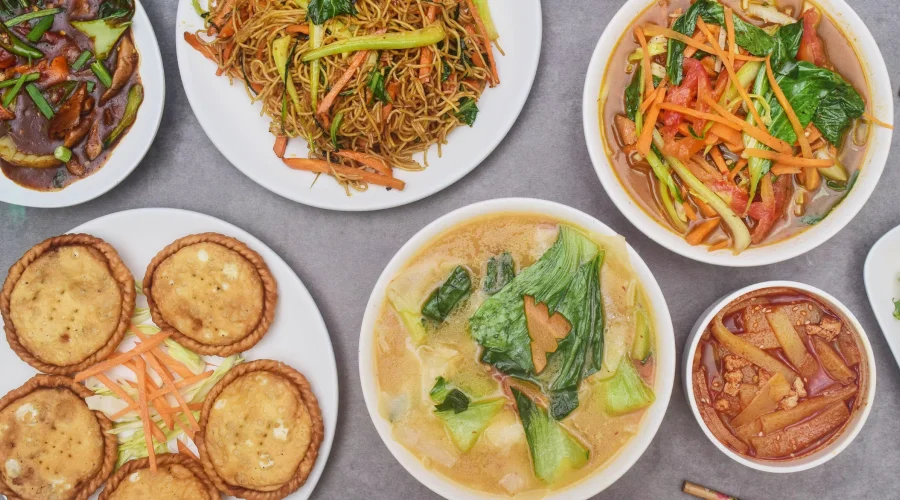
Food of Sikkim: Top Dishes, Local Eateries & Regional Flavors
Discover the food of Sikkim with must-try dishes, local market strategy, where to eat, budget planning, and practical tips for first-time food travelers.
Old Market Sikkim: Gangtok Traditional Shopping
Explore Old Market Sikkim in Gangtok. Traditional handicrafts, Tibetan artifacts, local food & authentic shopping guide beyond MG Marg.

15 Best Places to Visit in Gangtok: Monasteries, Lakes & Ropeways
Explore the best places to visit in Gangtok including Tsomgo Lake, Nathula Pass, Rumtek Monastery, MG Marg, and practical permit-aware travel tips.
Never Miss an Adventure
Get the latest trekking guides, travel tips, and exclusive offers delivered straight to your inbox.
