
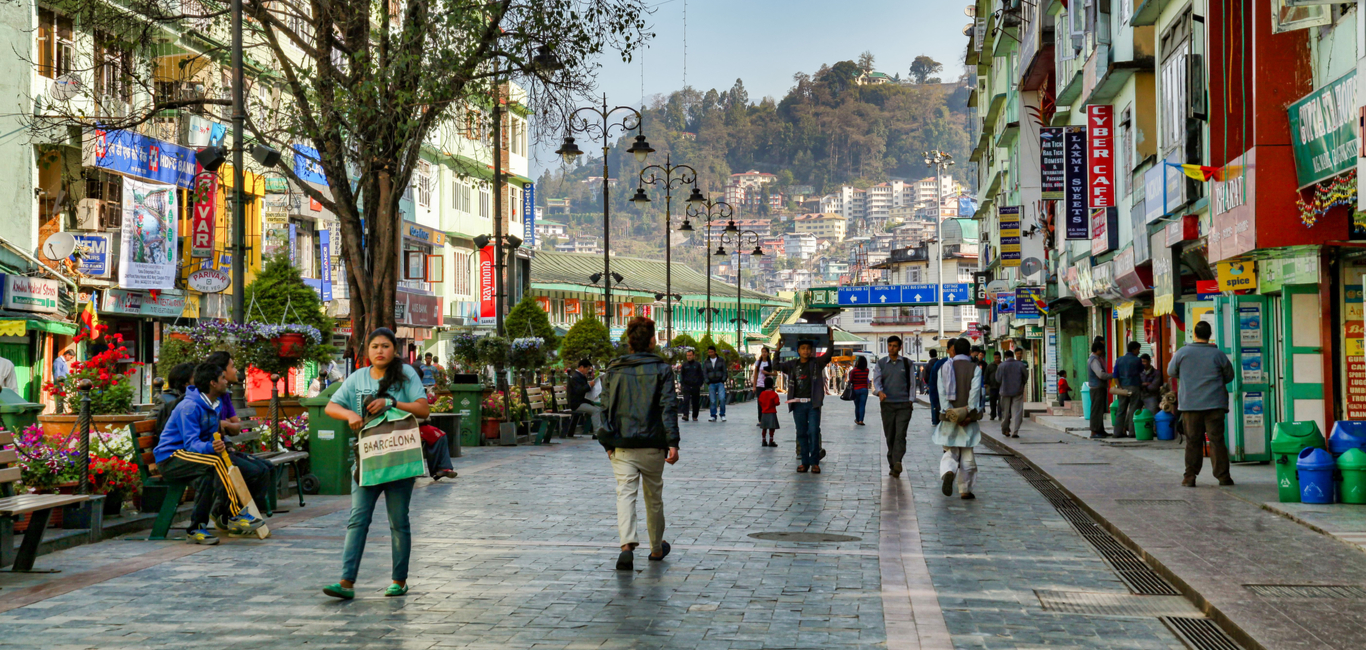
Old Market Sikkim: Gangtok Traditional Shopping

Rohit Verma
January 10, 2026
Explore Old Market Sikkim in Gangtok. Traditional handicrafts, Tibetan artifacts, local food & authentic shopping guide beyond MG Marg.
Old Market Sikkim: Complete Guide to Local Shopping and Traditional Market Experience
Old Market in Sikkim is one of the most useful places for travelers who want local market atmosphere instead of only polished tourist shopping streets. It gives a closer look at daily commerce, regional goods, practical shopping, and street-level cultural texture. For visitors exploring Gangtok and nearby areas, Old Market can add authenticity and better price discovery to the overall shopping plan.
This guide explains what to buy, how to compare products, when to visit, and how to integrate Old Market with other shopping zones like MG Marg and New Market. If you are building a broader route first, use Sikkim travel guide and shopping in Gangtok for area-level planning.

Why Old Market Is Important for Travelers
Old Market matters because it reflects real consumer patterns and local product flow more than tourist packaging. You can often find better practical-value purchases, regional items, and local interaction opportunities here. It is ideal for travelers who want culture through markets, not only through monuments.
The pace can feel denser and less curated, but that is exactly what makes the experience authentic.
What to Buy in Old Market
Shoppers usually look for local produce, textiles, handcrafted pieces, utility goods, and small souvenir items. The smart approach is category-based buying: first essentials, then local specialties, then optional souvenirs. This keeps your budget organized and avoids random spending.
Check stitching, material, and finishing quality carefully for crafts and textiles. Local markets reward patient inspection.
Best Time to Visit Old Market
Morning and late afternoon are typically best for productive shopping. Morning helps with lower congestion and easier negotiation. Evening can be lively but busier, so keep that slot for exploration rather than heavy purchasing if you prefer comfort.
If you have one day only, do Old Market in first half and MG Marg in evening for a complete contrast experience.
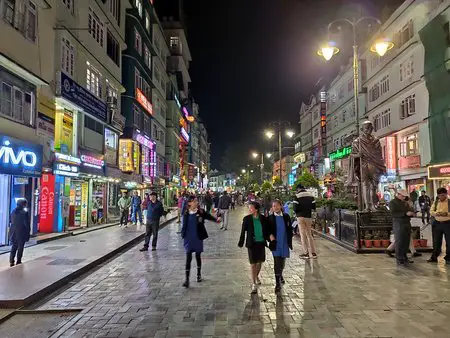
How Old Market Differs from MG Marg
MG Marg is cleaner, more tourist-ready, and better for leisure walks. Old Market is rawer, denser, and often stronger for practical shopping and local context. The best plan is to use both. Start with Old Market for price understanding, then use MG Marg for premium or curated purchases.
You can compare with MG Marg in Gangtok and add New Market Gangtok for a full three-market strategy.
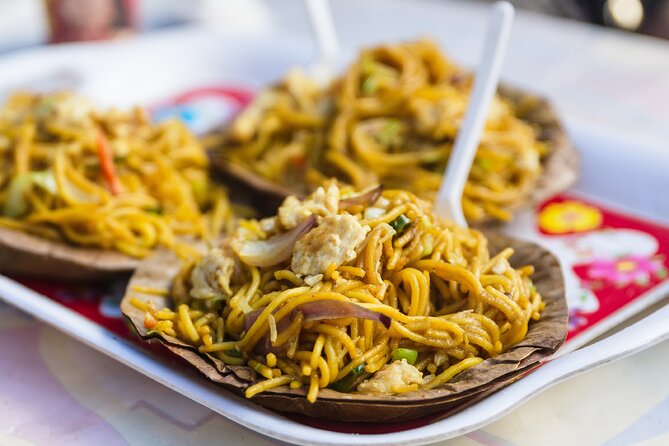
Food Breaks and Local Snacks
Old Market shopping is physically demanding due to movement and crowd navigation. Keep one short snack and tea break to maintain pace. Choose clean, high-turnover stalls for better food safety.
If food exploration is a separate goal, keep a dedicated meal stop elsewhere and avoid overloading this market window with long dining breaks.
Budget and Payment Tips
Carry small-denomination cash and keep digital payment backups where possible. Not all outlets may support every payment mode smoothly during rush periods. Set spending limits per category before entering and track totals after each major purchase round.
For bulk buying, compare prices from at least two vendors before final deal.

Who Should Prioritize Old Market?
Travelers interested in local culture, budget-conscious buyers, and repeat visitors who have already seen main tourist promenades should prioritize Old Market. It is also useful for shoppers looking for practical items before long onward journeys.
First-time visitors can still enjoy it if they enter with clear priorities and realistic expectations.
How to Shop Efficiently
Round 1: Explore without buying, shortlist vendors.
Round 2: Buy high-priority items with quality checks.
Round 3: Add low-cost souvenirs and local specialty products.
This three-round method avoids rushed low-quality purchases and improves overall market outcomes.
Common Mistakes to Avoid
The biggest mistake is expecting mall-style organization and getting overwhelmed by dense market flow. Another issue is skipping product checks and buying only by appearance. Travelers also overpack the day and rush through Old Market without meaningful exploration.
Give yourself at least 1.5 to 2.5 hours for a useful visit.
Photography and Respectful Behavior
Take wide environment shots first and ask permission for close vendor portraits. Avoid blocking narrow pathways while filming. Respecting local working spaces improves interaction quality and helps maintain smooth market movement for everyone.
Content creators should prioritize local story framing over generic “market montage” clips.
How to Integrate with a Full Sikkim Route
Old Market can be a practical stop before or after city attractions. If your route includes South Sikkim later, compare shopping style with Namchi Market Sikkim for a broader state-level market perspective. This makes your shopping experience more diverse and informative.
A market-led perspective adds depth to regular sightseeing-heavy itineraries.
Old Market for Culture-Focused Travelers
Travelers interested in local life should spend extra time observing purchase patterns, vendor interactions, and product turnover by section. These details reveal more about destination culture than standard souvenir shopping. Old Market is one of the best places in Gangtok for this grounded perspective.
Keep your pace slow and respectful, and the market experience becomes far more meaningful than a checklist visit.
Post-Shopping Quality Control
After completing purchases, do a quick final check at a café or rest point: bills, item condition, and packing. This helps catch errors before you leave the market zone. Travelers often skip this step and discover issues much later.
Two minutes of post-shopping review can save significant hassle on onward travel days.
Old Market Comparison Advantage
Old Market is most powerful when used as a comparison point before final purchases elsewhere. If you start here, you gain realistic pricing awareness and can identify overpricing in tourist-heavy zones later. This is especially useful for textile, souvenir, and daily-use category shopping.
Do one intentional first scan, note price bands, then buy in your second loop. Travelers who follow this structure usually report higher satisfaction and lower regret purchases.
For serious shoppers, Old Market is less about speed and more about market intelligence.
Local Insight Layer
Ask vendors which products residents buy most. This often reveals better options than generic tourist recommendations.
Market conversations provide useful shopping intelligence in Sikkim.
Final Takeaway
Old Market Sikkim is one of the best places to experience local shopping culture with real-market authenticity, practical value, and regional product access. It complements polished shopping zones and helps travelers make better-informed purchases.
Visit with a clear plan, compare smartly, and allow enough time for exploration. With this approach, Old Market becomes a meaningful highlight of your Sikkim trip.
Location
Frequently Asked Questions
Q1.Where is Old Market in Gangtok located?
Q2.What are Old Market opening hours?
Q3.What should I buy in Gangtok Old Market?
Q4.What handicrafts is Sikkim famous for?
Q5.Can I buy traditional Sikkimese dress?
Q6.Is Old Market open on Sundays?
Q7.What's the best time to visit Old Market?
Q8.How to reach Old Market from MG Marg?
Recommended For You
25 Best Summer Holiday Destinations in the World for 2026
Discover the 25 best summer holiday destinations worldwide - from Swiss Alps to Greek islands, Bali beaches to Canadian Rockies. Complete guide with weather, costs & itineraries.
Best Airbnbs in Shimla: Heritage Stays & Modern Accommodations
Discover best Airbnbs in Shimla - from heritage colonial bungalows to modern mountain apartments. Complete guide with locations, prices, amenities & seasonal tips.

Spiti Valley 8 Days: Complete Itinerary And Route Plan
Plan perfect 8 days Spiti Valley trip from Delhi/Manali. Discover complete itinerary, best time to visit, budget & essential travel tips.
Never Miss an Adventure
Get the latest trekking guides, travel tips, and exclusive offers delivered straight to your inbox.
