

Lambi Dehar Mines Mussoorie: History, Myths & Access Details

Rahul Garg
February 20, 2026
Explore Lambi Dehar Mines, the haunted limestone mines near Mussoorie. Discover ghost stories, history & travel guide.
Lambi Dehar Mines Mussoorie: Haunted History and Route Guide
Lambi Dehar Mines near Mussoorie are frequently listed in India’s haunted-place discussions because of tragic labor history, abandoned structures, and strong local ghost narratives. Travelers should approach the site as a sensitive history-and-safety location, not a dare challenge. If you follow mystery travel themes, combine this with haunted places in Shimla, wider circuits in Rajasthan, high-altitude folklore at Chandra Taal myths, and macro mystery narratives like the Bermuda Triangle.
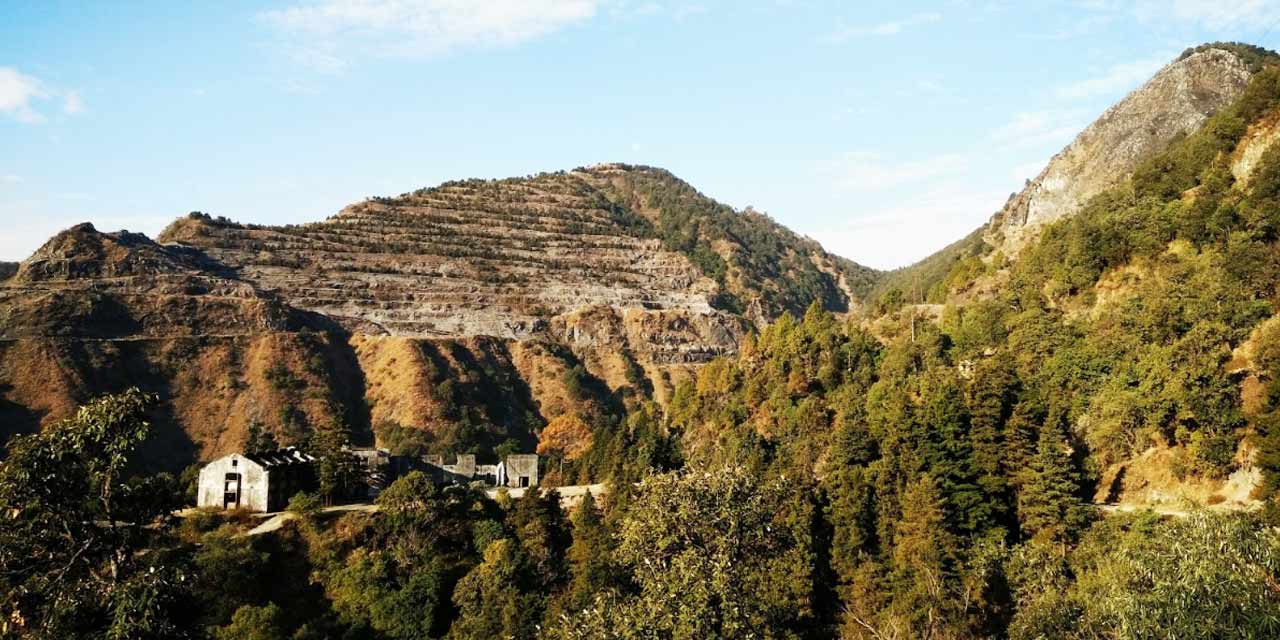
Historical Context of the Mines
The area’s mining legacy includes periods of unsafe labor practices and difficult working conditions. Much of the modern haunted identity comes from oral history around deaths, abandonment, and social memory. Whether one believes paranormal interpretations or not, the site deserves responsible behavior because of both structural risk and historical sensitivity.
Why the Place Feels Haunted
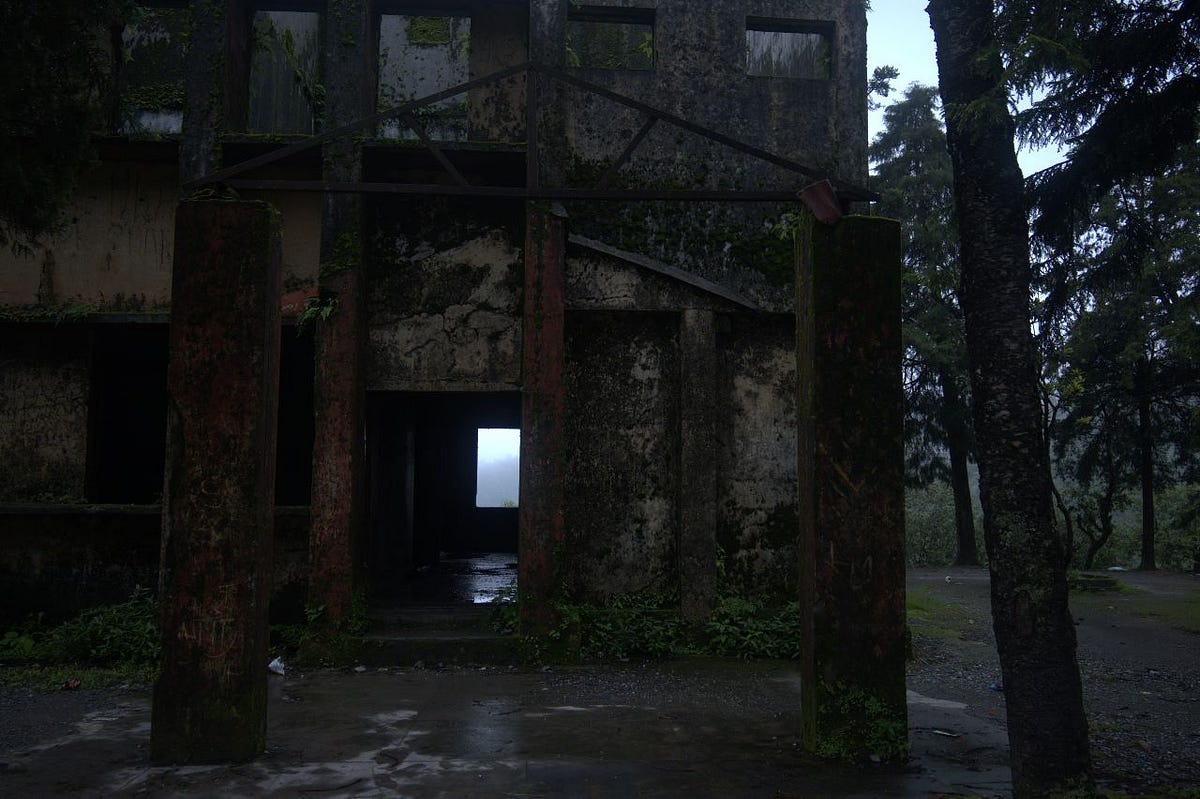
Abandoned quarry faces, wind tunnels, broken structures, and isolation create a naturally eerie environment. At night, poor visibility and echo patterns can amplify fear responses. Many so-called paranormal reports can also be explained by terrain acoustics and low-light perception errors.
- Environmental factors: Wind noise, uneven rock, low light.
- Psychological factors: Expectation-driven interpretation.
- Cultural factors: Strong regional storytelling tradition.
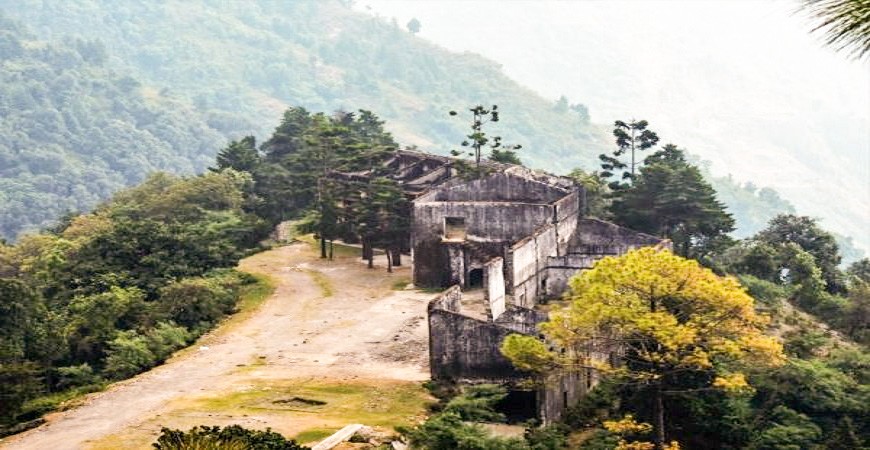
How to Reach from Mussoorie
Most travelers access the area by local cab or private vehicle from Mussoorie. Roads and tracks can be rough depending on season, so avoid late-night first-time attempts. A daylight recce is recommended before any evening photography plan.
| Starting Point | Access Mode | Notes |
|---|---|---|
| Mussoorie town | Cab/private vehicle | Most practical option |
| Nearby hill routes | Mixed walk + drive | Use only with local guidance |
Best Time to Visit
Clear-weather months are better for safety and movement. Monsoon adds landslip and slipperiness risk in mine-adjacent terrain. Even in good weather, avoid isolated zones after dark unless you have a local expert, proper vehicle support, and clear return planning.
- Prefer morning and late afternoon.
- Carry trekking shoes and torch backup.
- Keep weather alerts checked before departure.
Safety and Legal Boundaries
- Do not enter unstable shafts or closed sections.
- Avoid solo visits.
- Share route plan and ETA with contacts.
- Respect any local authority warnings.
Final Takeaway
Lambi Dehar is compelling because it combines industrial history, local folklore, and dramatic mountain terrain. The best visit is a disciplined one: daylight-first, safety-first, and respectful of both local memory and site conditions.
Industrial History Behind the Haunting Narrative
Lambi Dehar's modern reputation comes from the overlap of abandoned mining infrastructure and difficult labor-era stories. In many destinations, haunted narratives emerge where tragedy, isolation, and structural decay coexist, and this location fits that pattern closely. Travelers should approach with sensitivity because local memory often includes real loss, not just entertainment folklore.
The site environment itself can trigger intense perception: wind through exposed cuts, low-light visual distortion, and unstable ground. This combination is enough to produce fear responses even for experienced travelers.
Why People Call It One of Mussoorie's Most Haunted Places
- Strong oral narratives of tragedy and unexplained incidents
- Abandoned industrial remains with eerie acoustics
- Low-light mountain weather that amplifies uncertainty
- Pop-culture reinforcement through repeated retellings
Whether you believe paranormal claims or not, the location demands the same practical approach: no trespass, no unstable-route experiments, and no solo movement in fading light.
How to Reach and Plan Access
Most visitors access from Mussoorie by local cab or private vehicle. Some route segments may require short walking sections depending on current road conditions. Seasonal weather can quickly change usability, so verify with local drivers before departure.
| Start Point | Access Mode | Planning Note |
|---|---|---|
| Mussoorie town | Cab/private vehicle | Most practical for first visit |
| Nearby hill routes | Drive + short walk | Needs daylight and route clarity |
Best Time to Visit Lambi Dehar Mines
Clear weather windows are safest. Monsoon can increase slip risk and visibility issues around mine-adjacent areas. Winter can be atmospheric, but temperature drops and low-light conditions demand earlier return decisions.
- Preferred: Clear post-monsoon and winter mornings/afternoons.
- Avoid: Heavy rain windows and poorly lit late returns.
- Rule: Daylight-first reconnaissance before any evening stop.
Safety Protocol You Should Treat as Mandatory
Do not enter shafts, no matter how accessible they look. Mining remains can have hidden instability and unpredictable surfaces. Keep your route in legal, open areas and avoid dramatic shortcuts over broken terrain.
- Travel in a group, never solo.
- Use grippy shoes and carry torch backup.
- Share ETA and route with an external contact.
- Keep a strict turnaround time.
Photography Guidance for This Location
You can capture strong imagery safely from legal perimeter views and stable ground. Focus on textures, depth, weather layers, and silhouettes instead of risk-heavy close proximity shots around unstable structures.
- Use wide framing for terrain context.
- Avoid flash if locals or wildlife are nearby.
- Do not block access roads for tripod setups.
Combining with Mussoorie Itinerary
Lambi Dehar works best as one controlled segment in a broader Mussoorie day. Do not make it your only plan. A balanced route with regular viewpoints, food breaks, and easy-access attractions prevents fatigue and keeps your travel day enjoyable.
If weather shifts, skip the mine segment and continue with safer urban or ridge routes. Flexibility is better than forcing a high-risk stop.
Common Mistakes Travelers Make
- Arriving without local route verification
- Overstaying past safe light conditions
- Attempting solo exploration for content
- Treating unstable terrain as photo props
Myth, Memory, and Responsible Storytelling
It is fine to discuss ghost lore, but do not erase the historical labor context. Places like Lambi Dehar are shaped by both myth and social history. Responsible storytelling acknowledges that duality and avoids sensational content that encourages unsafe behavior.
Final Takeaway
Lambi Dehar Mines can be a compelling stop for travelers interested in mystery routes, but only with strict safety, legal access discipline, and cultural sensitivity. Treat it as a history-rich cautionary location, not an adrenaline challenge, and your visit will be more meaningful and far safer.
Suggested Half-Day Plan from Mussoorie
Start early: Leave after breakfast with route reconfirmed. Visit one primary mine-view section in full daylight, then shift to a safe secondary viewpoint.
Midday reset: Return toward populated food zones instead of extending deep into uncertain terrain. Re-evaluate weather and road status before any additional stop.
Afternoon close: End the mine segment before light deteriorates. Keep evening for easier Mussoorie town experiences.
What to Carry
- Layered clothing suitable for sudden hill weather changes
- Two light sources and spare battery support
- Compact first-aid and hydration kit
- Offline map snapshots and emergency numbers
Final Planning Note
If your group includes first-time hill travelers, keep this stop short and conservative. Prioritize comfort and safety over depth. You can always return on a better weather day with improved local guidance.
Before departure, ask your driver for two independent return routes in case one section becomes slow or blocked. In hill regions, this backup planning saves significant time and reduces stress at dusk.
Do not chase rumor-based coordinates shared on social media without local validation. Many points are inaccurate or unsafe.
Keep one person in your group responsible for real-time weather checks every 30-45 minutes during field movement. This habit prevents late reactions and supports safer decisions when mountain conditions change unexpectedly.
Carry paper copies of stay details and emergency contacts.
End your route before visibility drops.
Location
Frequently Asked Questions
Q1.Where are Lambi Dehar Mines located?
Q2.How far is it from Mussoorie?
Q3.Is it safe to visit Lambi Dehar Mines?
Q4.What is the history behind these mines?
Q5.What ghost stories are associated with it?
Q6.Why is it considered one of India's most haunted?
Q7.Can we enter the mines?
Q8.What is the best time to visit?
Recommended For You

Haunted Places in Kashmir: Folklore Stories, Routes & Safety Tips
Explore haunted places in Kashmir as folklore routes with practical safety, legal, and ethical guidance for responsible travel.

Things to Do in Uttarakhand: 30 Best Experiences & Attractions
Discover the 30 best things to do in Uttarakhand - from spiritual Char Dham pilgrimage and yoga in Rishikesh to adventure sports, wildlife safaris, and offbeat Himalayan villages. Complete guide with costs and tips.

Dagshai Haunted Town: Local Stories, History & Visitor Route
Explore Dagshai haunted town in Himachal with history, ghost-story hotspots, route planning, and safety tips for a respectful, balanced visit.
Never Miss an Adventure
Get the latest trekking guides, travel tips, and exclusive offers delivered straight to your inbox.
