
Haunted Places in Rajasthan: Fort Legends, Timings & Visitor Tips

Ananya Sharma
February 17, 2026
Explore haunted places in Rajasthan! Discover Bhangarh Fort, Kuldhara Village & other spooky locations with complete guide to ghost stories and paranormal destinations.
Haunted Places to Visit in Rajasthan: Safe and Smart Mystery Route
Rajasthan’s haunted reputation is led by Bhangarh Fort and Kuldhara, but many lesser-known forts and ruins also appear in local lore. The key is balancing storytelling with legal access, daylight reconnaissance, and transport planning. Build your list with related reads like haunted places in Shimla, unexplained narratives such as Jatinga, urban folklore from Mukesh Mills, and broader mystery context from the Bermuda Triangle.
Bhangarh Fort: Rules, Timing, and Expectations
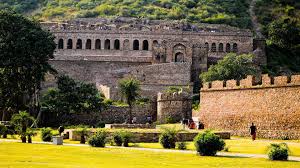
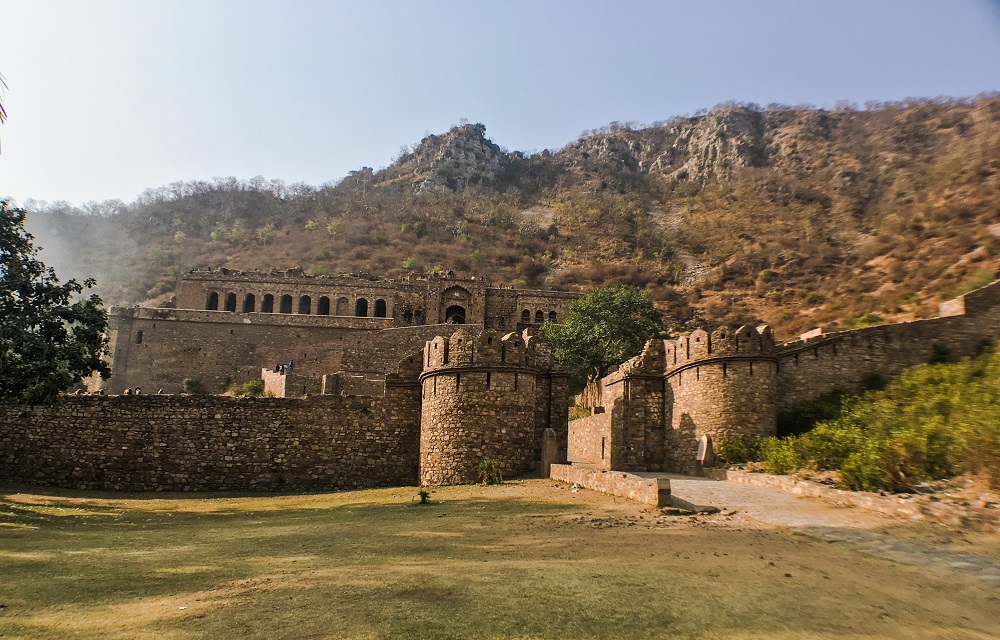
Bhangarh is the most famous haunted site in India’s popular imagination. The fort complex has official visiting windows and restrictions, and those should be treated seriously. Most legends revolve around curse stories and sudden decline narratives, but your experience will be shaped more by time of day, crowd level, and weather.
- Visit in daylight for architecture and context.
- Avoid illegal after-hours plans.
- Carry water and sun protection in hotter months.
Kuldhara Village Near Jaisalmer
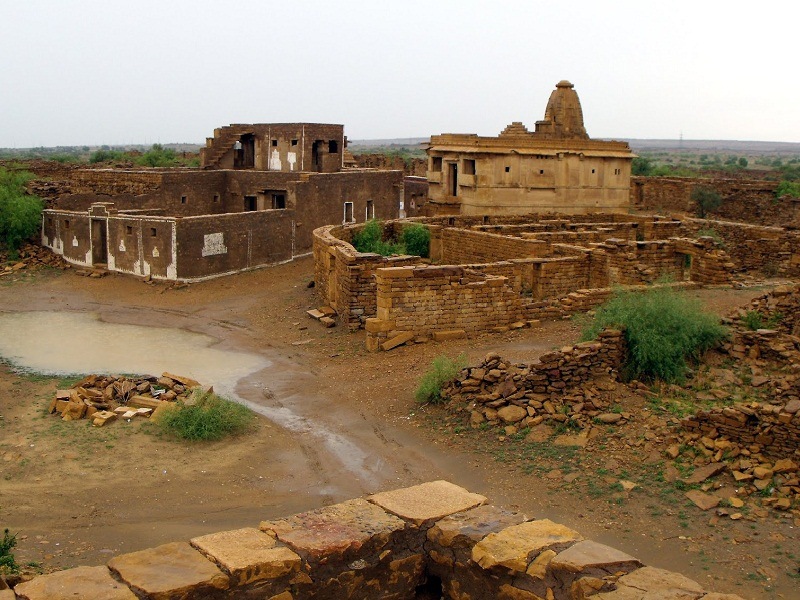
Kuldhara is often described as an abandoned village with a dramatic migration story. It is easier to combine with Jaisalmer itineraries than with Jaipur-based trips, so plan by region. Sunset can be atmospheric, but keep return transport confirmed before dark.
Other Mystery-Themed Stops in Rajasthan
Travelers often include selected fort sections in Jaipur and Chittorgarh routes where ghost folklore exists. These places are better handled as heritage-first, story-second destinations. You get stronger value when guides explain history, battles, and architecture alongside local myths.
| Location Type | Best Time | Focus |
|---|---|---|
| Major Fort Complex | Morning to late afternoon | Architecture + local legends |
| Abandoned Village | Late afternoon | Storytelling + landscape photography |
How to Plan Routes by Base City
- Jaipur base: Bhangarh and nearby heritage points.
- Jaisalmer base: Kuldhara with fort and market circuits.
- Udaipur/Jodhpur base: Keep mystery spots secondary to core itinerary.
Do not attempt to cover all haunted points in one day. Rajasthan distances are large, and fatigue affects decision quality.
Safety Checklist
- Use licensed drivers for intercity and evening movement.
- Avoid isolated areas after dark.
- Respect ASI or local authority timings and barriers.
- Travel in groups and share live location.
- Keep emergency contacts and offline map backups.
Final Takeaway
Rajasthan’s haunted trail is best experienced as a history-rich route with disciplined logistics. Follow legal timings, treat local stories respectfully, and focus on safe movement. You will still get the atmosphere without unnecessary risk.
Bhangarh Fort: What to Know Before You Go
Bhangarh is the most famous haunted-tag location in Rajasthan and often in national listicles. Visitors come expecting supernatural events, but the practical value is in ruined architecture, landscape context, and folklore interpretation. Local narratives around curses are part of the storytelling tradition, yet route planning and legal timing matter far more on the ground.
Treat Bhangarh as a heritage site with strong myth layers. You can enjoy the atmosphere without crossing access boundaries or chasing after-hours myths.
Kuldhara Village Near Jaisalmer
Kuldhara's abandoned settlement narrative makes it one of the most requested mystery stops in western Rajasthan. In itinerary terms, it fits naturally with Jaisalmer plans rather than Jaipur-based day trips. Keep distance and heat management in mind when combining Kuldhara with desert sites.
- Best paired with Jaisalmer fort and market routes.
- Sunset is atmospheric but return logistics must be fixed.
- Avoid isolated post-dark detours on unknown roads.
Other Story-Rich Fort and Heritage Spots
Many forts in Rajasthan carry ghost folklore linked to battle history, loss narratives, and local oral memory. Most are best visited in daylight when guides can explain history clearly. Mystery context is strongest when tied to documented events rather than random rumor amplification.
| Region | Mystery Potential | Best Visit Style |
|---|---|---|
| Alwar belt | High legend density | Day visit + short dusk stop |
| Jaisalmer belt | Abandoned-village stories | Late afternoon heritage route |
| Jaipur belt | Fort folklore overlap | Urban base with controlled evening plan |
How to Build a Safe Mystery Circuit
Choose one base city and avoid multi-city same-night plans. Rajasthan distances are large, and over-ambitious routing causes fatigue and poor judgment. A disciplined mystery circuit has two core stops, one food break, and a fixed return timeline.
- Keep your last major movement before full darkness where possible.
- Use a trusted driver for intercity links.
- Set a hard return cutoff before departure.
- Share route and ETA with someone outside your group.
Best Time to Visit Haunted Routes in Rajasthan
Cooler months make outdoor movement easier and safer. Summer can work for early-morning and dusk windows but should avoid long noon travel in exposed zones. Monsoon can improve atmosphere but may disrupt roads in some belts.
For mystery plus comfort, post-monsoon to winter months are usually preferred by travelers and drivers alike.
Photography Strategy: Atmosphere Without Risk
You do not need dangerous angles to get strong haunted visuals. Use wide compositions, silhouette timing, and texture-focused shots in safe public areas. Avoid climbing unstable walls, entering restricted structures, or blocking local access roads for tripods.
- Shoot during blue hour for mood.
- Carry a compact torch and spare battery.
- Avoid flash near people and animals.
- Respect no-entry signs absolutely.
Myth vs History: How to Balance Both
Rajasthan mystery travel becomes meaningful when myth and history are both acknowledged. Myths create atmosphere and cultural continuity. History provides anchors in architecture, governance, and conflict memory. A good guide can help bridge both without sensational distortion.
If your group prefers evidence-led storytelling, request historical walkthroughs first and folklore as optional overlays. This prevents disappointment from unrealistic ghost-expectation framing.
Emergency and Safety Checklist
- Water, oral salts, and basic first aid
- Offline maps and printed hotel details
- Charged phones with power bank
- Driver emergency contact backup
- No isolated solo exploration at night
Sample Day Plan from Jaipur Base
Morning: Depart early for heritage + mystery site in daylight. Afternoon: Lunch in populated zone and second controlled stop. Evening: Short atmosphere pass if visibility and team energy are good. Night: Return to Jaipur without adding late unplanned detours.
Final Takeaway
Rajasthan's haunted trail is strongest when treated as culture-rich heritage travel with disciplined movement, not sensational risk-taking. Follow legal timings, choose fewer high-quality stops, and prioritize safety. You will still get mystery atmosphere, stronger photos, and better overall trip outcomes.
Traveler Types and Route Recommendations
First-time Rajasthan visitors: Keep haunted stops secondary to core heritage places. This reduces pressure and gives context for legends.
Mystery-focused travelers: Choose one region per day and avoid state-wide hopping. Better depth, safer movement, and lower fatigue.
Photographers: Prioritize safe vantage points and weather windows over night-risk experiments.
Local Etiquette Around Story Sites
Some locations are close to active villages and livelihoods. Keep noise low, ask before filming people, and avoid provocative behavior for social content. Responsible conduct preserves access goodwill and protects your own travel experience.
If locals decline photos or interviews, respect the answer and move on politely. Mystery travel is still community travel.
Final Planning Note
Set expectations in your group before departure: this is a folklore-and-history circuit, not guaranteed supernatural encounter tourism. Clear expectations reduce risky improvisation and keep the trip enjoyable for everyone.
Carry printed route notes for drivers when network quality drops on rural stretches. This small step saves time and prevents confusion during late-evening returns from remote heritage points.
Travel with valid ID and keep digital copies available offline.
Plan conservatively.
Location
Frequently Asked Questions
Q1.What are the haunted places in Rajasthan?
Q2.Is Bhangarh Fort really haunted?
Q3.Why is Bhangarh Fort most haunted?
Q4.What happened at Kuldhara village?
Q5.Is it safe to visit haunted places in Rajasthan?
Q6.What are Bhangarh Fort timings?
Q7.What is Bhangarh Fort entry fee?
Q8.How to reach Bhangarh Fort?
Recommended For You
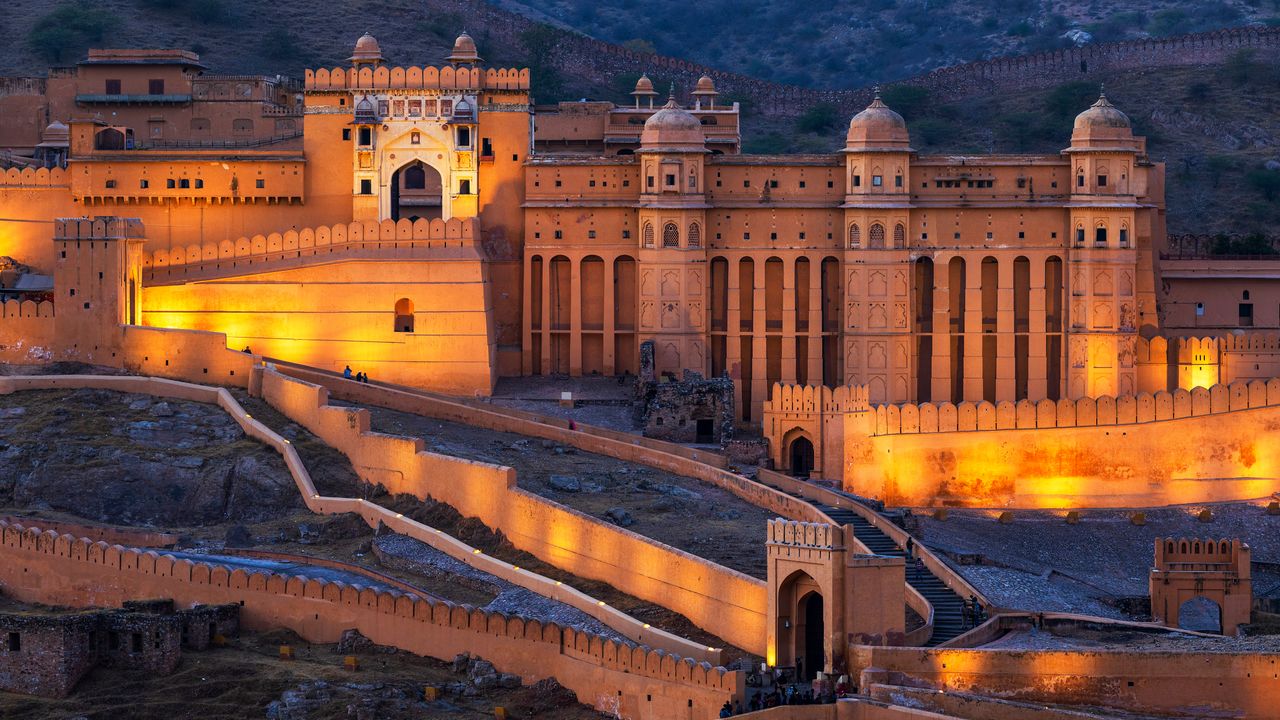
Amber Fort Jaipur: Complete Guide with Timings, Entry Fee & Tips
Explore Amber Fort Jaipur: UNESCO World Heritage Site featuring Sheesh Mahal, royal palaces, and stunning architecture. Complete guide with timings, entry fees, and travel tips.

Hawa Mahal Jaipur: Complete Guide to Palace of Winds
Discover Hawa Mahal, Jaipur's iconic Palace of Winds with 953 windows. Explore its history, unique architecture inspired by Lord Krishna's crown, and practical visitor information.

Shopping in Jaipur: Johari, Bapu & Tripolia Bazaar Picks
Explore shopping in Jaipur. Johari Bazaar, textiles, handicrafts, jewellery & what to buy with bargaining tips & location guide.
Never Miss an Adventure
Get the latest trekking guides, travel tips, and exclusive offers delivered straight to your inbox.
