
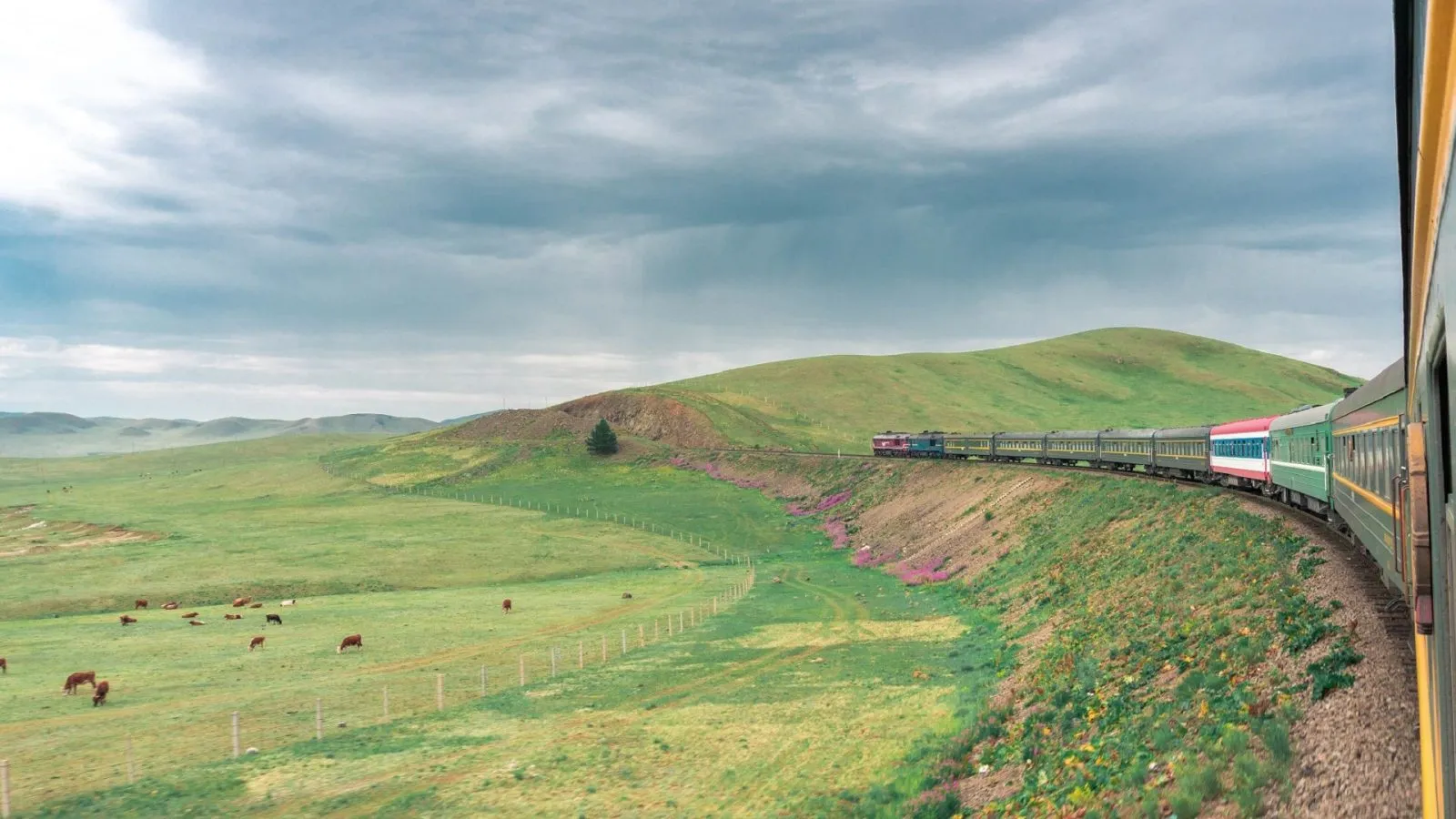
Longest Train Routes: World's Epic Journeys

Rahul Garg
November 14, 2025
Discover the world's longest train routes from the Trans-Siberian Railway to India's Vivek Express. Explore top 10 epic rail journeys with travel tips, best times to visit, and what to expect on board.
Introduction: The Romance of Epic Rail Journeys
There is something inherently romantic about long-distance train travel. The rhythm of wheels on tracks, changing landscapes rolling past your window, and the sense of journeying across vast distances create an experience that air travel simply cannot match. The longest train routes in the world offer more than just transportation—they provide a window into the heart of countries and continents, revealing landscapes and cultures that remain hidden to those who fly above them.
From the frozen wilderness of Siberia to the red heart of Australia, from the Canadian Rockies to the tropical plains of India, these epic rail journeys span thousands of kilometers and multiple days. They represent some of the greatest engineering achievements in human history, connecting remote communities, crossing impossible terrain, and creating adventures that travelers remember for a lifetime.
What makes these journeys special is not just their distance, but the diversity they encompass. In a single trip, you might traverse mountains, deserts, forests, and plains. You might cross multiple time zones, experience different climates, and witness cultures changing from village to village. These are journeys where the destination matters less than the experience of traveling itself.
For travelers seeking adventure, the world's longest train routes offer unparalleled opportunities to see our planet from a unique perspective. Whether you're a seasoned rail enthusiast or someone looking for a different kind of travel experience, these epic journeys promise memories that will last long after the journey ends.
Top 10 Longest Train Routes in the World
1. Trans-Siberian Railway (Russia) - 9,289 km
The Trans-Siberian Railway stands as the undisputed king, spanning Europe and Asia. of long-distance rail travel. Spanning an incredible 9,289 kilometers, this legendary route connects Moscow in the west to Vladivostok on Russia's Pacific coast. The journey takes approximately seven days to complete, crossing eight time zones and passing through some of the most remote and beautiful landscapes on Earth.
The route begins in the historic Russian capital, passing through the Ural Mountains (which separate Europe from Asia), across the vast Siberian plains, and alongside the magnificent Lake Baikal—the world's oldest and deepest lake. Passengers witness the changing face of Russia, from European architecture to Mongolian influences, from dense forests to endless steppe.
What makes the Trans-Siberian special is the range of experiences available. Travelers can choose the direct Moscow-Vladivostok route, or take branches through Mongolia and China. The train offers different classes of service, from comfortable second-class sleeper cabins to luxurious first-class compartments. Each night, the gentle rocking of the train lulls passengers to sleep, and each morning brings new landscapes outside the window.
Highlights: Lake Baikal, Siberian wilderness, Ural Mountains, Vladivostok's Pacific harbor
Duration: 7 days
Best Time: May-September for warmer weather, or December-February for winter wonderland scenes
2. Vivek Express (India) - 4,189 km
India's longest train route, the Vivek Express, covers 4,189 kilometers from Dibrugarh in the northeastern state of Assam to Kanyakumari at India's southernmost tip. Named after Swami Vivekananda, this weekly train embodies the incredible diversity of the Indian subcontinent, connecting the remote northeast with the deep south.
The journey takes approximately 82 hours, crossing through seven Indian states and traversing landscapes that range from the tea gardens of Assam and the hills of West Bengal to the coastal plains of Tamil Nadu. Passengers witness India's incredible cultural tapestry, hearing languages change, seeing architecture evolve, and experiencing cuisine transform from region to region.
The train crosses major rivers including the Brahmaputra and Ganges, passes through the industrial heartland of eastern India, and travels along the western coast before reaching its destination at Kanyakumari, where three oceans meet. For travelers interested in understanding India's vastness and diversity, this journey offers an unparalleled perspective.
Highlights: Brahmaputra Valley, Bengal countryside, east coast beaches, Kanyakumari's Vivekananda Rock Memorial
Duration: ~82 hours
Best Time: October-March for pleasant weather
3. Beijing-Moscow Railway (China/Russia) - 7,621 km
The Beijing-Moscow Railway offers an alternative Trans-Siberian experience, connecting the Chinese capital with Moscow via Mongolia. This 7,621-kilometer journey takes about six days and combines the classic Trans-Siberian experience with the unique landscapes of Mongolia and northern China.
Travelers begin in Beijing, passing through the Great Wall region and across the Chinese steppe before entering Mongolia. The route stops in Ulaanbaatar, Mongolia's capital, where nomadic culture meets modern urban development. From there, the train crosses the Gobi Desert before entering Russia and joining the main Trans-Siberian line at Lake Baikal.
This route offers more cultural diversity than the direct Moscow-Vladivostok line, incorporating three distinct countries and cultures. Passengers experience the transition from Chinese to Mongolian to Russian landscapes, food, and architecture. The journey provides a fascinating glimpse into the vastness of Central Asia and the interconnectedness of Asian rail networks.
Highlights: Great Wall of China, Gobi Desert, Ulaanbaatar, Lake Baikal
Duration: ~6 days
Best Time: May-September
4. The Canadian (Canada) - 4,466 km
The Canadian offers one of North America's most spectacular rail journeys, traveling 4,466 kilometers from Toronto to Vancouver. This four-day adventure crosses the entire breadth of Canada, passing through five provinces and showcasing the country's incredible natural beauty.
The journey begins in Ontario's capital, passing through the Canadian Shield's lakes and forests before reaching the prairies of Manitoba and Saskatchewan. The train then climbs into the spectacular Rocky Mountains, offering views of peaks, glaciers, and valleys that define Canada's western landscape. The journey concludes in Vancouver, Canada's Pacific gateway.
Canadian VIA Rail offers different classes of service, with the Prestige class providing full-length dome cars for unparalleled viewing. The train features dining cars serving Canadian cuisine, including regional specialties. What makes The Canadian special is the combination of comfort and wilderness—passengers can enjoy gourmet meals while watching moose, bears, and elk from their windows.
Highlights: Canadian Shield, prairie sunsets, Rocky Mountains, Jasper National Park
Duration: ~4 days
Best Time: June-September for warm weather, or December-April for winter scenery
5. The Ghan (Australia) - 2,979 km
Australia's legendary Ghan travels 2,979 kilometers from Adelaide in the south to Darwin in the tropical north. Named after the Afghan camel drivers who once traversed this route, The Ghan crosses the Australian continent through the heart of the Outback.
The three-day journey takes passengers from the temperate south through the red center to the tropical north. The train stops in Alice Springs, gateway to Uluru (Ayers Rock), and Katherine, known for its spectacular gorge. The landscape transforms dramatically, from the vineyards of South Australia to the ochre deserts of the Red Centre to the tropical wetlands of the Northern Territory.
The Ghan offers different levels of luxury, from standard sleeper cabins to platinum class with private bathrooms and full-length windows. Off-train excursions are available at major stops, allowing passengers to explore Katherine Gorge, take a camel tour in Alice Springs, or learn about Aboriginal culture. For understanding Australia's vastness and unique character, this journey is unmatched.
Highlights: Flinders Ranges, Alice Springs, MacDonnell Ranges, Katherine Gorge, Darwin's tropical capital
Duration: ~3 days
Best Time: May-October (dry season)
6. California Zephyr (USA) - 3,924 km
Amtrak's California Zephyr is widely considered one of the most beautiful train rides in North America. Covering 3,924 kilometers from Chicago to the San Francisco Bay Area, this 52-hour journey crosses the heart of America, showcasing landscapes ranging from midwestern plains to the Sierra Nevada mountains.
The route begins in Chicago, passing through Iowa's cornfields and Nebraska's prairies before climbing into the Rocky Mountains in Colorado. The train follows the Colorado River through spectacular canyons, crosses the Utah desert, and climbs through the Sierra Nevada before descending into California's Central Valley. The variety of landscapes is incredible, all within a single country.
The Zephyr features sightseer lounge cars with floor-to-ceiling windows, perfect for viewing the passing scenery. Highlights include the Moffatt Tunnel, Ruby Canyon, the Sierra Nevada passes, and the descent into California. For those wanting to experience America's diverse landscapes at a leisurely pace, this route is hard to beat.
Highlights: Rocky Mountains, Colorado River canyons, Sierra Nevada, California vineyards
Duration: ~52 hours
Best Time: April-May and September-October for milder weather
7. Indian Pacific (Australia) - 4,352 km
Australia's Indian Pacific lives up to its name, connecting Sydney on the Pacific coast with Perth on the Indian Ocean. This 4,352-kilometer journey takes four days and crosses the entire width of the Australian continent, including the famous Nullarbor Plain.
The Nullarbor Plain section is particularly remarkable—the train travels 478 kilometers across the world's largest area of flat limestone bedrock without any curves. The straight track seems to stretch endlessly into the horizon, creating one of rail travel's most unique experiences. During the journey, passengers see kangaroos, emus, and wedge-tailed eagles.
The train stops in Broken Hill (Australia's mining capital), Adelaide, and the gold-mining town of Kalgoorlie. Off-train excursions include exploring Broken Hill's art scene, wine tasting in the Barossa Valley, and visiting Kalgoorlie's Super Pit gold mine. For understanding Australia's immense scale and unique character, this journey is essential.
Highlights: Blue Mountains, Nullarbor Plain, Barossa Valley, Kalgoorlie Super Pit
Duration: ~4 days
Best Time: May-October
8. Eastern & Oriental Express (Southeast Asia) - 2,000+ km
The Eastern & Oriental Express offers luxury rail travel through Southeast Asia, connecting Bangkok, Thailand with Singapore. This approximately 2,000-kilometer journey takes two days and showcases tropical Asia at its finest.
Unlike the utilitarian nature of some long-distance trains, the E&O is pure luxury. The train features beautifully restored colonial-era carriages, en-suite cabins, gourmet cuisine, and an observation car. The route passes through Thailand's countryside, crosses into Malaysia, and travels down the Malay Peninsula to Singapore.
Passengers see rice paddies, rubber plantations, jungle-clad hills, and rural villages. Stops include the famous River Kwai bridge in Kanchanaburi, Thailand, and Penang, Malaysia's historic island city. For those seeking comfort while experiencing Southeast Asia's diverse landscapes and cultures, this journey is unmatched.
Highlights: River Kwai, Penang's Georgetown, Malaysian countryside, Thai temples
Duration: ~2 days
Best Time: November-February (dry season)
9. Glacier Express (Switzerland) - 291 km
Though shorter than other routes on this list, Switzerland's Glacier Express deserves inclusion for its spectacular scenery. Known as the "slowest express train in the world," this 291-kilometer journey from Zermatt to St. Moritz takes approximately eight hours and crosses 291 bridges and 91 tunnels.
The route traverses the Swiss Alps at a leisurely pace, allowing passengers to fully appreciate the dramatic mountain scenery. Highlights include the Landwasser Viaduct (a UNESCO World Heritage site), the Oberalp Pass (2,033 meters), and the Rhine Gorge. The train features panoramic windows offering 360-degree views.
While shorter than other routes, the Glacier Express packs more spectacular scenery per kilometer than arguably any other train journey. For Alpine beauty and engineering marvels, this journey is unrivaled. The train operates year-round, with winter offering snow-covered peaks and summer revealing green valleys and wildflowers.
Highlights: Matterhorn views, Landwasser Viaduct, Oberalp Pass, Rhine Gorge
Duration: ~8 hours
Best Time: Year-round (winter for snow, summer for hiking access)
10. The Blue Train (South Africa) - 1,600 km
South Africa's Blue Train offers luxury rail travel between Pretoria and Cape Town, covering 1,600 kilometers over 27 hours. Since 1946, this iconic train has been synonymous with luxury, carrying heads of state, celebrities, and discerning travelers through South Africa's diverse landscapes.
The route passes through the diamond-mining region of Kimberley, the Great Karoo semi-desert, and the spectacular winelands of the Western Cape. The train features butler service, gourmet cuisine, and luxurious suites with en-suite bathrooms. Some suites even include bathtubs with views of the passing scenery.
What makes the Blue Train special is the combination of luxury service and authentic African landscapes. Passengers sip champagne while watching antelope, ostriches, and springboks from their windows. The journey provides a unique perspective on South Africa's transition from inland plateau to coastal mountains, ending in beautiful Cape Town beneath Table Mountain.
Highlights: Kimberley diamond mines, Karoo landscapes, winelands, Table Mountain views
Duration: ~27 hours
Best Time: October-April (South African summer)
India's Longest Train Routes
India boasts some of the world's most fascinating long-distance train routes, connecting the country's vast and diverse regions. These journeys offer unique insights into India's incredible cultural, geographical, and linguistic diversity.
Vivek Express (Dibrugarh to Kanyakumari)
As mentioned earlier, this is India's longest train route at 4,189 kilometers. Running weekly, it connects Assam in the northeast with Tamil Nadu in the south, covering the entire length of the country. The train crosses the Brahmaputra and Ganges river basins, passes through the eastern states, and travels along the coast before reaching its destination at India's southern tip.
Himsagar Express (Kashmir to Kanyakumari)
Spanning 3,715 kilometers, the Himsagar Express connects Shri Mata Vaishno Devi Katra in Jammu & Kashmir with Kanyakumari in Tamil Nadu. This weekly train covers the north-south axis of India, passing through ten states and taking approximately 71 hours. The journey showcases India's incredible diversity, from Himalayan foothills to the tropical south.
Navyug Express (Mangalore Central to Jammu Tawi)
The Navyug Express covers 3,606 kilometers connecting Mangalore on India's west coast with Jammu Tawi in the north. This weekly train passes through the Deccan Plateau, central India, and the plains before reaching the foothills of the Himalayas. The route is particularly scenic through the Western Ghats and the northern plains.
Tripura Sundari Express (Agartala to Bengaluru)
Connecting India's northeast with the south, the Tripura Sundari Express covers approximately 3,400 kilometers from Agartala (Tripura's capital) to Bengaluru. This journey highlights the contrast between India's remote northeastern states and its high-tech southern cities.
Dibrugarh Express (Dibrugarh to Kanyakumari)
Similar to the Vivek Express but operating on different days, the Dibrugarh Express connects Assam's tea country with Tamil Nadu's coast. This weekly journey covers approximately 3,800 kilometers and offers another option for experiencing India's north-south diversity.
These Indian trains offer a unique travel experience. While they may not have the luxury of some European or Australian trains, they provide an authentic glimpse into Indian life. Passengers share food, stories, and sometimes even berths with fellow travelers. The scenery is constantly changing, and each station brings new sounds, smells, and sights. For travelers interested in understanding India's complexity, these long-distance trains are an unforgettable experience.
Train Travel Tips for Long Journeys
Embarking on a multi-day train journey requires preparation. Unlike air travel, where the journey is merely a means to an end, train travel is an experience in itself. Proper planning ensures comfort and enjoyment throughout the trip.
Packing Essentials
Pack light but smart. Space in train cabins is limited, so choose soft-sided luggage that can be easily stored. Include comfortable clothing suitable for the journey's climate—layers work best as temperatures can vary significantly. Don't forget:
- Comfortable slippers or slip-on shoes for walking around the train
- Toiletries and personal hygiene items
- Any necessary medications in your carry-on
- A power bank for charging devices
- Entertainment (books, downloaded movies, music)
- Snacks and water (though dining cars are usually available)
- Eye mask and earplugs for better sleep
- A small towel or wet wipes
Booking and Classes
Book as early as possible, especially for popular routes. Long-distance trains often have different classes of service, from economical sleeper berths to luxury cabins. Consider your budget and comfort preferences:
First Class/Sleeper: Offers more privacy and comfort, often with en-suite facilities on luxury trains.
Second Class/3-Tier: Good balance of comfort and price. You'll share space but still have a berth for sleeping.
Seating Class: Budget option but uncomfortable for very long journeys. Only consider for shorter overnight trips.
Onboard Life
Embrace the rhythm of train travel. Establish routines for meals, sleep, and relaxation. Be social—fellow passengers often become temporary friends, sharing stories and experiences. Take advantage of observation cars or open windows for photography. Exercise by walking through the carriages when the train is stopped. Stay hydrated but be mindful of your alcohol consumption—altitude and long journeys amplify its effects.
Money and Documents
Carry some cash for onboard purchases and station stops. Keep important documents (passport, tickets, visas) accessible but secure. For international journeys, ensure you have all necessary transit visas if the train crosses borders.
Food and Drink
Most long-distance trains have dining cars or food service. However, options can be limited and expensive. Carry your favorite snacks to supplement onboard meals. For dietary restrictions, research what's available in advance or bring your own food. Stay hydrated, especially on long journeys through different climates.
What to Expect on Long Train Journeys
Understanding what long train travel is really like helps manage expectations and enhances the experience. These journeys are different from any other form of travel.
Time Zone Changes
On routes like the Trans-Siberian or The Canadian, you'll cross multiple time zones. This can be disorienting—your watch might say 8 PM but local time at the next stop could be midnight. Most long-distance trains keep the time of their departure city throughout the journey, but schedules adapt to local time zones. Be prepared for this confusion and don't stress about exact times—go with the flow.
Scenery Changes
The most magical aspect of long train journeys is watching landscapes transform. You might wake up to mountains, spend the afternoon crossing plains, and go to sleep beside a desert. These changes happen gradually, creating a living geography lesson. Keep your camera accessible, but also take time to simply watch without documenting everything.
Social Experience
Trains are inherently social spaces. You'll share meals, conversation, and sometimes even accommodations with strangers. This is part of the charm—people open up on train journeys in ways they rarely do elsewhere. Be open to interaction but also respect others' privacy. Many lifelong friendships have begun on long-distance trains.
Food and Dining
Train food is an experience in itself. From the Champagne Bar on the Eastern & Oriental Express to samosas sold through windows on Indian trains, dining varies dramatically by route. Embrace the local cuisine—it's part of the cultural experience. On luxury trains, meals are gourmet affairs. On budget routes, simple but hearty food is the norm. Either way, mealtime becomes a social event.
Delays and Schedule Changes
Unlike air travel, train delays are often measured in hours, not minutes. Long-distance trains run on flexible schedules, and delays due to weather, track conditions, or freight traffic are common. Build this flexibility into your planning—don't book tight connections immediately after arrival. View delays as part of the adventure, not as frustrations.
Sleep Quality
Sleeping on a moving train takes practice. The rhythm actually helps some people sleep better, while others struggle initially. Bring earplugs and an eye mask. If you're a light sleeper, consider upgrading to first class or bringing your own pillow and blanket. Most people adjust after the first night, and the gentle rocking becomes surprisingly soothing.
Station Stops
Long-distance trains stop at stations along the way, sometimes for just a few minutes, other times for longer breaks. Use these stops to stretch your legs, buy local snacks, or explore small towns. On some routes, these stops are scheduled for sightseeing or crew changes. Take advantage of them—getting off the train, even briefly, breaks up the journey and provides interesting glimpses into local life.
Best Scenic Train Routes by Region
While the routes listed above are the longest, some shorter routes offer spectacular scenery worth considering. These journeys may cover less distance but provide concentrated beauty.
European Alpine Routes
Beyond the Glacier Express, Europe offers numerous spectacular Alpine routes. The Bernina Express connects Switzerland with Italy, crossing 196 bridges and passing through 55 tunnels. The Flam Railway in Norway descends from mountains to fjords through impossibly steep terrain. Austria's Arlberg Route offers stunning Tyrolean scenery. These routes may not be the longest, but they're among the most beautiful.
North American Mountain Routes
Beyond the California Zephyr and The Canadian, Amtrak's Coast Starlight offers spectacular views of the Pacific coastline and California mountains. The Empire Builder crosses Glacier National Park and the Cascade Range. These routes showcase North America's diverse mountain landscapes, from the Rockies to the Sierra Nevada to the Cascades.
Asian Mountain Routes
The Qinghai-Tibet Railway in China reaches altitudes over 5,000 meters, crossing the Tibetan Plateau with stunning mountain scenery. The Darjeeling Himalayan Railway (a UNESCO World Heritage site) winds through tea plantations and mountain forests in India. The Hanoi-Sapa route in Vietnam climbs through rice terraces to the mountains near the Chinese border.
African Safari Routes
Beyond the Blue Train, South Africa's Rovos Rail offers luxury journeys to Victoria Falls. Kenya's Lunatic Express connects Mombasa to Nairobi through wildlife-rich landscapes. These routes combine spectacular scenery with opportunities to see Africa's famous wildlife from the comfort of your train carriage.
Ticket Booking and Classes Explained
Understanding ticket options and class choices is essential for a comfortable long-distance train journey. Options vary significantly by country and route.
Booking Methods
Online: Most modern train booking can be done online through official railway websites or authorized agents. This is often the easiest option and allows you to compare prices and schedules.
Station Booking: For some routes, especially in developing countries, booking at stations is still the norm. This can be time-consuming but allows you to choose specific berths.
Travel Agents: For complex journeys or luxury trains, travel agents can handle bookings and provide valuable advice. They're often essential for international journeys involving multiple railways.
Understanding Classes
Luxury/First Class: Offers maximum comfort with private cabins, en-suite bathrooms, and often included meals. Examples include the Blue Train's deluxe suites or the Eastern & Oriental Express's state cabins.
Standard First Class: Comfortable berths or seating with more privacy than second class. May or may not include meals depending on the route.
Second Class/Sleeper: Shared sleeping compartments, usually with air-conditioning on longer routes. Good value for money on very long journeys.
Second Class/Seating: Budget option with reserved seats. Comfortable enough for daytime travel but challenging for overnight journeys.
Third Class/Economy: Basic seating, often unreserved. The cheapest option but can be crowded and uncomfortable for very long distances.
Pricing Strategies
Train ticket pricing varies wildly by country and route. Some general principles:
- Book Early: Like airlines, trains often have limited cheaper tickets that sell out quickly.
- Travel Off-Season: Prices are often lower during shoulder seasons.
- Consider Passes: For extensive travel, rail passes (like Eurail) can offer savings.
- Compare Routes: Sometimes slightly different routes or times offer better prices.
- Watch for Promotions: Many railways offer occasional discounts or special fares.
Upgrades and Changes
On some routes, especially luxury trains, upgrades may be available onboard for an additional fee. This can be worth considering if you're struggling with comfort. Most tickets can be changed for a fee, but refund policies vary widely by railway—always check the terms before booking.
Planning Your Epic Train Journey
A successful long-distance train journey begins long before you board. Proper planning transforms an endurance test into an unforgettable adventure.
Choosing Your Route
Consider what you want to experience. Are you seeking maximum distance (Trans-Siberian), maximum luxury (Blue Train), maximum scenery (Glacier Express), or cultural immersion (Indian trains)? Research routes thoroughly and choose one that aligns with your interests and budget.
Timing Your Journey
Season matters enormously. Winter offers snow-covered landscapes and fewer crowds but shorter days and cold weather. Summer provides long daylight and warm weather but peak prices and crowds. Shoulder seasons often offer the best balance—good weather, reasonable prices, and fewer passengers.
Combining Destinations
Many travelers combine train journeys with stays at destinations along the route. For example, break the Trans-Siberian with stops in Irkustk (for Lake Baikal) or Ulaanbaatar. Or extend The Canadian with time in Banff or Vancouver. This approach reduces journey fatigue while allowing deeper exploration.
Physical Preparation
Long train journeys can be surprisingly tiring. Arrive well-rested and healthy. If you have mobility issues, research how much walking and climbing is involved at stations. Bring medications for common travel ailments—motion sickness, headaches, and digestive issues.
Mental Preparation
Embrace the journey mindset. Long train travel is about the experience, not just reaching a destination. Be prepared for delays, interesting strangers, changing landscapes, and the unique rhythm of train life. The more flexible and open-minded you are, the more you'll enjoy the journey.
Conclusion: Why Take the Long Way Round?
In our fast-paced world, where air travel makes it possible to cross continents in hours, why would anyone choose to spend days on a train? The answer lies in the very slowness of rail travel—the luxury of time to see, think, and experience.
Long-distance train journeys force us to slow down and notice the world between destinations. They remind us that the planet is vast and diverse, that cultures change gradually, and that landscapes tell stories written over millions of years. On a train, you're not just transported from point A to point B—you're given a window into the soul of the places you pass through.
Whether crossing Russia's endless steppe, Australia's red desert, or Canada's mountain wilderness, these journeys change how you see the world. They create memories that last a lifetime and stories you'll tell forever. In an age of instant everything, the longest train routes offer something increasingly rare: the experience of a true journey.
So next time you're planning travel between distant points, consider taking the long way round. The destination will still be there when you arrive, but the journey might just change you.
Location
Frequently Asked Questions
Q1.What is the longest train route in the world?
Q2.How long is the Trans-Siberian Railway?
Q3.What is the longest train journey in India?
Q4.How long does the longest train journey take?
Q5.Are long train journeys comfortable?
Q6.What to pack for long train travel?
Q7.How to book tickets for these long-distance train routes?
Q8.Which class is best for long train journeys?
Recommended For You
Cheapest Flights to Europe from India: Booking Hacks & Best Months
Find the cheapest flight to Europe from India with practical booking windows, route strategies, hidden-cost checks, and fare-saving tactics that actually work.

Currency of Europe: Euro, Exchange, and Smart Money Tips
Understand the currency of Europe with eurozone coverage, non-euro countries, exchange tips, ATM guidance, and practical payment planning for travelers.
Visa-Free Europe for Indians 2026: Entry Rules & Eligible Destinations
Updated 2026 guide to visa-free and easier-entry Europe options for Indian passport holders, including conditional waivers, e-visa routes, and document rules.
Never Miss an Adventure
Get the latest trekking guides, travel tips, and exclusive offers delivered straight to your inbox.
