
Currency of Europe: Euro, Exchange, and Smart Money Tips

Rohit Verma
February 20, 2026
Understand the currency of Europe with eurozone coverage, non-euro countries, exchange tips, ATM guidance, and practical payment planning for travelers.
Currency of Europe: What Travelers Need to Know
The currency of Europe is not a single unit across all countries. While the Euro is widely used, several European countries still use their own national currencies. Travelers who assume “all Europe uses Euro” often face avoidable payment confusion and exchange losses.
This guide helps you plan by region, understand where Euro works, and manage cards, cash, and exchange better. If you are planning a multi-country trip, combine this with 1 Month Europe Trip Cost from India and Best Time to Visit London.
Eurozone vs Non-Euro Countries
| Country Group | Typical Currency Situation |
|---|---|
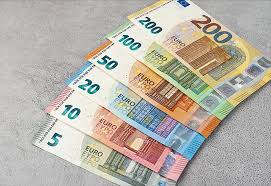
| Eurozone | Uses Euro as official currency |
| Non-Euro Europe | Uses local national currencies |
| Tourist-heavy zones | Cards widely accepted, cash still useful |
Always verify destination-specific currency before departure, especially in multi-country routes.
Best Money Strategy for Europe Trips
- Use multi-currency travel cards where possible.
- Carry moderate Euro cash for immediate expenses.
- Keep local cash for non-Euro countries in your route.
- Avoid converting large amounts at airports.
Card vs Cash in Europe
Card acceptance is high in most urban areas, but local transport, small cafés, and rural shops may still require cash in some countries. Use mixed payment strategy for flexibility.
Exchange and Fee Mistakes to Avoid
- Dynamic currency conversion at payment terminals.
- High-fee airport exchange counters.
- Unplanned ATM withdrawals with repeated charges.
- Ignoring card foreign transaction fees.
| Common Mistake | Better Option |
|---|---|
| Exchange everything at arrival airport | Use small starter exchange, top up in city |
| Pay in home currency on card machine | Select local currency at terminal |
| No fee comparison | Use low-fee cards and planned ATM usage |
Understanding Exchange Rate Fluctuations
Currency values across Europe can shift during your trip due to global market movements, so it helps to check indicative rates a few days before departure rather than relying on outdated figures. Rate comparison apps and bank websites usually offer a more accurate baseline than street-level estimates. For non-Euro countries such as Switzerland, Norway, and the Czech Republic, rate swings can be more noticeable over a multi-week trip, so tracking a rough conversion figure in your notes app makes daily budgeting far easier.
It is also worth understanding the difference between interbank rates and the rates offered to travelers. Banks and money changers add a margin to cover their costs, and this margin varies significantly between providers. Comparing two or three options, whether online providers, local banks, or in-country exchange counters, before committing to a large transaction can meaningfully improve your effective rate over the course of a trip.
How Much Cash to Carry
Carry enough for 1-2 days of essentials (transport, snacks, small fees), then rely on cards and controlled withdrawals. Split money across wallet and secure backup storage.
For broader international planning, check Currency Exchange Bali as a comparable travel-money framework and Best Time for Leh Ladakh Bike Trip for high-logistics travel mindset.
Currency Notes for Specific Popular Destinations
The United Kingdom uses the Pound Sterling, Switzerland uses the Swiss Franc, and Scandinavian countries such as Sweden, Norway, and Denmark each maintain their own Krona or Krone despite being part of the broader European Union framework. Eastern European countries including Poland, Hungary, Czech Republic, and Romania also retain national currencies, meaning a single Interrail-style trip through several of these regions can require juggling three or four different currencies within a couple of weeks. Researching each leg of a multi-country itinerary in advance, rather than assuming Euro acceptance everywhere, saves both money and last-minute stress at borders and train stations.
Final Takeaway
The currency of Europe is a mixed system, not a single-currency region. Plan by country, use card-plus-cash balance, and avoid high-fee exchange behavior. With a route-specific money plan, Europe travel becomes simpler and more cost-efficient.
Location
Frequently Asked Questions
Q1.What is the main currency used in Europe?
Q2.Do all European countries use the Euro?
Q3.Which countries use the Euro?
Q4.Should I exchange money before going to Europe?
Q5.Is it better to use ATMs or exchange counters in Europe?
Q6.Can I use credit cards everywhere in Europe?
Q7.How much cash should I carry in Europe?
Q8.How do I avoid bad currency conversion rates in Europe?
Recommended For You

Europe vs Asia Travel: Which Continent to Visit?
Compare Europe vs Asia travel: costs, safety, culture & experiences. Discover which continent suits your travel style better with this comprehensive comparison guide.

How Many Countries in Europe? Complete Guide 2026
How many countries in Europe? Complete guide to all 44 European countries, transcontinental nations, disputed territories, and why the number varies from 44 to 50.

Visa-Free Europe for Indians 2026: Entry Rules & Eligible Destinations
Updated 2026 guide to visa-free and easier-entry Europe options for Indian passport holders, including conditional waivers, e-visa routes, and document rules.
Never Miss an Adventure
Get the latest trekking guides, travel tips, and exclusive offers delivered straight to your inbox.
