
Karni Mata Temple Deshnoke: Rat Temple History, Timings & Rules

Rohan Malhotra
December 16, 2025
Visit Karni Mata Temple Deshnoke! Discover 25,000 sacred rats, opening timings, history, how to reach from Bikaner, and complete travel guide for this unique temple.
Introduction to Karni Mata Temple Deshnoke
Karni Mata Temple in Deshnoke, Rajasthan, stands as one of India's most fascinating and unusual religious sites. While Somnath Temple and other famous shrines draw devotees across India, this unique temple offers an entirely different spiritual experience. Famous for its 25,000 resident rats that roam freely within the temple precincts, this sacred shrine dedicated to Karni Mata, an incarnation of Goddess Durga, attracts thousands of devotees and curious visitors from around the world. Located just 30 km from Bikaner, the temple offers a unique spiritual experience that challenges conventional notions of religious sanctity.
The rats, known as "Kabbas" among devotees, are considered sacred and believed to be the reincarnated ancestors of the Charan clan, devotees of Karni Mata. Despite what might seem like an unusual scenario to outsiders, the temple maintains impeccable cleanliness, and devotees consider sighting the rats, especially the rare white ones, as auspicious blessings that bring good fortune.
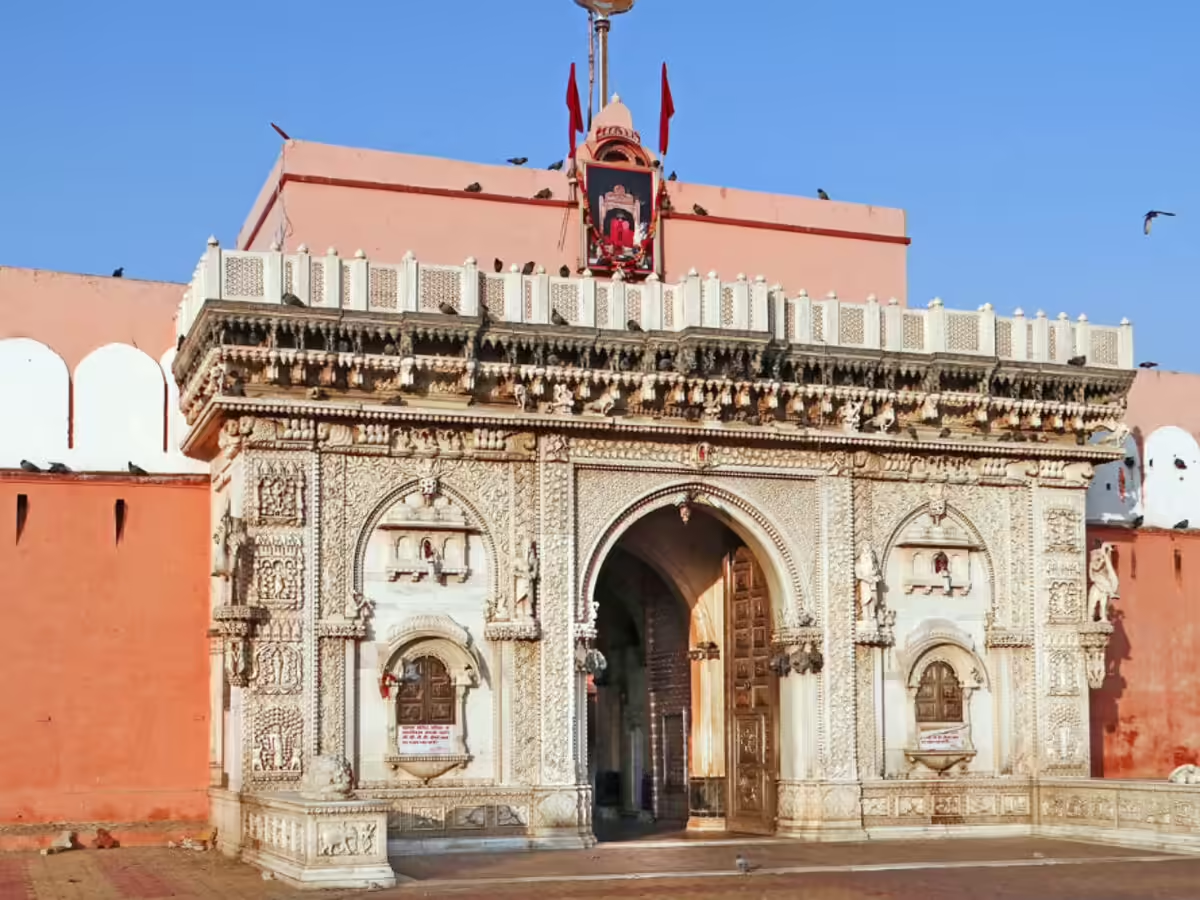
Built in the late 19th century and enhanced by Maharaja Ganga Singh of Bikaner, the temple features stunning architecture influenced by Mughal style, with beautiful marble carvings and silver doors. For travelers seeking offbeat experiences in Rajasthan, Karni Mata Temple provides a unique combination of spiritual devotion, cultural curiosity, and architectural beauty that cannot be found anywhere else in India.
Legend of Karni Mata and the Sacred Rats (Kabbas)
The story behind Karni Mata Temple and its resident rats is rooted in local mythology and oral traditions passed down through generations. Karni Mata, believed to be an incarnation of Goddess Durga, lived during the 14th century and performed many miracles during her lifetime. She dedicated her life to serving the poor and downtrodden, earning the devotion of the Charan community, a caste of bards and poets who traditionally served as warriors and protectors.
The Origin of Kabbas
According to legend, Karni Mata's stepson, Laxman, drowned in a pond while attempting to drink water. Karni Mata prayed to Yama, the god of death, to restore his life. Similar to how Jyotirlinga temples across India have their own legends of divine intervention, this story demonstrates the power of devotion. Yama refused, explaining that Laxman had already been reincarnated as a rat. Karni Mata then made a divine declaration that all her Charan devotees would be reincarnated as rats after death, and would eventually be born again as humans in her continued lineage.
This belief system created a unique cycle of rebirth where the rats (Kabbas) in the temple are considered the reincarnated ancestors of the Charan community. Devotees believe that when a Kabba dies naturally in the temple, it is reborn as a human in the community. This belief system explains the extraordinary care and respect shown to these temple residents.
The White Rat Significance
Among the thousands of black rats in the temple, there are said to be only four or five white rats, considered especially sacred as they are believed to be manifestations of Karni Mata herself and her family. Sighting a white rat is considered extremely auspicious and is believed to bring special blessings and good fortune.
These rare white rats are treated with particular reverence, and devotees who spot them often report their experience as deeply moving and spiritually significant. The white rats are said to appear only to those with pure hearts and sincere devotion, adding to their mystical appeal.
Religious Significance
The temple represents a unique form of devotion where the boundary between human and animal, ancestor and descendant, becomes blurred. The Charan community believes that caring for these Kabbas is equivalent to caring for their own ancestors. This belief system creates an atmosphere of reverence and respect that might seem paradoxical to those unfamiliar with the tradition.
Scientific studies have noted that despite thousands of rats living in close proximity to humans, there has never been a recorded case of plague or rat-borne disease originating from the temple. This unusual fact has only added to the temple's mystical reputation, though the more practical explanation involves the temple's strict cleanliness protocols and the rats' relatively protected environment.
Temple Architecture and Design
Beyond its famous residents, Karni Mata Temple deserves appreciation for its stunning architectural beauty. The current structure was completed in its full form in the early 20th century by Maharaja Ganga Singh of Bikaner, though the original shrine dates back much earlier.
Mughal-Influenced Design
The temple features an interesting blend of Rajputana and Mughal architectural styles, creating a unique aesthetic that sets it apart from other temples in Rajasthan. The facade features intricate marble carvings with detailed patterns and designs that showcase exceptional craftsmanship. The temple's entrance is particularly striking, with beautifully carved silver doors donated by Maharaja Ganga Singh.
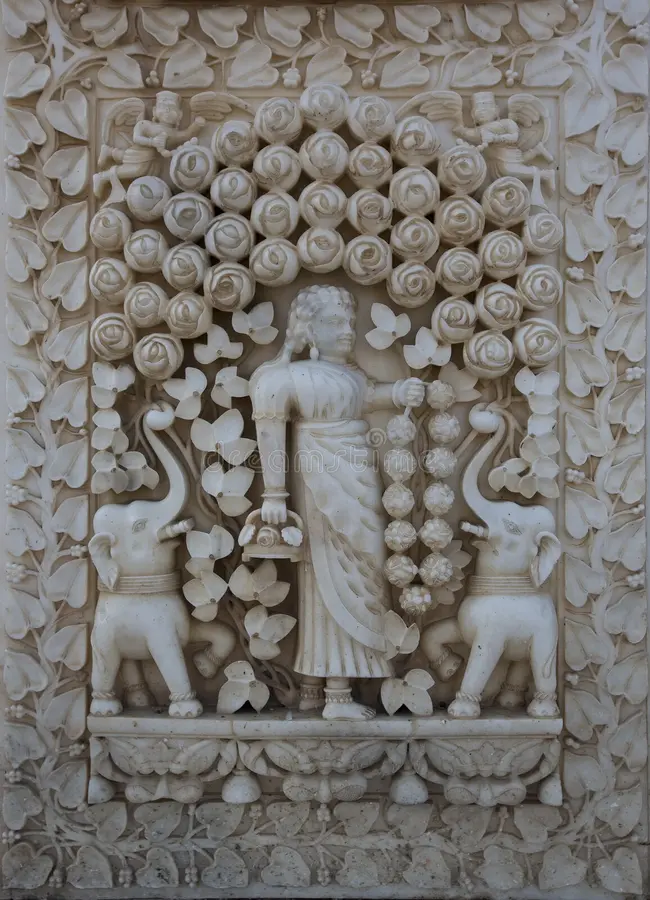
The main hall features marble panels with depictions of various deities and scenes from Hindu mythology. The pillars supporting the structure are ornately carved with geometric patterns, floral motifs, and figurative work. The sanctum sanctorum, where Karni Mata's idol resides, is adorned with gold and silver decorations.
Temple Layout
The temple complex is built around a central courtyard where the rats move freely. Different sections of the temple serve specific purposes - the main sanctum houses Karni Mata's idol, side shrines are dedicated to other deities, and the outer courtyards provide space for devotees to circumambulate and offer prayers.
The temple's design facilitates free movement of rats while maintaining cleanliness. Feeding areas are designated where devotees offer food to the Kabbas. The layout ensures harmony between human devotees and their rat ancestors, both of whom share the sacred space.
Intricate Details
Close observation reveals remarkable architectural details. The walls feature relief carvings depicting scenes from Karni Mata's life. Silver and gold decorations adorn various sections, reflecting the patronage the temple has received from Rajasthan's rulers. The temple's Kund (water tank) adds to the architectural ensemble and serves ritual purposes.
The contrast between the temple's refined architecture and its unusual inhabitants creates a unique visual experience that stays with visitors long after they leave. The combination of ornate beauty and wild nature represents a philosophy where all forms of life are respected and revered.
Karni Mata Temple Timings and Aarti Schedule
Planning your visit around the temple's schedule ensures you witness rituals and have the best experience observing both the temple and its sacred residents.
General Timings
Opening Time: 4:00 AM
Closing Time: 10:00 PM
Open Days: All days of the week
Best Time to Visit: Early morning (5-7 AM) or evening (5-7 PM) when rats are most active and the temple is less crowded
Aarti Schedule
Mangla Aarti: 4:00 AM - 5:00 AM (Early morning ritual)
Shringar Aarti: 6:00 AM - 7:00 AM (Decoration ceremony)
Sandhya Aarti: 7:00 PM - 8:00 PM (Evening prayers)
Shayan Aarti: 9:00 PM - 10:00 PM (Bedtime ritual)
Feeding Times
The Kabbas are most active during feeding times, which occur after each aarti. Devotees bring offerings of milk, sweets, and grain which are placed in designated areas. The sight of hundreds of rats gathering for food is both remarkable and, for many, unexpectedly moving.
Morning feeding (after 5 AM aarti) is particularly active as rats emerge after their nocturnal rest. Evening feeding (after 7 PM aarti) provides good viewing opportunities as rats prepare for their night activity.
Special Days
Karni Mata Fair: Held twice a year in March-April and September-October, the fair sees the temple decorated elaborately and special rituals performed. Expect large crowds during these periods.
Navratri: The nine-day festival dedicated to Goddess Durga sees special celebrations as Karni Mata is considered an incarnation of Durga. The temple sees increased footfall during this time.
Festival Days: Major Hindu festivals see enhanced decorations and special rituals. Diwali and Holi are particularly vibrant times to visit.
Best Time to Visit Karni Mata Temple
Rajasthan's extreme climate means choosing the right season significantly impacts your temple experience.
Winter Season (October - March) ⭐ Highly Recommended
Weather: Pleasant daytime temperatures (15-25°C), cold nights
Comfort Level: 9/10 - Ideal for exploring
Crowd Level: Moderate
Special Experience: Navratri festivals often fall in this period
Winter offers the most comfortable conditions for exploring Deshnoke and the temple. Daytime temperatures are pleasant for walking around barefoot (required inside the temple). The nights can be quite cold, so carry warm clothing for early morning or evening visits.
Summer Season (April - June)
Weather: Extremely hot (35-45°C)
Comfort Level: 4/10 - Challenging for outsiders
Crowd Level: Lower
Special Consideration: Temple floor becomes very hot, difficult for barefoot walking
Summer temperatures in Rajasthan can be extreme, making daytime visits challenging, especially when you must walk barefoot on hot marble floors. Early morning visits (5-6 AM) are essential during summer to avoid the worst heat.
Monsoon Season (July - September)
Weather: Hot and humid with occasional rain
Comfort Level: 6/10 - Manageable
Crowd Level: Lower
Special Experience: Green surroundings, occasional Karni Mata Fair
Monsoon brings relief from the scorching heat but also humidity. The occasional rain cools temperatures significantly. The September Karni Mata Fair often falls during this period.
Time of Day
Early morning visits (5-7 AM) offer the best experience - rats are most active after their morning feeding, the temple is less crowded, and temperatures are pleasant. Afternoon visits (12-4 PM) can be challenging due to heat and fewer rats visible. Evening visits (5-7 PM) provide another good window as rats become active again and aarti ceremonies create a spiritual atmosphere.
How to Reach Karni Mata Temple from Bikaner
The temple's proximity to Bikaner makes it an easy day trip or part of a broader Rajasthan itinerary.
From Bikaner City
Distance: 30 km
Travel Time: 45 minutes - 1 hour
Route: Bikaner - NH 11 - Deshnoke
Road Condition: Good, well-maintained highway
Transport Options
Private Taxi: ₹800-1,200 for round trip from Bikaner. Most convenient option, allows flexibility with timing. Taxis can be hired through hotels or tour operators in Bikaner.
Auto-rickshaw: ₹400-600 for round trip. More economical but less comfortable, especially in summer heat or winter cold. Good for budget travelers.
Bus: Rajasthan Roadways operates regular buses between Bikaner and Deshnoke. Fare: ₹20-30 per person. Frequency: Every 30-60 minutes. Bus stand is 1 km from the temple, requiring a short walk or auto ride.
Train: Some trains stop at Deshnoke railway station (2 km from temple). Check current schedules as not all trains stop here. Auto-rickshaw from station to temple: ₹50.
From Other Cities
From Jaipur: 330 km, 5-6 hours via NH 52 and NH 11. Can combine with Jaipur-Bikaner-Jaisalmer circuit.
From Jodhpur: 250 km, 4-5 hours via NH 11. Good for combining with other Rajasthan destinations.
From Delhi: 470 km, 8-9 hours via NH 48 and NH 52. Long drive but feasible in a day.
Nearest Airport
Jodhpur Airport (250 km) is the closest major airport with good connectivity. Jaipur Airport (330 km) offers more flight options. Bikaner has a small airport with limited commercial flights.
Rules and Etiquette for Visitors
Visiting Karni Mata Temple requires following specific guidelines that respect both religious traditions and practical considerations of sharing space with 25,000 rats.
Footwear Policy
Visitors must remove shoes before entering the temple, as per Hindu temple tradition. The temple floor can be hot during summer and cold during winter, so time your visit accordingly. Socks are permitted but can be slippery on marble floors. Footwear storage is available at the entrance for a small fee (₹5-10).
Interacting with Kabbas
Do: Walk carefully to avoid stepping on rats. Watch where you place your feet, especially in dim lighting. Move slowly and deliberately through the temple. If you accidentally step on a rat, inform temple priests immediately - there are rituals for atonement.
Don't: Never intentionally harm or tease the rats. Don't try to pick them up or touch them unnecessarily. Don't feed them anything except what's designated as offerings. Don't use flash photography that might startle them.
Dress Code
Modest dress is appreciated, though not strictly enforced. Shoulders and knees should be covered as a sign of respect. Avoid short shorts, sleeveless tops, or revealing clothing. Traditional Indian wear is ideal but not required. Remember you'll be walking barefoot, so consider this when choosing clothing length.
Photography Guidelines
Photography is permitted in most areas of the temple complex. Avoid flash photography, especially near the rats. Don't block pathways or crowds while taking photos. Be respectful when photographing devotees in prayer - ask permission first. Photography may be restricted in the sanctum area - check with temple authorities.
Offerings Protocol
Devotees bring offerings of milk, sweets (especially ladoos), and grain for the Kabbas. Offerings can be purchased at the temple entrance. Place offerings only in designated areas. Follow the instructions of temple priests regarding when and where to make offerings. Don't bring outside food - the temple provides specific food for the rats.
Hygiene and Cleanliness
Despite thousands of rats, the temple maintains excellent hygiene standards. Don't bring food inside except designated offerings. Use hand sanitizer before and after your visit. The temple provides water for washing feet before entry. Don't litter - use designated bins for any waste.
Respect for Devotees
Many visitors are sincere devotees engaged in worship. Maintain quiet and respectful behavior. Don't interrupt rituals or ceremonies. Avoid loud conversations or laughter. Don't mock beliefs or practices, even if they seem unusual. Remember that for devotees, these are sacred ancestors deserving of respect.
Nearby Attractions in Bikaner
Combine your temple visit with Bikaner's other attractions to make a full day of sightseeing in this historic Rajasthan city.
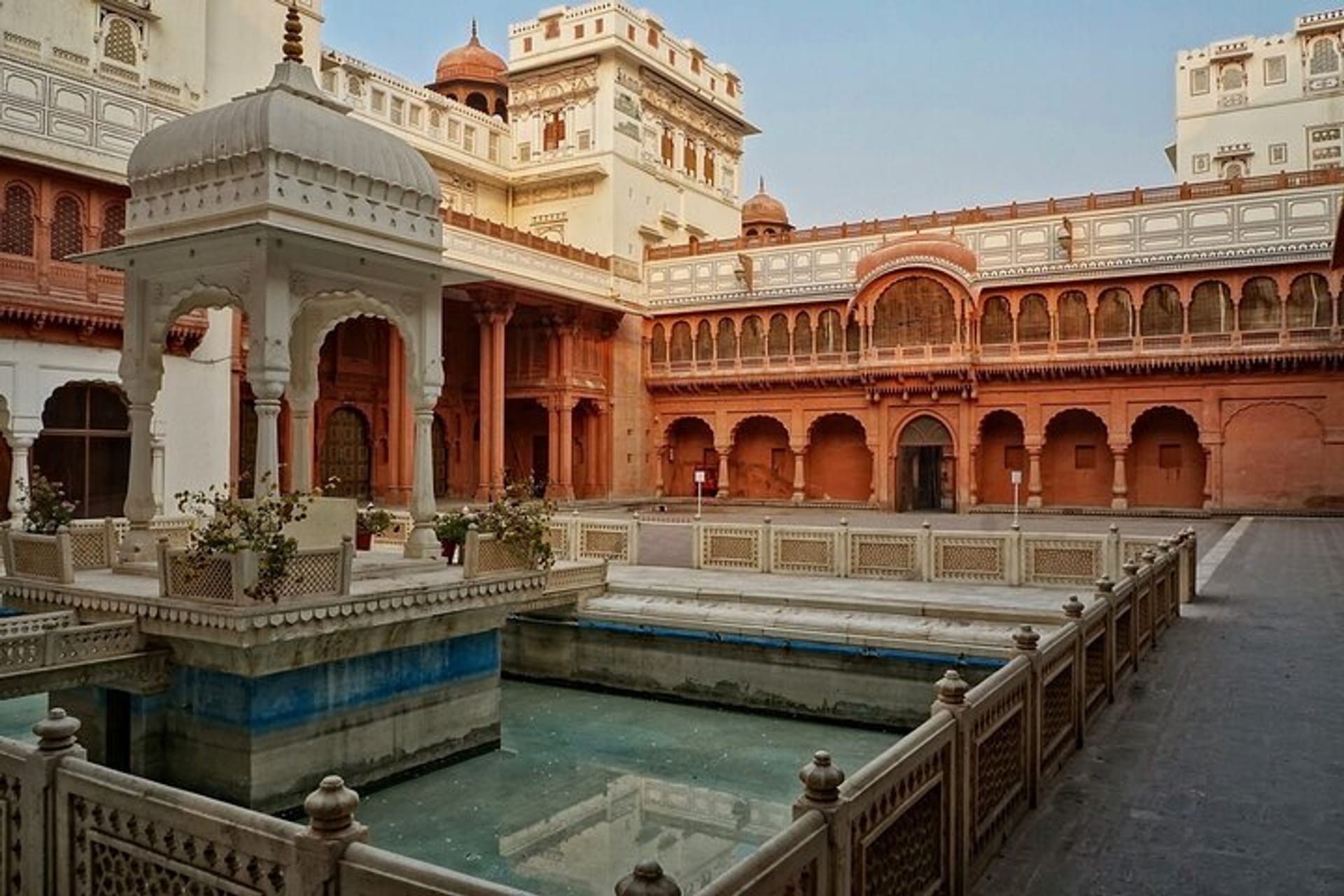
Junagarh Fort
Built in 1594 AD, Junagarh Fort is one of Rajasthan's most impressive forts, having never been conquered. If you enjoy exploring historical forts, you might also be interested in Agra Fort, another magnificent structure from India's rich history. The fort complex includes beautiful palaces, temples, and pavilions showcasing stunning Rajput architecture. The Anup Mahal with its gold leaf paintings and the Karan Mahal with its elegant mirror work are highlights. Distance from Karni Mata Temple: 30 km (in Bikaner city).
National Research Centre on Camel
Bikaner is famous for its camels, and this research center offers insights into camel breeding and research. Visitors can see different camel breeds and learn about the "ship of the desert." The center also offers camel rides. A unique experience, especially for children. Distance: 20 km from Deshnoke.
Ganga Golden Jubilee Museum
This museum houses an impressive collection of terracotta ware, weapons, miniatures, and coins from Bikaner's royal past. The artwork and artifacts provide excellent context for understanding the region's history. Distance: 28 km in Bikaner city.
Bhandasar Jain Temple
Dedicated to the 5th Tirthankara, this beautiful Jain temple features pure gold leaf work and paintings depicting Jain beliefs. For those interested in exploring more Jain temples, Dilwara Temples in Mount Abu are another architectural marvel worth visiting. The temple's distinctive red sandstone architecture and mirror work make it worth visiting. Distance: 28 km in Bikaner city.
Sadul Singh Museum
Located within the Lalgarh Palace, this museum displays memorabilia of the former Maharaja of Bikaner. The palace itself is an architectural gem combining Rajput, Mughal, and European styles. Distance: 29 km in Bikaner city.
Kote Gate
The main entrance to the old city of Bikaner, Kote Gate is a historic landmark separating the old and new cities. The market area around Kote Gate offers excellent shopping for local handicrafts, snacks, and traditional items. Distance: 28 km in Bikaner city.
Accommodation Options Near Deshnoke
While many visitors stay in Bikaner and visit as a day trip, options exist for those wishing to stay closer to the temple.
Hotels in Deshnoke
Basic guesthouses and budget hotels are available in Deshnoke town. Facilities are simple but adequate. Most rooms cost between ₹800-1,500 per night. Options are limited compared to Bikaner. Book in advance during festival periods. Staying in Deshnoke allows for early morning temple visits without travel from Bikaner.
Hotels in Bikaner
Bikaner offers a wider range of accommodation options to suit all budgets.
Luxury (₹4,000-8,000 per night): Heritage properties like Lallgarh Palace and Narendra Bhawan offer royal experiences with modern amenities. Excellent for those seeking luxury and historical atmosphere.
Mid-range (₹2,000-4,000 per night): Comfortable hotels like Hotel Chirag, Hotel Vedic, and The Laxmi Niwas Palace offer good facilities at reasonable prices. Most have restaurants serving local and international cuisine.
Budget (₹800-2,000 per night): Guesthouses and budget hotels provide basic, clean accommodations. Hotel Bhairon Vilas and Hotel Padmini Palace are popular options. Good for backpackers and budget travelers.
Experience Stays
Some heritage properties offer traditional Rajasthani experiences with folk performances, traditional meals, and cultural programs. These cost more but provide immersive cultural experiences. Check for packages that include temple visits and sightseeing.
Travel Tips for First-Time Visitors
Visiting Karni Mata Temple requires some preparation to ensure a comfortable and meaningful experience.
For Those Uncomfortable Around Rats
It's completely normal to feel apprehensive about being in close proximity to thousands of rats. However, most visitors report that the experience is far less intimidating than expected. The rats generally ignore visitors and focus on food and their own activities. Stay calm and move deliberately - sudden movements might startle them. Consider visiting during less crowded times when you can move at your own pace. Many visitors report that their initial apprehension transforms into fascination and even respect for these unique temple residents.
Photography Tips
Early morning light provides the best natural lighting. Avoid flash - it disturbs both rats and devotees. Use zoom lenses rather than getting too close to rats. Be patient - waiting quietly often yields the best shots. Focus on the contrast between ornate temple architecture and humble rats. Capture devotees' interactions with Kabbas (respectfully and with permission).
Health Considerations
Despite concerns, there are no recorded cases of disease transmission from the temple rats. The temple's cleanliness protocols are excellent. Still, practice basic hygiene - wash hands thoroughly after your visit. Use hand sanitizer. Don't touch your face while in the temple. If you have open wounds, cover them before entering.
Combining with Other Rajasthan Destinations
Karni Mata Temple fits well into a Rajasthan itinerary. Popular combinations include:
Jaipur - Bikaner - Jaisalmer Circuit: Classic Rajasthan route covering the state's highlights. Dedicate 1 day in Bikaner for the temple and city sights.
Jodhpur - Bikaner - Jaipur Triangle: Covers Rajasthan's major cities. Good for 5-7 day itineraries.
Desert Circuit: Combine with Jaisalmer's desert camps and Jodhpur's forts for a varied experience of Rajasthan's attractions.
Budget Planning
Entrance to the temple is free, but budget for:
- Transport from Bikaner: ₹400-1,200 depending on vehicle type
- Offerings: ₹50-200 if you wish to make offerings
- Footwear storage: ₹5-10
- Photography: Free (but be respectful)
- Food: ₹100-300 for a meal in Deshnoke or Bikaner
Best Time of Year for Specific Experiences
For White Rat Sightings: Any time, but devotees report auspicious days (full moon, festivals) increase chances.
For Cultural Experience: Visit during Karni Mata Fair (March-April or September-October) or Navratri festival.
For Comfortable Weather: October to March offers the most pleasant conditions.
For Fewer Crowds: Avoid weekends and festival periods if you prefer a quieter experience.
Understanding the Significance
Beyond its novelty value, Karni Mata Temple represents something profound about Indian spirituality and the relationship between humans and animals in Hindu philosophy. The rats at Karni Mata Temple are not pests or vermin - they are ancestors, family members, and sacred beings deserving of care, respect, and reverence.
This belief system challenges modern notions of human-animal relationships and reminds visitors that different cultures have different ways of understanding our connection to other species. For the Charan community, the Kabbas represent continuity of lineage and the promise of rebirth.
Visiting Karni Mata Temple offers more than just a unique photo opportunity or travel story. It provides a window into a belief system that sees divinity in all forms of life, that respects ancestors across species boundaries, and that maintains traditions despite changing times and outside curiosity.
Whether you approach the visit as a spiritual seeker, cultural enthusiast, or curious traveler, Karni Mata Temple Deshnoke promises an experience that challenges assumptions, expands understanding, and stays with you long after you've left Rajasthan's deserts.
Location
Frequently Asked Questions
Q1.Why are there rats in Karni Mata Temple?
Q2.What are the timings of Karni Mata Temple?
Q3.How do I reach Karni Mata Temple from Bikaner?
Q4.What happens if you accidentally kill a rat in Karni Mata Temple?
Q5.Is it safe to visit Karni Mata Temple?
Q6.What is the history of Karni Mata Temple?
Q7.Are there white rats in Karni Mata Temple?
Q8.What is the best time to visit Karni Mata Temple?
Recommended For You
Best Places to Visit Rajasthan: Top 20 Destinations
Explore the best places to visit Rajasthan, India's royal state. Discover Jaipur's pink forts, Udaipur's romantic lakes, Jodhpur's blue streets, and Jaisalmer's golden desert with this comprehensive guide.
Best Festivals of Rajasthan: Month-Wise Calendar & Cultural Highlights
Discover Rajasthan festivals with month-wise planning, cultural context, and practical travel tips for better event-focused routes.
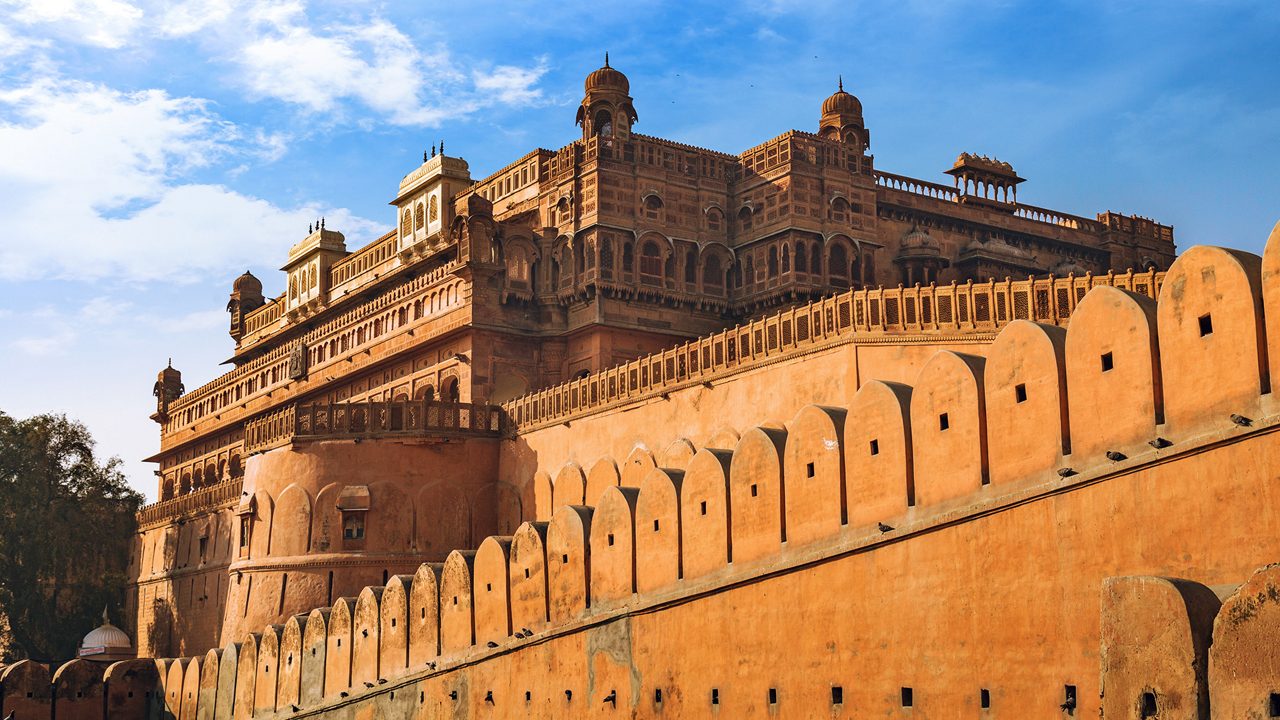
Junagarh Fort Bikaner: Entry Fee, Timings & Palace Highlights
Explore Junagarh Fort Bikaner! Discover timings, entry fee, history, museum, architecture & complete travel guide to this unconquered fort.
Never Miss an Adventure
Get the latest trekking guides, travel tips, and exclusive offers delivered straight to your inbox.
