
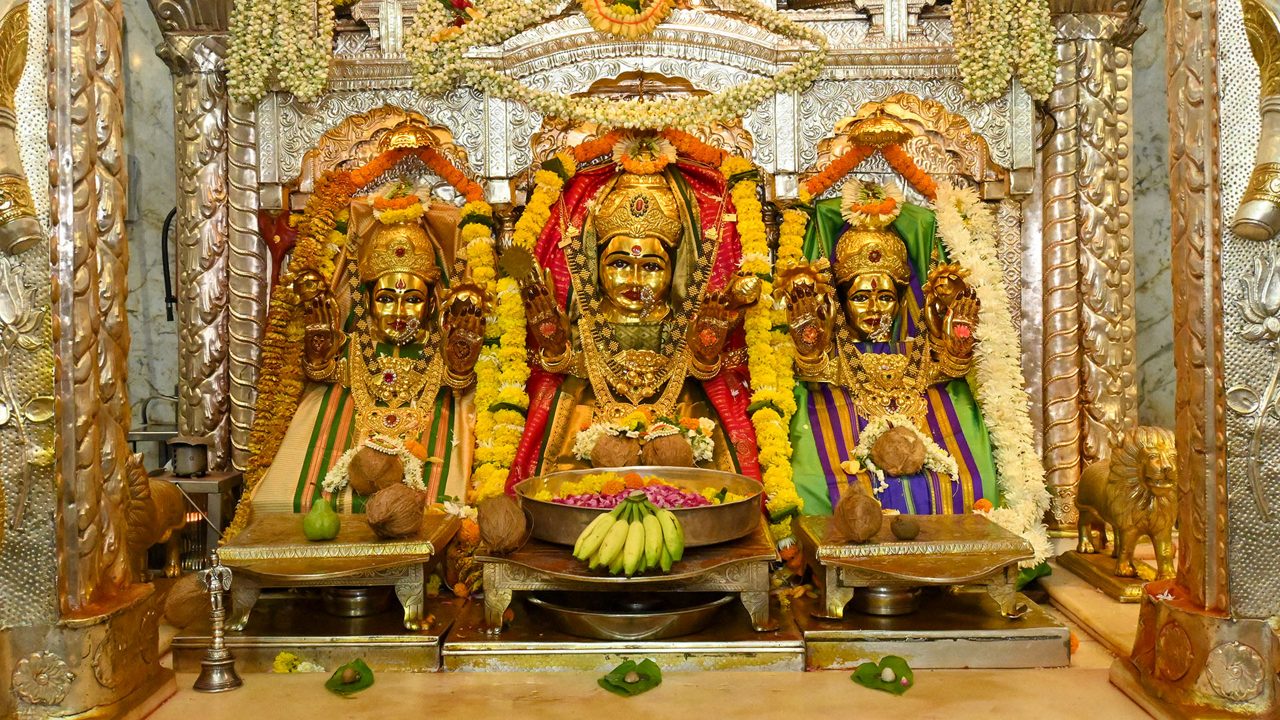
Mahalakshmi Temple Mumbai: Timings, Darshan & Nearby Attractions

Rahul Garg
February 18, 2026
Complete guide to Mahalaxmi Temple Mumbai: timings, aarti schedule, history, address, how to reach, and visiting information for this famous Mumbai temple.
Mumbai's Beloved Temple of Goddess Lakshmi
Perched on the bustling streets of Mumbai, overlooking the Arabian Sea, stands the magnificent Mahalakshmi Temple - one of the city's most revered and ancient shrines. Dedicated to Goddess Mahalakshmi, the Hindu deity of wealth, prosperity, and fortune, this temple has been a beacon of faith for millions of devotees for nearly two centuries. The temple's prime location on Bhulabhai Desai Road in Mahalaxmi (West) makes it easily accessible, yet its spiritual ambiance transports visitors to a realm of divine peace amidst the chaotic energy of India's financial capital.
The Mahalakshmi Temple is not just a place of worship; it's an integral part of Mumbai's cultural and spiritual fabric. From successful businessmen seeking blessings for their ventures to common devotees praying for family well-being, the temple welcomes all with open arms. The goddess is believed to be particularly benevolent to her devotees, and countless testimonials of fulfilled wishes have cemented the temple's reputation as a powerful spiritual destination.
What makes this temple truly special is its unique combination of historical significance, architectural beauty, and vibrant religious atmosphere. Whether you're a devotee seeking blessings, a history enthusiast, or a traveler exploring Mumbai's spiritual landscape, the Mahalakshmi Temple offers an experience that is both spiritually uplifting and culturally enriching.
History and Legend
The Temple's Origin Story
The Mahalakshmi Temple has a fascinating history that dates back to 1831. The story of its construction is intertwined with the development of modern Mumbai. The temple was built by Dhakji Dadaji, a devoted Hindu merchant, following a divine intervention that would change the course of Mumbai's history.
According to popular legend, the British engineer responsible for constructing the Worli sea face (then known as the Hornby Vellard) faced immense challenges. The sea wall would collapse repeatedly despite multiple attempts, causing enormous financial loss and frustration. The project seemed doomed to failure, and the British authorities were at their wit's end.
The Divine Dream
It was during this crisis that the engineer had a dream in which Goddess Mahalakshmi appeared to him and instructed him to build a temple dedicated to her at the present location. She assured him that once the temple was built, the sea wall would stand firm. Acting on this divine guidance, the engineer shared his dream with his Hindu workers, who confirmed the significance of the location.
A temple was constructed at the site, and miraculously, the sea wall project was successfully completed. The temple's construction marked a turning point in Mumbai's development, enabling the reclamation of land from the sea and setting the stage for the city's expansion. This legend continues to be told to this day, reinforcing the belief in the goddess's power and benevolence.
Evolution and Expansion
What started as a modest shrine has grown over the years into the grand temple complex we see today. The temple has undergone several renovations and expansions, with various wealthy devotees contributing to its development. The current structure is the result of the collective devotion and generosity of countless devotees over nearly two centuries.
The temple has witnessed Mumbai's transformation from a cluster of islands into a bustling metropolis. It has stood silently through historical events, natural calamities, and the city's rapid modernization, remaining a constant source of spiritual strength for Mumbaikars. The temple trustees have worked diligently to preserve its heritage while making necessary improvements to accommodate the growing number of devotees.
Cultural Significance
The temple holds a special place in Mumbai's history and culture. It has been visited by numerous prominent personalities, including political leaders, business tycoons, and celebrities. The temple's association with Mumbai's success story - the legend of the sea wall - has made it a symbol of the city itself: resilient, determined, and blessed by divine grace.

Temple Architecture
Architectural Style
The Mahalakshmi Temple showcases the classic North Indian style of temple architecture. The structure is built from stone and features the distinctive elements characteristic of Hindu temple design. The temple's facade is adorned with intricate carvings and sculptures that depict various deities, mythological scenes, and decorative motifs.
The temple complex is well-maintained, with clean premises and organized spaces for devotees. The main entrance features a beautifully decorated gateway that welcomes visitors into the sacred space. The temple's white exterior gleams in the Mumbai sunlight, creating a striking visual impression against the backdrop of the busy city streets and the Arabian Sea.
The Three Shrines
One of the unique features of this temple is that it houses three separate shrines dedicated to three forms of the Divine Goddess - Mahalakshmi, Mahakali, and Mahasaraswati. This trinity of goddesses represents wealth, power, and knowledge respectively, highlighting the belief that all these qualities are manifestations of the same divine feminine energy.
The central shrine is dedicated to Goddess Mahalakshmi, adorned with beautiful jewelry and flowers. The idol of the goddess is exquisitely carved and radiates a sense of divine presence. Devotees offer prayers and perform rituals with deep devotion, believing that the goddess listens to their prayers and grants their wishes.
Interior Design
The interior of the temple is equally impressive, with ornate decorations and a sacred atmosphere that immediately puts visitors at peace. The sanctum sanctorum (garbhagriha) is designed to create an intimate space for devotion, where devotees can have a close darshan (view) of the deity. The pillars supporting the temple structure are decorated with carvings, and the ceiling features traditional paintings and designs.
The temple's lighting is designed to enhance the spiritual ambiance, with diyas (oil lamps) and chandeliers creating a warm, divine glow. During festivals and special occasions, the temple is elaborately decorated with flowers, lights, and festive ornaments, transforming it into a spectacular sight.
Temple Complex
The temple complex includes a spacious courtyard where devotees can circumambulate the main shrine, a practice known as pradakshina. The complex also houses areas for various rituals, a space for devotees to sit and meditate, and facilities for storing footwear. The temple management has made efforts to ensure visitor comfort, with proper seating arrangements for elderly devotees and organized queues for darshan.

Deities and Worship
The Three Goddesses
The Mahalakshmi Temple is unique in its dedication to the Tridevi - the three primary goddesses of Hinduism. Each goddess represents a fundamental aspect of existence:
Goddess Mahalakshmi: The presiding deity, she is the goddess of wealth, prosperity, and fortune. She is believed to bless her devotees with material abundance and spiritual wealth. Her presence is invoked by business people, traders, and anyone seeking success and prosperity in their endeavors.
Goddess Mahakali: The fierce form of the Divine Mother, she represents power, time, and transformation. She is the destroyer of evil and protector of devotees. Worship of Mahakali is believed to grant strength, courage, and protection from negative forces.
Goddess Mahasaraswati: The goddess of knowledge, wisdom, arts, and learning. She is worshipped by students, artists, and scholars seeking intellectual growth and creative inspiration. She represents the refinement of consciousness and the pursuit of truth.
Daily Worship Rituals
The temple follows a strict schedule of daily rituals (nitya puja) that are performed with great precision and devotion. The day begins early in the morning with the morning aarti (ritual of light), known as the Mangala Aarti, which is performed to awaken the deity and seek blessings for the day ahead.
Throughout the day, several pujas and abhishekams (ritual bathing of the deity) are conducted. The main deity is offered various items including milk, honey, curd, ghee, sugar, and water, each representing different aspects of devotion and purification. The priests perform these rituals while chanting Vedic mantras, creating a powerful spiritual atmosphere.
Special Offerings
Devotees can make various offerings to the goddess, which are then distributed as prasad (blessed food). Common offerings include:
- Flowers: Marigolds, roses, and lotus flowers are particularly favored
- Coconuts: Symbolizing completeness and purity
- Sweets: Laddoos, peda, and other traditional Indian sweets
- Red cloth: Often offered to the goddess
- Kumkum and turmeric: Used in worship and applied to the deity
Devotees also offer red bangles (chudiya) and sarees to the goddess, particularly during festivals. The temple accepts donations for various religious activities and for the maintenance of the temple premises.
Festival Celebrations
The temple comes alive during major Hindu festivals, with Navratri being the most elaborate celebration. During these nine nights dedicated to the Divine Mother, the temple is beautifully decorated, and special pujas are conducted. Devotees fast, participate in kirtan (devotional singing), and maintain night vigils.
Diwali, the festival of lights, is another major celebration at the temple. The entire complex is illuminated with thousands of diyas and decorative lights, creating a mesmerizing spectacle. Lakshmi Puja is performed with great fervor on Diwali, as devotees seek the goddess's blessings for wealth and prosperity in the coming year.
Fridays are considered particularly auspicious for Goddess Mahalakshmi, and the temple sees a significantly larger number of devotees on this day. The temple also celebrates various other festivals including Varalakshmi Vrat, which is observed by married women for the well-being and longevity of their husbands.

Darshan Timings & Aarti
Daily Schedule
The temple follows a consistent schedule that allows devotees to plan their visit according to their convenience. The temple opens early in the morning and remains open until late at night, with specific timings for various rituals.
| Time | Ritual | Description |
|---|---|---|
| 6:00 AM | Temple Opens | Morning darshan begins |
| 6:30 AM | Morning Aarti | First aarti of the day (Mangala Aarti) |
| 8:00 AM - 12:00 PM | Morning Puja | Special pujas and abhishekam |
| 12:00 PM | Midday Aarti | Raj Bhog Aarti (afternoon offering) |
| 12:30 PM - 7:00 PM | Evening Darshan | Relatively less crowded time |
| 7:30 PM | Evening Aarti | Shayan Aarti (main evening aarti) |
| 10:00 PM | Temple Closes | Final arati and closure |
Aarti Timings
The temple performs five main aartis throughout the day, each with its own significance. The morning aarti (Mangala Aarti) at 6:30 AM is considered particularly auspicious for starting the day with divine blessings. The Shayan Aarti at 7:30 PM is the most popular, with large numbers of devotees gathering to participate.
The aarti ceremony involves the waving of lighted lamps before the deity while devotional songs are sung. The rhythmic chanting of mantras and the sound of bells create a spiritually charged atmosphere. Devotees often receive the aarti flame's warmth and seek blessings by placing their hands over it and then touching their eyes.
Special Days and Extended Hours
On festival days, especially during Navratri and Diwali, the temple remains open longer, sometimes until midnight. Special aartis and pujas are conducted throughout the day, and the temple atmosphere is particularly vibrant. During these times, the waiting time for darshan can be longer, but the spiritual experience is equally enhanced.
Fridays being auspicious days for Goddess Lakshmi, the temple witnesses maximum footfall. Devotees should plan accordingly and be prepared for longer queues on Fridays and during festivals. The temple management makes special arrangements during these peak periods to ensure smooth flow and maintain order.
Abhishekam and Special Pujas
Devotees can book special abhishekam (ritual bathing) ceremonies for the deity, which are performed at specific times during the day. These special pujas include the Sahasranamarchana (chanting of 1008 names of the goddess) and various other homams (sacred fire rituals). Bookings for these special pujas can be made at the temple office.
The temple also conducts various religious ceremonies on behalf of devotees for special occasions such as birthdays, anniversaries, or to mark important milestones. These ceremonies can be booked in advance, and the temple provides all necessary arrangements.

How to Reach
By Train
The temple is conveniently located near the Mahalaxmi railway station on the Western Line of Mumbai's local train network. This is the most convenient way to reach the temple for most Mumbaikars. From Churchgate, the temple is just 4 kilometers away, and local trains to Mahalaxmi station are frequent and easily available.
Once you exit Mahalaxmi station, the temple is a short walk away (approximately 5-10 minutes). The route is well-marked, and auto-rickshaws are also available from the station to the temple for those who prefer not to walk, especially during hot weather or with elderly family members.
By Metro
The Mumbai Metro network has made commuting even more convenient. The nearest metro station to the temple is the Mahalaxmi metro station on Line 2A (Dahisar to Bandra). The metro offers a comfortable and air-conditioned alternative to local trains, especially during peak hours.
From the metro station, the temple is easily accessible by auto-rickshaw or a short walk. The metro connectivity has made the temple more accessible from areas like Borivali, Andheri, and Dahisar, reducing travel time significantly.
By Road
The temple is located on Bhulabhai Desai Road, which is a major arterial road in South Mumbai. Taxis, auto-rickshaws, and app-based cab services are readily available from all parts of Mumbai. The temple's central location makes it easily accessible by road.
For those driving, parking is available though limited, especially during peak hours and festival days. The temple has its own parking area, but it can get full quickly. Street parking in the vicinity is also an option, though finding a spot can be challenging during busy times.
| Location | Distance | Travel Time |
|---|---|---|
| Churchgate | ~4 km | ~15 minutes |
| Bandra | ~10 km | ~30 minutes |
| Andheri | ~18 km | ~50 minutes |
| Colaba | ~8 km | ~25 minutes |
From South Mumbai
For visitors coming from Colaba, Nariman Point, or Churchgate, the temple is easily accessible via taxi or local train. The drive along Marine Drive and then through Peddar Road offers scenic views of the city and is quite pleasant, especially early in the morning or late evening.
Foot Over Bridge
A foot over bridge near the temple provides easy access for pedestrians, allowing safe crossing of the busy road. This is particularly useful for devotees coming from the railway station side. The bridge is well-maintained and offers good views of the surrounding area.

Nearby Attractions
Haji Ali Dargah
Just a short distance from the Mahalakshmi Temple is the famous Haji Ali Dargah, a revered Islamic shrine. This beautiful monument, built on a small islet in the Arabian Sea, is accessible via a causeway during low tide. The proximity of these two important religious sites - a Hindu temple and a Muslim dargah - exemplifies Mumbai's harmonious religious diversity. Visitors often plan to visit both places in a single trip.
Worli Sea Face
The scenic Worli Sea Face is just a few minutes away from the temple. This waterfront promenade offers stunning views of the Arabian Sea and is a popular spot for evening walks. The sea breeze and the sound of waves crashing against the rocks provide a refreshing break from the city's hustle and bustle.
Siddhivinayak Temple
The Siddhivinayak Temple in Dadar is another famous temple in Mumbai, dedicated to Lord Ganesha. Located approximately 4 kilometers from the Mahalakshmi Temple, it can be easily combined with a temple tour of Mumbai. The Siddhivinayak Temple is known for fulfilling the wishes of devotees and attracts thousands of visitors daily.
ISKCON Temple Mumbai
The ISKCON Temple in Juhu is another spiritual destination that visitors might consider. While a bit farther away, this beautiful temple dedicated to Lord Krishna offers a different spiritual experience and is known for its beautiful architecture and spiritual programs.
Mahalaxmi Racecourse
The Mahalaxmi Racecourse, one of Mumbai's historic landmarks, is located nearby. Horse racing enthusiasts might enjoy visiting this venue, especially during racing season. Even if you're not interested in racing, the colonial-era architecture of the stand is worth admiring.
Pedder Road and Breach Candy
The upscale neighborhoods of Pedder Road and Breach Candy are near the temple, offering shopping and dining experiences. Several restaurants and cafes in the area serve a variety of cuisines, allowing visitors to combine their temple visit with a culinary exploration of Mumbai.

Visitor Tips
When visiting the Mahalakshmi Temple, dress modestly and respectfully. Traditional Indian attire or modest western clothing is recommended. Remove footwear before entering the temple premises. The temple has a designated area for shoe storage, which is usually free of charge, though donations are accepted.
Weekdays and early mornings are less crowded, making for a peaceful darshan experience. If you prefer a quieter visit, avoid Fridays and festival days when the temple sees maximum footfall. The temple is well-maintained, and the premises are kept clean. Devotees are expected to maintain the sanctity of the place by keeping the premises clean and observing proper decorum.
Photography is generally allowed in the temple complex, but it's advisable to check with the temple authorities and respect the sanctity of the sanctum sanctorum. Mobile phones should be kept on silent mode, and conversations should be kept low to maintain the peaceful atmosphere.
The temple trustees provide various facilities for devotees including drinking water, seating areas for the elderly, and organized queuing systems. Special provisions are made for disabled visitors, ensuring that everyone can have a comfortable darshan experience.
A visit to the Mahalakshmi Temple is not just a religious pilgrimage but a cultural experience that offers insight into Mumbai's spiritual heritage. The temple stands as a testament to the enduring faith of millions and continues to be a source of solace and strength for all who seek the goddess's blessings.
Location
Frequently Asked Questions
Q1.What are Mahalaxmi Temple timings?
Q2.Where is Mahalaxmi Temple located?
Q3.What is the aarti timing?
Q4.What is the history of Mahalaxmi Temple?
Q5.Why is Mahalaxmi Temple famous?
Q6.Who built the temple?
Q7.What is the best time to visit?
Q8.How much time to spend at the temple?
Q9.How to reach Mahalaxmi Temple by metro?
Q10.Is parking available?
Recommended For You
ISKCON Temple Mumbai: Aarti Timings, Darshan & How to Reach
Visit ISKCON Temple Juhu Mumbai. Complete guide with aarti timings, prasadam, how to reach, festivals & darshan details. Plan your visit.
Famous Temples Near Hyderabad: Top 20 Pilgrimage Sites
Discover famous temples near Hyderabad with distance-wise planning, pilgrimage routes, darshan strategy, and practical travel tips.
Mumba Devi Temple Mumbai: Darshan Timings, History & Market Access
Visit Mumba Devi Temple Mumbai - the ancient shrine that gave the city its name. Know darshan timings, aarti schedule, history, how to reach, and practical visiting guide.
Never Miss an Adventure
Get the latest trekking guides, travel tips, and exclusive offers delivered straight to your inbox.
