
Bhutan Festivals: Tsechu Dates, Monasteries & Cultural Experiences
Ananya Sharma
November 16, 2025
Experience Bhutan's vibrant festivals: Tsechu, Paro, Thimphu & Punakha celebrations. Complete guide to dates, masked dances, Cham performances & cultural experiences.
Introduction: The Festival Culture of Bhutan
Bhutan, known as the Land of the Thunder Dragon, offers one of the world's most vibrant festival cultures. Festivals in Bhutan are not just celebrations – they are the heartbeat of Bhutanese identity, deeply rooted in Buddhist traditions and centuries-old customs. These festivals, called 'tsechus', are religious gatherings that honor Guru Rinpoche, the saint who brought Buddhism to Bhutan in the 8th century.
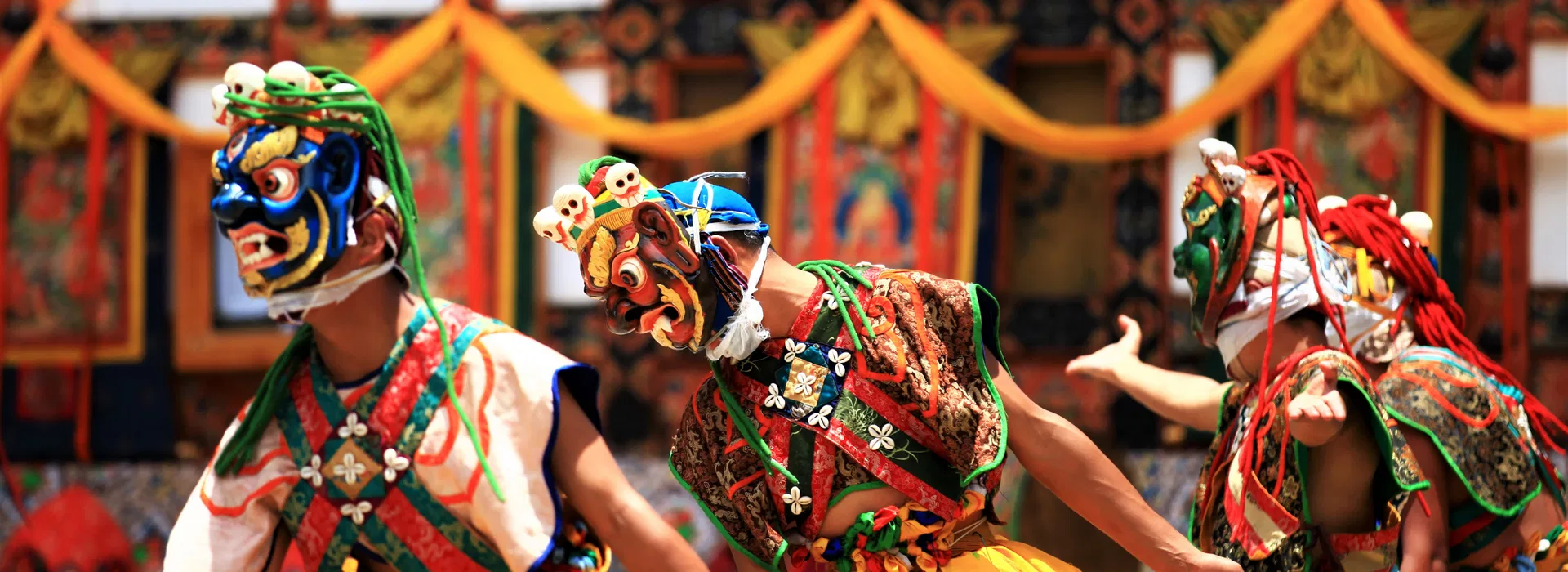
What makes Bhutan festivals truly special is the authentic atmosphere that pervades every celebration. Unlike commercialized festivals elsewhere, Bhutanese festivals remain deeply spiritual and community-focused. The famous masked dances (Cham) are performed by monks and laymen, each movement carrying profound religious meaning. These ceremonies attract thousands of locals dressed in their finest traditional attire, creating a spectacle of color and culture that few destinations can match.
For travelers, festivals in Bhutan offer an unparalleled window into the country's living culture. The energy is electric, the colors are brilliant, and the welcome is warm. Whether you're witnessing the unfurling of a sacred Thongdrel or watching monks perform ancient rituals, Bhutanese festivals create memories that last a lifetime. The best part? Festivals happen year-round, so no matter when you visit Bhutan, there's likely a celebration happening somewhere in this Himalayan kingdom.
Tsechu Festivals: The Heart of Bhutanese Culture
What is Tsechu?
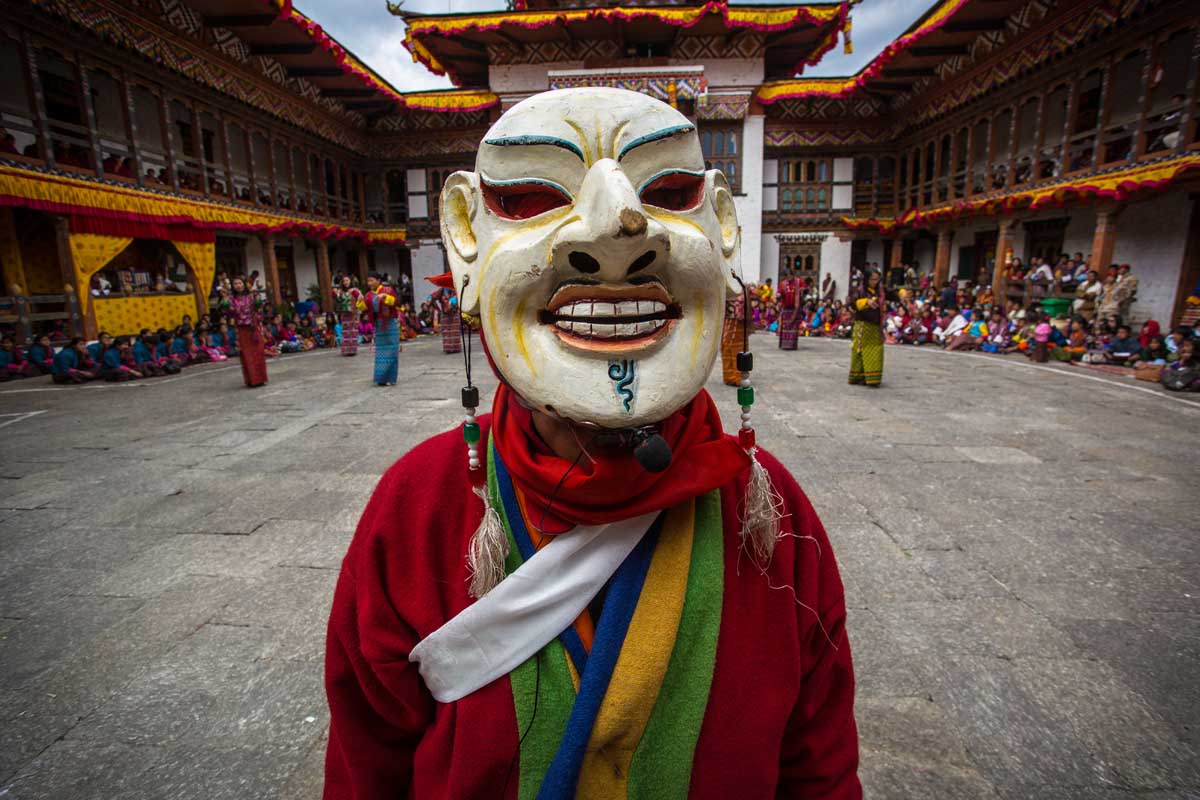
Tsechu, meaning 'tenth day', is the most important type of festival in Bhutan. These festivals commemorate the birth of Guru Rinpoche (Padmasambhava) on the tenth day of the tenth month of the lunar calendar. Tsechus are celebrated in every district (dzongkhag) of Bhutan, making them accessible to all Bhutanese people regardless of where they live.
The religious significance of Tsechu is profound. Bhutanese believe that witnessing these Cham dances cleanses sins and helps accumulate merit. The dances are not performances but religious ceremonies reenacting important Buddhist stories and teachings. Each mask and costume carries symbolic meaning, representing different deities, demons, and protectors of the faith.
What makes Tsechu festivals unique is their community nature. Entire villages come together to prepare for and attend these festivals. People from rural areas travel days to reach their district dzong, camping nearby and turning the event into a joyous reunion. The festival is as much about community bonding as it is about religious observance, creating an atmosphere of celebration that visitors find infectious.
Thimphu Tsechu: The Grandest Celebration
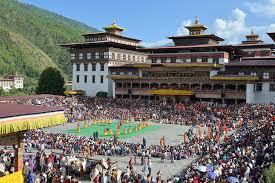
The Thimphu Tsechu is Bhutan's largest and most significant festival, held annually at the magnificent Tashichho Dzong. Taking place in September or October (exact dates follow the lunar calendar), this four-day festival attracts over 10,000 attendees, including the royal family, government officials, and international visitors.
The Thimphu Tsechu is famous for its spectacular Cham dances performed by monks from various monasteries. Each dance tells a story from Buddhist mythology – the Dance of the Stag and Hounds, the Dance of the Lords of the Cremation Grounds, and the Dance of the Drum from Drametse are particularly renowned. These performances are accompanied by traditional music, creating an otherworldly atmosphere that transports spectators to ancient times.
A highlight of the Thimphu Tsechu is the Atsara (clowns) performances. These comic figures intersperse serious religious dances with humor, keeping the crowd entertained and often carrying deeper spiritual messages. Their colorful costumes and playful antics provide comic relief during day-long ceremonies, making the festival accessible even to children.
The culmination of Thimphu Tsechu is the unfurling of the Thongdrel, a giant sacred painting of Guru Rinpoche. This massive tapestry, displayed only once a year, is believed to cleanse all sins of those who see it. The moment it unfurls at dawn on the final day is one of Bhutan's most profound spiritual experiences. For first-time visitors to Thimphu, the Tsechu offers the perfect introduction to Bhutanese culture.
Paro Tsechu: Spring's Spiritual Spectacle
The Paro Tsechu, held in March or April at the stunning Rinpung Dzong, is another of Bhutan's most famous festivals. This five-day celebration takes place during spring when the Paro Valley is at its most beautiful, with rhododendrons in bloom and clear mountain views providing a spectacular backdrop.
What sets Paro Tsechu apart is its dramatic setting at Rinpung Dzong, also known as the 'Fortress on a Heap of Jewels'. This magnificent fortress-monastery, overlooking the Paro River, provides an unforgettable venue for the festival. The contrast between the white-washed fortress, colorful festival decorations, and traditional Bhutanese attire creates photographer's paradise.
Like Thimphu Tsechu, Paro Tsechu features impressive Cham dances performed by monks from nearby monasteries. The Dance of the Lords of Death, the Dance of the Black Hats, and the Dance of the Dramitse Ngacham are crowd favorites. The dances are accompanied by chanting and traditional instruments including cymbals, drums, and horns that echo through the valley.
The highlight of Paro Tsechu is the unfurling of the sacred Thongdrel depicting Guru Rinpoche. This massive painting, believed to be blessed by the saint himself, is displayed only once a year. At dawn on the final day, pilgrims gather to receive blessings as the Thongdrel is unveiled. The atmosphere is electric as thousands raise their hands in reverence, many weeping with emotion at this once-in-a-lifetime sight. If you're planning a trip to Paro, timing it with the Tsechu is an unforgettable experience.
Punakha Drubchen & Tsechu: History and Spirituality Combined
The Punakha region hosts not one but two important festivals – the Punakha Drubchen (usually in February) followed shortly by the Punakha Tsechu. These festivals, held at the breathtaking Punakha Dzong, offer a unique blend of military history and religious celebration that sets them apart from other Bhutanese festivals.
The Punakha Drubchen commemorates a historic battle in 1639 when Zhabdrung Ngawang Namgyal defeated Tibetan invaders. What makes this festival truly unique is that it's not performed by monks but by local men known as Pazaps (warriors). These men dress in traditional battle gear, carry swords and shields, and reenact the dramatic battle that saved Bhutan from Tibetan conquest.
The battle reenactment is theatrical and thrilling. Pazaps charge across the courtyard, engage in mock combat, and demonstrate traditional battlefield tactics. The atmosphere is martial and energetic, quite different from the solemn religious dances of Tsechu festivals. Watching these ordinary Bhutanese men transform into fierce warriors for a few days gives fascinating insight into Bhutan's warrior past.
Following the Drubchen, the Punakha Tsechu brings religious ceremonies back to the fortress. Monks perform Cham dances similar to other festivals, but the setting at Punakha Dzong makes them special. This dzong, considered Bhutan's most beautiful, sits at the confluence of two rivers and was the nation's winter capital. Its golden roofs and intricate woodwork provide a stunning backdrop for the sacred dances.
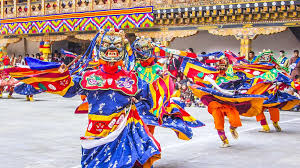
The combination of military drama and spiritual devotion makes Punakha's festivals unique in Bhutan. If you have the chance to visit Punakha in late winter, don't miss this extraordinary double celebration that showcases both Bhutan's warrior heritage and Buddhist faith.
Other Major Festivals of Bhutan
Jambay Lhakhang Drup: The Naked Fire Ceremony
The Jambay Lhakhang Drup, held in October or November in Bumthang, is one of Bhutan's most mysterious and unique festivals. This five-day celebration takes place at one of Bhutan's oldest temples, said to have been built in the 7th century. What makes this festival extraordinary is the Ter Cham (naked fire ceremony).
During this midnight ceremony, a group of men run naked around a burning fire, carrying burning torches. This ancient ritual is believed to ward off evil spirits and bring fertility to the land. The origins of this ceremony are mysterious, but locals take it very seriously. The sight of men dancing naked around flames, with sparks flying in the darkness, is one of Bhutan's most haunting and memorable festival experiences.
Daylight hours feature traditional Cham dances similar to other festivals, but the atmosphere at Jambay Lhakhang is more intimate. Bumthang is Bhutan's spiritual heartland, and this festival feels more authentic and less tourist-focused than larger celebrations. The temple grounds fill with villagers in traditional dress, and the sense of community is strong.
The festival also includes the Mewang (fire blessing) ceremony, where people walk through burning grass to receive blessings and cleanse themselves of sins. The combination of fire rituals, naked dancing, and sacred ceremonies makes Jambay Lhakhang Drup one of Bhutan's most fascinating festivals for adventurous travelers.
Haa Summer Festival: Celebrating Nomadic Culture
While most Bhutanese festivals are religious, the Haa Summer Festival is a cultural celebration held in July. Located in the beautiful Haa Valley, one of Bhutan's most remote districts, this festival celebrates traditional Bhutanese nomadic culture rather than religious ceremonies.
The festival features traditional sports like archery (Bhutan's national sport), khuru (darts), and digor (shot put). Visitors can watch skilled archers compete using traditional bamboo bows, a sport that's more than just a pastime in Bhutan – it's a social ritual and expression of cultural identity.
Local cuisine is a major draw at Haa Summer Festival. Traditional Bhutanese foods like ema datshi (chili cheese), phaksha paa (pork with red chilies), and momos (dumplings) are prepared and shared. What's special is that you can watch local chefs prepare these dishes using traditional methods, with ingredients sourced from the valley itself.
The festival also showcases nomadic culture. Yak caravans, traditional tents, and herders demonstrate their way of life. You can learn about yak herding, see traditional weaving demonstrations, and experience the simple lifestyle that has sustained Haa's people for centuries. The Haa Valley's stunning scenery, combined with this authentic cultural celebration, makes for a perfect off-the-beaten-path Bhutan experience.
Matsutake Festival: A Mushroom Celebration
The Matsutake Festival, held in August or September in Ura Valley (Bumthang), celebrates the harvest of the prized Matsutake mushroom. This unique festival focuses on one of Bhutan's most valuable forest products and offers insight into rural Bhutanese life.
Matsutake mushrooms, known for their distinctive spicy aroma, are highly prized in Japanese cuisine and command high prices. The Ura Valley's pristine forests provide ideal growing conditions, and locals have been harvesting these mushrooms for generations. The festival celebrates this harvest and the community's connection to their forest.
Visitors can join guided mushroom foraging expeditions into the forest, learning how to identify and harvest Matsutake mushrooms from local experts. The thrill of finding these precious mushrooms, hidden beneath pine needles, is surprisingly addictive. What's fascinating is the sustainable harvesting practices – locals only pick mature mushrooms and leave others to ensure future growth.
The festival features Matsutake-based cuisine prepared by local cooks. Traditional Bhutanese dishes are given a gourmet twist using these expensive mushrooms, and visitors can sample everything from simple stir-fries to elaborate feasts. Mushroom exhibitions showcase different varieties, and experts explain their culinary and medicinal uses.
Ura Valley is beautiful in late summer, with green hills and traditional houses creating an idyllic setting. The Matsutake Festival is intimate and authentic – you won't find crowds here, but you will gain genuine insight into Bhutanese rural life and forest conservation.
Black Necked Crane Festival: Conservation Celebration
The Black Necked Crane Festival, held in November at Gangtey in the Phobjikha Valley, honors these majestic endangered birds that migrate from Tibet to winter in Bhutan. This festival is unique in combining cultural celebration with conservation awareness, reflecting Bhutan's deep commitment to environmental protection.
The Black Necked Crane holds special significance in Bhutanese culture – it's considered sacred, and its arrival in Phobjikha Valley each winter is celebrated. According to legend, these cranes are the incarnations of celestial beings. Bhutanese believe harming them brings misfortune, which has helped protect these endangered birds for centuries.
The festival features traditional Bhutanese dances performed by local school children and community groups. The dances are specifically choreographed to depict cranes – their mating dances, their migratory journeys, and their importance to Bhutanese culture. Watching children dressed in crane costumes performing these dances is heartwarming and reflects how deeply crane conservation is embedded in Bhutanese society.
Conservation awareness programs are a key component. Experts give talks about crane biology, migration routes, and conservation challenges. Visitors learn about the delicate balance between development and wildlife protection. The Phobjikha Valley, with its glacial wetlands, is one of the most important crane wintering grounds, and the festival raises funds for its protection.
Timing the festival with crane watching is perfect. November is when most cranes have arrived, and visitors can watch these elegant birds feeding in the wetlands against a backdrop of golden valley grasses and snow-capped mountains. The Black Necked Crane Festival perfectly exemplifies Bhutan's unique approach to conservation – rooted in culture, community, and Buddhist reverence for all life.
Festival Calendar: When to Visit
Bhutan's festival calendar follows the lunar calendar, meaning dates change each year. However, most festivals occur during predictable windows, making it possible to plan your trip around specific celebrations. Here's a month-by-month guide to Bhutan's major festivals:
| Month | Festival | Location | Highlights |
|---|---|---|---|
| February/March | Punakha Drubchen | Punakha Dzong | Battle reenactment, warriors |
| March/April | Paro Tsechu | Paro Dzong | Sacred Thongdrel, spring scenery |
| July | Haa Summer Festival | Haa Valley | Traditional sports, nomadic culture |
| August/September | Matsutake Festival | Ura Valley, Bumthang | Mushroom harvesting, local cuisine |
| September/October | Thimphu Tsechu | Thimphu Dzong | Largest festival, royal attendance |
| October/November | Jambay Lhakhang Drup | Bumthang | Naked fire ceremony, midnight rituals |
| November | Black Necked Crane Festival | Phobjikha Valley | Crane watching, conservation |
| December/January | Trongsa Tsechu | Trongsa Dzong | Historic fortress, traditional dances |
The best time to visit Bhutan for festivals depends on what you want to experience. Spring (March-April) offers the Paro Tsechu and beautiful rhododendron blooms. Autumn (September-November) has the most festivals, including Thimphu Tsechu, and clear weather. Winter (December-February) is quieter but offers Trongsa Tsechu and Punakha Drubchen.
Keep in mind that festival dates are finalized only a few months in advance when the lunar calendar is consulted. Book your trip with flexibility, and work with a Bhutanese tour operator who can adjust dates if festivals shift. The Paro Tsechu is particularly popular with international visitors, so book well in advance if you want to attend this iconic festival.
What to Expect at Bhutan Festivals
Attending a Bhutanese festival is an immersive experience unlike anything you've likely encountered. Knowing what to expect helps you prepare and make the most of this unique opportunity to witness Bhutan's living culture.
Early Starts and Day-Long Ceremonies
Festival days start early – most ceremonies begin at 8 or 9 AM and continue until late afternoon. Locals arrive even earlier to secure good spots. The atmosphere builds throughout the morning, with the crowd filling the dzong courtyard and anticipation growing. By mid-morning, ceremonies are in full swing, and the energy is high.
The day is long, with ceremonies running continuously. There are breaks for lunch (around 1 PM), but many visitors bring picnics and eat while watching. The final ceremonies often end in late afternoon, after which the crowd disperses slowly, socializing as they leave. Be prepared for a full day of standing or sitting on the ground.
Masked Dances (Cham)
Cham dances are the heart of any Tsechu. These are not performances but religious ceremonies that have been performed unchanged for centuries. Monks wear elaborate masks representing deities, demons, and animals. Each movement is symbolic, telling Buddhist stories or representing spiritual concepts.
The dances are slow and deliberate, with each posture carrying meaning. Accompanied by traditional instruments – cymbals (silnyen), drums (nga), and long horns (dhungchen) – the effect is hypnotic. Some dances involve multiple performers moving in intricate patterns, while others feature solo dancers telling specific stories.
What's remarkable is how seriously these dances are taken. Locals don't watch them as entertainment but as sacred ceremonies. Many fold their hands in prayer during performances, and some meditate. As a visitor, respect this solemnity even as you enjoy the spectacle of color and movement.
Atsara (Clowns) Performances
Interspersed between serious Cham dances are Atsara performances – comic relief that keeps the crowd entertained. These clowns, dressed in bizarre costumes with painted faces, joke, dance, and sometimes mock the dancers. Their humor is crude but provides necessary levity during day-long ceremonies.
Beyond entertainment, Atsara serve a spiritual purpose. They represent the trickster aspect of Buddhist teaching, reminding people not to take life too seriously. Their jokes often carry subtle spiritual messages, and their physical comedy is meant to teach humility. Watch the audience – everyone, from children to elders, laughs at their antics.
Festival Food and Local Crafts
Outside the dzong courtyard, a mini-fair develops during festivals. Local vendors sell traditional Bhutanese food – momos, suja (butter tea), and various snacks. This is a great opportunity to try local Bhutanese food and interact with vendors in a relaxed setting.
Craft stalls sell traditional Bhutanese textiles, wooden bowls, paper products, and handicrafts. Many are made locally, and you're buying directly from the artisans. Prices are reasonable, and bargaining is expected but polite. These festivals are among the best places to buy authentic Bhutanese souvenirs.
Community Atmosphere
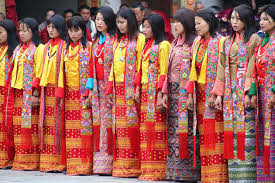
What makes Bhutanese festivals special is the community atmosphere. Families gather, friends reunite, and the entire community comes together. People dress in their finest traditional attire – the gho for men and kira for women – creating a sea of colorful fabric.
The atmosphere is festive but respectful. People socialize between ceremonies, sharing food and catching up on news. Children play games, and elders sit in groups watching the proceedings. As a visitor, you'll be welcomed warmly – locals are proud of their festivals and happy to explain what's happening.
Festival Photography Tips
Bhutanese festivals are incredibly photogenic, but photographing religious ceremonies requires sensitivity and respect. Follow these guidelines to capture great photos while being respectful.
Ask Permission
Always ask permission before photographing people, especially monks and elders. A simple gesture pointing to your camera followed by a questioning expression usually works. Most Bhutanese are happy to be photographed, but asking first shows respect and often leads to more natural, engaging portraits.
Don't photograph the Atsara without permission – they're more relaxed about this, but still ask. For Cham dancers, wide shots of the ceremony are generally acceptable without asking, but close-ups of individual dancers should be requested.
Respect Religious Moments
Put your camera down during sacred moments – the unfurling of the Thongdrel, prayer ceremonies, and moments of silence. Bhutanese consider it disrespectful to photograph these intensely spiritual moments. Observe with your eyes instead.
Don't use flash inside the dzong. It's distracting to monks and spectators. Use high ISO settings instead. If you must use flash, position yourself where it won't blind anyone – behind the crowd or from an angle away from the main performance area.
Best Angles and Timing
Arrive early to scout positions. The best angles are often at the edges of the courtyard where you can capture the entire scene – the dancers, the crowd, and the dzong architecture. Elevated positions (stairs or walls) give great perspective.
Golden hour light just after dawn and before sunset makes everything look magical. Festival ceremonies often start at dawn specifically for this light. The first hour of ceremonies provides the best photography conditions, with soft light and fewer crowds blocking your shots.
Candid Moments
While the formal ceremonies are spectacular, candid moments often tell the true story of the festival. Children watching from their fathers' shoulders, elders chatting between dances, locals eating lunch – these authentic moments capture the community atmosphere better than posed photos.
Use a longer lens for candid shots so you don't intrude. Be patient and wait for natural moments rather than forcing interactions. The most powerful festival photos often show genuine emotions – the joy of recognition when families reunite, the reverence during sacred ceremonies, the laughter at Atsara performances.
Festival Attire in Photos
The traditional Bhutanese dress – gho for men and kira for women – is incredibly photogenic. The colorful fabrics, intricate patterns, and dignified way people wear them create stunning portraits. Focus on details – the intricate brocade of a kira, the patterned socks worn with gho, the jewelry that adorns women's hair.
Group photos of festival-goers are particularly powerful. Families dressed in matching attire, friends posing together, children in miniature versions of traditional dress – these images capture the pride Bhutanese take in their culture and the joy of coming together for festivals.
Planning Your Festival Trip
Attending a Bhutanese festival requires careful planning. Here's how to organize your trip to ensure you get the most out of this unique experience.
Book Early
Accommodations fill up months in advance for major festivals like Thimphu Tsechu and Paro Tsechu. Book at least 3-6 months ahead, and work with a Bhutanese tour operator who can secure rooms. During festivals, even budget hotels are expensive and hard to find.
Internal travel also needs planning. Taxis are scarce during festivals, and roads become congested. Your tour operator should arrange transport in advance. If you're traveling independently during a festival, rent a car well in advance – you won't be able to hire one last minute.
Permits and Entry
Entry to Bhutan requires a visa and a licensed tour operator (unless you're Indian, Bangladeshi, or Maldivian). For festivals, you'll need special festival permits, which your tour operator arranges. These are attached to your general Bhutan visa but specifically mention the festival you're attending.
Some festival events require additional permits. For example, certain sacred ceremonies at Thimphu Tsechu are restricted. Your guide will know which events are open and arrange access accordingly. Don't attempt to enter restricted areas without proper permits – security is tight.
Dress Code
While visitors aren't expected to wear traditional dress, modest clothing is essential. Avoid shorts, short skirts, and revealing tops. Long pants or skirts and shirts with sleeves are appropriate. Many visitors buy inexpensive traditional attire (gho or kira) to wear during festivals, which locals appreciate.
Footwear should be comfortable and easy to remove – you'll need to take shoes off when entering the dzong. Closed shoes are better than sandals as dzong courtyards can be cold and uneven. Bring warm layers – mountain mornings and evenings are chilly even during festivals.
Duration and Timing
Plan to stay for the full festival duration (4-5 days for Tsechus). The atmosphere builds over the days, with each day having different ceremonies. The final day, when the Thongdrel is unfurled, is the most important – don't miss it.
Arrive a day before the festival starts to settle in and explore. The day after the festival is relaxed, and locals are often in a celebratory mood. This is a good time to visit nearby attractions like Tiger's Nest monastery when crowds have dispersed.
Hire a Local Guide
A guide is invaluable during festivals. They'll explain the significance of each dance, point out important attendees (the royal family often attends Thimphu Tsechu), and help you understand what's happening. Many guides are former monks and have deep knowledge of Buddhist symbolism.
Guides also help with logistics – finding the best viewing spots, arranging lunch, and navigating crowds. They'll introduce you to locals, which enhances the experience. Bhutanese are proud of their festivals and happy to share their culture – having a guide facilitates these interactions.
Budget Considerations
Festivals are the most expensive time to visit Bhutan. The government's daily minimum tariff increases during festival periods. Accommodation costs more, and restaurants in festival towns raise prices. Budget 30-50% more than non-festival travel costs.
However, the experience is worth the extra cost. Few travel experiences offer such authentic cultural immersion. The memories of sacred ceremonies, colorful dances, and genuine community warmth will last long after the expense is forgotten.
Attending a Bhutanese festival is more than just sightseeing – it's a profound cultural experience that offers rare insight into one of the world's most intact traditional cultures. The combination of ancient rituals, community celebration, and Himalayan beauty creates an experience unlike anywhere else. Whether you're watching the unfurling of a sacred Thongdrel, laughing at Atsara performances, or simply absorbing the atmosphere of a dzong filled with joyous Bhutanese people, festival days in Bhutan are genuinely unforgettable.
As you leave the festival grounds, surrounded by Bhutanese in their finest attire, you'll understand why festivals are so central to Bhutanese identity. In a rapidly modernizing world, these sacred ceremonies preserve ancient traditions and community bonds. By attending, you're not just observing – you're participating in a cultural heritage that has remained unbroken for centuries, and that's a rare privilege indeed.
Location
Frequently Asked Questions
Q1.What is the most famous festival in Bhutan?
Q2.When is Thimphu Tsechu celebrated?
Q3.What happens during Tsechu festival?
Q4.Can tourists attend Bhutan festivals?
Q5.What is the mask dance in Bhutan?
Q6.How long do Bhutan festivals last?
Q7.Best Bhutan festival to attend?
Q8.How to book tickets for Tsechu?
Recommended For You
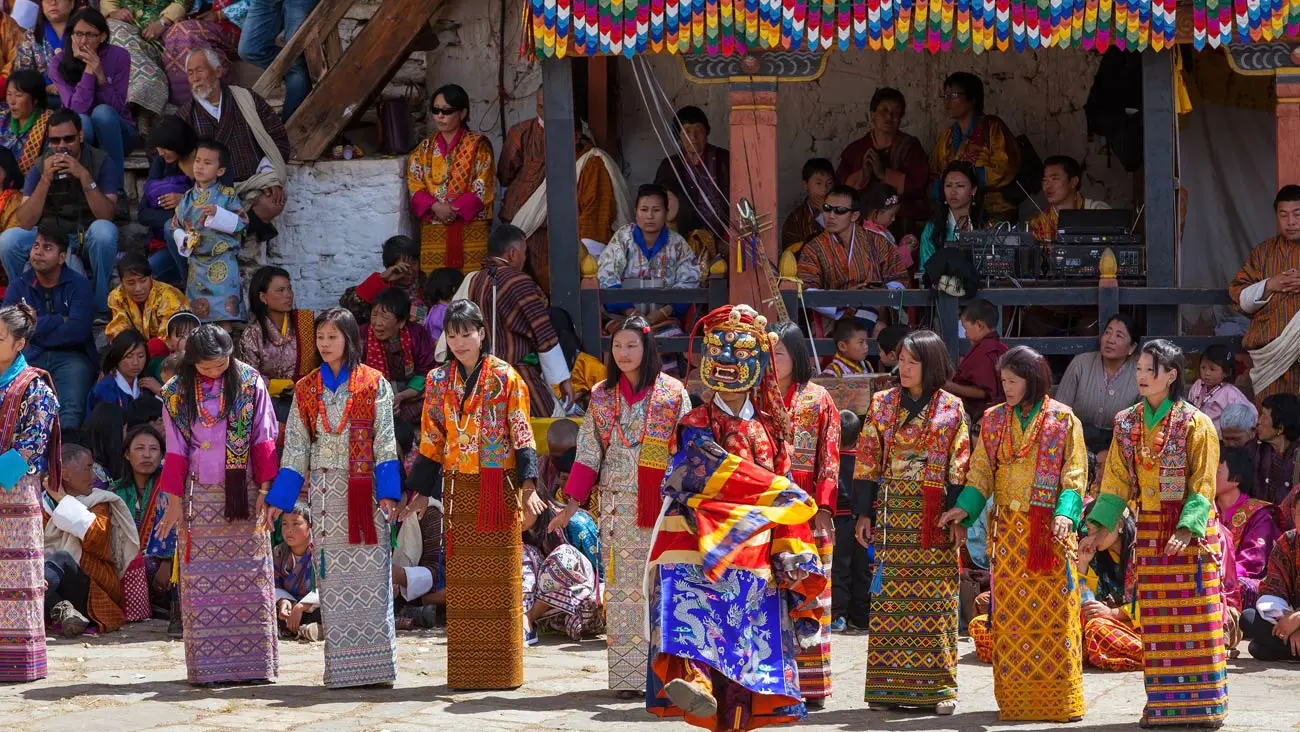
Paro Tshechu Festival: Dates, Guide & Tips
Paro Tshechu Festival Bhutan: dates, Thongdrel unveiling, mask dances, schedule, how to reach & travel guide. Complete festival guide.
Bhutan Local Drinks: Traditional Beverages Guide Tips
Bhutan local drinks guide with cultural context, tasting sequence, hydration tips, and practical beverage planning for travelers.
Punakha Bhutan: Dzong, Suspension Bridge & Valley Highlights
Plan Punakha Bhutan with Dzong, suspension bridge, temple stops, best season tips, and practical route planning for a smooth valley trip.
Never Miss an Adventure
Get the latest trekking guides, travel tips, and exclusive offers delivered straight to your inbox.
