
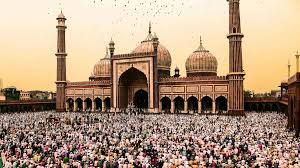
Ramadan Festival India: Traditions, Dates, and Tips

Ananya Sharma
February 18, 2026
Understand Ramadan festival in India with practical guidance on moon-sighting dates, traditions, etiquette, and travel planning.
Ramadan Festival India: Respectful Cultural and Travel Guide
Ramadan in India is observed through fasting, prayer, charity, and community solidarity across cities, towns, and local neighborhoods. It is a spiritually significant month, and for visitors it offers meaningful cultural insight when approached with respect. The most important point is intent: this is not a festival to “consume” as an event checklist. It is a sacred period for millions of people, and travel behavior should align with that reality.
If you are visiting India during Ramadan, your planning should adapt to prayer windows, food timings, and neighborhood movement patterns that can change from daytime to evening. Respectful travelers usually have excellent experiences because local communities respond positively to sensitivity and patience. For route context, combine this guide with Mohammed Ali Road Mumbai, street food in Delhi, and Ramadan planning in India.
How Ramadan Dates Are Determined in India
Ramadan follows the Islamic lunar calendar, so start and end dates are confirmed through moon sighting and official religious announcements. This means exact Gregorian dates can vary each year and sometimes by region. Travelers should avoid relying on static date assumptions from old articles and verify current announcements before scheduling key activities.
A practical habit is to keep one date buffer in your itinerary around beginning and ending windows of the month, especially if you want to witness special congregation energy or Eid transition activity.
| Ramadan Element | What It Means | Traveler Action |
|---|---|---|
| Moon sighting | Confirms start/end | Check current local updates |
| Daily fast | Dawn to sunset discipline | Plan meals and visits sensitively |
| Eid al-Fitr | Marks Ramadan completion | Expect high celebration movement |
Core Practices and What Visitors Should Understand
The daily Ramadan rhythm generally includes pre-dawn meal (sehri/suhoor), fasting hours, sunset iftar, evening prayers, and often extended night activity in key community zones. Charity and social support are also central values during this month. Visitors do not need to know every ritual detail, but they should understand the spiritual seriousness of the period.
Basic respect includes modest dress near mosques or religious areas, low-noise conduct during prayer times, and avoiding insensitive photography. In many places, these simple actions are enough to travel comfortably and respectfully.
Iftar Streets and Evening Markets
One of the most visible public aspects of Ramadan in India is the rise of evening food activity after sunset, especially in neighborhoods with strong Muslim community presence. Streets can become highly vibrant with iftar foods, sweets, and social gathering. This atmosphere attracts both locals and visitors.
If you plan to visit such zones, go with patience. Crowds can build quickly in short windows after sunset. Keep movement simple, use fixed meetup points for groups, and avoid blocking prayer access paths while taking photos or ordering food.

Travel Etiquette During Ramadan
- Dress modestly in religious and old-city zones.
- Avoid loud behavior near prayer areas.
- Be patient with service timing shifts around iftar.
- Ask before photographing people in sensitive moments.
- Follow local guidance on access and crowd movement.
- Travel light and keep hydration planning practical.
Daytime vs Evening Planning
In some neighborhoods, daytime food options may be limited or slower compared with normal periods. Evening hours, especially around iftar and later, may be far more active. A smart travel model is to use daytime for non-food sightseeing and keep cultural food exploration for evening windows.
This timing strategy reduces frustration and helps you align with local rhythms instead of working against them. It also makes transport planning easier because you can anticipate where and when crowd density will rise.
Regional Diversity Across India
Ramadan expression in India is not uniform. Food traditions, congregation scale, and street activity patterns differ by city and region. A lane in Mumbai may feel different from old-city Hyderabad or Delhi pockets. Travelers should avoid generalizing one experience as universal and stay adaptive to local context.
The best approach is local-first: check current neighborhood guidance, observe respectfully, and adjust your plan based on what is actually happening on the ground.

What Not to Do
- Do not treat prayer moments as entertainment content.
- Do not assume all regions follow identical timing patterns.
- Do not block pathways near mosques for photos.
- Do not force rushed market hopping in peak crowd windows.
- Do not rely only on old schedule posts without fresh confirmation.
Respectful Traveler Conduct During Ramadan
Visitors can contribute positively during Ramadan with small but meaningful actions. In daytime, keep food and drink behavior discreet in sensitive zones and avoid casual snacking directly outside prayer areas. During evening iftar periods, allow fasting families and elders priority in crowded food lanes. If photographing markets or mosque surroundings, ask first when individuals are clearly identifiable. Use modest clothing and calm communication style in old-city neighborhoods where spiritual activity is high. If invited to share iftar, participate with gratitude and avoid turning the moment into staged social media content. Respectful conduct is not complicated, but it requires awareness. Travelers who follow these simple habits usually receive warm local responses and gain deeper understanding of Ramadan’s community spirit in India.
City-Specific Ramadan Experience in India
Each Indian city expresses Ramadan in its own way. In some places, old-city markets become the center of evening food culture. In others, mosque neighborhoods remain quieter and more prayer-focused with limited street vending. Travelers should avoid copying one city plan into another without adjustment. A better method is to research one local area deeply and spend more time there instead of hopping across multiple distant pockets in the same evening. This gives better cultural understanding and lowers transport stress. If you are attending iftar gatherings or visiting prayer-heavy zones, keep your conduct observant and low-impact. Let local rhythm guide your pace. Ramadan travel in India is most rewarding when you prioritize respect, patience, and community context over aggressive content-driven itinerary behavior.
Final Takeaway
Ramadan in India can be deeply meaningful for visitors when approached with humility, preparation, and cultural respect. Confirm current date windows, align your daily schedule with fasting rhythms, and engage thoughtfully in evening community spaces. With this approach, your travel remains respectful, smooth, and genuinely enriching.
Location
Frequently Asked Questions
Q1.How are Ramadan dates fixed in India?
Q2.Is Ramadan date the same every year?
Q3.Can non-Muslim travelers visit during Ramadan?
Q4.What is the daily fasting pattern?
Q5.Are food markets active during Ramadan?
Q6.Should travelers follow dress etiquette?
Q7.When is Eid celebrated?
Q8.How can travelers verify dates?
Recommended For You
Festivals in Thailand: Songkran, Loy Krathong & Celebration Dates
Discover festivals in Thailand including Songkran, Loy Krathong, and Yi Peng with practical timing, planning, and travel tips.
Kuala Lumpur Nightlife: Rooftop Bars, Clubs & Areas
Kuala Lumpur nightlife guide covering Bukit Bintang, Bangsar, KLCC rooftops, top clubs, prices, dress code, safety tips, and a practical one-night plan.
Shopping in Hyderabad: Laad Bazaar, Pearls, Textiles & Local Markets
Discover shopping in Hyderabad with our guide to Laad Bazaar, pearls, lac bangles, textiles, Pochampally ikat, and traditional markets.
Never Miss an Adventure
Get the latest trekking guides, travel tips, and exclusive offers delivered straight to your inbox.
