
Marble Mountains Da Nang: Caves, Pagodas & Entry Details

Rohit Verma
February 3, 2026
Complete Marble Mountains Da Nang guide covering caves, pagodas, hiking routes, timings, entrance fee, transport options, and practical travel tips.
Introduction: The Five Elements Mountains of Da Nang
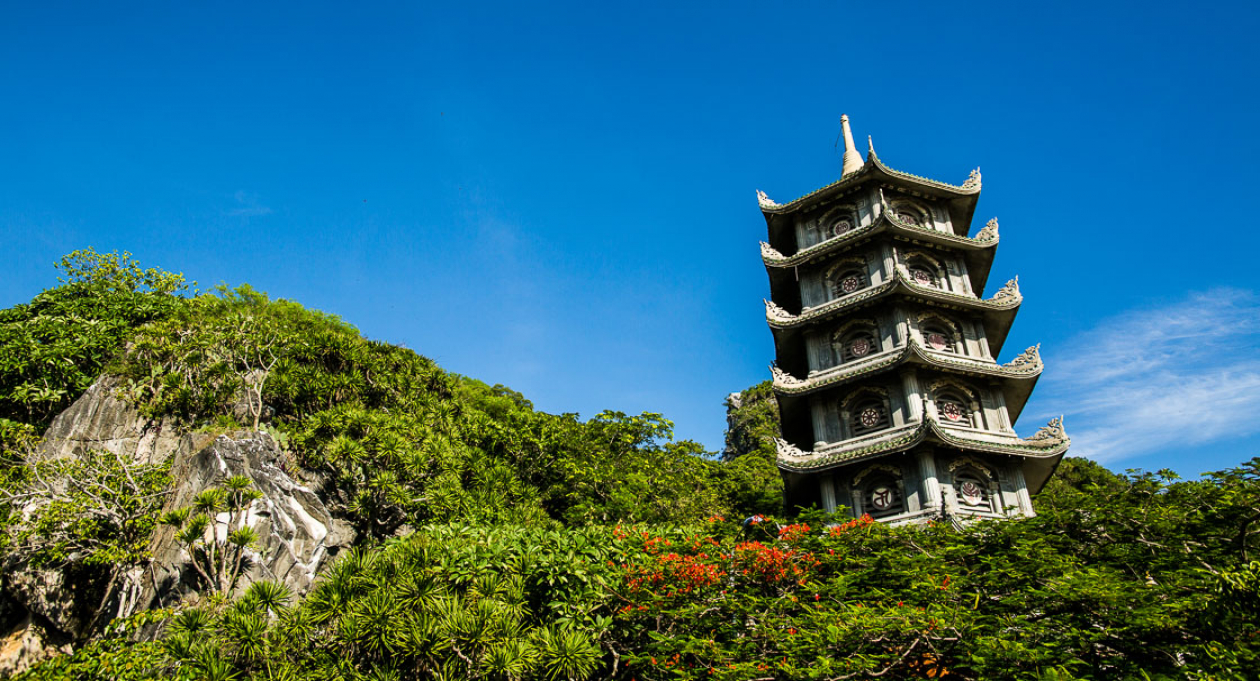
Marble Mountains in Da Nang, Vietnam, are one of those places where natural geology, religious heritage, and panoramic viewpoints come together in a single compact site. Known locally as Ngu Hanh Son, the complex consists of five limestone-marble hills linked to the five elements and filled with caves, pagodas, shrines, and stepped trails. It is one of the most practical half-day attractions in central Vietnam for travelers who want both cultural depth and scenic exploration.
Many first-time visitors expect only a viewpoint stop, but Marble Mountains offer far more: cave temples with dramatic light shafts, centuries-old pagoda spaces, carved stone routes, and ocean-facing high points. If you are building a Da Nang itinerary, pair this site with Lady Buddha Da Nang, add mountain entertainment context from Sun World Ba Na Hills Vietnam, and broaden your route with best places to visit Vietnam.
About Marble Mountains Da Nang
Marble Mountains are located south of central Da Nang and are reachable within a short city transfer. The site has religious and cultural significance, but it is also a strong geological landmark shaped over long natural timescales. The mountain group is associated with Water, Wood, Fire, Metal, and Earth elements, and each hill has distinct terrain and visitation level.
Thuy Son (Water Mountain) is the primary visitor focus because it contains the most developed pathways, caves, and pagoda spaces. Other hills have smaller or more limited public exploration patterns. For most travelers, one strong visit to the main mountain area provides enough depth for cultural understanding and visual experience.
| Site Attribute | What It Means for Visitors | Planning Impact |
|---|---|---|
| Five mountain group | Element-based identity and varied terrain | Focus on key accessible zones |
| Cave and temple network | Natural-spiritual hybrid attraction | Allow enough walking time |
| Stone-step routes | Moderate climbing effort | Wear good footwear |
| Close to city routes | Easy half-day integration | Can be combined with other Da Nang sites |
The Five Mountains and What Each Represents
Thuy Son (Water Mountain)
This is the largest and most visited section. It includes major caves, pagodas, and elevated viewpoints, making it the practical core for first-time travelers. If your schedule is limited, prioritize this mountain for maximum experience value.
Moc Son (Wood Mountain)
Less developed for mainstream exploration compared to Thuy Son. It is often observed as part of the broader landscape identity rather than a full stop in short itineraries.
Hoa Son (Fire Mountain)
Known for rocky forms and visual contrast. Access and route depth can vary, so many travelers include it more as contextual geography than detailed climb coverage.
Kim Son (Metal Mountain)
Another element-linked hill in the group, contributing to the symbolic and physical identity of the complex. It is usually visited selectively depending on available time.
Tho Son (Earth Mountain)
Associated with broader area context including surrounding stone craft heritage. Many visitors connect this with the local marble/stone artisan legacy in the region.
Caves and Grottoes: The Core Marble Mountains Experience
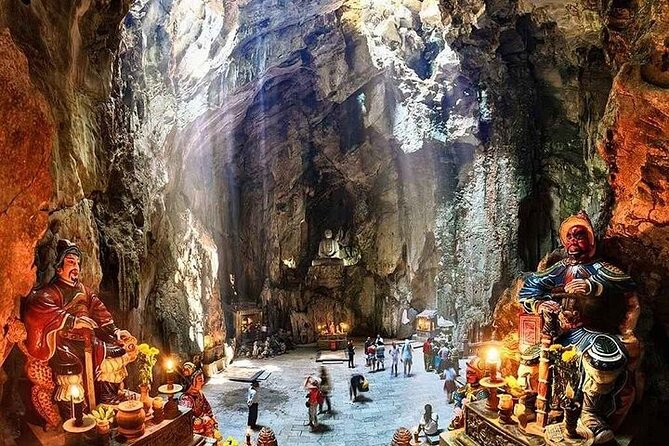
The caves are often the most memorable part of Marble Mountains. They combine natural rock chambers, carved pathways, Buddhist imagery, and changing light. This creates an atmosphere that is both dramatic and contemplative.
Huyen Khong Cave
One of the best-known cave spaces in the complex, Huyen Khong is famous for its natural skylight effect. Sunlight entering from above creates shifting beams that change the visual mood through the day. This is a major photography and spiritual-reflection point.
Am Phu Cave
Am Phu is known for its darker symbolic narrative spaces and a more intense atmosphere. It is visually striking but can feel overwhelming for travelers uncomfortable with enclosed cave environments.
Other Cave Spaces and Meditation Corners
Smaller cave chambers and passage sections across the mountain add depth to the walk. The best approach is slow exploration rather than rushing from sign to sign. Keep track of step levels and path direction to avoid unnecessary backtracking.
Pagodas and Temple Spaces Across the Complex
Marble Mountains are not only a geological attraction; they are also an active spiritual zone with pagoda and shrine presence. Respectful behavior matters: speak softly in prayer areas, avoid obstructing worship spaces, and follow signs where photography limits apply.
Linh Ung and Other Pagoda Points
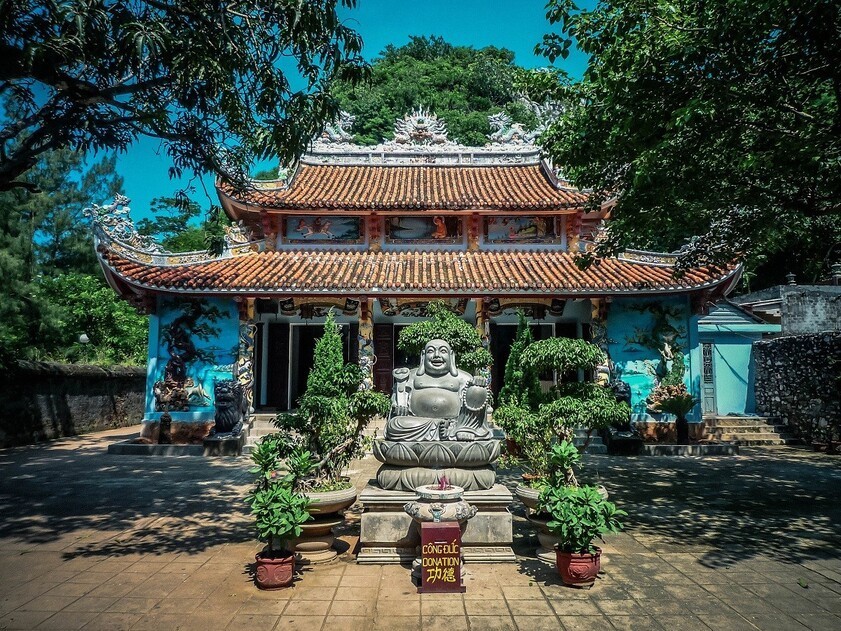
Pagoda areas offer rest from climbing sections and add cultural context to the visit. Architectural details are modest compared with large urban temple complexes, but the hillside setting gives them unique character.
Tam Thai and Heritage Layers
Historic pagoda traditions in the Marble Mountains region reflect long religious continuity. Even without deep religious knowledge, travelers can appreciate the blend of architecture, ritual space, and natural mountain topography.
If you enjoy spiritual landmarks in Vietnam, combine this stop with Lady Buddha Da Nang on another half-day for a balanced cultural route.
Hiking, Climbing, and Viewpoints
Marble Mountains are manageable for most healthy travelers, but the stone steps can still be tiring in heat and humidity. Route effort depends on how many caves, pagodas, and viewpoints you include. A focused visit is usually moderate in difficulty.
Elevator vs Full Climb
The elevator option helps reduce initial vertical effort, especially in hot weather or for visitors with limited mobility tolerance. Many travelers use a mixed strategy: elevator one way, stairs on the return.
Viewpoint Rewards
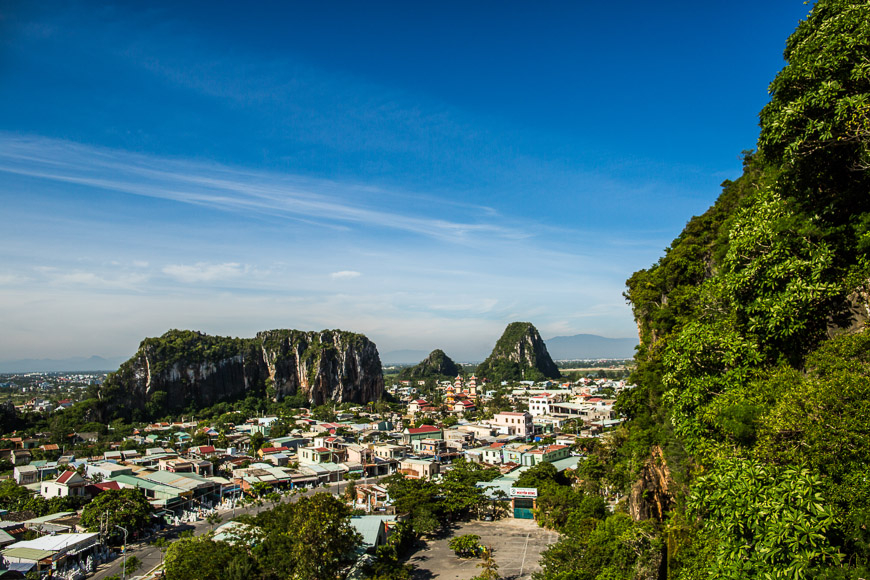
Higher sections provide views over coastal and urban stretches around Da Nang. Light quality changes rapidly, so morning and late afternoon generally deliver the best visuals.
| Route Choice | Effort Level | Best For |
|---|---|---|
| Stairs only | Moderate | Travelers wanting full physical exploration |
| Elevator + stairs mix | Low to moderate | Families and heat-sensitive visitors |
| Quick highlight route | Low | Time-limited itineraries |
Entrance Fee, Timings, and Duration Planning
Marble Mountains generally operate during daytime hours, with common visitor access in the morning-to-late-afternoon window. As with most attractions, schedules and ticketing details can change, so check current on-ground signage when you arrive.
Typical Fee Structure
Standard entrance ticket applies for main access, and elevator usage is typically charged separately. Carrying some local currency helps for quicker transactions and small incidental spends.
Recommended Visit Duration
Keep 2 to 3 hours for a balanced first visit. If you want deeper cave and pagoda exploration with frequent photo stops, 3+ hours is more realistic.
Best Time of Day
Early morning reduces heat stress and crowd pressure. Late afternoon can also work well for softer light and easier photography.
How to Reach Marble Mountains from Da Nang and Hoi An
From central Da Nang, Marble Mountains are usually reached by taxi, ride-hailing apps, or motorbike rental. From Hoi An side, many travelers include the site while transferring toward Da Nang attractions or airport routes.
From Da Nang City
The site is close enough for a short direct ride. This makes it easy to plan as a half-day stop with city return.
From Hoi An
Travelers coming from Hoi An can include Marble Mountains en route to Da Nang or as a dedicated half-day outing, depending on luggage and transfer style.
Transport Planning Tip
If you plan multiple sites in one day, pre-decide sequence and return method. This prevents last-minute transport delays in midday heat.
Cultural Meaning and Sacred Etiquette
Because the complex includes active religious spaces, behavior and dress should reflect temple etiquette. Shoulders and knees are best kept covered when entering prayer areas. Keep conversations low in sacred zones and avoid interrupting worshippers for photos. These simple steps help preserve the spiritual atmosphere and create a better experience for everyone.
Incense, statues, and cave altars are meaningful devotional elements, not just visual features. Spend a few quiet minutes in each major temple chamber instead of rushing to the next viewpoint. The site feels very different when explored with slower attention. This also helps you notice carvings, light patterns, and architectural details that are often missed on fast walkthroughs.
Marble Carving Village and Local Craft Context
The Marble Mountains area is linked with a long-standing stone craft tradition. Around the surrounding zone, you may find workshops and showrooms with carved figures, decorative objects, and religious items. Quality and pricing vary significantly, so compare options before purchasing.
If you plan to buy stone pieces, check weight, export practicality, and packing quality. Small items are easier for air travel, while larger pieces may need dedicated shipping. Ask clearly about material type because some products are mixed-stone or composite. For many travelers, observing the craft process is as interesting as buying products.
Weather Strategy and Seasonal Comfort
Marble Mountains are enjoyable in most seasons, but heat and humidity can quickly increase effort on stairs. In hotter months, start early and keep hydration high. In wet periods, cave floors and exterior steps may become slippery, so slower movement is essential. Avoid smooth-soled footwear.
Sun exposure on open sections can feel strong even on slightly cloudy days. A cap, light breathable layers, and rehydration breaks make a big difference in comfort. If traveling with children or senior companions, keep route expectations realistic and use the elevator option where needed to reduce fatigue.
During festival or holiday windows, crowd levels may rise quickly around key cave entries and prayer spaces. In such cases, starting early and visiting major caves first can help you avoid bottlenecks. This simple sequencing change improves both comfort and photography opportunities.
What to Carry and On-Ground Practical Tips
- Footwear: Non-slip walking shoes are essential for cave floors and stone steps.
- Hydration: Carry water, especially in warmer months.
- Clothing: Breathable wear with respectful coverage for temple zones.
- Pacing: Slow pace in cave stairs prevents fatigue and slips.
- Photography: Adjust exposure for cave-dark to skylight transitions.
- Timing: Avoid peak midday heat if possible.
Sample Itinerary Blocks
2-Hour Quick Route
Use elevator access, cover one major cave, one pagoda zone, and one viewpoint. This suits transfer-day travelers and short-stay visitors.
3-Hour Balanced Route
Add extra cave exploration and slower movement through temple spaces. This is the most practical first-time format for meaningful coverage.
Half-Day Cultural Nature Combo
Pair Marble Mountains with Sun World Ba Na Hills Vietnam or city-side planning from things to do in Vietnam, depending on your pace and transport flexibility.
Common Mistakes to Avoid
- Underestimating effort: The route is short in distance but includes many steps.
- No water or poor footwear: This reduces comfort and can create avoidable risk.
- Rushing caves: You miss the best light and spiritual atmosphere.
- Midday-only planning: Heat and crowd levels are often less favorable.
- No transport plan: Can cause delays when moving to next destination.
Final Takeaway
Marble Mountains Da Nang are worth visiting because they deliver a rare blend of cave geology, Buddhist heritage, and coastal viewpoints in one compact attraction. With smart timing, respectful temple behavior, and practical route planning, even a short visit can feel rich and memorable. For most travelers, this is one of the strongest cultural-nature stops in central Vietnam. Carry water, pace the climbs, and keep extra time for cave exploration.
Location
Frequently Asked Questions
Q1.Where are the Marble Mountains in Da Nang?
Q2.What are the timings of Marble Mountains?
Q3.What is the entrance fee for Marble Mountains?
Q4.How many Marble Mountains are there?
Q5.Can you climb all Marble Mountains?
Q6.How long does it take to explore Marble Mountains?
Q7.Is Marble Mountains worth visiting?
Q8.How to reach Marble Mountains from Da Nang?
Recommended For You
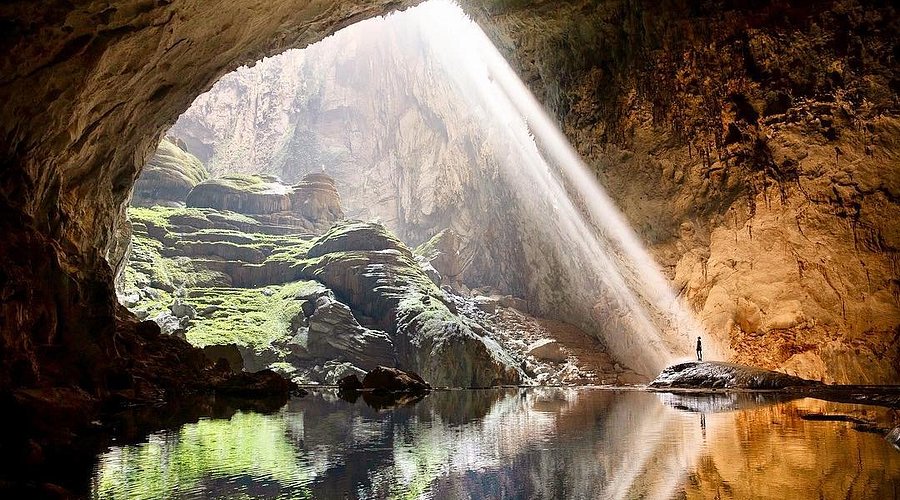
Son Doong Cave Vietnam: World's Largest Cave Expedition
Complete guide to Son Doong Cave, the world's largest cave in Vietnam. Tour prices, booking process, difficulty level, best time to visit, and expedition details.
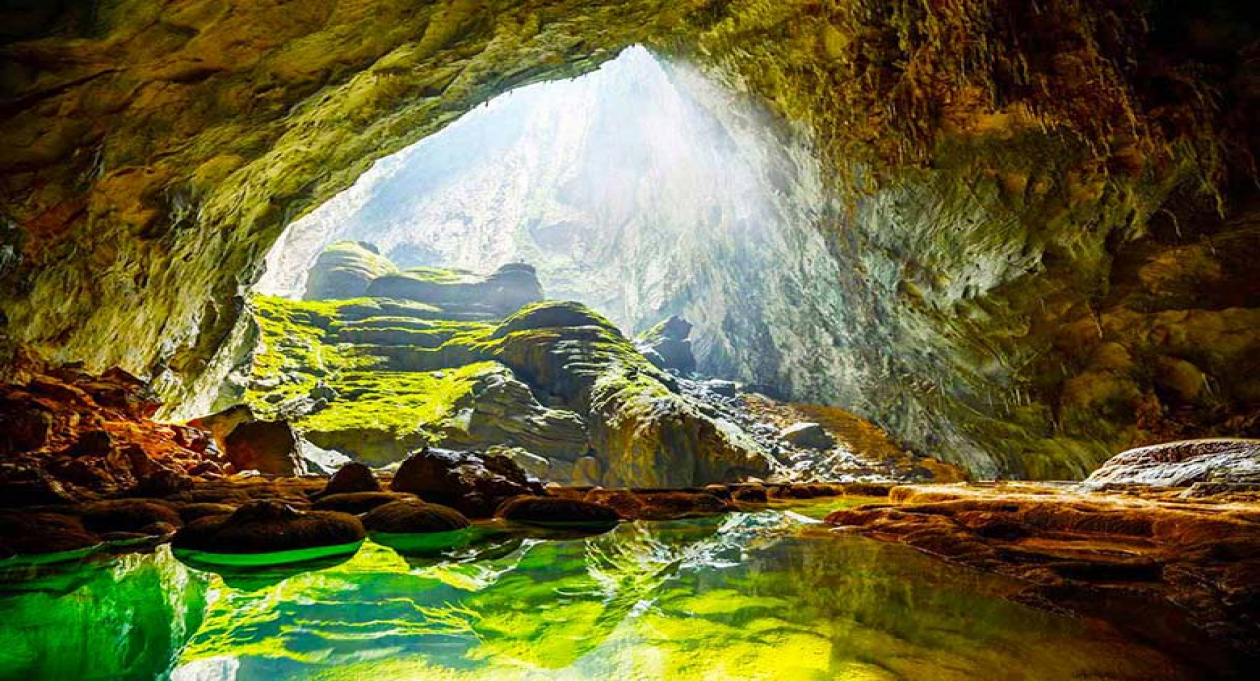
Caves in Vietnam: Son Doong, Phong Nha & Tour Planning
Explore caves in Vietnam with a practical guide to Son Doong, Phong Nha, Paradise Cave, tour difficulty levels, season windows, and safety planning.
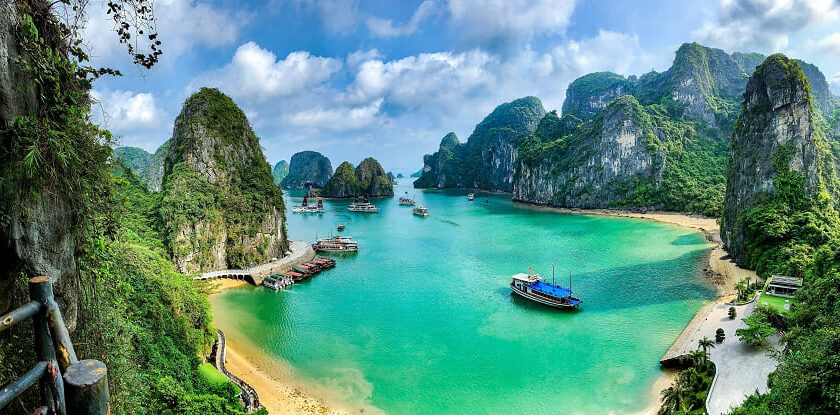
Best Things to Do in Vietnam: Top Activities
Discover the best things to do in Vietnam with practical city, nature, food, and adventure ideas for a balanced trip.
Never Miss an Adventure
Get the latest trekking guides, travel tips, and exclusive offers delivered straight to your inbox.
