
Mawlyngbna Split Rock Meghalaya: Trek Route & Local Experience

Rohan Malhotra
December 17, 2025
Explore Mawlyngbna Split Rock in Meghalaya. Trekking, caves, natural pools, village stay & complete travel guide.
Introduction: Adventure Village of Meghalaya
Deep in the heart of East Khasi Hills lies Mawlyngbna, a village that embodies Meghalaya's spirit of adventure and community-based tourism. This eco-tourism initiative village has gained fame for its remarkable Split Rock formation, but offers visitors far more than just geological wonders. Mawlyngbna represents a model of sustainable tourism where the local community actively preserves natural heritage while sharing their unique culture and landscape with adventurous travelers.
Located approximately 65 kilometers from Shillong, Mawlyngbna sits on a limestone plateau carved by ancient geological forces and centuries of human settlement. The village takes its name from the Khasi words meaning 'a place where stones speak,' and indeed, the landscape here tells stories written in rock, water, and forest. For travelers seeking authentic experiences beyond Meghalaya's popular tourist circuits, Mawlyngbna offers adventure activities, cultural immersion, and natural beauty in equal measure.
About Mawlyngbna Village
Mawlyngbna is a traditional Khasi village that has embraced eco-tourism as a means of sustainable development while preserving its cultural heritage and natural environment. The village sits in the East Khasi Hills district, approximately 65 kilometers from Shillong, perched on a limestone plateau that offers spectacular views of the surrounding valleys and plains.
Location and Landscape
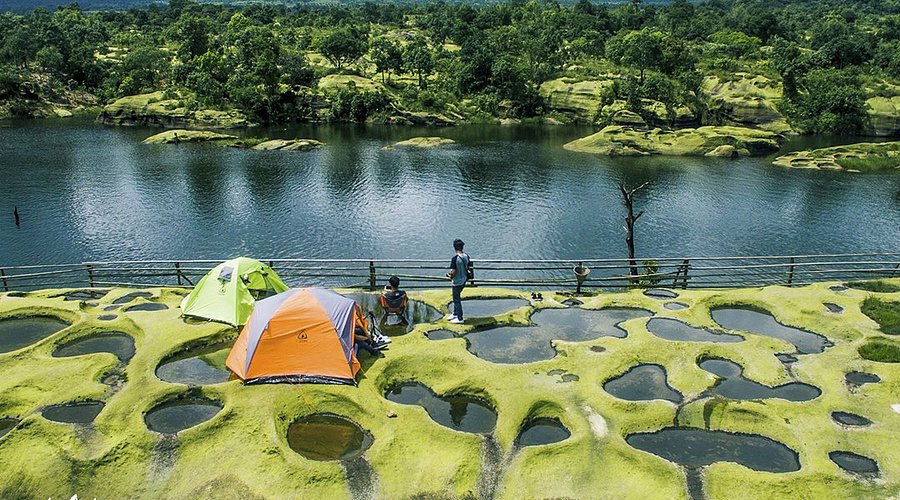
The village's location on a limestone plateau has created a unique landscape characterized by caves, natural pools, and remarkable rock formations. The area's geological history spans millions of years, resulting in a terrain that feels both ancient and alive. Limestone caves riddle the plateau, many with underground streams and dramatic chambers. Natural springs emerge from the rock, creating crystal-clear pools that have been used by villagers for generations.
The elevation provides a pleasant climate year-round, though mist and rain are frequent visitors, adding to the area's mystical atmosphere. The plateau offers panoramic views of the surrounding hills and valleys, particularly stunning at sunrise when the clouds lift to reveal the landscape below.
Khasi Culture and Traditions
Mawlyngbna is primarily inhabited by the Khasi tribe, one of Meghalaya's major indigenous communities. The Khasi people follow a matrilineal system where descent and inheritance are traced through the maternal line. This unique social structure is evident in village life, where women play important roles in family decisions and property ownership.
The village maintains traditional Khasi customs, from agricultural practices to religious ceremonies. Many residents follow the indigenous Khasi religion, honoring nature spirits and ancestral deities. Sacred groves in and around the village are protected, and visitors are asked to respect these spiritually significant areas. The community's strong connection to the land is visible in their careful stewardship of forests, water sources, and limestone formations.
Eco-Tourism Model
What makes Mawlyngbna special is its community-based eco-tourism initiative. Rather than allowing outside developers to commercialize their attractions, the villagers have developed tourism experiences that benefit the community directly. Homestays are run by local families, guiding services employ village youth, and tourist fees fund community development projects.
This approach ensures that tourism supports rather than disrupts traditional life. Visitors interact directly with residents, learn about Khasi culture firsthand, and contribute to the local economy. The model has proven so successful that Mawlyngbna has become a case study for sustainable rural tourism across Northeast India.
The Split Rock Formation
The Split Rock is Mawlyngbna's most famous geological wonder and the attraction that draws many visitors to this remote village. This massive boulder appears to have been cleaved perfectly down the center, creating a dramatic natural formation that sparks curiosity about the forces that created it.
Geological Wonder
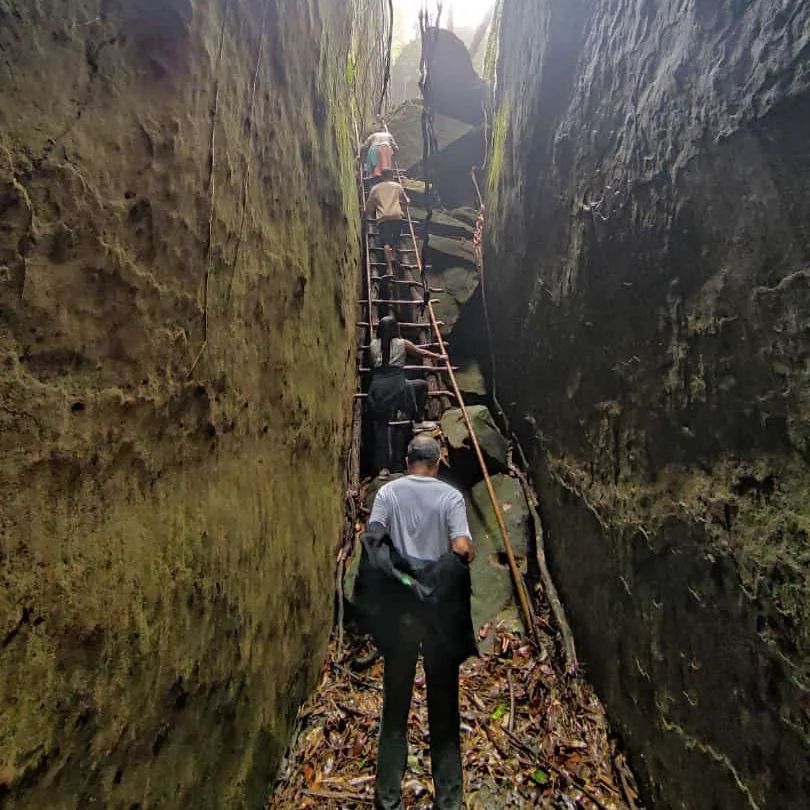
The Split Rock is a massive limestone boulder that has split cleanly into two halves, creating a narrow passage between them. The split appears almost surgical, as though the rock was carefully divided rather than naturally fractured. Geological explanations suggest that water seeping into natural fractures in the limestone gradually dissolved the rock along these fault lines, eventually separating the boulder into two distinct pieces.
Over centuries, this process widened the gap between the two halves, creating the dramatic formation visible today. The rock's size is impressive - each half stands several meters tall, and walking between them creates a sense of entering a natural cathedral. The stone surface shows weathering patterns and mineral veins that tell the story of its formation over millions of years.
Local Legends
Like many natural wonders in Meghalaya, the Split Rock is accompanied by local folklore. Khasi legends tell of supernatural forces that shaped the landscape, and stories about the Split Rock vary depending on which village elder you ask. Some tales speak of gods who split the rock to create a passage, while others describe mythical creatures that broke the stone apart.
These stories add a layer of cultural significance to the geological feature, connecting the physical landscape to Khasi spiritual beliefs. For visitors, hearing these legends from local guides enhances the experience, transforming the Split Rock from merely an interesting rock formation into a sacred site with cultural meaning.
Visiting the Split Rock
The Split Rock is easily accessible from the village center, requiring a short walk through the scenic landscape. The path winds through agricultural fields and patches of forest, offering views of village life along the way. Upon reaching the formation, visitors can walk between the two halves, touch the weathered stone, and appreciate the scale of this natural wonder.
Photography enthusiasts will find excellent opportunities here, particularly in the morning or late afternoon when light filters through the gap between the rocks. The surrounding landscape offers wider views, making it an ideal spot to pause and appreciate Mawlyngbna's dramatic scenery.
Adventure Activities
Mawlyngbna has established itself as Meghalaya's adventure tourism hub, offering activities that take advantage of its unique landscape. The village and surrounding area provide opportunities for exploration that range from easy nature walks to challenging caving expeditions.
Cave Exploration
The limestone plateau around Mawlyngbna is riddled with caves, many of which remain largely unexplored. The most accessible caves near the village offer visitors a chance to experience underground landscapes without requiring specialized equipment. These caves feature impressive limestone formations including stalactites, stalagmites, and flowstones created by mineral-rich water dripping over thousands of years. Meghalaya is famous for its extensive cave systems, and Mawlyngbna offers a glimpse into this underground world.
Some caves contain underground streams that emerge unexpectedly in dark chambers, their water clear and cold. The sound of water echoing through cave passages creates an atmospheric experience unlike any other. Guided cave tours are available, with local guides who know the caves intimately and can point out interesting formations while ensuring visitor safety.
For experienced spelunkers, more challenging caves exist in the area that require crawling, climbing, and getting wet. These expeditions need to be arranged in advance and should only be attempted with proper equipment and experienced guides.
Natural Pools and Swimming
Natural springs emerging from the limestone have created beautiful pools in and around Mawlyngbna. These crystal-clear pools are filled with spring water that remains refreshingly cool even in summer. The most famous pool, often called the 'blue pool' by visitors, gets its name from the deep blue color of the water when sunlight hits it at the right angle.
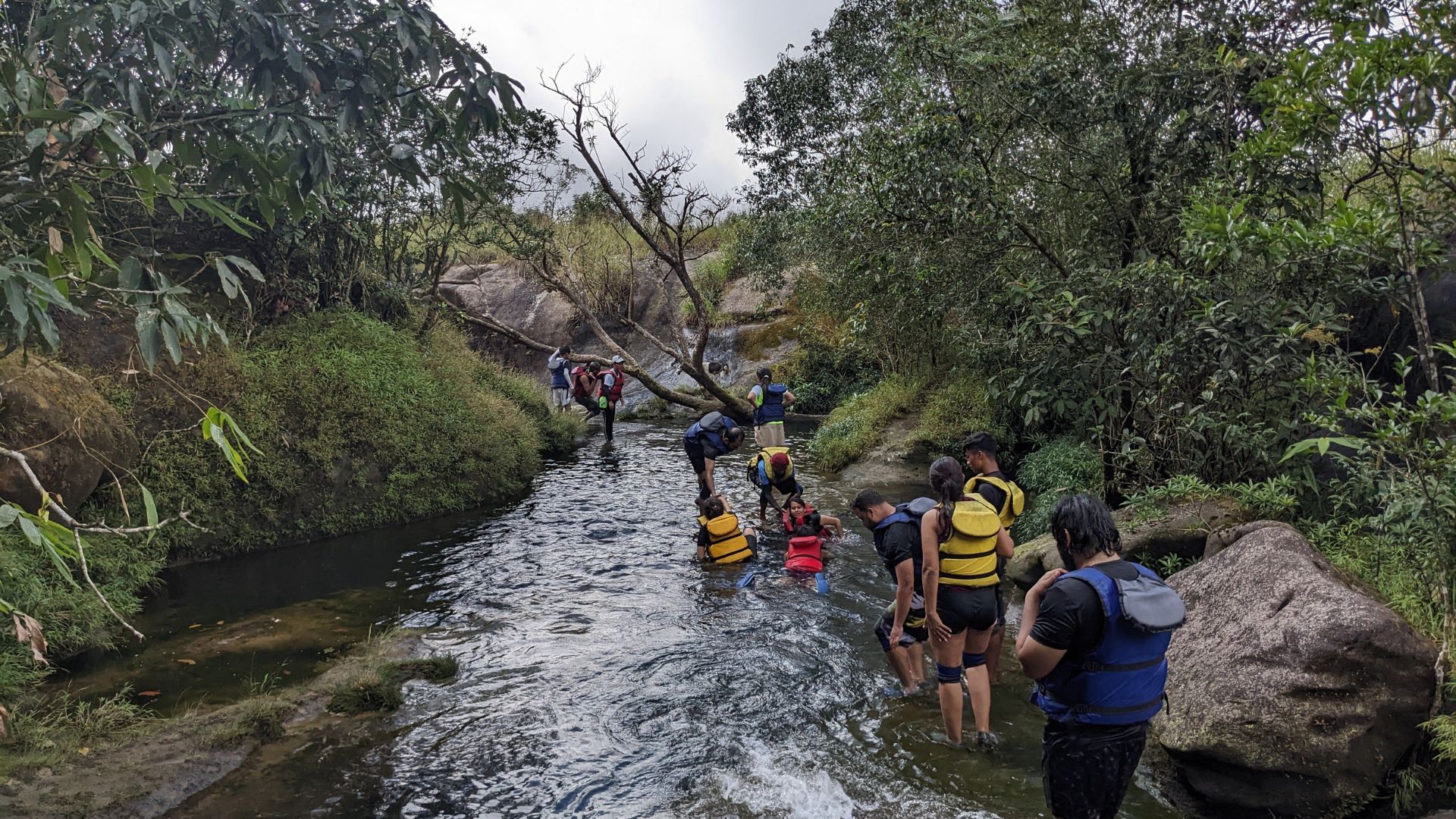
Swimming in these natural pools is a memorable experience. The water is clean and unpolluted, surrounded by forest and rock formations. The pools vary in depth, with some areas shallow enough to stand and others deep enough for swimming. Jumping into the cool water after a morning of trekking or caving is invigorating, making the pools popular with visitors looking to cool off.
Trekking Trails
The landscape around Mawlyngbna offers numerous trekking opportunities, from easy village walks to more challenging hikes through forest and across hills. Village walks take visitors through agricultural fields where traditional crops are grown, past sacred groves protected by the community, and to scenic viewpoints overlooking the plateau. For more extensive hiking opportunities in Meghalaya, this region provides excellent trails with varying difficulty levels.
Longer treks can take you to nearby villages, ridge viewpoints offering panoramic views of East Khasi Hills, and forest areas where wildlife can be spotted. The terrain varies from flat plateau to steep hillsides, so there are options for all fitness levels. Treks can be customized based on visitor interests, whether birdwatching, photography, or simply enjoying nature.
Bird Watching and Wildlife
Mawlyngbna's forests and fields are home to diverse bird species, making it a rewarding destination for birdwatchers. Early morning walks with a local guide can reveal numerous species, some endemic to the Northeast India region. The variety of habitats - forest, grassland, and wetland - supports different bird communities, so each walk offers new sightings.
Beyond birds, the area is home to various small mammals, reptiles, and insects. While large wildlife is less common, the region's biodiversity means that observant visitors may spot interesting species during their explorations. The village's commitment to conservation means that these natural areas are protected, providing habitat for wildlife to thrive.
Village Tourism and Homestays
Staying in Mawlyngbna offers an opportunity to experience Khasi village life firsthand. The village's homestay program places visitors with local families, providing authentic cultural immersion rather than the generic hotel experience typical of mainstream tourism.
Community Homestays
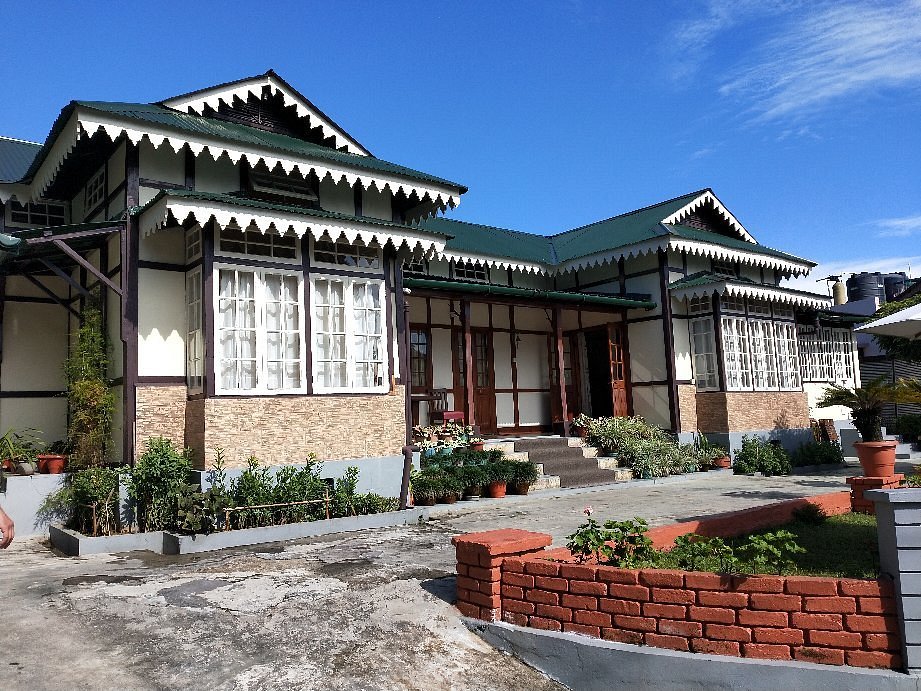
Homestays in Mawlyngbna are traditional Khasi houses that have been adapted to accommodate guests while maintaining their traditional character. Most houses are built on stilts, a traditional architectural style that protects from dampness and provides ventilation. Rooms are simple but clean and comfortable, furnished with basic beds and mosquito nets.
Staying with a local family means experiencing Khasi hospitality. Meals are prepared using locally sourced ingredients and traditional recipes, providing an introduction to Khasi cuisine. The typical meal might include rice, local vegetables, meat dishes, and chutneys prepared with ingredients from the family garden. Tea is always available, and mealtimes become opportunities to learn about Khasi customs and daily life.
Cultural Activities
Depending on the season and local events, homestay guests might have opportunities to participate in village activities. Agricultural work follows seasonal cycles, and visitors are sometimes welcome to help with planting or harvesting, experiencing traditional farming methods. Religious ceremonies, when appropriate for outsiders to witness, offer insight into Khasi spiritual practices.
Traditional crafts demonstrations can sometimes be arranged, showing how items used in daily life are made. These might include weaving, basketry, or other skills that have been passed down through generations. Participating in these activities provides hands-on understanding of Khasi culture that goes beyond what can be learned from books or documentaries.
Booking and Considerations
Homestays should be booked in advance, particularly during peak tourist seasons when accommodation options in the village are limited. The village tourism committee manages bookings and can match visitors with appropriate host families based on language ability, dietary restrictions, and other considerations.
Visitors should remember that they are staying in someone's home, not a hotel. This means respecting house rules, being flexible about meal times, and understanding that modern amenities may be limited. However, the trade-off is an authentic cultural experience and connections with local people that would be impossible in commercial accommodation.
Best Time to Visit
Mawlyngbna can be visited throughout the year, though each season offers different experiences and challenges. Understanding the seasonal patterns helps in planning the right time for your visit based on your interests and tolerance for weather conditions.
Winter (November-March)
Winter is generally considered the best time to visit Mawlyngbna for most travelers. The weather is dry and pleasant, with daytime temperatures comfortable for outdoor activities and cool nights that call for warm clothing. This season offers clear skies and good visibility, making it ideal for sightseeing, photography, and outdoor exploration.
The winter landscape is characterized by dry, brown fields and deciduous trees that have lost their leaves. While not as lush as other seasons, the drier conditions mean that caves are accessible without worrying about flash floods, and trekking trails are firm underfoot. This is also the peak tourist season, so the village sees more visitors, and homestays should be booked well in advance.
Post-Monsoon (October)
October, immediately after the monsoon season, offers lush green landscapes and flowing waterfalls. The countryside is at its most beautiful, with vegetation rejuvenated by months of rain. Waterfalls and natural pools are at their fullest, creating spectacular scenes for photographers.
Early October can still see some rain, so visitors should be prepared for wet weather. However, as the month progresses, the rain typically decreases while the landscape remains green. This shoulder season offers fewer crowds than winter, making it a good time to visit for travelers who prefer quieter destinations.
Summer (April-May)
Summer brings warmer temperatures and the possibility of pre-monsoon showers. While daytime can be hot, especially during midday, the elevation keeps temperatures from becoming oppressive. This is a good time for outdoor activities that can be scheduled to avoid the hottest part of the day.
By May, humidity increases as the monsoon approaches, and skies become cloudier. However, this period can still be enjoyable for visitors who don't mind heat and occasional showers. The advantage is that tourist numbers are lower than in winter, offering a more peaceful experience.
Monsoon (June-September)
The monsoon season brings heavy rainfall to Meghalaya, and Mawlyngbna receives its full share. The landscape becomes incredibly green, and waterfalls flow dramatically. However, for most travelers, monsoon presents significant challenges. Trekking trails become slippery and sometimes dangerous, caves may flood during heavy rain, and outdoor activities can be disrupted by downpours.
That said, for adventure travelers who don't mind rain and are prepared with proper gear, monsoon offers a different perspective on Mawlyngbna. The area receives fewer visitors, making it possible to have attractions to yourself. The dramatic weather creates moody landscapes and powerful waterfalls that photographers may find compelling. However, homestays may be basic during this period, and some activities may not be available.
How to Reach from Shillong
Reaching Mawlyngbna requires some planning as it's not on the main tourist circuit and public transport options are limited. However, the journey is part of the experience, taking you through beautiful countryside that most tourists never see.
Distance and Drive Time
Mawlyngbna is approximately 65 kilometers from Shillong, a journey that typically takes 2 to 2.5 hours by road, depending on road conditions and stops along the way. The route winds through rural East Khasi Hills, passing villages, agricultural fields, and forest areas, offering glimpses of local life along the way.
Route Options
The most common route goes via Laitkynsew, a village that serves as a junction point for reaching Mawlyngbna. From Shillong, you'll head south on roads that gradually improve as you leave the city behind. The route is well-marked if you're using GPS navigation, though asking locals for directions when in doubt is always a good idea.
The final stretch of road to Mawlyngbna is a village road that may be rough in places, particularly during monsoon. A vehicle with good ground clearance handles this better than a standard sedan, though most vehicles can make the journey with careful driving. The scenery on this final section is beautiful, with views opening up as you approach the village.
Transportation Options
Private taxi or hired car is the most convenient way to reach Mawlyngbna. Taxis can be arranged in Shillong for a day trip or for drop-off with return pickup arranged. Rates should be negotiated in advance, and it's worth asking if your driver knows the route well, as not all Shillong taxi drivers are familiar with this particular destination.
For budget travelers, shared taxis or buses run partway to Laitkynsew, but you'll likely need to arrange local transport for the final stretch to Mawlyngbna. This can be more time-consuming and less convenient but significantly cheaper. Some visitors arrange transport through their homestay, as the village committee may have contacts with drivers who make the run regularly.
Road Conditions
Road conditions in Meghalaya can vary, and the route to Mawlyngbna is no exception. The main roads from Shillong are generally good, paved highways. However, once you turn off toward Mawlyngbna, the road becomes narrower and may have rough patches. During monsoon, potholes develop and mudslides can temporarily block roads.
It's wise to check current road conditions before departing, particularly during monsoon season. Your homestay host or the village tourism committee can provide updates on road status. In general, allow extra time for the journey during monsoon or if roads have recently seen heavy rain.
Mawlyngbna offers visitors a chance to experience Meghalaya beyond the usual tourist destinations. Its combination of natural wonders, adventure activities, and authentic cultural experiences makes it a rewarding destination for travelers willing to venture off the beaten path. Whether you're exploring caves, swimming in natural pools, or simply enjoying village life from a homestay porch, Mawlyngbna provides memories that last long after you've returned home.
Location
Frequently Asked Questions
Q1.Where is Mawlyngbna Village located?
Q2.How far is Mawlyngbna from Shillong?
Q3.What is Split Rock in Mawlyngbna?
Q4.What activities can we do at Mawlyngbna?
Q5.Is Mawlyngbna suitable for families?
Q6.Are homestays available in Mawlyngbna?
Q7.How to reach Mawlyngbna Village?
Q8.Do we need guides for activities in Mawlyngbna?
Recommended For You
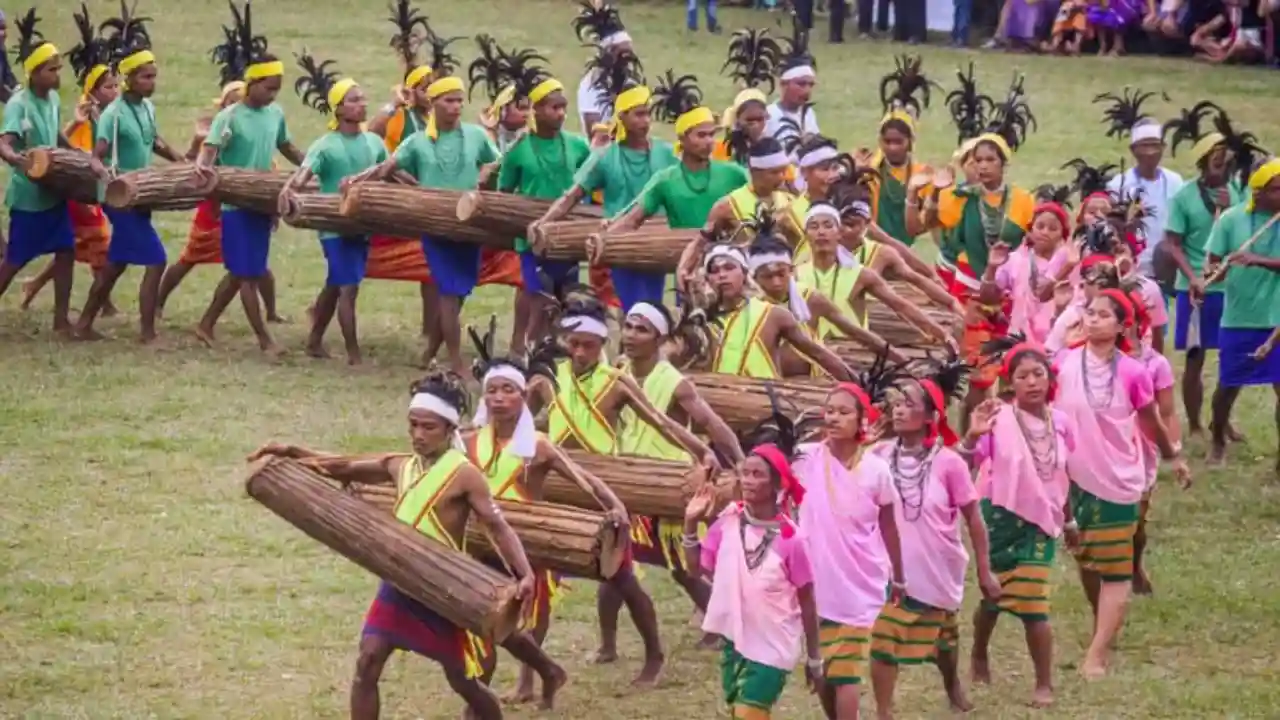
Festivals of Meghalaya: 15 Cultural Celebrations and Traditions
Explore festivals of Meghalaya including Wangala, Shad Suk Mynsiem, Nongkrem, and Behdienkhlam with calendar tips, locations, and travel planning advice.
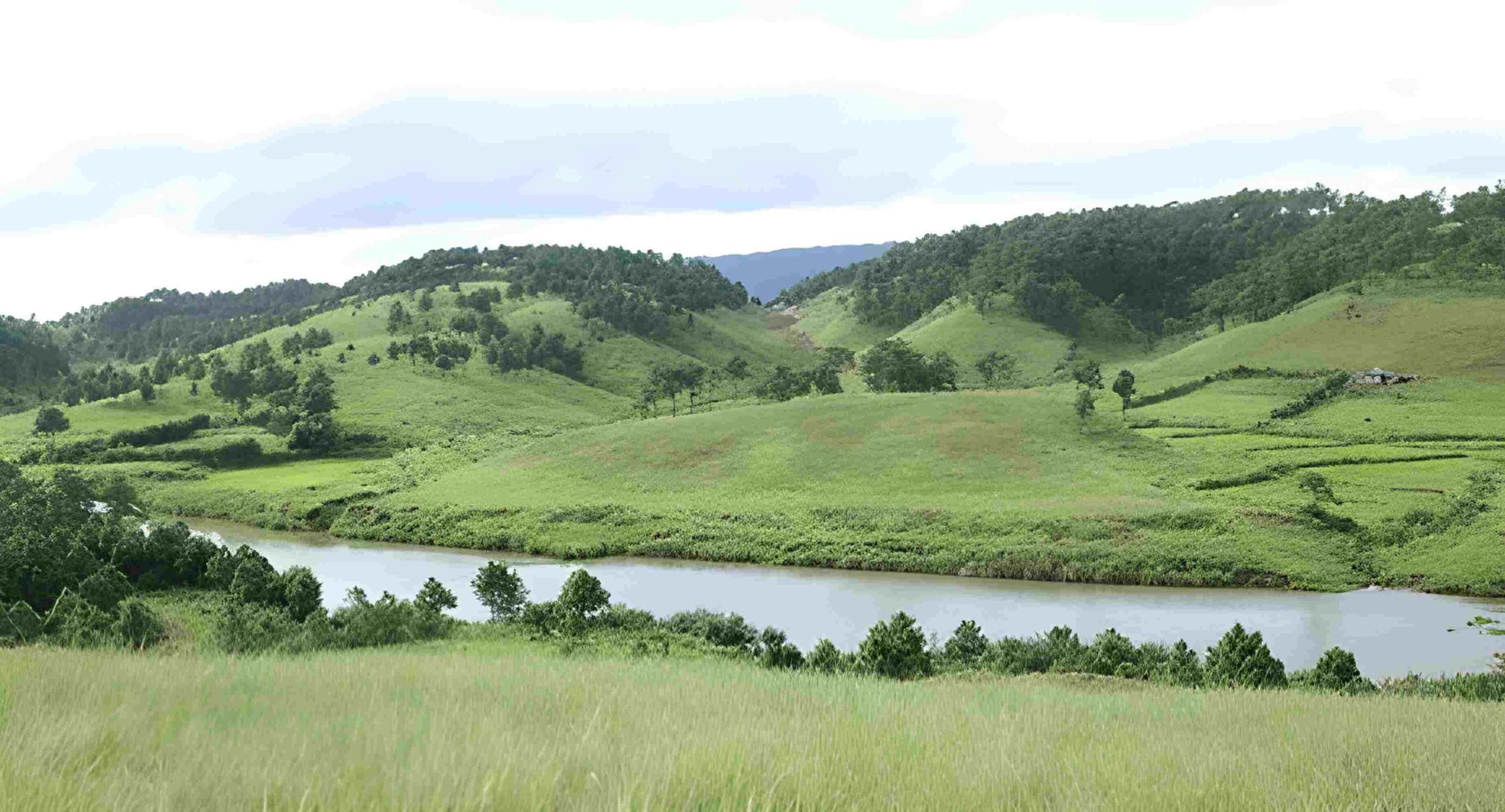
Rivers of Meghalaya: Umngot & More
Complete guide to Meghalaya rivers including Umngot, Umiam, Kynshi, and Myntdu with activities, season tips, and travel planning advice.
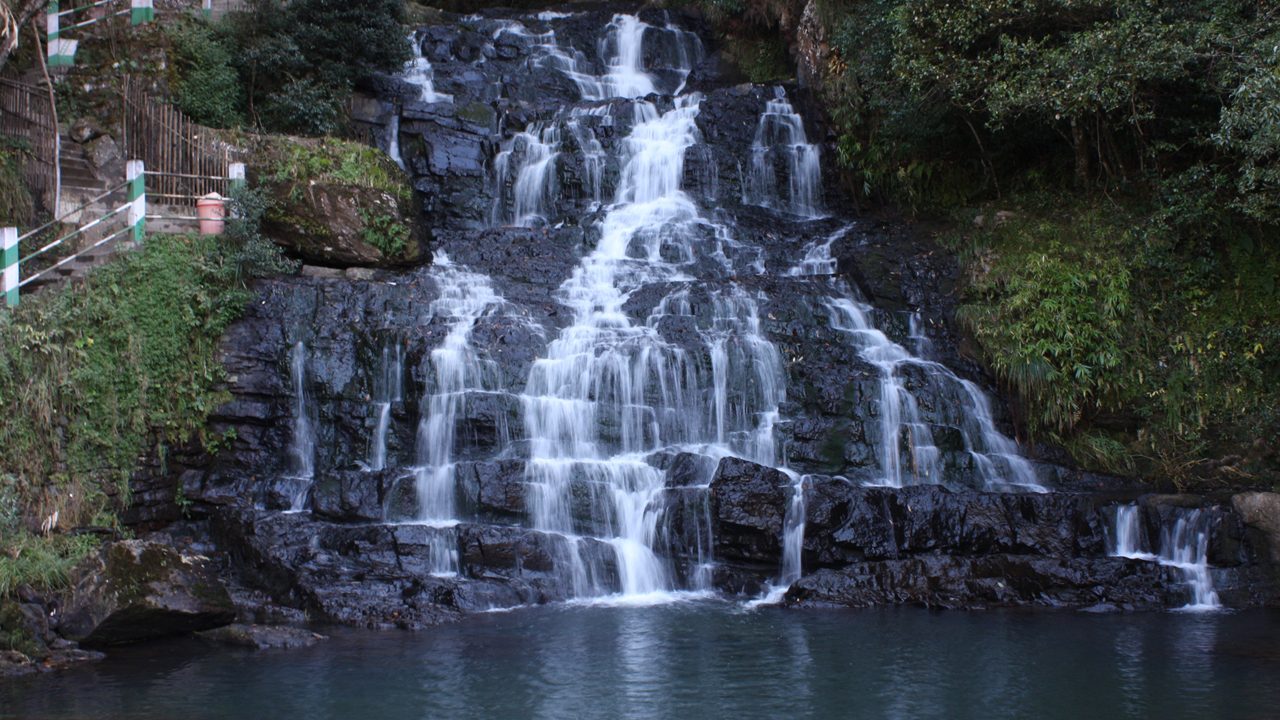
Elephant Falls Meghalaya: Complete Guide to Shillong's Iconic Waterfall
Visit Elephant Falls Meghalaya - Shillong's iconic 3-tiered waterfall. Complete guide to timings, entry fee, best time, how to reach & photography tips.
Never Miss an Adventure
Get the latest trekking guides, travel tips, and exclusive offers delivered straight to your inbox.
