
Krem Puri Meghalaya: Longest Sandstone Cave, Access & Exploration Tips

Ananya Sharma
December 23, 2025
Explore Krem Puri, Asia's longest sandstone cave in Meghalaya. Complete guide to this 24.5km underground wonder - discovery, geology, access, and expedition planning.
Longest Sandstone Cave Meghalaya: Exploration Planning, Safety, and Route Basics
The longest sandstone cave route in Meghalaya attracts adventure travelers because it combines scale, geological uniqueness, and expedition-like movement. This is not a casual tourist cave stop. You need route clarity, guide support, and weather-aware decisions before entering. If you are planning a broader cave circuit, connect this with Krem Liat Prah, nearby context from Krem Chympe, regional planning through Meghalaya travel guide, and seasonal caution from Meghalaya in monsoon. This article covers practical preparation, not hype, so you can decide whether this cave experience matches your team’s capability and goals.
Why This Cave Is Geologically Important
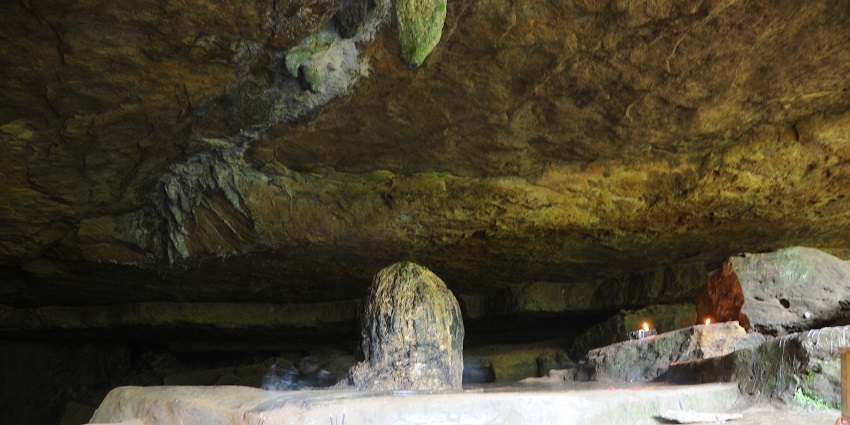
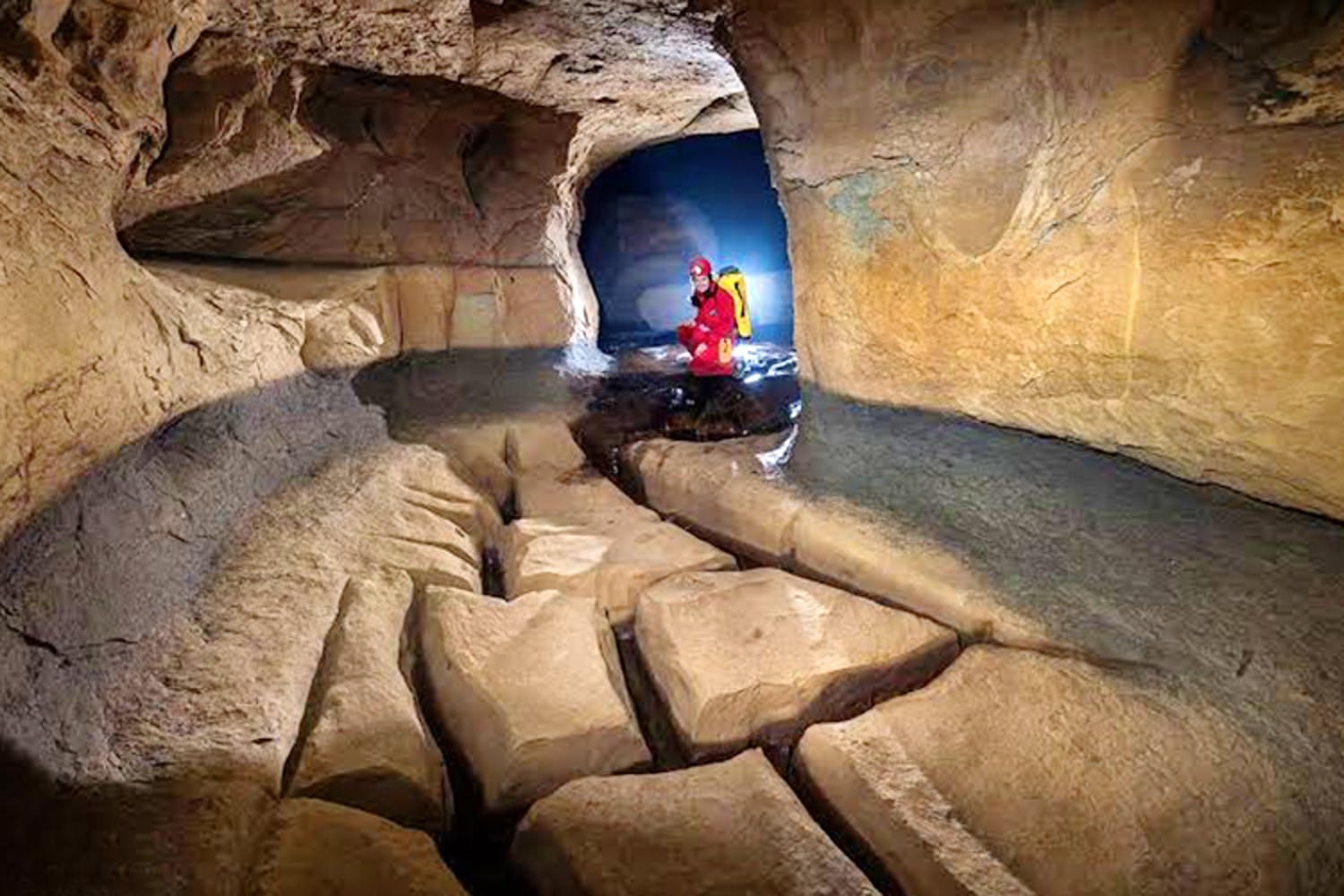
Most people associate major caves with limestone systems, so a long sandstone cave structure immediately stands out. Sandstone cave dynamics differ in texture, erosion behavior, and visual character. Inside, you see long passage continuity, moisture-dependent surfaces, and sections where movement requires careful foot placement. For geology-curious travelers, this destination is valuable because it expands understanding of how varied cave systems can form and evolve over time.
Difficulty Level and Physical Expectations
This route is better treated as moderate-to-advanced depending on which sections are attempted. You may encounter slippery zones, low-clearance movement, and long-duration fatigue. Basic walking fitness is not enough by itself. You need steady balance, calm breathing, and group discipline. First-time cavers should avoid full-scope ambitions and follow a guide-led partial exploration model.
| Challenge Area | On-Ground Reality | Preparation |
|---|---|---|
| Surface grip | Wet, uneven patches | High-grip footwear |
| Visibility | Low-light movement | Headlamp + backup |
| Route complexity | Multiple sections and turns | Guide-led navigation |
| Duration load | Long movement windows | Hydration and pace control |
Best Time to Plan the Trip
Dry-season windows are strongly preferred. Monsoon and immediate post-rain periods increase water risk and reduce movement reliability. Check recent rainfall, not just same-day forecast. Underground conditions can remain tricky even when surface weather looks acceptable.
How to Reach and Organize Logistics
Most teams stage from major Meghalaya bases and then move by road to the approach region. The last-mile and cave-entry logistics should never be improvised at the last minute. Fix transport, guide timing, and emergency contacts before departure. Start early and preserve return buffer.
- Share route plan with all participants before entry.
- Keep one group member responsible for time tracking.
- Carry offline references in low-network stretches.
- Avoid combining this with heavy evening travel.
Mandatory Gear
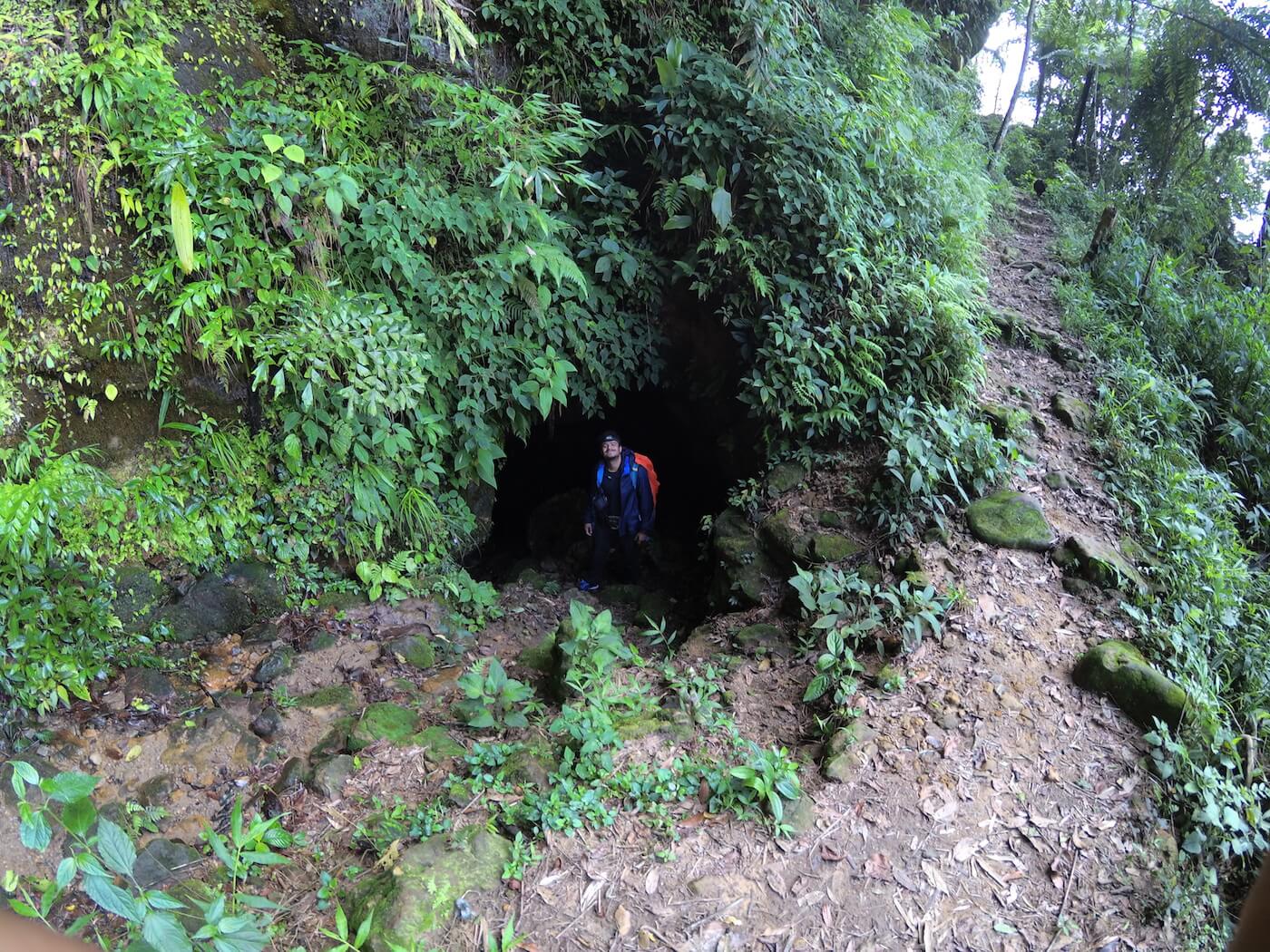
Minimum equipment should include helmet, primary headlamp, backup light, gloves, full-coverage quick-dry clothing, and shoes with aggressive grip. Add first-aid essentials, water, compact food, and waterproof bags for electronics. Keep load compact and functional; bulky packs reduce movement efficiency in constrained sections.
Safety Rules You Should Not Break
- Enter only with experienced local guidance.
- Keep visual contact and communication in group.
- Respect turnaround timing even if exploration feels incomplete.
- Do not touch or damage cave formations.
- Exit early if weather or fatigue indicators worsen.
How to Build This into a Meghalaya Itinerary
Do one heavy cave day and one recovery day. Do not stack multiple difficult cave routes back-to-back unless your group is trained. You can follow this with lighter regional destinations from Meghalaya place circuits and keep seasonal checks from monsoon guidance. If you want another cave-focused day, compare difficulty with Krem Liat Prah first.
Common Mistakes to Avoid
- Treating this as a short tourist cave walk.
- Ignoring rainfall history before travel day.
- Underestimating light and safety gear needs.
- Rushing route decisions to complete more sections.
- Planning long road transfers immediately after caving.
Decision Guide: Should You Attempt It?
Choose this route if your group is fit, safety-focused, and willing to follow conservative cave discipline. Skip it if your team prefers comfort-led tourism or has zero tolerance for wet, enclosed terrain. There is no downside in choosing easier routes when readiness is uncertain.
Final Takeaway
The longest sandstone cave experience in Meghalaya can be unforgettable when preparation quality is high. Plan conservatively, prioritize guide-led decisions, and protect the return margin. In cave travel, success is safe completion, not distance covered.
Use this destination as part of a balanced adventure itinerary, not a rushed checklist. With good timing and realistic scope, you get both exploration value and safety confidence.
Always keep one backup plan in case conditions change.
Careful pacing improves outcomes for every member of the group.
Detailed Expedition Planning Template
If your group is attempting a long cave exploration in Meghalaya, planning quality matters more than route ambition. Build your day in four phases: approach logistics, entry briefing, monitored exploration, and structured exit. Each phase should have a fixed decision checkpoint. At the approach phase, confirm local weather history and route reliability. At briefing, align on roles, pace, and turnaround rules. During exploration, monitor group energy every 30-40 minutes. At exit, prioritize safe return over completion goals.
A practical team model is to assign one member as timekeeper, one as hydration reminder, and one as pace coordinator under guide supervision. This reduces confusion in long passages and improves group coherence when fatigue increases. If the team loses rhythm, stop and reset rather than pushing forward blindly.
Budget, Time, and Risk Management
Adventure travel in caves is often underestimated in terms of indirect costs. Beyond transport and guide charges, include backup lighting, gloves, emergency food, weather contingencies, and return-transfer buffers. Under-budgeting typically leads to rushed decisions or poor equipment choices. Time budgeting is equally important: keep at least one unused hour in your day plan for unexpected delays. If conditions are ideal and you finish early, that buffer becomes recovery time. If conditions shift, it becomes your safety margin.
Preparation Checklist Before Departure
- Confirm route status and recent rainfall impact.
- Check headlamp and backup battery functionality.
- Pack lightweight waterproof layers and grip footwear.
- Share emergency contact card with every participant.
- Fix return vehicle and hard turnaround timing.
- Align on conservative decision protocol for uncertain sections.
This checklist takes minutes but prevents most avoidable problems underground. Teams that skip it usually lose time and confidence once inside.
Post-Exploration Recovery Strategy
After long cave movement, plan recovery as part of the expedition, not an afterthought. Hydrate, eat balanced food, and reduce physical load for the next 12-18 hours. Avoid adding difficult road transfers or intense activity immediately. Recovery improves safety, memory retention, and trip quality for the rest of Meghalaya. The strongest adventure itineraries are those that alternate effort and recovery deliberately.
Final Planning Principle
In cave travel, success means safe execution, clear communication, and controlled return. A partially completed route with strong safety discipline is always better than a full attempt with unstable decision-making. Respecting this principle will give your group a better experience and a stronger base for future cave exploration in Meghalaya.
Keep your expedition objectives realistic, your turnaround timing strict, and your communication consistent from start to finish. These three habits improve both safety and overall route success.
Teams that keep conservative goals, reliable timing, and clear role coordination almost always report better outcomes than teams that prioritize distance targets. Consistency is the strongest tool in technical cave travel.
Good teams review conditions repeatedly and adapt early instead of reacting late under pressure.
Conservative decisions are the fastest path to consistent expedition success.
Keep communication clear, pace steady, and turnaround discipline strict; these fundamentals reduce risk and improve team confidence across long cave movement where small delays can compound quickly.
Location
Frequently Asked Questions
Q1.Where is the longest sandstone cave in Asia?
Q2.What is special about Krem Puri cave?
Q3.How do I reach Krem Puri cave in Meghalaya?
Q4.What is the best time to visit Krem Puri cave?
Q5.Do I need a guide for Krem Puri cave exploration?
Q6.Is Krem Puri cave suitable for beginners?
Q7.What equipment do I need for caving in Krem Puri?
Q8.Why is Krem Puri called the Dragon Cave?
Recommended For You
Hiking in Meghalaya: Top Trails, Difficulty & Season
Explore hiking in Meghalaya with complete trail guides, difficulty levels, best seasons, and essential tips for root bridges, David Scott Trail, and Khasi Hills adventures.
How to Reach Meghalaya: Flight, Train, Road & Entry Points
Complete guide on how to reach Meghalaya by flight, train & road. Routes from Guwahati, Kolkata, Delhi with timings, distances & travel tips.
Best Time to Visit Meghalaya: Rainfall, Season & Waterfall Views
Understand Meghalaya weather by season with practical month-wise planning tips for waterfalls, root bridges, caving, and safer route timing.
Never Miss an Adventure
Get the latest trekking guides, travel tips, and exclusive offers delivered straight to your inbox.
