
Mawlynnong Village Meghalaya: Clean Village Experience, Route & Stay

Priya Mehta
January 15, 2026
Plan your Mawlynnong Village trip with cleanliness highlights, living root bridge access, best season, routes from Shillong, and practical stay tips.
Introduction: Why Mawlynnong Village Stands Out
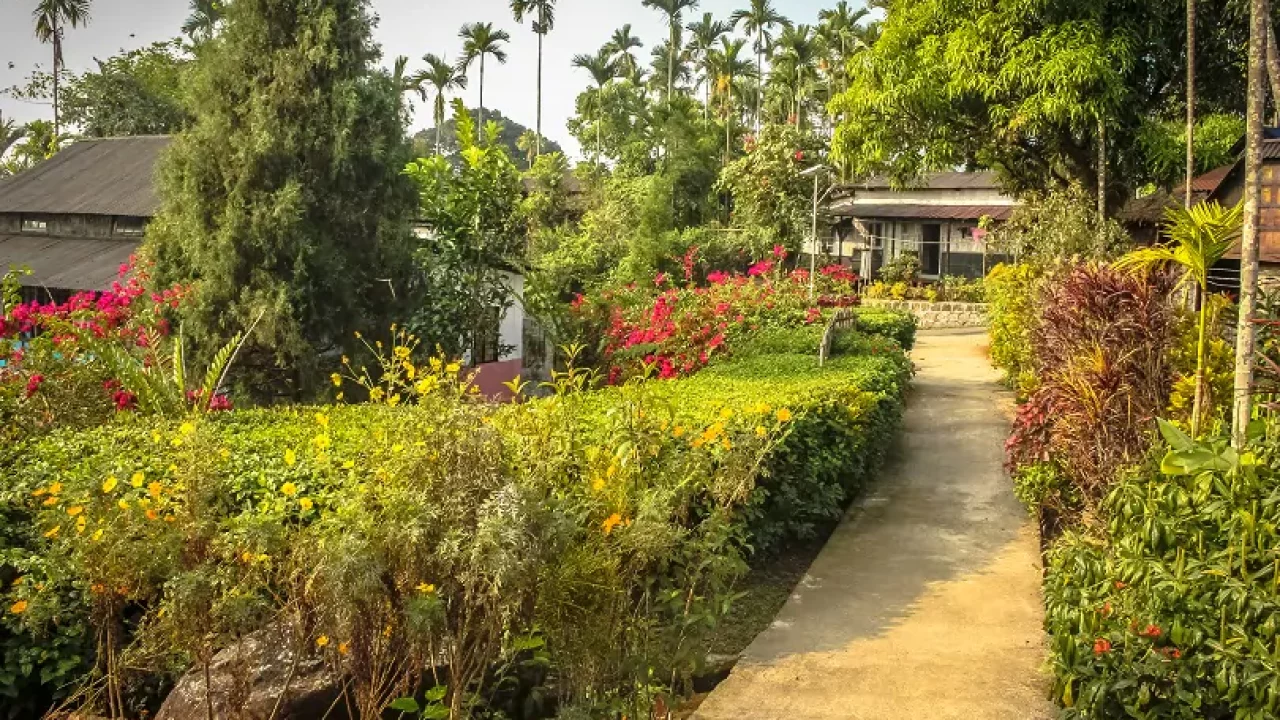
Mawlynnong Village in Meghalaya is often introduced as the cleanest village in Asia, but the real experience is deeper than a single title. Set in the East Khasi Hills region, Mawlynnong is known for disciplined community-led cleanliness, bamboo-based infrastructure, and a calm rural rhythm that feels very different from crowded hill stations. The lanes are neat, homes are decorated with flowers, and waste bins are placed thoughtfully across the village. Visitors usually come for a half-day trip, but those who stay longer begin to notice how everyday systems, local culture, and eco-tourism values work together here.
For most travelers, Mawlynnong combines three things in one route: village life, nature-driven attractions, and short treks to nearby living root bridge zones. If you are planning a wider East Khasi Hills circuit, pair this with places to visit in Meghalaya and Cherrapunji tourist places for a better itinerary flow.
About Mawlynnong Village
Mawlynnong is located in East Khasi Hills district and is commonly visited from Shillong as a road trip destination. Travel distance is generally around 75 to 90 km depending on route and pickup point, and the journey usually takes about 2.5 to 3.5 hours. The village rose to national and international attention after being featured as the cleanest village in Asia in the early 2000s, and since then it has become one of Meghalaya's most visited eco-tourism villages.
The population is small, and the community is largely Khasi. Like other Khasi regions, social structure is matrilineal, with strong participation of women in household and community systems. The village is also known for high literacy, active local institutions, and disciplined visitor management compared with many other rural tourism spots. Rather than large commercial infrastructure, Mawlynnong keeps tourism mostly low-rise and community-owned, which helps preserve local character.
| Quick Fact | Mawlynnong Details |
|---|---|
| Region | East Khasi Hills, Meghalaya |
| Known For | Community cleanliness and eco-tourism model |
| Common Base City | Shillong |
| Suggested Visit Duration | Half day to 1 day |
| Best Combined Route | Mawlynnong + Dawki side or Sohra side circuit |
How the Village Maintains Its Cleanliness
Cleanliness in Mawlynnong is not a campaign-day activity; it is a daily social habit. You will notice bamboo dustbins across walkways, tidy drains, and controlled waste disposal behavior among both residents and visitors. Local committees and households actively maintain lanes and surroundings, and children are introduced to cleanliness discipline from an early stage. This consistency is the real reason Mawlynnong remains a benchmark for village-level environmental management.
Another important factor is tourism behavior control. Visitors are encouraged to avoid littering, respect local spaces, and follow marked paths. In many places, eco-tourism messaging is symbolic, but in Mawlynnong it is practical and visible. The result is not just a clean village for photographs but a functioning model of shared civic responsibility. Travelers can learn from this by carrying reusable bottles, minimizing plastic waste, and avoiding single-use packaging during village visits.
Living Root Bridge Near Mawlynnong
One of the key experiences around Mawlynnong is visiting the nearby single-decker living root bridge area, often reached through a village walk and descent route depending on the chosen path. These bridges are formed over time by guiding aerial roots of rubber fig trees, creating natural, living structures that remain functional for decades when maintained properly. Unlike modern concrete bridges, these are grown and strengthened gradually through community knowledge and ecological adaptation.
The walk to the bridge is moderate for most travelers but involves steps and uneven sections. Good footwear is essential, especially in monsoon months when trails get slippery. If you are specifically interested in root bridge systems across Meghalaya, add Double Decker Living Root Bridge to your long-route plan for a deeper comparison of bridge types and trek difficulty.
Sky View Point, Balancing Rock, and Other Local Attractions
Sky View Point
Mawlynnong's bamboo sky walk structure is popular for elevated landscape views and, on clear days, distant plains visibility toward the Bangladesh side. It is a short stop but worth adding for perspective shots of the surrounding terrain.
Balancing Rock
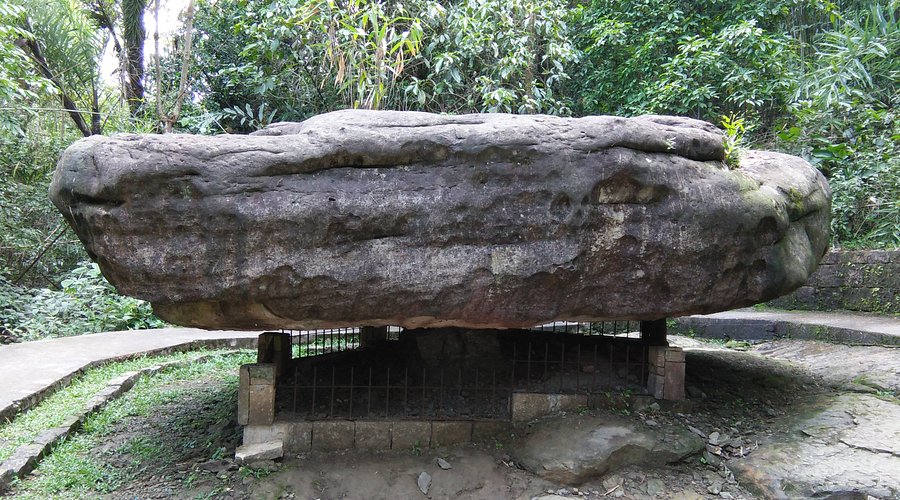
The balancing rock formation near the village is a quick geological curiosity stop. The rock appears naturally poised in a way that often surprises first-time visitors and is commonly included in local circuits.
Village Lanes and Community Spaces
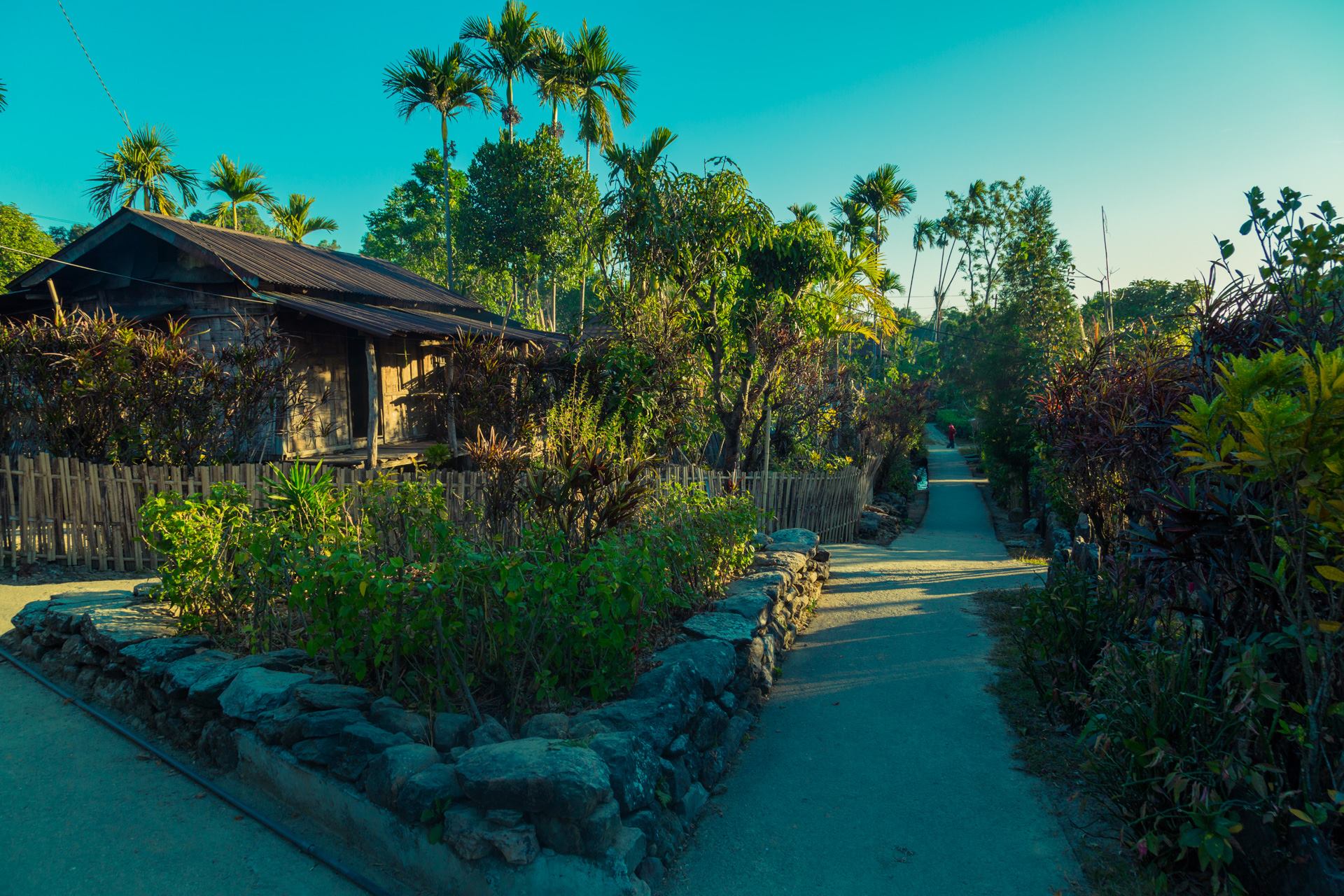
Do not rush only for viewpoint photos. The best part of Mawlynnong is often the village walk itself, where flower-lined homes, bamboo elements, and quiet community spaces reveal how rural tourism can remain organized without losing authenticity.
Village Life and Khasi Cultural Context
Mawlynnong reflects the broader Khasi cultural region where matrilineal social systems and community-first decision making remain important. Households maintain gardens, local food systems are simple and seasonal, and hospitality is practical rather than performative. If you stay in a homestay, you can observe daily life patterns more clearly than on a rushed day trip.
Food options in and around the village are usually basic but sufficient for most visitors, with local-style meals and simple tea/snack points. For travelers who want broader regional planning, combine Mawlynnong with Meghalaya travel guide routes and include one cultural-nature stop such as Mawphlang Sacred Forest for deeper understanding of local ecological traditions.
How to Reach Mawlynnong Village
Road access is the primary way to reach Mawlynnong. Most visitors start from Shillong in private cabs, shared local transport chains, or pre-booked tour vehicles. Self-drive is possible, but travelers unfamiliar with hill roads should keep weather, visibility, and timing in mind.
| Starting Point | Approx Distance | Typical Time | Common Option |
|---|---|---|---|
| Shillong | 75-90 km | 2.5-3.5 hours | Taxi / tour cab |
| Dawki side circuit | Variable by route | 1.5-3 hours | Cab with multi-stop plan |
| Cherrapunji/Sohra side | Longer cross-route | 3-5+ hours | Full-day circuit vehicle |
Start early if combining multiple stops. Hill travel speed is slower than plain-road estimates, and weather can affect visibility unexpectedly.
Mawlynnong Entry Fee, Timings, and Practical Planning
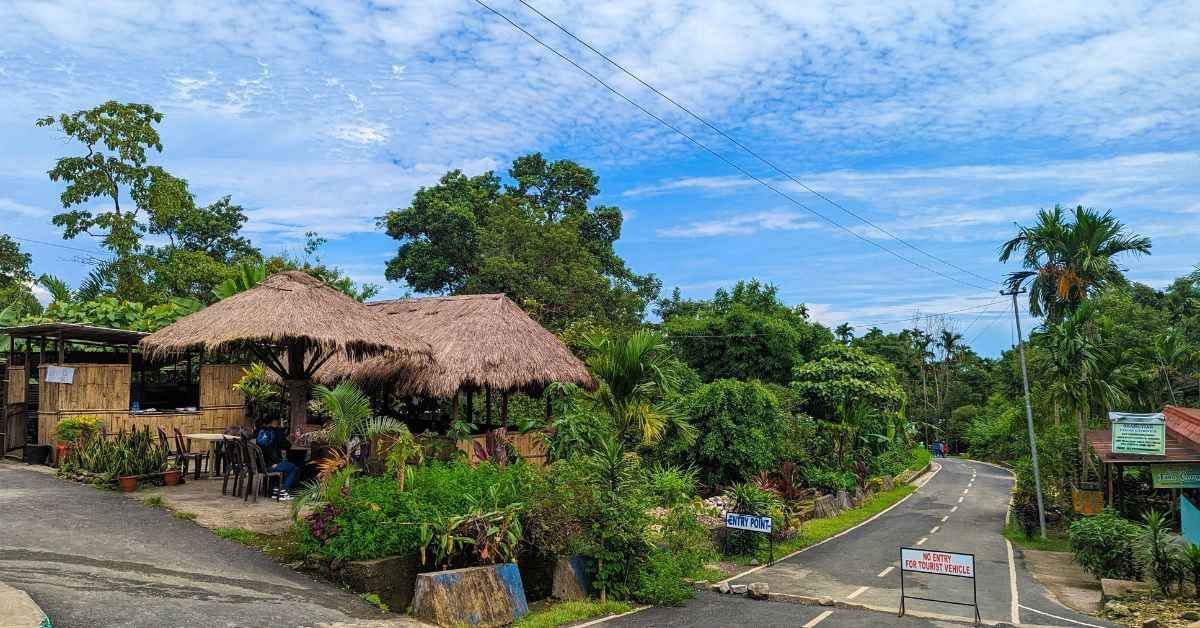
Entry fee and local attraction charges are usually modest and can be updated by village committees or local management groups. Carry small cash in addition to digital payment options because network quality can vary. Daytime visits are most common, and morning-to-afternoon windows are usually best for walking and bridge access.
Some local reports published in January 2026 indicated that the village community was considering or applying Sunday restrictions for day visitors to preserve local rhythm. Since local rules can change, verify the current status one day before travel through local operators or accommodation hosts.
Best Time to Visit Mawlynnong Village
Mawlynnong is a year-round destination, but seasonal goals differ. Post-monsoon and winter months are generally best for comfortable walking, clearer views, and road stability. Monsoon months bring lush greenery and dramatic landscapes but also slippery trails and slower movement.
| Season | Experience | Planning Note |
|---|---|---|
| October to February | Pleasant weather, better visibility | Best for first-time travelers |
| March to May | Mild climate, decent road conditions | Good for relaxed village walking |
| June to September | Lush greenery, high rainfall | Carry rain gear and use grippy footwear |
For monsoon-focused travelers, compare routes with Meghalaya in monsoon planning before finalizing your circuit.
Where to Stay: Day Trip vs Homestay
Many travelers visit Mawlynnong as a day trip from Shillong, but staying one night offers a slower and more rewarding experience. Homestays are usually simple, clean, and community-run. Amenities are basic compared with city hotels, but this trade-off is part of the village experience. If your itinerary is tight, keep Mawlynnong as a morning-to-evening stop and move onward to your next base by daylight.
Travelers interested in early-morning village walks, less crowded photo windows, and meaningful local interaction should consider overnight stays. Families with senior travelers may prefer day trips to avoid extra luggage transfer and late-evening hill-road movement.
Suggested One-Day Mawlynnong Itinerary
Start early from Shillong and aim to reach by mid-morning so you can walk the village before peak crowd hours. Begin with the main village lanes and sky view point, then continue toward balancing rock and local community spaces. Keep a relaxed mid-day food break at a local eatery or homestay kitchen where available, and then do the root bridge walk in the second half if weather is stable. This sequence helps you avoid rushing through stair sections and gives better time for photography in softer afternoon light.
If you are combining Mawlynnong with another destination, avoid stacking too many long transfers on the same evening. A practical plan is Mawlynnong plus one nearby stop, then return before dark. Overpacking the day often reduces the village experience to a checklist visit.
Responsible Travel Tips for Mawlynnong
1. Do not litter, even if you cannot find a bin immediately; carry waste until disposal.
2. Avoid loud music and drone usage in sensitive village zones unless allowed.
3. Wear comfortable shoes for steps and root bridge trail sections.
4. Carry water, light snacks, and rain protection for changing weather.
5. Respect local homes and private areas while photographing village lanes.
6. Prefer local guides and homestays to support community-based tourism.
7. Keep itinerary buffer for weather or road slowdowns in hill terrain.
Final Take
Mawlynnong Village is one of Meghalaya's strongest examples of how clean public spaces, local culture, and eco-tourism can coexist without heavy commercialization. It is not a high-adrenaline destination, and that is exactly its strength. Visit with realistic expectations, walk slowly, respect community rules, and combine it with nearby Meghalaya circuits for a complete trip. If your goal is meaningful rural travel rather than only checklist tourism, Mawlynnong deserves a proper place in your itinerary.
Location
Frequently Asked Questions
Q1.Where is Mawlynnong Village located?
Q2.How do I reach Mawlynnong from Shillong?
Q3.Why is Mawlynnong called the cleanest village in Asia?
Q4.Is there a living root bridge near Mawlynnong Village?
Q5.What is the best time to visit Mawlynnong?
Q6.Can we stay overnight in Mawlynnong Village?
Q7.How much time is needed for Mawlynnong sightseeing?
Q8.Is Mawlynnong safe for tourists and families?
Recommended For You
Mawsmai Cave Cherrapunji: Entry Fee, Timings & Visit Tips
Complete Mawsmai Cave guide covering cave formations, timing, entry fee, how to reach, safety tips, and nearby Cherrapunji attractions.
Meghalaya: Complete Travel Plan Places And Weather
Complete Meghalaya travel guide featuring living root bridges, Cherrapunji, Shillong, Dawki, caves, waterfalls & practical tips.
Best Time to Visit Cherrapunji: Rainfall, Caves & Waterfall Season
Discover the best time to visit Cherrapunji with season-wise rainfall insights, root bridge and waterfall timing, and practical planning tips for safer Meghalaya travel.
Never Miss an Adventure
Get the latest trekking guides, travel tips, and exclusive offers delivered straight to your inbox.
